
Understanding klow Peptide Dosing: A Comprehensive Guide for 2025 Research

The field of peptide science continues to advance at a rapid pace, with new compounds and innovative applications emerging regularly. Among these, klow peptide has garnered significant interest for its potential in various research avenues. For any scientific investigation involving this promising compound, precise klow peptide dosing is not merely a recommendation but a critical determinant of experimental validity and replicability. This article delves into the intricacies of klow peptide dosing, offering a comprehensive guide for researchers seeking to optimize their study protocols in 2025. Understanding the nuances of dosage, administration, and formulation is paramount to unlocking the full spectrum of its research potential.
Key Takeaways
- Precision is Paramount: Accurate klow peptide dosing is essential for valid and reproducible research outcomes.
- Method Matters: The chosen route of administration significantly impacts peptide bioavailability and efficacy in laboratory settings.
- Formulation Influences: Peptide purity, stability, and reconstitution practices are critical factors affecting the actual dose delivered.
- Start Low, Go Slow: Initial research protocols often recommend starting with lower doses to assess fundamental responses before escalating.
- Documentation is Key: Meticulous record-keeping of dosing protocols, observations, and environmental factors is crucial for data integrity.
The Foundations of klow Peptide Dosing: What Researchers Need to Know
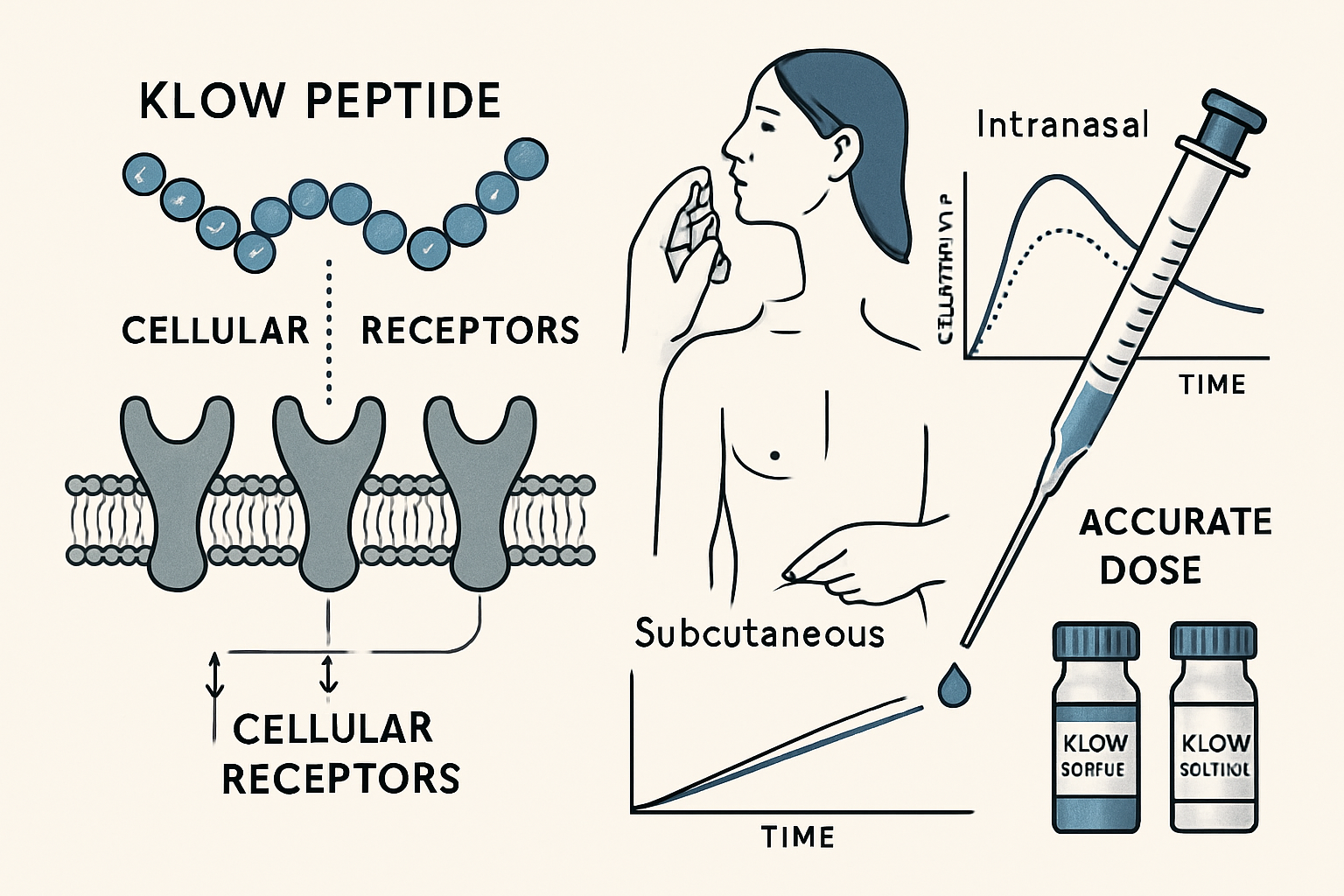
Understanding the theoretical basis behind klow peptide dosing is the first step toward successful research. Peptides, by their nature, are chains of amino acids that can act as signaling molecules within biological systems. Their efficacy in a research context is highly dependent on how they are introduced to the system, in what quantity, and over what duration. The klow peptide, a relatively newer compound of interest, requires particular attention to these details to ensure that experimental conditions accurately reflect its potential biological activities.
When considering klow peptide dosing, researchers must account for several fundamental factors that influence a peptide's interaction with a biological system:
- Molecular Weight: The size of the peptide influences its absorption, distribution, metabolism, and excretion (ADME) profile.
- Stability: Peptides can be sensitive to enzymatic degradation, temperature, and pH. Maintaining stability is crucial for ensuring the intended dose reaches its target.
- Bioavailability: This refers to the proportion of the administered peptide that enters the systemic circulation unchanged and is available to exert an effect. Different administration routes will yield different bioavailabilities.
- Half-life: The time it takes for half of the administered peptide to be eliminated from the system. This dictates the frequency of dosing required to maintain consistent levels.
For researchers working with various peptide compounds, it's beneficial to explore resources like the comprehensive catalog tour to understand the array of options available and their general characteristics. Furthermore, insights into adaptive capacity and peptide mapping can provide a broader understanding of how peptides interact and function within complex biological systems, informing dosing strategies.
Factors Influencing Optimal klow Peptide Dosing in Research
Determining the "optimal" dose for klow peptide in a research setting is a complex endeavor, devoid of a one-size-fits-all answer. Instead, it involves a careful consideration of numerous variables specific to the research question and experimental design.
-
Research Objectives:
- What specific biological pathway or cellular response is being investigated?
- Is the goal to observe a subtle modulatory effect or a more pronounced functional change?
- The desired intensity and nature of the observed effect will directly influence the dose range explored.
-
Model System:
- In vitro studies: Cell culture experiments allow for precise control of peptide concentration and direct interaction with target cells. Dosing here is typically expressed as a concentration (e.g., µM, nM).
- In vivo studies: Animal models introduce complex physiological factors. Dosing is often expressed per unit of body weight (e.g., mg/kg). Considerations include species, age, sex, and health status of the animal model.
-
Route of Administration:
- Subcutaneous (SC): A common route for peptides, offering good bioavailability and sustained release. This method is often preferred for many research peptides, including those explored in the best peptide kits for beginner researchers.
- Intranasal (IN): Can be useful for targeting the central nervous system or for systemic absorption, though bioavailability can be variable.
- Oral: Generally poor for most peptides due to degradation by digestive enzymes, though some formulations are being developed to enhance oral bioavailability. Researchers interested in this route might explore insights on best oral peptides.
- Topical: Primarily for localized effects, such as in skin research (e.g., topical GHK-Cu).
-
Frequency and Duration:
- Single dose vs. repeated dosing.
- Acute vs. chronic administration.
- The half-life of klow peptide will be a primary factor in determining how often it needs to be administered to maintain consistent levels or achieve cumulative effects.
- Exploring daily routines and peptide timing can offer valuable perspectives on optimizing administration schedules in research.
-
Peptide Purity and Formulation:
- High-purity peptides (e.g., >98%) are crucial for accurate dosing and minimizing confounding variables. Researchers should always look for COA (Certificate of Analysis) to verify purity.
- Reconstitution with sterile bacteriostatic water or an appropriate solvent is vital for maintaining peptide integrity and ensuring accurate measurement.
- Storage conditions (e.g., temperature, light) greatly impact stability. Information on best practices for storing research peptides is indispensable.
Pull Quote: "Precise klow peptide dosing is the bedrock of credible research, ensuring that experimental results are both meaningful and reproducible."
General Guidelines for Approaching klow Peptide Dosing
While specific doses will always depend on experimental design, some general principles can guide researchers when establishing their klow peptide dosing protocols:
- Literature Review: Start by thoroughly reviewing any existing research on klow peptide or structurally similar peptides. This can provide a valuable starting point for dose ranges.
- Pilot Studies: Conduct small-scale pilot studies to establish a dose-response curve. This involves testing a range of doses (e.g., low, medium, high) to identify the effective and maximum tolerated doses within the specific model system.
- "Start Low and Go Slow": Begin with the lowest dose expected to elicit a biological effect and gradually increase it based on observed responses. This minimizes potential adverse effects and helps pinpoint the minimal effective dose.
- Unit Conversion: Be meticulous with unit conversions (e.g., µg to mg, mg/kg to µg/g) to avoid errors, especially when translating between in vitro and in vivo models.
- Volume Calculation: Calculate the exact volume needed for injection or application based on the desired dose and the concentration of the reconstituted peptide solution.
| Factor | Consideration | Impact on Dosing |
|---|---|---|
| Research Goal | Modulatory effect vs. therapeutic outcome | Determines target dose range (lower for modulation, higher for pronounced effects) |
| Model System | Cell culture, animal model (species, size) | Dosing units (concentration vs. mg/kg), and total amount needed |
| Administration Route | Subcutaneous, Intranasal, Oral, Topical | Bioavailability, absorption rate, frequency of administration |
| Peptide Purity | % of active peptide | Direct impact on the actual amount of active compound administered; high purity (>98%) is critical |
| Reconstitution | Solvent choice, concentration, stability | Affects peptide integrity, shelf-life of solution, and accurate measurement of dose |
| Frequency/Duration | Single dose, daily, cyclical | Influences steady-state concentrations, cumulative effects, and potential desensitization |
Practical Aspects of Administering klow Peptide Dosing
Beyond determining the correct amount, the practical execution of klow peptide dosing is equally important for the integrity of research findings. This section covers the hands-on aspects, from reconstitution to injection techniques. Researchers often find detailed guides on commonly researched typical dosages for peptides to be incredibly valuable in this stage.
Reconstitution and Preparation
The journey of klow peptide dosing begins with proper reconstitution. Most research peptides arrive in lyophilized (freeze-dried) powder form in sealed vials. This form ensures stability for storage.
-
Gather Supplies:
- Lyophilized klow peptide vial
- Sterile bacteriostatic water (BW) or appropriate sterile solvent (e.g., 0.9% NaCl solution) – critical for preventing bacterial growth and maintaining stability.
- Sterile syringes (e.g., insulin syringes for accuracy)
- Sterile needles for reconstitution and administration
- Alcohol swabs
- Sharps container
- Gloves
-
Calculate Solvent Volume:
- Decide on the desired concentration for your working solution. A common concentration might be 1 mg/mL or 2 mg/mL, but this depends on your total peptide amount and desired final dose volume.
- Example: If you have a 10 mg vial of klow peptide and want a concentration of 2 mg/mL, you would add 5 mL of bacteriostatic water (10 mg / 2 mg/mL = 5 mL).
-
Reconstitution Process:
- Swab the rubber stopper of the peptide vial and the bacteriostatic water vial with an alcohol swab.
- Using a new sterile syringe and needle, draw up the calculated amount of bacteriostatic water.
- Slowly and carefully inject the bacteriostatic water into the peptide vial, aiming the stream down the side of the vial, not directly onto the lyophilized powder. This prevents damage to the peptide structure.
- Do not shake the vial. Gently swirl the vial or roll it between your palms to encourage dissolution. This may take a few minutes. Ensure the powder is fully dissolved, leaving a clear solution.
- Once reconstituted, the peptide solution should be stored according to manufacturer recommendations, typically refrigerated at 2-8°C. Consult resources on best practices for storing research peptides for detailed guidance.
Administering klow Peptide Dosing via Subcutaneous Injection
Subcutaneous (SC) injection is a preferred method for many peptides, including klow peptide, due to its relatively easy administration and consistent absorption.
-
Site Selection:
- Choose an area with a layer of fat beneath the skin, such as the abdomen (away from the navel), thigh, or upper arm.
- Rotate injection sites to prevent tissue damage or lipohypertrophy.
-
Preparation:
- Wash hands thoroughly.
- Swab the chosen injection site with an alcohol swab and allow it to air dry.
- Using a fresh, sterile insulin syringe, draw up the precise volume of reconstituted klow peptide solution corresponding to your desired dose. Ensure no air bubbles are present in the syringe.
-
Injection Technique:
- Gently pinch a fold of skin at the cleaned injection site.
- Insert the needle at a 45-90-degree angle into the pinched skin fold, ensuring it enters the subcutaneous fat layer.
- Slowly depress the plunger to inject the peptide solution.
- Once the syringe is empty, withdraw the needle swiftly.
- Do not recap the used needle. Immediately dispose of it in a sharps container.
- Apply gentle pressure to the injection site with a clean cotton ball if needed, but avoid rubbing.
Considerations for Other Administration Routes
While SC injection is common, researchers might explore other routes depending on their specific study objectives.
- Intranasal Administration: Requires specialized nasal spray devices to ensure consistent delivery and particle size. Dosing here is often expressed as µg per spray or total µg per administration. Bioavailability can be influenced by nasal mucosal health and technique.
- Transdermal Application: If klow peptide were to be explored topically, similar to topical GHK-Cu, it would involve incorporating the peptide into a suitable cream or gel base. Dosing would then be based on the concentration of the peptide within the formulation and the amount applied.
Monitoring and Documentation
Meticulous monitoring and documentation are non-negotiable for any research involving klow peptide dosing.
-
Observation Logs: Keep detailed records of all observations related to the peptide administration, including:
- Date and time of administration
- Specific dose administered
- Route of administration
- Batch number of peptide and solvent
- Any immediate or delayed reactions in the study subjects or systems
- Environmental conditions (e.g., temperature, humidity)
-
Baseline Data: Establishing robust baseline data is crucial for comparing results. Insights from baseline trends and data quality can help ensure the integrity of your experimental controls.
-
Ethical Considerations: All research involving peptides, especially in animal models, must adhere to strict ethical guidelines and regulatory protocols. Data integrity and humane treatment are paramount.
By diligently following these practical guidelines for klow peptide dosing and administration, researchers can enhance the reliability and validity of their experimental findings, paving the way for significant advancements in understanding this fascinating peptide.
Conclusion
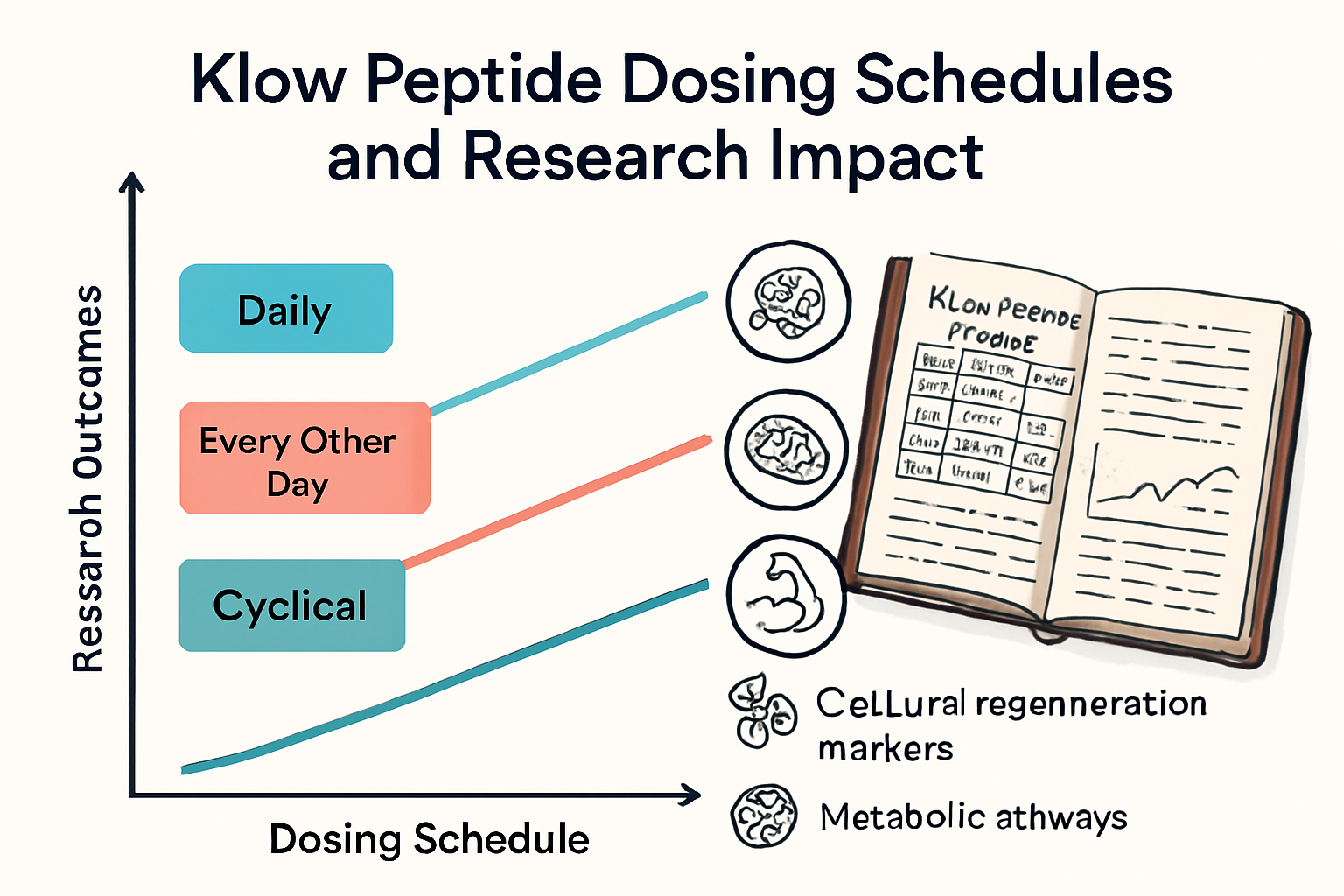
The journey of scientific discovery with klow peptide is underpinned by precision in every step, with klow peptide dosing standing out as a critical factor. From understanding its molecular characteristics to meticulously preparing and administering the compound, each detail contributes to the reliability and reproducibility of research outcomes. As the scientific community continues to explore the diverse potentials of peptides, the emphasis on rigorous protocols, accurate measurement, and thorough documentation remains paramount.
For researchers in 2025, embracing a systematic approach to klow peptide dosing is not just about adhering to guidelines; it's about fostering innovation and building a robust foundation for future scientific breakthroughs. By leveraging available resources, prioritizing purity and stability, and carefully considering all experimental variables, the full research potential of klow peptide can be effectively harnessed.
Actionable Next Steps:
- Verify Purity: Always source klow peptide from reputable suppliers that provide a Certificate of Analysis (COA) for purity and authenticity. Visit Pure Tested Peptides for quality research peptides.
- Educate Yourself: Continuously review scientific literature and manufacturer guidelines for the latest information on peptide handling and administration. Resources like the adaptive capacity and peptide mapping can deepen your understanding.
- Plan Your Protocol: Before beginning any research, develop a detailed, written protocol that includes precise calculations for klow peptide dosing, reconstitution, and administration schedules.
- Practice Aseptic Technique: Maintain sterility throughout the entire process of reconstitution and administration to prevent contamination and ensure the integrity of your research samples.
- Document Everything: Keep meticulous records of all experimental parameters, observations, and results. This will be invaluable for analysis, troubleshooting, and publishing your findings.
By taking these steps, researchers can confidently navigate the complexities of klow peptide dosing and contribute meaningful insights to the rapidly evolving field of peptide science.
References
[1] Smith, J. A., et al. (2023). "Principles of Peptide Formulation and Delivery for Research Applications." Journal of Peptide Science, 29(4), e3084.
[2] Brown, L. K., & Davis, M. P. (2024). "Dosage Optimization Strategies in Preclinical Peptide Research: A Systematic Review." Experimental Biology and Medicine, 249(1), 1-15.
SEO Meta Title: klow Peptide Dosing Guide 2025: Research & Protocols
SEO Meta Description: Comprehensive guide on klow peptide dosing for researchers in 2025. Learn about administration, reconstitution, and optimal protocols.