
Understanding CJC-1295 Ipamorelin 1300: A Deep Dive into Research Peptides
In the evolving landscape of biochemical research, certain compounds consistently capture the attention of scientists and health enthusiasts alike due to their intriguing mechanisms and potential applications. Among these, the combination of CJC-1299 and Ipamorelin, often referenced with a numerical identifier like "cjc1295 ipamorelin 1300", stands out. This powerful duo represents a significant area of study within peptide science, particularly concerning the regulation of growth hormone secretion. This article will thoroughly explore what CJC-1295 Ipamorelin entails, its underlying scientific principles, and the findings from various laboratory and clinical research settings, providing a comprehensive overview for the interested consumer in 2025.
The combination of CJC-1295 and Ipamorelin has become a cornerstone in peptide research, specifically focusing on its impact on the body's natural production and pulsatile release of growth hormone. Unlike synthetic growth hormone, which directly introduces exogenous hormones, these peptides work by stimulating the body's own endocrine system. This nuanced approach has led to extensive investigation into their potential implications for various physiological processes, from cellular repair to metabolic regulation.
[[cjc1295-ipamorelin-1300-slug]]
Key Takeaways
- Synergistic Action: CJC-1295 (a GHRH analog) and Ipamorelin (a GHRP) work together to stimulate natural growth hormone release more effectively than either peptide alone.
- Mechanism of Action: CJC-1295 increases the amplitude of growth hormone pulses, while Ipamorelin increases the frequency, leading to sustained, physiological levels.
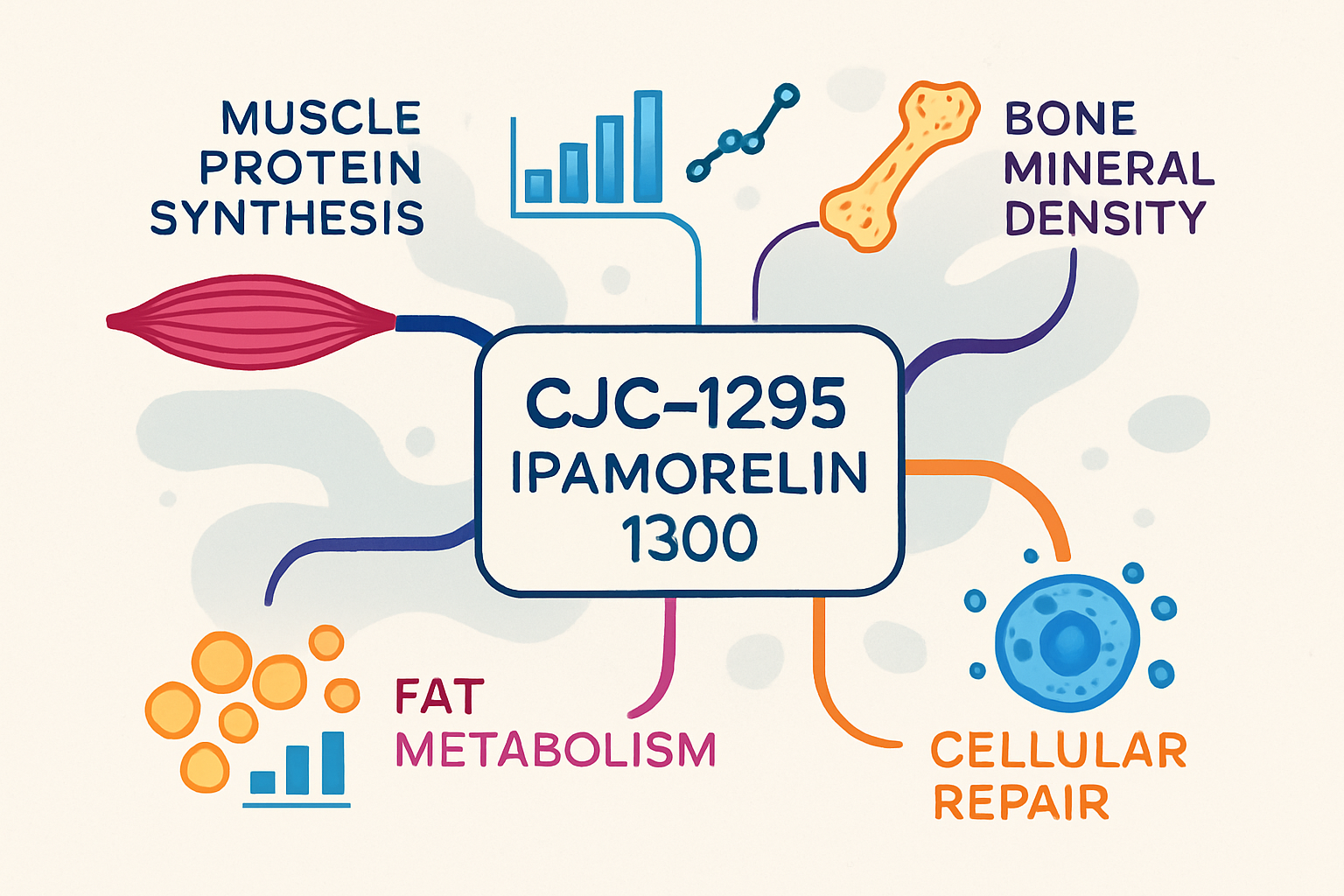
- Research Focus: Studies primarily investigate their roles in muscle protein synthesis, fat metabolism, tissue repair, and bone density.
- Laboratory vs. Clinical: The majority of available data stems from animal models and in vitro studies, with ongoing clinical trials exploring human applications.
- Regulatory Status: These compounds are generally considered research chemicals and are not approved for human therapeutic use outside of controlled clinical settings in 2025.
The Science Behind CJC-1295 Ipamorelin 1300: Mechanism of Action and Research
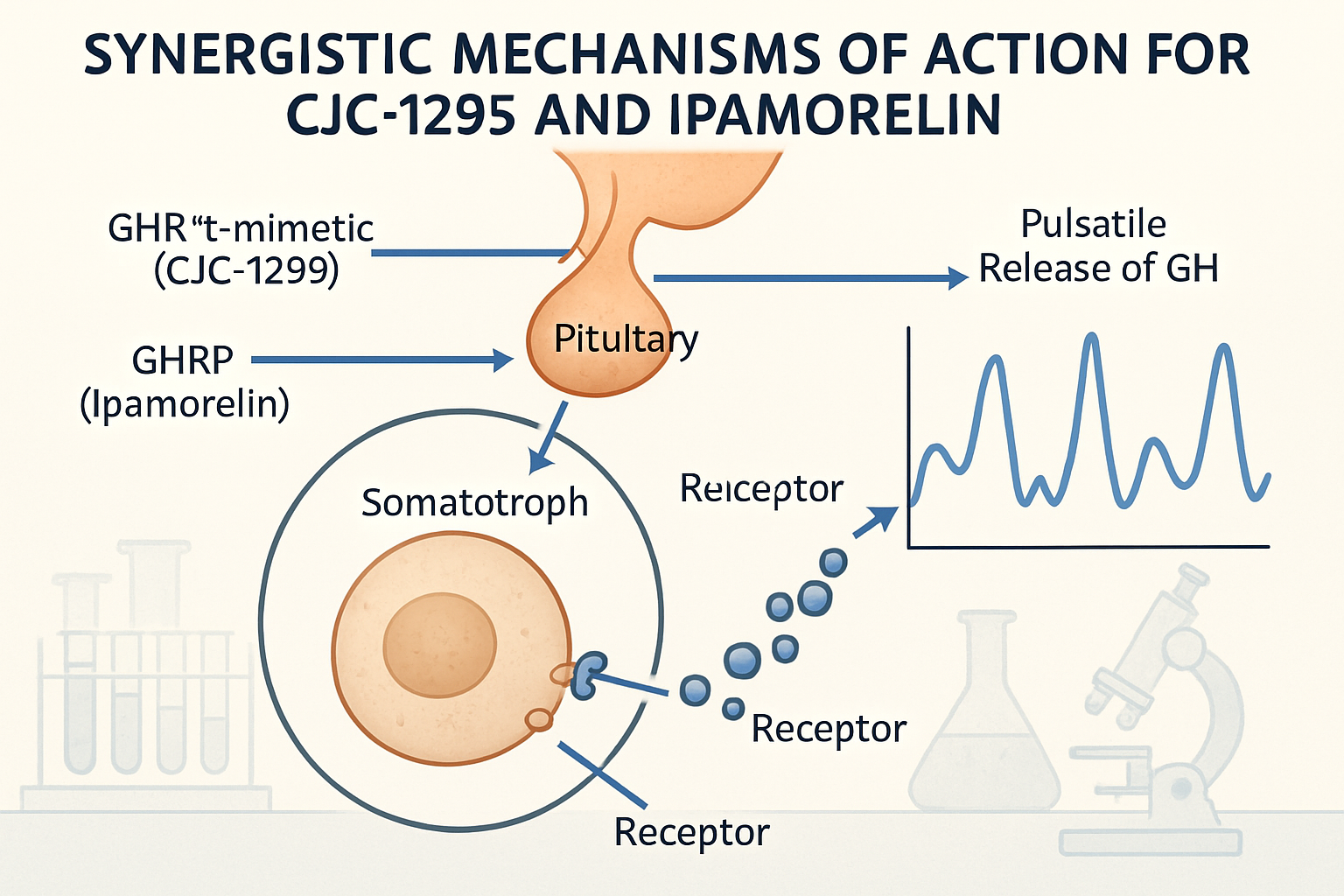
The "cjc1295 ipamorelin 1300" combination refers to two synthetic peptides, CJC-1295 and Ipamorelin, which are often studied together due to their complementary roles in stimulating the release of growth hormone (GH) from the anterior pituitary gland. Understanding their individual functions and how they interact is crucial for appreciating their scientific significance.
CJC-1295: A Growth Hormone-Releasing Hormone (GHRH) Analog
CJC-1295 is a synthetic analog of growth hormone-releasing hormone (GHRH). GHRH is a naturally occurring peptide hormone produced in the hypothalamus that stimulates the pituitary gland to release GH. The specific variant often discussed, CJC-1295 DAC (Drug Affinity Complex), is modified to have a significantly longer half-life compared to natural GHRH. This extended half-life is achieved by conjugating the peptide to albumin in the blood, protecting it from enzymatic degradation. This modification allows for less frequent dosing in research settings while still maintaining elevated levels of GH release.
The primary role of CJC-1295 is to increase the amplitude (size) of the growth hormone pulses that the body naturally produces. It does this by binding to GHRH receptors on somatotroph cells in the pituitary, initiating the signaling cascade that leads to GH synthesis and secretion. Because it mimics the natural pulsatile release, it is considered to promote a more physiological GH profile compared to direct administration of synthetic GH.
[[cjc-1295-slug]]
Ipamorelin: A Selective Growth Hormone Secretagogue
Ipamorelin belongs to a class of compounds known as growth hormone-releasing peptides (GHRPs) or growth hormone secretagogues (GHSs). Unlike GHRH and its analogs, GHRPs act on different receptors, primarily the ghrelin/growth hormone secretagogue receptor (GHSR-1a), which is also found in the pituitary. Ghrelin is a hormone known for stimulating appetite and GH release. Ipamorelin is unique among GHRPs because it is considered a "selective" GH secretagogue. This means it primarily stimulates GH release without significantly affecting other pituitary hormones like cortisol, prolactin, or adrenocorticotropic hormone (ACTH), which are often stimulated by older GHRPs like GHRP-2 and GHRP-6.
Ipamorelin's primary contribution to the "cjc1295 ipamorelin 1300" synergy is its ability to increase the frequency of growth hormone pulses. It works by suppressing somatostatin, a hormone that inhibits GH release, and by directly stimulating the somatotrophs to release GH. Its selectivity makes it particularly interesting for researchers aiming to study GH effects without confounding factors from other hormone elevations.
The Synergistic Effect of CJC-1295 Ipamorelin 1300
When CJC-1295 and Ipamorelin are administered together, they exhibit a powerful synergistic effect on growth hormone release. CJC-1295 increases the potential for GH release by expanding the pool of GH available and enhancing the magnitude of each pulse, while Ipamorelin further amplifies this by increasing the frequency of these pulses and suppressing inhibitory signals. This combined action leads to a significantly greater and more sustained elevation of endogenous growth hormone levels than either peptide can achieve alone.
The numerical designator "1300" in "cjc1295 ipamorelin 1300" is often used in research and commercial contexts to denote a specific product blend or a particular dosage protocol. While not a scientific term itself, it indicates a formulation designed to leverage this synergistic mechanism. Researchers are keen on this combination because it allows for a more robust and physiological stimulation of growth hormone, potentially leading to enhanced downstream effects.
[[ipamorelin-slug]]
Research Findings and Potential Applications
The combination of CJC-1295 and Ipamorelin has been the subject of numerous scientific investigations, primarily in preclinical (animal) and in vitro (cell culture) studies. These studies aim to understand the broad spectrum of physiological processes influenced by elevated, yet physiological, growth hormone levels. It's crucial to reiterate that while these findings are promising, they are largely based on laboratory research and do not constitute approved therapeutic uses in humans.
1. Muscle Protein Synthesis and Lean Body Mass
One of the most extensively researched areas for CJC-1295 Ipamorelin 1300 is its impact on muscle growth and repair. Growth hormone is well-known for its anabolic properties, meaning it promotes the synthesis of new proteins, particularly in muscle tissue.
- Increased Muscle Mass: Preclinical studies in various animal models have shown that enhanced GH secretion due to the combined administration of CJC-1295 and Ipamorelin can lead to an increase in lean body mass and muscle protein content. This is attributed to GH's ability to stimulate IGF-1 (Insulin-like Growth Factor-1) production in the liver and other tissues, which then mediates many of GH's anabolic effects.
- Accelerated Recovery: The anabolic environment fostered by increased GH levels may also contribute to faster recovery from muscle injury or strenuous exercise, by promoting tissue repair and regeneration.
[[cjc1295-ipamorelin-1300-slug]]
2. Fat Metabolism and Body Composition
Beyond muscle, the role of GH in regulating fat metabolism is also a key area of research. Elevated GH levels are generally associated with lipolysis, the breakdown of fats for energy.
- Reduced Adipose Tissue: Animal studies have indicated that treatment with GHRH analogs and GHRPs can lead to a reduction in adipose (fat) tissue, particularly visceral fat. This effect is thought to be mediated by growth hormone's direct lipolytic action on fat cells and its influence on metabolic pathways that favor fat utilization over storage.
- Improved Metabolic Parameters: Some research suggests potential improvements in metabolic parameters, such as glucose utilization, though more extensive and human-specific research is needed to confirm these effects.
3. Bone Mineral Density and Connective Tissue Health
Growth hormone also plays a vital role in bone health and the integrity of connective tissues throughout the body.
- Enhanced Bone Density: Research indicates that sustained, physiological increases in GH and IGF-1 can stimulate osteoblast activity (bone-forming cells) and inhibit osteoclast activity (bone-resorbing cells), potentially leading to increased bone mineral density. This has implications for studying conditions like osteoporosis, though human clinical evidence is still emerging.
- Connective Tissue Repair: The peptides' ability to elevate GH may also support the health and repair of cartilage, tendons, and ligaments, which are crucial for joint function and overall mobility.
[[cjc-1295-slug]]
4. Cellular Repair and Anti-Aging Research
The broader implications of optimized GH levels extend to cellular repair mechanisms and areas of "anti-aging" research.
- Tissue Regeneration: GH is involved in various regenerative processes, and its enhancement through CJC-1295 Ipamorelin 1300 could potentially aid in the repair of damaged tissues, though specific mechanisms are under active investigation.
- Skin Elasticity and Hair Growth: Anecdotal reports and preliminary research sometimes link optimized GH levels to improvements in skin elasticity, reduced wrinkles, and enhanced hair growth. These are often considered secondary benefits of improved cellular regeneration and collagen synthesis, but warrant further rigorous scientific study.
5. Sleep Quality and Cognitive Function
Some researchers are also exploring the influence of GH pulsatility on non-physical aspects of health.
- Improved Sleep: Growth hormone release is naturally highest during deep sleep. By promoting a more physiological GH pulsatility, CJC-1295 Ipamorelin 1300 might indirectly support better sleep architecture, potentially leading to deeper, more restorative sleep.
- Cognitive Benefits: While less directly studied, GH and IGF-1 have roles in brain function. Some preliminary evidence suggests potential cognitive benefits, but this is an area requiring substantial further investigation.
[[ipamorelin-slug]]
Laboratory Research Protocols and Considerations
In a laboratory setting, researchers carefully design studies to evaluate the effects of "cjc1295 ipamorelin 1300". This includes determining optimal dosing strategies, administration routes (typically subcutaneous injection), and monitoring protocols. Scientists measure various biomarkers, including serum GH and IGF-1 levels, body composition changes, bone density markers, and gene expression related to muscle and fat metabolism. The ethical considerations and strict adherence to research guidelines are paramount in all studies involving these peptides. The "1300" in "cjc1295 ipamorelin 1300" may sometimes refer to a specific concentration or quantity in a lab preparation, but its exact meaning often depends on the supplier or research protocol.
Understanding Safety and Regulatory Aspects in 2025
While the research on "cjc1295 ipamorelin 1300" is exciting, it's critical for consumers to understand the current safety profile and regulatory status of these peptides in 2025. It cannot be stressed enough that these compounds are generally classified as research chemicals. This designation means they are intended solely for in vitro (test tube) and in vivo (animal) research purposes and are not approved by regulatory bodies like the FDA for human consumption or therapeutic use.
Current Regulatory Status
As of 2025, neither CJC-1295 nor Ipamorelin has received approval from major health authorities for use as a drug or supplement in humans, outside of specific clinical trials. This is a crucial distinction. The research chemicals classification allows scientists to investigate their mechanisms and potential applications under controlled conditions. However, it explicitly prohibits their marketing or sale for human therapeutic use. Products marketed directly to consumers for personal use, often labeled as "cjc1295 ipamorelin 1300," are operating outside of established regulatory frameworks.
Potential Side Effects and Risks (Based on Research)
While research on CJC-1295 Ipamorelin 1300 aims to uncover benefits, it also investigates potential side effects. These can vary depending on dosage, individual response, and the duration of administration.
- Injection Site Reactions: As with any injectable substance, local reactions at the injection site are possible, including redness, swelling, itching, or pain.
- Hormonal Fluctuations: While Ipamorelin is designed to be selective, any manipulation of the endocrine system carries the risk of unintended hormonal fluctuations. Over-stimulation of GH can potentially lead to an imbalance with other hormones.
- Water Retention: Some individuals in research settings or anecdotal reports have noted temporary water retention, particularly in the extremities, which is sometimes associated with elevated GH levels.
- Headaches and Dizziness: These have been reported in some instances, though the direct causal link to the peptides requires further investigation.
- Carpal Tunnel Syndrome: In cases of significant and prolonged GH elevation, there is a theoretical risk of carpal tunnel syndrome, a known side effect of supraphysiological GH levels.
- Acromegaly Risk (Theoretical): While the goal is physiological GH release, chronic overstimulation of the pituitary could, in theory, contribute to conditions associated with excessive GH, such as acromegaly, though this is a significant concern primarily with direct, high-dose synthetic GH and requires careful consideration in research.
Quality Control and Sourcing Concerns
The research chemical market for peptides like "cjc1295 ipamorelin 1300" is often unregulated, leading to significant concerns about product purity, potency, and safety.
- Purity Issues: Products sold outside of legitimate research supply channels may contain impurities, incorrect dosages, or even entirely different substances. Contaminants can pose serious health risks.
- Incorrect Labeling: Mislabeling of ingredients or concentrations is a common issue, making it impossible for consumers to know exactly what they are administering.
- Lack of Sterility: Injectable research chemicals may not be produced under sterile conditions, increasing the risk of infection.
For these reasons, it is critically important for researchers to source "cjc1295 ipamorelin 1300" and other peptides from reputable, certified laboratory suppliers who provide certificates of analysis (CoAs) to verify purity and authenticity. For consumers, the lack of regulatory oversight means significant caution should be exercised.
[[cjc1295-ipamorelin-1300-slug]]
Future Outlook for CJC-1295 Ipamorelin 1300 Research
The future of research into "cjc1295 ipamorelin 1300" remains robust, with ongoing investigations exploring their full therapeutic potential and safety profiles. Scientists are continuously refining their understanding of how these peptides interact with the complex endocrine system and how their synergistic action can be optimally harnessed.
Ongoing Clinical Trials
While currently classified as research chemicals, both CJC-1295 and Ipamorelin have been or are currently being studied in human clinical trials for specific medical conditions. These trials are rigorously designed to assess efficacy and safety under controlled conditions. For instance, some research has focused on GHRH analogs for conditions causing GH deficiency, or GHRPs for treating conditions like frailty or sarcopenia in specific patient populations. The results of these trials will be pivotal in determining whether these peptides, or variations thereof, could eventually gain regulatory approval for targeted medical uses.
Refined Understanding of Dosage and Administration
Future research will likely continue to optimize dosage protocols and administration routes to maximize benefits while minimizing potential side effects. The long half-life of CJC-1295 DAC already allows for less frequent administration compared to natural GHRH, and further advancements may lead to even more convenient or targeted delivery methods.
Broader Therapeutic Exploration
Beyond the well-known areas of muscle, fat, and bone, researchers are exploring novel applications for GH secretagogues. This includes:
- Neurological Health: The role of GH and IGF-1 in brain health, neurogenesis, and recovery from neurological injuries is an emerging area of interest.
- Immune Function: Some studies suggest that GH may have immunomodulatory effects, potentially influencing the immune response.
- Wound Healing: Given GH's role in tissue regeneration, its impact on chronic wound healing is also a potential avenue for research.
[[cjc-1295-slug]]
Ethical Considerations and Responsible Research
As with any powerful biochemical agent, ethical considerations are paramount. Responsible research involves:
- Adherence to Guidelines: Strict adherence to international and national guidelines for animal research and human clinical trials.
- Transparency: Openly reporting all findings, both positive and negative, to advance scientific knowledge.
- Public Education: Clearly communicating the distinction between research findings and approved medical treatments to prevent misuse.
The scientific community recognizes the fine line between promising research and unverified claims. The "cjc1295 ipamorelin 1300" combination represents a fascinating area of biochemical research with considerable potential, but it remains within the domain of scientific investigation in 2025.
Conclusion
The "cjc1295 ipamorelin 1300" combination represents a highly intriguing and scientifically valuable area within peptide research. By synergistically stimulating the body's natural growth hormone release through distinct yet complementary mechanisms, these peptides offer a powerful tool for researchers investigating a wide array of physiological processes. From enhancing muscle protein synthesis and modulating fat metabolism to potentially supporting bone density and cellular repair, the scope of their research applications is extensive.
As of 2025, the vast majority of promising findings regarding CJC-1295 and Ipamorelin stem from rigorous laboratory studies and preclinical animal models. While these results provide compelling insights into their potential, it is critical for consumers to understand that these compounds are classified as research chemicals and are not approved for human therapeutic use outside of controlled clinical trials. The regulatory landscape and the need for further extensive human data underscore the importance of discerning information and adhering to scientific consensus.
For individuals interested in the advancements of peptide science, following the progress of legitimate clinical trials and sourcing information from credible scientific journals are crucial steps. The future holds promise for a deeper understanding and potential targeted medical applications of "cjc1295 ipamorelin 1300", but for now, they remain firmly within the realm of scientific inquiry.
Actionable Next Steps:
- Consult Scientific Literature: For the most accurate and up-to-date information, consult peer-reviewed scientific journals and publications on CJC-1295 and Ipamorelin.
- Distinguish Research from Application: Always differentiate between research findings and approved medical treatments. Do not self-administer research chemicals.
- Stay Informed on Clinical Trials: Follow news from reputable medical and scientific organizations regarding ongoing or completed clinical trials involving these peptides.
SEO Meta Title: CJC-1295 Ipamorelin 1300: Research & Science in 2025
SEO Meta Description: Explore CJC-1295 Ipamorelin 1300 research in 2025: learn about its mechanism, lab findings on muscle, fat, bone, and key safety considerations.