
Understanding CJC-1295 Ipamorelin Dosage: The 140 mcg Protocol in Research Settings
The world of peptide research has witnessed remarkable growth in 2025, with scientists increasingly focusing on the synergistic effects of peptide combinations. Among the most studied peptide protocols is the CJC-1295 ipamorelin dosage at 140 mcg, which has captured the attention of researchers worldwide for its unique properties and potential applications in laboratory studies.
Key Takeaways
• CJC-1295 ipamorelin dosage at 140 mcg represents a commonly researched protocol in peptide studies
• The combination leverages the extended half-life of CJC-1295 with the selective properties of Ipamorelin
• Research protocols typically involve specific timing and reconstitution procedures
• Laboratory studies focus on understanding peptide interactions and mechanisms
• Proper storage and handling are crucial for maintaining peptide integrity in research settings
What Are CJC-1295 and Ipamorelin? 🧬
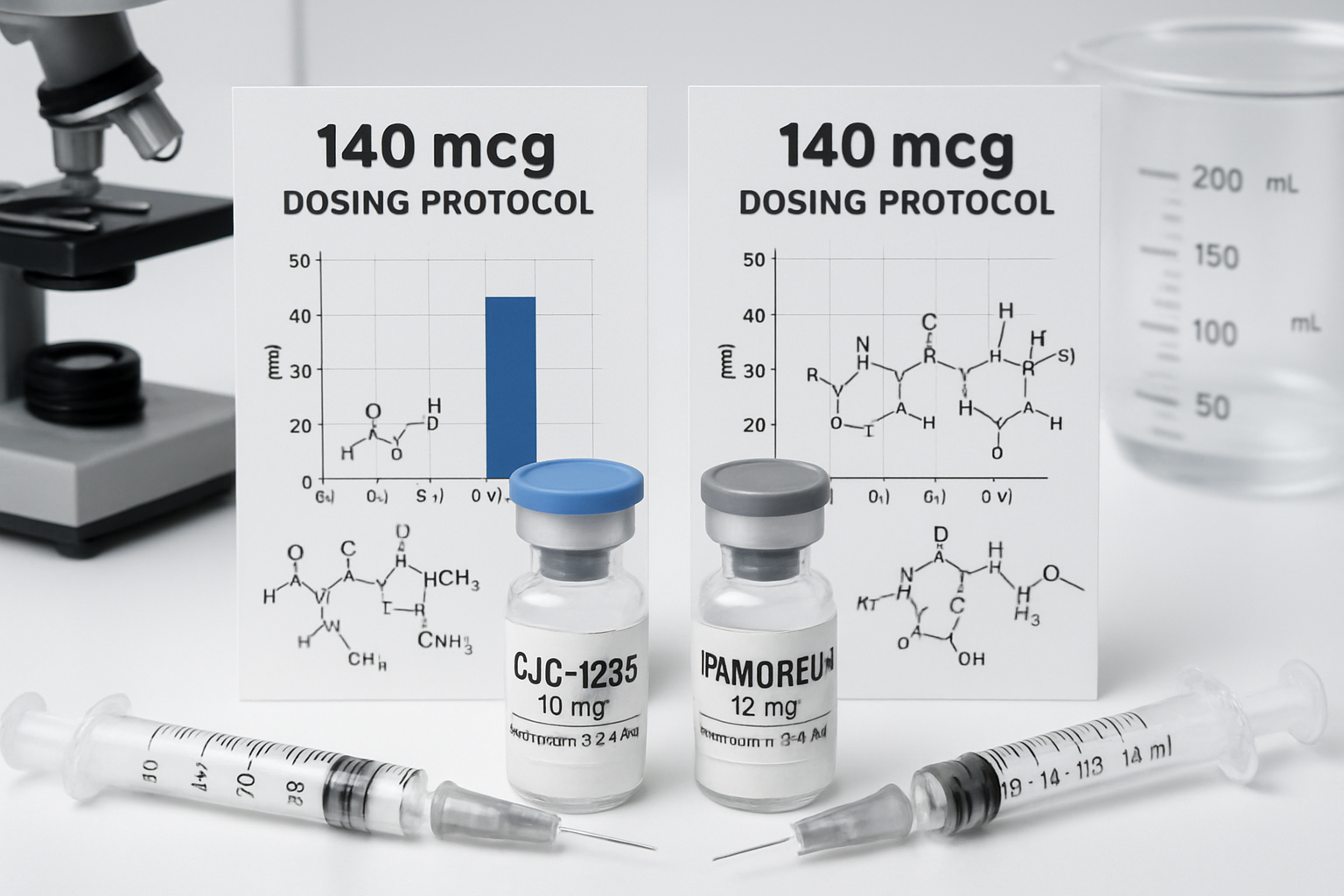
CJC-1295 is a synthetic analog of growth hormone-releasing hormone (GHRH) that has been modified to extend its half-life significantly. This peptide consists of 29 amino acids and includes a drug affinity complex (DAC) that allows for prolonged activity in research models.
Ipamorelin, on the other hand, is a selective growth hormone secretagogue that belongs to the class of growth hormone-releasing peptides (GHRPs). Unlike other peptides in its category, Ipamorelin demonstrates remarkable selectivity, making it a preferred choice for controlled research environments.
The Science Behind the Combination
When researchers study the CJC-1295 and Ipamorelin combination, they observe several interesting characteristics:
- Synergistic Action: The peptides work through different pathways, potentially creating complementary effects
- Extended Duration: CJC-1295's longer half-life may sustain the effects initiated by Ipamorelin
- Selective Response: Ipamorelin's selectivity may reduce unwanted side effects in research models
Research Protocols for CJC-1295 Ipamorelin Dosage 140 mcg
Laboratory studies investigating the CJC-1295 ipamorelin dosage at 140 mcg typically follow specific protocols designed to ensure consistency and reproducibility. These research frameworks have been developed through extensive preliminary studies and peer review processes.
Standard Research Dosing Protocols
Research institutions commonly employ the following dosing strategies:
| Protocol Type | CJC-1295 Dose | Ipamorelin Dose | Frequency | Duration |
|---|---|---|---|---|
| Basic Research | 2 mg/week | 300 mcg/day | Split doses | 8-12 weeks |
| Extended Study | 2 mg/week | 200-300 mcg/day | Evening dose | 12-16 weeks |
| Comparative Analysis | Variable | 100-300 mcg/day | Multiple times | 6-24 weeks |
The 140 mcg Consideration
The 140 mcg dosage often appears in research literature as a mid-range dose for Ipamorelin studies. This dosage represents a balance between:
- Efficacy: Sufficient to observe measurable effects in research models
- Safety Margins: Within ranges that minimize adverse reactions
- Cost-Effectiveness: Economical for extended research periods
- Reproducibility: Consistent results across different research settings
Reconstitution and Preparation in Laboratory Settings
Proper preparation of peptides for research is crucial for maintaining their integrity and ensuring accurate dosing. The CJC-1295 ipamorelin dosage 140 protocol requires specific reconstitution procedures.
Step-by-Step Reconstitution Process
For CJC-1295:
- Sterile Water Addition: Use bacteriostatic water for reconstitution
- Gentle Mixing: Avoid vigorous shaking to prevent peptide degradation
- Concentration Calculation: Typically 2mg per vial reconstituted with 2ml
- Storage Preparation: Immediate refrigeration at 2-8°C
For Ipamorelin:
- Precise Measurement: Calculate volume needed for desired concentration
- Slow Reconstitution: Add water slowly down the vial wall
- Gentle Swirling: Allow natural dissolution without agitation
- Final Verification: Ensure complete dissolution before use
Storage and Stability Considerations
Research-grade peptides require specific storage conditions:
- Temperature Control: Maintain 2-8°C for reconstituted peptides
- Light Protection: Store in dark conditions to prevent photodegradation
- Contamination Prevention: Use sterile techniques throughout handling
- Expiration Tracking: Monitor stability timelines for research validity
Mechanisms of Action in Research Models
Understanding how the CJC-1295 ipamorelin dosage 140 combination works at the molecular level provides insight into why researchers find this protocol particularly interesting.
CJC-1295 Mechanism
CJC-1295 functions by:
- GHRH Receptor Binding: Activates growth hormone-releasing hormone receptors
- Extended Half-Life: DAC modification allows for prolonged activity
- Pulsatile Release: Maintains natural rhythm patterns in research models
- Sustained Elevation: Provides consistent baseline elevation
Ipamorelin Pathway
Ipamorelin operates through:
- Ghrelin Receptor Activation: Selective binding to growth hormone secretagogue receptors
- Rapid Onset: Quick initiation of effects in research models
- Clean Profile: Minimal interaction with other receptor systems
- Predictable Duration: Well-characterized activity timeline
Research Applications and Study Designs
The CJC-1295 ipamorelin dosage 140 protocol has been incorporated into various research applications across multiple scientific disciplines.
Common Research Areas
Aging Research 🔬
- Cellular senescence studies
- Metabolic function analysis
- Tissue regeneration research
- Longevity mechanism investigation
Metabolic Studies
- Body composition analysis
- Energy expenditure measurement
- Insulin sensitivity research
- Lipid metabolism investigation
Sleep Research
- Sleep quality assessment
- Recovery pattern analysis
- Circadian rhythm studies
- Rest-recovery optimization
Study Design Considerations
Researchers designing studies with this peptide combination typically consider:
- Control Groups: Proper placebo and vehicle controls
- Blinding Protocols: Double-blind study designs when possible
- Outcome Measures: Specific, measurable endpoints
- Statistical Power: Adequate sample sizes for meaningful results
- Ethical Oversight: Appropriate review board approval
Safety Considerations in Research Settings
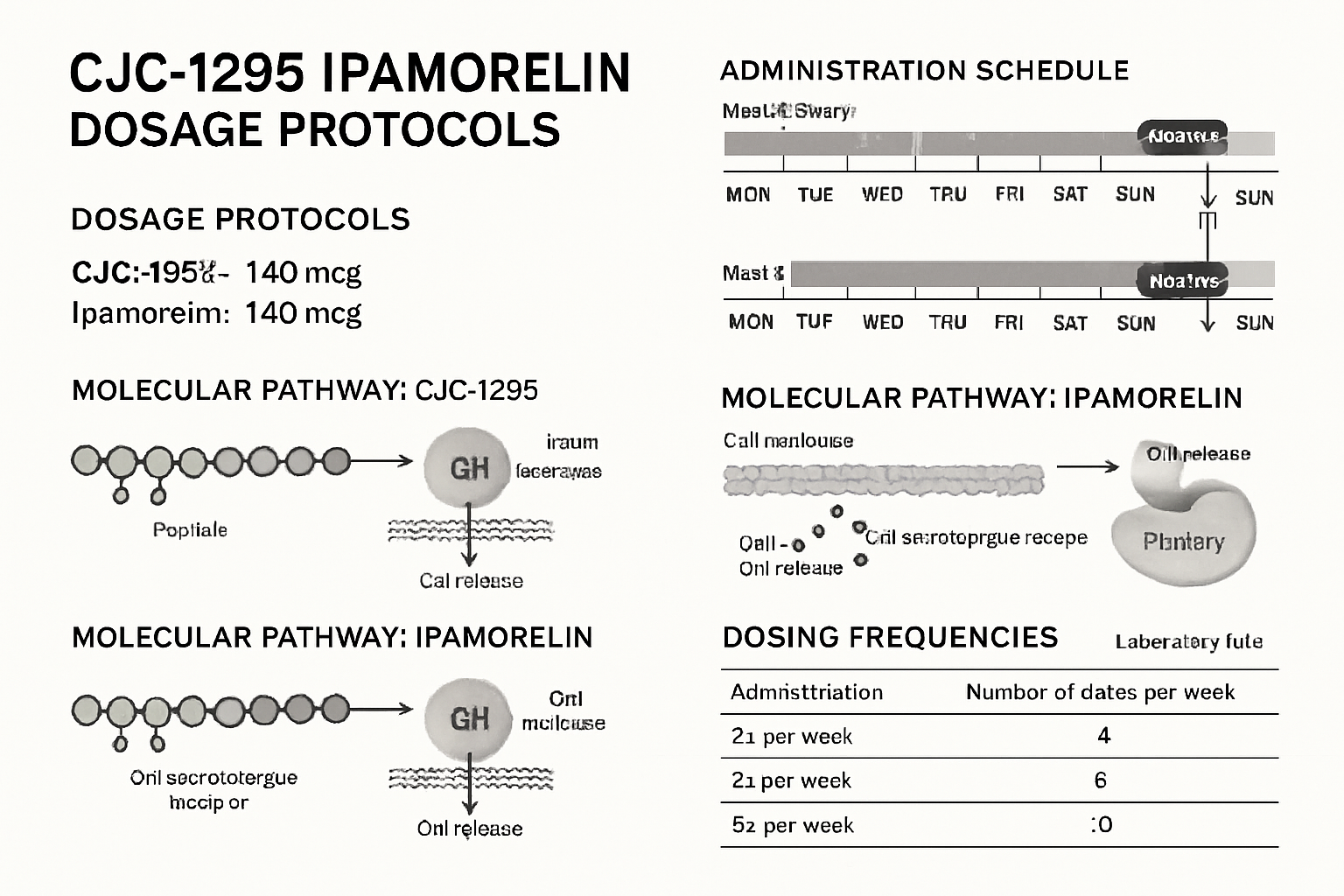
Laboratory studies involving the CJC-1295 ipamorelin dosage 140 protocol must adhere to strict safety guidelines and monitoring procedures.
Laboratory Safety Protocols
Personnel Protection:
- Proper personal protective equipment (PPE)
- Training in peptide handling procedures
- Emergency response protocols
- Regular safety audits and updates
Environmental Controls:
- Proper ventilation systems
- Waste disposal procedures
- Contamination prevention measures
- Equipment maintenance schedules
Research Model Monitoring
Studies typically include comprehensive monitoring:
- Baseline Assessments: Complete pre-study evaluations
- Regular Check-ups: Scheduled monitoring throughout studies
- Adverse Event Tracking: Systematic recording of any issues
- Endpoint Evaluations: Thorough post-study assessments
Quality Control and Analytical Testing
Ensuring the integrity of peptides used in research requires rigorous quality control measures, particularly when working with specific dosing protocols like the CJC-1295 ipamorelin dosage 140.
Analytical Testing Requirements
Purity Analysis:
- High-performance liquid chromatography (HPLC)
- Mass spectrometry confirmation
- Amino acid sequence verification
- Impurity profiling and quantification
Potency Testing:
- Biological activity assays
- Receptor binding studies
- Stability testing protocols
- Degradation product analysis
Sterility and Safety:
- Endotoxin testing
- Microbial contamination screening
- Heavy metal analysis
- Solvent residue testing
Current Research Trends and Future Directions
The field of peptide research continues to evolve, with the CJC-1295 ipamorelin dosage 140 protocol serving as a foundation for more advanced studies.
Emerging Research Areas
Combination Therapies 💊
- Multi-peptide protocols
- Synergistic effect studies
- Optimal timing research
- Dose-response relationships
Personalized Medicine Research
- Individual response variations
- Genetic factor influences
- Biomarker development
- Precision dosing strategies
Novel Delivery Systems
- Extended-release formulations
- Alternative administration routes
- Stability enhancement technologies
- Patient-friendly delivery methods
Technology Integration
Modern research incorporates advanced technologies:
- AI-Driven Analysis: Machine learning for pattern recognition
- Wearable Monitoring: Real-time data collection
- Genomic Integration: Personalized response prediction
- Digital Health Platforms: Comprehensive data management
Regulatory Landscape and Compliance
Research involving peptides like those in the CJC-1295 ipamorelin dosage 140 protocol must navigate complex regulatory requirements.
Research Compliance Requirements
Institutional Review Boards (IRBs):
- Protocol review and approval
- Ongoing oversight and monitoring
- Adverse event reporting
- Annual review processes
Good Laboratory Practices (GLP):
- Standard operating procedures
- Documentation requirements
- Quality assurance programs
- Audit and inspection readiness
International Guidelines:
- ICH-GCP compliance
- Regional regulatory requirements
- Cross-border research protocols
- Harmonized safety standards
Conclusion
The CJC-1295 ipamorelin dosage 140 protocol represents a significant area of interest in contemporary peptide research. As scientists continue to explore the potential applications and mechanisms of these compounds, the importance of rigorous research methodologies, proper safety protocols, and quality control measures cannot be overstated.
Research in this field continues to evolve, with new studies providing deeper insights into optimal dosing strategies, combination protocols, and potential applications. The 140 mcg dosing protocol has emerged as a valuable reference point for researchers designing studies and comparing results across different investigations.
Next Steps for Researchers
For those interested in exploring this research area further:
- Review Current Literature: Stay updated with the latest peer-reviewed publications
- Establish Proper Protocols: Develop comprehensive study designs with appropriate controls
- Ensure Quality Sources: Work with reputable suppliers who provide analytical testing
- Maintain Documentation: Keep detailed records of all procedures and observations
- Collaborate with Experts: Engage with experienced researchers in the field
The future of peptide research holds tremendous promise, and protocols like the CJC-1295 ipamorelin dosage 140 will likely continue to serve as important tools in advancing our understanding of these fascinating compounds.
SEO Meta Title: CJC-1295 Ipamorelin Dosage 140: Research Protocols & Lab Studies
Meta Description: Comprehensive guide to CJC-1295 ipamorelin dosage 140 mcg protocols in research settings. Laboratory procedures, safety guidelines, and current studies.