
Epithalon Peptide: The Complete Guide to This Anti-Aging Compound in 2025
Imagine if science could slow down the biological clock ticking inside every cell of your body. While the fountain of youth remains a myth, researchers have discovered something remarkable: epithalon peptide, a synthetic compound that may influence how our cells age at the most fundamental level. This small but powerful peptide has captured the attention of longevity researchers, biohackers, and health enthusiasts worldwide, promising potential benefits that sound almost too good to be true.
The epithalon peptide represents one of the most fascinating developments in anti-aging research over the past few decades. Originally developed in Russia during the 1980s, this tetrapeptide has been studied for its potential to activate telomerase, the enzyme responsible for maintaining the protective caps on our chromosomes called telomeres. As we age, these telomeres naturally shorten, contributing to cellular aging and age-related decline. But what if there was a way to slow or even reverse this process?
Key Takeaways
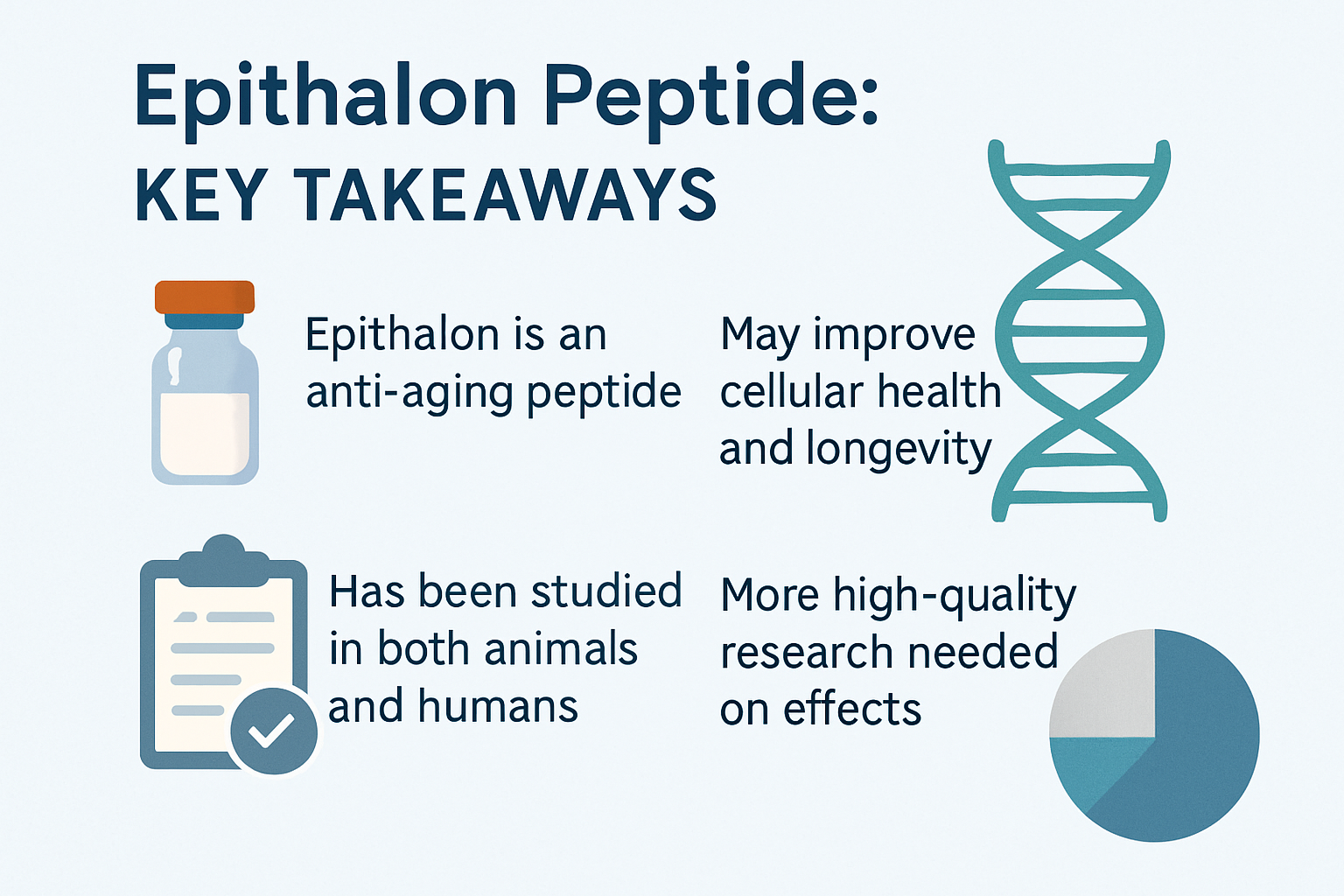
- 🧬 Epithalon peptide is a synthetic four-amino-acid compound designed to potentially slow cellular aging by influencing telomere length and telomerase activity
- ⏰ Research suggests epithalon may help regulate circadian rhythms, improve sleep quality, and support pineal gland function through melatonin regulation
- 💉 Typical protocols involve short cycles of subcutaneous or intramuscular injections, with dosages ranging from 5-10mg administered over 10-20 day periods
- 🔬 While animal studies show promising results for longevity and cellular rejuvenation, human clinical trials remain limited, making long-term effects uncertain
- ⚖️ Quality sourcing is critical—only pharmaceutical-grade peptides from verified suppliers like Pure Tested Peptides should be considered for research purposes
What Is Epithalon Peptide?
Epithalon peptide (also spelled Epitalon or known as Epithalone) is a synthetic version of a naturally occurring peptide called epithalamin. This bioregulator peptide consists of just four amino acids in a specific sequence: alanine-glutamic acid-aspartic acid-glycine (Ala-Glu-Asp-Gly).
The compound was developed by Russian scientist Professor Vladimir Khavinson at the St. Petersburg Institute of Bioregulation and Gerontology. His research focused on understanding how peptide bioregulators could influence aging processes and extend healthy lifespan.
The Science Behind the Peptide
At its core, epithalon works through several proposed mechanisms:
Telomerase Activation 🧬
The most celebrated potential benefit involves telomerase, an enzyme that can add DNA sequences to telomeres. Since telomere shortening is strongly associated with cellular aging, activating telomerase could theoretically slow this process.
Pineal Gland Regulation 🌙
Epithalon appears to influence the pineal gland, which produces melatonin and regulates circadian rhythms. This may explain reported improvements in sleep quality and hormonal balance.
Antioxidant Properties 🛡️
Research suggests the peptide may offer antioxidant benefits, helping protect cells from oxidative stress and free radical damage.
Gene Expression 📊
Studies indicate epithalon might influence the expression of certain genes related to aging and cellular health.
How Epithalon Peptide Works in the Body
Understanding how epithalon functions requires a basic grasp of cellular biology. Every time a cell divides, the telomeres at the ends of chromosomes become slightly shorter. After approximately 50-70 divisions (known as the Hayflick limit), telomeres become so short that cells can no longer divide properly, leading to cellular senescence or death.
The Telomere Connection
Telomeres act like the plastic tips on shoelaces, preventing chromosomes from fraying or sticking together. When they become critically short, several problems occur:
- Cells stop dividing and enter a senescent state
- DNA becomes vulnerable to damage
- Cellular function declines
- Age-related diseases become more likely
Epithalon peptide enters this picture by potentially activating telomerase in somatic (body) cells. While telomerase is naturally active in reproductive cells and stem cells, most adult cells have very low or absent telomerase activity. By reactivating this enzyme, epithalon may help maintain telomere length, theoretically extending cellular lifespan.
Circadian Rhythm Regulation
Beyond telomeres, epithalon demonstrates significant effects on the epithalamus, a brain region that includes the pineal gland. This tiny but crucial gland produces melatonin, the hormone that regulates sleep-wake cycles.
Research indicates that epithalon may:
- Normalize melatonin production
- Restore disrupted circadian rhythms
- Improve sleep quality and duration
- Support healthy cortisol patterns
- Enhance overall hormonal balance
This regulatory effect becomes particularly important as we age, since pineal gland function naturally declines over time, contributing to sleep disturbances and hormonal imbalances common in older adults.
Potential Benefits of Epithalon Peptide
While research continues and human studies remain limited, both animal studies and anecdotal reports suggest several potential benefits associated with epithalon use:
Longevity and Anti-Aging Effects
| Potential Benefit | Supporting Evidence | Research Status |
|---|---|---|
| Extended lifespan | Animal studies showing 10-20% lifespan increase | Preliminary |
| Telomere lengthening | In vitro and animal studies | Ongoing |
| Cellular rejuvenation | Laboratory cell culture studies | Early stage |
| Reduced biological aging markers | Small human observational studies | Limited |
Improved Sleep Quality 😴
Many users report significant improvements in sleep patterns, including:
- Faster time to fall asleep
- Deeper, more restorative sleep
- Reduced nighttime awakenings
- Better dream recall
- Improved morning alertness
Enhanced Skin Appearance
The potential cellular rejuvenation effects may translate to visible skin improvements:
- Increased elasticity and firmness
- Reduced fine lines and wrinkles
- Improved skin tone and texture
- Better wound healing capacity
- Enhanced overall appearance
Cognitive Function Support
Some research suggests epithalon may support brain health through:
- Neuroprotective effects
- Improved memory and learning
- Better mental clarity
- Enhanced focus and concentration
- Potential protection against age-related cognitive decline
Immune System Support 🛡️
Studies indicate possible immune-enhancing properties:
- Normalized immune responses
- Better resistance to infections
- Reduced inflammation markers
- Improved thymus function
- Enhanced overall immune resilience
Metabolic Health
Emerging research points to metabolic benefits:
- Improved insulin sensitivity
- Better glucose regulation
- Enhanced lipid profiles
- Increased energy levels
- Optimized hormonal balance
Epithalon Peptide Dosage and Administration
For those considering epithalon for research purposes, understanding proper dosing and administration is crucial. It's important to note that epithalon is currently not approved by the FDA for human use and should only be obtained through legitimate research channels like Pure Tested Peptides.
Standard Dosing Protocols
Typical Cycle Structure:
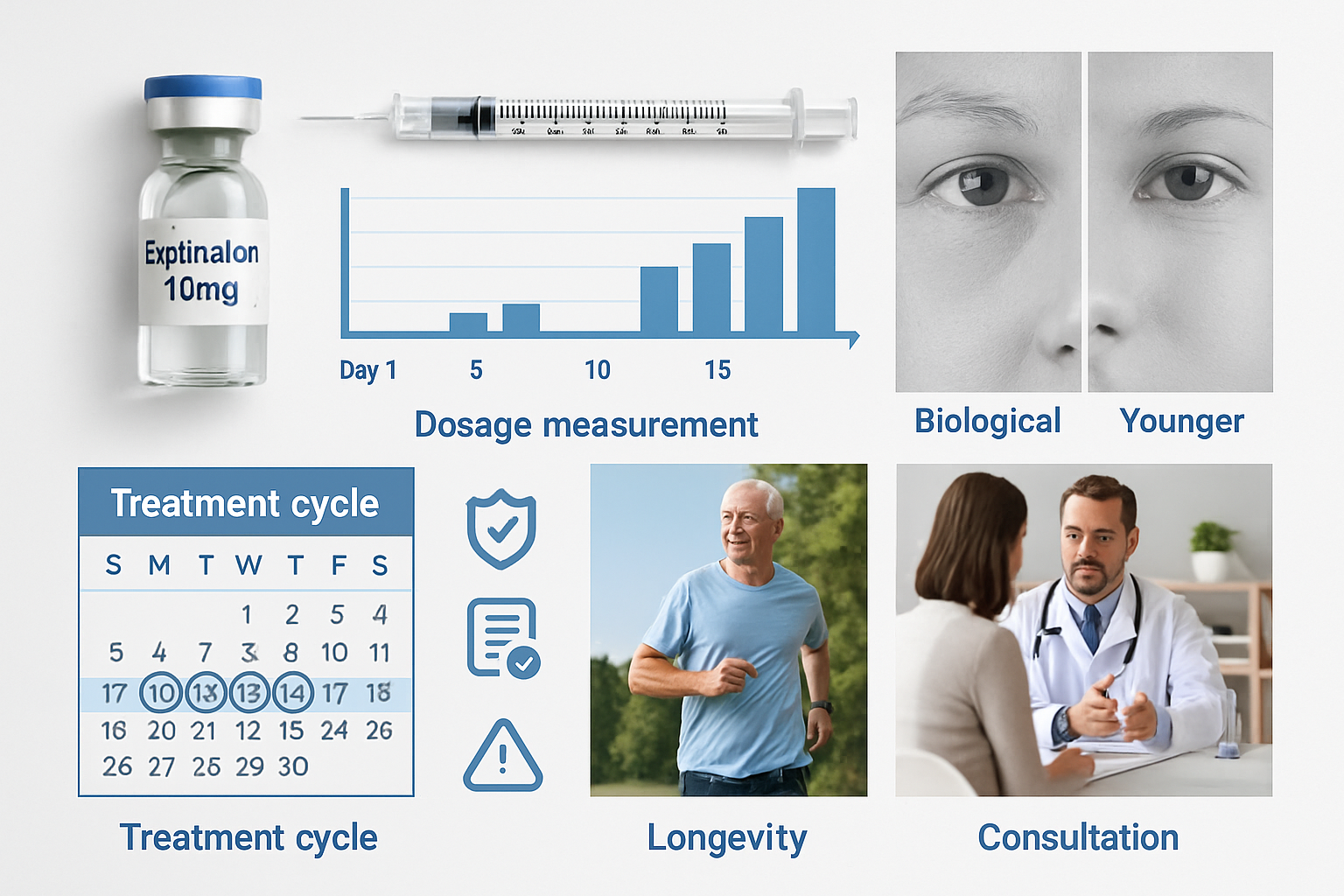
- Dosage: 5-10mg per day
- Duration: 10-20 consecutive days
- Frequency: 1-2 cycles per year
- Rest Period: 4-6 months between cycles
Some protocols involve splitting the daily dose:
- Morning dose: 2.5-5mg
- Evening dose: 2.5-5mg
Administration Methods
Subcutaneous Injection 💉
The most common method involves injecting just under the skin, typically in the abdomen or thigh area. This allows for gradual absorption and good bioavailability.
Intramuscular Injection
Some users prefer IM injections into larger muscle groups like the deltoid or gluteus. This may provide faster absorption but can be more uncomfortable.
Nasal Spray (Less Common)
While some formulations exist as nasal sprays, injection methods are generally considered more effective due to better absorption rates.
Important Considerations
⚠️ Critical Safety Notes:
- Always use sterile technique when preparing and administering injections
- Reconstitute peptides with bacteriostatic water
- Store reconstituted peptides in refrigerator (2-8°C)
- Use within recommended timeframes after reconstitution
- Rotate injection sites to prevent tissue irritation
- Never share needles or vials
Research and Clinical Studies on Epithalon
The scientific foundation for epithalon comes primarily from Russian research, with growing international interest in recent years.
Animal Studies
Rodent Longevity Research:
Multiple studies in rats and mice have demonstrated:
- Lifespan extensions of 10-25%
- Delayed onset of age-related diseases
- Improved organ function in aged animals
- Maintained telomere length compared to controls
Primate Studies:
Limited research in primates has shown:
- Normalized circadian rhythms
- Improved immune markers
- Better stress adaptation
- Enhanced cognitive performance
Human Research
Human studies remain limited but include:
Russian Clinical Trials (1990s-2000s):
- Small studies with elderly patients
- Reported improvements in various health markers
- Better sleep quality and energy levels
- Reduced mortality rates in some cohorts
Limitations:
- Small sample sizes
- Limited peer-reviewed publications in Western journals
- Lack of large-scale randomized controlled trials
- Need for replication by independent research groups
Current Research Directions
Ongoing research is exploring:
- 🔬 Precise mechanisms of telomerase activation
- 🧠 Neuroprotective applications
- 💪 Athletic performance and recovery
- 🩺 Age-related disease prevention
- 🧬 Gene expression modifications
Safety Profile and Side Effects
Based on available research and user reports, epithalon peptide appears to have a relatively favorable safety profile, though long-term human data remains limited.
Reported Side Effects
Common (Mild):
- Temporary drowsiness or fatigue
- Mild headaches
- Slight flushing or warmth
- Injection site reactions (redness, minor swelling)
Uncommon:
- Digestive discomfort
- Temporary mood changes
- Mild dizziness
- Changes in appetite
Serious Side Effects:
While rare in reported cases, potential concerns include:
- Allergic reactions
- Hormonal imbalances with improper use
- Unknown long-term effects on cellular division
Contraindications and Precautions
Who Should Avoid Epithalon:
❌ Pregnant or breastfeeding women
❌ Individuals with active cancer or cancer history
❌ People with autoimmune conditions (without medical supervision)
❌ Those under 30 years old (insufficient need/research)
❌ Anyone with severe chronic health conditions without medical guidance
Drug Interactions
Limited data exists on interactions, but theoretical concerns include:
- Medications affecting sleep/circadian rhythms
- Immune-modulating drugs
- Hormone therapies
- Cancer treatments
Always consult healthcare professionals before combining epithalon with any medications or supplements.
Sourcing Quality Epithalon Peptide
The peptide market includes varying quality levels, making source selection critical for both safety and effectiveness.
Quality Indicators 🏆
What to Look For:
✅ Third-party testing with certificates of analysis (COA)
✅ Purity levels of 98% or higher
✅ Proper storage and handling procedures
✅ Clear labeling with accurate dosing information
✅ Transparent sourcing and manufacturing practices
✅ Positive reputation and verified customer reviews
Red Flags to Avoid 🚩
- Unusually low prices compared to market average
- Lack of testing documentation
- Poor packaging or unclear labeling
- No customer support or contact information
- Exaggerated marketing claims
- No return or quality guarantee policies
Recommended Sourcing
For research-grade epithalon, Pure Tested Peptides offers pharmaceutical-grade products with:
- Comprehensive third-party testing
- Verified purity and potency
- Proper storage and shipping protocols
- Detailed product information
- Responsive customer support
- Research-use compliance
Epithalon vs. Other Anti-Aging Peptides
The peptide therapy landscape includes several compounds targeting longevity and anti-aging. Understanding how epithalon compares helps in making informed decisions.
Epithalon vs. GHK-Cu
GHK-Cu (Copper Peptide):
- Primarily targets skin rejuvenation
- Promotes collagen production
- Wound healing properties
- More cosmetic focus
Epithalon:
- Targets cellular aging mechanisms
- Telomerase activation
- Systemic anti-aging effects
- Broader biological impact
Epithalon vs. BPC-157
BPC-157:
- Focuses on healing and recovery
- Gut health benefits
- Tissue repair acceleration
- Shorter-term therapeutic use
Epithalon:
- Long-term cellular health
- Longevity focus
- Preventive rather than acute
- Cyclical usage patterns
Epithalon vs. Thymosin Beta-4
Thymosin Beta-4:
- Immune system support
- Injury recovery
- Inflammation reduction
- Athletic performance
Epithalon:
- Aging process modulation
- Circadian rhythm regulation
- Cellular longevity
- Preventive health optimization
Combination Approaches
Some researchers and biohackers combine epithalon with complementary peptides:
- Epithalon + NAD+ precursors for enhanced cellular energy
- Epithalon + GHK-Cu for comprehensive anti-aging
- Epithalon + Thymosin Alpha-1 for immune optimization
"The future of anti-aging medicine likely involves strategic combinations of peptides, each targeting different aspects of the aging process." – Longevity Research Perspective
Legal Status and Regulatory Considerations
Understanding the legal landscape surrounding epithalon is essential for anyone considering its use.
Current Legal Status
United States:
- Not FDA-approved for human use
- Available for research purposes only
- Not classified as a controlled substance
- Legal to purchase for research
- Cannot be marketed for human consumption
International Status:
- Legal status varies by country
- Some nations permit personal import
- Others have stricter regulations
- Russia has more extensive research approval
Research Use Designation
When purchasing from suppliers like Pure Tested Peptides, products are labeled "for research purposes only," meaning:
- Not intended for human consumption
- Sold for laboratory research
- No medical claims are made
- Buyer assumes responsibility for use
- Compliance with local regulations required
Future Regulatory Outlook
The regulatory environment may evolve as:
- More research data becomes available
- Clinical trials expand
- Safety profiles become better established
- Demand for longevity therapies increases
Practical Considerations for Using Epithalon Peptide
For those pursuing epithalon research, several practical factors deserve attention.
Storage and Handling
Lyophilized (Powder) Form:
- Store in freezer (-20°C) for maximum shelf life
- Keep away from light and moisture
- Can remain stable for 2+ years when properly stored
- Allow to reach room temperature before reconstitution
Reconstituted Form:
- Refrigerate at 2-8°C immediately after mixing
- Use within 30 days for optimal potency
- Protect from light with amber vials
- Never freeze reconstituted peptides
- Discard if cloudiness or particles appear
Reconstitution Process
Step-by-Step Guide:
- Prepare materials: bacteriostatic water, alcohol swabs, syringes
- Clean vial tops with alcohol swabs
- Draw bacteriostatic water (typically 2-3mL for 10mg vial)
- Inject water slowly down the side of the vial, not directly onto powder
- Gently swirl (never shake) until completely dissolved
- Label vial with reconstitution date
- Store immediately in refrigerator
Monitoring and Tracking
Recommended Tracking Methods:
📊 Health Markers to Monitor:
- Sleep quality and duration
- Energy levels throughout the day
- Skin appearance and texture
- Cognitive performance
- Physical recovery times
- Mood and emotional well-being
- Any side effects or reactions
Optional Laboratory Testing:
- Telomere length testing (before and after cycles)
- Comprehensive metabolic panels
- Hormone levels
- Inflammatory markers
- Biological age assessments
Lifestyle Optimization
Maximize potential benefits by combining epithalon with:
Nutrition:
- Anti-inflammatory diet rich in antioxidants
- Adequate protein for cellular repair
- Healthy fats for hormone production
- Limited processed foods and sugars
Exercise:
- Regular resistance training
- Cardiovascular activity
- Flexibility and mobility work
- Adequate recovery periods
Sleep Hygiene:
- Consistent sleep schedule
- Dark, cool sleeping environment
- Limited blue light exposure before bed
- Stress management practices
Supplementation:
- NAD+ precursors (NMN, NR)
- Quality multivitamin/mineral
- Omega-3 fatty acids
- Antioxidants (vitamin C, E, selenium)
Common Questions About Epithalon Peptide
How Long Does It Take to See Results?
Timeline varies by individual and desired outcome:
- Sleep improvements: 3-7 days
- Energy and mood: 1-2 weeks
- Skin changes: 4-8 weeks
- Deeper cellular effects: 2-6 months
- Telomere changes: Requires testing to verify
Can Epithalon Be Used Long-Term?
Current protocols recommend cyclical use rather than continuous administration:
- Short cycles (10-20 days) appear safer
- Rest periods allow the body to respond naturally
- Long-term continuous use lacks sufficient research
- Annual or bi-annual cycles most commonly recommended
Does Epithalon Need to Be Cycled?
Yes, cycling is strongly recommended for several reasons:
- Prevents potential receptor desensitization
- Allows natural regulatory mechanisms to function
- Reduces risk of unknown long-term effects
- Mirrors successful research protocols
- Provides cost-effective approach
What's the Best Time to Take Epithalon?
Morning Administration:
- May provide energy throughout the day
- Aligns with natural cortisol rhythms
- Doesn't interfere with sleep
Evening Administration:
- May enhance sleep quality
- Supports overnight recovery processes
- Aligns with pineal gland function
Split Dosing:
- Maintains more stable blood levels
- Combines benefits of both timing approaches
- Requires more frequent injections
The Future of Epithalon Research
The scientific community's interest in epithalon continues to grow, with several promising research directions emerging.
Emerging Research Areas
Clinical Applications Being Explored:
🔬 Age-Related Disease Prevention:
- Alzheimer's and cognitive decline
- Cardiovascular disease
- Metabolic syndrome
- Immune system aging
🧬 Precision Longevity Medicine:
- Personalized dosing based on genetic profiles
- Biomarker-guided treatment protocols
- Combination therapies with other longevity compounds
- Integration with lifestyle interventions
💊 Delivery Method Innovation:
- Oral formulations with enhanced bioavailability
- Transdermal patches
- Sustained-release preparations
- Targeted delivery systems
Challenges Ahead
Research Obstacles:
- Need for large-scale human clinical trials
- Long-term safety data requirements
- Standardization of protocols
- Regulatory approval pathways
- Funding for independent research
Ethical Considerations:
- Access and equity in longevity medicine
- Societal implications of extended lifespan
- Resource allocation for aging populations
- Definition of "healthy aging" vs. life extension
The Broader Longevity Landscape
Epithalon exists within a rapidly expanding field of longevity research that includes:
- Senolytics (compounds that clear senescent cells)
- NAD+ boosters (cellular energy optimization)
- Metformin (metabolic health and aging)
- Rapamycin (mTOR pathway modulation)
- Stem cell therapies (regenerative medicine)
The future likely involves integrated approaches combining multiple interventions tailored to individual aging profiles.
Conclusion: Is Epithalon Peptide Right for Your Research?
The epithalon peptide represents a fascinating frontier in anti-aging research, offering potential benefits that extend from cellular telomeres to sleep quality and beyond. While the existing research—particularly from Russian studies—shows promise, it's crucial to approach this compound with both optimism and appropriate caution.
Key Considerations for Decision-Making
Epithalon may be worth exploring if you:
✅ Are interested in cutting-edge longevity research
✅ Have realistic expectations about current evidence levels
✅ Can source pharmaceutical-grade products from reputable suppliers
✅ Are willing to follow proper protocols and safety measures
✅ Can afford quality products and potential testing
✅ Don't have contraindications or high-risk health conditions
Proceed with caution or avoid if you:
❌ Expect guaranteed dramatic results
❌ Have active health conditions requiring medical supervision
❌ Cannot access quality-tested products
❌ Are unwilling to follow proper administration protocols
❌ Have limited understanding of peptide therapy risks
❌ Are looking for quick fixes rather than long-term health optimization
Actionable Next Steps
If you're considering epithalon research:
-
Educate yourself thoroughly about peptide therapy, mechanisms of action, and realistic expectations
-
Consult healthcare professionals knowledgeable about peptide therapy and longevity medicine
-
Source quality products from verified suppliers like Pure Tested Peptides that provide third-party testing
-
Start with conservative protocols following established research dosing guidelines
-
Monitor and track your responses, side effects, and any measurable outcomes
-
Optimize supporting factors including nutrition, exercise, sleep, and stress management
-
Stay informed about emerging research and evolving best practices
-
Consider baseline testing for telomere length and other relevant biomarkers if budget allows
The Bottom Line
While epithalon peptide isn't a magic bullet for aging, it represents one of several promising tools in the expanding longevity toolkit. The compound's potential to influence fundamental aging mechanisms at the cellular level makes it worthy of continued research and careful consideration.
As we move through 2025 and beyond, expect to see more rigorous clinical trials, refined protocols, and clearer understanding of epithalon's true capabilities and limitations. For now, those choosing to explore this peptide should do so as informed researchers, prioritizing quality sourcing, proper protocols, and realistic expectations.
The quest for healthy longevity continues to advance, and epithalon peptide stands as one intriguing piece of this complex puzzle. Whether it becomes a cornerstone of anti-aging medicine or remains a specialized research compound, its contribution to our understanding of cellular aging has already proven valuable.
Remember: true healthy aging involves comprehensive lifestyle optimization, not just supplementation. Use epithalon as one potential tool within a broader strategy for vitality, longevity, and quality of life.
SEO Meta Information
Meta Title: Epithalon Peptide Guide: Benefits, Dosage & Research 2025
Meta Description: Complete guide to epithalon peptide covering anti-aging benefits, proper dosage, safety, and where to source quality research-grade peptides in 2025.