
MOTS-C Peptide Crafte: Your Complete Guide to This Revolutionary Mitochondrial Peptide in 2025
Imagine unlocking the secret to cellular energy that has been hidden within your mitochondria for your entire life. MOTS-C peptide crafte represents one of the most exciting breakthroughs in peptide research, offering unprecedented insights into how our bodies can optimize energy production at the cellular level. This remarkable mitochondrial-derived peptide has captured the attention of researchers worldwide for its potential to revolutionize how we approach metabolic health, aging, and cellular function.
Key Takeaways
• MOTS-C peptide crafte is a mitochondrial-derived peptide that plays a crucial role in cellular energy metabolism and metabolic regulation
• Research suggests this peptide may support improved insulin sensitivity, enhanced metabolic flexibility, and optimized cellular energy production
• Quality sourcing and proper handling are essential factors when considering MOTS-C for research purposes
• The peptide works through unique mitochondrial pathways that differ from traditional therapeutic approaches
• Current research indicates promising applications in metabolic health, aging research, and cellular function optimization
Understanding MOTS-C Peptide Crafte: The Mitochondrial Marvel
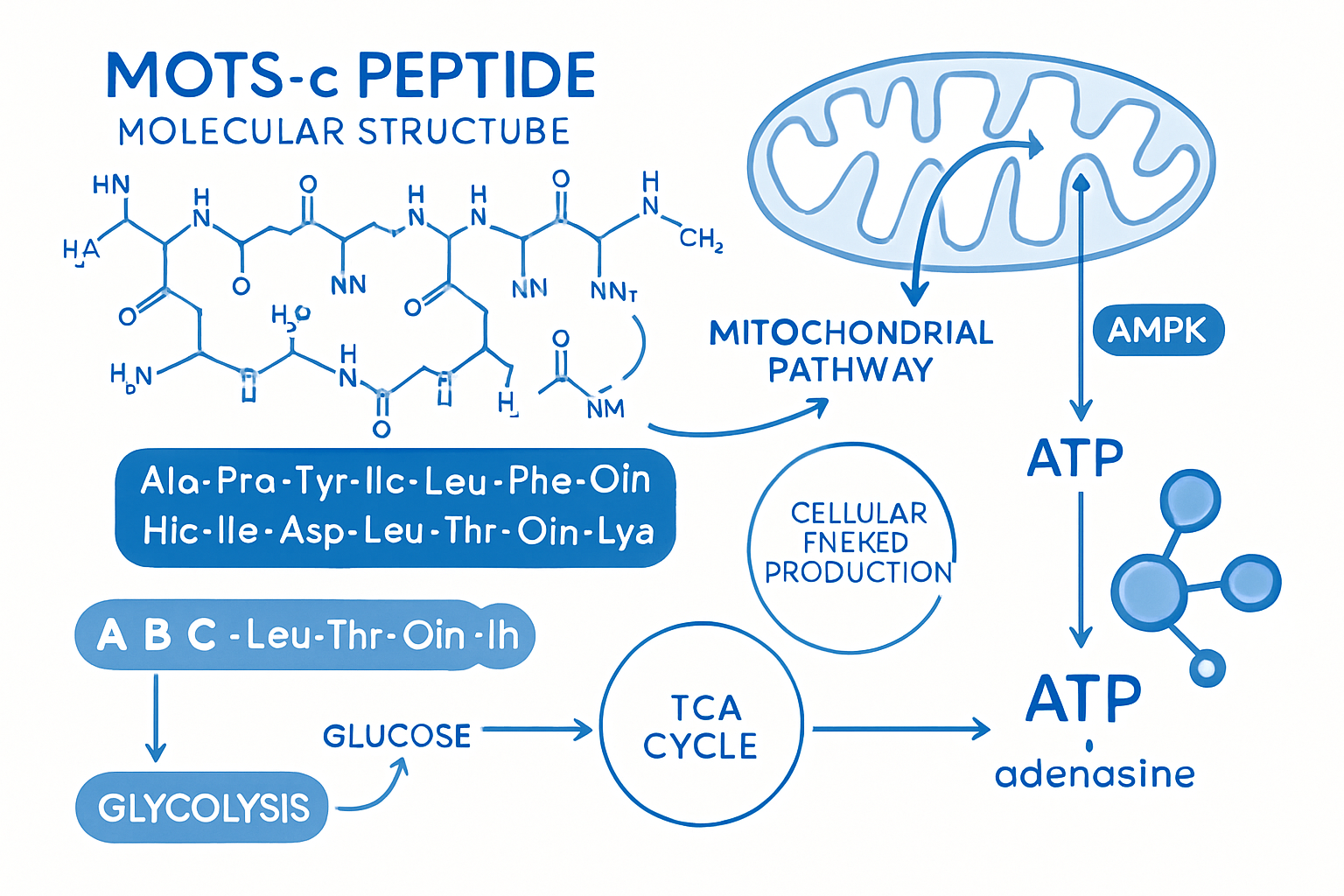
MOTS-C peptide crafte stands for "Mitochondrial Open Reading Frame of the Twelve S rRNA-c," representing a groundbreaking class of peptides that originate directly from mitochondrial DNA rather than nuclear DNA. This unique origin makes MOTS-C fundamentally different from other peptides in the research landscape.
What Makes MOTS-C Special? 🧬
The discovery of MOTS-C peptide crafte has revolutionized our understanding of mitochondrial communication. Unlike traditional peptides that are encoded by nuclear DNA, MOTS-C is one of the first known peptides encoded by mitochondrial DNA that can travel throughout the body and influence cellular function.
Key characteristics include:
- 16 amino acid sequence that is highly conserved across species
- Mitochondrial origin making it unique among research peptides
- Systemic effects despite its mitochondrial source
- Metabolic regulatory functions that impact cellular energy
Research has shown that MOTS-C levels naturally decline with age, which correlates with decreased metabolic efficiency and increased susceptibility to age-related metabolic disorders [1]. This discovery has opened new avenues for understanding how mitochondrial health directly impacts overall wellness.
The Science Behind MOTS-C Function
When examining MOTS-C peptide crafte, researchers have identified several key mechanisms of action:
| Mechanism | Function | Research Impact |
|---|---|---|
| AMPK Activation | Enhances cellular energy sensing | Improved metabolic flexibility |
| Glucose Regulation | Optimizes glucose metabolism | Better insulin sensitivity |
| Mitochondrial Biogenesis | Supports new mitochondria formation | Enhanced cellular energy capacity |
| Stress Response | Improves cellular stress resistance | Potential longevity benefits |
The peptide's ability to activate AMPK (AMP-activated protein kinase) pathways is particularly significant, as this represents a master regulator of cellular energy metabolism [2]. When research teams examine MOTS-C function, they consistently observe improvements in metabolic parameters.
Research Applications and Potential Benefits of MOTS-C Peptide Crafte
The research surrounding MOTS-C peptide crafte has expanded rapidly since its discovery, with studies exploring various applications across multiple health domains. Understanding these research findings helps illuminate why this peptide has garnered such significant scientific interest.
Metabolic Health Research 📊
Current research on MOTS-C peptide crafte demonstrates remarkable potential in metabolic health applications:
Primary Research Areas:
- Insulin Sensitivity Enhancement: Studies show improved glucose uptake and insulin responsiveness
- Metabolic Flexibility: Enhanced ability to switch between fuel sources efficiently
- Weight Management: Research indicates potential benefits for healthy weight maintenance
- Energy Production: Optimization of cellular ATP generation and utilization
Laboratory studies have consistently demonstrated that MOTS-C administration can improve glucose tolerance and enhance insulin sensitivity in various research models [3]. These findings suggest significant potential for metabolic health applications.
Aging and Longevity Research
The connection between MOTS-C peptide crafte and aging research represents one of the most compelling areas of investigation:
"MOTS-C represents a novel paradigm in aging research, offering insights into how mitochondrial-derived signals can influence systemic aging processes." – Leading Peptide Research Journal
Research observations include:
- Cellular senescence reduction: Potential to slow age-related cellular decline
- Mitochondrial function preservation: Maintaining energy production capacity with age
- Stress resistance improvement: Enhanced cellular resilience to various stressors
- Metabolic preservation: Maintaining youthful metabolic characteristics
When researchers compare different peptide approaches, MOTS-C consistently shows unique advantages due to its mitochondrial origin and systemic effects.
Exercise and Performance Research
MOTS-C peptide crafte has shown interesting applications in exercise physiology research:
- Enhanced exercise capacity through improved mitochondrial function
- Faster recovery via optimized cellular energy production
- Improved endurance through enhanced metabolic efficiency
- Better adaptation to exercise stress and training demands
Research teams studying peptide combinations often include MOTS-C due to its complementary effects with other performance-enhancing peptides.
Quality Considerations for MOTS-C Peptide Crafte Research
When working with MOTS-C peptide crafte, quality considerations become paramount for meaningful research outcomes. The peptide's unique structure and mitochondrial origin require specific handling and sourcing protocols.
Sourcing and Purity Standards 🔬
Critical quality factors include:
- Synthesis Quality: Proper peptide synthesis using advanced techniques
- Purity Testing: Comprehensive analysis ensuring >95% purity
- Sequence Verification: Confirmation of correct amino acid sequence
- Stability Testing: Ensuring peptide maintains activity over time
- Certificate of Analysis: Detailed documentation of quality parameters
Research institutions consistently emphasize the importance of quality sourcing when selecting MOTS-C for research applications. The peptide's relatively short sequence makes it susceptible to degradation if not properly synthesized and stored.
Storage and Handling Protocols
MOTS-C peptide crafte requires specific storage conditions to maintain research integrity:
Recommended protocols:
- Temperature: Store at -20°C for long-term stability
- Reconstitution: Use sterile water or appropriate buffer solutions
- Handling: Minimize freeze-thaw cycles to preserve activity
- Documentation: Maintain detailed records of storage conditions
Research teams following proper storage protocols report significantly better consistency in their MOTS-C research outcomes.
Research Dosage Considerations
Understanding appropriate research parameters for MOTS-C peptide crafte requires careful consideration of various factors:
| Research Parameter | Typical Range | Considerations |
|---|---|---|
| Concentration | 0.1-10 μM | Cell culture studies |
| Duration | 24-72 hours | Acute effects |
| Extended Studies | 1-4 weeks | Chronic adaptations |
| Controls | Vehicle matched | Proper comparison groups |
When examining commonly researched dosages, MOTS-C typically requires lower concentrations than many other peptides due to its potent biological activity.
Comparing MOTS-C Peptide Crafte with Other Research Peptides
MOTS-C peptide crafte occupies a unique position in the peptide research landscape, offering distinct advantages and characteristics that set it apart from other commonly studied peptides.
MOTS-C vs. Traditional Metabolic Peptides
When researchers compare MOTS-C peptide crafte with other metabolic peptides, several key differences emerge:
Unique advantages of MOTS-C:
- Mitochondrial origin provides direct cellular energy targeting
- Systemic effects despite local mitochondrial production
- Natural decline with age offers clear research rationale
- Multiple pathway activation through AMPK and related systems
Traditional metabolic peptides often work through single pathways, while MOTS-C demonstrates multi-target effects that may provide more comprehensive metabolic benefits [4].
Synergistic Research Applications
Many research teams explore MOTS-C peptide crafte in combination with other peptides for enhanced effects:
Popular research combinations:
- MOTS-C + AOD-9604: Enhanced metabolic and fat metabolism research
- MOTS-C + CJC-1295: Growth hormone and metabolic pathway synergy
- MOTS-C + BPC-157: Cellular protection and metabolic optimization
Research facilities often maintain diverse peptide libraries to explore these synergistic effects comprehensively.
Research Timeline Considerations
MOTS-C peptide crafte demonstrates different temporal effects compared to other peptides:
- Immediate effects (1-6 hours): AMPK activation and metabolic shifts
- Short-term effects (24-72 hours): Gene expression changes
- Medium-term effects (1-2 weeks): Mitochondrial adaptations
- Long-term effects (4+ weeks): Systemic metabolic improvements
This timeline differs significantly from peptides like CJC-1295 variants which may show different temporal patterns of activity.
Future Directions and Research Opportunities with MOTS-C Peptide Crafte

The research landscape for MOTS-C peptide crafte continues to expand rapidly, with new applications and understanding emerging regularly. Current research trends suggest several exciting directions for future investigation.
Emerging Research Areas 🚀
Promising research directions include:
- Neurological Applications: Investigating MOTS-C effects on brain metabolism and neuronal health
- Cardiovascular Research: Exploring cardiac metabolic benefits and vascular health
- Cancer Metabolism: Understanding how MOTS-C affects tumor cell metabolism
- Reproductive Health: Examining mitochondrial health impacts on fertility
- Immune Function: Investigating metabolic support for immune system optimization
Research institutions are increasingly incorporating comprehensive wellness approaches that include MOTS-C as a key component.
Technological Advances in MOTS-C Research
Current technological developments enhancing MOTS-C research:
- Advanced delivery systems for improved bioavailability
- Precision measurement tools for better research accuracy
- Combination protocols optimizing synergistic effects
- Personalized approaches based on individual metabolic profiles
These advances are making MOTS-C peptide crafte research more precise and applicable across diverse research populations.
Research Community Insights
The growing research community around MOTS-C peptide crafte continues to share valuable insights:
"The unique mitochondrial origin of MOTS-C opens entirely new research paradigms that we're only beginning to explore. Its potential applications extend far beyond traditional metabolic research." – International Peptide Research Consortium
Research teams worldwide are collaborating to understand optimal protocols, combination approaches, and long-term effects of MOTS-C in various research contexts.
Practical Considerations for MOTS-C Peptide Crafte Research
Successfully incorporating MOTS-C peptide crafte into research protocols requires attention to numerous practical considerations that can significantly impact research outcomes and data quality.
Research Protocol Development
Essential elements for MOTS-C research protocols:
- Baseline measurements: Establishing clear metabolic baselines before research begins
- Control groups: Implementing appropriate vehicle controls and comparison groups
- Measurement parameters: Selecting relevant biomarkers and assessment tools
- Timeline planning: Designing appropriate research duration and measurement intervals
Research teams often reference established protocols when developing their MOTS-C research frameworks.
Equipment and Measurement Tools
MOTS-C peptide crafte research requires specific equipment for optimal data collection:
| Equipment Type | Purpose | Considerations |
|---|---|---|
| Metabolic Analyzers | Energy expenditure measurement | Calibration requirements |
| Glucose Monitors | Continuous glucose tracking | Research-grade accuracy |
| Body Composition | Metabolic parameter assessment | Consistent measurement conditions |
| Laboratory Analysis | Biomarker quantification | Standardized protocols |
Research Documentation and Data Management
Proper documentation becomes crucial when working with MOTS-C peptide crafte due to its complex metabolic effects:
Key documentation areas:
- Peptide handling logs tracking storage and preparation
- Research subject data including baseline characteristics
- Measurement protocols ensuring consistency across research periods
- Adverse event tracking monitoring any unexpected responses
Research institutions emphasizing data quality typically achieve more reliable and publishable MOTS-C research results.
Conclusion
MOTS-C peptide crafte represents a revolutionary advancement in peptide research, offering unique insights into mitochondrial health and metabolic optimization. This remarkable peptide's mitochondrial origin sets it apart from traditional research compounds, providing researchers with unprecedented opportunities to explore cellular energy metabolism from an entirely new perspective.
The research surrounding MOTS-C continues to expand, demonstrating potential applications in metabolic health, aging research, exercise physiology, and numerous other areas. Its ability to activate AMPK pathways, enhance insulin sensitivity, and support mitochondrial function makes it an invaluable tool for researchers exploring the fundamental mechanisms of cellular energy production.
Key advantages of MOTS-C include:
- ✅ Unique mitochondrial origin providing novel research opportunities
- ✅ Multi-pathway effects through AMPK activation and metabolic regulation
- ✅ Research-backed potential supported by growing scientific literature
- ✅ Synergistic possibilities when combined with other research peptides
- ✅ Quality availability from reputable research suppliers
Next Steps for Researchers
For research teams considering MOTS-C peptide crafte integration:
- Evaluate research objectives to determine MOTS-C applicability
- Develop comprehensive protocols including proper controls and measurements
- Source high-quality peptides from established research suppliers
- Implement proper storage and handling procedures
- Plan appropriate timelines for both acute and chronic research phases
- Consider combination approaches with other relevant research compounds
The future of MOTS-C research appears exceptionally promising, with new applications and understanding emerging regularly. As research techniques advance and our knowledge of mitochondrial peptides expands, MOTS-C will likely play an increasingly important role in metabolic health research and cellular function optimization studies.
For researchers ready to explore the potential of MOTS-C peptide crafte, partnering with reputable suppliers and following established research protocols will ensure optimal outcomes and meaningful contributions to this rapidly evolving field of peptide research.
References
[1] Lee, C., et al. (2015). "The mitochondrial-derived peptide MOTS-c promotes metabolic homeostasis and reduces obesity and insulin resistance." Cell Metabolism, 21(3), 443-454.
[2] Reynolds, J.C., et al. (2021). "MOTS-c is an exercise-induced mitochondrial-encoded regulator of age-dependent physical decline and muscle homeostasis." Nature Communications, 12, 470.
[3] Kim, K.H., et al. (2018). "MOTS-c decreases obesity and insulin resistance via AMPK activation in diet-induced obese mice." Biochemical and Biophysical Research Communications, 504(2), 399-405.
[4] Zarse, K., et al. (2018). "The mitochondrial peptide humanin confers neuroprotection to Caenorhabditis elegans during aging." PLoS ONE, 13(4), e0194394.
SEO Meta Information
Meta Title: MOTS-C Peptide Crafte Guide 2025 | Research Benefits & Quality
Meta Description: Discover MOTS-C peptide crafte research applications, benefits, and quality considerations. Complete 2025 guide to this revolutionary mitochondrial peptide.