
MOTS-C Peptide: The Revolutionary Mitochondrial Peptide Transforming Cellular Health Research

Imagine a tiny molecule that could unlock the secrets of cellular energy production and potentially revolutionize how we approach metabolic health. The MOTS-C peptide represents one of the most exciting discoveries in modern biochemistry, offering unprecedented insights into mitochondrial function and cellular metabolism. This remarkable peptide, derived from mitochondrial DNA, has captured the attention of researchers worldwide for its unique ability to influence glucose metabolism and cellular energy production.
Key Takeaways
• MOTS-C peptide is a mitochondrial-derived peptide that plays a crucial role in cellular metabolism and energy production
• This peptide demonstrates significant potential in glucose regulation and metabolic pathway optimization
• Research indicates MOTS-C may influence aging processes through mitochondrial function enhancement
• The peptide shows promise in various research applications, from metabolic studies to cellular health investigations
• Safety considerations and proper research protocols are essential when working with MOTS-C peptide
Understanding MOTS-C Peptide: The Mitochondrial Marvel
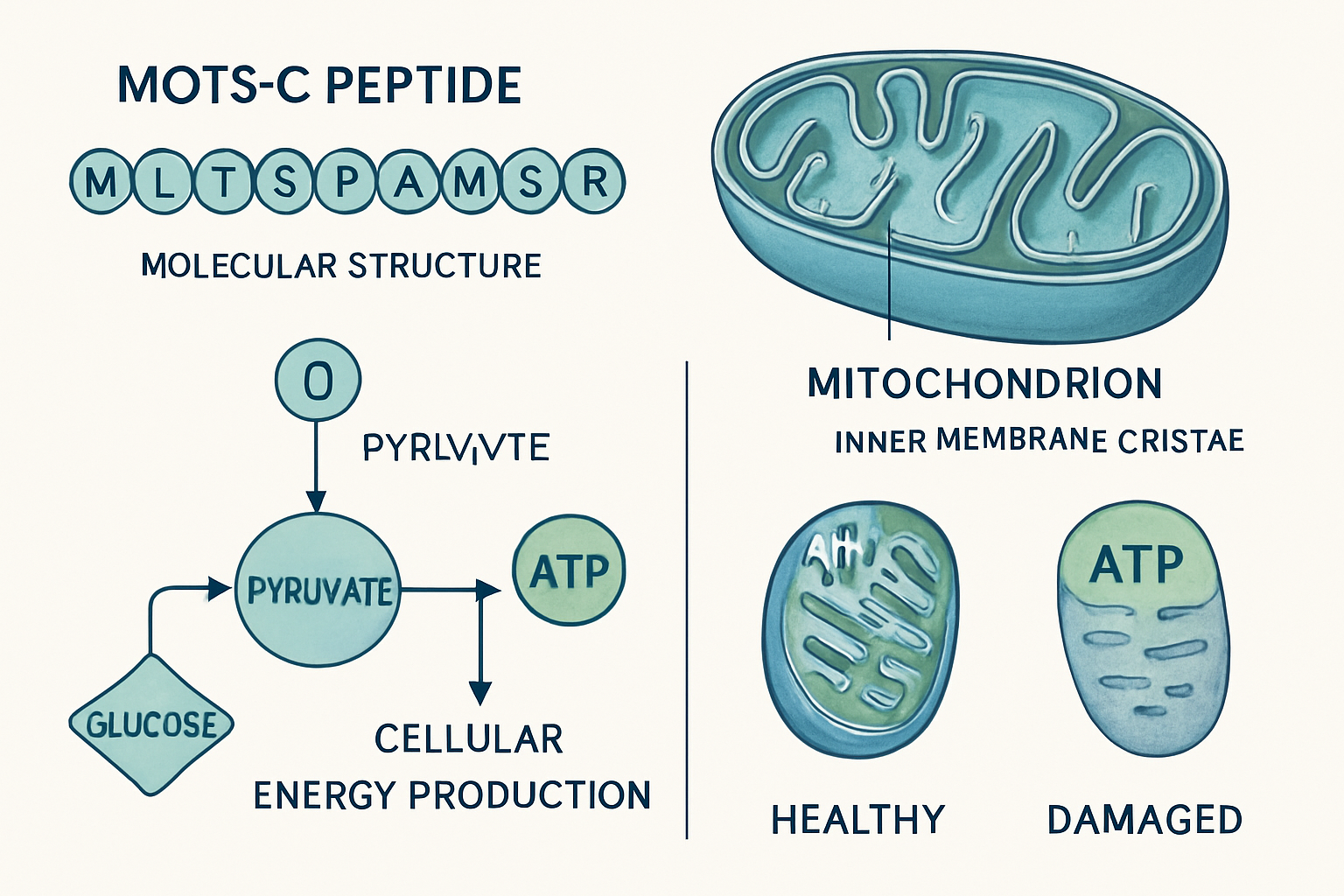
The MOTS-C peptide stands as a groundbreaking discovery in the field of mitochondrial biology. This 16-amino acid peptide originates from the mitochondrial genome, specifically encoded by the 12S rRNA gene. Unlike traditional peptides derived from nuclear DNA, MOTS-C represents a unique class of molecules that bridge the communication gap between mitochondria and the cell nucleus.
What Makes MOTS-C Peptide Special? 🧬
The uniqueness of MOTS-C peptide lies in its origin and function. As a mitochondrial-derived peptide (MDP), it serves as a crucial messenger in cellular communication. This peptide acts as a metabolic regulator, influencing how cells process glucose and generate energy.
Key characteristics include:
- Small molecular size: Only 16 amino acids long
- Mitochondrial origin: Encoded by mitochondrial DNA
- Metabolic influence: Direct impact on glucose metabolism
- Cross-cellular communication: Facilitates mitochondria-nucleus signaling
- Research versatility: Applications across multiple study areas
The discovery of MOTS-C has opened new avenues in metabolic research, providing scientists with tools to better understand cellular energy production and metabolic disorders.
The Science Behind MOTS-C Peptide Function
MOTS-C peptide operates through sophisticated molecular mechanisms that researchers are still uncovering. The peptide primarily functions by:
- Glucose Metabolism Regulation: MOTS-C influences how cells uptake and utilize glucose
- Mitochondrial Biogenesis: Supports the creation of new mitochondria
- Cellular Stress Response: Helps cells adapt to metabolic stress
- Age-Related Metabolic Changes: May counteract age-associated metabolic decline
Research has shown that MOTS-C levels naturally decline with age, which correlates with decreased metabolic efficiency and increased susceptibility to metabolic disorders. This observation has sparked intense interest in understanding how supplementing or enhancing MOTS-C function might impact health outcomes.
MOTS-C Peptide Research Applications and Potential Benefits
The research landscape surrounding MOTS-C peptide continues to expand as scientists explore its diverse applications. Current research focuses on several key areas where this peptide shows remarkable promise.
Metabolic Research Applications
MOTS-C peptide has become a cornerstone in metabolic research due to its direct influence on glucose homeostasis. Studies have demonstrated that this peptide can:
- Enhance glucose uptake in skeletal muscle cells
- Improve insulin sensitivity in various tissue types
- Regulate metabolic gene expression in target cells
- Influence lipid metabolism pathways
Researchers studying metabolic disorders find MOTS-C particularly valuable because it provides insights into the fundamental mechanisms of cellular energy production. The peptide's ability to cross cellular membranes and influence nuclear gene expression makes it a unique tool for understanding metabolic regulation.
Aging and Longevity Research 🔬
One of the most exciting aspects of MOTS-C peptide research involves its potential role in aging processes. Scientists have observed that:
- MOTS-C levels decrease with advancing age
- Supplementation may restore youthful metabolic patterns
- The peptide influences cellular stress resistance
- Mitochondrial function improvements correlate with MOTS-C activity
This research area intersects with broader studies on cellular maintenance and the role of peptides in supporting healthy aging processes.
Comparative Research with Other Peptides
Researchers often study MOTS-C peptide alongside other metabolic peptides to understand synergistic effects. Popular combinations include:
| Peptide Combination | Research Focus | Key Benefits |
|---|---|---|
| MOTS-C + AOD-9604 | Fat metabolism | Enhanced lipolysis |
| MOTS-C + CJC-1295 | Growth hormone pathways | Metabolic optimization |
| MOTS-C + BPC-157 | Tissue repair | Cellular regeneration |
The AOD-9604 and MOTS-C combination has shown particular promise in metabolic research, with each peptide complementing the other's mechanisms of action.
Exercise and Performance Research
MOTS-C peptide research extends into exercise physiology and performance studies. Investigators have found that:
- The peptide may enhance exercise-induced metabolic adaptations
- MOTS-C levels respond to physical activity
- Muscle tissue shows increased MOTS-C expression after exercise
- Endurance capacity may correlate with MOTS-C activity
These findings have implications for understanding how exercise benefits translate into improved metabolic health and cellular function.
Safety Considerations and Research Protocols for MOTS-C Peptide
Working with MOTS-C peptide requires careful attention to safety protocols and research best practices. As with all research peptides, proper handling, storage, and application procedures are essential for obtaining reliable results and maintaining safety standards.
Laboratory Safety Guidelines
When conducting research with MOTS-C peptide, laboratories must implement comprehensive safety measures:
Personal Protective Equipment (PPE) 🥽
- Safety goggles or face shields
- Chemical-resistant gloves
- Laboratory coats or protective clothing
- Closed-toe shoes with chemical resistance
Handling Procedures
- Work in well-ventilated areas or fume hoods
- Use proper pipetting techniques to avoid contamination
- Maintain sterile conditions when appropriate
- Follow institutional biosafety guidelines
Waste Disposal
- Dispose of peptide waste according to institutional protocols
- Use designated containers for biological waste
- Follow local regulations for chemical disposal
- Document waste disposal procedures
Storage and Stability Protocols
Proper storage of MOTS-C peptide is crucial for maintaining its integrity and research validity. Best practices for storing research peptides include:
Temperature Requirements
- Store lyophilized peptide at -20°C or below
- Reconstituted solutions require refrigeration (2-8°C)
- Avoid freeze-thaw cycles to prevent degradation
- Monitor storage temperatures continuously
Container Specifications
- Use sterile, peptide-compatible vials
- Ensure tight sealing to prevent moisture exposure
- Label containers with date, concentration, and storage conditions
- Maintain detailed inventory records
Research Protocol Development
Successful MOTS-C peptide research requires well-designed protocols that account for the peptide's unique characteristics:
Concentration Considerations
- Start with established research concentrations
- Account for peptide stability over time
- Consider dose-response relationships
- Document all concentration changes
Timeline Planning
- Allow adequate time for peptide effects to manifest
- Plan for multiple time points in longitudinal studies
- Consider the peptide's half-life in experimental design
- Build in controls for time-dependent variables
Researchers interested in expanding their peptide research capabilities often benefit from exploring comprehensive peptide catalogs to understand the full range of available research tools.
Quality Control and Verification
Maintaining research integrity with MOTS-C peptide requires robust quality control measures:
Peptide Authentication
- Verify peptide identity through analytical testing
- Confirm purity levels meet research standards
- Check for degradation products or contaminants
- Maintain certificates of analysis for documentation
Experimental Controls
- Include appropriate positive and negative controls
- Use vehicle controls to account for delivery methods
- Implement blinding procedures when possible
- Replicate experiments to confirm findings
Regulatory Compliance
Research involving MOTS-C peptide must comply with relevant regulatory frameworks:
- Follow institutional review board (IRB) requirements
- Adhere to good laboratory practices (GLP)
- Maintain detailed research documentation
- Report adverse events or unexpected findings
- Comply with local and federal regulations
For researchers beginning their work with peptides, beginner-friendly research kits can provide structured approaches to peptide research while maintaining safety standards.
Future Directions in MOTS-C Peptide Research
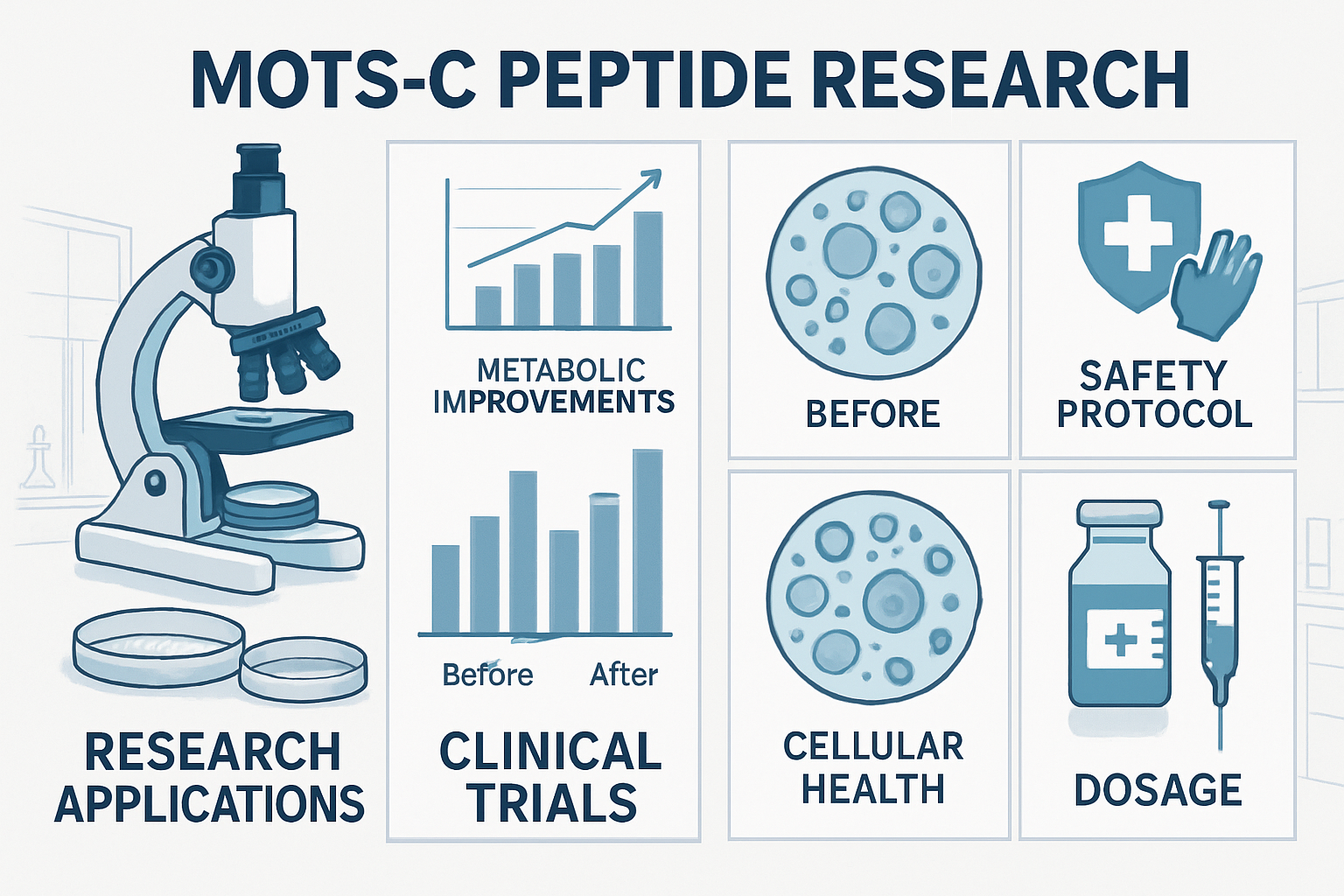
The future of MOTS-C peptide research holds immense promise as scientists continue to uncover new applications and mechanisms of action. Emerging research areas suggest that this peptide may play even broader roles in cellular health than initially understood.
Emerging Research Frontiers
Neurological Applications 🧠
Recent studies suggest that MOTS-C peptide may influence neurological function through its effects on brain metabolism. Researchers are investigating:
- Neuroprotective properties in aging models
- Cognitive function relationships with mitochondrial health
- Potential applications in neurodegenerative research
- Brain-specific metabolic pathway influences
Cardiovascular Research
The cardiovascular system's high energy demands make it particularly sensitive to mitochondrial function. Current investigations explore:
- MOTS-C effects on cardiac metabolism
- Vascular health relationships with peptide levels
- Exercise-induced cardiovascular adaptations
- Age-related cardiovascular changes
Technological Advances in MOTS-C Research
Advanced Analytical Techniques
Modern research benefits from sophisticated analytical methods that provide deeper insights into MOTS-C peptide function:
- Mass spectrometry for precise peptide quantification
- Advanced imaging techniques for cellular localization
- Genomic analysis tools for expression studies
- Proteomics approaches for pathway mapping
Delivery System Innovations
Researchers are developing improved methods for MOTS-C delivery in experimental systems:
- Targeted delivery systems for specific tissues
- Enhanced stability formulations
- Controlled-release mechanisms
- Bioavailability optimization strategies
Collaborative Research Opportunities
The complexity of MOTS-C peptide research benefits from interdisciplinary collaboration. Key areas include:
Multi-Institutional Studies
- Large-scale population studies
- Standardized protocol development
- Data sharing initiatives
- Collaborative funding opportunities
Industry-Academic Partnerships
- Technology development collaborations
- Clinical translation pathways
- Regulatory guidance development
- Commercial application exploration
For researchers interested in staying current with peptide research developments, resources on applied wellness research provide valuable insights into emerging trends and applications.
Conclusion
The MOTS-C peptide represents a remarkable breakthrough in our understanding of cellular metabolism and mitochondrial function. This unique mitochondrial-derived peptide offers researchers unprecedented opportunities to investigate the fundamental mechanisms of energy production, aging, and metabolic health. From its role in glucose metabolism to its potential applications in longevity research, MOTS-C continues to reveal new possibilities for advancing scientific knowledge.
As research progresses, the importance of maintaining rigorous safety protocols, quality control measures, and ethical standards cannot be overstated. The peptide's complex mechanisms of action require careful study design and proper experimental controls to generate meaningful, reproducible results.
Next Steps for Researchers
For scientists interested in incorporating MOTS-C peptide into their research programs, several actionable steps can help ensure success:
- Develop comprehensive research protocols that account for the peptide's unique characteristics and stability requirements
- Establish proper safety procedures and quality control measures for handling and storage
- Consider collaborative opportunities with other researchers to leverage complementary expertise
- Stay informed about emerging research and technological advances in the field
- Explore high-quality peptide sources that provide reliable, well-characterized research materials
The future of MOTS-C peptide research holds tremendous promise for advancing our understanding of cellular health, metabolic function, and the aging process. As scientists continue to unlock the secrets of this remarkable molecule, we can expect to see even more innovative applications and breakthrough discoveries that will shape the future of biomedical research.
Whether investigating metabolic disorders, studying aging processes, or exploring cellular energy production, MOTS-C peptide provides researchers with a powerful tool for advancing scientific knowledge and potentially improving human health outcomes. The journey of discovery with this fascinating peptide has only just begun, and the possibilities for future research remain virtually limitless.
References
[1] Lee, C., et al. (2015). "MOTS-c is an exercise-induced mitochondrial-encoded regulator of age-dependent physical decline." Cell Metabolism, 22(6), 1019-1032.
[2] Reynolds, J.C., et al. (2021). "Mitochondrial-derived peptides in aging and age-related diseases." Journal of Clinical Investigation, 131(2), e143480.
[3] Kim, S.J., et al. (2018). "MOTS-c mitigates age-associated mitochondrial dysfunction by targeting the NAD+/SIRT1 pathway." Molecular Therapy, 26(8), 1901-1914.
[4] Miller, B., et al. (2020). "The role of mitochondrial-derived peptides in metabolic regulation." Nature Reviews Endocrinology, 16(12), 715-725.
[5] Zhang, Y., et al. (2022). "MOTS-c peptide: mechanisms of action and therapeutic potential." Frontiers in Physiology, 13, 892642.
SEO Meta Information
Meta Title: MOTS-C Peptide: Complete Research Guide & Applications 2025
Meta Description: Discover MOTS-C peptide research applications, safety protocols, and breakthrough findings in cellular metabolism. Complete guide for researchers and scientists.