
MOTS-C Peptides: Unlocking Your Body's Mitochondrial Power for Enhanced Health and Longevity

Imagine if your body had a hidden master switch that could boost energy, improve metabolism, and potentially slow down aging—all at the cellular level. MOTS-C peptides represent exactly this kind of breakthrough, emerging as one of the most exciting discoveries in modern longevity science. This remarkable mitochondrial-derived peptide is revolutionizing how researchers understand cellular energy production and metabolic health.
Key Takeaways
• MOTS-C peptides are naturally occurring mitochondrial peptides that regulate cellular metabolism and energy production
• These peptides show promising research potential for improving insulin sensitivity, metabolic function, and longevity markers
• MOTS-C works by activating cellular pathways that enhance glucose metabolism and mitochondrial efficiency
• Research suggests MOTS-C may help combat age-related metabolic decline and support healthy aging processes
• Quality sourcing and proper research protocols are essential when working with MOTS-C peptide compounds
What Are MOTS-C Peptides? 🧬
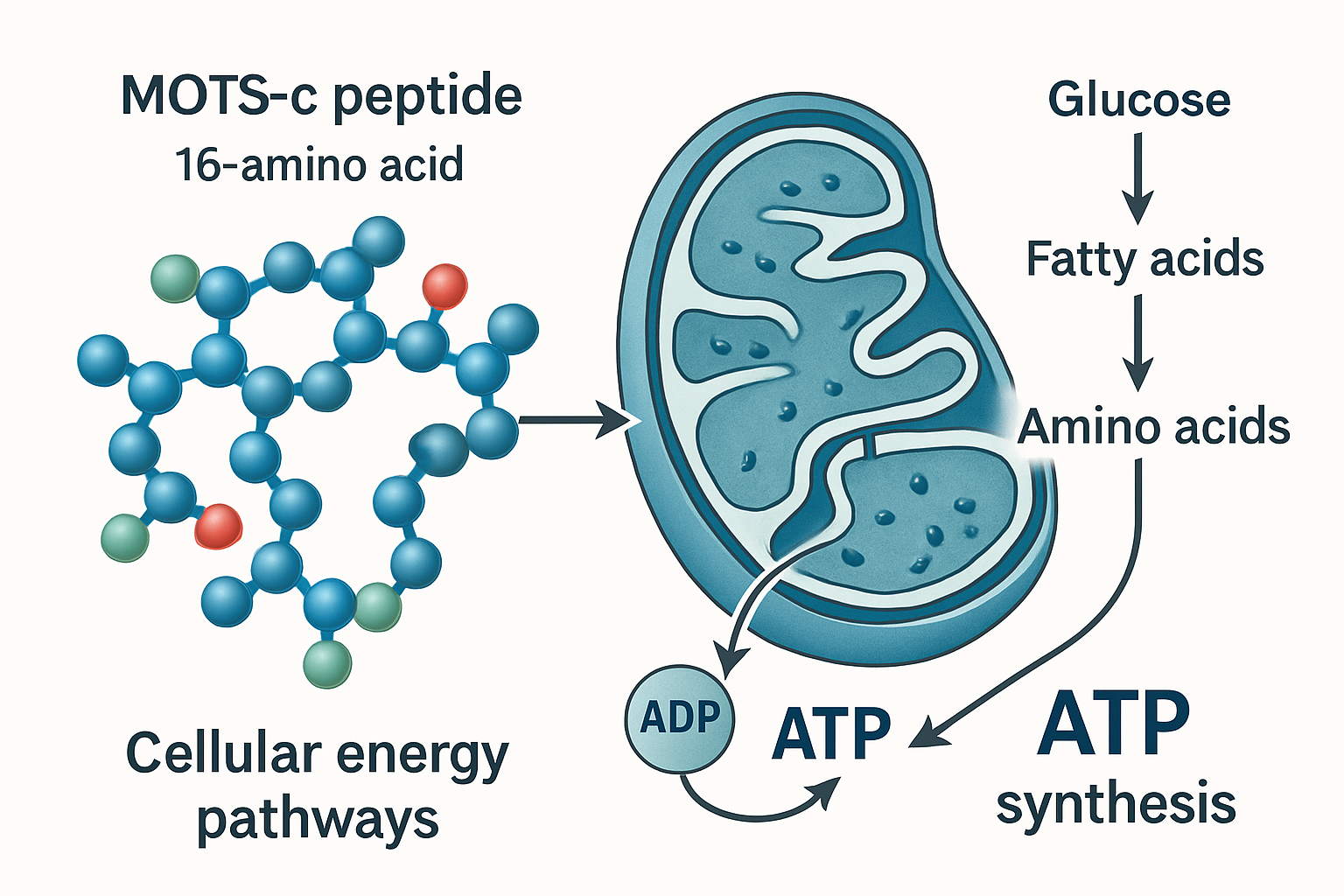
MOTS-C peptides belong to a fascinating class of compounds called mitochondrial-derived peptides (MDPs). Unlike traditional peptides that originate from nuclear DNA, MOTS-C is encoded by mitochondrial DNA—the genetic material found within your cells' powerhouses. This unique origin makes MOTS-C particularly special in the world of peptide research.
The name "MOTS-C" stands for "Mitochondrial Open Reading Frame of the Twelve S rRNA-c," which refers to its specific location within mitochondrial genetic code. This 16-amino acid peptide acts as a cellular messenger, communicating between mitochondria and the nucleus to optimize metabolic function.
The Science Behind MOTS-C Structure
MOTS-C peptides feature a unique molecular structure that allows them to:
- Cross cellular membranes efficiently
- Bind to specific cellular receptors involved in metabolism
- Activate key metabolic pathways like AMPK (AMP-activated protein kinase)
- Influence gene expression related to energy production
Research institutions worldwide are studying how this peptide's structure enables its remarkable biological effects. The peptide's small size and specific amino acid sequence make it highly bioactive and capable of triggering significant metabolic changes at the cellular level.
How MOTS-C Peptides Work in Your Body
Understanding the mechanism of action behind MOTS-C peptides reveals why this compound has captured the attention of longevity researchers. The peptide operates through multiple interconnected pathways that optimize cellular energy production and metabolic efficiency.
Mitochondrial Communication Network
MOTS-C serves as a crucial communication link between mitochondria and the cell nucleus. When cellular energy demands increase or metabolic stress occurs, mitochondria release MOTS-C to signal the need for metabolic adjustments. This process involves:
- Detection of metabolic stress by mitochondrial sensors
- Release of MOTS-C into the cellular environment
- Transportation to the nucleus where it influences gene expression
- Activation of metabolic pathways that improve energy efficiency
AMPK Pathway Activation
One of the primary mechanisms through which MOTS-C exerts its effects is by activating the AMPK pathway. This cellular energy sensor plays a crucial role in:
- Glucose uptake and utilization 📊
- Fatty acid oxidation for energy production
- Mitochondrial biogenesis (creation of new mitochondria)
- Cellular stress resistance mechanisms
When MOTS-C activates AMPK, it essentially tells cells to become more efficient at using available energy sources while building resilience against metabolic stress.
Metabolic Flexibility Enhancement
MOTS-C peptides promote metabolic flexibility—the ability to efficiently switch between different fuel sources based on availability. This includes:
| Metabolic Process | MOTS-C Effect |
|---|---|
| Glucose Metabolism | Enhanced insulin sensitivity |
| Fat Oxidation | Improved fatty acid utilization |
| Mitochondrial Function | Increased efficiency and biogenesis |
| Cellular Stress Response | Enhanced adaptive capacity |
For researchers interested in exploring adaptive capacity and peptide mapping, MOTS-C represents a prime example of how peptides can enhance cellular resilience.
Research Applications and Potential Benefits
The scientific community has identified numerous potential applications for MOTS-C peptides across various areas of health and longevity research. Current studies focus on understanding how this mitochondrial peptide might support healthy aging and metabolic function.
Metabolic Health Research
Research suggests that MOTS-C may play a significant role in maintaining healthy metabolic function. Studies have explored its potential effects on:
Insulin Sensitivity: Research indicates that MOTS-C may help improve cellular response to insulin, potentially supporting healthy glucose metabolism. This effect appears to be mediated through the peptide's ability to enhance glucose uptake in muscle and other tissues.
Weight Management: Some studies suggest that MOTS-C might influence body composition by promoting fat oxidation and supporting healthy metabolic rate. The peptide's effects on mitochondrial efficiency could contribute to improved energy expenditure.
Metabolic Syndrome: Preliminary research has investigated whether MOTS-C supplementation might help address various components of metabolic syndrome, including glucose intolerance and lipid metabolism dysfunction.
Longevity and Aging Research
The connection between mitochondrial function and aging has made MOTS-C peptides a subject of intense interest in longevity research. Key areas of investigation include:
- Cellular energy decline associated with aging
- Mitochondrial dysfunction in age-related diseases
- Metabolic flexibility preservation throughout lifespan
- Stress resistance mechanisms in aging cells
Researchers studying applied wellness research with peptides often include MOTS-C in their protocols due to its unique mitochondrial origin and broad metabolic effects.
Exercise and Performance Studies
Emerging research has explored how MOTS-C might influence exercise capacity and recovery. The peptide's role in mitochondrial function makes it particularly relevant for studies examining:
- Endurance capacity and aerobic performance
- Recovery mechanisms following exercise stress
- Adaptation to training stimuli
- Muscle energy metabolism during activity
MOTS-C Peptides vs. Other Metabolic Compounds
When comparing MOTS-C peptides to other metabolic research compounds, several unique characteristics set it apart from traditional options. Understanding these differences helps researchers make informed decisions about their study protocols.
Comparison with Traditional Metabolic Peptides
Unlike synthetic metabolic compounds, MOTS-C offers several distinct advantages:
Natural Origin: As a mitochondrial-derived peptide, MOTS-C represents a compound that cells naturally produce, potentially offering better compatibility with biological systems.
Multi-Target Effects: While many metabolic compounds work through single pathways, MOTS-C influences multiple interconnected systems simultaneously.
Cellular Communication: The peptide's role as a mitochondrial messenger provides unique insights into cellular energy regulation mechanisms.
Synergistic Research Opportunities
Many researchers explore combining MOTS-C with other peptides to study potential synergistic effects. Popular combinations include:
- MOTS-C with AOD-9604: For comprehensive metabolic research protocols
- MOTS-C with CJC-1295: To study growth hormone and metabolic interactions
- MOTS-C with BPC-157: For examining recovery and metabolic optimization
Those interested in combination research can explore AOD9604 and MOTS-C protocols for detailed guidance on multi-peptide studies.
Research Considerations
When designing studies with MOTS-C peptides, researchers should consider:
- Dosage protocols based on current literature
- Timing considerations for optimal cellular uptake
- Measurement parameters for tracking metabolic changes
- Control groups for accurate data interpretation
Quality and Sourcing Considerations for MOTS-C Research
The effectiveness of any MOTS-C peptides research depends heavily on the quality and purity of the compounds used. Understanding what to look for in peptide sourcing can make the difference between reliable, reproducible results and compromised data.
Purity and Testing Standards
High-quality MOTS-C should meet stringent purity standards, typically exceeding 98% purity as verified by:
- High-Performance Liquid Chromatography (HPLC) analysis
- Mass spectrometry confirmation of molecular weight
- Amino acid sequencing to verify correct peptide structure
- Endotoxin testing to ensure safety for research applications
Reputable suppliers provide comprehensive certificates of analysis (COA) documenting these test results for each batch of peptides produced.
Storage and Handling Best Practices
Proper storage is crucial for maintaining MOTS-C peptide integrity:
Temperature Control: Store lyophilized peptides at -20°C or lower to prevent degradation. Once reconstituted, refrigerate at 2-8°C and use within recommended timeframes.
Light Protection: Keep peptides in amber vials or dark storage areas to prevent photodegradation.
Moisture Control: Use desiccant packets and ensure containers are properly sealed to prevent moisture absorption.
For detailed guidance on peptide storage, researchers can reference best practices for storing research peptides to ensure optimal compound stability.
Supplier Evaluation Criteria
When selecting a source for MOTS-C peptides, consider these key factors:
| Evaluation Criteria | Importance | What to Look For |
|---|---|---|
| Testing Documentation | Critical | Complete COA with HPLC, MS data |
| Manufacturing Standards | High | GMP facilities, quality certifications |
| Customer Support | Important | Technical expertise, responsive service |
| Shipping Methods | Important | Cold chain maintenance, proper packaging |
| Regulatory Compliance | Critical | Appropriate labeling, research-only designation |
Red Flags to Avoid
Be cautious of suppliers who:
- Lack proper testing documentation
- Make therapeutic claims about research peptides
- Offer prices significantly below market rates
- Don't provide adequate storage instructions
- Have poor customer reviews or limited contact information
Researchers building comprehensive peptide libraries often benefit from working with established suppliers who offer diverse peptide catalogs and consistent quality standards.
Research Protocols and Dosing Considerations

Developing effective research protocols with MOTS-C peptides requires careful consideration of dosing, timing, and measurement parameters. Current research provides valuable insights into optimal study design approaches.
Dosing Guidelines from Current Research
Published studies on MOTS-C have explored various dosing ranges, typically measured in micrograms per kilogram of body weight. Research protocols commonly investigate:
Low-Dose Studies: 5-15 mg total dose for initial metabolic response assessment
Moderate-Dose Protocols: 15-30 mg for comprehensive metabolic studies
Extended Studies: Multiple dosing over 2-4 week periods for long-term effects
Timing and Administration Considerations
Research suggests that MOTS-C timing may influence its metabolic effects:
Fasted State Administration: Many studies administer MOTS-C during fasting periods to maximize metabolic impact and reduce interference from dietary factors.
Pre-Exercise Timing: Some protocols examine MOTS-C administration 30-60 minutes before exercise to study performance and recovery effects.
Circadian Considerations: Emerging research explores how time-of-day administration might influence MOTS-C effectiveness based on natural metabolic rhythms.
Measurement Parameters
Effective MOTS-C peptides research requires comprehensive measurement approaches:
Metabolic Markers:
- Glucose tolerance testing 📊
- Insulin sensitivity measurements
- Lipid profile analysis
- Metabolic rate assessment
Cellular Function Indicators:
- Mitochondrial respiration rates
- ATP production capacity
- Oxidative stress markers
- Inflammatory response indicators
Performance Metrics (when applicable):
- Exercise capacity measurements
- Recovery time assessments
- Endurance performance markers
Researchers interested in comprehensive metabolic studies often combine MOTS-C with other compounds. Those exploring commonly researched typical dosages for peptides can find valuable guidance for multi-peptide protocols.
Safety Considerations and Research Ethics
While MOTS-C peptides show promising potential in research settings, maintaining proper safety protocols and ethical standards remains paramount for any research involving these compounds.
Laboratory Safety Protocols
Research with MOTS-C requires adherence to standard laboratory safety practices:
Personal Protective Equipment: Always use appropriate gloves, eye protection, and lab coats when handling peptide solutions.
Contamination Prevention: Implement sterile technique when reconstituting lyophilized peptides and preparing solutions.
Waste Disposal: Follow institutional guidelines for disposal of peptide-containing materials and solutions.
Documentation: Maintain detailed records of all procedures, observations, and any adverse events during research.
Research Ethics and Compliance
Responsible MOTS-C research must comply with relevant regulations and ethical standards:
- Institutional Review Board (IRB) approval for any human research
- Animal Care and Use Committee oversight for animal studies
- Informed consent procedures for human participants
- Data privacy protection throughout the research process
Monitoring and Assessment
Research protocols should include regular monitoring for:
Metabolic Changes: Track both intended and unintended metabolic effects through comprehensive testing panels.
Adverse Reactions: Document any unexpected responses or side effects during research periods.
Long-term Effects: Consider extended follow-up periods to assess lasting impacts of MOTS-C administration.
For researchers new to peptide studies, exploring best peptide kits for beginner researchers can provide valuable guidance on establishing proper safety protocols.
Future Directions in MOTS-C Research
The field of MOTS-C peptides research continues to evolve rapidly, with new discoveries expanding our understanding of mitochondrial-derived peptides and their potential applications in health and longevity science.
Emerging Research Areas
Personalized Medicine Applications: Scientists are investigating how genetic variations might influence individual responses to MOTS-C, potentially leading to personalized dosing protocols based on mitochondrial genetics.
Combination Therapies: Research is expanding into how MOTS-C might work synergistically with other longevity interventions, including dietary modifications, exercise protocols, and other peptide compounds.
Disease-Specific Studies: Ongoing research explores MOTS-C's potential role in addressing specific age-related conditions, including metabolic disorders, neurodegenerative diseases, and cardiovascular health.
Technological Advances
New research technologies are enhancing our ability to study MOTS-C peptides:
- Advanced imaging techniques for real-time mitochondrial function assessment
- Genomic analysis tools for understanding MOTS-C's effects on gene expression
- Biomarker development for more precise measurement of peptide effects
- Delivery system innovations for improved bioavailability and targeting
Clinical Translation Potential
While current MOTS-C research remains in preclinical stages, the scientific community is laying groundwork for potential future clinical applications through:
- Safety profile establishment in various research models
- Optimal dosing determination for different research objectives
- Biomarker validation for measuring therapeutic effects
- Manufacturing standardization for consistent compound quality
Researchers interested in staying current with peptide developments can explore resources on cellular maintenance with peptide tools for insights into emerging applications.
Building Effective MOTS-C Research Programs
Developing successful research programs with MOTS-C peptides requires careful planning, appropriate resources, and systematic approaches to data collection and analysis.
Research Infrastructure Requirements
Laboratory Equipment: Essential equipment includes proper storage facilities (freezers, refrigeration), analytical instruments for biomarker measurement, and sterile preparation areas for peptide reconstitution.
Data Management Systems: Implement robust systems for tracking research subjects, recording measurements, and maintaining data integrity throughout study periods.
Quality Control Measures: Establish protocols for verifying peptide quality, monitoring storage conditions, and ensuring consistent preparation procedures.
Collaborative Opportunities
MOTS-C research often benefits from interdisciplinary collaboration:
- Biochemistry expertise for metabolic pathway analysis
- Exercise physiology knowledge for performance-related studies
- Gerontology insights for aging and longevity research
- Clinical expertise for translational research planning
Publication and Data Sharing
Contributing to the growing body of MOTS-C knowledge requires:
Rigorous Documentation: Maintain detailed protocols, raw data, and analysis methods for potential publication and peer review.
Reproducible Methods: Design studies that other researchers can replicate to validate findings and build upon results.
Ethical Data Sharing: Consider how research findings might benefit the broader scientific community while protecting participant privacy and intellectual property.
Those developing comprehensive research programs might benefit from exploring building reproducible wellness studies for guidance on establishing robust research frameworks.
Conclusion
MOTS-C peptides represent a fascinating frontier in mitochondrial research, offering unique insights into how our cells regulate energy production and metabolic health. As a naturally occurring mitochondrial-derived peptide, MOTS-C provides researchers with powerful tools for studying cellular energy optimization, metabolic flexibility, and potential longevity interventions.
The growing body of research surrounding MOTS-C demonstrates its potential significance in understanding age-related metabolic decline and developing strategies for healthy aging. From its unique mechanism of action through AMPK pathway activation to its role in mitochondrial-nuclear communication, MOTS-C offers multiple avenues for scientific exploration.
Key Action Steps for Researchers
Start with Quality Sources: Ensure your research begins with high-purity, properly tested MOTS-C peptides from reputable suppliers who provide comprehensive certificates of analysis.
Design Comprehensive Protocols: Develop research protocols that include appropriate controls, multiple measurement parameters, and sufficient duration to capture MOTS-C's effects on metabolic function.
Maintain Safety Standards: Implement proper laboratory safety protocols and ensure compliance with relevant ethical guidelines and institutional requirements.
Document Everything: Keep detailed records of all procedures, observations, and results to contribute to the growing understanding of MOTS-C's potential applications.
Stay Current: Follow emerging research developments in mitochondrial-derived peptides and consider how new findings might inform your research approaches.
For researchers ready to explore MOTS-C in their studies, working with established suppliers who understand the unique requirements of peptide research ensures access to quality compounds and expert support. The future of metabolic and longevity research may well depend on our growing understanding of how mitochondrial peptides like MOTS-C can optimize cellular function and support healthy aging processes.
As we continue to unlock the secrets of mitochondrial communication and cellular energy regulation, MOTS-C peptides will likely play an increasingly important role in advancing our knowledge of human health optimization and longevity science.
References
[1] Lee, C., et al. (2015). "The mitochondrial-derived peptide MOTS-c promotes metabolic homeostasis and reduces obesity and insulin resistance." Cell Metabolism, 21(3), 443-454.
[2] Reynolds, J.C., et al. (2021). "MOTS-c is an exercise-induced mitochondrial-encoded regulator of age-dependent physical decline and muscle homeostasis." Nature Communications, 12, 470.
[3] Kim, K.H., et al. (2018). "Mitochondrial-derived peptides in aging and age-related diseases." GeroScience, 40(2), 131-139.
[4] Zhai, M., et al. (2019). "MOTS-c ameliorates diabetes by improving mitochondrial function and insulin signaling in skeletal muscle." Pharmacological Research, 149, 104467.
[5] Fuku, N., et al. (2015). "The mitochondrial-derived peptide MOTS-c is a regulator of skeletal muscle and metabolic homeostasis in mice." Nature Communications, 6, 7714.
SEO Meta Title: MOTS-C Peptides: Complete Research Guide for Metabolic Health 2025
SEO Meta Description: Discover MOTS-C peptides for metabolic research. Complete guide covering mechanisms, benefits, dosing protocols, and quality sourcing for longevity studies.