
NAD Peptide Injection: The Complete Guide to Cellular Rejuvenation in 2025
Imagine unlocking the secret to cellular energy that could potentially slow aging, boost mental clarity, and enhance overall vitality. NAD peptide injection therapy represents one of the most promising advances in anti-aging medicine, offering a direct pathway to replenish the cellular fuel that diminishes as we age. This revolutionary treatment harnesses the power of nicotinamide adenine dinucleotide (NAD+) to restore cellular function at the molecular level.
Key Takeaways
• NAD peptide injection delivers NAD+ directly to cells, bypassing digestive limitations for maximum bioavailability
• Clinical research shows potential benefits for energy enhancement, cognitive function, and cellular repair mechanisms
• Treatment protocols typically involve supervised administration with personalized dosing based on individual health profiles
• Side effects are generally mild but require proper medical oversight and quality peptide sources
• Cost considerations and treatment frequency vary based on individual goals and healthcare provider recommendations
What is NAD Peptide Injection? 🧬
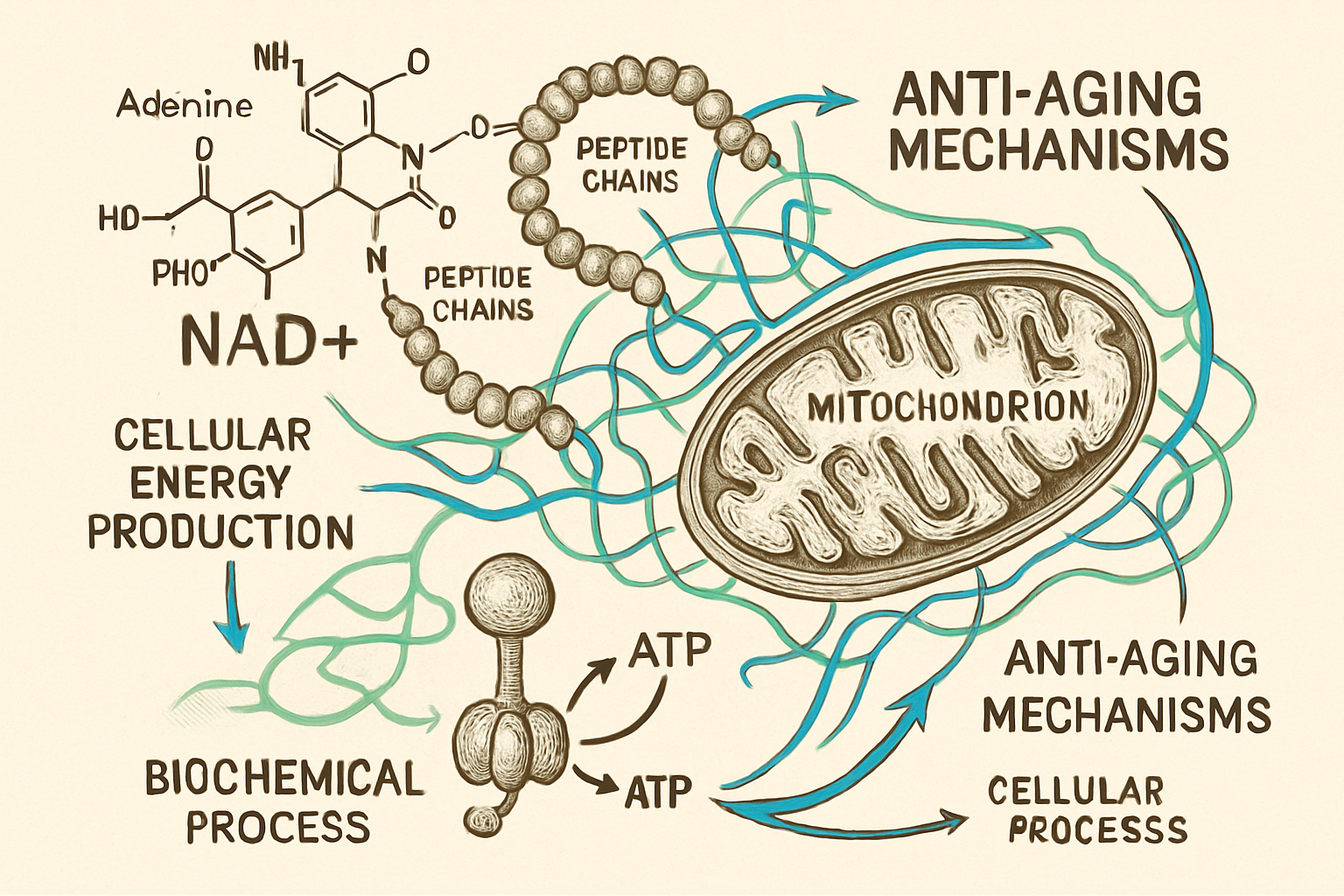
NAD peptide injection represents a cutting-edge approach to delivering nicotinamide adenine dinucleotide directly into the body's cellular machinery. NAD+ serves as a crucial coenzyme found in every living cell, playing an essential role in energy metabolism, DNA repair, and cellular communication.
Unlike oral supplements that face digestive barriers and reduced absorption, NAD+ peptide injections provide direct delivery to the bloodstream. This method ensures optimal bioavailability and allows for precise dosing protocols tailored to individual needs.
The Science Behind NAD+
NAD+ functions as a vital cofactor in numerous biological processes:
- Energy Production: Facilitates ATP synthesis in mitochondria
- DNA Repair: Activates enzymes responsible for genetic maintenance
- Cellular Signaling: Supports communication between cells
- Metabolic Regulation: Influences glucose and fat metabolism
As we age, NAD+ levels naturally decline by approximately 50% every 20 years. This reduction correlates with many age-related health challenges, making NAD+ replenishment an attractive therapeutic target.
How NAD Peptide Injection Works in the Body
The mechanism of NAD peptide injection involves direct cellular uptake and immediate utilization in critical metabolic pathways. When administered, NAD+ precursors rapidly convert to active NAD+ within cells, restoring depleted levels and reactivating essential cellular functions.
Cellular Uptake Process
- Injection Delivery: NAD+ precursors enter the bloodstream
- Cellular Transport: Specialized transporters facilitate cellular entry
- Enzymatic Conversion: Cellular machinery converts precursors to active NAD+
- Metabolic Integration: NAD+ immediately participates in energy production
Research indicates that peptide-based delivery systems offer superior stability and cellular penetration compared to traditional NAD+ administration methods.
Mitochondrial Enhancement
NAD+ directly impacts mitochondrial function through several mechanisms:
| Function | NAD+ Role | Potential Benefit |
|---|---|---|
| ATP Production | Electron transport chain cofactor | Increased cellular energy |
| Mitochondrial Biogenesis | Activates PGC-1α pathway | New mitochondria formation |
| Oxidative Stress Protection | Supports antioxidant enzymes | Reduced cellular damage |
| Calcium Regulation | Maintains mitochondrial calcium balance | Improved cellular signaling |
Potential Benefits of NAD Peptide Injection 💪
Clinical research and user reports suggest NAD peptide injection may offer numerous health benefits across multiple body systems. While research continues to evolve, preliminary findings indicate promising therapeutic potential.
Energy and Metabolism
Many individuals report significant improvements in energy levels within days of starting NAD+ therapy. The enhanced mitochondrial function translates to:
- Increased Physical Stamina: Better exercise tolerance and recovery
- Mental Energy: Improved focus and cognitive endurance
- Metabolic Efficiency: Enhanced fat and glucose utilization
Cognitive Function
NAD+ plays a crucial role in brain health and neuronal function. Research on cognitive enhancement peptides suggests potential benefits including:
- Enhanced memory formation and recall
- Improved mental clarity and focus
- Better stress resilience and mood regulation
- Potential neuroprotective effects
Anti-Aging Properties
The relationship between NAD+ and aging has garnered significant scientific attention. Potential anti-aging benefits include:
"NAD+ restoration represents one of the most promising interventions for healthy aging, targeting fundamental cellular processes that decline with time."
- DNA Repair Enhancement: Improved cellular maintenance mechanisms
- Telomere Protection: Potential preservation of chromosome integrity
- Inflammatory Reduction: Decreased chronic inflammation markers
- Skin Health: Enhanced collagen production and cellular renewal
Administration and Dosing Protocols
NAD peptide injection requires careful consideration of dosing, timing, and administration methods. Healthcare providers typically customize protocols based on individual health status, goals, and response patterns.
Standard Dosing Guidelines
Typical dosing protocols vary significantly based on treatment objectives:
Maintenance Therapy:
- Dose: 250-500mg per session
- Frequency: 1-2 times weekly
- Duration: Ongoing as needed
Intensive Protocols:
- Dose: 500-1000mg per session
- Frequency: 2-3 times weekly
- Duration: 4-8 week cycles
Loading Phase:
- Dose: 750-1000mg per session
- Frequency: Daily for 5-10 days
- Duration: Initial treatment period
Administration Methods
Healthcare providers may utilize different injection routes:
- Subcutaneous: Under the skin, slower absorption
- Intramuscular: Into muscle tissue, moderate absorption
- Intravenous: Direct bloodstream access, immediate effect
The choice of administration method depends on desired onset time, treatment goals, and individual tolerance factors. Quality peptide sourcing remains crucial for safety and efficacy.
Safety Considerations and Side Effects ⚠️
While NAD peptide injection generally demonstrates good safety profiles in clinical settings, understanding potential risks and contraindications is essential for informed decision-making.
Common Side Effects
Most reported side effects are mild and temporary:
- Injection Site Reactions: Mild pain, redness, or swelling
- Nausea: Particularly with higher doses or rapid administration
- Flushing: Temporary skin warmth or redness
- Fatigue: Initial tiredness as cellular processes adjust
Serious Considerations
Rare but important considerations include:
- Allergic Reactions: Immediate medical attention required
- Drug Interactions: Potential interactions with certain medications
- Pre-existing Conditions: Cardiovascular or metabolic disorders require careful monitoring
Who Should Avoid NAD+ Therapy
Certain individuals should exercise caution or avoid treatment:
- Pregnant or breastfeeding women
- Individuals with active cancer (consult oncologist)
- Those with severe cardiovascular disease
- People with known NAD+ sensitivity
Proper medical oversight ensures safe and effective treatment protocols tailored to individual health profiles.
Choosing Quality NAD Peptide Products

The effectiveness and safety of NAD peptide injection therapy depends heavily on product quality, purity, and proper handling. Understanding quality markers helps ensure optimal treatment outcomes.
Quality Indicators
Third-Party Testing: Look for products with comprehensive analytical testing including:
- Purity analysis (HPLC verification)
- Endotoxin testing
- Heavy metals screening
- Microbiological safety testing
Manufacturing Standards: Reputable suppliers follow strict manufacturing protocols:
- GMP (Good Manufacturing Practices) compliance
- Sterile production environments
- Proper storage and shipping procedures
- Clear labeling and documentation
Storage and Handling
Proper peptide storage maintains potency and safety:
| Storage Condition | Temperature | Duration | Notes |
|---|---|---|---|
| Lyophilized Powder | -20°C to -80°C | 2+ years | Keep dry and sealed |
| Reconstituted Solution | 2°C to 8°C | 2-4 weeks | Refrigerate immediately |
| Room Temperature | 20°C to 25°C | 24-48 hours | Temporary only |
Understanding peptide storage requirements ensures maximum therapeutic benefit and safety.
Cost and Treatment Considerations 💰
NAD peptide injection therapy involves various cost factors and treatment considerations that potential users should understand before beginning protocols.
Treatment Costs
Typical cost ranges vary based on several factors:
Per Session Costs:
- Basic protocols: $150-$300 per injection
- Intensive protocols: $300-$600 per injection
- Clinic administration fees: $50-$150 per visit
Monthly Investment:
- Maintenance therapy: $600-$1,200 monthly
- Intensive protocols: $1,200-$2,400 monthly
- Home administration: Reduced clinic fees
Insurance and Coverage
Currently, most insurance plans do not cover NAD+ therapy as it's considered experimental or cosmetic. Some considerations:
- Health Savings Account (HSA) eligibility varies
- Flexible Spending Account (FSA) may apply
- Some practitioners offer payment plans
- Research study participation may reduce costs
Treatment Duration
Optimal treatment duration depends on individual goals:
Short-term Goals (1-3 months):
- Energy enhancement
- Acute recovery support
- Performance optimization
Long-term Goals (6+ months):
- Anti-aging benefits
- Chronic condition support
- Preventive health maintenance
Comprehensive peptide research helps individuals make informed decisions about treatment duration and investment.
Comparing NAD+ Delivery Methods
NAD peptide injection represents one of several delivery methods for NAD+ supplementation. Understanding the differences helps optimize treatment selection.
Delivery Method Comparison
| Method | Bioavailability | Onset Time | Duration | Cost |
|---|---|---|---|---|
| IV Infusion | 100% | Immediate | 2-4 hours | High |
| Injection | 80-95% | 15-30 minutes | 4-8 hours | Moderate |
| Sublingual | 30-50% | 30-60 minutes | 2-4 hours | Low |
| Oral Supplements | 5-15% | 1-2 hours | 1-3 hours | Very Low |
| Nasal Spray | 40-60% | 10-20 minutes | 3-6 hours | Moderate |
Injection Advantages
NAD+ injections offer several benefits over alternative delivery methods:
- Consistent Dosing: Precise measurement and delivery
- Bypasses Digestion: Avoids gastric breakdown
- Sustained Release: Longer-lasting effects than oral supplements
- Cost-Effective: More economical than IV therapy
Future Research and Developments 🔬
The field of NAD peptide injection therapy continues evolving with ongoing research exploring new applications, improved delivery systems, and enhanced treatment protocols.
Emerging Research Areas
Longevity Studies: Large-scale clinical trials investigating NAD+'s role in healthy aging and lifespan extension.
Neurological Applications: Research into NAD+ therapy for neurodegenerative conditions including Alzheimer's and Parkinson's disease.
Athletic Performance: Studies examining NAD+'s impact on exercise capacity, recovery, and sports performance.
Metabolic Disorders: Investigation of NAD+ therapy for diabetes, obesity, and metabolic syndrome.
Technology Improvements
Enhanced Delivery Systems: Development of time-release formulations and improved stability profiles.
Personalized Protocols: Genetic testing to optimize individual dosing and treatment schedules.
Combination Therapies: Research into synergistic effects with other peptides and therapeutic compounds.
Regulatory Developments
The regulatory landscape for NAD+ therapy continues evolving as research data accumulates and safety profiles become better established. Future developments may include:
- Standardized treatment guidelines
- Insurance coverage expansion
- FDA approval for specific indications
- Quality control standardization
Conclusion
NAD peptide injection represents a promising frontier in anti-aging and wellness medicine, offering direct cellular support for energy production, DNA repair, and overall health optimization. The therapy's ability to bypass digestive limitations and deliver precise dosing makes it an attractive option for individuals seeking to address age-related cellular decline.
While research continues to evolve, current evidence suggests significant potential for energy enhancement, cognitive improvement, and anti-aging benefits. However, success depends on proper medical supervision, quality peptide sources, and individualized treatment protocols.
Next Steps for Consideration
- Consult Healthcare Providers: Discuss NAD+ therapy with qualified practitioners experienced in peptide medicine
- Evaluate Health Status: Complete comprehensive health assessment to determine suitability
- Research Quality Sources: Identify reputable suppliers with proper testing and quality assurance
- Plan Treatment Protocol: Develop personalized dosing and administration schedule
- Monitor Progress: Establish baseline measurements and tracking systems for treatment response
For those interested in exploring NAD+ therapy, working with experienced practitioners and using high-quality peptide sources provides the foundation for safe and effective treatment outcomes. As research continues advancing, NAD+ therapy may become an increasingly important tool for healthy aging and optimal wellness in 2025 and beyond.
SEO Meta Information:
Meta Title: NAD Peptide Injection Guide: Benefits, Dosing & Safety 2025
Meta Description: Complete guide to NAD peptide injection therapy. Learn about benefits, dosing protocols, safety considerations, and costs for cellular rejuvenation in 2025.