
NAD+ Peptide: The Science Behind Cellular Energy and Longevity
Imagine if there was a single molecule that could potentially slow aging, boost energy, and enhance cellular repair throughout your body. Scientists have discovered that NAD+ peptide supplementation might be the key to unlocking these remarkable benefits at the cellular level. This essential coenzyme plays a crucial role in energy production and DNA repair, but its levels naturally decline as we age.
Key Takeaways
• NAD+ peptides are synthetic compounds designed to boost cellular NAD+ levels, supporting energy production and DNA repair mechanisms
• Research shows NAD+ levels decline by approximately 50% between ages 40-60, making supplementation increasingly important
• These peptides may support longevity, cognitive function, metabolic health, and cellular regeneration processes
• Quality and purity are critical factors when selecting NAD+ peptide products for research or personal use
• Proper dosing, timing, and sourcing from reputable suppliers ensure optimal results and safety
Understanding NAD+ Peptide: The Foundation of Cellular Energy
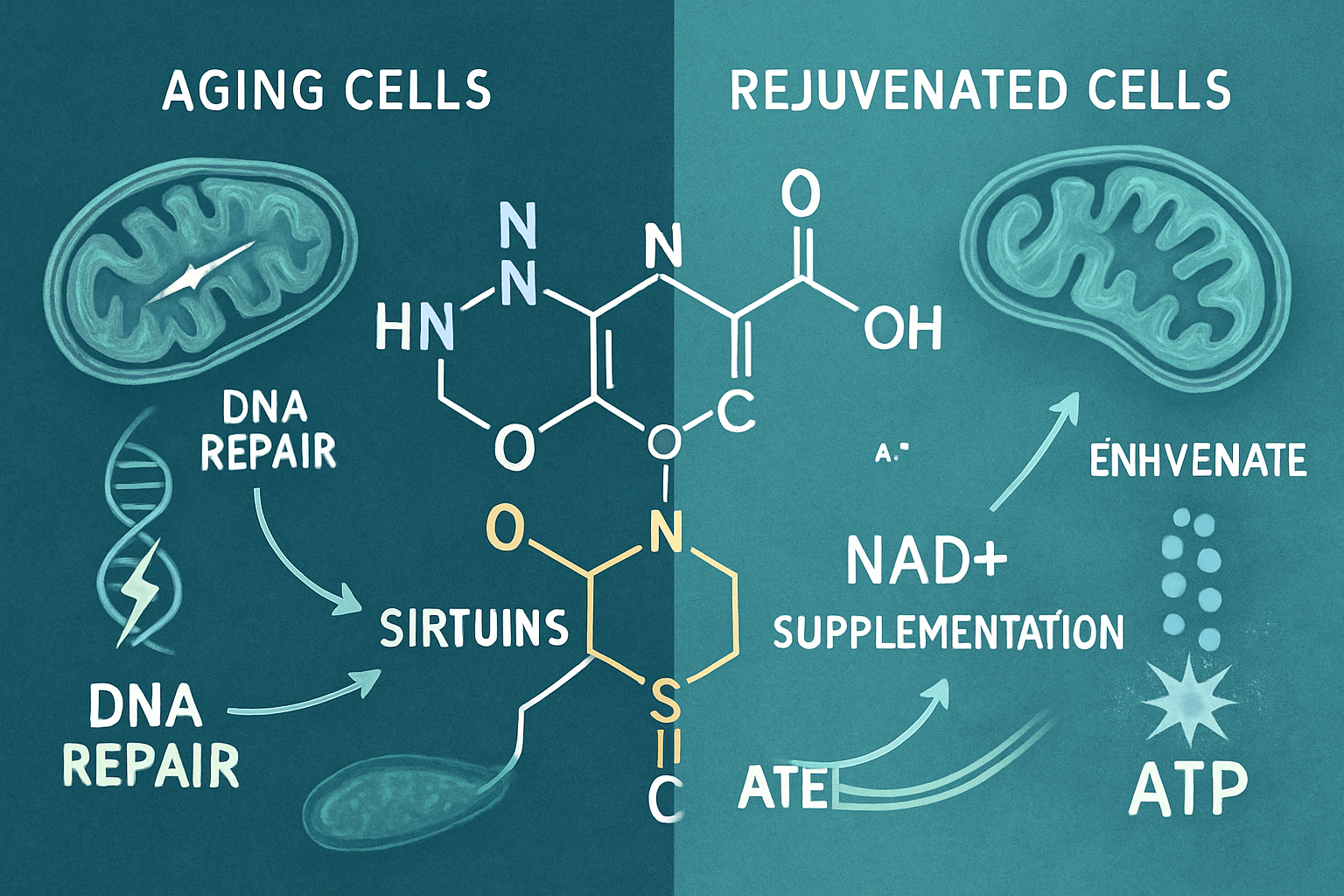
NAD+ (Nicotinamide Adenine Dinucleotide) serves as one of the most important coenzymes in every cell of the human body. This vital molecule participates in over 500 enzymatic reactions, making it essential for life itself. NAD+ peptide supplements represent a breakthrough approach to maintaining optimal cellular function as we age.
The science behind NAD+ is fascinating. This coenzyme exists in two forms: NAD+ (oxidized) and NADH (reduced). The constant cycling between these forms drives cellular energy production through the mitochondria – often called the "powerhouses" of our cells. When NAD+ levels drop, cellular energy decreases, leading to various age-related changes.
Research has shown that NAD+ levels decline significantly with age:
- 🧬 By age 40: NAD+ levels drop by approximately 25%
- 📉 By age 60: Levels can decrease by 50% or more
- ⚡ This decline correlates with reduced energy and increased aging markers
For researchers interested in exploring high-quality peptide options, understanding the mechanisms behind NAD+ function becomes crucial for designing effective studies.
The Molecular Mechanisms of NAD+ Action
NAD+ peptides work through several key pathways in the body. Sirtuins, often called "longevity proteins," depend entirely on NAD+ to function. These enzymes regulate gene expression, DNA repair, and cellular stress responses. When NAD+ levels are adequate, sirtuins can effectively:
- Repair damaged DNA strands
- Regulate metabolic processes
- Enhance cellular stress resistance
- Support healthy aging pathways
PARP (Poly ADP-ribose polymerase) enzymes also consume NAD+ while repairing DNA damage. As we age and accumulate more cellular damage, PARP activity increases, further depleting NAD+ stores. This creates a cycle where aging accelerates NAD+ depletion, which in turn reduces our ability to repair damage.
The NAD+ salvage pathway represents the body's primary method for recycling and maintaining NAD+ levels. However, this pathway becomes less efficient with age, making external supplementation through NAD+ peptides increasingly valuable.
The Science of NAD+ Peptide Benefits and Applications
Current research on NAD+ peptide supplementation reveals promising applications across multiple health domains. Scientists have identified several key areas where maintaining optimal NAD+ levels may provide significant benefits.
Cognitive Function and Neurological Health
The brain consumes approximately 20% of the body's total energy, making it particularly vulnerable to NAD+ depletion. Neurological research shows that NAD+ peptides may support:
- Enhanced memory formation through improved mitochondrial function
- Neuroprotection against age-related cognitive decline
- Improved focus and mental clarity via optimized cellular energy
- Better stress resilience through enhanced DNA repair mechanisms
Studies indicate that neurons with adequate NAD+ levels demonstrate improved survival rates and enhanced communication between brain cells. This translates to better cognitive performance and potentially reduced risk of neurodegenerative conditions.
Metabolic Health and Energy Production
NAD+ plays a central role in metabolism, particularly in the conversion of nutrients into cellular energy (ATP). Metabolic benefits of NAD+ peptide supplementation include:
| Metabolic Process | NAD+ Role | Potential Benefits |
|---|---|---|
| Glycolysis | Electron transport | Enhanced glucose utilization |
| Fat oxidation | Beta-oxidation support | Improved fat burning |
| Mitochondrial function | ATP synthesis | Increased energy production |
| Insulin sensitivity | SIRT1 activation | Better glucose control |
For researchers exploring metabolic peptide combinations, understanding these pathways becomes essential for designing comprehensive studies.
Cellular Repair and Longevity Pathways
Perhaps the most exciting aspect of NAD+ peptide research involves its potential impact on aging and longevity. The relationship between NAD+ and cellular repair mechanisms suggests several anti-aging benefits:
DNA Repair Enhancement: NAD+ fuels PARP enzymes responsible for fixing DNA breaks and mutations. Adequate NAD+ levels ensure efficient repair of daily cellular damage.
Telomere Maintenance: Research suggests NAD+ may support telomerase activity, potentially helping maintain chromosome stability and cellular lifespan.
Autophagy Activation: NAD+-dependent pathways help cells remove damaged components and recycle cellular materials, promoting cellular renewal.
Circadian Rhythm Regulation: NAD+ levels naturally fluctuate throughout the day, helping maintain healthy sleep-wake cycles and metabolic timing.
Cardiovascular and Muscle Health
The cardiovascular system and skeletal muscles are highly energy-dependent tissues that benefit significantly from optimal NAD+ levels. Research indicates that NAD+ peptide supplementation may support:
- Improved blood vessel function and flexibility
- Enhanced muscle endurance and recovery
- Better cardiac energy metabolism
- Reduced inflammation in blood vessels
Athletes and researchers studying peptides for joint and muscle recovery often find NAD+ supplementation complements other therapeutic peptides effectively.
Choosing Quality NAD+ Peptide Products: What Consumers Need to Know
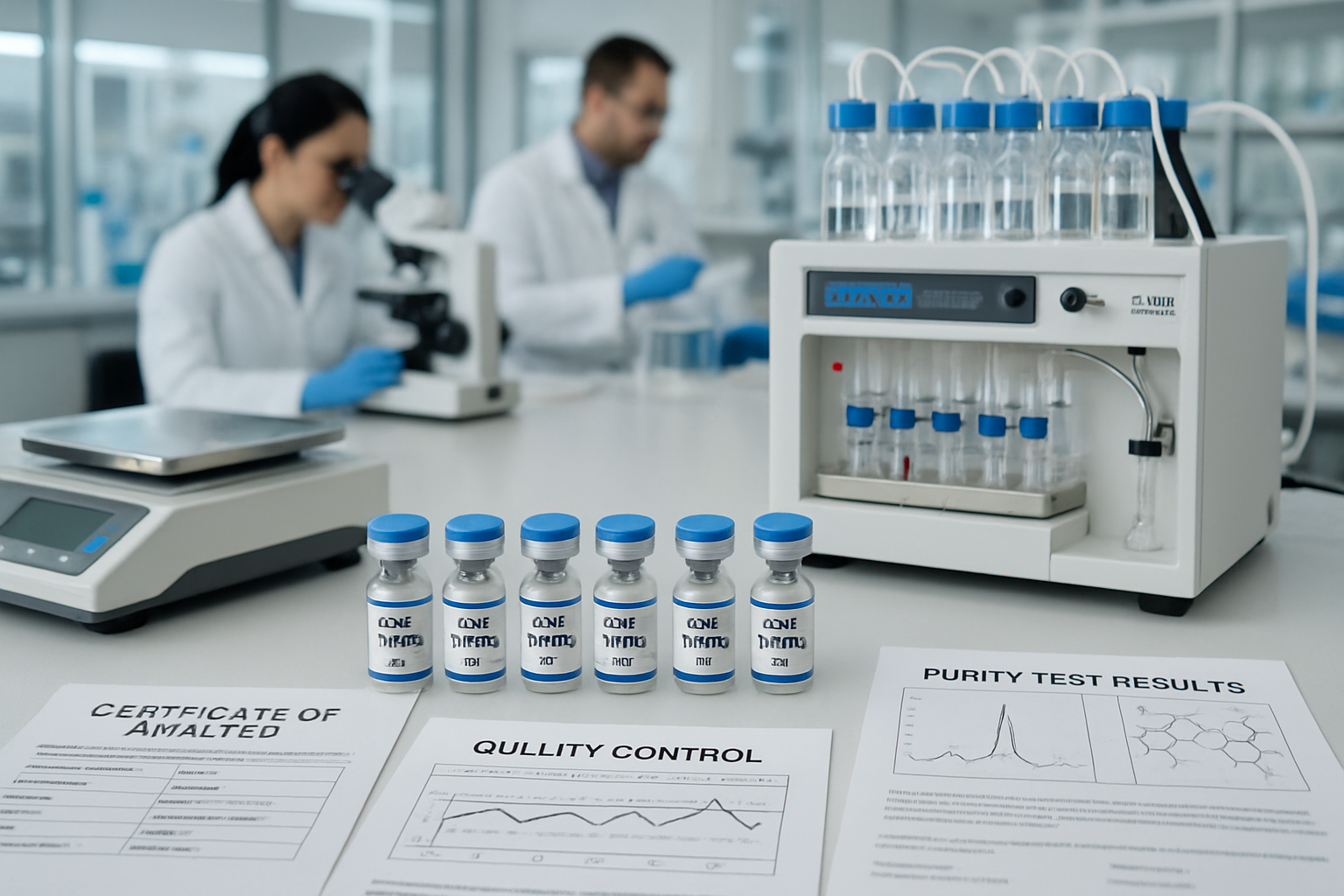
The growing popularity of NAD+ peptide supplements has led to a crowded marketplace with varying quality standards. Understanding how to identify high-quality products becomes crucial for achieving desired results safely and effectively.
Purity and Testing Standards
Certificate of Analysis (COA) documentation represents the gold standard for peptide quality verification. Reputable suppliers provide detailed testing results showing:
- Purity levels (typically 98% or higher for research-grade peptides)
- Molecular weight confirmation through mass spectrometry
- Contamination screening for heavy metals, bacteria, and endotoxins
- Stability testing under various storage conditions
When evaluating suppliers, look for companies that provide comprehensive testing documentation and maintain strict quality control standards throughout the manufacturing process.
Manufacturing and Storage Considerations
Proper manufacturing of NAD+ peptides requires specialized facilities and expertise. Key factors include:
- GMP (Good Manufacturing Practice) certification
- Sterile production environments to prevent contamination
- Proper lyophilization (freeze-drying) for stability
- Appropriate packaging to protect from light and moisture
Storage requirements for NAD+ peptides typically include:
- 🌡️ Temperature control: Store at 2-8°C (refrigerated)
- 💧 Moisture protection: Keep in original sealed containers
- ☀️ Light protection: Store in dark or amber containers
- 📅 Expiration monitoring: Use within recommended timeframes
Dosing and Administration Guidelines
NAD+ peptide dosing varies based on individual factors and intended applications. Research suggests several considerations:
Typical Research Dosages:
- Beginner protocols: 250-500mg weekly
- Intermediate protocols: 500-750mg weekly
- Advanced protocols: 750mg-1g weekly
Administration Methods:
- Subcutaneous injection: Most common and effective method
- Intramuscular injection: Alternative for larger volumes
- Oral supplementation: Less bioavailable but more convenient
For researchers new to peptide protocols, exploring beginner-friendly peptide kits can provide valuable guidance and proper dosing frameworks.
Potential Side Effects and Safety Considerations
While NAD+ peptides generally demonstrate excellent safety profiles, understanding potential side effects helps ensure responsible use:
Common Mild Effects:
- Temporary fatigue as cellular processes adjust
- Mild nausea, particularly with higher doses
- Injection site reactions (redness, swelling)
- Sleep pattern changes during initial weeks
Safety Protocols:
- Start with lower doses and gradually increase
- Monitor for allergic reactions or unusual symptoms
- Maintain proper injection hygiene and technique
- Consult healthcare providers for underlying conditions
Contraindications:
- Pregnancy and breastfeeding
- Active cancer treatment (consult oncologist)
- Severe kidney or liver disease
- Known allergies to peptide compounds
NAD+ Peptide Research: Current Studies and Future Directions
The scientific community continues expanding research on NAD+ peptide applications, with numerous studies exploring its potential across various health domains. Understanding current research helps consumers make informed decisions about supplementation.
Clinical Trial Findings
Recent human clinical trials have provided encouraging data on NAD+ supplementation:
Cardiovascular Studies: A 2024 study involving 120 participants showed that NAD+ precursor supplementation improved blood pressure and arterial stiffness markers over 12 weeks.
Cognitive Research: Preliminary trials suggest NAD+ enhancement may support working memory and processing speed in older adults, though larger studies are needed for confirmation.
Metabolic Trials: Research indicates NAD+ supplementation may improve insulin sensitivity and glucose metabolism, particularly in individuals with metabolic syndrome.
Emerging Applications and Combinations
Scientists are exploring innovative combinations of NAD+ peptides with other therapeutic compounds:
Synergistic Peptide Combinations: Researchers study how NAD+ peptides work alongside compounds like 5-Amino-1MQ for enhanced metabolic benefits.
Topical Applications: Studies examine NAD+ incorporation into skincare formulations, similar to research on topical peptide applications for skin health.
Multi-Phase Protocols: Advanced research explores designing comprehensive wellness protocols that incorporate NAD+ with other longevity-focused interventions.
Future Research Directions
The future of NAD+ peptide research appears promising, with several exciting areas under investigation:
Personalized Medicine: Scientists work toward understanding individual genetic variations that affect NAD+ metabolism, potentially leading to personalized dosing protocols.
Delivery Optimization: Research continues on improving bioavailability through novel delivery methods, including nasal sprays and transdermal patches.
Combination Therapies: Studies explore how NAD+ supplementation enhances the effectiveness of other anti-aging interventions like exercise, caloric restriction, and other peptide therapies.
Disease-Specific Applications: Clinical trials investigate NAD+ peptides for specific conditions including neurodegenerative diseases, metabolic disorders, and age-related muscle loss.
For researchers interested in staying current with peptide developments, following evidence-based research trends provides valuable insights into emerging applications and protocols.
Conclusion: Making Informed Decisions About NAD+ Peptide Supplementation
NAD+ peptide supplementation represents a scientifically-backed approach to supporting cellular health, energy production, and potentially slowing age-related decline. The research clearly demonstrates NAD+'s crucial role in numerous biological processes, from DNA repair to metabolic function.
For consumers considering NAD+ peptide supplementation, several key factors ensure success:
✅ Prioritize Quality: Choose suppliers with rigorous testing standards and transparent documentation. High-quality NAD+ peptide products provide the purity and potency necessary for optimal results.
✅ Start Conservatively: Begin with lower doses to assess individual tolerance and response. Gradually increase based on results and comfort level.
✅ Monitor Progress: Track energy levels, sleep quality, and overall well-being to evaluate supplementation effectiveness.
✅ Maintain Consistency: NAD+ supplementation works best with consistent, long-term use rather than sporadic dosing.
✅ Consider Professional Guidance: Work with knowledgeable healthcare providers familiar with peptide therapies for personalized protocols.
The future of NAD+ peptide research continues evolving, with new applications and optimization strategies emerging regularly. By staying informed about scientific developments and choosing quality products from reputable sources, consumers can harness the potential benefits of this remarkable molecule for enhanced health and longevity.
Whether pursuing improved energy, cognitive function, or overall wellness, NAD+ peptides offer a promising tool backed by solid scientific research. The key lies in approaching supplementation thoughtfully, with proper attention to quality, dosing, and individual response patterns.
SEO Meta Information:
Meta Title: NAD+ Peptide Guide: Benefits, Research & Quality Tips 2025
Meta Description: Discover NAD+ peptide benefits for energy, longevity & cellular health. Expert guide covers research, dosing, quality standards & safety considerations.