
Is NAD a Peptide? Understanding the Science Behind This Vital Molecule
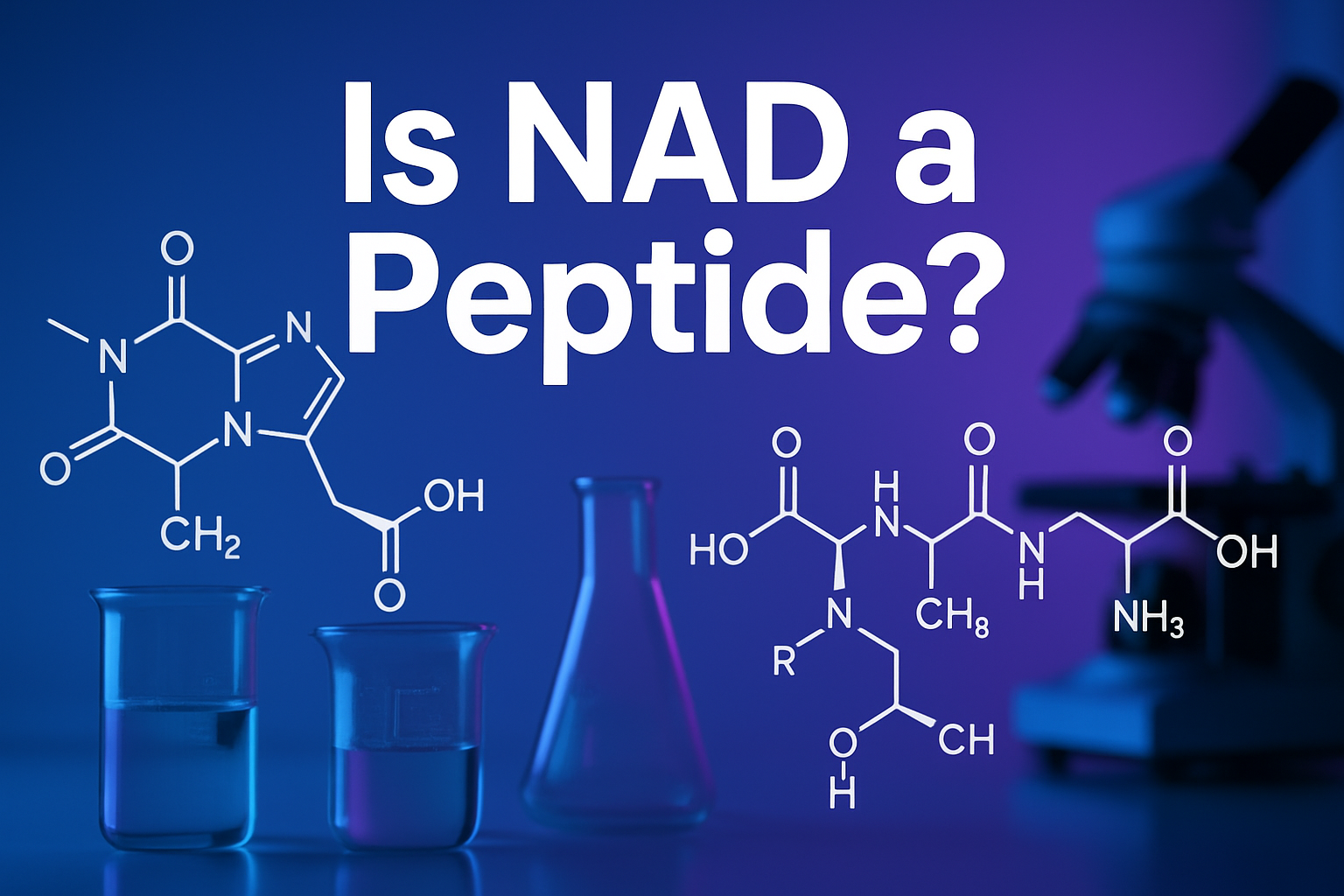
Imagine a molecule so crucial to life that without it, every cell in your body would cease to function within seconds. 🧬 This powerhouse compound plays a role in everything from energy production to DNA repair, yet many people remain confused about its basic classification. The question "is NAD a peptide" represents a fundamental misunderstanding that could impact how individuals approach supplementation and cellular health optimization.
Key Takeaways
• NAD is not a peptide – it's a coenzyme (nucleotide) composed of nicotinamide and adenine dinucleotide
• Peptides are chains of amino acids, while NAD+ is made from vitamin B3 derivatives and nucleotides
• Both NAD+ and peptides play crucial roles in cellular function, but through completely different mechanisms
• Understanding the difference helps consumers make informed decisions about supplementation strategies
• NAD+ works as a cofactor in over 400 enzymatic reactions, while peptides function as signaling molecules and structural components
What Is NAD and Why Does the Classification Matter?
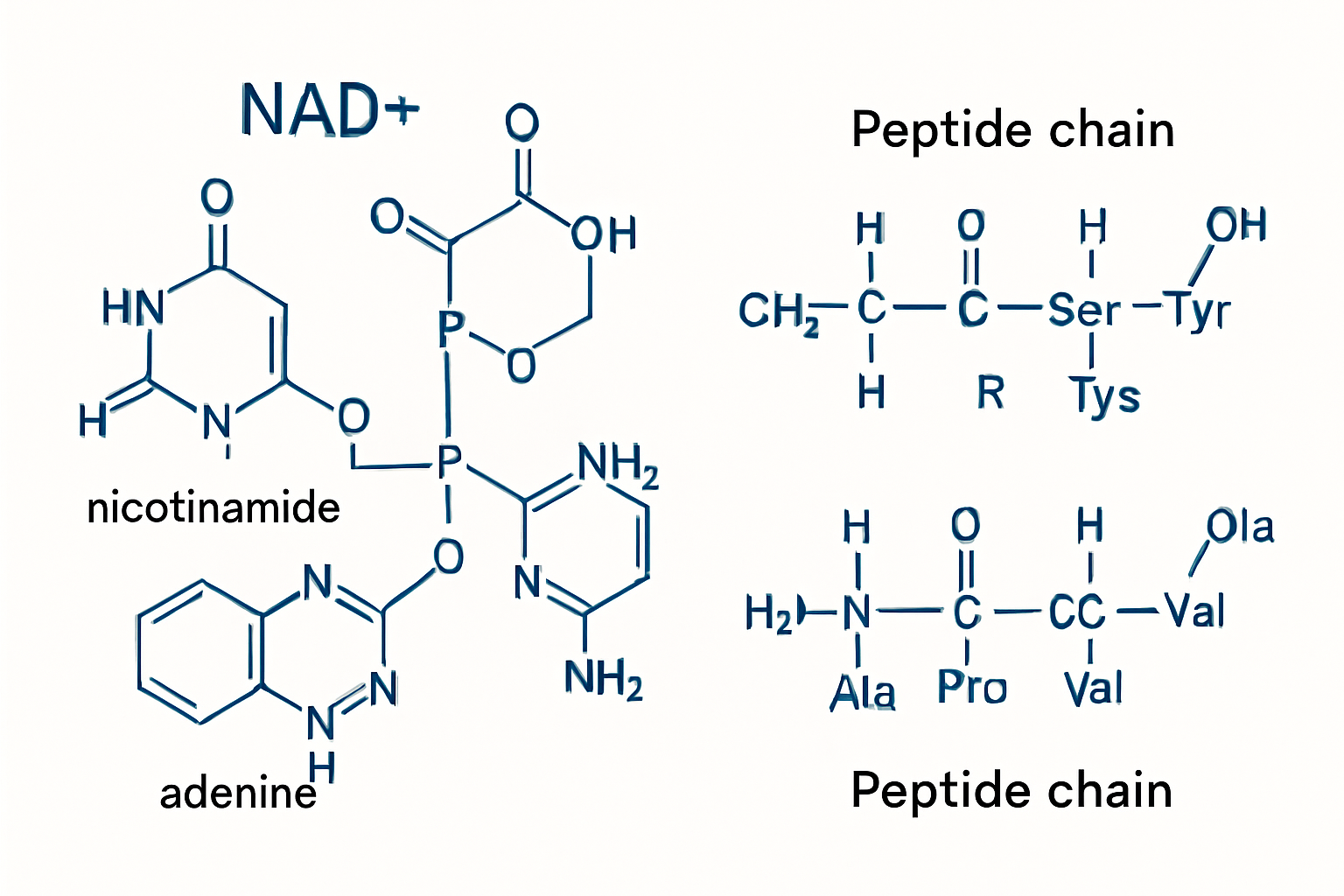
Nicotinamide Adenine Dinucleotide (NAD) exists in two primary forms: NAD+ (oxidized) and NADH (reduced). This coenzyme participates in fundamental cellular processes including glycolysis, the citric acid cycle, and oxidative phosphorylation. When people ask "is NAD a peptide," they're often seeking clarity about how this molecule functions and how it differs from other cellular compounds.
The classification matters because it determines how the molecule behaves in the body, how it's absorbed, and what supplementation strategies prove most effective. NAD+ belongs to the nucleotide family, sharing structural similarities with DNA and RNA building blocks rather than protein-derived peptides.
The Chemical Structure of NAD+
NAD+ consists of two nucleotides joined through their phosphate groups. Each nucleotide contains:
- Nicotinamide base (derived from vitamin B3)
- Ribose sugar
- Phosphate group
- Adenine base (same as in DNA/RNA)
This structure enables NAD+ to accept and donate electrons during metabolic reactions, making it essential for energy production. The molecule's ability to cycle between oxidized (NAD+) and reduced (NADH) states allows it to serve as an electron carrier in cellular respiration.
For those interested in exploring NAD+ supplementation options, understanding this basic chemistry helps explain why direct NAD+ supplementation faces bioavailability challenges.
Understanding Peptides: Structure and Function
To fully answer "is NAD a peptide," we must understand what peptides actually are. Peptides are short chains of amino acids connected by peptide bonds. These molecules range from dipeptides (two amino acids) to longer chains containing dozens of amino acid residues.
Key Characteristics of Peptides
Structural Components:
- Amino acid building blocks
- Peptide bonds (amide linkages)
- Variable chain lengths
- Diverse functional groups
Biological Functions:
- Hormone signaling (insulin, growth hormone)
- Neurotransmission (endorphins, neuropeptides)
- Immune system regulation
- Tissue repair and regeneration
Peptides demonstrate remarkable diversity in their biological activities. Some act as hormones, others as neurotransmitters, and many serve structural or enzymatic functions. This versatility has made peptide research a rapidly expanding field in both basic science and therapeutic applications.
How Peptides Differ from NAD+
The fundamental differences between peptides and NAD+ extend beyond basic chemistry:
| Aspect | Peptides | NAD+ |
|---|---|---|
| Building Blocks | Amino acids | Nucleotides |
| Bond Type | Peptide bonds | Phosphodiester bonds |
| Primary Function | Signaling/Structure | Electron transport |
| Metabolism | Proteolysis | Salvage pathways |
| Supplementation | Direct absorption possible | Requires precursors |
These differences explain why the question "is NAD a peptide" reflects a category error. While both molecules are essential for health, they operate through entirely different mechanisms and require distinct approaches for supplementation and therapeutic application.
Is NAD a Peptide? The Definitive Scientific Answer
No, NAD is definitively not a peptide. This conclusion stems from fundamental differences in molecular structure, biosynthesis, and biological function. NAD+ belongs to the coenzyme family, specifically classified as a dinucleotide, while peptides represent chains of amino acids linked by peptide bonds.
Molecular Evidence Against Peptide Classification
The scientific evidence clearly distinguishes NAD+ from peptides:
Chemical Composition:
- NAD+ contains no amino acids
- No peptide bonds present in structure
- Nucleotide-based architecture
- Vitamin B3 derivative components
Biosynthetic Pathways:
- Synthesized from tryptophan or vitamin B3
- Does not involve ribosomal protein synthesis
- No mRNA template required
- Utilizes salvage and de novo nucleotide pathways
Functional Mechanisms:
- Acts as electron acceptor/donor
- Cofactor for dehydrogenase enzymes
- Substrate for NAD+-consuming enzymes
- No direct protein-like signaling activity
Understanding these distinctions helps explain why NAD+ supplementation strategies often focus on precursor molecules rather than direct NAD+ administration.
Common Sources of Confusion
Several factors contribute to the "is NAD a peptide" misconception:
Marketing Terminology: Some supplement companies use confusing language that conflates different molecule types, leading consumers to believe NAD+ might be peptide-related.
Functional Overlap: Both NAD+ and certain peptides influence cellular energy and repair processes, creating apparent similarities in their effects.
Supplementation Context: The wellness industry often discusses NAD+ alongside peptide therapies, suggesting they belong to the same category.
Complex Biochemistry: The intricate nature of cellular biochemistry makes it challenging for consumers to distinguish between different molecule classes.
These misconceptions highlight the importance of scientific literacy when evaluating supplementation options and understanding cellular biology.
The Role of NAD+ in Cellular Function
While NAD+ isn't a peptide, its biological importance rivals that of any peptide hormone or signaling molecule. This coenzyme participates in over 400 enzymatic reactions and serves as a critical component in multiple cellular pathways.
Energy Metabolism and NAD+
NAD+ plays central roles in energy production:
Glycolysis: NAD+ accepts electrons during glucose breakdown, forming NADH that feeds into the electron transport chain.
Citric Acid Cycle: Multiple dehydrogenase reactions require NAD+ as an electron acceptor, generating NADH for ATP production.
Oxidative Phosphorylation: NADH donates electrons to Complex I, initiating the process that generates most cellular ATP.
Beta-Oxidation: Fatty acid breakdown depends on NAD+ for electron transport and energy extraction.
This central role in metabolism explains why NAD+ levels decline with age and why maintaining adequate levels becomes increasingly important for cellular health.
DNA Repair and Longevity Pathways
Beyond energy metabolism, NAD+ serves as a substrate for enzymes involved in:
PARP Activation: Poly(ADP-ribose) polymerases consume NAD+ during DNA repair processes, helping maintain genomic stability.
Sirtuin Function: These longevity-associated enzymes require NAD+ to perform protein deacetylation reactions that regulate gene expression and stress responses.
CD38 Activity: This enzyme degrades NAD+ but also participates in calcium signaling and immune function regulation.
The competition between these pathways for available NAD+ helps explain why supplementation approaches often focus on boosting overall NAD+ levels rather than targeting specific pathways.
How Peptides and NAD+ Work Together in the Body
Although the answer to "is NAD a peptide" is clearly no, these two molecule types often work synergistically to maintain cellular health and function. Understanding these interactions provides insight into why both NAD+ and peptide supplementation have gained attention in the wellness community.
Metabolic Synergies
Several peptide hormones influence NAD+ metabolism and vice versa:
Growth Hormone Pathways: Peptides that stimulate growth hormone release can indirectly influence NAD+ levels by affecting cellular metabolism and mitochondrial biogenesis.
Insulin Signaling: This peptide hormone regulates glucose metabolism, which directly impacts NAD+/NADH ratios through glycolytic flux.
Thyroid Hormones: While not peptides themselves, thyroid-releasing hormone (TRH) is a peptide that influences metabolic rate and cellular NAD+ demand.
These interactions demonstrate how peptide research often intersects with NAD+ biology, even though the molecules belong to different chemical classes.
Cellular Repair Mechanisms
Both NAD+ and specific peptides contribute to cellular maintenance:
DNA Repair: NAD+ provides substrate for PARP enzymes, while certain peptides may influence DNA repair gene expression.
Mitochondrial Function: NAD+ drives oxidative phosphorylation, while peptides like MOTS-c can enhance mitochondrial efficiency.
Protein Quality Control: NAD+-dependent sirtuins regulate protein folding, while peptide signals can activate autophagy pathways.
Inflammation Resolution: NAD+ influences inflammatory gene expression, while anti-inflammatory peptides provide direct signaling effects.
Supplementation Considerations
The distinct nature of NAD+ and peptides requires different supplementation strategies:
NAD+ Precursors: Since direct NAD+ supplementation faces bioavailability challenges, most effective approaches use precursors like nicotinamide riboside (NR) or nicotinamide mononucleotide (NMN).
Peptide Delivery: Many peptides can be administered directly through various routes, though stability and absorption remain important considerations.
Timing Strategies: NAD+ levels follow circadian rhythms, while peptide timing often depends on specific physiological targets.
Synergistic Approaches: Some protocols combine NAD+ precursors with specific peptides to address multiple aspects of cellular health simultaneously.
For those exploring comprehensive peptide approaches, understanding how these molecules complement rather than compete with NAD+ can inform more effective strategies.
Practical Implications for Supplementation and Health
Understanding that NAD+ is not a peptide has important practical implications for anyone interested in optimizing cellular health through supplementation. This knowledge affects product selection, dosing strategies, and realistic expectations about outcomes.
NAD+ Supplementation Realities
The non-peptide nature of NAD+ creates specific challenges and opportunities:
Bioavailability Issues: Direct NAD+ supplementation faces significant absorption barriers due to the molecule's size and charge. Most effective protocols use smaller precursor molecules.
Metabolic Pathways: NAD+ synthesis follows well-characterized salvage and de novo pathways, allowing for targeted intervention strategies.
Tissue Distribution: Unlike some peptides that target specific receptors, NAD+ precursors can potentially benefit all cell types that express the appropriate conversion enzymes.
Dosing Considerations: NAD+ precursor dosing often follows different principles than peptide dosing, with emphasis on sustained levels rather than pulsatile administration.
Those interested in NAD+ supplementation should understand these unique characteristics when developing supplementation protocols.
Choosing Between NAD+ and Peptide Approaches
The decision between NAD+ precursors and peptide supplementation depends on specific health goals:
For Energy and Metabolism:
- NAD+ precursors may provide broad metabolic support
- Specific peptides might target particular metabolic pathways
- Combination approaches could address multiple mechanisms
For Recovery and Repair:
- NAD+ supports DNA repair and cellular maintenance
- Peptides like BPC-157 target specific repair processes
- Synergistic effects possible with combined protocols
For Longevity and Aging:
- NAD+ decline is a hallmark of aging
- Certain peptides may support specific aspects of healthy aging
- Comprehensive approaches often include both strategies
Quality and Purity Considerations
The different chemical natures of NAD+ and peptides require distinct quality control approaches:
NAD+ Precursors:
- Purity testing for specific precursor molecules
- Stability assessment under various conditions
- Bioavailability verification through metabolite analysis
Peptides:
- Amino acid sequence verification
- Purity assessment for synthesis byproducts
- Stability testing for peptide degradation
When selecting high-quality peptides or NAD+ precursors, understanding these different requirements helps ensure product effectiveness and safety.
Future Research Directions and Emerging Science
The distinction between NAD+ and peptides continues to drive innovative research in both fields. Understanding "is NAD a peptide" as a definitively answered question opens new avenues for exploring how these different molecule types might work together in novel therapeutic approaches.
NAD+ Research Frontiers
Current NAD+ research focuses on several promising areas:
Tissue-Specific Delivery: Developing methods to target NAD+ precursors to specific organs or cell types where they're most needed.
Combination Therapies: Exploring how NAD+ precursors work with other interventions, including specific peptides, to enhance overall effectiveness.
Personalized Approaches: Understanding individual variations in NAD+ metabolism to optimize supplementation strategies.
Novel Precursors: Investigating new NAD+ precursor molecules with improved bioavailability or tissue targeting capabilities.
Peptide Innovation Trends
Peptide research continues expanding in multiple directions:
Synthetic Biology: Engineering novel peptides with enhanced stability and specific biological activities.
Delivery Systems: Developing better methods for peptide delivery, including oral formulations and targeted delivery vehicles.
Combination Protocols: Investigating how different peptides work together and with other molecules like NAD+ precursors.
Precision Medicine: Tailoring peptide therapies to individual genetic and metabolic profiles.
Convergent Research Opportunities
The clearest understanding that NAD+ is not a peptide actually opens opportunities for convergent research:
Metabolic Integration: Studying how peptide hormones influence NAD+ metabolism and how NAD+ levels affect peptide signaling pathways.
Aging Research: Investigating how both NAD+ decline and peptide dysregulation contribute to aging processes.
Cellular Stress Responses: Understanding how NAD+-dependent pathways and peptide signaling networks coordinate responses to cellular stress.
Therapeutic Synergies: Developing protocols that strategically combine NAD+ precursors with specific peptides for enhanced therapeutic outcomes.
This research landscape benefits from diverse peptide libraries and high-quality NAD+ precursors that enable rigorous scientific investigation.
Common Misconceptions and Myths Debunked
The question "is NAD a peptide" represents just one of several misconceptions surrounding these important molecules. Addressing these myths helps consumers make more informed decisions about supplementation and cellular health strategies.
Myth 1: "All Cellular Signaling Molecules Are Peptides"
Reality: Cellular signaling involves diverse molecule types including nucleotides (like NAD+), lipids, gases, and small organic compounds in addition to peptides.
Why This Matters: Understanding molecular diversity helps explain why different supplementation approaches may be needed for different health goals.
Myth 2: "NAD+ and Peptides Have the Same Bioavailability Challenges"
Reality: While both face absorption challenges, the specific barriers differ significantly due to their distinct chemical structures.
Practical Impact: This difference explains why NAD+ supplementation typically requires precursor molecules while some peptides can be administered directly.
Myth 3: "You Can Replace NAD+ with Peptides or Vice Versa"
Reality: These molecules serve fundamentally different biological functions and cannot substitute for each other.
Clinical Significance: Effective health optimization strategies often require addressing both NAD+ levels and specific peptide functions rather than choosing one approach.
Myth 4: "All Anti-Aging Supplements Work the Same Way"
Reality: NAD+ precursors, peptides, and other anti-aging compounds work through distinct mechanisms that may be complementary rather than redundant.
Strategic Implication: Comprehensive anti-aging approaches benefit from understanding these different mechanisms and how they interact.
Evidence-Based Clarifications
Scientific evidence consistently supports the distinction between NAD+ and peptides:
Structural Analysis: X-ray crystallography and NMR studies clearly show the nucleotide structure of NAD+ versus the amino acid chains of peptides.
Biosynthetic Studies: Research on cellular synthesis pathways demonstrates completely different production mechanisms for these molecule types.
Functional Assays: Laboratory studies show distinct roles for NAD+ in electron transport versus peptides in signaling and structural functions.
Clinical Research: Human studies reveal different pharmacokinetics and biological effects for NAD+ precursors versus peptide supplements.
For researchers interested in comprehensive wellness studies, understanding these distinctions is crucial for designing effective protocols and interpreting results accurately.
Conclusion
The answer to "is NAD a peptide" is definitively no – NAD+ is a nucleotide coenzyme, not a peptide. This fundamental distinction has important implications for understanding cellular biology, supplementation strategies, and health optimization approaches. While both NAD+ and peptides play crucial roles in cellular function, they operate through entirely different mechanisms and require distinct therapeutic approaches.
Key takeaways for consumers and researchers:
✅ NAD+ belongs to the nucleotide family, sharing structure with DNA/RNA components rather than proteins
✅ Peptides are amino acid chains with diverse signaling and structural functions
✅ Both molecules are essential for cellular health but work through complementary rather than competing pathways
✅ Supplementation strategies differ due to distinct chemical properties and bioavailability challenges
✅ Future research opportunities exist in understanding how these molecules work together synergistically
Next Steps for Optimal Cellular Health
For those interested in leveraging both NAD+ and peptide science:
- Educate yourself about the specific functions and benefits of each molecule type
- Consult with qualified practitioners who understand both NAD+ and peptide biology
- Consider comprehensive approaches that may include both NAD+ precursors and specific peptides
- Focus on quality when selecting research-grade supplements from reputable sources
- Stay informed about emerging research in both fields as the science continues to evolve
Understanding that NAD+ is not a peptide opens the door to more sophisticated and effective approaches to cellular health optimization. By appreciating the unique contributions of both molecule types, individuals can make more informed decisions about supplementation strategies and health optimization protocols. The future of cellular health likely lies not in choosing between these approaches, but in understanding how they work together to support optimal human biology.
SEO Meta Information
Meta Title: Is NAD a Peptide? The Definitive Scientific Answer for 2025
Meta Description: Discover the truth about NAD vs peptides. Learn why NAD+ is not a peptide, how they differ structurally, and what this means for supplementation strategies.