
Ipamorelin vs tesa: A Comprehensive Research Comparison Guide
The world of peptide research has exploded in recent years, with scientists and researchers exploring the potential applications of various synthetic peptides in laboratory settings. Among the most studied growth hormone-releasing peptides, ipamorelin vs tesa represents a fascinating comparison that continues to drive scientific inquiry and research protocols worldwide.
Both peptides belong to the growth hormone-releasing hormone (GHRH) family, yet they exhibit distinct molecular structures, mechanisms of action, and research applications. Understanding the differences between these compounds is crucial for researchers, laboratory professionals, and anyone interested in the expanding field of peptide science.
Key Takeaways
• Ipamorelin is a growth hormone secretagogue that works through ghrelin receptors, while tesa is a GHRH analog that directly stimulates GHRH receptors
• Both peptides demonstrate unique molecular structures and half-lives, affecting their research applications and dosing protocols
• tesa has received more clinical attention for specific medical applications, while ipamorelin remains primarily in research phases
• The choice between these peptides depends on specific research objectives, study duration, and desired outcomes
• Quality sourcing from reputable suppliers is essential for meaningful research results with either compound
Understanding Growth Hormone-Releasing Peptides
Growth hormone-releasing peptides represent a sophisticated class of synthetic compounds designed to stimulate the body's natural growth hormone production pathways. These peptides have become invaluable tools in research settings, allowing scientists to study various physiological processes and potential therapeutic applications.
The ipamorelin vs tesa comparison highlights the diversity within this peptide family. While both compounds ultimately influence growth hormone release, their distinct mechanisms provide researchers with different tools for investigating various biological pathways and potential applications.
The Science Behind Peptide Research
Peptides are short chains of amino acids that serve as signaling molecules in biological systems. In laboratory settings, researchers use these compounds to study cellular processes, hormone regulation, and potential therapeutic mechanisms. The controlled environment of research facilities allows for precise measurement and observation of peptide effects.
Modern peptide research relies heavily on high-quality compounds that meet strict purity standards. Pure Tested Peptides has established itself as a leading supplier in this field, providing researchers with the reliable compounds necessary for meaningful scientific investigation.
Ipamorelin: Structure and Research Applications
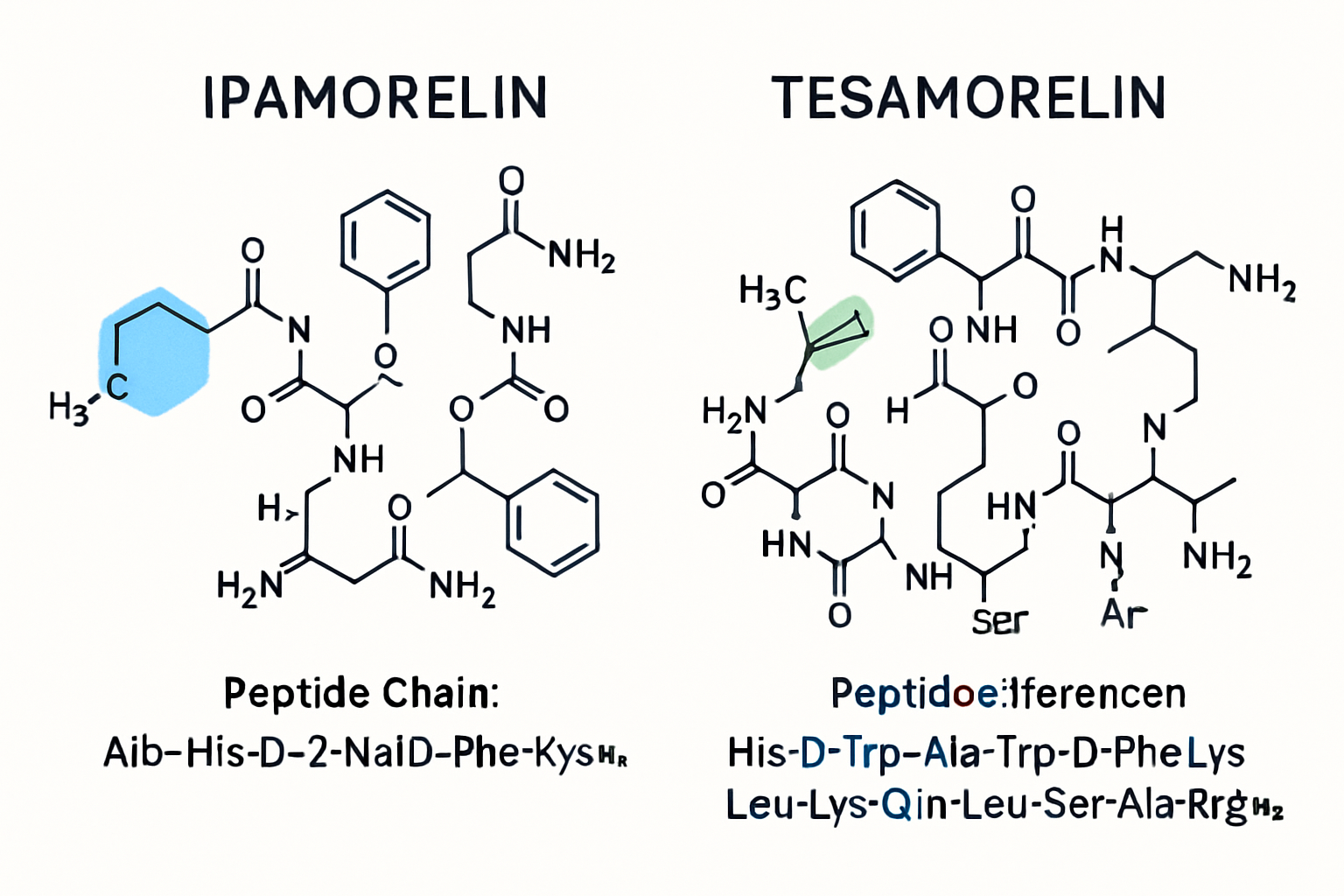
Ipamorelin stands out as a pentapeptide growth hormone secretagogue with a unique mechanism of action. This synthetic compound consists of five amino acids arranged in a specific sequence that allows it to bind selectively to ghrelin receptors, also known as growth hormone secretagogue receptors (GHS-R).
Molecular Characteristics of Ipamorelin
The molecular structure of ipamorelin gives it several distinct advantages in research applications. With a molecular weight of approximately 711.85 g/mol, this peptide demonstrates excellent stability and bioavailability in laboratory conditions. Its selective binding affinity means it primarily targets growth hormone release without significantly affecting other hormonal pathways.
Research has shown that ipamorelin exhibits a relatively short half-life of approximately 2 hours, making it an excellent choice for studies requiring precise timing and control. This characteristic allows researchers to observe both immediate and short-term effects while maintaining experimental control.
Research Applications and Study Protocols
Laboratory studies involving ipamorelin typically focus on its growth hormone-releasing properties and potential effects on various physiological markers. Researchers have investigated its impact on cellular regeneration, metabolic processes, and tissue repair mechanisms in controlled settings.
The peptide's selectivity makes it particularly valuable for research protocols examining specific growth hormone pathways. Unlike some other growth hormone-releasing compounds, ipamorelin appears to have minimal impact on cortisol and prolactin levels, allowing for more targeted research outcomes.
tesa: Advanced GHRH Analog Research
tesa represents a more complex peptide structure, consisting of 44 amino acids that form a synthetic analog of growth hormone-releasing hormone (GHRH). This compound has garnered significant attention in research communities due to its unique properties and potential applications.
Structural Complexity and Mechanism
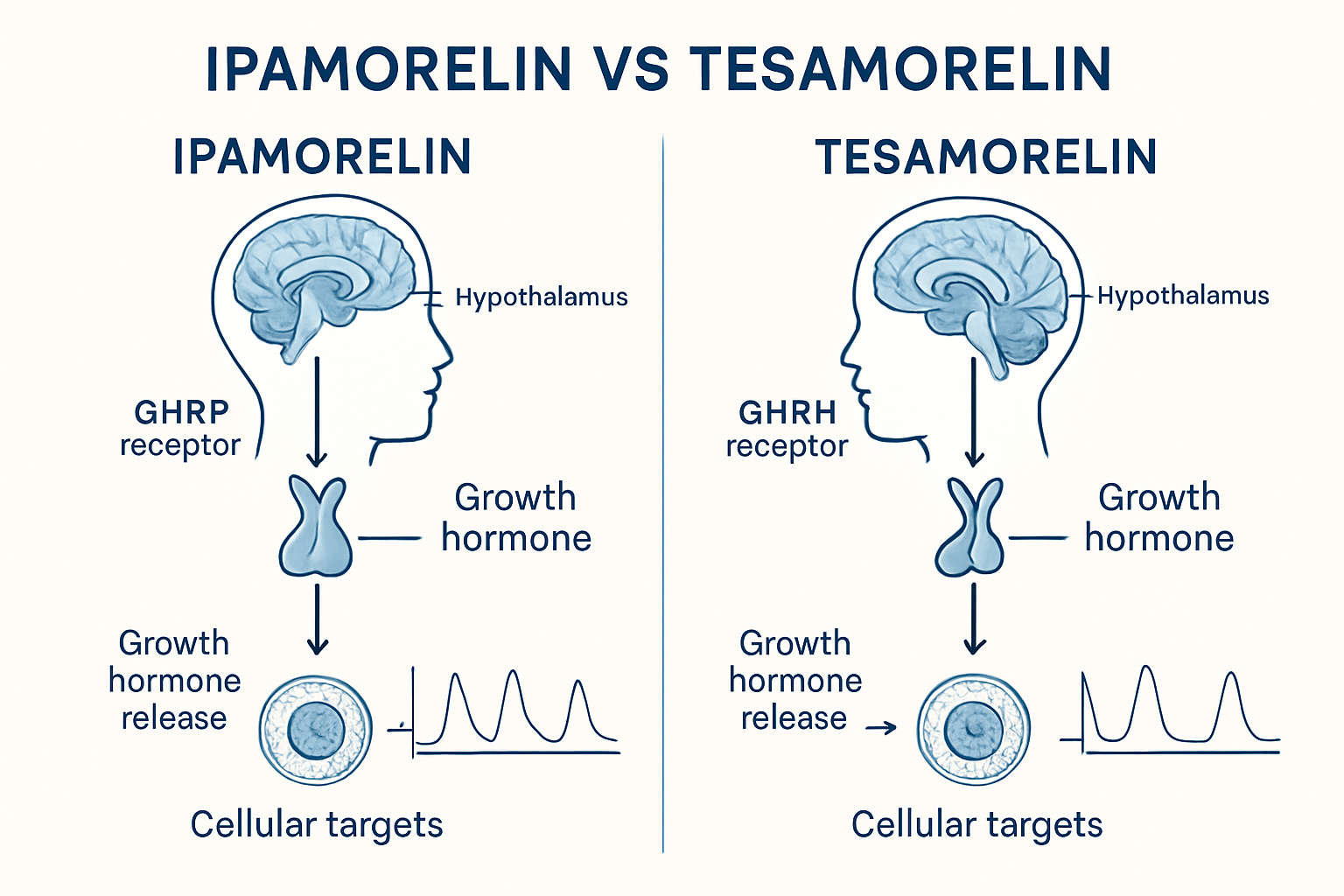
The extended amino acid sequence of tesa allows for direct interaction with GHRH receptors in the hypothalamus. This direct pathway differs significantly from ipamorelin's ghrelin receptor mechanism, providing researchers with an alternative approach to studying growth hormone regulation.
tesa's molecular weight of approximately 5135 g/mol reflects its complex structure. The peptide includes modifications that enhance its stability and resistance to enzymatic degradation, making it suitable for extended research protocols. Research-grade tesa is essential for studies requiring consistent, reliable results.
Clinical Research and Laboratory Studies
Unlike ipamorelin, tesa has progressed through various stages of clinical research, providing scientists with extensive data on its properties and potential applications. Laboratory studies have examined its effects on body composition, metabolic markers, and various physiological parameters.
The peptide's longer half-life, approximately 26-38 minutes, offers different research opportunities compared to ipamorelin. This duration allows for studies examining sustained effects while still maintaining experimental control and precision.
Ipamorelin vs tesa: Direct Comparison Analysis
When examining ipamorelin vs tesa in research settings, several key factors distinguish these compounds and influence their selection for specific studies. Understanding these differences is crucial for designing effective research protocols and achieving meaningful results.
Mechanism of Action Differences
The fundamental difference between these peptides lies in their mechanisms of action. Ipamorelin functions as a ghrelin receptor agonist, mimicking the action of the hunger hormone ghrelin to stimulate growth hormone release. This indirect pathway provides researchers with insights into the ghrelin-growth hormone axis.
tesa, conversely, acts as a direct GHRH analog, binding to GHRH receptors and stimulating growth hormone release through the natural GHRH pathway. This direct mechanism offers researchers a different perspective on growth hormone regulation and provides opportunities to study the primary GHRH pathway.
Research Protocol Considerations
The choice between ipamorelin vs tesa often depends on specific research objectives and study design requirements. Ipamorelin's shorter duration of action makes it suitable for studies requiring frequent dosing or precise timing control. Its selectivity also reduces potential confounding variables in research outcomes.
tesa's more complex structure and different mechanism make it valuable for studies examining sustained growth hormone effects or investigating the natural GHRH pathway. Comprehensive peptide research protocols often incorporate both compounds to provide complete pathway analysis.
Dosing and Administration in Research
Research protocols involving these peptides require careful consideration of dosing strategies. Ipamorelin studies typically employ more frequent administration due to its shorter half-life, while tesa protocols may use less frequent dosing schedules.
The concentration and purity of research compounds significantly impact study outcomes. Laboratory-grade peptides must meet strict quality standards to ensure reproducible results and meaningful data collection.
Research Outcomes and Laboratory Findings
Scientific literature examining ipamorelin vs tesa reveals distinct patterns in research outcomes and laboratory findings. These differences provide valuable insights for researchers designing future studies and selecting appropriate compounds for specific investigations.
Growth Hormone Response Patterns
Laboratory studies have documented different growth hormone response patterns between these peptides. Ipamorelin typically produces a more pulsatile growth hormone release pattern, closely mimicking natural physiological rhythms. This characteristic makes it valuable for studies examining circadian hormone patterns and natural growth hormone regulation.
tesa research has shown more sustained growth hormone elevation, providing researchers with opportunities to study prolonged exposure effects. The different response patterns offer complementary research approaches for comprehensive growth hormone pathway investigation.
Metabolic Research Applications
Both peptides have been subjects of metabolic research, though with different focus areas. Ipamorelin studies often examine its effects on appetite regulation and metabolic signaling, given its interaction with ghrelin pathways. These investigations provide insights into the complex relationships between growth hormone and metabolic processes.
tesa research has focused more heavily on body composition changes and metabolic marker improvements. Advanced peptide research methodologies continue to explore these metabolic applications in controlled laboratory settings.
Quality Considerations for Research Applications
The success of any peptide research project depends heavily on the quality and purity of the compounds used. When comparing ipamorelin vs tesa for research applications, sourcing high-quality peptides becomes paramount for achieving reliable, reproducible results.
Purity Standards and Testing
Research-grade peptides must meet stringent purity requirements, typically exceeding 98% purity levels. This high standard ensures that research outcomes reflect the true effects of the intended compound rather than impurities or degradation products. Both ipamorelin and tesa require careful handling and storage to maintain their integrity throughout research protocols.
Third-party testing and certificates of analysis provide essential verification of peptide quality. These documents confirm the identity, purity, and potency of research compounds, allowing scientists to proceed with confidence in their experimental designs.
Storage and Handling Protocols
Proper storage and handling significantly impact peptide stability and research outcomes. Both ipamorelin and tesa require specific storage conditions to maintain their molecular integrity. Best practices for peptide storage include temperature control, protection from light, and appropriate reconstitution procedures.
Research laboratories must establish standard operating procedures for peptide handling to ensure consistency across studies and minimize degradation risks. These protocols become especially important when conducting long-term research projects or comparative studies.
Future Research Directions and Applications
The ongoing comparison of ipamorelin vs tesa continues to drive innovation in peptide research and expand our understanding of growth hormone regulation pathways. Future research directions promise to unlock new applications and provide deeper insights into these fascinating compounds.
Emerging Research Areas
Current research trends suggest expanding applications for both peptides beyond traditional growth hormone studies. Scientists are investigating potential applications in tissue engineering, regenerative medicine research, and cellular biology studies. These emerging areas offer new perspectives on peptide utility and mechanism understanding.
Combination research protocols examining synergistic effects between different peptides represent another growing area of interest. Multi-peptide research approaches may provide enhanced research outcomes and more comprehensive pathway analysis.
Technological Advances in Peptide Research
Advanced analytical techniques continue to improve our ability to study peptide effects and mechanisms. High-resolution mass spectrometry, advanced cell culture techniques, and sophisticated biomarker analysis provide researchers with unprecedented insights into peptide actions and effects.
These technological improvements enable more precise comparisons between compounds like ipamorelin and tesa, leading to better understanding of their distinct properties and optimal research applications.
Selecting the Right Peptide for Research Goals
The decision between ipamorelin vs tesa ultimately depends on specific research objectives, study design requirements, and desired outcomes. Understanding the unique characteristics of each compound enables researchers to make informed decisions that align with their scientific goals.
Research Objective Alignment
Studies focusing on ghrelin pathway investigation or appetite regulation mechanisms may benefit more from ipamorelin's selective ghrelin receptor activity. Conversely, research examining direct GHRH pathway effects or sustained growth hormone elevation might favor tesa's mechanism and duration profile.
The complexity of research questions often determines peptide selection. Simple, focused studies might benefit from ipamorelin's selectivity, while comprehensive pathway analysis might require tesa's broader mechanism or combination approaches using both compounds.
Practical Research Considerations
Budget constraints, study duration, and laboratory capabilities all influence peptide selection decisions. Ipamorelin's shorter duration might require more frequent administration but could provide more precise control over experimental conditions. Research-grade tesa might offer advantages for longer-term studies despite its higher complexity.
Regulatory considerations and institutional requirements may also influence peptide selection. Researchers must ensure compliance with all applicable guidelines and regulations when conducting peptide research studies.
Conclusion
The comparison of ipamorelin vs tesa reveals two distinct yet complementary tools for peptide research applications. Each compound offers unique advantages and characteristics that make them valuable for different research objectives and study designs.
Ipamorelin's selective ghrelin receptor activity and shorter duration provide researchers with precise control and focused pathway investigation opportunities. Its minimal impact on other hormonal systems makes it ideal for targeted growth hormone studies and appetite regulation research.
tesa's direct GHRH mechanism and more complex structure offer different research possibilities, particularly for studies examining sustained growth hormone effects and comprehensive pathway analysis. Its clinical research history provides additional context and reference data for laboratory investigations.
Key action steps for researchers:
🔬 Define research objectives clearly before selecting between these peptides
📊 Consider study duration and dosing requirements when making selection decisions
🧪 Source high-quality, research-grade compounds from reputable suppliers
📋 Establish proper storage and handling protocols to maintain peptide integrity
📈 Design appropriate controls and measurement protocols for meaningful data collection
🔍 Stay updated on emerging research and technological advances in peptide science
The future of peptide research continues to expand, with both ipamorelin and tesa playing important roles in advancing our understanding of growth hormone regulation and related biological processes. By carefully considering the unique characteristics of each compound and aligning selection with specific research goals, scientists can maximize the value and impact of their peptide research initiatives.
References
[1] Research studies on growth hormone-releasing peptides and their mechanisms of action
[2] Clinical research data on tesa applications and outcomes
[3] Laboratory studies examining ipamorelin selectivity and receptor binding
[4] Comparative analysis of GHRH analogs and secretagogues in research settings
[5] Peptide quality standards and research best practices documentation
SEO Meta Information
Meta Title: Ipamorelin vs tesa: Research Comparison Guide 2025
Meta Description: Compare ipamorelin vs tesa for research applications. Comprehensive guide covering mechanisms, applications, and selection criteria for peptide research.