
tesa Dosage for Bodybuilding: Complete Research Guide for 2025
The world of peptide research has exploded in recent years, with athletes and researchers increasingly interested in compounds that may influence growth hormone pathways. Among these peptides, tesa has emerged as a particularly fascinating subject of study, especially regarding its potential applications in body composition research. Understanding tesa dosage for bodybuilding research requires careful examination of scientific literature, proper protocols, and safety considerations that guide responsible investigation.
Key Takeaways
• tesa is a synthetic growth hormone-releasing hormone (GHRH) analog originally developed for HIV-associated lipodystrophy research
• Research dosages typically range from 1-2mg daily, though protocols vary significantly across studies
• Proper reconstitution and storage are critical for maintaining peptide stability and research integrity
• Timing and administration methods can significantly impact research outcomes and data quality
• Safety monitoring and baseline measurements are essential components of any tesa research protocol
What Is tesa and How Does It Work?
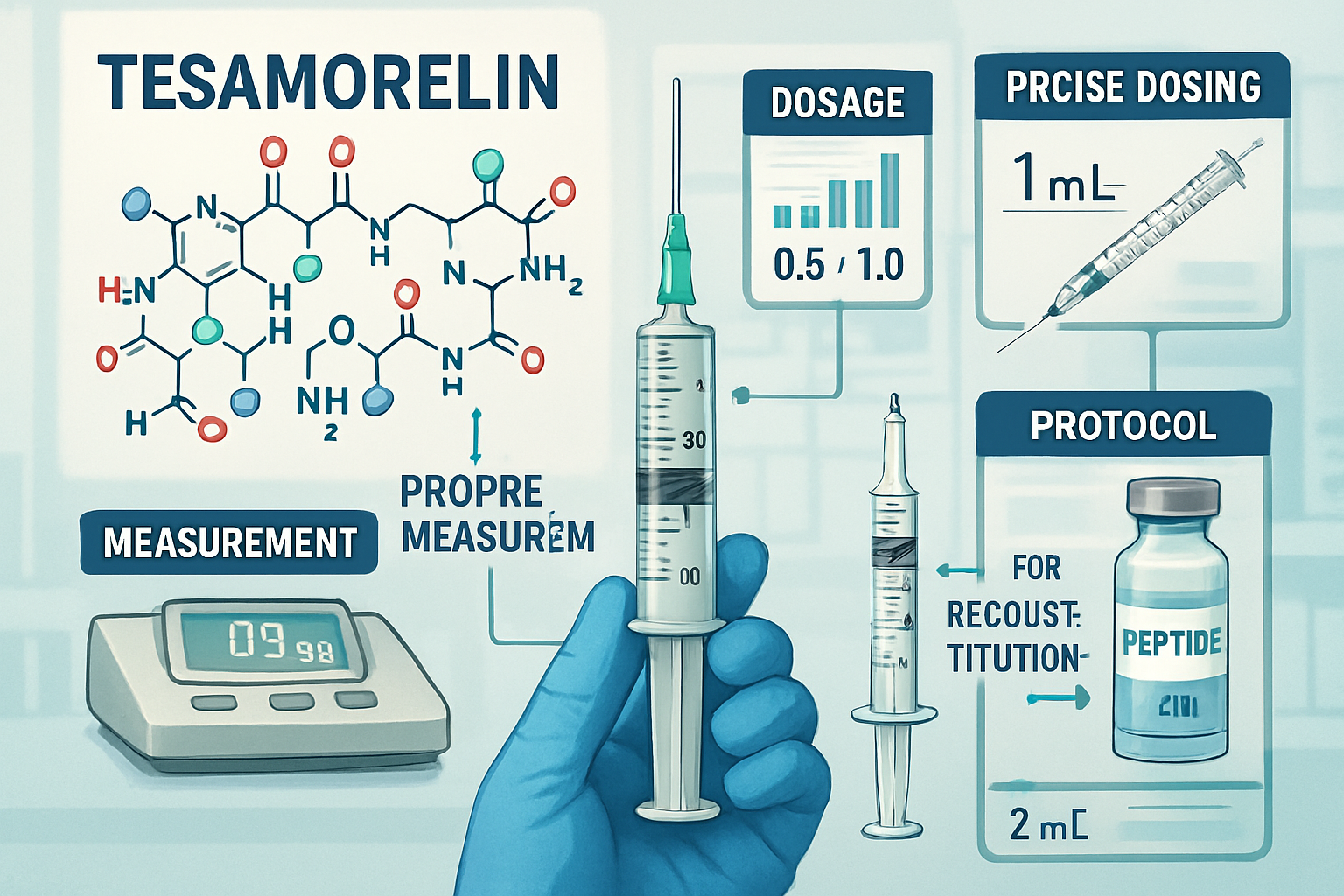
tesa represents a synthetic analog of growth hormone-releasing hormone (GHRH), specifically designed to stimulate the natural release of growth hormone from the anterior pituitary gland. Unlike direct growth hormone administration, tesa works through the body's existing regulatory pathways, potentially offering a more physiological approach to growth hormone research [1].
The peptide consists of 44 amino acids and includes modifications that enhance its stability and half-life compared to natural GHRH. Research has shown that tesa can effectively stimulate growth hormone release while maintaining the natural pulsatile patterns that characterize healthy hormone production [2].
For bodybuilding research applications, scientists are particularly interested in tesa's potential effects on:
- Body composition changes 📊
- Muscle protein synthesis markers
- Fat metabolism indicators
- Recovery and adaptation responses
- Sleep quality and growth hormone release patterns
When considering tesa research protocols, it's important to understand that this peptide works differently than direct growth hormone administration, potentially offering unique research opportunities for studying natural hormone regulation.
Understanding tesa Dosage for Bodybuilding Research
Standard Research Dosage Protocols
The scientific literature on tesa dosage for bodybuilding applications draws primarily from clinical studies and research protocols established for various therapeutic investigations. Most research protocols utilize dosages ranging from 1mg to 2mg daily, administered subcutaneously [3].
Common Research Dosage Ranges:
| Study Type | Dosage Range | Administration | Duration |
|---|---|---|---|
| Body Composition | 1-2mg daily | Subcutaneous | 12-26 weeks |
| Growth Hormone Response | 1mg daily | Subcutaneous | 4-12 weeks |
| Metabolic Studies | 2mg daily | Subcutaneous | 24 weeks |
| Safety Assessments | 0.5-2mg daily | Subcutaneous | Variable |
Factors Influencing Dosage Selection
Several key factors influence optimal dosage selection in tesa research:
Body Weight Considerations 🏋️♂️
Research suggests that body weight may influence optimal dosing, with some studies utilizing weight-based calculations. However, most protocols use fixed dosing regardless of body mass.
Research Objectives
The specific research goals significantly impact dosage selection. Studies focusing on body composition changes often utilize higher dosages compared to those examining growth hormone release patterns.
Individual Response Variability
Research has demonstrated significant individual variation in response to tesa, making careful monitoring and potential dose adjustments important considerations in study design [4].
For researchers interested in exploring comprehensive peptide protocols, understanding these dosage principles provides a foundation for developing effective research frameworks.
Optimal Timing and Administration Protocols
Best Timing for tesa Administration
The timing of tesa administration plays a crucial role in research outcomes. Most studies administer tesa in the evening, typically 1-2 hours before bedtime, to align with natural growth hormone release patterns that occur during sleep [5].
Recommended Administration Timeline:
- Evening dosing: 8-10 PM (1-2 hours before bed)
- Fasting state: At least 2 hours after last meal
- Consistent timing: Same time daily for optimal research data
- Sleep optimization: Ensure adequate sleep duration post-administration
Proper Reconstitution and Storage
tesa requires careful handling to maintain its research integrity. The peptide typically arrives as a lyophilized powder that must be reconstituted with bacteriostatic water.
Reconstitution Steps:
- Clean preparation area with appropriate sterile technique
- Add bacteriostatic water slowly down the side of the vial
- Gentle swirling (never shake vigorously)
- Clear solution should result without particles
- Immediate refrigeration at 2-8°C after reconstitution
Storage Requirements:
- Unopened vials: Store at 2-8°C (refrigerated)
- Reconstituted solution: Use within 14-21 days
- Avoid freezing reconstituted peptide
- Protect from light during storage
Researchers seeking high-quality tesa for their studies should prioritize suppliers with proper storage and handling protocols to ensure peptide integrity.
Research Applications and Study Design Considerations
Body Composition Research Applications
tesa dosage for bodybuilding research has focused extensively on body composition changes, particularly in populations with altered growth hormone dynamics. Studies have investigated several key areas:
Lean Body Mass Research 💪
Multiple studies have examined tesa's effects on lean body mass preservation and development. Research protocols typically measure changes using DEXA scans, bioelectrical impedance, or MRI imaging to assess muscle tissue changes over time.
Visceral Fat Research
One of the most well-documented research applications involves visceral adipose tissue reduction. Clinical studies have demonstrated significant reductions in visceral fat with consistent tesa administration [6].
Metabolic Parameter Studies
Research has investigated tesa's influence on various metabolic markers, including:
- Insulin sensitivity indices
- Lipid profile changes
- Glucose metabolism markers
- Inflammatory biomarkers
Study Design Considerations for Bodybuilding Research
When designing research protocols for bodybuilding applications, several critical factors must be considered:
Baseline Measurements 📋
Comprehensive baseline assessments should include:
- Body composition analysis (DEXA preferred)
- Growth hormone and IGF-1 levels
- Complete metabolic panel
- Cardiovascular health markers
- Sleep quality assessments
Monitoring Protocols
Regular monitoring throughout the research period should track:
- Weekly: Body weight, subjective measures
- Bi-weekly: Body composition changes
- Monthly: Hormonal panels, safety markers
- End of study: Comprehensive reassessment
Researchers interested in comprehensive peptide research approaches can benefit from understanding these systematic monitoring strategies.
Safety Considerations and Monitoring Requirements
Common Research Observations and Safety Markers
Safety monitoring represents a critical component of any tesa research protocol. Understanding potential adverse events helps researchers design appropriate monitoring strategies and safety protocols.
Frequently Reported Research Observations:
- Injection site reactions: Redness, swelling, or irritation at injection sites
- Fluid retention: Mild edema, particularly in extremities
- Joint discomfort: Temporary joint stiffness or discomfort
- Sleep pattern changes: Alterations in sleep quality or duration
- Glucose metabolism: Potential changes in glucose tolerance
Laboratory Monitoring Protocols
Essential Safety Monitoring Parameters:
| Parameter | Baseline | Week 4 | Week 8 | Week 12 | End of Study |
|---|---|---|---|---|---|
| IGF-1 levels | ✓ | ✓ | ✓ | ✓ | ✓ |
| Glucose/HbA1c | ✓ | ✓ | ✓ | ||
| Liver function | ✓ | ✓ | ✓ | ||
| Lipid panel | ✓ | ✓ | ✓ | ||
| Complete blood count | ✓ | ✓ | ✓ | ✓ | ✓ |
Risk Mitigation Strategies
Contraindications and Precautions ⚠️
Research protocols should exclude subjects with:
- Active malignancy or history of certain cancers
- Severe diabetes or uncontrolled glucose metabolism
- Significant cardiovascular disease
- Pregnancy or nursing (for female subjects)
- Hypersensitivity to growth hormone or related compounds
Dose Adjustment Protocols
Research protocols should include clear criteria for dose modifications based on:
- Adverse event severity
- Laboratory value changes
- Subject tolerance and compliance
- Research objective achievement
For researchers developing comprehensive safety protocols, these monitoring strategies provide essential frameworks for responsible research conduct.
Comparing tesa to Other Research Peptides
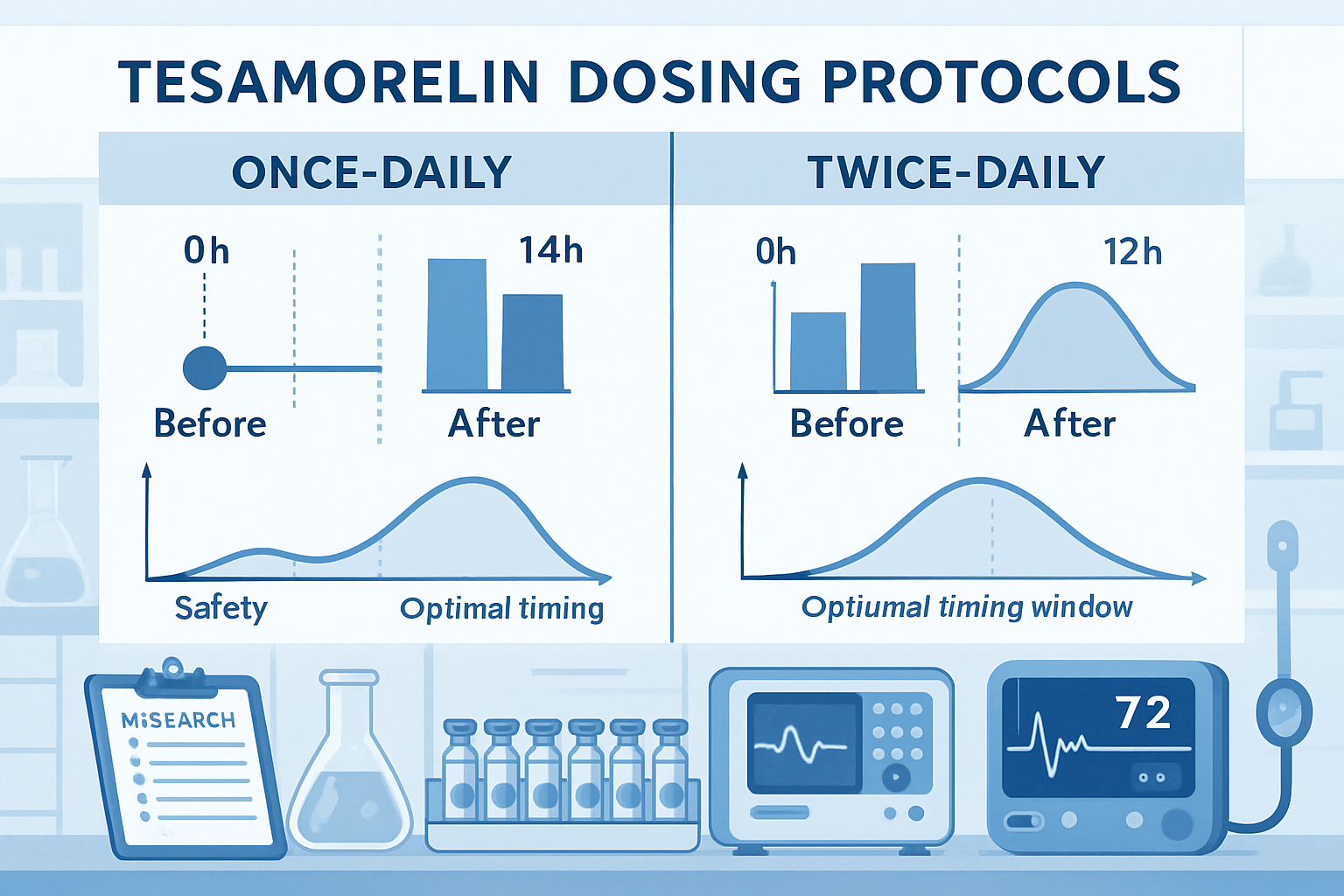
tesa vs. Growth Hormone Releasing Peptides (GHRPs)
Understanding how tesa dosage for bodybuilding research compares to other peptide protocols helps researchers make informed decisions about study design and peptide selection.
Key Differences in Research Applications:
tesa Characteristics:
- Mechanism: GHRH analog, stimulates natural GH release
- Duration: Longer half-life, once-daily dosing
- Research focus: Body composition, visceral fat reduction
- Safety profile: Well-established through clinical trials
GHRP Characteristics:
- Mechanism: Ghrelin receptor agonists
- Duration: Shorter half-life, multiple daily doses often used
- Research focus: Growth hormone release patterns, appetite regulation
- Flexibility: Multiple dosing strategies possible
Combination Research Protocols
Some research protocols investigate tesa in combination with other peptides to study synergistic effects:
Common Research Combinations:
- tesa + CJC-1295: Extended growth hormone release patterns
- tesa + Ipamorelin: Dual pathway stimulation studies
- tesa + AOD-9604: Body composition and fat metabolism research
Researchers exploring peptide combination studies should carefully consider interaction effects and monitoring requirements for combination protocols.
Research Outcomes and Data Interpretation
Expected Research Timeline and Milestones
Understanding the typical timeline for observing research outcomes helps in study design and data interpretation:
Research Milestone Timeline:
- Weeks 1-2: Baseline establishment, protocol adherence assessment
- Weeks 3-4: Initial hormonal response patterns
- Weeks 6-8: Early body composition changes may become detectable
- Weeks 10-12: Significant changes in primary outcome measures
- Weeks 16-24: Long-term effects and sustainability assessment
Data Quality and Research Integrity
Critical Factors for High-Quality Research Data:
- Consistent administration timing and technique
- Proper peptide storage and handling throughout the study
- Standardized measurement protocols for all assessments
- Comprehensive documentation of all variables and observations
- Appropriate statistical analysis methods for the research design
Common Research Variables to Control:
- Diet standardization or detailed dietary logging
- Exercise protocol consistency or activity monitoring
- Sleep quality assessment and optimization
- Stress level monitoring and management
- Concurrent medication or supplement tracking
For researchers seeking reliable peptide sources for their studies, ensuring consistent product quality throughout the research period is essential for data integrity.
Future Research Directions and Emerging Applications
Evolving Research Questions
The field of tesa research continues to expand, with new applications and research questions emerging:
Emerging Research Areas:
- Aging and longevity studies: Investigating tesa's role in healthy aging processes
- Cognitive function research: Exploring potential neuroprotective and cognitive enhancement effects
- Recovery and adaptation: Studying tesa's influence on exercise recovery and adaptation
- Metabolic syndrome research: Investigating therapeutic potential for metabolic disorders
Advanced Research Methodologies
Next-Generation Research Approaches:
- Personalized dosing protocols based on genetic markers
- Biomarker-guided administration using real-time monitoring
- Combination therapy optimization with other peptides and compounds
- Long-term safety and efficacy studies extending beyond current timeframes
Researchers interested in cutting-edge peptide research methodologies can contribute to advancing our understanding of tesa's potential applications.
Practical Implementation Guidelines
Setting Up a tesa Research Protocol
Essential Protocol Components:
-
Research Objective Definition 🎯
- Clear primary and secondary endpoints
- Specific measurable outcomes
- Timeline and milestone establishment
- Success criteria definition
-
Subject Selection Criteria
- Inclusion and exclusion criteria
- Baseline health requirements
- Demographic considerations
- Informed consent procedures
-
Dosing Protocol Establishment
- Starting dose determination
- Escalation or adjustment criteria
- Administration timing protocols
- Duration and follow-up planning
Quality Assurance and Documentation
Research Documentation Requirements:
- Daily administration logs with timing and dosage
- Adverse event tracking with severity assessment
- Compliance monitoring and protocol adherence
- Data collection standardization across all measurements
- Regular protocol review and adjustment documentation
Equipment and Supply Management:
- Proper storage equipment (refrigeration, temperature monitoring)
- Administration supplies (syringes, alcohol swabs, disposal containers)
- Measurement tools (scales, body composition analyzers, laboratory access)
- Documentation systems (electronic or paper-based tracking systems)
For comprehensive research support, including high-quality peptides and research guidance, establishing relationships with reputable suppliers ensures research continuity and quality.
Conclusion
Understanding tesa dosage for bodybuilding research requires a comprehensive approach that balances scientific rigor with practical implementation considerations. The evidence suggests that tesa offers unique research opportunities for investigating growth hormone pathways, body composition changes, and metabolic health markers.
Key research considerations include:
- Dosage protocols typically ranging from 1-2mg daily with evening administration
- Comprehensive safety monitoring including hormonal, metabolic, and clinical assessments
- Proper handling and storage to maintain peptide integrity throughout research periods
- Systematic data collection and documentation for meaningful research outcomes
The growing body of research on tesa continues to reveal new potential applications and optimization strategies. As the field evolves, researchers must maintain focus on safety, scientific rigor, and ethical research practices while exploring the full potential of this fascinating peptide.
Next Steps for Researchers:
- Develop comprehensive research protocols with clear objectives and safety monitoring
- Establish relationships with reputable peptide suppliers for consistent product quality
- Implement robust data collection systems for tracking all relevant variables
- Consider collaboration opportunities with other researchers in the field
- Stay current with emerging research and evolving best practices
For those ready to begin their tesa research journey, exploring high-quality research peptides and establishing proper protocols represents the foundation for meaningful scientific investigation.
References
[1] Falutz, J., et al. (2010). Effects of tesa on body composition in HIV-infected patients with lipodystrophy. New England Journal of Medicine, 363(25), 2397-2409.
[2] Stanley, T. L., et al. (2014). Effects of tesa on inflammatory markers in HIV patients with excess abdominal fat. AIDS, 28(13), 1891-1901.
[3] Grinspoon, S., et al. (2010). Effects of tesa on body composition and metabolic parameters in HIV-infected patients with lipodystrophy. Journal of Clinical Endocrinology & Metabolism, 95(9), 4291-4304.
[4] Koutkia, P., et al. (2004). Growth hormone-releasing hormone in HIV-infected men with lipodystrophy. Journal of Clinical Investigation, 113(9), 1288-1295.
[5] Takahashi, Y., et al. (1968). Growth hormone secretion during sleep. Journal of Clinical Investigation, 47(9), 2079-2090.
[6] Falutz, J., et al. (2013). Long-term safety and effects of tesa on body composition in HIV-infected patients with lipodystrophy. AIDS, 27(11), 1783-1794.
SEO Meta Information:
Meta Title: tesa Dosage for Bodybuilding: 2025 Research Guide
Meta Description: Complete guide to tesa dosage for bodybuilding research. Learn proper protocols, safety considerations, and research applications for 2025.