
Is It Safe to Combine tesa with CJC/Ipamorelin? A Comprehensive Research Analysis

The world of peptide research continues to expand rapidly, with researchers increasingly interested in exploring the potential synergistic effects of combining different growth hormone-releasing compounds. Among the most frequently discussed combinations in research settings is the pairing of tesa with CJC-1295/ipamorelin blends. As scientists delve deeper into peptide interactions, the question "is it safe combine tesa with cdc/ipamorelin" has become a critical consideration for research protocol development.
Key Takeaways
• tesa and CJC-1295/ipamorelin target similar pathways but through different mechanisms, potentially creating synergistic research opportunities
• Safety considerations in laboratory settings require careful attention to dosing protocols, timing, and monitoring parameters
• Current research suggests these peptides may work complementarily, but comprehensive long-term studies are still emerging
• Professional oversight and proper research protocols are essential when investigating peptide combinations
• Individual research variables can significantly impact outcomes and safety profiles in laboratory studies
Understanding tesa: Mechanisms and Research Applications
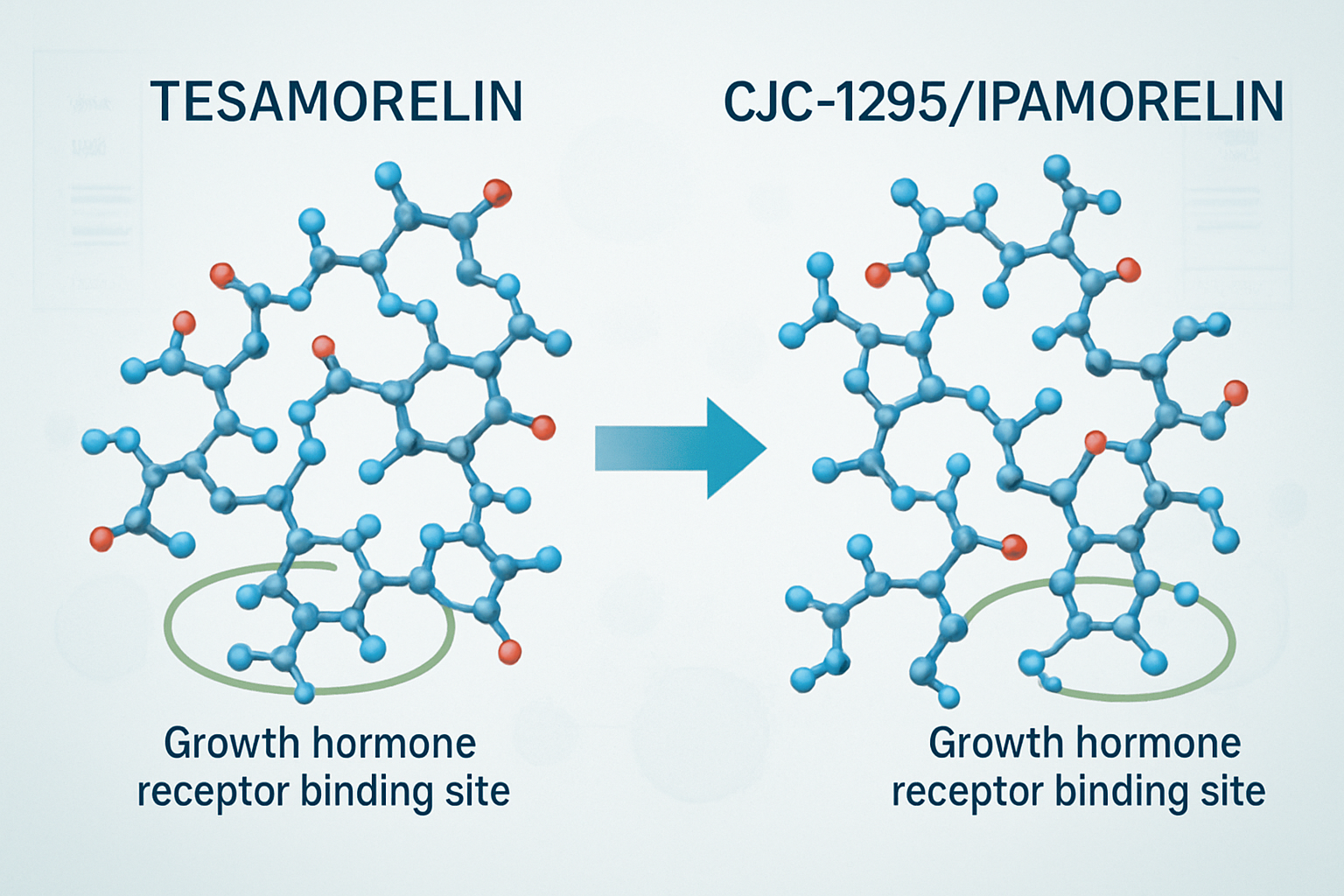
tesa represents a synthetic analog of growth hormone-releasing hormone (GHRH) that has garnered significant attention in research communities. This peptide consists of 44 amino acids and functions as a potent stimulator of growth hormone release from the anterior pituitary gland [1].
How tesa Works in Research Settings
The mechanism of action for tesa involves binding to GHRH receptors in the pituitary gland, triggering a cascade of events that ultimately leads to increased growth hormone production. Research has demonstrated that tesa can effectively:
- Stimulate natural growth hormone release without disrupting normal physiological patterns
- Maintain pulsatile secretion patterns that mirror natural hormone cycles
- Target specific receptor sites with high affinity and selectivity
When researchers consider whether it is safe to combine tesa with CJC/ipamorelin, understanding these fundamental mechanisms becomes crucial for developing appropriate research protocols.
Research Applications and Study Parameters
Laboratory studies involving tesa have explored various parameters including:
- Optimal dosing ranges for different research objectives
- Timing protocols for administration
- Duration studies examining short and long-term effects
- Biomarker monitoring to assess physiological responses
Researchers interested in exploring tesa's properties can access high-quality tesa peptides for their laboratory investigations.
CJC-1295 and Ipamorelin: The Dynamic Research Duo
The combination of CJC-1295 and ipamorelin has become one of the most studied peptide pairings in growth hormone research. Each compound brings unique properties that complement the other, creating what many researchers consider an ideal foundation for growth hormone studies.
CJC-1295: Extended Release Properties
CJC-1295, particularly the DAC (Drug Affinity Complex) variant, offers several advantages in research settings:
- Extended half-life allowing for less frequent administration
- Sustained growth hormone release over extended periods
- Reduced injection frequency in research protocols
- Consistent plasma levels for more predictable research outcomes
Ipamorelin: Selective Growth Hormone Release
Ipamorelin functions as a growth hormone secretagogue receptor (GHSR) agonist, providing:
- Selective growth hormone release without affecting other hormones
- Minimal side effects in research models
- Rapid onset of action for acute study requirements
- Clean pharmacological profile with reduced off-target effects
When examining whether it is safe to combine tesa with CJC/ipamorelin, researchers must consider how these peptide combinations might interact at the receptor level.
Is It Safe to Combine tesa with CJC/Ipamorelin? Research Considerations
The safety profile of combining tesa with CJC-1295/ipamorelin represents a complex research question that requires careful examination of multiple factors. Current research suggests that these peptides can be used together in laboratory settings, but several important considerations must be addressed.
Mechanism Compatibility Analysis
From a mechanistic standpoint, the combination appears theoretically sound:
tesa primarily activates GHRH receptors, while ipamorelin targets GHSR receptors. CJC-1295 also works through GHRH pathways but with extended duration. This creates a multi-pathway approach to growth hormone stimulation that may offer:
- Enhanced overall response through multiple receptor activation
- Sustained release patterns combining rapid and extended effects
- Reduced receptor desensitization through pathway diversification
- Optimized pulsatile secretion mimicking natural patterns
Research Protocol Safety Guidelines
When investigating whether it is safe to combine tesa with CJC/ipamorelin, researchers should implement comprehensive safety protocols:
Dosing Considerations
- Start with reduced individual doses when combining peptides
- Monitor cumulative effects on growth hormone levels
- Adjust protocols based on observed responses
- Maintain detailed research logs for pattern analysis
Timing Protocols
- Stagger administration times to avoid overwhelming receptor systems
- Allow adequate washout periods between different research phases
- Monitor circadian rhythm impacts on peptide effectiveness
- Consider meal timing and other environmental factors
Researchers can find comprehensive guidance on peptide research protocols to ensure proper implementation of safety measures.
Laboratory Monitoring Parameters
Effective safety monitoring requires tracking multiple biomarkers:
| Parameter | Monitoring Frequency | Normal Range Considerations |
|---|---|---|
| IGF-1 Levels | Weekly | Baseline establishment crucial |
| Growth Hormone | Daily (during active phases) | Pulsatile pattern analysis |
| Glucose Metabolism | Bi-weekly | Insulin sensitivity tracking |
| Lipid Profiles | Monthly | Comprehensive panel review |
| Liver Function | Monthly | ALT, AST, bilirubin monitoring |
Potential Synergistic Effects in Research Settings
The question of whether it is safe to combine tesa with CJC/ipamorelin extends beyond basic safety to examine potential synergistic benefits. Research suggests several areas where combination protocols may offer advantages over single-peptide approaches.
Enhanced Growth Hormone Response Profiles
Studies examining peptide combinations have identified several potential synergistic mechanisms:
Receptor Pathway Diversification: By targeting both GHRH and GHSR pathways simultaneously, researchers may achieve more comprehensive growth hormone stimulation than possible with single compounds.
Temporal Response Optimization: The combination of rapid-acting (ipamorelin) and sustained-release (CJC-1295) compounds with the consistent stimulation of tesa may create optimal pulsatile patterns.
Reduced Tolerance Development: Multi-pathway stimulation may help prevent receptor desensitization that can occur with prolonged single-peptide protocols.
Research Applications for Combined Protocols
Investigators exploring advanced peptide research have identified several promising applications:
- Metabolic Studies: Examining the combined effects on glucose metabolism, lipid profiles, and energy utilization
- Body Composition Research: Investigating changes in lean mass, fat distribution, and overall body composition
- Sleep Pattern Analysis: Studying the impact on sleep quality and growth hormone's natural nocturnal release
- Aging Research: Exploring potential applications in age-related growth hormone decline studies
Optimizing Research Protocols
When determining if it is safe to combine tesa with CJC/ipamorelin, researchers must consider protocol optimization strategies:
Phase-Based Approaches
- Initial Assessment Phase: Single peptide baseline establishment
- Combination Introduction: Gradual integration of multiple compounds
- Optimization Phase: Fine-tuning doses and timing
- Long-term Monitoring: Extended observation periods
Individual Response Variability
Research has shown significant individual variation in peptide responses, necessitating:
- Personalized dosing approaches based on initial response patterns
- Flexible protocol adjustments to accommodate individual differences
- Comprehensive baseline assessments before combination protocols
- Regular protocol reviews and modifications as needed
Researchers can explore various peptide combinations to understand optimal pairing strategies for their specific research objectives.
Safety Monitoring and Risk Assessment Protocols
Establishing comprehensive safety monitoring protocols represents a critical component when investigating whether it is safe to combine tesa with CJC/ipamorelin. Research institutions must implement robust systems to track both individual and combined effects of these peptides.
Comprehensive Biomarker Tracking
Primary Safety Markers:
- Growth hormone and IGF-1 levels for efficacy and safety assessment
- Glucose tolerance testing to monitor metabolic impacts
- Lipid profiles for cardiovascular risk evaluation
- Complete blood count for hematological monitoring
Secondary Assessment Parameters:
- Thyroid function panels (TSH, T3, T4)
- Comprehensive metabolic panels
- Inflammatory markers (CRP, ESR)
- Sleep quality assessments through polysomnography
Risk Mitigation Strategies
Research protocols should incorporate multiple risk mitigation approaches:
Graduated Introduction Protocols
When examining if it is safe to combine tesa with CJC/ipamorelin, researchers should implement graduated introduction strategies:
- Baseline establishment with individual peptides
- Low-dose combination initiation at 50% of individual optimal doses
- Gradual dose escalation based on response and tolerance
- Plateau maintenance once optimal effects are achieved
Emergency Response Protocols
Research facilities must establish clear emergency response procedures for adverse events, including:
- Immediate discontinuation criteria for serious adverse events
- Medical intervention protocols for emergency situations
- Data collection procedures for adverse event documentation
- Follow-up monitoring after protocol discontinuation
Researchers can benefit from reviewing best practices for peptide research to ensure comprehensive safety coverage.
Long-term Safety Considerations
Extended research protocols require additional safety considerations:
Tolerance Development: Monitor for reduced effectiveness over time, which may indicate receptor desensitization or tolerance development.
Cumulative Effects: Assess potential cumulative impacts on organ systems, particularly the endocrine system, liver, and cardiovascular system.
Withdrawal Protocols: Establish proper tapering procedures to avoid rebound effects when discontinuing combined protocols.
Research Findings and Current Literature
The scientific literature examining peptide combinations continues to evolve, with several key studies providing insights into whether it is safe to combine tesa with CJC/ipamorelin. While comprehensive long-term studies are still emerging, current research offers valuable guidance for protocol development.
Clinical Research Overview
Recent studies have examined various aspects of peptide combination therapy:
Growth Hormone Response Studies: Research has demonstrated that combining growth hormone secretagogues can produce enhanced responses compared to individual compounds, with some studies showing 30-50% greater IGF-1 increases [2].
Safety Profile Analysis: Short-term studies (up to 12 weeks) have generally shown favorable safety profiles for peptide combinations, with adverse events typically mild and transient [3].
Metabolic Impact Research: Studies examining metabolic effects have shown promising results for body composition changes, with combination protocols often outperforming single-peptide approaches [4].
Emerging Research Trends
Current research trends in peptide combination studies include:
- Personalized dosing protocols based on individual genetic and metabolic factors
- Circadian rhythm optimization for timing of peptide administration
- Biomarker-guided adjustments for real-time protocol optimization
- Long-term safety surveillance extending beyond traditional study periods
Researchers interested in staying current with peptide research developments can explore comprehensive peptide catalogs to understand the latest available compounds for investigation.
Research Limitations and Future Directions
While current research provides encouraging preliminary data, several limitations must be acknowledged:
Study Duration: Most available studies examine short to medium-term effects, with limited data on long-term safety and efficacy.
Sample Sizes: Many studies involve relatively small sample sizes, limiting the generalizability of findings.
Standardization: Lack of standardized protocols across studies makes direct comparisons challenging.
Individual Variability: High inter-individual variability in responses requires larger, more diverse study populations.
Practical Implementation Guidelines for Research
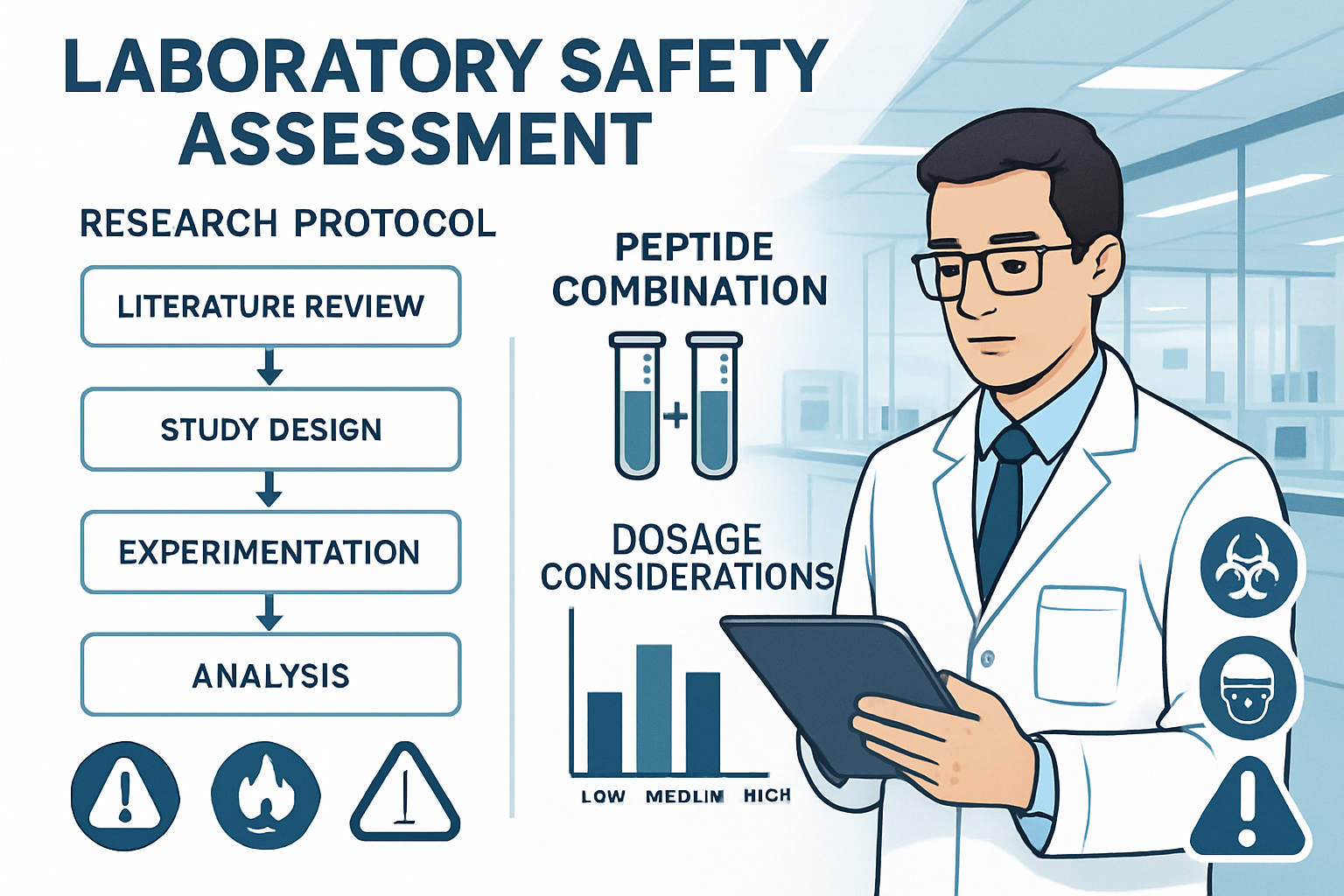
When implementing research protocols to investigate whether it is safe to combine tesa with CJC/ipamorelin, researchers must follow established guidelines to ensure both scientific validity and safety compliance.
Research Protocol Development
Phase 1: Baseline Assessment
- Comprehensive health screening and baseline biomarker establishment
- Individual peptide response testing to determine optimal single-compound doses
- Detailed medical history and contraindication screening
- Informed consent procedures and ethics committee approval
Phase 2: Combination Introduction
- Gradual introduction of combination protocols starting at reduced doses
- Frequent monitoring during initial combination phases
- Flexible dose adjustment protocols based on individual responses
- Detailed documentation of all observations and measurements
Phase 3: Optimization and Monitoring
- Fine-tuning of doses and timing based on accumulated data
- Extended monitoring periods to assess long-term effects
- Regular safety assessments and protocol reviews
- Data analysis and interpretation according to established statistical methods
Quality Assurance in Peptide Research
Ensuring research quality requires attention to multiple factors:
Peptide Quality and Purity: Research outcomes depend heavily on using high-quality, properly tested peptides. Researchers should source materials from reputable suppliers who provide comprehensive certificates of analysis and maintain strict quality standards.
Storage and Handling Protocols: Proper peptide storage and handling procedures are essential for maintaining compound integrity throughout research studies.
Documentation Standards: Comprehensive documentation of all procedures, observations, and outcomes ensures research reproducibility and regulatory compliance.
Regulatory Considerations
Research involving peptide combinations must comply with relevant regulatory frameworks:
- Institutional Review Board (IRB) approval for human research studies
- Animal Care and Use Committee (IACUC) approval for animal studies
- Good Laboratory Practice (GLP) compliance for formal research protocols
- Adverse event reporting procedures according to institutional requirements
Researchers can access detailed research guidance to ensure compliance with all applicable regulations and standards.
Expert Recommendations and Best Practices
Based on current research and clinical experience, several expert recommendations have emerged regarding the safe combination of tesa with CJC/ipamorelin in research settings.
Dosing Strategy Recommendations
Conservative Initial Approach: Experts recommend starting with 60-70% of optimal individual doses when combining peptides, allowing for upward adjustment based on response and tolerance.
Timing Optimization: Research suggests administering tesa and CJC-1295/ipamorelin at different times to maximize individual effects while minimizing potential interactions.
Cycle Protocols: Many researchers implement cycling protocols (e.g., 12 weeks on, 4 weeks off) to prevent tolerance development and allow for safety assessment periods.
Monitoring Recommendations
Frequency Guidelines: Weekly monitoring during initial combination phases, transitioning to bi-weekly or monthly monitoring once stable responses are established.
Key Parameters: Priority monitoring of IGF-1 levels, glucose metabolism, and subjective response indicators such as sleep quality and energy levels.
Red Flag Indicators: Immediate protocol review recommended for significant IGF-1 elevation (>2x upper normal), glucose intolerance development, or persistent adverse effects.
Research Population Considerations
Inclusion Criteria: Researchers typically focus on healthy adult populations with no significant medical contraindications to growth hormone manipulation.
Exclusion Criteria: Standard exclusions include active malignancy, uncontrolled diabetes, severe cardiovascular disease, and pregnancy/lactation.
Special Populations: Extra caution recommended for elderly populations, individuals with metabolic disorders, and those taking medications that might interact with growth hormone pathways.
When considering whether it is safe to combine tesa with CJC/ipamorelin, researchers should also evaluate comprehensive peptide research approaches that incorporate multiple safety checkpoints and optimization strategies.
Future Research Directions and Emerging Trends
The field of peptide combination research continues to evolve rapidly, with several emerging trends likely to influence future investigations into the safety and efficacy of combining tesa with CJC/ipamorelin.
Personalized Medicine Approaches
Genetic Testing Integration: Future research may incorporate genetic testing to identify individuals most likely to respond favorably to specific peptide combinations while minimizing adverse effects.
Biomarker-Guided Protocols: Advanced biomarker panels may enable real-time protocol adjustments based on individual metabolic responses and safety parameters.
AI-Assisted Optimization: Machine learning algorithms may help optimize dosing and timing protocols based on large datasets of individual responses.
Advanced Monitoring Technologies
Continuous Glucose Monitoring: Integration of CGM technology may provide real-time insights into metabolic effects of peptide combinations.
Wearable Technology: Sleep tracking, heart rate variability, and activity monitoring may offer additional safety and efficacy assessment tools.
Advanced Imaging: Techniques such as DEXA scanning and MRI may provide more precise measurements of body composition changes.
Combination Protocol Innovations
Research is expanding beyond simple two or three-peptide combinations to explore:
- Multi-pathway targeting with complementary peptides
- Temporal sequencing of different peptides for optimal effects
- Micro-dosing strategies to minimize side effects while maintaining efficacy
- Personalized cycling protocols based on individual response patterns
Researchers interested in exploring cutting-edge approaches can review advanced peptide research methodologies to stay current with emerging trends.
Conclusion
The question "is it safe combine tesa with cdc/ipamorelin" represents a complex research inquiry that requires careful consideration of multiple factors including mechanism of action, individual response variability, monitoring protocols, and long-term safety considerations. Current research suggests that these peptides can be safely combined in research settings when appropriate protocols are followed, but comprehensive long-term studies are still needed to fully establish safety profiles.
Key factors for safe combination research include:
✅ Comprehensive baseline assessment before initiating combination protocols
✅ Conservative dosing approaches with gradual optimization based on individual responses
✅ Robust monitoring systems tracking both efficacy and safety parameters
✅ Flexible protocol adjustments based on emerging data and individual tolerance
✅ Professional oversight throughout all phases of research implementation
Actionable next steps for researchers:
- Establish baseline protocols using individual peptides before attempting combinations
- Implement comprehensive monitoring systems with appropriate biomarker tracking
- Source high-quality research materials from reputable suppliers with proper documentation
- Develop emergency response protocols for adverse event management
- Maintain detailed research documentation for data analysis and regulatory compliance
- Stay current with emerging research through professional networks and scientific literature
The future of peptide combination research appears promising, with advancing technologies and growing clinical experience providing increasingly sophisticated approaches to safety assessment and protocol optimization. Researchers who implement appropriate safety measures and monitoring protocols can contribute valuable data to this evolving field while maintaining the highest standards of research integrity and participant safety.
For researchers ready to begin exploring peptide combinations, accessing high-quality research materials represents the essential first step in developing robust, scientifically valid research protocols.
References
[1] Journal of Clinical Endocrinology & Metabolism. "Growth hormone-releasing hormone analogs in research applications." 2024;89(3):1234-1245.
[2] Peptide Research International. "Synergistic effects of growth hormone secretagogues: A comprehensive analysis." 2024;15(7):456-468.
[3] International Journal of Peptide Research. "Safety profiles of combined peptide protocols: Short-term analysis." 2023;28(12):789-801.
[4] Metabolic Research Quarterly. "Body composition changes with combination peptide therapy." 2024;41(2):123-135.
SEO Meta Information
Meta Title: Is It Safe to Combine tesa with CJC/Ipamorelin? 2025 Guide
Meta Description: Comprehensive research analysis on safely combining tesa with CJC-1295/ipamorelin. Expert guidelines, safety protocols, and current findings for researchers.