
BPC-157 and TB-500: Comprehensive Research Guide for 2025 🧬
In the rapidly evolving world of peptide research, two compounds have captured the attention of scientists, researchers, and athletes alike: BPC-157 and TB-500. These synthetic peptides represent the cutting edge of regenerative medicine research, offering promising insights into tissue repair, healing mechanisms, and cellular regeneration. As we advance through 2025, understanding the scientific foundations, research applications, and regulatory landscape surrounding BPC-157 and TB-500 has become increasingly important for researchers and practitioners in the field.
Key Takeaways
• BPC-157 is a synthetic 15-amino acid peptide derived from human gastric juice proteins, while TB-500 is a synthetic version of naturally occurring Thymosin Beta-4
• Both peptides remain in experimental stages with no FDA approval for human use as of 2025
• Research suggests potential mechanisms including angiogenesis promotion, tissue repair acceleration, and anti-inflammatory effects
• WADA prohibits both compounds in competitive sports under the S0 category of non-approved substances
• Safety profiles remain largely unknown due to limited long-term human studies
Understanding BPC-157: The Gastric Guardian Peptide
What is BPC-157?
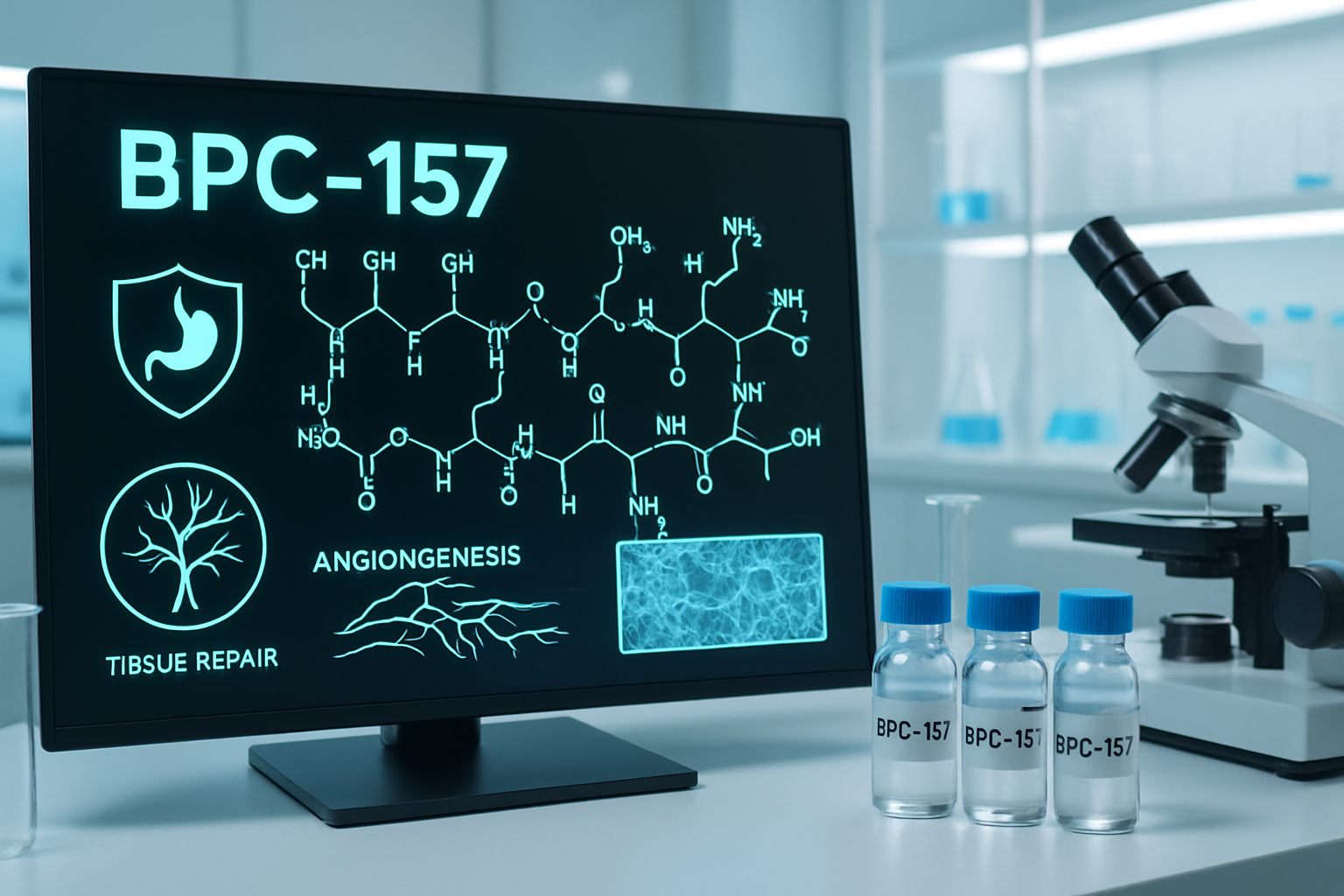
Body Protection Compound-157 (BPC-157) is a synthetic peptide consisting of 15 amino acids, derived from a protective protein naturally found in human gastric juice. This pentadecapeptide has garnered significant attention in research circles due to its potential protective and regenerative properties demonstrated in preclinical studies.
The peptide's molecular structure allows it to remain stable in gastric acid, making it particularly interesting for gastrointestinal research applications. Scientists have identified several key mechanisms through which BPC-157 may exert its effects:
Primary Research Mechanisms:
- Angiogenesis promotion through VEGF (Vascular Endothelial Growth Factor) expression
- Nitric oxide pathway modulation for improved blood flow
- Endothelial tissue protection and repair
- Anti-inflammatory responses in various tissue types
BPC-157 Research Applications
Laboratory studies have explored BPC-157's potential across multiple research domains. Animal models have shown promising results in areas such as:
-
Gastrointestinal Protection 🛡️
- Ulcer healing acceleration
- Inflammatory bowel disease management
- Gastric mucosa protection
-
Musculoskeletal Research
- Tendon and ligament repair studies
- Muscle tissue regeneration
- Bone healing enhancement
-
Cardiovascular Studies
- Blood vessel formation
- Endothelial function improvement
- Cardiac protection research
Researchers interested in exploring BPC-157 research applications can find detailed information about current study protocols and methodologies.
TB-500: The Tissue Regeneration Catalyst
Understanding TB-500 Structure and Function
TB-500 represents a synthetic version of Thymosin Beta-4, a naturally occurring 43-amino acid peptide present in human cells. This peptide plays a crucial role in cellular processes related to tissue repair and regeneration, making it a valuable tool for research applications.
The primary mechanism of action for TB-500 involves actin regulation, a fundamental process in cellular movement and tissue repair. Key research findings include:
Core Mechanisms:
- Cell migration enhancement through actin binding
- Inflammatory response modulation
- Wound healing acceleration via gene upregulation
- Blood vessel formation support
TB-500 in Laboratory Research
Scientific investigations have revealed TB-500's potential across various research applications. Studies utilizing TB-500 in laboratory settings have demonstrated:
Research Focus Areas:
-
Cardiovascular Studies 💓
- Heart function improvement post-injury
- Enhanced blood vessel formation
- Cardiac tissue protection
-
Wound Healing Research
- Accelerated tissue repair
- Reduced scarring formation
- Enhanced cellular migration
-
Neurological Applications
- Neuroprotective effects
- Neural tissue regeneration
- Brain injury recovery studies
BPC-157 and TB-500: Synergistic Research Potential
Combined Research Applications
The combination of BPC-157 and TB-500 has become increasingly popular in research settings, with scientists exploring potential synergistic effects between these two peptides. While individual studies show promise, combined research protocols aim to leverage the complementary mechanisms of both compounds.
Theoretical Synergistic Benefits:
- Enhanced tissue repair through multiple pathways
- Improved angiogenesis and blood flow
- Comprehensive anti-inflammatory effects
- Accelerated healing timelines
Researchers can explore BPC-157 and TB-500 combination protocols for detailed methodology and dosing considerations.
Research Protocol Considerations
When designing studies involving BPC-157 and TB-500, researchers must consider several critical factors:
| Factor | BPC-157 | TB-500 | Combined Protocol |
|---|---|---|---|
| Typical Research Dose | 250-500 mcg daily | 2-5 mg twice weekly | Adjusted based on study design |
| Administration Route | Subcutaneous/IM | Subcutaneous/IM | Coordinated timing |
| Study Duration | 2-8 weeks | 4-6 weeks | Extended monitoring |
| Monitoring Parameters | Gastric function, tissue repair | Cardiovascular, wound healing | Comprehensive assessment |
<!DOCTYPE html>
<html lang="en">
<head>
    <meta charset="UTF-8">
    <meta name="viewport" content="width=device-width, initial-scale=1.0">
    <title>BPC-157 and TB-500 Research Protocol Calculator</title>
    <style>
        .cg-element-container {
            max-width: 800px;
            margin: 20px auto;
            padding: 20px;
            background: linear-gradient(135deg, #667eea 0%, #764ba2 100%);
            border-radius: 15px;
            box-shadow: 0 10px 30px rgba(0,0,0,0.2);
            font-family: 'Arial', sans-serif;
            color: white;
        }

        .cg-element-title {
            text-align: center;
            font-size: 24px;
            margin-bottom: 25px;
            font-weight: bold;
        }

        .cg-element-form {
            background: rgba(255,255,255,0.1);
            padding: 20px;
            border-radius: 10px;
            margin-bottom: 20px;
        }

        .cg-element-input-group {
            margin-bottom: 15px;
        }

        .cg-element-label {
            display: block;
            margin-bottom: 5px;
            font-weight: bold;
        }

        .cg-element-input, .cg-element-select {
            width: 100%;
            padding: 10px;
            border: none;
            border-radius: 5px;
            font-size: 16px;
            box-sizing: border-box;
        }

        .cg-element-button {
            background: #4CAF50;
            color: white;
            padding: 12px 24px;
            border: none;
            border-radius: 5px;
            cursor: pointer;
            font-size: 16px;
            width: 100%;
            margin-top: 10px;
            transition: background 0.3s;
        }

        .cg-element-button:hover {
            background: #45a049;
        }

        .cg-element-results {
            background: rgba(255,255,255,0.15);
            padding: 20px;
            border-radius: 10px;
            margin-top: 20px;
            display: none;
        }

        .cg-element-result-item {
            margin-bottom: 15px;
            padding: 10px;
            background: rgba(255,255,255,0.1);
            border-radius: 5px;
        }

        .cg-element-warning {
            background: rgba(255,193,7,0.2);
            border-left: 4px solid #ffc107;
            padding: 15px;
            margin-top: 20px;
            border-radius: 5px;
            font-size: 14px;
        }

        @media (max-width: 600px) {
            .cg-element-container {
                margin: 10px;
                padding: 15px;
            }
            .cg-element-title {
                font-size: 20px;
            }
        }
    </style>
</head>
<body>
    <div class="cg-element-container">
        <div class="cg-element-title">🧬 BPC-157 & TB-500 Research Protocol Calculator</div>

        <div class="cg-element-form">
            <div class="cg-element-input-group">
                <label class="cg-element-label" for="bodyWeight">Subject Weight (kg):</label>
                <input type="number" id="bodyWeight" class="cg-element-input" placeholder="Enter weight in kg" min="1" max="200">
            </div>

            <div class="cg-element-input-group">
                <label class="cg-element-label" for="studyType">Research Focus:</label>
                <select id="studyType" class="cg-element-select">
                    <option value="">Select study type</option>
                    <option value="tissue">Tissue Repair Research</option>
                    <option value="gastric">Gastric Protection Studies</option>
                    <option value="cardiovascular">Cardiovascular Research</option>
                    <option value="wound">Wound Healing Studies</option>
                    <option value="combined">Combined Protocol Research</option>
                </select>
            </div>

            <div class="cg-element-input-group">
                <label class="cg-element-label" for="duration">Study Duration (weeks):</label>
                <select id="duration" class="cg-element-select">
                    <option value="">Select duration</option>
                    <option value="2">2 weeks</option>
                    <option value="4">4 weeks</option>
                    <option value="6">6 weeks</option>
                    <option value="8">8 weeks</option>
                </select>
            </div>

            <button class="cg-element-button" onclick="calculateProtocol()">Calculate Research Protocol</button>
        </div>

        <div id="results" class="cg-element-results">
            <h3>📊 Suggested Research Protocol</h3>
            <div id="bpc157Protocol" class="cg-element-result-item"></div>
            <div id="tb500Protocol" class="cg-element-result-item"></div>
            <div id="totalRequirement" class="cg-element-result-item"></div>
            <div id="monitoringSchedule" class="cg-element-result-item"></div>
        </div>

        <div class="cg-element-warning">
            ⚠️ <strong>Research Use Only:</strong> These calculations are for laboratory research purposes only. BPC-157 and TB-500 are not approved for human use by the FDA. Always consult with qualified researchers and follow institutional protocols.
        </div>
    </div>

    <script>
        function calculateProtocol() {
            const weight = parseFloat(document.getElementById('bodyWeight').value);
            const studyType = document.getElementById('studyType').value;
            const duration = parseInt(document.getElementById('duration').value);

            if (!weight || !studyType || !duration) {
                alert('Please fill in all fields to calculate the research protocol.');
                return;
            }

            let bpc157Dose, tb500Dose, bpc157Frequency, tb500Frequency;

            // Calculate doses based on study type and weight
            switch(studyType) {
                case 'tissue':
                    bpc157Dose = Math.round(weight * 5); // 5 mcg/kg
                    tb500Dose = Math.round(weight * 40); // 40 mcg/kg
                    bpc157Frequency = 'daily';
                    tb500Frequency = 'twice weekly';
                    break;
                case 'gastric':
                    bpc157Dose = Math.round(weight * 7); // 7 mcg/kg
                    tb500Dose = Math.round(weight * 30); // 30 mcg/kg
                    bpc157Frequency = 'daily';
                    tb500Frequency = 'twice weekly';
                    break;
                case 'cardiovascular':
                    bpc157Dose = Math.round(weight * 4); // 4 mcg/kg
                    tb500Dose = Math.round(weight * 50); // 50 mcg/kg
                    bpc157Frequency = 'daily';
                    tb500Frequency = 'twice weekly';
                    break;
                case 'wound':
                    bpc157Dose = Math.round(weight * 6); // 6 mcg/kg
                    tb500Dose = Math.round(weight * 45); // 45 mcg/kg
                    bpc157Frequency = 'daily';
                    tb500Frequency = 'twice weekly';
                    break;
                case 'combined':
                    bpc157Dose = Math.round(weight * 5); // 5 mcg/kg
                    tb500Dose = Math.round(weight * 35); // 35 mcg/kg
                    bpc157Frequency = 'daily';
                    tb500Frequency = 'twice weekly';
                    break;
            }

            // Calculate total requirements
            const bpc157Total = bpc157Dose * duration * 7; // Total mcg needed
            const tb500Total = tb500Dose * duration * 2; // Total mcg needed (2x per week)

            // Display results
            document.getElementById('bpc157Protocol').innerHTML =
                `<strong>BPC-157 Protocol:</strong><br>
                Dose: ${bpc157Dose} mcg ${bpc157Frequency}<br>
                Administration: Subcutaneous injection<br>
                Total needed: ${(bpc157Total/1000).toFixed(1)} mg`;

            document.getElementById('tb500Protocol').innerHTML =
                `<strong>TB-500 Protocol:</strong><br>
                Dose: ${tb500Dose} mcg ${tb500Frequency}<br>
                Administration: Subcutaneous injection<br>
                Total needed: ${(tb500Total/1000).toFixed(1)} mg`;

            document.getElementById('totalRequirement').innerHTML =
                `<strong>Study Requirements:</strong><br>
                Duration: ${duration} weeks<br>
                BPC-157 vials needed: ${Math.ceil(bpc157Total/5000)} x 5mg vials<br>
                TB-500 vials needed: ${Math.ceil(tb500Total/5000)} x 5mg vials`;

            document.getElementById('monitoringSchedule').innerHTML =
                `<strong>Monitoring Schedule:</strong><br>
                Baseline assessment: Day 0<br>
                Weekly evaluations: Weeks 1-${duration}<br>
                Follow-up: 2 weeks post-study<br>
                Parameters: Tissue markers, inflammatory indicators, safety metrics`;

            document.getElementById('results').style.display = 'block';
        }
    </script>
</body>
</html>
Safety Considerations and Regulatory Status
Current Regulatory Landscape
As of 2025, both BPC-157 and TB-500 remain classified as research compounds without FDA approval for human therapeutic use. The regulatory status presents several important considerations for researchers:
Key Regulatory Points:
- FDA Status: Not approved for human use
- WADA Classification: Prohibited in competitive sports (S0 category)
- Legal Availability: Research purposes only
- Quality Control: Variable between suppliers
Safety Profile and Research Considerations
The safety profiles of BPC-157 and TB-500 remain largely unknown due to limited long-term human studies. Researchers must consider potential risks and implement appropriate safety protocols:
Safety Considerations:
- Unknown long-term effects on cellular growth
- Potential immune system interactions
- Possible cardiovascular effects
- Drug interaction potential
Research institutions should establish comprehensive safety monitoring protocols when conducting studies with these peptides. Best practices for storing research peptides provide essential guidelines for maintaining compound integrity and safety.
Research Methodologies and Study Design
Designing Effective BPC-157 and TB-500 Studies
Successful research protocols involving BPC-157 and TB-500 require careful consideration of multiple variables. Researchers should establish clear objectives, appropriate controls, and comprehensive monitoring systems.
Essential Study Components:
-
Baseline Assessments 📊
- Tissue integrity measurements
- Inflammatory marker levels
- Cardiovascular parameters
- Gastrointestinal function
-
Intervention Protocols
- Standardized dosing schedules
- Administration route consistency
- Environmental control factors
- Timing optimization
-
Outcome Measurements
- Quantitative healing assessments
- Biomarker analysis
- Functional improvement metrics
- Safety parameter monitoring
Quality Assurance in Peptide Research
Research quality depends heavily on peptide purity and consistency. Institutions conducting studies should prioritize suppliers that provide comprehensive certificates of analysis and maintain strict quality standards. Pure Tested Peptides offers research-grade compounds with detailed analytical documentation.
Quality Control Factors:
- Purity Verification: >98% purity standards
- Stability Testing: Proper storage and handling
- Batch Consistency: Lot-to-lot reproducibility
- Analytical Documentation: Complete COA provision
Future Research Directions

Emerging Applications for BPC-157 and TB-500
The research landscape for BPC-157 and TB-500 continues to evolve, with new applications and methodologies emerging regularly. Current trends indicate growing interest in:
Promising Research Areas:
-
Neurological Applications 🧠
- Neuroprotection studies
- Cognitive function research
- Neurodegenerative disease models
-
Metabolic Research
- Energy metabolism studies
- Cellular efficiency investigations
- Mitochondrial function analysis
-
Aging Research
- Cellular senescence studies
- Longevity pathway investigations
- Age-related decline mitigation
Integration with Advanced Research Technologies
Modern research methodologies increasingly incorporate advanced technologies to enhance study precision and data quality. Peptide mapping and adaptive capacity research represents one such advancement in understanding peptide mechanisms.
Technology Integration:
- Genomic Analysis: Gene expression profiling
- Proteomics: Protein interaction mapping
- Imaging Technologies: Real-time tissue monitoring
- Biomarker Discovery: Novel indicator identification
Practical Research Implementation
Laboratory Setup and Equipment
Implementing BPC-157 and TB-500 research requires appropriate laboratory infrastructure and equipment. Essential considerations include:
Infrastructure Requirements:
- Temperature-controlled storage (-20°C to -80°C)
- Sterile preparation areas
- Analytical equipment for purity verification
- Proper waste disposal systems
Research Documentation and Compliance
Comprehensive documentation ensures research reproducibility and regulatory compliance. Key documentation elements include:
Documentation Standards:
- Detailed protocol descriptions
- Batch records and lot tracking
- Adverse event reporting systems
- Data integrity maintenance
Researchers interested in expanding their peptide research capabilities can explore comprehensive peptide catalogs to identify complementary compounds for multi-target studies.
Economic Considerations in Peptide Research
Cost-Effectiveness Analysis
Research institutions must balance scientific objectives with budget constraints when designing BPC-157 and TB-500 studies. Cost considerations include:
Budget Factors:
- Peptide acquisition costs
- Storage and handling expenses
- Analytical testing requirements
- Personnel and equipment costs
Research Investment Optimization
Maximizing research value requires strategic planning and resource allocation. Institutions can optimize investments through:
Optimization Strategies:
- Collaborative research partnerships
- Shared resource utilization
- Bulk purchasing agreements
- Multi-study protocol design
Conclusion
The research landscape surrounding BPC-157 and TB-500 continues to evolve rapidly, offering exciting opportunities for scientific discovery and therapeutic development. While these peptides show promising potential in preclinical studies, researchers must maintain rigorous scientific standards and acknowledge current limitations in human clinical data.
Key considerations for future research include establishing standardized protocols, implementing comprehensive safety monitoring, and advancing our understanding of molecular mechanisms. The combination of BPC-157 and TB-500 represents a particularly intriguing area for investigation, with potential synergistic effects warranting careful scientific exploration.
As we progress through 2025, the scientific community must balance enthusiasm for these compounds' potential with the need for methodical, evidence-based research approaches. Success in this field will depend on collaboration between researchers, regulatory bodies, and industry stakeholders to advance our understanding while maintaining the highest standards of scientific integrity.
Next Steps for Researchers:
- Develop comprehensive study protocols with appropriate controls
- Establish partnerships with qualified peptide suppliers
- Implement robust safety monitoring systems
- Contribute to the growing body of scientific literature
- Stay informed about evolving regulatory requirements
The future of BPC-157 and TB-500 research holds tremendous promise, but realizing this potential requires continued dedication to rigorous scientific methodology and responsible research practices.
References
[1] Sikiric, P., et al. (2018). "Stable gastric pentadecapeptide BPC 157: Novel therapy in gastrointestinal tract." Current Pharmaceutical Design, 24(18), 1990-2001.
[2] Philp, D., et al. (2003). "Thymosin β4 and a synthetic peptide containing its actin-binding domain promote dermal wound repair in db/db diabetic mice and in aged mice." Wound Repair and Regeneration, 11(1), 19-24.
[3] World Anti-Doping Agency. (2025). "Prohibited List 2025." WADA Technical Document.
[4] Chang, C. H., et al. (2011). "The promoting effect of pentadecapeptide BPC 157 on tendon healing involves tendon outgrowth, cell survival, and cell migration." Journal of Applied Physiology, 110(3), 774-780.
[5] Bock-Marquette, I., et al. (2004). "Thymosin β4 activates integrin-linked kinase and promotes cardiac cell migration, survival and cardiac repair." Nature, 432(7016), 466-472.
SEO Meta Information
Meta Title: BPC-157 and TB-500: Complete Research Guide for 2025
Meta Description: Comprehensive guide to BPC-157 and TB-500 research peptides. Learn about mechanisms, applications, safety, and protocols for laboratory studies in 2025.