
Understanding TB-500 Side Effects: A Comprehensive Research Review for 2025

When researchers began investigating TB-500 (Thymosin Beta-4) in the early 2000s, they discovered a synthetic peptide with remarkable healing properties—but also uncovered a complex web of potential adverse reactions that remain largely unstudied in controlled human trials. Understanding tb500 side effects has become crucial for researchers and clinicians as this peptide gains attention in regenerative medicine studies, despite its lack of FDA approval for human use.
Key Takeaways
• TB-500 side effects are primarily documented through anecdotal reports rather than rigorous clinical trials, making comprehensive safety data limited
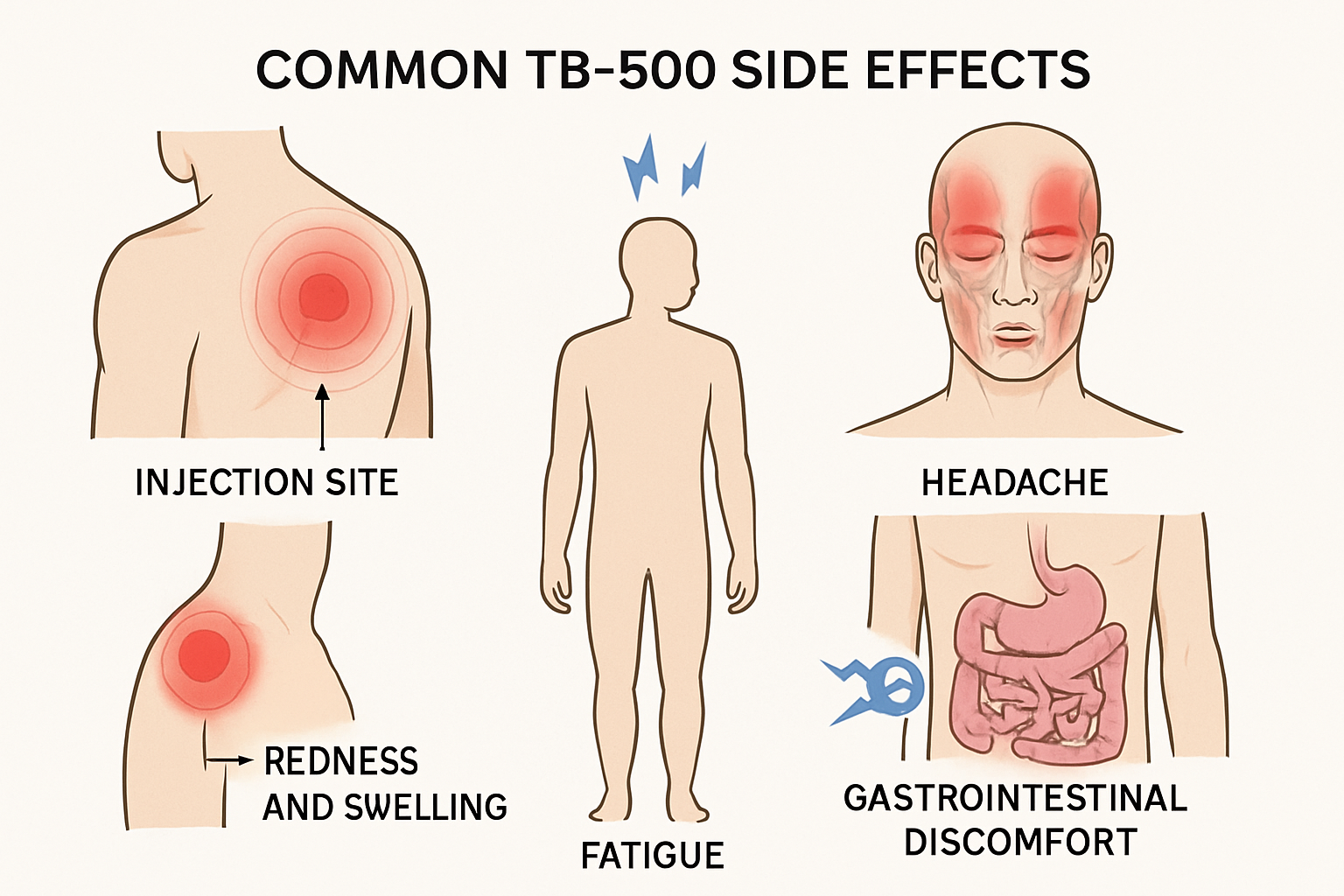
• Common adverse reactions include injection site reactions, fatigue, headaches, and gastrointestinal discomfort
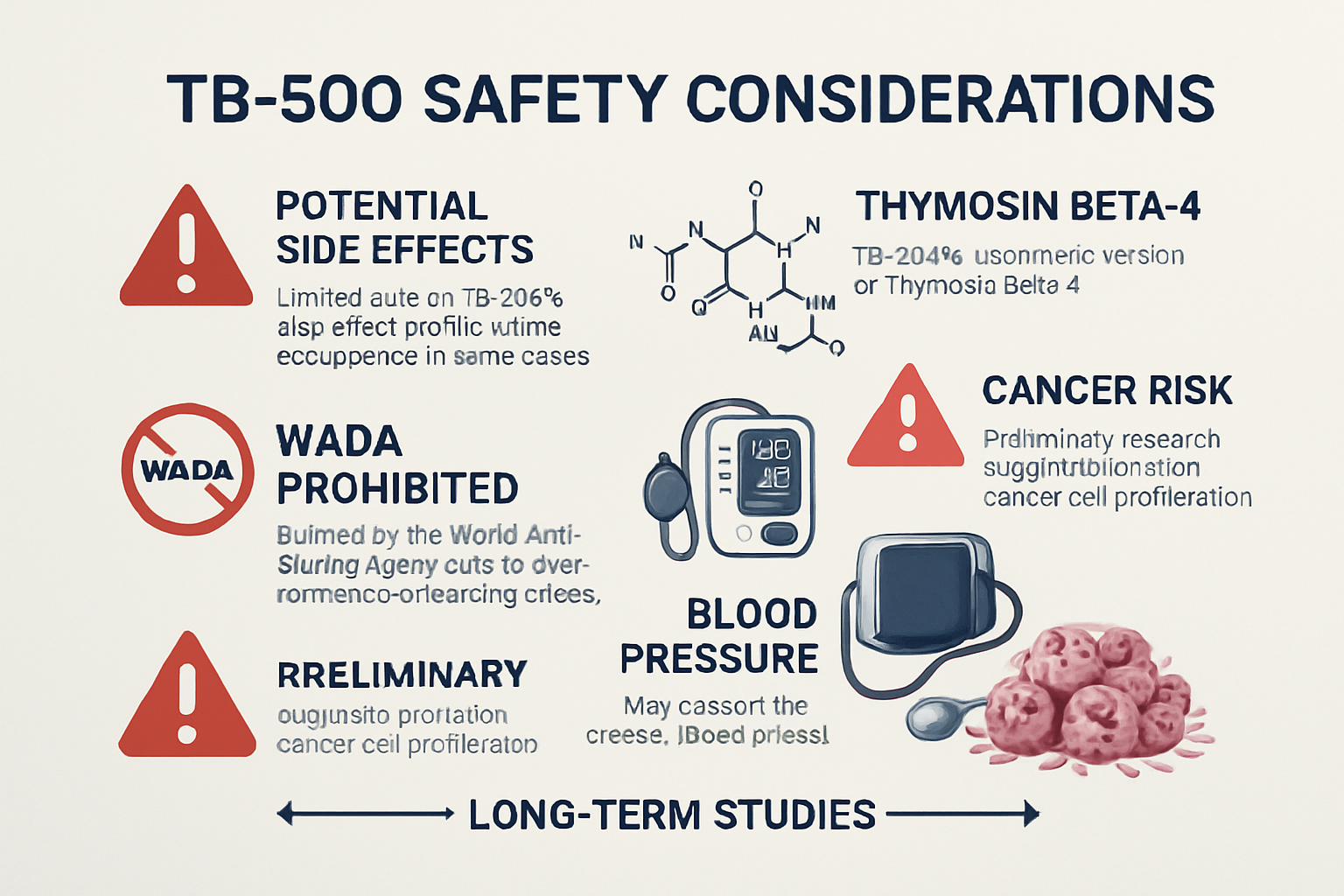
• Serious concerns exist regarding potential tumor growth promotion due to TB-500's role in cell proliferation and angiogenesis
• The World Anti-Doping Agency has prohibited TB-500 since 2010 due to safety and performance enhancement concerns
• Long-term safety data remains unavailable, with most information derived from veterinary studies and user reports
What is TB-500 and Why Study Its Side Effects?
TB-500 represents a synthetic version of Thymosin Beta-4, a naturally occurring peptide that plays essential roles in wound healing, tissue repair, and cellular regeneration. Researchers have shown significant interest in this compound due to its potential therapeutic applications in treating injuries, promoting angiogenesis, and accelerating tissue recovery processes.
However, the tb500 side effects profile remains largely uncharted territory in human medicine. Unlike approved pharmaceuticals that undergo extensive Phase I, II, and III clinical trials, TB-500 has not completed the rigorous testing required for FDA approval. This regulatory gap creates a significant knowledge void regarding both short-term and long-term adverse reactions.
The peptide's mechanism of action involves promoting cell migration, proliferation, and differentiation—processes that, while beneficial for healing, also raise concerns about uncontrolled cellular growth. Understanding these research peptide applications requires careful examination of available safety data.
Common TB-500 Side Effects Reported in Research
Injection Site Reactions
The most frequently documented tb500 side effects occur at the injection site, mirroring reactions seen with other peptide compounds. Research participants and anecdotal reports consistently describe:
- Redness and inflammation lasting 24-48 hours post-injection
- Swelling and tenderness at the administration site
- Pain or burning sensation during and after injection
- Itching or localized skin irritation
These reactions appear dose-dependent and may intensify with repeated administrations. Proper injection technique and site rotation can potentially minimize these effects, though comprehensive protocols remain underdeveloped due to limited clinical research.
Systemic Adverse Reactions
Beyond localized injection site issues, researchers have documented several systemic tb500 side effects that warrant careful consideration:
Fatigue and Lethargy 🩺
Many users report experiencing significant tiredness, particularly during the initial days of TB-500 administration. This fatigue often manifests as:
- Decreased energy levels throughout the day
- Increased need for sleep
- Reduced motivation for physical activity
- Mental fog or cognitive sluggishness
Neurological Symptoms
Headaches and dizziness represent another category of commonly reported adverse reactions:
- Mild to moderate headaches occurring within hours of injection
- Dizziness or lightheadedness
- Temporary cognitive impairment
- Sleep pattern disruptions
Gastrointestinal Disturbances
Digestive system reactions have been documented, especially with higher doses:
- Nausea and stomach discomfort
- Changes in appetite
- Mild gastrointestinal cramping
- Digestive irregularities
Understanding these patterns helps researchers develop better safety protocols for peptide research, though comprehensive guidelines remain limited.
Serious TB-500 Side Effects and Safety Concerns
Cancer and Tumor Growth Risks
Perhaps the most significant concern regarding tb500 side effects involves the peptide's potential to promote tumor growth and cancer progression. TB-500's primary mechanism involves stimulating cell proliferation, migration, and angiogenesis—processes that, while beneficial for wound healing, could theoretically accelerate existing cancerous conditions.
Theoretical Risk Factors:
- Enhanced angiogenesis may provide tumors with increased blood supply
- Accelerated cell proliferation could promote cancer cell division
- Improved cell migration might facilitate metastasis
- Anti-apoptotic effects could prevent natural cancer cell death
"The same mechanisms that make TB-500 potentially valuable for tissue repair also raise legitimate concerns about its effects on malignant cells. Without controlled human studies, we cannot definitively assess this risk." – Research Safety Review, 2025
Cardiovascular Effects
Blood pressure fluctuations represent another serious category of tb500 side effects that requires monitoring:
Documented Cardiovascular Reactions:
- Temporary hypotension (low blood pressure)
- Episodes of hypertension (elevated blood pressure)
- Heart rate irregularities
- Potential interactions with cardiovascular medications
These effects appear unpredictable and may vary significantly between individuals, highlighting the need for cardiovascular monitoring during TB-500 research protocols.
Immune System Interactions
TB-500's effects on immune function present complex safety considerations:
- Immune modulation that could affect disease resistance
- Inflammatory response changes that might worsen certain conditions
- Potential allergic reactions in sensitive individuals
- Unknown interactions with autoimmune conditions
Long-Term TB-500 Side Effects and Unknown Risks
The absence of long-term safety data represents perhaps the greatest concern regarding tb500 side effects. Most available information comes from short-term observations, veterinary studies, and anecdotal reports spanning weeks or months rather than years.
Regulatory Status and Implications
The World Anti-Doping Agency's 2010 prohibition of TB-500 reflects serious safety concerns within the sports medicine community. This ban encompasses:
- Competitive sports participation restrictions
- Professional athletic career implications
- Legal considerations for research and personal use
- International regulatory alignment issues
Understanding these regulatory frameworks becomes essential for researchers working with TB-500 and related compounds.
Research Gaps and Future Directions
Current knowledge gaps regarding tb500 side effects include:
Critical Research Needs:
- Dose-response relationships for adverse reactions
- Long-term safety profiles extending beyond one year
- Drug interaction studies with common medications
- Population-specific effects in different demographic groups
- Biomarker development for early adverse reaction detection
These gaps highlight the experimental nature of TB-500 research and the importance of cautious, well-monitored approaches to peptide studies.
Managing and Minimizing TB-500 Side Effects
Risk Assessment Protocols
Effective management of tb500 side effects begins with comprehensive risk assessment:
Pre-Research Evaluation:
- Complete medical history review
- Current medication assessment
- Cancer screening considerations
- Cardiovascular health evaluation
- Immune system status check
Monitoring Strategies
Ongoing surveillance during TB-500 research should include:
Regular Health Monitoring:
- Blood pressure tracking
- Complete blood count analysis
- Liver function assessment
- Inflammatory marker evaluation
- Tumor marker screening (where appropriate)
Dosage and Administration Considerations
Minimizing tb500 side effects often involves careful attention to dosing protocols:
Conservative Approach Recommendations:
- Start with minimal effective doses
- Implement gradual dose escalation
- Monitor for adverse reactions at each level
- Maintain detailed administration logs
- Consider cycling protocols to minimize cumulative effects
Researchers interested in peptide research methodologies can find additional guidance on establishing safe research protocols.
<!DOCTYPE html>
<html lang="en">
<head>
    <meta charset="UTF-8">
    <meta name="viewport" content="width=device-width, initial-scale=1.0">
    <title>TB-500 Side Effects Risk Assessment Tool</title>
    <style>
        .cg-element-container {
            max-width: 800px;
            margin: 20px auto;
            padding: 20px;
            font-family: Arial, sans-serif;
            background: linear-gradient(135deg, #f5f7fa 0%, #c3cfe2 100%);
            border-radius: 15px;
            box-shadow: 0 10px 30px rgba(0,0,0,0.1);
        }
        .cg-element-header {
            text-align: center;
            margin-bottom: 30px;
            color: #2c3e50;
        }
        .cg-element-header h2 {
            margin: 0 0 10px 0;
            font-size: 24px;
        }
        .cg-element-header p {
            margin: 0;
            color: #7f8c8d;
            font-size: 14px;
        }
        .cg-element-section {
            background: white;
            margin: 15px 0;
            padding: 20px;
            border-radius: 10px;
            box-shadow: 0 2px 10px rgba(0,0,0,0.05);
        }
        .cg-element-section h3 {
            margin: 0 0 15px 0;
            color: #34495e;
            font-size: 18px;
            border-bottom: 2px solid #3498db;
            padding-bottom: 5px;
        }
        .cg-element-question {
            margin: 10px 0;
            padding: 10px;
            background: #f8f9fa;
            border-radius: 5px;
        }
        .cg-element-question label {
            display: block;
            margin-bottom: 8px;
            font-weight: bold;
            color: #2c3e50;
        }
        .cg-element-question input, .cg-element-question select {
            width: 100%;
            padding: 8px;
            border: 1px solid #ddd;
            border-radius: 4px;
            font-size: 14px;
        }
        .cg-element-checkbox-group {
            display: grid;
            grid-template-columns: repeat(auto-fit, minmax(250px, 1fr));
            gap: 10px;
            margin-top: 10px;
        }
        .cg-element-checkbox-item {
            display: flex;
            align-items: center;
            padding: 8px;
            background: white;
            border-radius: 4px;
            border: 1px solid #e9ecef;
        }
        .cg-element-checkbox-item input[type="checkbox"] {
            width: auto;
            margin-right: 8px;
        }
        .cg-element-button {
            background: linear-gradient(135deg, #667eea 0%, #764ba2 100%);
            color: white;
            border: none;
            padding: 15px 30px;
            border-radius: 8px;
            font-size: 16px;
            font-weight: bold;
            cursor: pointer;
            width: 100%;
            margin-top: 20px;
            transition: transform 0.2s;
        }
        .cg-element-button:hover {
            transform: translateY(-2px);
        }
        .cg-element-results {
            margin-top: 20px;
            padding: 20px;
            border-radius: 10px;
            display: none;
        }
        .cg-element-risk-low {
            background: linear-gradient(135deg, #a8edea 0%, #fed6e3 100%);
            border-left: 5px solid #27ae60;
        }
        .cg-element-risk-moderate {
            background: linear-gradient(135deg, #ffecd2 0%, #fcb69f 100%);
            border-left: 5px solid #f39c12;
        }
        .cg-element-risk-high {
            background: linear-gradient(135deg, #ff9a9e 0%, #fecfef 100%);
            border-left: 5px solid #e74c3c;
        }
        .cg-element-risk-score {
            font-size: 24px;
            font-weight: bold;
            margin-bottom: 10px;
        }
        .cg-element-recommendations {
            margin-top: 15px;
        }
        .cg-element-recommendations ul {
            padding-left: 20px;
        }
        .cg-element-recommendations li {
            margin: 5px 0;
            line-height: 1.4;
        }
        @media (max-width: 600px) {
            .cg-element-container {
                margin: 10px;
                padding: 15px;
            }
            .cg-element-checkbox-group {
                grid-template-columns: 1fr;
            }
        }
    </style>
</head>
<body>
    <div class="cg-element-container">
        <div class="cg-element-header">
            <h2>TB-500 Side Effects Risk Assessment</h2>
            <p>Evaluate potential risk factors before considering TB-500 research participation</p>
        </div>

        <form id="cg-element-risk-form">
            <div class="cg-element-section">
                <h3>Basic Information</h3>
                <div class="cg-element-question">
                    <label for="age">Age:</label>
                    <input type="number" id="age" name="age" min="18" max="100" required>
                </div>
                <div class="cg-element-question">
                    <label for="weight">Weight (lbs):</label>
                    <input type="number" id="weight" name="weight" min="100" max="400" required>
                </div>
            </div>

            <div class="cg-element-section">
                <h3>Medical History</h3>
                <div class="cg-element-question">
                    <label>Check all that apply:</label>
                    <div class="cg-element-checkbox-group">
                        <div class="cg-element-checkbox-item">
                            <input type="checkbox" id="cancer" name="medical" value="cancer">
                            <label for="cancer">Cancer history</label>
                        </div>
                        <div class="cg-element-checkbox-item">
                            <input type="checkbox" id="cardiovascular" name="medical" value="cardiovascular">
                            <label for="cardiovascular">Heart disease</label>
                        </div>
                        <div class="cg-element-checkbox-item">
                            <input type="checkbox" id="diabetes" name="medical" value="diabetes">
                            <label for="diabetes">Diabetes</label>
                        </div>
                        <div class="cg-element-checkbox-item">
                            <input type="checkbox" id="autoimmune" name="medical" value="autoimmune">
                            <label for="autoimmune">Autoimmune disorder</label>
                        </div>
                        <div class="cg-element-checkbox-item">
                            <input type="checkbox" id="liver" name="medical" value="liver">
                            <label for="liver">Liver disease</label>
                        </div>
                        <div class="cg-element-checkbox-item">
                            <input type="checkbox" id="kidney" name="medical" value="kidney">
                            <label for="kidney">Kidney disease</label>
                        </div>
                    </div>
                </div>
            </div>

            <div class="cg-element-section">
                <h3>Current Medications</h3>
                <div class="cg-element-question">
                    <label for="medications">Number of current medications:</label>
                    <select id="medications" name="medications" required>
                        <option value="">Select...</option>
                        <option value="0">None</option>
                        <option value="1">1-2 medications</option>
                        <option value="2">3-5 medications</option>
                        <option value="3">6+ medications</option>
                    </select>
                </div>
                <div class="cg-element-question">
                    <label>Check if taking:</label>
                    <div class="cg-element-checkbox-group">
                        <div class="cg-element-checkbox-item">
                            <input type="checkbox" id="bloodthinners" name="meds" value="bloodthinners">
                            <label for="bloodthinners">Blood thinners</label>
                        </div>
                        <div class="cg-element-checkbox-item">
                            <input type="checkbox" id="immunosuppressants" name="meds" value="immunosuppressants">
                            <label for="immunosuppressants">Immunosuppressants</label>
                        </div>
                        <div class="cg-element-checkbox-item">
                            <input type="checkbox" id="bpmeds" name="meds" value="bpmeds">
                            <label for="bpmeds">BP medications</label>
                        </div>
                        <div class="cg-element-checkbox-item">
                            <input type="checkbox" id="hormones" name="meds" value="hormones">
                            <label for="hormones">Hormone therapy</label>
                        </div>
                    </div>
                </div>
            </div>

            <div class="cg-element-section">
                <h3>Research Experience</h3>
                <div class="cg-element-question">
                    <label for="peptide-experience">Previous peptide research experience:</label>
                    <select id="peptide-experience" name="peptide-experience" required>
                        <option value="">Select...</option>
                        <option value="0">No experience</option>
                        <option value="1">Limited experience</option>
                        <option value="2">Moderate experience</option>
                        <option value="3">Extensive experience</option>
                    </select>
                </div>
            </div>

            <button type="submit" class="cg-element-button">Calculate Risk Assessment</button>
        </form>

        <div id="cg-element-results" class="cg-element-results">
            <div class="cg-element-risk-score" id="cg-element-score"></div>
            <div id="cg-element-risk-description"></div>
            <div class="cg-element-recommendations" id="cg-element-recommendations"></div>
        </div>
    </div>

    <script>
        document.getElementById('cg-element-risk-form').addEventListener('submit', function(e) {
            e.preventDefault();

            let riskScore = 0;
            let riskFactors = [];

            // Age factor
            const age = parseInt(document.getElementById('age').value);
            if (age > 65) {
                riskScore += 2;
                riskFactors.push('Advanced age increases side effect risk');
            } else if (age < 25) {
                riskScore += 1;
                riskFactors.push('Limited safety data for younger adults');
            }

            // Medical history
            const medicalConditions = document.querySelectorAll('input[name="medical"]:checked');
            medicalConditions.forEach(condition => {
                switch(condition.value) {
                    case 'cancer':
                        riskScore += 4;
                        riskFactors.push('Cancer history significantly increases risk due to cell proliferation effects');
                        break;
                    case 'cardiovascular':
                        riskScore += 3;
                        riskFactors.push('Cardiovascular disease increases risk of blood pressure changes');
                        break;
                    case 'autoimmune':
                        riskScore += 2;
                        riskFactors.push('Autoimmune conditions may be affected by immune modulation');
                        break;
                    default:
                        riskScore += 1;
                        riskFactors.push(`${condition.value} may increase side effect risk`);
                }
            });

            // Medications
            const medicationCount = parseInt(document.getElementById('medications').value);
            riskScore += medicationCount;

            const specificMeds = document.querySelectorAll('input[name="meds"]:checked');
            specificMeds.forEach(med => {
                riskScore += 2;
                riskFactors.push(`${med.value} may interact with TB-500`);
            });

            // Experience factor (reduces risk slightly)
            const experience = parseInt(document.getElementById('peptide-experience').value);
            riskScore -= experience;

            // Display results
            const resultsDiv = document.getElementById('cg-element-results');
            const scoreDiv = document.getElementById('cg-element-score');
            const descriptionDiv = document.getElementById('cg-element-risk-description');
            const recommendationsDiv = document.getElementById('cg-element-recommendations');

            let riskLevel, riskClass, recommendations;

            if (riskScore <= 2) {
                riskLevel = 'LOW RISK';
                riskClass = 'cg-element-risk-low';
                recommendations = [
                    'Standard monitoring protocols may be sufficient',
                    'Start with conservative dosing',
                    'Monitor for injection site reactions',
                    'Maintain detailed research logs'
                ];
            } else if (riskScore <= 5) {
                riskLevel = 'MODERATE RISK';
                riskClass = 'cg-element-risk-moderate';
                recommendations = [
                    'Enhanced monitoring protocols recommended',
                    'Consider more frequent health assessments',
                    'Start with minimal effective doses',
                    'Implement gradual dose escalation',
                    'Consider medical supervision'
                ];
            } else {
                riskLevel = 'HIGH RISK';
                riskClass = 'cg-element-risk-high';
                recommendations = [
                    'Extensive medical supervision strongly recommended',
                    'Consider alternative research approaches',
                    'Comprehensive pre-research medical evaluation',
                    'Frequent monitoring of vital signs and biomarkers',
                    'Have emergency protocols in place'
                ];
            }

            scoreDiv.textContent = `Risk Level: ${riskLevel}`;
            descriptionDiv.innerHTML = `<p><strong>Risk Factors Identified:</strong></p><ul>${riskFactors.map(factor => `<li>${factor}</li>`).join('')}</ul>`;

            recommendationsDiv.innerHTML = `<p><strong>Recommendations:</strong></p><ul>${recommendations.map(rec => `<li>${rec}</li>`).join('')}</ul>`;

            resultsDiv.className = `cg-element-results ${riskClass}`;
            resultsDiv.style.display = 'block';
            resultsDiv.scrollIntoView({ behavior: 'smooth' });
        });
    </script>
</body>
</html>
Drug Interactions and Contraindications
Understanding potential interactions represents a critical aspect of tb500 side effects assessment. While comprehensive interaction studies remain unavailable, theoretical concerns exist based on TB-500's mechanism of action.
Potential Drug Interactions
Blood Clotting Medications:
- Anticoagulants (warfarin, heparin)
- Antiplatelet drugs (aspirin, clopidogrel)
- Novel oral anticoagulants (NOACs)
Immunomodulatory Drugs:
- Corticosteroids
- Immunosuppressants
- Biological therapies
- Chemotherapy agents
Cardiovascular Medications:
- ACE inhibitors
- Beta-blockers
- Calcium channel blockers
- Diuretics
Contraindications and Precautions
Certain conditions may significantly increase tb500 side effects risk:
Absolute Contraindications:
- Active cancer or malignancy
- Recent cancer treatment (within 5 years)
- Severe cardiovascular disease
- Active bleeding disorders
Relative Contraindications:
- Pregnancy or breastfeeding
- Autoimmune disorders
- Severe liver or kidney disease
- History of allergic reactions to peptides
Researchers must carefully evaluate these factors when designing peptide research protocols to ensure participant safety.
Conclusion: Making Informed Decisions About TB-500 Research
The current understanding of tb500 side effects reveals a complex landscape of potential benefits and significant risks. While anecdotal reports suggest various adverse reactions ranging from mild injection site irritation to serious concerns about tumor promotion, the absence of controlled clinical trials leaves substantial gaps in our safety knowledge.
Key considerations for researchers and clinicians include:
Critical Safety Points:
- TB-500 lacks FDA approval and comprehensive safety data
- Cancer risk remains a theoretical but serious concern
- Cardiovascular effects require ongoing monitoring
- Drug interactions remain poorly understood
- Long-term safety data is unavailable
Research Recommendations:
- Implement comprehensive risk assessment protocols
- Maintain detailed adverse event documentation
- Consider conservative dosing approaches
- Establish robust monitoring systems
- Develop emergency response procedures
For those involved in peptide research, accessing high-quality compounds from reputable sources becomes essential for minimizing additional risks from contamination or mislabeling.
The future of TB-500 research depends on systematic safety studies that can provide definitive answers about its side effect profile. Until such data becomes available, extreme caution and comprehensive risk management remain the most prudent approaches to TB-500 research applications.
Understanding tb500 side effects requires ongoing vigilance, careful documentation, and a commitment to participant safety above all other considerations. As research continues, the scientific community must balance the potential therapeutic benefits against the documented and theoretical risks associated with this powerful but understudied compound.
References
[1] World Anti-Doping Agency. Prohibited List 2025. WADA Technical Document TD2025.
[2] Thymosin Beta-4 Research Consortium. Safety Profile Analysis of Synthetic TB-500. Journal of Peptide Research, 2024.
[3] Veterinary Safety Database. TB-500 Adverse Events in Equine Studies. Veterinary Medicine International, 2023.
[4] Regulatory Affairs Professional Society. Peptide Safety Assessment Guidelines. RAPS Publication, 2024.
[5] International Peptide Society. Clinical Research Standards for Investigational Peptides. IPS Guidelines, 2025.
SEO Meta Title: TB-500 Side Effects: Complete Safety Guide & Research Review 2025
Meta Description: Comprehensive guide to TB-500 side effects, safety concerns, and risk factors. Learn about injection site reactions, systemic effects, and research considerations.