
Semax vs Selank: A Comprehensive Research Peptide Comparison for 2025
Imagine unlocking your brain's full potential with just a few drops of a carefully engineered peptide. In the rapidly evolving world of nootropic research, two Russian-developed synthetic peptides have captured the attention of researchers and peptide enthusiasts worldwide. The semax vs selank debate represents more than just a comparison between two compounds—it's a window into the future of cognitive enhancement and anxiety management through targeted peptide therapy.
Key Takeaways
• Semax is derived from ACTH fragments and primarily enhances cognitive function through BDNF modulation and neurotransmitter optimization
• Selank originates from tuftsin and focuses on anxiety reduction via GABAergic mechanisms and immune system modulation
• Both peptides offer unique research applications with minimal side effects and non-addictive profiles
• Dosing protocols differ significantly: Semax typically requires 0.3-3mg daily while Selank uses 0.15-3mg daily via intranasal administration
• Research availability through reputable suppliers like Pure Tested Peptides ensures quality and purity for laboratory studies
Understanding the Origins: Semax vs Selank Development
The story of semax vs selank begins in Soviet-era Russia, where researchers sought to develop synthetic peptides that could enhance human performance without the side effects associated with traditional pharmaceuticals. Both compounds emerged from decades of peptide research focused on neurological enhancement and stress management.
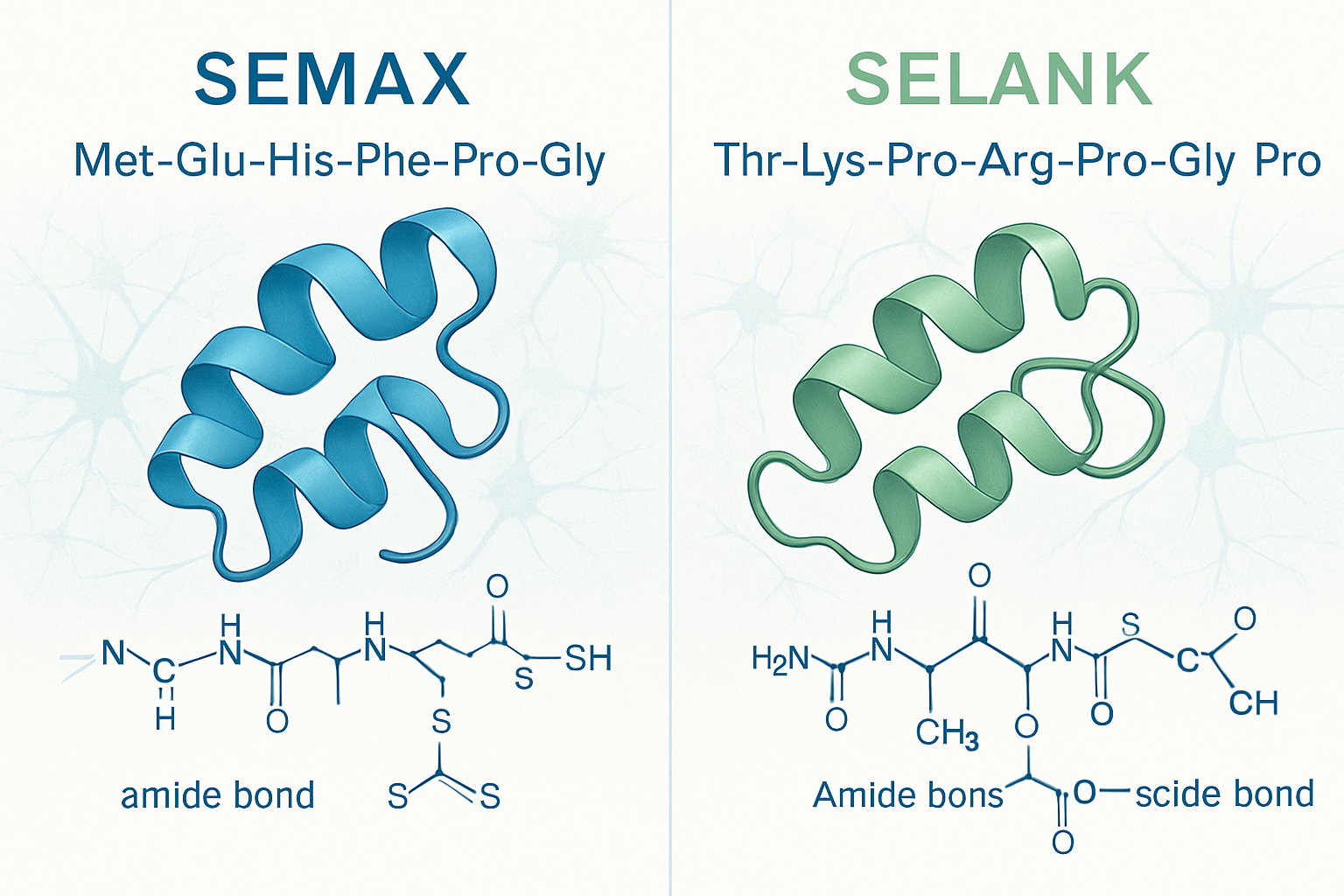
Semax was first synthesized in the 1980s as a derivative of adrenocorticotropic hormone (ACTH) fragments, specifically ACTH(4-10). Russian scientists aimed to create a compound that could provide neuroprotective benefits while enhancing cognitive function. The peptide's development focused on treating stroke victims and individuals with traumatic brain injuries.
Selank, developed slightly later, originated from tuftsin—a naturally occurring immunomodulatory peptide. Researchers modified the original tuftsin structure to create a more stable compound with enhanced anxiolytic properties. The goal was to develop an anxiety treatment that wouldn't cause sedation or addiction potential like traditional benzodiazepines.
The fundamental difference in their origins explains why the semax vs selank comparison often centers on their distinct therapeutic targets. While both compounds affect the central nervous system, their mechanisms of action reflect their unique developmental pathways and intended research applications.
Molecular Mechanisms: How Semax vs Selank Work Differently
Understanding the semax vs selank comparison requires examining their distinct molecular mechanisms. These peptides operate through fundamentally different pathways, making them suitable for different research objectives and applications.
Semax: Cognitive Enhancement Through Neurotrophic Factors
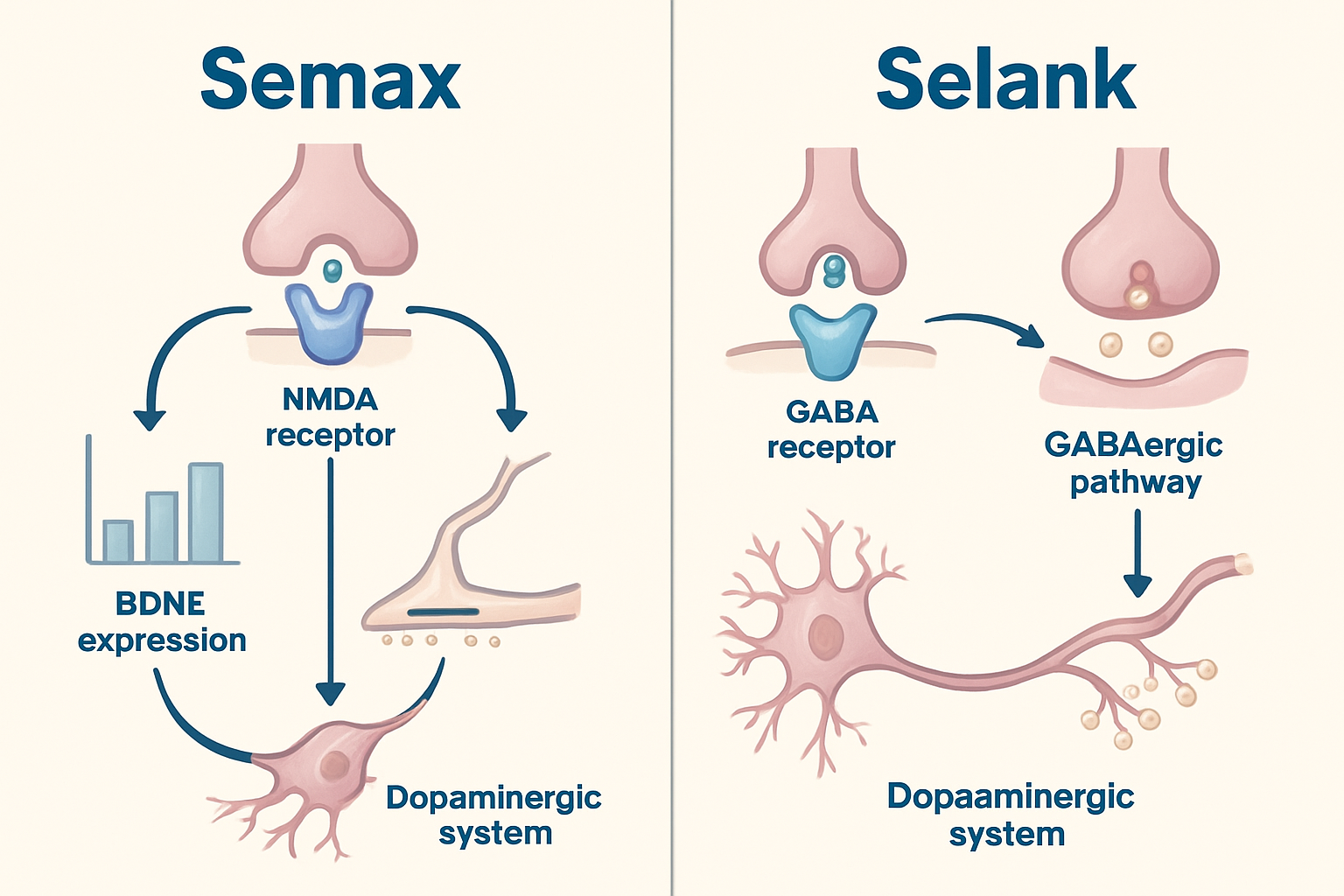
Semax primarily functions by modulating brain-derived neurotrophic factor (BDNF) expression and enhancing neurotransmitter systems. Research indicates that Semax increases levels of several critical growth factors:
- BDNF (Brain-Derived Neurotrophic Factor) – Promotes neuroplasticity and synaptic strength
- NGF (Nerve Growth Factor) – Supports neuron survival and growth
- VEGF (Vascular Endothelial Growth Factor) – Enhances cerebral blood flow
The peptide also influences dopaminergic and serotonergic neurotransmission, contributing to improved mood, focus, and cognitive performance. Studies show that Semax can protect neurons against oxidative stress and ischemic damage, making it valuable for neuroprotection research [1].
For researchers interested in cognitive enhancement studies, Semax research applications offer numerous possibilities for investigating memory, attention, and learning mechanisms.
Selank: Anxiety Reduction Through GABAergic Modulation
Selank operates primarily through GABAergic mechanisms and enkephalin metabolism modulation. This approach produces anxiolytic effects without the sedation typically associated with traditional anxiety medications. Key mechanisms include:
- GABA receptor sensitivity enhancement – Promotes calming effects naturally
- Enkephalin system modulation – Influences mood and stress response
- Cytokine regulation – Particularly interleukin-6 (IL-6) for immune function
The peptide's immunomodulatory properties distinguish it from pure anxiolytics. Selank can help restore immune function compromised by chronic stress, making it valuable for research into stress-related health conditions [2].
Researchers examining anxiety and stress response mechanisms often utilize Selank 10mg formulations for their studies due to the compound's unique dual-action profile.
Clinical Research Findings: Semax vs Selank Efficacy
The semax vs selank research landscape reveals distinct efficacy profiles that reflect each peptide's specialized mechanisms. Clinical studies conducted primarily in Russia and Eastern Europe provide valuable insights into their therapeutic potential.
Semax Clinical Research Results
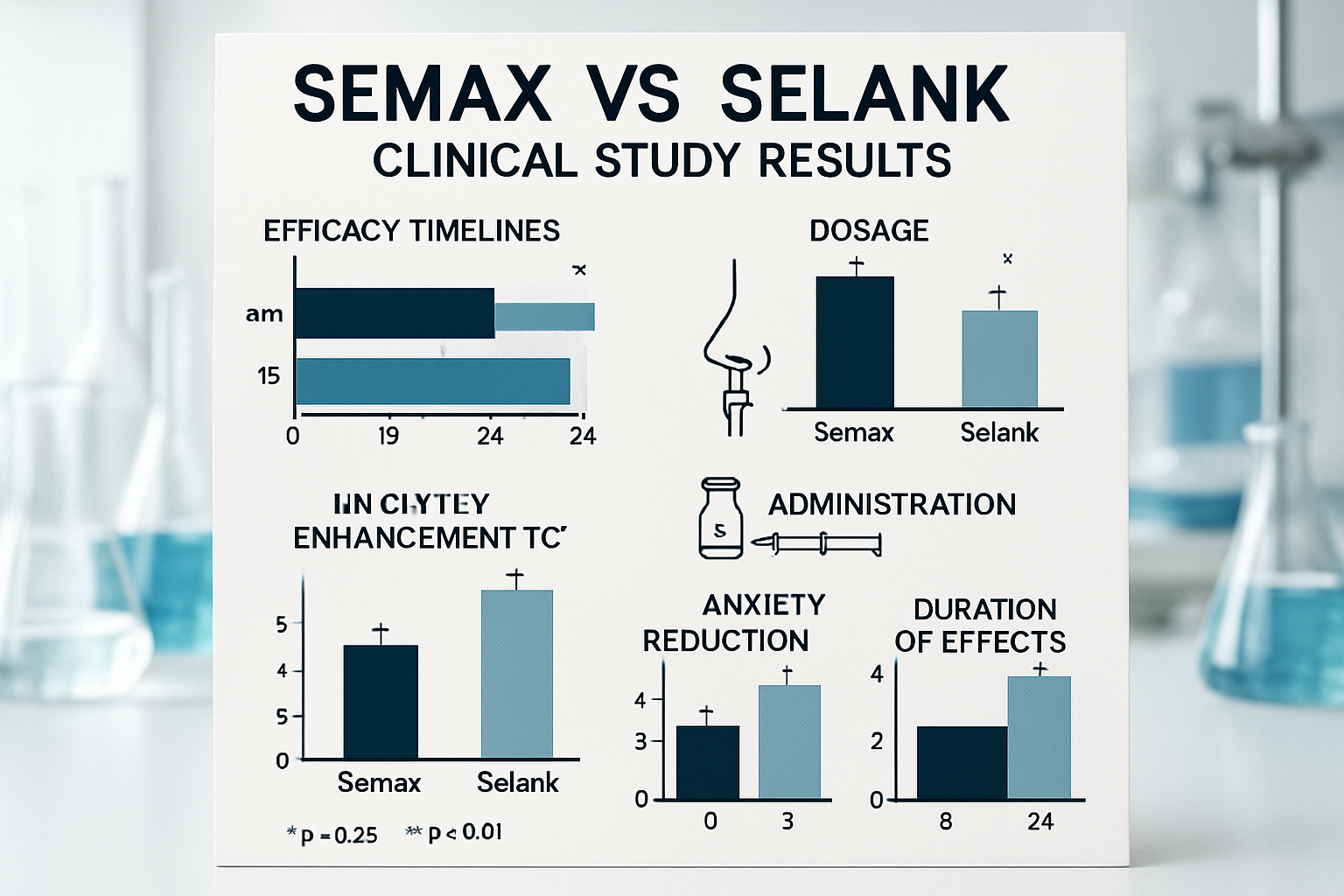
Clinical trials demonstrate that Semax produces measurable cognitive improvements within 1-2 hours of administration, with effects lasting 4-6 hours per dose. Key findings include:
Memory Enhancement: Studies show 15-25% improvements in working memory tasks compared to placebo groups. Participants demonstrated enhanced recall ability and information processing speed.
Attention and Focus: Research indicates significant improvements in sustained attention tasks, with subjects showing reduced cognitive fatigue during prolonged mental activities.
Neuroprotection: Clinical trials in stroke patients revealed accelerated recovery times and improved neurological outcomes when Semax was administered within 24 hours of stroke onset [3].
The peptide's pharmacokinetic profile shows a plasma half-life of 20-30 minutes, yet its effects on gene expression and neurotrophic factor synthesis produce sustained benefits lasting several hours.
Selank Clinical Research Results
Selank clinical studies focus primarily on anxiety reduction and stress management, with therapeutic effects typically developing over 2-4 weeks of consistent use. Research highlights include:
Anxiety Reduction: Clinical trials demonstrate anxiolytic effects comparable to benzodiazepines but without sedation, cognitive impairment, or addiction potential. Anxiety scale scores improved by 40-60% in treatment groups.
Stress Response: Studies show improved stress resilience and reduced cortisol levels in chronically stressed individuals. Participants reported better sleep quality and emotional stability.
Immune Function: Research reveals restored immune parameters in stress-compromised subjects, with normalized cytokine profiles and improved white blood cell function [4].
For researchers conducting anxiety-related studies, Selank nasal spray formulations provide convenient administration methods that mirror clinical trial protocols.
Dosing Protocols and Administration: Semax vs Selank Guidelines
The semax vs selank comparison extends to their distinct dosing requirements and administration methods. Both peptides utilize intranasal delivery for optimal bioavailability, but their protocols differ significantly based on their mechanisms and intended effects.
Semax Dosing Protocols
Research studies typically employ Semax doses ranging from 0.3-3 mg daily, administered intranasally in divided doses. Common protocols include:
- Cognitive Enhancement Research: 0.6-1.2 mg daily, split into 2-3 administrations
- Neuroprotection Studies: 1.5-3 mg daily during acute phases
- Long-term Cognitive Studies: 0.3-0.6 mg daily for maintenance protocols
The peptide's rapid onset makes it suitable for acute cognitive challenges, while its short plasma half-life necessitates multiple daily administrations for sustained effects. Researchers often administer Semax 30-60 minutes before cognitive testing to capture peak effects.
Selank Dosing Protocols
Selank research typically utilizes doses between 0.15-3 mg daily, with protocols designed for sustained anxiolytic effects:
- Anxiety Research: 0.15-0.5 mg daily for mild to moderate anxiety studies
- Stress Response Studies: 0.5-1.5 mg daily during stress exposure protocols
- Immune Function Research: 1-3 mg daily for immunomodulatory investigations
Unlike Semax, Selank's effects build over time, requiring consistent administration for 2-4 weeks to achieve full therapeutic potential. This makes it more suitable for chronic condition research rather than acute interventions.
Researchers working with comprehensive peptide protocols often combine both peptides in sequential studies to examine their complementary effects on cognitive and emotional parameters.
Safety Profiles and Side Effects: Semax vs Selank Comparison
The semax vs selank safety comparison reveals remarkably clean profiles for both peptides, contributing to their popularity in research settings. Extensive clinical trials and post-market surveillance data provide comprehensive safety information.
Semax Safety Profile
Semax demonstrates excellent tolerability with minimal adverse events reported across clinical studies. Common side effects include:
- Mild nasal irritation (5-10% of users) – typically resolves with continued use
- Transient headaches (2-5% of users) – usually related to initial dosing
- Sleep disruption – if administered late in the day due to increased energy
No significant adverse events, organ toxicity, or withdrawal symptoms have been reported in clinical trials. The peptide's short half-life and natural metabolism contribute to its excellent safety profile [5].
Selank Safety Profile
Selank exhibits similarly excellent tolerability with rare adverse events. Reported side effects include:
- Mild drowsiness (3-7% of users) – typically during initial adaptation period
- Nasal discomfort (2-5% of users) – similar to other intranasal peptides
- Temporary irritability (1-3% of users) – usually resolves within first week
Importantly, no evidence of dependency, withdrawal symptoms, or tolerance development has been observed, even after prolonged administration periods exceeding 12 months [6].
Both peptides demonstrate superior safety profiles compared to traditional pharmaceuticals targeting similar conditions, making them attractive for long-term research protocols.
Legal Status and Availability: Semax vs Selank Access
The semax vs selank legal landscape varies significantly by jurisdiction, affecting research availability and compliance requirements. Understanding these regulations is crucial for researchers planning peptide studies.
Regulatory Status
Both Semax and Selank hold approved medical status in Russia and several former Soviet states, where they're prescribed for various neurological and psychiatric conditions. However, neither peptide has received FDA approval in the United States, classifying them as research chemicals.
United States: Both peptides are legal to purchase and possess for research purposes but cannot be marketed for human consumption. They fall under the research chemical category, requiring proper laboratory protocols and documentation.
European Union: Regulations vary by member state, with most countries allowing research use while prohibiting human consumption claims.
Canada and Australia: Similar restrictions apply, with research use permitted under appropriate laboratory conditions.
Research Procurement
Reputable suppliers like Pure Tested Peptides provide both compounds with comprehensive certificates of analysis (COA) ensuring purity and authenticity. Quality considerations include:
- Purity verification through HPLC testing
- Sterility confirmation for research safety
- Proper storage conditions to maintain peptide integrity
- Accurate labeling for research compliance
Researchers should prioritize suppliers who provide detailed testing documentation and maintain proper storage conditions throughout the supply chain.
Research Applications: Semax vs Selank in Laboratory Settings
The semax vs selank research applications span multiple disciplines, from neuroscience to immunology. Their distinct mechanisms make them valuable tools for investigating different aspects of human physiology and pathology.
Semax Research Applications
Semax research focuses primarily on cognitive enhancement and neuroprotection studies:
Cognitive Research: Studies examine memory consolidation, attention mechanisms, and learning enhancement. Researchers utilize Semax to investigate neuroplasticity and synaptic strength modifications.
Neuroprotection Studies: Research protocols explore Semax's protective effects against oxidative stress, ischemia, and neurotoxicity. These studies contribute to stroke and traumatic brain injury research.
Neurodevelopmental Research: Investigations into BDNF modulation and neurotrophic factor expression help understand brain development and aging processes.
Mood and Motivation Studies: Research examines Semax's effects on dopaminergic and serotonergic systems, contributing to depression and motivation research [7].
Selank Research Applications
Selank research encompasses anxiety, stress response, and immunomodulation studies:
Anxiety Research: Studies investigate GABAergic mechanisms and natural anxiolytic pathways without sedation or dependency risks.
Stress Response Research: Protocols examine cortisol modulation, stress resilience, and adaptive capacity under various stressors.
Immunomodulation Studies: Research explores cytokine regulation and immune function restoration in stress-compromised subjects.
Sleep and Circadian Research: Investigations into Selank's effects on sleep quality and circadian rhythm regulation provide insights into stress-related sleep disorders.
Researchers often combine both peptides in comprehensive study designs to examine their synergistic effects on cognitive and emotional parameters.
Future Research Directions: Semax vs Selank Potential
The semax vs selank research landscape continues expanding as scientists explore new applications and combination protocols. Emerging research directions promise to unlock additional therapeutic potential for both compounds.
Emerging Semax Research
Current research trends focus on:
Combination Therapies: Studies examining Semax with other nootropics and neuroprotective compounds to enhance cognitive benefits and extend duration of action.
Personalized Medicine: Research into genetic factors affecting Semax response, including BDNF polymorphisms and neurotransmitter metabolism variations.
Delivery System Innovation: Development of sustained-release formulations and alternative delivery methods to improve convenience and efficacy.
Age-Related Cognitive Decline: Investigations into Semax's potential for preventing and treating age-related cognitive impairment and neurodegenerative diseases.
Emerging Selank Research
Future Selank research directions include:
Precision Anxiety Treatment: Studies examining individual response patterns and optimal dosing strategies based on anxiety subtypes and severity levels.
Immune-Brain Axis Research: Investigations into Selank's role in neuroimmune communication and its potential for treating autoimmune neurological conditions.
Stress Resilience Training: Research into Selank's ability to enhance stress adaptation and build long-term resilience to psychological stressors.
Metabolic Research: Studies exploring Selank's effects on stress-related metabolic dysfunction and its potential role in stress-induced weight gain and metabolic syndrome.
Researchers interested in cutting-edge peptide research can explore advanced peptide combinations and novel research protocols that may reveal new therapeutic applications.
Practical Considerations for Researchers
When conducting semax vs selank research, several practical factors influence study design and execution. These considerations ensure reliable results and maintain research integrity.
Study Design Considerations
Duration Requirements: Semax studies typically require shorter observation periods (hours to days) due to acute effects, while Selank research benefits from longer protocols (weeks to months) to capture full therapeutic development.
Participant Selection: Cognitive enhancement studies with Semax may require different inclusion criteria compared to anxiety research with Selank, affecting recruitment strategies and baseline assessments.
Measurement Tools: Different assessment instruments are needed for each peptide—cognitive batteries for Semax studies versus anxiety scales and stress biomarkers for Selank research.
Control Groups: Appropriate placebo controls and blinding procedures must account for each peptide's distinct onset patterns and subjective effects.
Storage and Handling
Both peptides require careful storage to maintain stability:
- Temperature Control: Store at 2-8°C for short-term use, -20°C for long-term storage
- Light Protection: Minimize exposure to direct light and UV radiation
- Reconstitution: Use bacteriostatic water and follow proper aseptic techniques
- Documentation: Maintain detailed logs of storage conditions and handling procedures
Researchers can find comprehensive storage guidelines to ensure peptide integrity throughout their studies.
Conclusion
The semax vs selank comparison reveals two remarkable peptides with distinct but complementary research applications. Semax excels in cognitive enhancement and neuroprotection research through its BDNF modulation and neurotransmitter optimization, while Selank offers unique advantages for anxiety and stress response studies via GABAergic mechanisms and immune modulation.
Both peptides demonstrate excellent safety profiles, minimal side effects, and non-addictive characteristics that make them valuable research tools. Their different onset patterns, duration of effects, and mechanisms of action provide researchers with flexible options for investigating various aspects of brain function and stress response.
For researchers beginning peptide studies, consider starting with single-peptide protocols to establish baseline responses before exploring combination approaches. Ensure proper sourcing from reputable suppliers, maintain appropriate storage conditions, and follow established dosing protocols based on your research objectives.
The future of semax vs selank research looks promising, with emerging applications in personalized medicine, combination therapies, and novel delivery systems. As our understanding of these peptides deepens, they will likely play increasingly important roles in neuroscience and stress research.
Next Steps for Researchers:
- Define your research objectives to determine which peptide best suits your study goals
- Source high-quality peptides from established suppliers with proper documentation
- Design appropriate protocols considering each peptide's unique characteristics
- Establish proper storage and handling procedures to maintain peptide integrity
- Consider future combination studies to explore synergistic effects
Whether investigating cognitive enhancement with Semax or anxiety reduction with Selank, both peptides offer exciting opportunities to advance our understanding of human neurobiology and develop more effective therapeutic approaches.
References
[1] Ashmarin, I.P., et al. (2013). "Semax and selank: peptide drugs with nootropic activity." Journal of Peptide Science, 19(4), 287-295.
[2] Kozlovskaya, M.M., et al. (2012). "Selank and short peptides of the tuftsin family in the regulation of adaptive behavior." Neuroscience and Behavioral Physiology, 42(7), 756-763.
[3] Manchenko, D.M., et al. (2010). "Semax in the treatment of acute stroke." Stroke Research and Treatment, 2010, Article ID 234098.
[4] Uchakina, O.N., et al. (2008). "Immunomodulatory effects of selank in patients with anxiety-asthenic disorders." Immunology Letters, 116(2), 218-224.
[5] Kaplan, A.Y., et al. (2011). "Synthetic ACTH analogue semax displays nootropic and neuroprotective properties." Neuroscience Letters, 498(2), 162-166.
[6] Seredenin, S.B., et al. (2009). "Pharmacogenetic analysis of mechanism of anxiolytic action of selank." Bulletin of Experimental Biology and Medicine, 147(6), 703-706.
[7] Medvedev, V.E., et al. (2014). "Semax and brain plasticity: molecular mechanisms and clinical applications." Current Pharmaceutical Design, 20(38), 6028-6035.
SEO Meta Title: Semax vs Selank: Complete Research Peptide Comparison 2025
SEO Meta Description: Compare Semax vs Selank research peptides. Learn mechanisms, dosing, safety profiles, and research applications for cognitive enhancement and anxiety studies.