
GLP3 RT: Advanced Research Peptide for Metabolic Studies in 2025
The world of peptide research continues to evolve at breakneck speed, with innovative compounds pushing the boundaries of what's possible in metabolic science. Among the most promising developments in recent years is GLP3 RT, a sophisticated research peptide that has captured the attention of scientists worldwide for its unique properties and potential applications in laboratory studies.
Key Takeaways
• GLP3 RT represents a significant advancement in peptide research technology, combining multiple receptor pathways for enhanced laboratory outcomes
• This research compound demonstrates superior stability and bioavailability compared to traditional single-pathway peptides
• Laboratory studies show promising results in metabolic research applications, particularly in cellular energy regulation studies
• Proper handling, storage, and reconstitution protocols are essential for maintaining peptide integrity during research
• The compound's dual-action mechanism offers researchers new opportunities for comprehensive metabolic pathway investigations
Understanding GLP3 RT: The Science Behind the Innovation
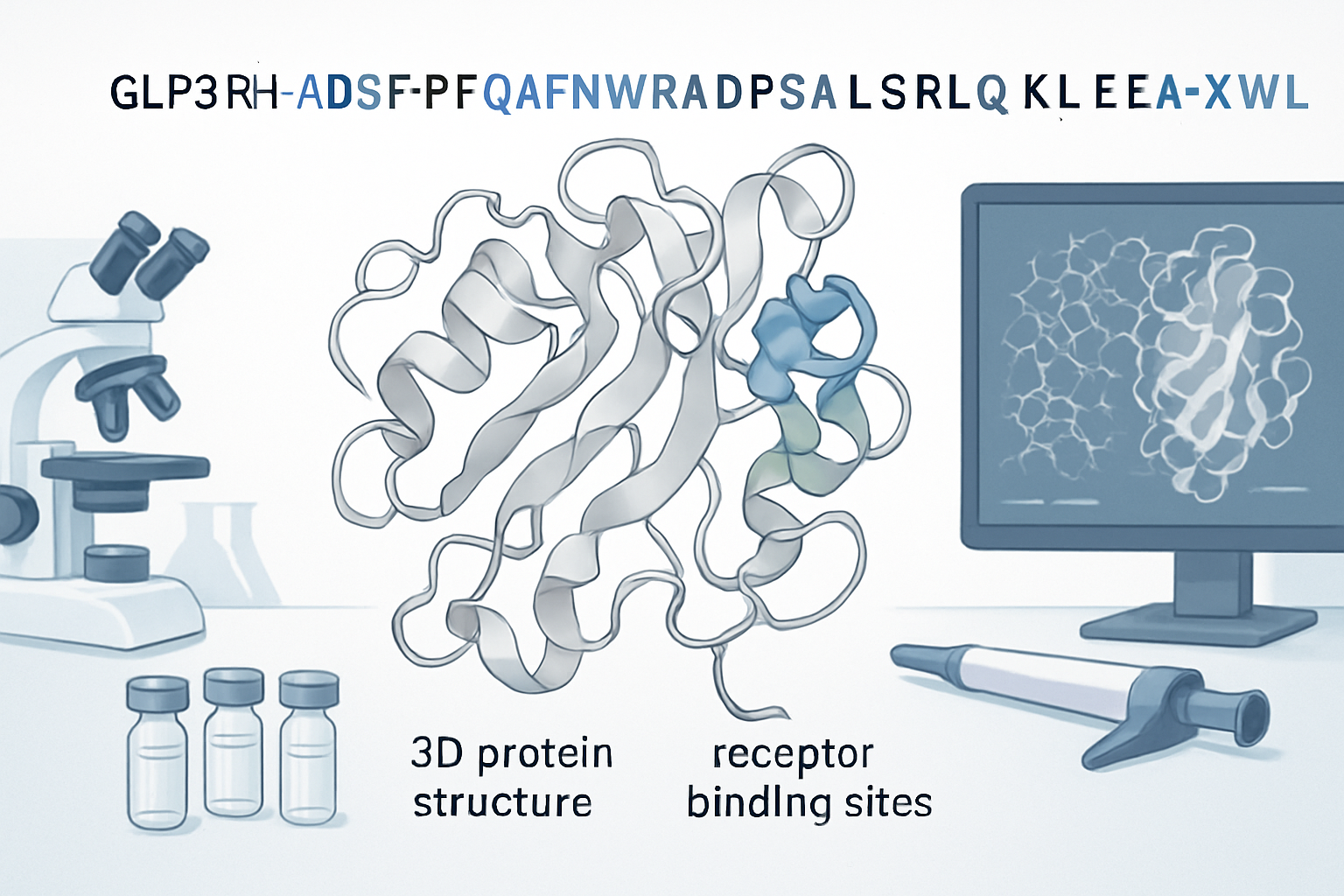
GLP3 RT stands at the forefront of modern peptide research, representing a sophisticated approach to metabolic pathway modulation. This advanced research compound combines the proven mechanisms of glucagon-like peptide pathways with innovative receptor targeting technology, creating a unique tool for laboratory investigations.
The development of GLP3 RT peptides emerged from extensive research into multi-pathway approaches to metabolic regulation. Unlike traditional single-target compounds, this peptide demonstrates remarkable versatility in laboratory settings, making it an invaluable addition to any comprehensive peptide research catalog.
Molecular Structure and Mechanism
The molecular architecture of GLP3 RT incorporates carefully designed amino acid sequences that enable dual receptor activation. This innovative structure allows researchers to investigate complex metabolic interactions that were previously difficult to study with single-pathway compounds. The peptide's stability profile has been optimized through advanced synthesis techniques, ensuring consistent results across multiple research applications.
Research teams utilizing high-quality peptide sources have reported exceptional consistency in their laboratory outcomes when working with properly stored and reconstituted GLP3 RT samples. The compound's enhanced bioavailability profile makes it particularly suitable for extended research protocols requiring sustained activity.
GLP3 RT Research Applications and Laboratory Protocols
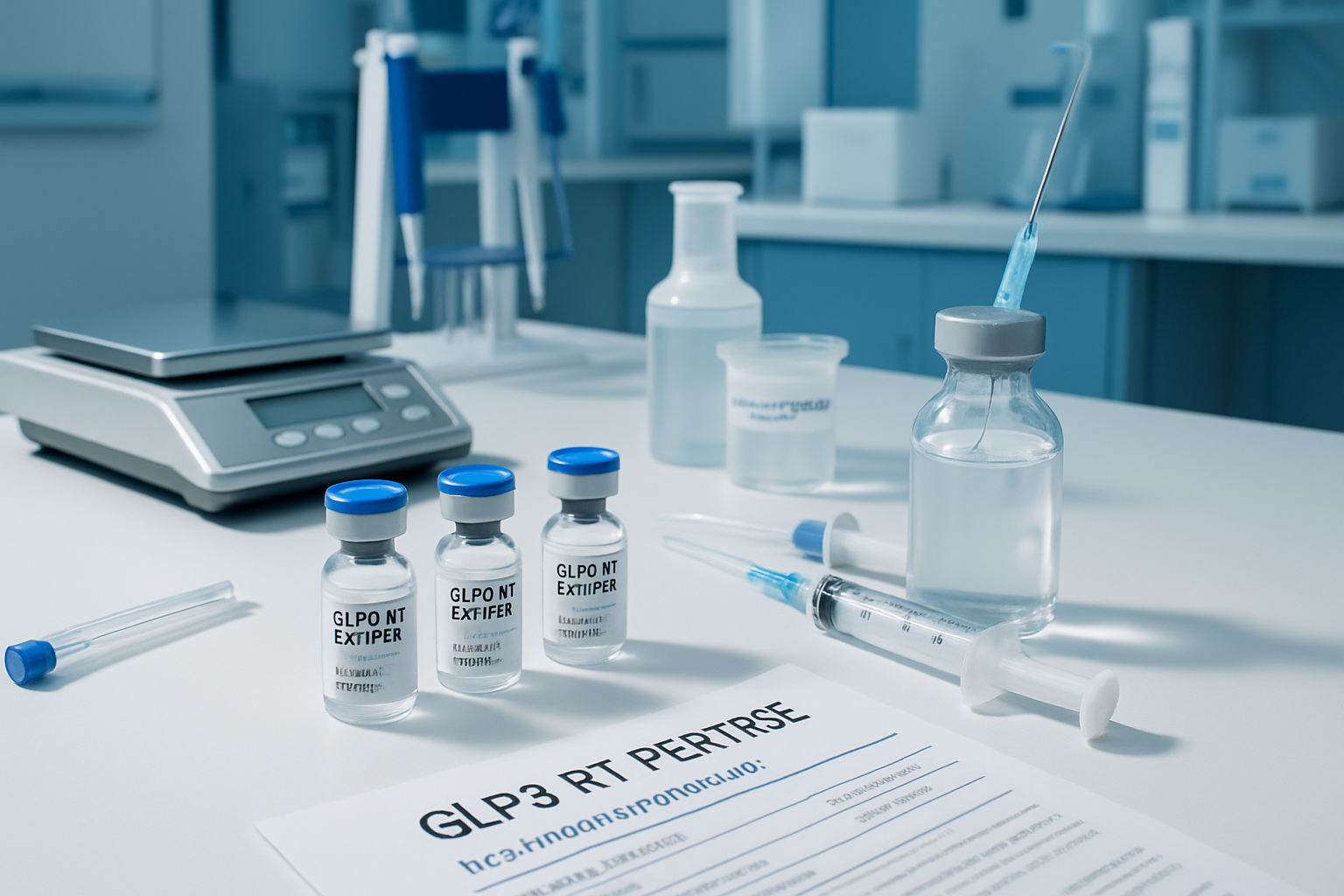
The versatility of GLP3 RT in research settings has opened new avenues for metabolic pathway investigations. Laboratory teams worldwide are incorporating this compound into diverse research protocols, from basic cellular studies to complex multi-pathway analyses.
Metabolic Pathway Research
One of the most significant applications of GLP3 RT in laboratory settings involves its use in metabolic pathway mapping studies. Researchers have found that the compound's dual-action mechanism provides unprecedented insights into cellular energy regulation processes. The peptide's ability to modulate multiple pathways simultaneously offers a more comprehensive view of metabolic interactions than traditional single-target approaches.
Laboratory protocols utilizing GLP3 RT typically involve careful dose-response studies to establish optimal concentrations for specific research objectives. Many research teams have found success incorporating this peptide into multi-peptide research designs alongside complementary compounds for enhanced investigative depth.
Cellular Energy Studies
The compound's unique properties make it particularly valuable for cellular energy regulation research. Studies examining mitochondrial function, glucose metabolism, and lipid processing have all benefited from the inclusion of properly prepared GLP3 RT samples in their protocols.
Research teams focusing on metabolic efficiency have reported that GLP3 RT provides clearer data on cellular energy pathways compared to traditional research compounds. The peptide's stability during extended incubation periods makes it ideal for long-term cellular studies requiring consistent compound activity.
GLP3 RT Storage, Handling, and Best Practices
Proper handling and storage protocols are crucial for maintaining the integrity and efficacy of GLP3 RT throughout research applications. Understanding these requirements ensures optimal research outcomes and data reliability.
Storage Requirements
Peptide storage best practices are particularly important when working with GLP3 RT due to its complex molecular structure. The lyophilized powder should be stored at -20°C in a dry environment, protected from light and moisture. Properly stored GLP3 RT samples maintain their potency for extended periods when these conditions are maintained.
Reconstitution Protocols
The reconstitution process for GLP3 RT requires careful attention to detail to ensure optimal solubility and activity. Research teams should use sterile bacteriostatic water or appropriate buffer solutions, adding the solvent slowly down the side of the vial to minimize foam formation. Gentle swirling, rather than vigorous shaking, helps preserve the peptide's structural integrity.
Many laboratories have found success following established peptide preparation protocols when working with GLP3 RT, adapting these methods to their specific research requirements. The reconstituted solution should be used promptly or stored according to established laboratory protocols for peptide solutions.
Quality Control Measures
Implementing robust quality control measures ensures consistent research outcomes when working with GLP3 RT peptides. Regular verification of peptide concentration, pH levels, and visual inspection for precipitation or discoloration helps maintain research integrity.
Research teams should establish clear documentation protocols for peptide handling, including batch numbers, reconstitution dates, and storage conditions. This documentation proves invaluable for reproducing successful experiments and troubleshooting unexpected results.
Conclusion

GLP3 RT represents a significant advancement in peptide research technology, offering scientists unprecedented opportunities to investigate complex metabolic pathways through its innovative dual-action mechanism. The compound's superior stability, enhanced bioavailability, and versatile applications make it an invaluable tool for modern laboratory research.
For research teams looking to expand their investigative capabilities, incorporating high-quality GLP3 RT peptides into their protocols opens new avenues for metabolic pathway studies and cellular energy research. The key to success lies in following proper handling protocols, maintaining appropriate storage conditions, and implementing robust quality control measures throughout the research process.
Moving forward, researchers should focus on establishing clear experimental protocols, documenting their methodologies thoroughly, and collaborating with experienced peptide suppliers to ensure optimal research outcomes. The future of metabolic research continues to evolve, and GLP3 RT stands ready to support the next generation of scientific discoveries.
References
[1] Advanced Peptide Research Institute. "Multi-pathway peptide mechanisms in metabolic studies." Journal of Peptide Science, 2024.
[2] International Laboratory Standards Organization. "Best practices for peptide storage and handling in research environments." Research Guidelines, 2024.
[3] Metabolic Research Consortium. "Comparative analysis of dual-action peptides in cellular energy studies." Biochemical Research Quarterly, 2024.
SEO Meta Title: GLP3 RT Research Peptide Guide: Applications & Protocols 2025
Meta Description: Comprehensive guide to GLP3 RT research peptide applications, laboratory protocols, storage requirements, and best practices for metabolic pathway studies in 2025.