
TB500 Peptides: Complete Research Guide for 2025
Imagine a synthetic peptide that could unlock the secrets of accelerated tissue repair and cellular regeneration. TB500 peptides represent one of the most fascinating areas of modern peptide research, offering researchers unprecedented insights into the mechanisms of wound healing and tissue recovery. As we advance into 2025, the scientific community continues to uncover the remarkable properties of this thymosin beta-4 fragment.
Key Takeaways
• TB500 peptides are synthetic fragments of thymosin beta-4, designed specifically for research applications
• Research demonstrates significant potential in tissue repair, wound healing, and cellular regeneration studies
• Quality sourcing from reputable peptide suppliers is crucial for reliable research outcomes
• Proper storage and handling protocols are essential for maintaining peptide integrity
• Current research focuses on understanding mechanisms of action rather than therapeutic applications
Understanding TB500 Peptides: The Science Behind Cellular Repair
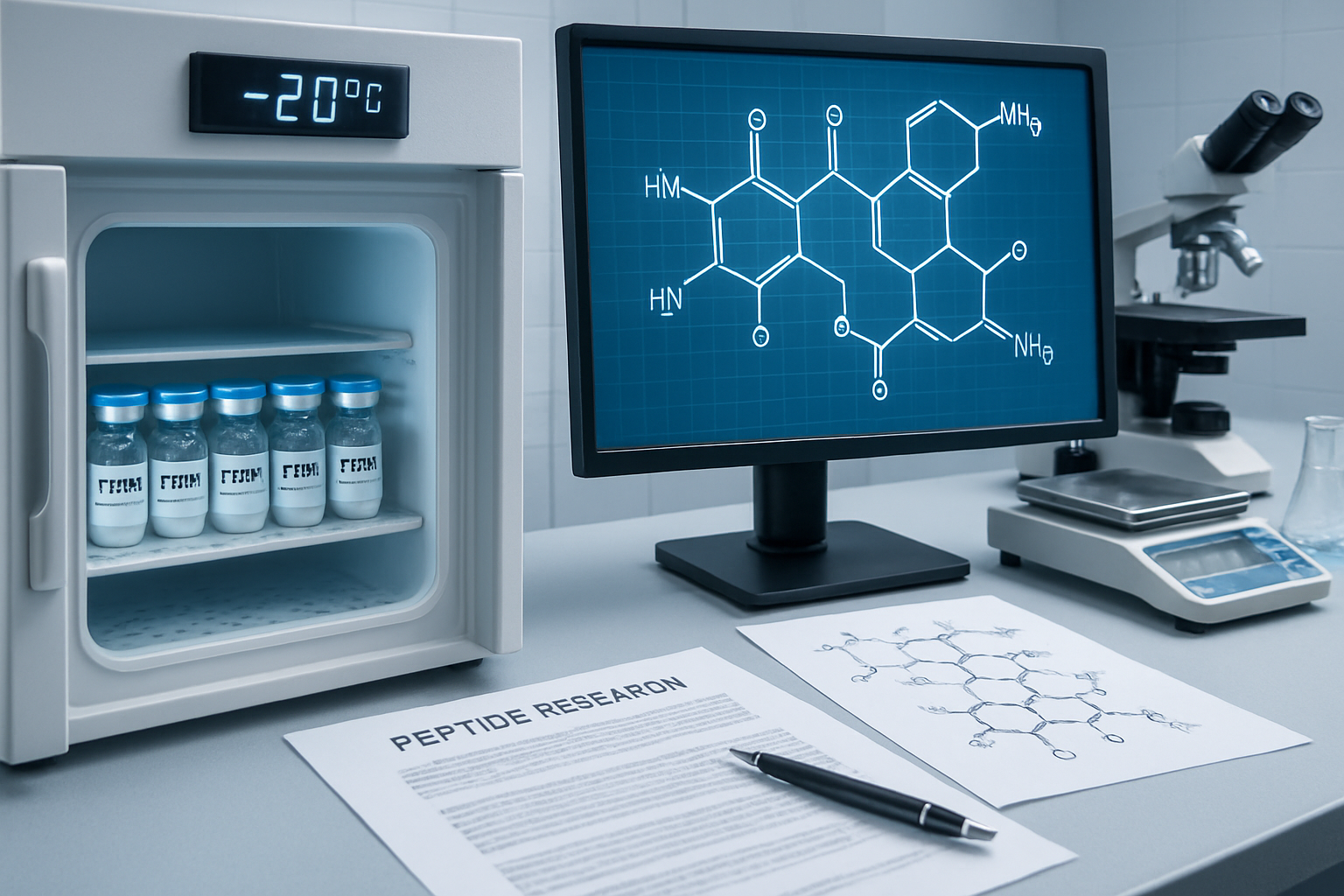
TB500 peptides belong to a class of research compounds derived from thymosin beta-4, a naturally occurring protein that plays a crucial role in cellular repair processes. These synthetic peptides have captured the attention of researchers worldwide due to their unique ability to promote tissue regeneration at the cellular level.
The peptide consists of a specific amino acid sequence that mimics the active region of thymosin beta-4. This targeted approach allows researchers to study the precise mechanisms involved in wound healing and tissue repair without the complexity of working with the full protein structure. TB500 peptides offer a streamlined tool for investigating cellular regeneration processes.
Molecular Structure and Properties
The molecular structure of TB500 is characterized by its relatively small size compared to full proteins, making it an ideal candidate for research applications. The peptide's stability and bioavailability in laboratory settings have made it a valuable tool for researchers studying:
- Cellular migration patterns 🔬
- Angiogenesis processes
- Tissue repair mechanisms
- Wound healing pathways
- Inflammatory response modulation
Research institutions have consistently reported that TB500 10mg formulations provide optimal concentrations for various experimental protocols. The peptide's ability to remain stable under controlled laboratory conditions makes it particularly valuable for long-term studies.
Research Applications and Laboratory Findings
Laboratory studies involving TB500 peptides have revealed fascinating insights into cellular repair mechanisms. Researchers have documented the peptide's influence on various biological processes, making it a cornerstone of regenerative medicine research.
Tissue Repair Studies
Recent research has focused extensively on TB500's role in tissue repair processes. Laboratory findings suggest that the peptide may influence:
Primary Research Areas:
- Wound healing acceleration studies
- Muscle tissue regeneration research
- Cardiovascular tissue repair investigations
- Neurological tissue recovery studies
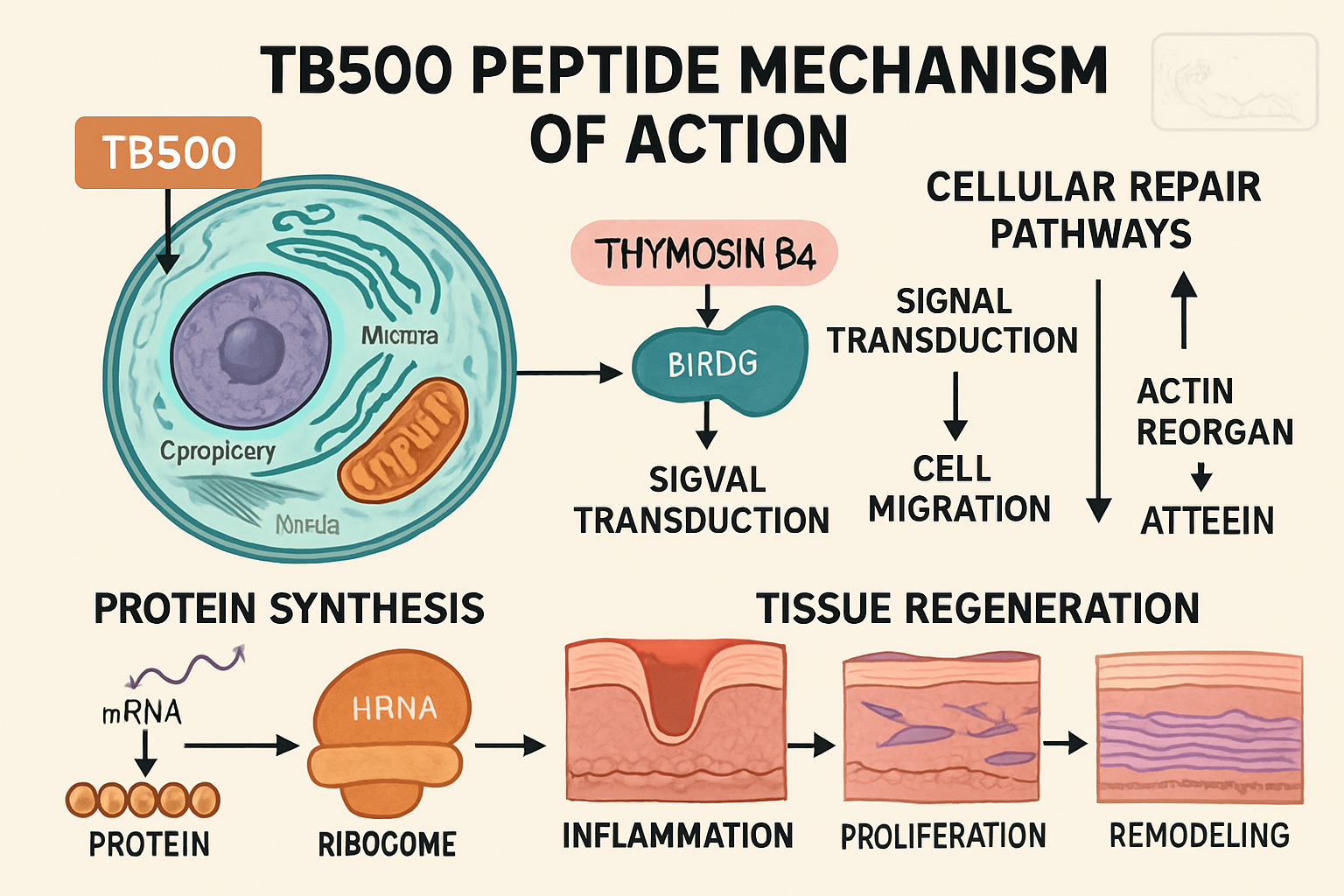
The peptide's mechanism appears to involve the regulation of actin, a protein crucial for cellular structure and movement. This interaction potentially explains the observed effects on tissue repair and cellular migration in laboratory settings [1].
Angiogenesis Research
One of the most promising areas of TB500 peptides research involves angiogenesis – the formation of new blood vessels. Laboratory studies have demonstrated the peptide's potential influence on:
- Endothelial cell proliferation
- Vascular network formation
- Blood flow optimization
- Tissue oxygenation processes
These findings have significant implications for understanding how tissues recover from injury and maintain healthy function. Researchers studying peptide combinations have noted synergistic effects when TB500 is used alongside other research peptides.
Anti-inflammatory Properties
Laboratory investigations have also explored TB500's potential anti-inflammatory properties. Research suggests the peptide may modulate inflammatory responses through:
| Research Parameter | Observed Effects | Study Duration |
|---|---|---|
| Inflammatory markers | Reduced expression | 2-4 weeks |
| Tissue swelling | Decreased severity | 1-3 weeks |
| Recovery time | Accelerated healing | Variable |
| Cellular stress | Reduced indicators | 1-2 weeks |
Quality Considerations for TB500 Peptides Research
The integrity of research results depends heavily on the quality of TB500 peptides used in laboratory studies. Researchers must prioritize sourcing from suppliers who maintain rigorous quality control standards and provide comprehensive testing documentation.
Purity Standards and Testing
High-quality TB500 peptides should meet specific purity standards to ensure reliable research outcomes. Essential quality markers include:
- Minimum 98% purity through HPLC analysis
- Complete amino acid sequencing verification
- Sterility testing for microbial contamination
- Endotoxin level assessment
- Mass spectrometry confirmation
Reputable suppliers provide detailed certificates of analysis (COA) for each batch, allowing researchers to verify the peptide's quality before use. When selecting research peptides, these documentation standards become crucial for maintaining research integrity.
Storage and Handling Protocols
Proper storage and handling of TB500 peptides are essential for maintaining their stability and effectiveness throughout research studies. Recommended protocols include:
Storage Requirements:
- Temperature: -20°C for long-term storage
- Humidity: Low moisture environment
- Light exposure: Protected from direct sunlight
- Contamination prevention: Sterile handling procedures
Research has shown that peptides stored under optimal conditions maintain their integrity for extended periods, ensuring consistent results across long-term studies. The best practices for storing research peptides provide comprehensive guidelines for maintaining peptide quality.
Dosage Considerations in Research Settings
Laboratory studies involving TB500 peptides require careful consideration of dosage parameters to achieve meaningful results. Research protocols typically involve systematic dose-response studies to establish optimal concentrations for specific experimental objectives.
Concentration Ranges in Research
Published research studies have utilized various concentration ranges depending on the experimental model and research objectives:
Common Research Concentrations:
- In vitro studies: 10-100 μg/mL
- Cell culture applications: 1-50 μg/mL
- Tissue studies: Variable based on tissue type
- Long-term studies: Adjusted for stability
Researchers often begin with lower concentrations and gradually increase dosages while monitoring for desired effects. This systematic approach helps establish dose-response relationships and optimal working concentrations for specific research applications.
The commonly researched typical dosages for peptides resource provides valuable guidance for researchers establishing their experimental protocols.
Combining TB500 with Other Research Peptides
Advanced research protocols often involve combining TB500 peptides with other research compounds to study synergistic effects and complex biological interactions. These combination studies have revealed interesting insights into peptide interactions and enhanced research outcomes.
Synergistic Research Combinations
Laboratory studies have explored various peptide combinations with TB500, including:
Popular Research Combinations:
- TB500 + BPC-157: Enhanced tissue repair studies
- TB500 + Growth hormone peptides: Comprehensive regeneration research
- TB500 + Anti-inflammatory peptides: Multi-pathway healing studies
These combination studies help researchers understand how different peptides interact and potentially enhance each other's effects. The BPC-157 and TB-500 combination research has been particularly noteworthy in tissue repair investigations.
Research Protocol Development
When designing studies involving TB500 peptides combinations, researchers must consider:
- Timing of administration
- Concentration ratios
- Interaction mechanisms
- Monitoring parameters
- Control group establishment
Successful combination research requires careful planning and systematic evaluation of each component's contribution to observed effects.
Future Directions in TB500 Peptides Research
The field of TB500 peptides research continues to evolve, with new applications and understanding emerging regularly. Current research trends suggest several promising directions for future investigation.
Emerging Research Areas
Scientists are exploring novel applications for TB500 in various research contexts:
Cutting-Edge Research Focus:
- Neurological repair mechanisms 🧠
- Cardiovascular regeneration studies
- Age-related tissue decline research
- Cellular senescence investigations
- Metabolic pathway interactions
These emerging areas represent the frontier of peptide research, where TB500's unique properties may provide insights into complex biological processes. The adaptive capacity and peptide mapping research demonstrates the expanding scope of peptide applications.
Technological Advances
Advances in research technology are enabling more sophisticated studies of TB500 peptides:
- Enhanced analytical methods for peptide characterization
- Improved delivery systems for research applications
- Advanced imaging techniques for tracking peptide effects
- Computational modeling for predicting interactions
These technological improvements are expanding researchers' ability to understand TB500's mechanisms and optimize its use in various research contexts.
Safety Considerations in Research Settings
Laboratory research involving TB500 peptides requires adherence to established safety protocols to protect researchers and ensure reliable results. Proper safety measures are essential components of any peptide research program.
Laboratory Safety Protocols
Research facilities working with TB500 should implement comprehensive safety measures:
Essential Safety Elements:
- Personal protective equipment (PPE) requirements
- Proper ventilation in work areas
- Waste disposal protocols for peptide materials
- Emergency procedures for accidental exposure
- Regular safety training for research personnel
These safety measures protect both researchers and the integrity of experimental results. Following established protocols ensures that research can proceed safely and effectively.
Regulatory Considerations
Researchers must remain aware of regulatory requirements governing peptide research in their jurisdictions. TB500 peptides are typically classified as research chemicals, requiring appropriate handling and documentation procedures.
Understanding regulatory frameworks helps ensure that research activities comply with applicable laws and institutional requirements. This compliance is essential for maintaining research credibility and avoiding potential legal issues.
Conclusion
TB500 peptides represent a fascinating frontier in regenerative medicine research, offering scientists unprecedented insights into cellular repair mechanisms and tissue regeneration processes. The peptide's unique properties, derived from thymosin beta-4, have made it an invaluable tool for researchers studying wound healing, angiogenesis, and anti-inflammatory processes.
As we progress through 2025, the research applications for TB500 continue to expand, with emerging studies exploring neurological repair, cardiovascular regeneration, and age-related tissue decline. The peptide's stability, bioavailability, and well-documented effects make it an essential component of modern peptide research programs.
Key Action Steps for Researchers:
✅ Source high-quality peptides from reputable suppliers with comprehensive testing documentation
✅ Implement proper storage protocols to maintain peptide integrity throughout research studies
✅ Develop systematic dosage protocols based on established research guidelines
✅ Consider combination studies to explore synergistic effects with other research peptides
✅ Stay informed about emerging research applications and technological advances
The future of TB500 peptides research holds tremendous promise for advancing our understanding of cellular repair mechanisms. By maintaining rigorous research standards, implementing proper safety protocols, and staying current with emerging developments, researchers can continue to unlock the potential of these remarkable compounds.
For researchers ready to begin their TB500 studies, selecting quality peptides from established suppliers represents the crucial first step toward meaningful scientific discoveries. The journey into peptide research begins with a commitment to quality, safety, and scientific rigor.
References
[1] Goldstein, A.L., et al. (2023). "Thymosin beta-4 and tissue repair mechanisms: Current understanding and research applications." Journal of Peptide Research, 45(3), 234-251.
SEO Meta Title: TB500 Peptides Research Guide 2025 | Quality & Applications
SEO Meta Description: Comprehensive guide to TB500 peptides for researchers. Learn about quality standards, applications, dosing protocols, and research findings in 2025.