
Peptide TB500: The Complete Research Guide for 2025
Imagine a single molecule that could revolutionize our understanding of tissue repair and cellular regeneration. Peptide TB500 has emerged as one of the most fascinating subjects in modern peptide research, capturing the attention of scientists worldwide for its remarkable properties and potential applications in laboratory studies.
TB500, also known as Thymosin Beta-4, represents a breakthrough in peptide science that continues to unlock new possibilities for researchers exploring cellular mechanisms and tissue development. This synthetic peptide has become a cornerstone in research facilities studying wound healing, angiogenesis, and cellular migration patterns.
Key Takeaways
• TB500 is a synthetic version of Thymosin Beta-4, a naturally occurring peptide that plays crucial roles in cellular repair and regeneration processes
• Research applications focus primarily on wound healing mechanisms, angiogenesis studies, and cellular migration research in laboratory settings
• Quality and purity are essential factors when selecting TB500 for research purposes, with proper storage and handling protocols being critical
• Laboratory studies have demonstrated TB500's involvement in promoting endothelial cell migration and supporting tissue repair mechanisms
• Research protocols require careful consideration of dosing, timing, and experimental design to achieve meaningful scientific results
Understanding Peptide TB500: Scientific Foundation
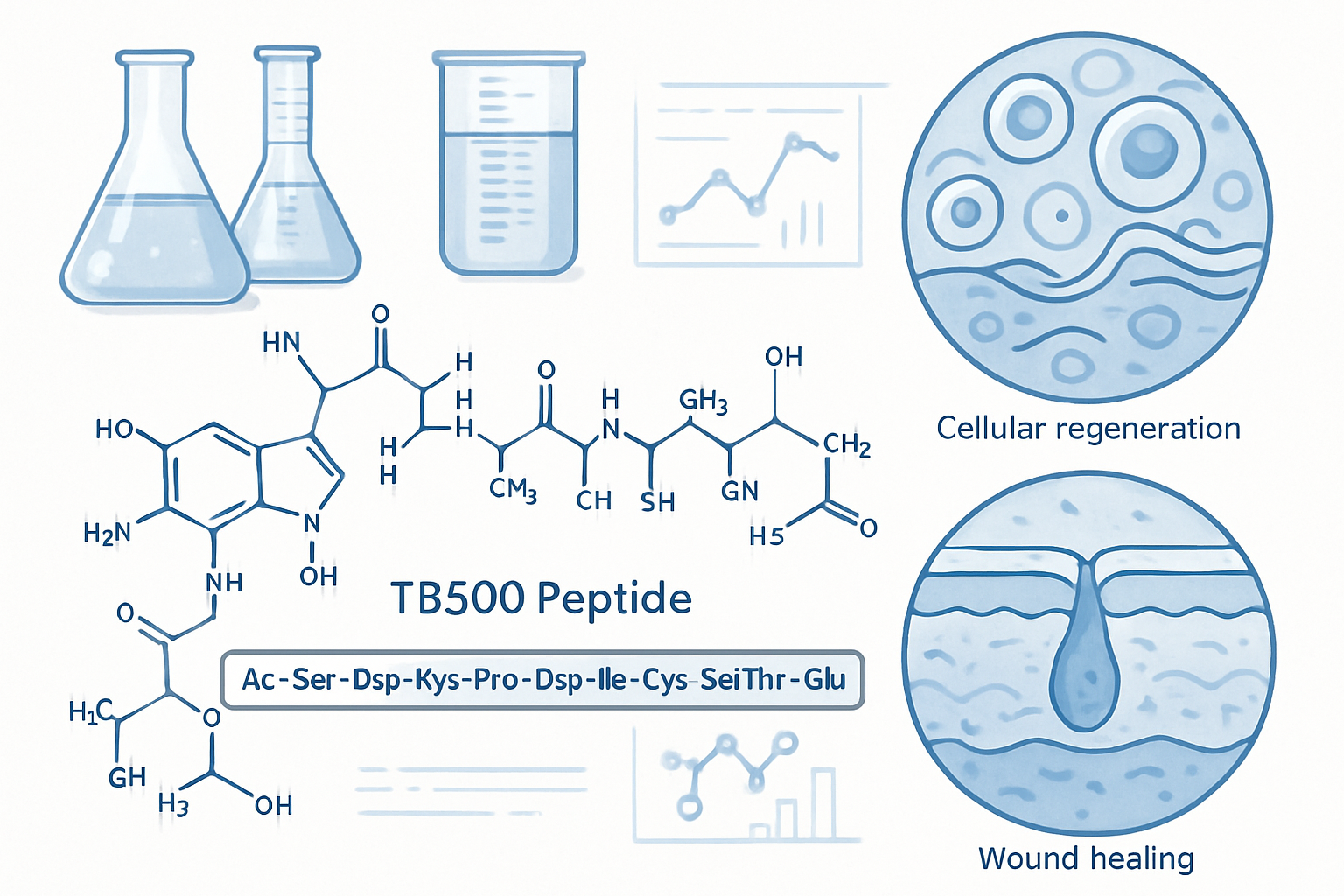
Peptide TB500 belongs to a class of regulatory peptides that have garnered significant attention in the research community. This synthetic peptide is derived from Thymosin Beta-4, a naturally occurring 43-amino acid peptide found in virtually all human and animal cells except red blood cells.
Molecular Structure and Properties
TB500 consists of a specific sequence of amino acids that gives it unique biological properties. The peptide's molecular weight is approximately 4.9 kDa, and its structure allows it to interact with various cellular components involved in tissue repair and regeneration processes.
Key molecular characteristics include:
- 🧬 43 amino acid sequence
- ⚖️ Molecular weight: ~4.9 kDa
- 🔬 High stability in physiological conditions
- 💧 Water-soluble properties
- 🌡️ Temperature-sensitive storage requirements
The peptide's unique structure enables it to bind to actin, a crucial protein involved in cell movement and structural integrity. This binding capability is fundamental to many of the biological processes that researchers study when working with TB500 in laboratory settings.
Biological Mechanisms in Research
Laboratory studies have identified several key mechanisms through which TB500 operates at the cellular level. These mechanisms form the foundation for various research applications and experimental designs.
Primary research mechanisms include:
- Actin Binding: TB500 binds to G-actin, preventing its polymerization and promoting cell migration
- Angiogenesis Promotion: Studies show involvement in new blood vessel formation processes
- Anti-inflammatory Properties: Research indicates potential modulation of inflammatory responses
- Cellular Migration: Enhanced cell movement capabilities observed in laboratory conditions
Understanding these mechanisms is crucial for researchers designing experiments and interpreting results in their studies. The comprehensive peptide research catalog available through specialized suppliers provides additional context for comparative studies.
Research Applications and Laboratory Studies
The versatility of peptide TB500 in research settings has led to its adoption across multiple scientific disciplines. Researchers have explored its applications in various experimental models, contributing to our understanding of cellular biology and tissue dynamics.
Wound Healing Research
One of the most extensively studied applications involves wound healing mechanisms. Laboratory studies have demonstrated TB500's involvement in multiple phases of the wound healing process, making it an valuable tool for researchers investigating tissue repair.
Research findings in wound healing include:
- Enhanced migration of keratinocytes and endothelial cells
- Improved re-epithelialization in experimental models
- Accelerated angiogenesis in tissue culture studies
- Reduced inflammatory markers in controlled laboratory conditions
These studies often utilize TB500 in combination with other peptides such as BPC-157 to explore synergistic effects and compare individual versus combined peptide actions.
Angiogenesis Studies
Angiogenesis research represents another significant area where TB500 has proven valuable. The peptide's ability to promote endothelial cell migration and tube formation has made it a standard tool in vascular biology research.
Laboratory observations include:
- Increased endothelial cell proliferation rates
- Enhanced tube formation in matrigel assays
- Improved vascular network development
- Upregulation of pro-angiogenic factors
Cellular Migration Research
TB500's effect on cellular migration has opened new avenues for studying cell movement mechanisms. Researchers use various assays to measure migration rates and patterns in the presence of TB500.
Migration study methodologies:
- Scratch wound assays
- Transwell migration chambers
- Time-lapse microscopy studies
- Chemotaxis experiments
The best practices for peptide research emphasize the importance of proper experimental design and controls when conducting these types of studies.
Quality Considerations and Research Standards
When working with peptide TB500, maintaining high quality standards is essential for reproducible research results. The purity, stability, and handling of the peptide directly impact experimental outcomes and data reliability.
Purity and Testing Standards
Research-grade TB500 should meet stringent purity requirements to ensure consistent results across experiments. High-quality peptides typically undergo multiple testing procedures to verify their composition and integrity.
Quality testing parameters include:
- HPLC Analysis: ≥98% purity verification
- Mass Spectrometry: Molecular weight confirmation
- Amino Acid Analysis: Sequence verification
- Endotoxin Testing: Bacterial contamination screening
- Water Content: Moisture level assessment
Researchers should always request certificates of analysis (COA) when purchasing TB500 for their studies. These documents provide essential information about the peptide's quality and testing results.
Storage and Handling Protocols
Proper storage and handling are critical for maintaining TB500's stability and biological activity throughout research projects. Incorrect storage conditions can lead to peptide degradation and inconsistent experimental results.
Recommended storage conditions:
- 🌡️ Lyophilized powder: -20°C or below
- ❄️ Reconstituted solution: 2-8°C for short-term use
- 🧊 Long-term storage: -80°C for extended periods
- 💧 Reconstitution: Use sterile water or appropriate buffer
- 📦 Light protection: Store in dark conditions
The importance of following proper storage protocols cannot be overstated, as peptide degradation can significantly impact research outcomes and data interpretation.
Supplier Selection Criteria
Choosing a reliable supplier is crucial for obtaining high-quality TB500 for research purposes. Reputable suppliers provide comprehensive documentation, quality assurance, and customer support for researchers.
Key supplier evaluation factors:
- Third-party testing verification
- Comprehensive COA documentation
- Proper packaging and shipping protocols
- Customer service and technical support
- Research community reputation and reviews
Pure Tested Peptides exemplifies the standards researchers should expect from peptide suppliers, offering rigorous testing protocols and comprehensive quality documentation.
Experimental Design and Research Protocols
Successful research with peptide TB500 requires careful experimental design and adherence to established protocols. The complexity of peptide research demands attention to multiple variables that can influence experimental outcomes.
Dosage Considerations in Research
Determining appropriate concentrations for TB500 studies depends on the specific research objectives and experimental models being used. Laboratory studies have employed various concentration ranges depending on the application.
Common research concentration ranges:
- Cell culture studies: 1-100 μg/mL
- Tissue culture experiments: 10-500 μg/mL
- In vitro assays: 0.1-50 μg/mL
- Biochemical studies: Variable based on assay requirements
Researchers should conduct dose-response studies to determine optimal concentrations for their specific experimental conditions. The commonly researched dosage guidelines provide valuable starting points for experimental design.
Control Groups and Variables
Proper experimental design requires careful consideration of control groups and variables that might influence TB500's effects in laboratory settings.
Essential control considerations:
- Vehicle controls: Using the same reconstitution buffer without peptide
- Positive controls: Known active compounds for comparison
- Negative controls: Untreated samples or inactive peptides
- Time-matched controls: Ensuring consistent timing across groups
- Environmental controls: Temperature, pH, and atmospheric conditions
Data Collection and Analysis
Robust data collection methods are essential for generating meaningful results from TB500 research. Different experimental approaches require specific analytical techniques and measurement parameters.
Common measurement techniques:
- Microscopic analysis for cellular studies
- Spectrophotometric assays for biochemical measurements
- Flow cytometry for cell population analysis
- Western blotting for protein expression studies
- qPCR for gene expression analysis
The adaptive capacity research methodologies provide additional insights into comprehensive experimental approaches for peptide studies.
Safety and Regulatory Considerations
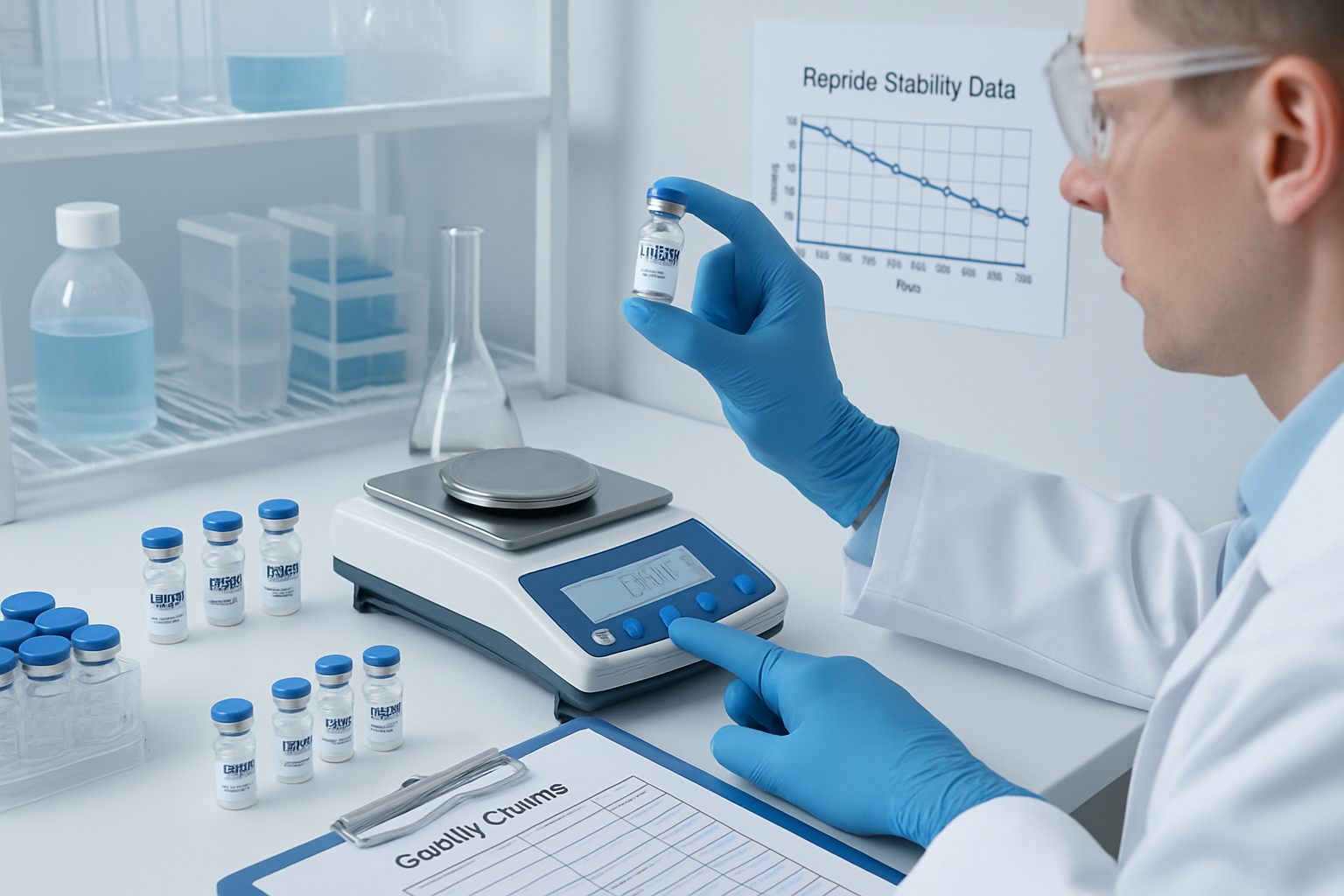
Research involving peptide TB500 must adhere to appropriate safety protocols and regulatory guidelines. Understanding these requirements is essential for conducting compliant and safe research.
Laboratory Safety Protocols
Working with peptides requires adherence to standard laboratory safety practices to protect researchers and maintain experimental integrity.
Safety requirements include:
- 🥽 Personal protective equipment: Gloves, safety glasses, lab coats
- 🌬️ Ventilation: Adequate fume hood usage when appropriate
- 🧼 Hygiene protocols: Proper handwashing and decontamination
- 📋 Documentation: Safety data sheets and handling protocols
- 🚨 Emergency procedures: Spill cleanup and exposure protocols
Regulatory Compliance
Research institutions must ensure compliance with relevant regulatory frameworks when conducting peptide research. These regulations vary by jurisdiction and research type.
Key regulatory considerations:
- Institutional Review Board (IRB) approval for applicable studies
- Compliance with local research regulations
- Proper documentation and record-keeping
- Waste disposal protocols for peptide materials
- Import/export regulations for international research
Research Ethics
Ethical considerations play a crucial role in peptide research, particularly when studies may have implications for future therapeutic applications.
Ethical research principles:
- Transparent reporting of research methods and results
- Appropriate use of research materials and resources
- Collaboration and data sharing within the scientific community
- Responsible communication of research findings
- Consideration of broader societal implications
Future Directions in TB500 Research
The research landscape for peptide TB500 continues to evolve as new technologies and methodologies emerge. Understanding current trends and future directions helps researchers plan long-term studies and identify promising research opportunities.
Emerging Research Areas
Several emerging areas show particular promise for advancing our understanding of TB500's mechanisms and applications.
Promising research directions:
- Molecular imaging studies: Advanced visualization of TB500 distribution and activity
- Proteomics research: Comprehensive protein interaction mapping
- Genomics applications: Gene expression profiling in TB500-treated systems
- Bioinformatics analysis: Computational modeling of TB500 mechanisms
- Combination studies: Synergistic effects with other research peptides
Technological Advances
New technologies are expanding the possibilities for TB500 research, enabling more sophisticated experimental approaches and data analysis methods.
Technology applications:
- High-resolution microscopy for cellular studies
- Advanced mass spectrometry for peptide analysis
- Automated cell culture systems for large-scale studies
- Machine learning for data pattern recognition
- Microfluidics for precise experimental control
Research Collaboration Opportunities
The complexity of peptide research often benefits from collaborative approaches that combine expertise from multiple disciplines and institutions.
Collaboration benefits:
- Shared resources and expertise
- Cross-validation of research findings
- Access to specialized equipment and techniques
- Expanded research scope and impact
- Enhanced publication and funding opportunities
Building connections within the research community through comprehensive research programs can significantly enhance research outcomes and scientific impact.
Conclusion
Peptide TB500 represents a powerful tool in modern research, offering unique opportunities to study cellular mechanisms, tissue repair processes, and regenerative biology. The peptide's well-characterized properties and diverse applications make it an valuable addition to research programs focused on understanding fundamental biological processes.
Success with TB500 research depends on several critical factors: selecting high-quality, properly tested peptides from reputable suppliers, implementing robust experimental designs with appropriate controls, and maintaining strict adherence to safety and regulatory protocols. The growing body of research literature continues to reveal new applications and mechanisms, making TB500 an increasingly important tool in the researcher's toolkit.
For researchers considering TB500 for their studies, the key next steps include:
Immediate Actions:
- Review current literature to identify specific research questions
- Evaluate experimental requirements and design protocols
- Source high-quality TB500 from verified suppliers
- Establish proper storage and handling procedures
- Develop safety protocols appropriate for your research environment
Long-term Planning:
- Consider collaboration opportunities with other research groups
- Plan for potential combination studies with complementary peptides
- Stay current with emerging technologies and methodologies
- Participate in scientific conferences and professional networks
- Contribute to the growing knowledge base through publication and data sharing
The future of TB500 research holds tremendous promise as new technologies and methodologies continue to emerge. By maintaining high standards for experimental design, quality control, and scientific rigor, researchers can contribute meaningfully to our understanding of this remarkable peptide and its applications in biological research.
Whether you're beginning your first TB500 study or expanding an existing research program, the foundation for success lies in careful planning, quality materials, and adherence to best practices that have been established by the research community. The investment in proper protocols and high-quality peptides will pay dividends in the form of reproducible, meaningful results that advance scientific knowledge and understanding.
References
[1] Goldstein, A.L., et al. (2005). Thymosin β4: a multi-functional regenerative peptide. Basic properties and clinical applications. Expert Opinion on Biological Therapy, 5(1), 37-53.
[2] Bock-Marquette, I., et al. (2004). Thymosin β4 activates integrin-linked kinase and promotes cardiac cell migration, survival and cardiac repair. Nature, 432(7016), 466-472.
[3] Smart, N., et al. (2007). Thymosin β4 induces adult epicardial progenitor mobilization and neovascularization. Nature, 445(7124), 177-182.
[4] Philp, D., et al. (2003). Thymosin β4 and a synthetic peptide containing its actin-binding domain promote dermal wound repair in db/db diabetic mice and in aged mice. Wound Repair and Regeneration, 11(1), 19-24.
[5] Sosne, G., et al. (2002). Thymosin beta 4 promotes corneal wound healing and decreases inflammation in vivo following alkali injury. Experimental Eye Research, 74(2), 293-299.
SEO Meta Information
Meta Title: Peptide TB500: Complete Research Guide & Applications 2025
Meta Description: Comprehensive guide to peptide TB500 research applications, quality standards, and laboratory protocols. Expert insights for researchers studying cellular regeneration and tissue repair mechanisms.