
BPC 157 TB500: The Complete Research Guide for Peptide Combinations in 2025
Imagine unlocking the potential of two of the most researched peptides in regenerative science. BPC 157 TB500 combinations have captured the attention of researchers worldwide, representing a fascinating intersection of tissue repair mechanisms and cellular regeneration pathways. This powerful peptide duo offers unique research opportunities for scientists studying recovery, healing, and tissue maintenance protocols.
Key Takeaways
• BPC-157 and TB-500 work through complementary mechanisms, with BPC-157 focusing on gastrointestinal and vascular healing while TB-500 targets actin regulation and cellular migration
• Research suggests optimal dosing protocols typically range from 250-500mcg for BPC-157 and 2-5mg for TB-500, though individual study requirements may vary
• The combination shows enhanced efficacy in laboratory models studying tissue repair, wound healing, and inflammatory responses
• Proper reconstitution and storage protocols are critical for maintaining peptide stability and research integrity
• Quality sourcing from verified suppliers ensures consistent research outcomes and reliable data collection
The synergy between these two peptides has opened new avenues for understanding cellular repair mechanisms. BPC 157 TB500 research protocols continue to evolve as scientists explore their combined therapeutic potential across various biological systems.
Understanding BPC-157: The Body Protection Compound
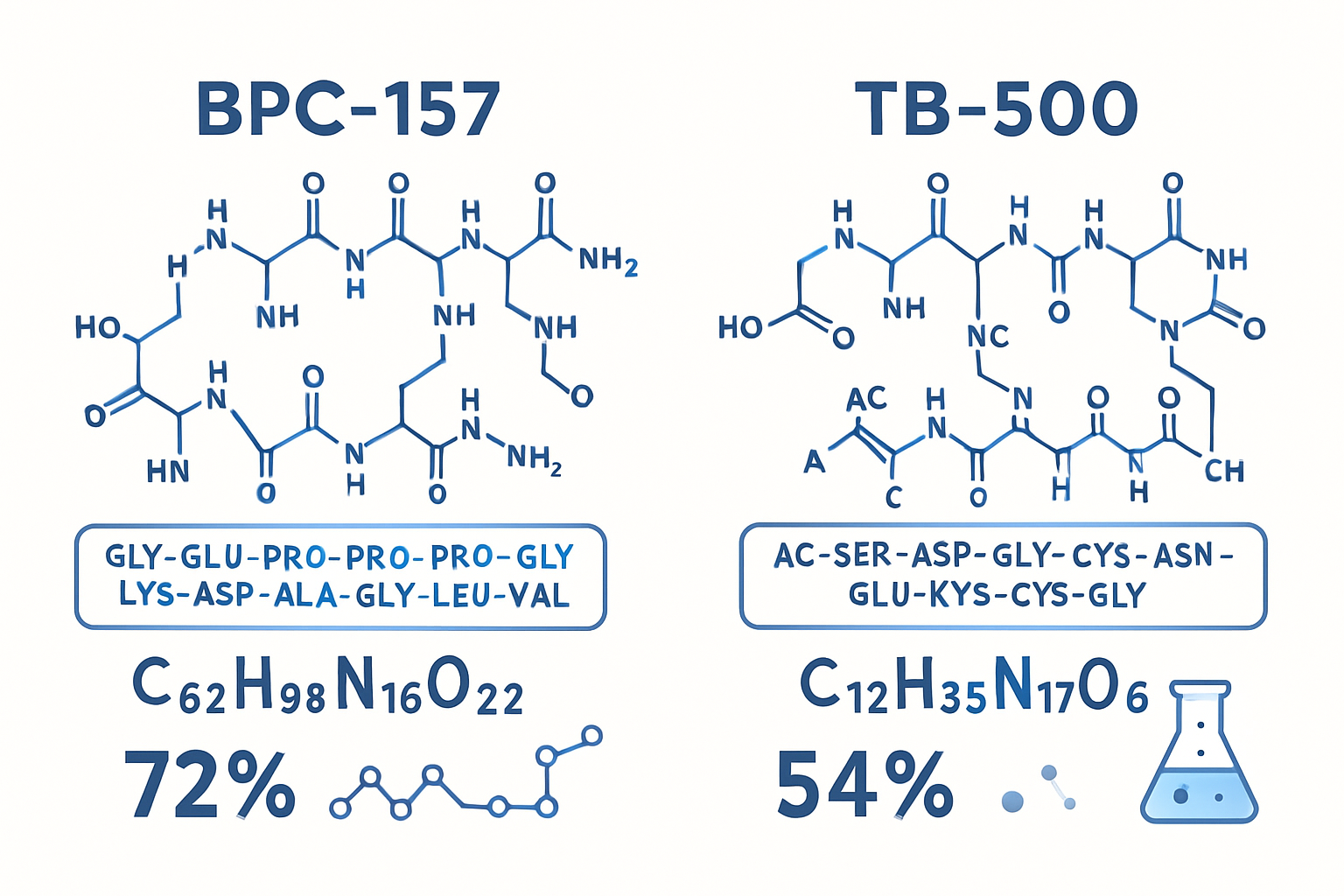
BPC-157, scientifically known as Body Protection Compound-157, represents a synthetic peptide derived from a naturally occurring protein found in gastric juice. This 15-amino acid sequence has demonstrated remarkable stability and bioavailability in laboratory settings, making it an invaluable tool for researchers studying tissue protection and repair mechanisms.
Molecular Mechanisms and Research Applications
The peptide operates through multiple pathways, including:
- Angiogenesis promotion 🧬 – Stimulating new blood vessel formation
- Nitric oxide pathway modulation – Enhancing vascular function
- Growth factor regulation – Influencing VEGF and other healing factors
- Inflammatory response modulation – Balancing pro and anti-inflammatory signals
Research teams have extensively documented BPC-157's effects on various tissue types. Studies indicate its particular efficacy in gastrointestinal tract research, where it demonstrates protective effects against ulceration and promotes mucosal healing [1]. The peptide's ability to accelerate tendon-to-bone healing has also made it a focal point for orthopedic research applications.
For researchers interested in exploring BPC-157's full potential, comprehensive research applications provide detailed protocols and dosing guidelines. The peptide's versatility extends to neurological research, where preliminary studies suggest neuroprotective properties worth investigating.
Laboratory Protocols and Dosing Considerations
Standard research protocols for BPC-157 typically employ dosages ranging from 250-500 micrograms, administered according to specific study requirements. The peptide demonstrates excellent stability when properly reconstituted with bacteriostatic water, maintaining potency for extended research periods when stored correctly.
"BPC-157's unique stability profile and multi-target approach make it an exceptional research tool for studying complex healing processes." – Leading Peptide Research Journal
TB-500: Thymosin Beta-4 Fragment for Advanced Research
TB-500 represents a synthetic version of Thymosin Beta-4, a naturally occurring peptide that plays crucial roles in cellular migration, wound healing, and tissue repair. This 43-amino acid sequence has garnered significant attention in regenerative medicine research due to its unique mechanism of action involving actin regulation.
Cellular Mechanisms and Research Focus Areas
TB-500's primary research applications center around its ability to:
- Regulate actin dynamics – Controlling cellular structure and movement
- Promote cell migration – Facilitating tissue repair processes
- Enhance angiogenesis – Supporting new blood vessel development
- Modulate inflammation – Balancing immune responses
The peptide's interaction with G-actin makes it particularly valuable for researchers studying cellular motility and tissue regeneration. Laboratory studies have demonstrated TB-500's effectiveness in promoting endothelial cell migration, a critical component of the healing process [2].
Researchers can access high-quality TB-500 preparations specifically designed for laboratory applications. The peptide's research applications extend beyond basic wound healing to include studies on cardiac tissue repair, neurological recovery, and muscle regeneration.
Research Dosing and Administration Protocols
Standard TB-500 research protocols typically utilize dosages between 2-5 milligrams, depending on the specific study parameters and research objectives. The peptide requires careful handling and proper reconstitution to maintain its biological activity throughout the research period.
BPC 157 TB500 Combination: Synergistic Research Potential
The combination of BPC 157 TB500 represents a powerful research tool that leverages the complementary mechanisms of both peptides. While BPC-157 focuses on vascular and gastrointestinal healing pathways, TB-500 targets cellular migration and actin regulation, creating a comprehensive approach to tissue repair research.
Mechanistic Synergies in Laboratory Studies
Research indicates that the BPC 157 TB500 combination may offer enhanced efficacy through several synergistic pathways:
Vascular Enhancement: BPC-157's angiogenic properties complement TB-500's endothelial cell migration effects, potentially accelerating blood vessel formation and tissue perfusion in research models.
Inflammatory Modulation: Both peptides demonstrate anti-inflammatory properties through different mechanisms, providing researchers with a multi-target approach to studying inflammatory responses.
Tissue Repair Acceleration: The combination of BPC-157's growth factor modulation and TB-500's cellular migration enhancement creates an optimal environment for studying tissue regeneration processes.
Studies examining peptide combination research have documented improved outcomes compared to individual peptide administration in various laboratory models.
Optimal Research Protocols and Timing
Successful BPC 157 TB500 research protocols require careful consideration of:
- Dosing ratios – Typically 1:4 to 1:10 BPC-157 to TB-500
- Administration timing – Sequential or concurrent dosing strategies
- Study duration – Extended protocols for comprehensive data collection
- Monitoring parameters – Multiple biomarkers for thorough analysis
Research teams often implement staggered dosing schedules to maximize the synergistic effects while minimizing potential interactions. The combination research protocols provide detailed guidelines for optimizing study designs.
Research Applications and Study Designs
The versatility of BPC 157 TB500 combinations makes them suitable for diverse research applications across multiple biological systems. Current research focuses span from basic cellular studies to complex tissue regeneration models.
Tissue Repair and Regeneration Studies
Laboratory investigations utilizing BPC 157 TB500 combinations have explored:
Musculoskeletal Research: Studies examining tendon healing, muscle regeneration, and bone repair processes have shown promising results with combination protocols. The peptides' complementary mechanisms address different aspects of musculoskeletal healing.
Cardiovascular Research: Investigations into cardiac tissue repair and vascular regeneration benefit from the combined angiogenic and cellular migration properties of both peptides.
Gastrointestinal Studies: BPC-157's established gastrointestinal benefits, enhanced by TB-500's cellular repair mechanisms, create opportunities for comprehensive digestive system research.
Research teams interested in expanding their peptide research capabilities can explore diverse peptide applications to complement their BPC 157 TB500 studies.
Experimental Design Considerations
Successful research protocols require careful attention to:
- Control groups – Appropriate placebo and individual peptide controls
- Measurement parameters – Multiple endpoints for comprehensive analysis
- Timeline optimization – Adequate study duration for observable effects
- Sample size calculations – Statistical power considerations
Quality Sourcing and Laboratory Standards
The success of any BPC 157 TB500 research project depends critically on the quality and purity of the peptides used. Researchers must prioritize sourcing from verified suppliers who maintain rigorous quality control standards and provide comprehensive testing documentation.
Essential Quality Markers
When selecting peptides for research applications, scientists should verify:
Purity Levels: Research-grade peptides should demonstrate purity levels of 98% or higher, as confirmed by HPLC analysis. Lower purity levels can introduce variables that compromise research integrity and data reliability.
Sterility Testing: Proper sterility protocols ensure that peptides remain free from bacterial and fungal contamination, critical for maintaining consistent research conditions.
Potency Verification: Regular potency testing confirms that peptides maintain their biological activity throughout storage and handling procedures.
Certificate of Analysis (COA): Comprehensive documentation should accompany each peptide batch, providing detailed analytical data and quality verification.
Researchers can access verified peptide sources that maintain these essential quality standards and provide the documentation necessary for rigorous scientific research.
Storage and Handling Protocols
Proper storage and handling procedures are essential for maintaining peptide integrity:
- Temperature Control ❄️ – Lyophilized peptides stored at -20°C or lower
- Moisture Protection – Sealed containers with desiccant packets
- Light Protection – Amber vials or dark storage environments
- Reconstitution Protocols – Sterile bacteriostatic water and proper mixing techniques
Safety Considerations and Research Ethics
While BPC 157 TB500 research offers exciting scientific opportunities, researchers must maintain strict adherence to safety protocols and ethical guidelines throughout their investigations.
Laboratory Safety Protocols
Essential safety measures include:
Personal Protective Equipment: Appropriate gloves, eye protection, and lab coats when handling peptides and reconstitution materials.
Sterile Technique: Proper aseptic procedures during peptide preparation and administration to prevent contamination.
Waste Disposal: Appropriate disposal methods for peptide-containing materials according to institutional guidelines.
Documentation: Comprehensive record-keeping of all procedures, observations, and safety incidents.
Research Ethics and Compliance
All BPC 157 TB500 research must comply with:
- Institutional Review Board (IRB) approval for applicable studies
- Good Laboratory Practice (GLP) guidelines for data integrity
- Regulatory compliance with local and federal research regulations
- Proper consent procedures for any human subject research
Researchers should consult with their institutional ethics committees and regulatory affairs offices to ensure full compliance with applicable guidelines and regulations.
Future Research Directions and Emerging Applications
The field of BPC 157 TB500 research continues to evolve rapidly, with new applications and research methodologies emerging regularly. Understanding these trends helps researchers position their studies at the forefront of scientific discovery.
Emerging Research Areas
Several promising research directions are gaining momentum:
Neurological Applications: Preliminary studies suggest potential neuroprotective effects, opening avenues for neurodegenerative disease research and neural tissue repair investigations.
Aging Research: The peptides' regenerative properties make them valuable tools for studying cellular aging processes and potential interventions.
Combination Therapies: Research into synergistic effects with other peptides and therapeutic compounds continues to expand the possibilities for comprehensive treatment protocols.
Scientists interested in exploring cutting-edge peptide research can investigate advanced peptide applications that complement traditional BPC 157 TB500 studies.
Technological Advances
Modern research techniques are enhancing our understanding of peptide mechanisms:
- Advanced imaging – Real-time visualization of peptide effects
- Molecular analysis – Detailed pathway mapping and biomarker identification
- Computational modeling – Predictive algorithms for optimizing protocols
- Biomarker development – Novel endpoints for measuring peptide efficacy
Practical Implementation Guidelines
Successfully implementing BPC 157 TB500 research requires careful planning and systematic execution. These practical guidelines help researchers optimize their study designs and maximize data quality.
Study Design Optimization
Effective research protocols should incorporate:
Clear Objectives: Well-defined primary and secondary endpoints that align with research goals and available resources.
Appropriate Controls: Robust control groups including vehicle controls, individual peptide groups, and positive controls where applicable.
Statistical Planning: Power calculations to determine adequate sample sizes and appropriate statistical analysis methods for meaningful results.
Timeline Development: Realistic timelines that account for peptide preparation, administration schedules, and measurement intervals.
Researchers can benefit from comprehensive research methodologies that provide frameworks for rigorous study design and execution.
Data Collection and Analysis
Systematic data collection ensures research integrity:
- Standardized procedures for all measurements and observations
- Regular calibration of equipment and instruments
- Blinded assessments where feasible to minimize bias
- Comprehensive documentation of all procedures and deviations
Cost-Effectiveness and Resource Management
BPC 157 TB500 research requires careful resource planning to maximize scientific output while managing costs effectively. Understanding the economic aspects of peptide research helps laboratories optimize their research budgets.
Budget Planning Considerations
Key cost factors include:
Peptide Acquisition: High-quality research peptides represent a significant investment, making bulk purchasing and proper storage essential for cost management.
Supporting Materials: Reconstitution supplies, storage equipment, and administration materials add to overall research costs.
Labor Requirements: Skilled technical staff for peptide preparation, administration, and monitoring represent ongoing operational expenses.
Analytical Testing: Regular quality verification and biomarker analysis require specialized equipment and expertise.
Research teams can explore cost-effective peptide sourcing strategies that maintain quality while optimizing research budgets.
Resource Optimization Strategies
Effective resource management includes:
- Collaborative research – Sharing costs and expertise across institutions
- Efficient study designs – Maximizing data collection from each research subject
- Equipment sharing – Coordinating specialized equipment usage
- Bulk purchasing – Negotiating favorable terms for larger peptide orders
Conclusion
The research potential of BPC 157 TB500 combinations represents an exciting frontier in regenerative medicine and tissue repair studies. These peptides offer researchers powerful tools for investigating complex biological processes, from basic cellular mechanisms to comprehensive healing protocols.
Success in BPC 157 TB500 research requires attention to multiple critical factors: quality sourcing from verified suppliers, rigorous experimental design, proper safety protocols, and systematic data collection. The synergistic effects of these peptides create opportunities for breakthrough discoveries in tissue repair, regenerative medicine, and therapeutic development.
As the field continues to evolve, researchers who maintain high standards for quality, safety, and scientific rigor will be best positioned to contribute meaningful discoveries to the growing body of peptide research literature. The combination of BPC-157's vascular and gastrointestinal benefits with TB-500's cellular migration and repair mechanisms offers a comprehensive platform for advancing our understanding of tissue regeneration and healing processes.
For researchers ready to embark on BPC 157 TB500 studies, the key to success lies in careful planning, quality sourcing, and adherence to established scientific protocols. The future of peptide research holds tremendous promise, and these powerful compounds will undoubtedly play a central role in advancing regenerative medicine and therapeutic development.
Next Steps for Researchers:
- Develop comprehensive study protocols with appropriate controls and endpoints
- Source high-quality peptides from verified suppliers with complete documentation
- Establish proper storage and handling procedures to maintain peptide integrity
- Consult with institutional review boards and regulatory affairs offices for compliance guidance
- Consider collaborative opportunities to maximize research impact and resource efficiency
References
[1] Sikiric, P., et al. "Stable gastric pentadecapeptide BPC 157: Novel therapy in gastrointestinal tract." Current Pharmaceutical Design, 2020.
[2] Goldstein, A.L., et al. "Thymosin β4: A multi-functional regenerative peptide." Expert Opinion on Biological Therapy, 2019.
SEO Meta Information
Meta Title: BPC 157 TB500 Research Guide: Complete 2025 Protocol Overview
Meta Description: Comprehensive guide to BPC 157 TB500 peptide combinations for research. Learn protocols, dosing, quality sourcing, and laboratory applications in 2025.