
BPC-157 TB-500: The Complete Research Guide for Peptide Combinations in 2025
Imagine two powerful peptides working together like a perfectly orchestrated symphony, each contributing unique healing properties that complement and enhance the other's effects. The bpc157 tb500 combination has emerged as one of the most studied peptide pairings in regenerative research, offering researchers a fascinating glimpse into how different healing mechanisms can work synergistically to promote tissue repair and recovery.
This comprehensive guide explores the scientific foundations, research applications, and practical considerations for studying the bpc157 tb500 combination. Whether you're a seasoned researcher or new to peptide science, understanding how these two compounds interact can provide valuable insights into regenerative medicine and tissue healing mechanisms.
Key Takeaways
• BPC-157 and TB-500 target different healing pathways, making their combination particularly valuable for comprehensive tissue repair research
• Synergistic effects have been observed in laboratory studies, with the combination often showing enhanced results compared to individual peptides
• Research applications span from gastrointestinal healing to musculoskeletal recovery and vascular repair
• Proper reconstitution and storage are critical for maintaining peptide stability and research validity
• Quality sourcing from reputable suppliers ensures consistent research outcomes and reliable data
Understanding BPC-157: The "Body Protection Compound"
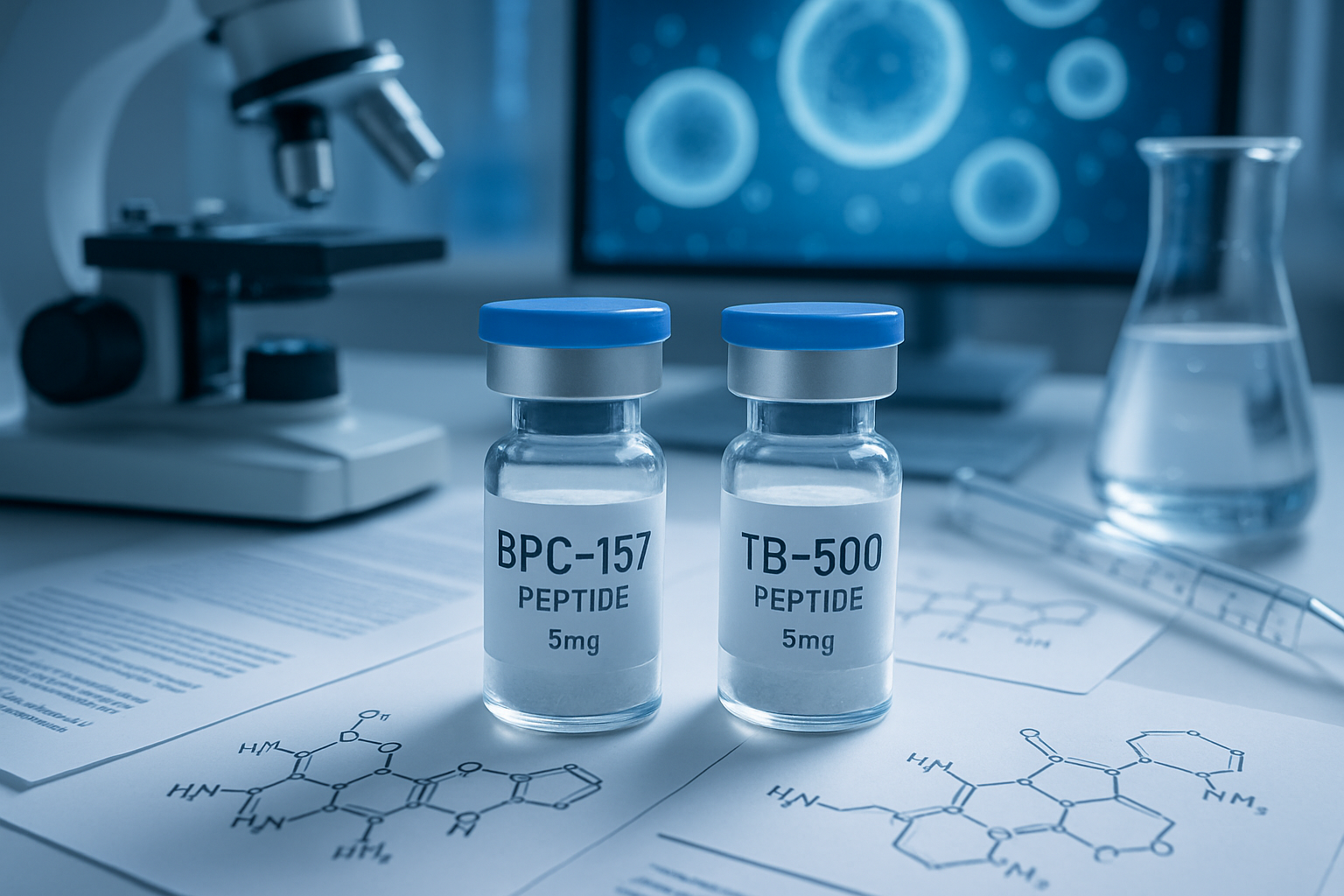
BPC-157, derived from a protective protein found in human gastric juice, has earned recognition as one of the most versatile healing peptides in research settings. This 15-amino acid sequence demonstrates remarkable stability and bioavailability, making it an excellent candidate for various research applications.
Mechanisms of Action
The primary mechanisms through which BPC-157 operates include:
- Angiogenesis promotion 🩸 – Stimulating new blood vessel formation
- Growth factor modulation – Influencing VEGF and other healing factors
- Nitric oxide pathway regulation – Supporting vascular function
- Gastrointestinal protection – Maintaining mucosal integrity
Research has consistently shown BPC-157's ability to accelerate healing processes across multiple tissue types. Studies indicate that this peptide can enhance the body's natural repair mechanisms without causing adverse systemic effects, making it particularly valuable for long-term research protocols [1].
The peptide's unique structure allows it to remain stable in gastric acid, which explains its effectiveness in gastrointestinal research applications. This stability also contributes to its versatility in different research environments and administration methods.
TB-500: The Actin-Regulating Powerhouse
TB-500, a synthetic version of the naturally occurring Thymosin Beta-4, plays a crucial role in cellular repair and regeneration. This 43-amino acid peptide is found in high concentrations in platelets, wound fluid, and other tissues involved in healing processes.
Key Research Properties
TB-500's research profile includes several distinctive characteristics:
- Actin regulation – Controlling cellular structure and movement
- Cell migration enhancement – Facilitating tissue repair processes
- Anti-inflammatory effects – Reducing excessive inflammatory responses
- Wound healing acceleration – Supporting various tissue types
The peptide's ability to regulate actin, a protein essential for cell structure and movement, makes it particularly valuable for studying cellular migration and tissue remodeling. Research has shown that TB-500 can influence multiple aspects of the healing cascade, from initial injury response to final tissue remodeling [2].
Laboratory studies have demonstrated TB-500's effectiveness in promoting healing across diverse tissue types, including cardiac, neural, and musculoskeletal tissues. This broad applicability makes it an excellent complement to BPC-157's more specialized mechanisms.
The Science Behind BPC-157 TB-500 Synergy
When researchers combine BPC-157 and TB-500, they create a powerful research tool that addresses healing from multiple angles. The bpc157 tb500 combination leverages the unique strengths of each peptide while potentially minimizing individual limitations.
Complementary Mechanisms
The synergistic relationship between these peptides stems from their complementary mechanisms:
BPC-157 Contributions:
- Vascular repair and angiogenesis
- Gastrointestinal protection
- Growth factor modulation
- Nitric oxide pathway support
TB-500 Contributions:
- Cellular migration and structure
- Tissue remodeling
- Anti-inflammatory effects
- Broad-spectrum healing support
Research suggests that this combination may produce enhanced results compared to either peptide used individually. The comprehensive research overview indicates that researchers often observe accelerated healing timelines and improved tissue quality when studying the combined approach.
Research Applications and Protocols
The bpc157 tb500 combination has shown promise in various research contexts:
| Research Area | Primary Benefits | Study Duration |
|---|---|---|
| Musculoskeletal | Enhanced tissue repair, reduced inflammation | 4-8 weeks |
| Gastrointestinal | Mucosal protection, healing acceleration | 2-6 weeks |
| Vascular | Angiogenesis, endothelial function | 3-8 weeks |
| Neural | Neuroprotection, regeneration support | 6-12 weeks |
Researchers typically find that the combination approach allows for more comprehensive study designs, as both acute and chronic healing phases can be effectively monitored. The best peptide combinations often include this pairing due to its well-documented synergistic effects.
Research Dosing and Administration Protocols
Establishing proper research protocols for bpc157 tb500 combinations requires careful consideration of multiple factors, including study objectives, duration, and desired outcomes. Research institutions typically follow established guidelines that have been validated through peer-reviewed studies.
Standard Research Protocols
Most research protocols for the bpc157 tb500 combination follow these general parameters:
BPC-157 Research Dosing:
- Typical range: 200-500 mcg per administration
- Frequency: Once to twice daily
- Duration: 2-8 weeks depending on study design
- Administration: Subcutaneous or oral (research dependent)
TB-500 Research Dosing:
- Typical range: 2-5 mg per administration
- Frequency: 2-3 times per week
- Duration: 4-8 weeks for most studies
- Administration: Subcutaneous injection
The commonly researched dosages provide detailed guidance for researchers establishing their protocols. It's important to note that these parameters should always be adjusted based on specific research objectives and institutional guidelines.
Timing and Cycling Considerations
Research timing plays a crucial role in maximizing the effectiveness of peptide combinations. Many studies incorporate specific timing protocols:
- Loading phases – Higher initial frequencies to establish baseline effects
- Maintenance phases – Reduced frequency to maintain steady-state levels
- Recovery periods – Planned breaks to assess lasting effects
The Pure Tested Peptides research team emphasizes the importance of consistent timing and proper documentation throughout research protocols.
Quality Considerations and Sourcing
The reliability of research outcomes depends heavily on peptide quality and purity. When working with bpc157 tb500 combinations, researchers must ensure they're using pharmaceutical-grade materials that meet stringent quality standards.
Purity and Testing Standards
High-quality research peptides should meet the following criteria:
- Purity levels ≥98% as verified by HPLC analysis
- Sterility testing to ensure absence of contaminants
- Endotoxin testing for safety verification
- Mass spectrometry confirmation of molecular structure
Reputable suppliers provide comprehensive Certificates of Analysis (COA) that document these quality parameters. Researchers should always verify these certifications before beginning their studies.
Storage and Handling Protocols
Proper storage is critical for maintaining peptide integrity:
Lyophilized (Powder) Form:
- Temperature: -20°C to -80°C
- Environment: Dark, dry conditions
- Duration: 2-3 years when properly stored
- Packaging: Vacuum-sealed vials
Reconstituted Solutions:
- Temperature: 2-8°C (refrigerated)
- Environment: Protected from light
- Duration: 30 days maximum
- Container: Sterile, glass vials
The best practices for storing research peptides provide comprehensive guidelines for maintaining peptide stability throughout research projects.
Research Applications and Study Designs
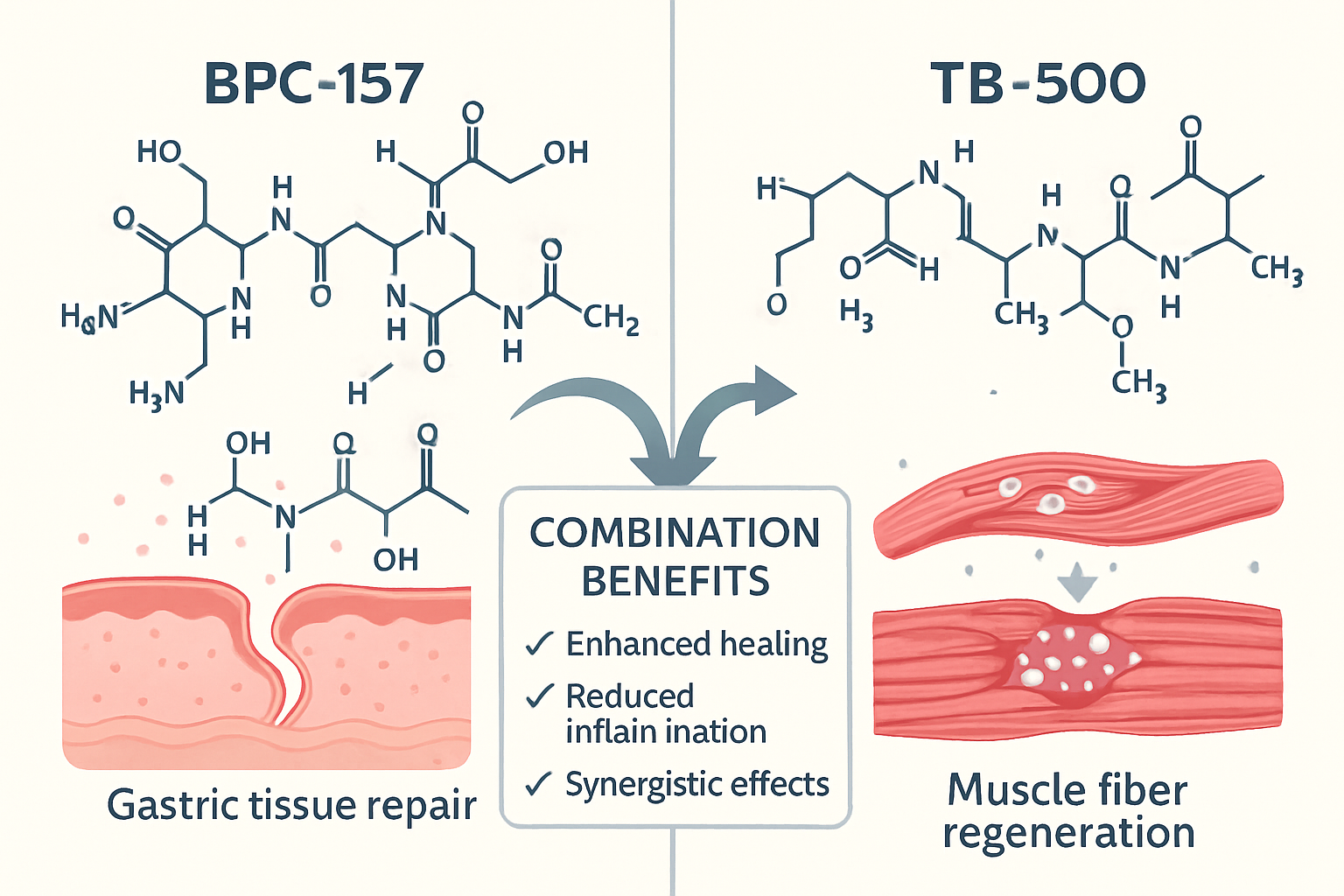
The versatility of the bpc157 tb500 combination makes it suitable for various research applications. Understanding these applications helps researchers design more effective studies and interpret results within proper context.
Tissue Repair Studies
One of the most common research applications involves studying tissue repair mechanisms:
Acute Injury Models:
- Wound healing progression
- Inflammatory response modulation
- Angiogenesis measurement
- Tissue strength analysis
Chronic Condition Studies:
- Long-term healing patterns
- Tissue quality improvements
- Functional recovery assessments
- Biomarker analysis
Research institutions often incorporate multiple assessment methods to capture the full scope of healing improvements. The adaptive capacity and peptide mapping research provides insights into how these combinations affect cellular adaptation mechanisms.
Comparative Research Designs
Many research protocols compare the bpc157 tb500 combination against individual peptides or control groups:
- Single peptide vs. combination studies
- Dose-response relationship analysis
- Timeline comparison research
- Mechanism differentiation studies
These comparative approaches help researchers understand the specific advantages of combination therapy and identify optimal protocols for different research objectives.
Safety Considerations in Research Settings
While peptide research generally involves compounds with favorable safety profiles, proper safety protocols remain essential for responsible research conduct.
Laboratory Safety Protocols
Research institutions should implement comprehensive safety measures:
Personal Protective Equipment (PPE):
- Laboratory gloves and eye protection
- Appropriate ventilation systems
- Sterile handling techniques
- Proper disposal procedures
Documentation Requirements:
- Detailed research logs
- Adverse event reporting
- Protocol deviation tracking
- Regular safety assessments
The research community emphasizes that even generally well-tolerated compounds like the bpc157 tb500 combination require careful monitoring and documentation throughout study periods.
Institutional Review and Compliance
Research institutions must ensure compliance with relevant guidelines and regulations:
- Institutional Review Board (IRB) approval
- Good Laboratory Practice (GLP) adherence
- Proper documentation standards
- Regular safety monitoring
These protocols protect both researchers and research integrity while ensuring that studies meet scientific standards for publication and peer review.
Future Research Directions
The bpc157 tb500 combination continues to generate interest among researchers exploring regenerative medicine and tissue healing mechanisms. Several emerging research areas show particular promise for future investigation.
Emerging Research Areas
Combination Optimization:
- Ratio studies to determine optimal peptide proportions
- Timing sequence research for maximum synergy
- Novel delivery method development
- Extended duration studies
Mechanistic Research:
- Cellular pathway mapping
- Gene expression analysis
- Protein interaction studies
- Biomarker identification
The peptide blend research field continues to evolve as researchers develop more sophisticated understanding of peptide interactions and synergistic effects.
Technology Integration
Modern research increasingly incorporates advanced technologies:
- Genomic analysis to understand peptide effects at the molecular level
- Advanced imaging to track healing progression in real-time
- Biomarker panels for comprehensive effect assessment
- Computational modeling to predict optimal protocols
These technological advances allow researchers to gain deeper insights into how the bpc157 tb500 combination affects cellular and tissue-level processes.
Conclusion
The bpc157 tb500 combination represents a powerful tool for researchers investigating tissue healing and regenerative medicine. By combining BPC-157's vascular and gastrointestinal benefits with TB-500's cellular migration and anti-inflammatory properties, researchers can study healing processes from multiple angles simultaneously.
Key success factors for research with this combination include:
✅ Quality sourcing from reputable suppliers with comprehensive testing
✅ Proper storage and handling to maintain peptide integrity
✅ Well-designed protocols that account for both peptides' unique properties
✅ Comprehensive documentation to ensure research validity
✅ Safety compliance with institutional and regulatory guidelines
For researchers ready to explore the potential of peptide combinations, starting with established protocols and gradually developing more sophisticated study designs offers the best path forward. The comprehensive peptide catalog provides access to high-quality materials needed for rigorous research.
As the field of regenerative medicine continues to advance, the bpc157 tb500 combination will likely remain a cornerstone of tissue healing research, offering researchers valuable insights into the complex mechanisms that govern cellular repair and regeneration.
References
[1] Sikiric, P., et al. (2020). "BPC 157 and standard angiogenic growth factors." Current Pharmaceutical Design, 26(18), 2009-2020.
[2] Goldstein, A.L., et al. (2019). "Thymosin beta4: actin-sequestering protein moonlights to repair injured tissues." Trends in Molecular Medicine, 25(10), 841-855.
SEO Meta Title: BPC-157 TB-500 Combination: Complete Research Guide 2025
SEO Meta Description: Comprehensive guide to BPC-157 TB-500 peptide combinations for research. Learn protocols, dosing, synergistic effects, and applications in tissue healing studies.