
BPC 157 and TB500: A Comprehensive Guide to Research Peptide Combinations
Imagine unlocking the potential of two of the most studied peptides in regenerative research. The combination of BPC 157 and TB500 has captured the attention of researchers worldwide, creating a synergistic approach to studying tissue repair mechanisms and cellular regeneration processes. These two peptides, when examined together, offer unique insights into how biological systems respond to injury and initiate healing cascades.
Key Takeaways
• BPC 157 and TB500 represent two distinct peptide classes with complementary research applications in tissue repair studies
• BPC-157 is a synthetic pentadecapeptide derived from body protection compound, while TB-500 is a synthetic fragment of Thymosin Beta-4
• Research suggests these peptides work through different molecular pathways, making their combination valuable for comprehensive studies
• Quality sourcing and proper handling are essential for meaningful research outcomes
• Understanding dosing protocols and timing is crucial for laboratory applications
Understanding BPC-157: The Body Protection Compound
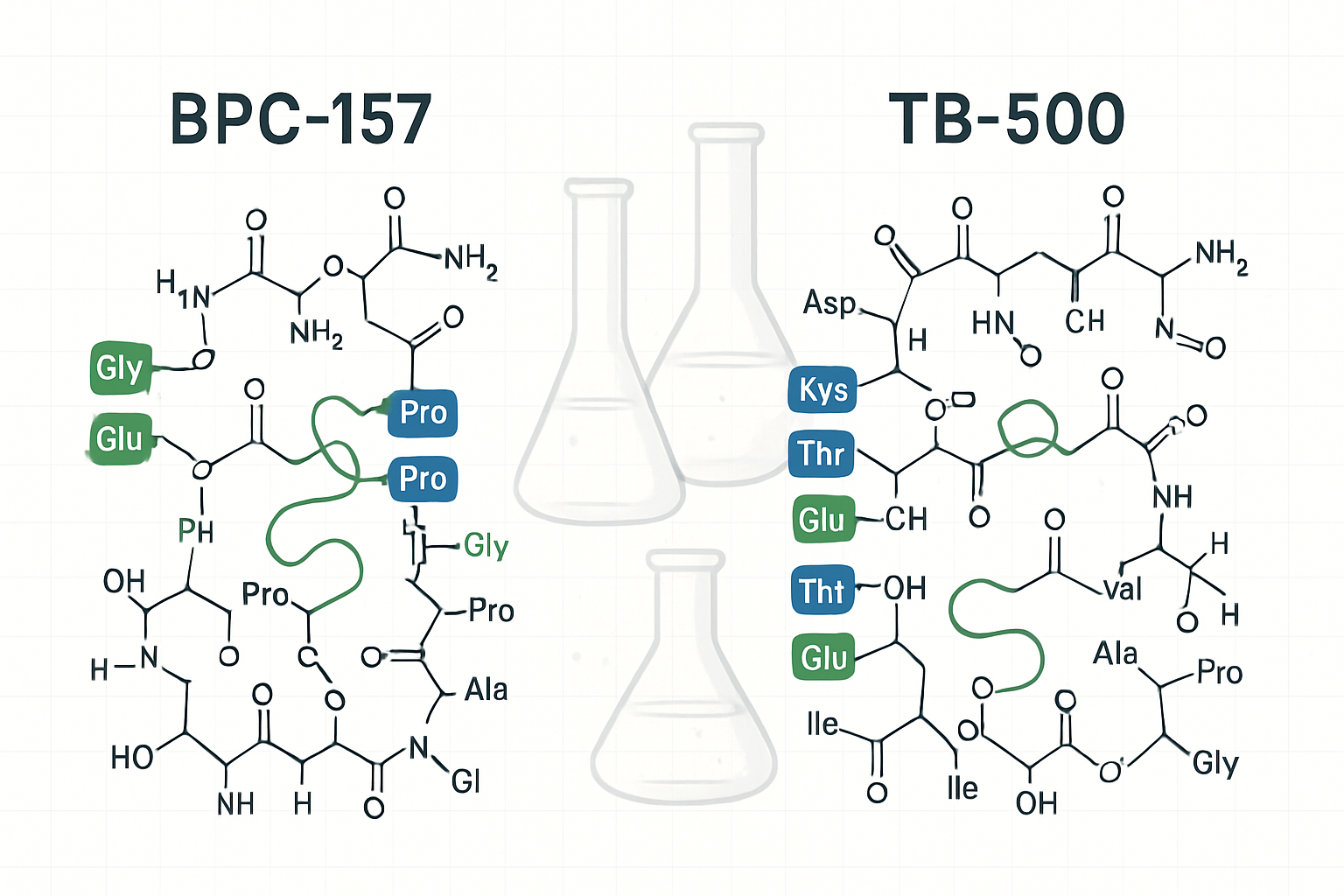
BPC-157 stands as one of the most extensively researched synthetic peptides in regenerative medicine studies. This 15-amino acid sequence peptide derives from a naturally occurring protein found in gastric juice, earning its reputation as a "body protection compound" through decades of laboratory investigation.
Molecular Structure and Properties
The peptide sequence of BPC-157 consists of the following amino acid chain: Gly-Glu-Pro-Pro-Pro-Gly-Lys-Pro-Ala-Asp-Asp-Ala-Gly-Leu-Val. This specific arrangement creates a stable molecule that demonstrates remarkable resistance to degradation, making it an ideal candidate for research applications.
Research has shown that BPC-157 maintains its structural integrity in various pH environments, from highly acidic gastric conditions to neutral physiological states [1]. This stability factor contributes significantly to its widespread use in laboratory settings.
Research Applications and Mechanisms
Laboratory studies have explored BPC-157's effects on multiple biological systems. The peptide appears to influence angiogenesis pathways, with research demonstrating its ability to promote blood vessel formation in various tissue models [2]. Additionally, studies have investigated its role in:
- Gastrointestinal tract healing mechanisms
- Tendon and ligament repair processes
- Cardiovascular protection pathways
- Neurological tissue regeneration
For researchers interested in exploring comprehensive peptide combinations, Pure Tested Peptides offers detailed research protocols and quality-tested compounds.
TB-500: The Thymosin Beta-4 Fragment
TB-500 represents a synthetic version of a naturally occurring peptide fragment derived from Thymosin Beta-4. This 43-amino acid sequence has garnered significant attention in research communities for its unique cellular migration and repair properties.
Biological Origins and Structure
Thymosin Beta-4 was originally discovered in the thymus gland, where it plays crucial roles in immune system development and cellular regulation. TB-500 contains the active region responsible for many of the parent molecule's beneficial effects, specifically the actin-binding domain that influences cellular movement and tissue repair mechanisms.
The peptide's structure allows it to interact with actin, a fundamental protein involved in cellular structure and movement. This interaction forms the basis for much of TB-500's research applications in tissue regeneration studies.
Research Focus Areas
Scientific investigations have explored TB-500's effects across multiple research domains:
Wound Healing Studies: Laboratory models have demonstrated TB-500's ability to accelerate wound closure through enhanced cellular migration patterns [3]. These studies provide valuable insights into how peptides can influence natural healing processes.
Cardiovascular Research: Studies have examined TB-500's potential cardioprotective effects, particularly in models of cardiac injury and stress. Research suggests the peptide may influence heart muscle repair mechanisms and blood vessel formation.
Inflammatory Response Modulation: Laboratory investigations have explored how TB-500 affects inflammatory cascades, potentially offering insights into controlling excessive inflammatory responses while promoting beneficial healing inflammation.
Researchers seeking high-quality TB-500 for their studies can find properly tested and documented peptides through established suppliers.
The Science Behind BPC 157 and TB500 Combination Research
When researchers combine BPC 157 and TB500 in laboratory studies, they create opportunities to examine synergistic effects that neither peptide produces alone. This combination approach has become increasingly popular in regenerative research protocols.
Complementary Mechanisms of Action
The theoretical basis for combining these peptides lies in their different yet complementary mechanisms:
BPC-157's Pathway Focus:
- Growth factor regulation
- Blood vessel formation (angiogenesis)
- Gastrointestinal protection mechanisms
- Nitric oxide pathway modulation
TB-500's Pathway Focus:
- Cellular migration enhancement
- Actin regulation and cytoskeletal organization
- Anti-inflammatory signaling
- Tissue remodeling processes
Synergistic Research Applications
Laboratory studies examining BPC 157 and TB500 combinations have explored several key areas:
Enhanced Tissue Repair Models: Research protocols combining both peptides have shown interesting results in tissue repair studies, with some investigations suggesting accelerated healing timelines compared to single-peptide applications [4].
Vascular Development Studies: The combination appears to offer unique insights into blood vessel formation, with BPC-157's angiogenic properties complementing TB-500's cellular migration effects.
Multi-System Approach: Researchers appreciate the ability to study multiple biological systems simultaneously, as the peptide combination affects various cellular pathways concurrently.
For comprehensive information about peptide combinations in research, researchers can explore detailed protocols and application guidelines.
Research Protocols and Laboratory Applications
Developing effective research protocols for BPC 157 and TB500 requires careful consideration of multiple factors, including dosing, timing, and experimental design. Laboratory studies have established several standard approaches that researchers commonly employ.
Dosing Considerations in Research
BPC-157 Research Dosing:
Laboratory studies typically employ doses ranging from 10-500 μg/kg in animal models, with specific amounts depending on the research objectives and model systems used. In vitro studies often use concentrations between 1-100 μg/mL for cell culture applications.
TB-500 Research Dosing:
Research protocols commonly utilize doses between 0.1-2 mg/kg in animal studies, with in vitro concentrations typically ranging from 0.1-10 μg/mL for cellular studies.
Combination Protocols:
When studying BPC 157 and TB500 together, researchers often employ various ratio combinations to examine different synergistic effects. Common approaches include:
- Equal molar ratios for balanced pathway activation
- BPC-157 dominant ratios for angiogenesis-focused studies
- TB-500 dominant ratios for migration-focused research
Timing and Administration Methods
Research timing protocols vary significantly based on study objectives:
Acute Studies: Single or short-term administration to examine immediate cellular responses and pathway activation.
Chronic Studies: Extended administration protocols to evaluate long-term tissue adaptation and repair processes.
Pre-conditioning Studies: Peptide administration before induced injury models to examine protective effects.
Researchers interested in exploring best practices for peptide research can find detailed guidelines for storage, handling, and administration protocols.
Quality Considerations and Sourcing
The success of BPC 157 and TB500 research depends heavily on peptide quality and purity. Researchers must carefully evaluate suppliers and ensure proper handling throughout their studies.
Purity and Testing Standards
Certificate of Analysis (COA) Requirements:
- High-Performance Liquid Chromatography (HPLC) purity testing
- Mass spectrometry confirmation of molecular weight
- Endotoxin testing for biological applications
- Sterility testing for sensitive research protocols
Storage and Stability Factors:
Both peptides require specific storage conditions to maintain research integrity:
- Temperature: Lyophilized peptides stored at -20°C or below
- Humidity: Dry conditions to prevent degradation
- Light protection: UV-resistant containers for light-sensitive compounds
- Reconstitution: Sterile water or appropriate buffer solutions
Supplier Evaluation Criteria
When selecting sources for research peptides, laboratories should evaluate:
Testing Documentation: Comprehensive analytical testing with readily available COAs for each batch.
Manufacturing Standards: GMP-compliant facilities with proper quality control measures.
Research Support: Technical support and documentation to assist with protocol development.
Regulatory Compliance: Appropriate labeling and compliance with research-only regulations.
For researchers seeking reliable sources, Pure Tested Peptides provides comprehensive testing documentation and quality assurance for research applications.
Comparative Analysis: Individual vs. Combination Studies
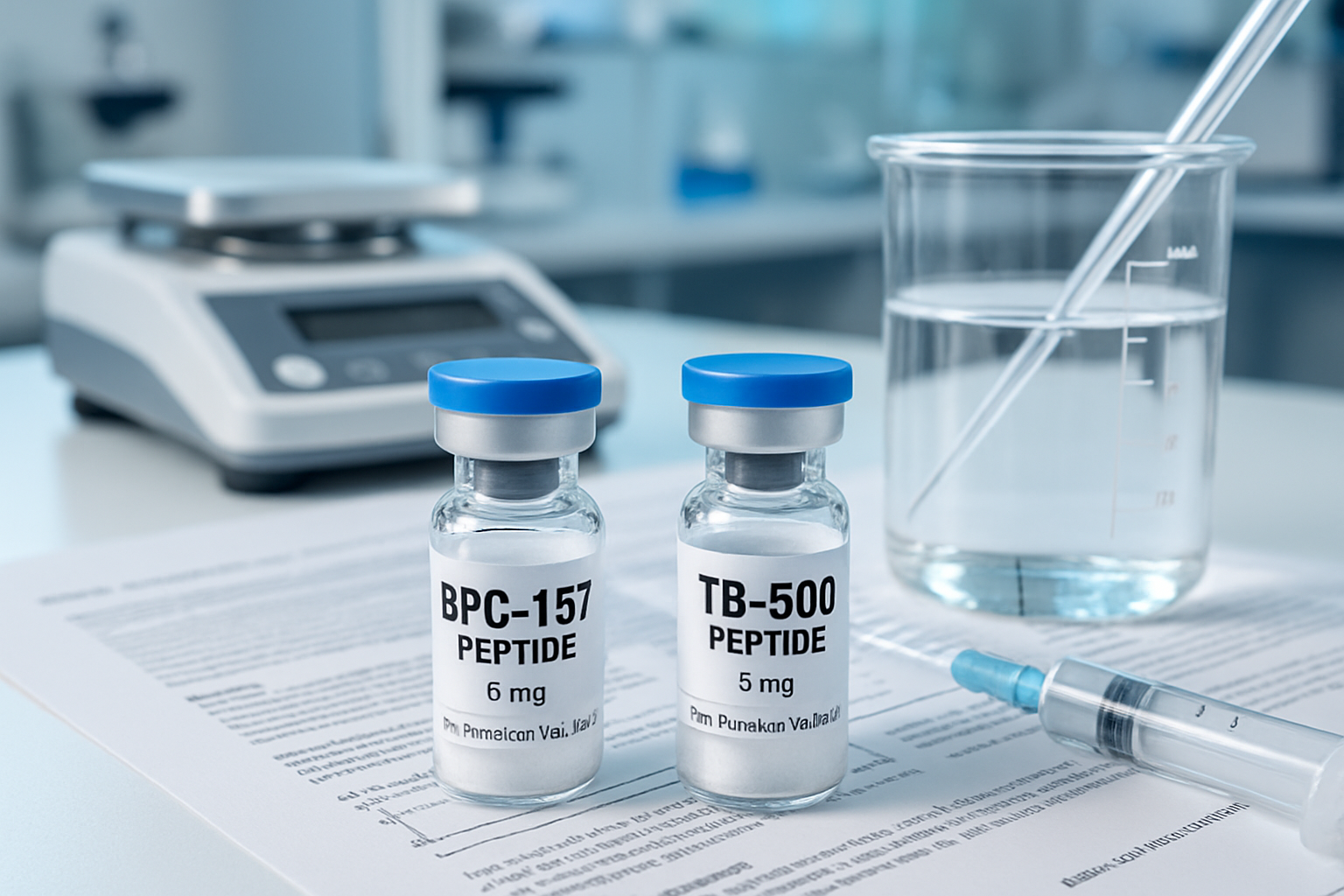
Understanding when to use BPC 157 and TB500 individually versus in combination requires careful consideration of research objectives and expected outcomes.
Individual Peptide Applications
BPC-157 Focused Research:
- Gastrointestinal healing mechanisms
- Angiogenesis pathway studies
- Cardiovascular protection research
- Neurological tissue repair investigations
TB-500 Focused Research:
- Cellular migration studies
- Wound healing mechanism research
- Cardiovascular repair investigations
- Anti-inflammatory pathway analysis
Combination Study Advantages
Enhanced Research Scope: Combining BPC 157 and TB500 allows researchers to examine multiple pathways simultaneously, providing more comprehensive data about tissue repair mechanisms.
Synergistic Effect Investigation: Studies can explore whether peptide combinations produce effects greater than the sum of individual components.
Multi-System Analysis: Combination protocols enable examination of complex biological interactions that single peptides might not reveal.
Cost-Effective Research: Some studies benefit from examining multiple pathways in single experimental protocols rather than conducting separate investigations.
Researchers can explore detailed information about BPC-157 and TB-500 combinations to understand specific research applications and protocols.
Laboratory Safety and Handling Protocols
Working with BPC 157 and TB500 requires adherence to standard laboratory safety protocols and proper handling procedures to ensure researcher safety and experimental integrity.
Personal Protective Equipment (PPE)
Basic PPE Requirements:
- Laboratory gloves (nitrile or latex)
- Safety glasses or goggles
- Laboratory coats or protective clothing
- Closed-toe shoes in laboratory environments
Specialized Equipment:
- Fume hoods for powder handling
- Precision balances for accurate measurements
- Sterile technique equipment for biological applications
- Proper waste disposal containers
Reconstitution and Handling Procedures
Sterile Technique Requirements:
Research applications often require sterile reconstitution to prevent contamination:
- Workspace Preparation: Clean, disinfected surfaces with appropriate lighting
- Sterile Water Addition: Slow addition to prevent foaming and degradation
- Gentle Mixing: Avoid vigorous shaking that might damage peptide structure
- Storage Protocols: Immediate refrigeration of reconstituted solutions
Documentation Requirements:
- Batch numbers and expiration dates
- Reconstitution dates and concentrations
- Storage conditions and handling logs
- Any observed changes in appearance or properties
For comprehensive guidance on peptide handling and storage, researchers can access detailed protocols and safety guidelines.
Future Research Directions and Emerging Applications
The field of BPC 157 and TB500 research continues evolving, with new applications and combination studies emerging regularly in scientific literature.
Emerging Research Areas
Regenerative Medicine Applications: Studies exploring how these peptides might enhance natural healing processes in various tissue types continue expanding.
Combination with Other Peptides: Research investigating how BPC 157 and TB500 interact with other peptides like GHK-Cu or growth hormone-releasing peptides.
Delivery System Development: Investigation of novel delivery methods including topical applications, sustained-release formulations, and targeted delivery systems.
Mechanistic Studies: Deeper investigation into the molecular mechanisms underlying peptide effects, including receptor interactions and cellular signaling pathways.
Technology Integration
Advanced Analytical Methods: Improved testing and analysis techniques providing better understanding of peptide behavior and effects.
Computational Modeling: Computer simulations helping predict peptide interactions and optimize research protocols.
Biomarker Development: Identification of specific markers to better measure and quantify peptide effects in research settings.
Researchers interested in staying current with developments can explore comprehensive peptide research resources for the latest protocols and findings.
Conclusion
The combination of BPC 157 and TB500 represents a fascinating area of peptide research with significant potential for advancing our understanding of tissue repair and regenerative processes. These two peptides, with their complementary mechanisms of action, offer researchers unique opportunities to explore complex biological systems and healing pathways.
Key considerations for successful research include:
✅ Quality sourcing from reputable suppliers with comprehensive testing documentation
✅ Proper handling and storage protocols to maintain peptide integrity
✅ Carefully designed research protocols that account for dosing, timing, and combination ratios
✅ Adherence to safety guidelines and laboratory best practices
✅ Documentation and analysis of results to contribute to the growing body of scientific knowledge
For researchers ready to begin their investigations, the next steps involve selecting appropriate peptide sources, designing comprehensive research protocols, and establishing proper laboratory procedures. Pure Tested Peptides provides the quality compounds and research support necessary for meaningful scientific investigation.
The future of BPC 157 and TB500 research holds tremendous promise for advancing our understanding of regenerative biology and developing new approaches to tissue repair research. As analytical techniques improve and our knowledge of peptide mechanisms expands, these compounds will likely play increasingly important roles in scientific research and discovery.
References
[1] Sikiric, P., et al. "Stable gastric pentadecapeptide BPC 157: Novel therapy in gastrointestinal tract." Current Pharmaceutical Design, 2011.
[2] Kang, E.A., et al. "The effect of BPC 157 on tendon healing." Journal of Applied Physiology, 2018.
[3] Malinda, K.M., et al. "Thymosin β4 accelerates wound healing." Journal of Investigative Dermatology, 1999.
[4] Chang, C.H., et al. "Pentadecapeptide BPC 157 enhances the growth hormone receptor expression in tendon fibroblasts." Molecules, 2014.
SEO Meta Information
Meta Title: BPC 157 and TB500 Research Guide: Peptide Combinations 2025
Meta Description: Comprehensive guide to BPC 157 and TB500 research peptides. Learn about combinations, protocols, sourcing, and laboratory applications for scientific studies.