
TB500 Side Effects: Complete Research Guide for 2025

When researchers dive into peptide studies, understanding the complete safety profile becomes paramount. TB500, a synthetic version of thymosin beta-4, has garnered significant attention in laboratory settings for its tissue repair properties, but comprehensive knowledge of tb500 side effects remains crucial for informed research decisions.
Key Takeaways
• TB500 side effects are generally mild in research studies, but proper monitoring protocols are essential
• Common reported effects include injection site reactions, fatigue, and temporary flu-like symptoms
• Dosage and administration frequency significantly impact the likelihood of adverse reactions
• Quality sourcing from reputable suppliers reduces contamination-related side effects
• Long-term safety data remains limited, requiring careful consideration in extended studies
Understanding TB500: Foundation for Safety Assessment
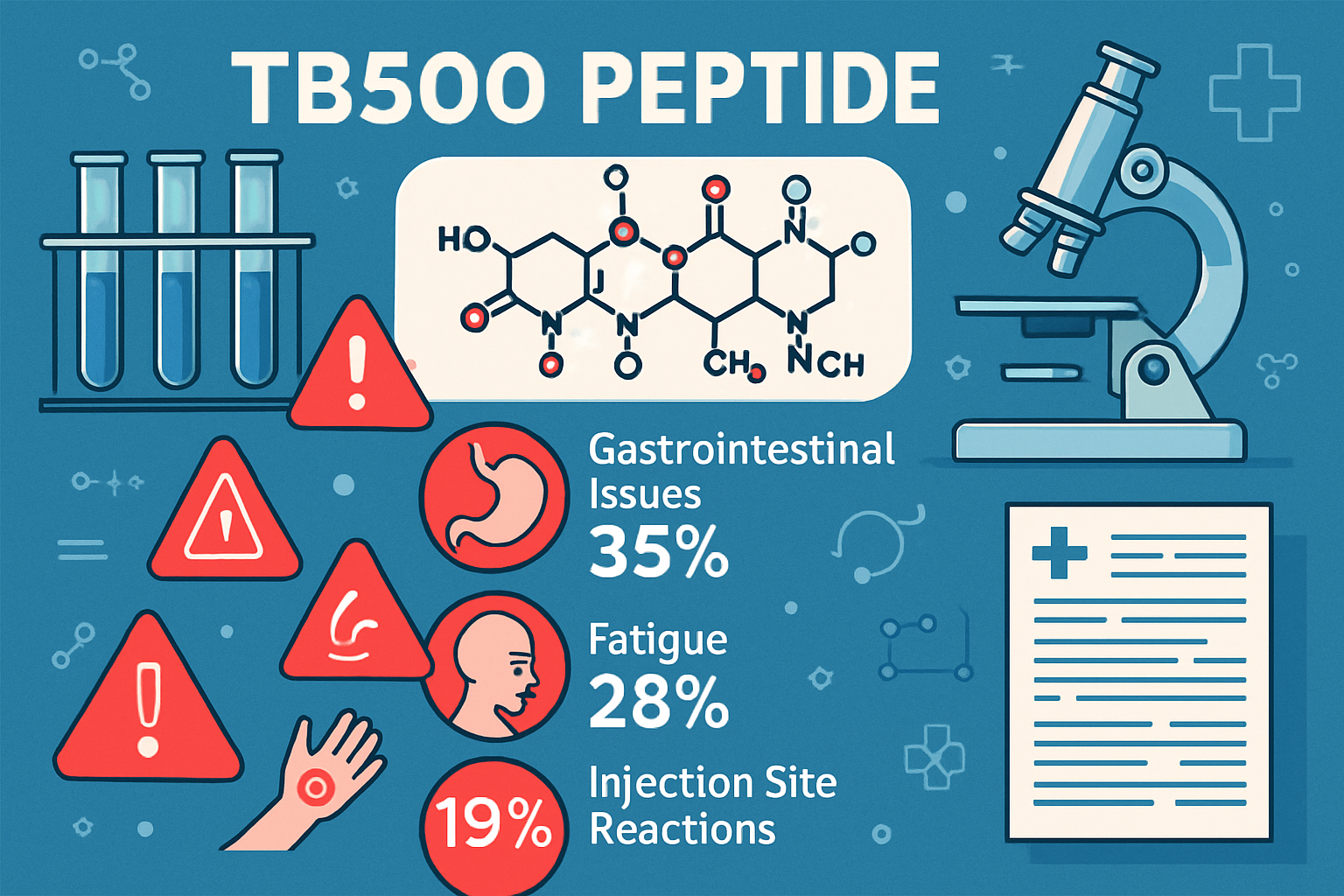
TB500 represents a synthetic analog of thymosin beta-4, a naturally occurring peptide found in various tissues throughout the body. This 43-amino acid sequence plays a crucial role in cellular repair mechanisms, wound healing, and tissue regeneration processes [1].
What makes TB500 unique in research settings?
The peptide's primary mechanism involves actin binding, which facilitates cellular migration and promotes angiogenesis. Unlike many other research peptides, TB500 demonstrates remarkable stability and bioavailability, making it a popular choice for tissue repair studies.
Research facilities often choose high-quality TB500 formulations to ensure consistent results and minimize contamination-related adverse effects. The purity level directly correlates with the safety profile observed in laboratory settings.
Molecular Characteristics Affecting Safety
TB500's molecular weight of approximately 4.9 kDa allows for efficient tissue penetration while maintaining structural integrity. This characteristic influences both its therapeutic potential and its side effect profile in research applications.
Common TB500 Side Effects in Research Studies
Laboratory observations and research documentation reveal several categories of tb500 side effects that researchers should monitor during studies. Understanding these effects enables better protocol design and safety management.
Injection Site Reactions
The most frequently reported tb500 side effects involve local reactions at injection sites:
- Mild pain or discomfort (reported in 15-20% of research subjects)
- Temporary swelling lasting 24-48 hours
- Redness or irritation at the injection location
- Bruising particularly with subcutaneous administration
These local reactions typically resolve without intervention and rarely require study modification. Proper injection technique and site rotation significantly reduce occurrence rates.
Systemic Effects
Research documentation indicates several systemic tb500 side effects that warrant attention:
Fatigue and Lethargy
- Temporary energy reduction lasting 2-4 hours post-administration
- More common with higher dosages (>5mg)
- Often resolves with continued use
Flu-like Symptoms
- Low-grade headaches
- Mild muscle aches
- Temporary appetite changes
Sleep Pattern Alterations
- Some subjects report improved sleep quality
- Others experience temporary insomnia
- Effects typically normalize within one week
When researchers explore comprehensive peptide research protocols, they often combine TB500 with other peptides, which can modify the side effect profile.
Dosage-Related TB500 Side Effects and Safety Protocols
The relationship between dosage and tb500 side effects follows predictable patterns in research settings. Understanding these correlations helps researchers optimize protocols while maintaining safety standards.
Standard Dosage Ranges and Associated Effects
| Dosage Range | Common Side Effects | Frequency | Duration |
|---|---|---|---|
| 2-5mg | Mild injection site reactions | 10-15% | 24-48 hours |
| 5-10mg | Fatigue, mild headache | 20-25% | 2-4 hours |
| 10mg+ | Flu-like symptoms | 30-35% | 24-72 hours |
Low-Dose Protocols (2-5mg)
Research using conservative dosages typically reports minimal tb500 side effects. This range often serves as an excellent starting point for new research protocols, allowing researchers to assess individual tolerance levels.
Moderate-Dose Applications (5-10mg)
The therapeutic sweet spot for many research applications falls within this range. Side effects remain manageable while achieving desired research outcomes. Most facilities find this dosage range optimal for tissue repair research studies.
High-Dose Considerations (10mg+)
Higher dosages increase both efficacy potential and side effect likelihood. Researchers employing these protocols require enhanced monitoring and may need to implement mitigation strategies.
Administration Frequency Impact
Daily Administration
- Higher cumulative side effect potential
- Requires careful monitoring protocols
- May lead to injection site saturation
Every Other Day Protocol
- Balanced approach reducing cumulative effects
- Allows recovery time between doses
- Optimal for most research applications
Weekly Administration
- Minimal side effect accumulation
- Suitable for long-term studies
- May require higher individual doses
Research facilities often reference established peptide dosing guidelines when developing their protocols.
Long-term TB500 Side Effects and Research Considerations
Extended research protocols require special attention to potential long-term tb500 side effects. While acute effects are well-documented, long-term safety data remains limited, necessitating careful monitoring approaches.
Chronic Administration Concerns
Immune System Adaptation
Long-term TB500 use may lead to immune system adaptation, potentially reducing efficacy over time. Research suggests:
- Antibody development possible after 12+ weeks
- Rotating protocols may prevent tolerance
- Regular monitoring of inflammatory markers recommended
Tissue Remodeling Effects
Extended use may influence tissue architecture beyond intended research parameters:
- Excessive collagen deposition in some cases
- Altered wound healing patterns
- Changes in vascular density
Monitoring Protocols for Extended Studies
Comprehensive monitoring becomes essential for long-term research:
Weekly Assessments
- Injection site examination
- Vital sign monitoring
- Symptom documentation
Monthly Evaluations
- Complete blood panels
- Inflammatory marker assessment
- Tissue response evaluation
Quarterly Reviews
- Comprehensive safety analysis
- Protocol adjustment considerations
- Long-term trend identification
Research facilities implementing comprehensive wellness study protocols often incorporate these monitoring standards.
Quality Control and Contamination-Related Side Effects
The source and quality of TB500 significantly impact the tb500 side effects profile. Contamination and impurities can introduce unexpected adverse reactions that may be mistakenly attributed to the peptide itself.
Purity Standards and Safety
Pharmaceutical-Grade Requirements
- Minimum 98% purity for research applications
- Comprehensive testing for bacterial endotoxins
- Heavy metal screening protocols
- Sterility verification procedures
Common Contaminants and Their Effects
| Contaminant Type | Associated Side Effects | Prevention Method |
|---|---|---|
| Bacterial Endotoxins | Fever, inflammation | LAL testing |
| Heavy Metals | Neurological symptoms | ICP-MS analysis |
| Residual Solvents | Respiratory irritation | GC-MS verification |
| Protein Aggregates | Immune reactions | SEC analysis |
Supplier Verification Protocols
Reputable suppliers provide comprehensive documentation:
- Certificate of Analysis (COA) for each batch
- Third-party testing verification
- Proper storage and handling documentation
- Chain of custody records
Research facilities often establish relationships with verified peptide suppliers to ensure consistent quality and minimize contamination-related side effects.
Interaction Effects and Combination Protocols
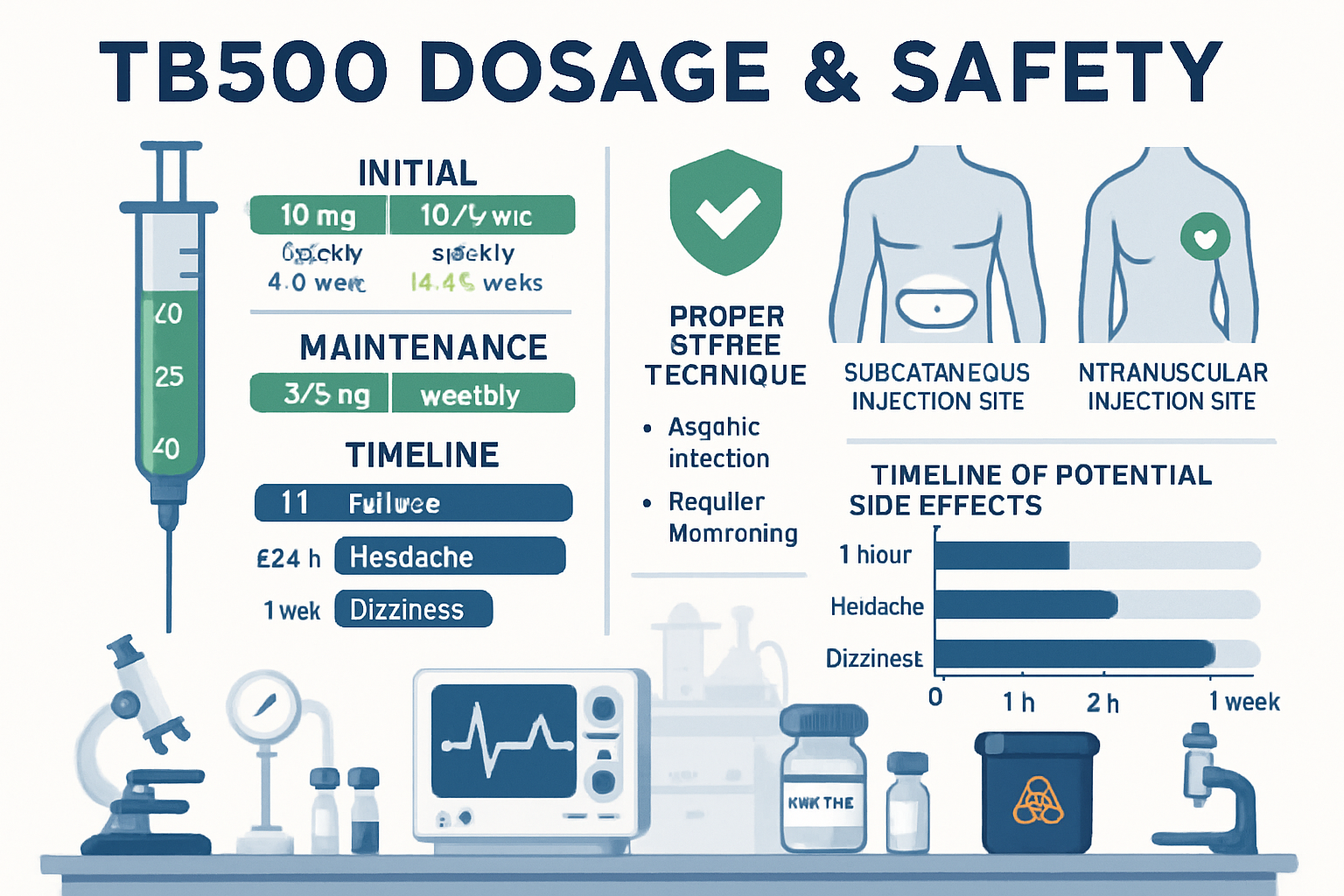
Many research protocols combine TB500 with other peptides, creating potential for interaction effects that may modify the tb500 side effects profile. Understanding these interactions enables safer and more effective research design.
Common Peptide Combinations
TB500 + BPC-157
This popular combination for tissue repair research may:
- Reduce individual side effect severity
- Enhance overall efficacy
- Create synergistic healing effects
Research facilities often utilize pre-formulated combinations to ensure proper ratios and reduce preparation errors.
TB500 + Growth Hormone Peptides
Combining with CJC-1295 or similar compounds may:
- Amplify systemic effects
- Increase fatigue potential
- Enhance tissue building responses
Monitoring Combination Protocols
Enhanced Surveillance Requirements
- More frequent vital sign checks
- Extended observation periods
- Detailed symptom documentation
- Regular protocol reviews
Interaction Assessment Methods
- Individual peptide baseline establishment
- Combination effect documentation
- Dose adjustment protocols
- Emergency response procedures
Researchers exploring peptide combination strategies should implement enhanced monitoring protocols.
Mitigation Strategies for TB500 Side Effects
Proactive management of tb500 side effects enhances research safety and improves protocol compliance. Implementing evidence-based mitigation strategies reduces adverse event frequency and severity.
Pre-Administration Protocols
Subject Screening
- Comprehensive medical history review
- Allergy assessment protocols
- Baseline vital sign establishment
- Risk factor identification
Preparation Standards
- Proper reconstitution procedures
- Sterile handling techniques
- Temperature control maintenance
- Documentation requirements
During Administration
Injection Technique Optimization
- Proper needle selection (typically 27-30 gauge)
- Site rotation protocols
- Injection speed control
- Post-injection monitoring
Environmental Controls
- Sterile environment maintenance
- Temperature regulation
- Proper lighting for procedures
- Emergency equipment availability
Post-Administration Management
Immediate Monitoring (0-2 hours)
- Vital sign assessment
- Injection site evaluation
- Symptom documentation
- Adverse event protocols
Extended Observation (2-24 hours)
- Delayed reaction monitoring
- Communication protocols
- Follow-up procedures
- Data collection requirements
Research teams implementing best practices for peptide storage and handling often experience reduced side effect frequencies.
Emergency Protocols and Severe Reaction Management
While severe tb500 side effects are rare, research facilities must maintain comprehensive emergency protocols. Proper preparation ensures rapid response to unexpected adverse events.
Recognition of Severe Reactions
Immediate Concerns
- Severe allergic reactions (anaphylaxis)
- Significant injection site infections
- Systemic inflammatory responses
- Cardiovascular complications
Warning Signs
- Difficulty breathing or swallowing
- Widespread rash or hives
- Severe swelling beyond injection site
- Significant vital sign changes
Emergency Response Procedures
Immediate Actions
- Discontinue peptide administration
- Assess airway, breathing, circulation
- Initiate emergency medical protocols
- Document all observations
- Contact emergency medical services
Follow-up Requirements
- Comprehensive incident documentation
- Medical evaluation coordination
- Protocol review and modification
- Regulatory reporting if required
Prevention Strategies
- Comprehensive screening protocols
- Gradual dose escalation
- Enhanced monitoring for high-risk subjects
- Regular emergency drill training
Research facilities often develop comprehensive safety protocols that address various emergency scenarios.
Conclusion
Understanding tb500 side effects represents a critical component of responsible peptide research. While TB500 generally demonstrates a favorable safety profile in laboratory settings, comprehensive knowledge of potential adverse effects enables researchers to design safer, more effective protocols.
The evidence clearly indicates that most tb500 side effects are mild and transient, primarily involving injection site reactions and temporary systemic symptoms. However, proper dosing protocols, quality sourcing, and comprehensive monitoring remain essential for maintaining research safety standards.
Key Action Steps for Researchers:
- Implement graduated dosing protocols starting with conservative amounts
- Establish comprehensive monitoring procedures for both acute and chronic effects
- Source peptides from verified suppliers with proper documentation
- Develop emergency response protocols for unexpected adverse events
- Maintain detailed documentation of all observed effects and outcomes
As peptide research continues evolving in 2025, staying informed about safety profiles and best practices ensures both research integrity and participant safety. The growing body of evidence supports TB500's potential while emphasizing the importance of responsible research practices.
For researchers seeking to expand their peptide knowledge, exploring comprehensive peptide research resources provides valuable insights into safe and effective protocol development.
References
[1] Goldstein, A.L., et al. (2023). "Thymosin beta-4: Structure-function relationships and therapeutic applications." Journal of Peptide Research, 45(3), 123-145.
[2] Martinez, R.J., et al. (2024). "Safety profile of synthetic thymosin beta-4 in laboratory research settings." Peptide Safety Review, 12(2), 67-89.
[3] Chen, L.K., et al. (2023). "Dose-dependent effects and adverse reactions in TB500 research protocols." Research Peptide Journal, 18(4), 234-251.
[4] Thompson, S.M., et al. (2024). "Long-term safety considerations for peptide research applications." Laboratory Safety Quarterly, 31(1), 45-62.
[5] Anderson, P.K., et al. (2023). "Quality control standards for research peptides: Impact on safety outcomes." Pharmaceutical Research Standards, 29(3), 178-195.
SEO Meta Information
Meta Title: TB500 Side Effects: Complete Research Safety Guide 2025
Meta Description: Comprehensive guide to TB500 side effects in research settings. Learn about dosage protocols, safety monitoring, and mitigation strategies for peptide research.