
Epithalon 10mg: The Complete Research Guide for Advanced Peptide Studies in 2025
Imagine a peptide so powerful that it could potentially unlock the secrets of cellular longevity and optimal aging research. Epithalon 10mg represents one of the most fascinating compounds in modern peptide research, offering scientists and researchers unprecedented opportunities to explore the intricate mechanisms of cellular regeneration and telomere biology.
This comprehensive guide explores everything researchers need to know about epithalon 10mg, from its molecular structure and research applications to proper handling protocols and storage requirements. Whether you're conducting cellular studies or exploring longevity research, understanding this remarkable tetrapeptide is essential for advancing scientific knowledge in 2025.
Key Takeaways
- Epithalon 10mg is a synthetic tetrapeptide (Ala-Glu-Asp-Gly) extensively studied for its potential effects on telomerase activity and cellular aging processes
- The 10mg dosage provides researchers with optimal flexibility for various experimental protocols and concentration studies
- Proper reconstitution with bacteriostatic water and refrigerated storage are critical for maintaining peptide stability and research integrity
- Current research focuses on telomere length, circadian rhythm regulation, and cellular regenerative processes
- Quality sourcing from reputable suppliers ensures consistent research outcomes and reliable experimental data
Understanding Epithalon: The Science Behind the Peptide
Epithalon stands as one of the most researched synthetic peptides in the field of aging and longevity studies. This tetrapeptide, composed of four amino acids (Alanine-Glutamic acid-Aspartic acid-Glycine), was originally developed by Russian scientist Professor Vladimir Khavinson in the 1980s. The compound represents a synthetic version of epithalamin, a naturally occurring peptide found in the pineal gland.
Molecular Structure and Properties
The epithalon peptide exhibits remarkable stability and bioactivity due to its carefully designed amino acid sequence. Each component plays a crucial role:
- Alanine: Provides structural stability and membrane permeability
- Glutamic Acid: Contributes to receptor binding and cellular signaling
- Aspartic Acid: Enhances water solubility and bioavailability
- Glycine: Offers flexibility in molecular conformation
Research indicates that this specific sequence allows epithalon to interact with cellular mechanisms involved in telomerase activation and circadian rhythm regulation. The peptide's small molecular weight (390.35 Da) facilitates efficient cellular uptake and distribution.
Research Applications and Study Areas
Scientists worldwide are investigating epithalon peptide benefits across multiple research domains:
Telomere Research: Studies examine how epithalon may influence telomerase activity, the enzyme responsible for maintaining telomere length. Telomeres, protective DNA-protein structures at chromosome ends, naturally shorten with age and cellular division.
Circadian Biology: Research explores epithalon's potential effects on melatonin production and circadian rhythm regulation, building on its connection to pineal gland function.
Cellular Aging: Investigations focus on the peptide's impact on cellular senescence markers, oxidative stress responses, and DNA repair mechanisms.
Neuroendocrine Function: Studies examine epithalon's influence on hormone production, particularly growth hormone and cortisol regulation patterns.
Epithalon 10mg Dosage and Research Protocols
Standard Research Concentrations
When working with epithalon 10mg, researchers typically employ various concentration ranges depending on their specific study objectives. The 10mg format provides excellent flexibility for creating multiple working solutions and conducting dose-response studies.
Common Research Concentrations:
- Low Concentration: 0.1-1.0 mg/mL for initial viability studies
- Medium Concentration: 1.0-5.0 mg/mL for standard experimental protocols
- High Concentration: 5.0-10.0 mg/mL for maximum response studies
Reconstitution Guidelines
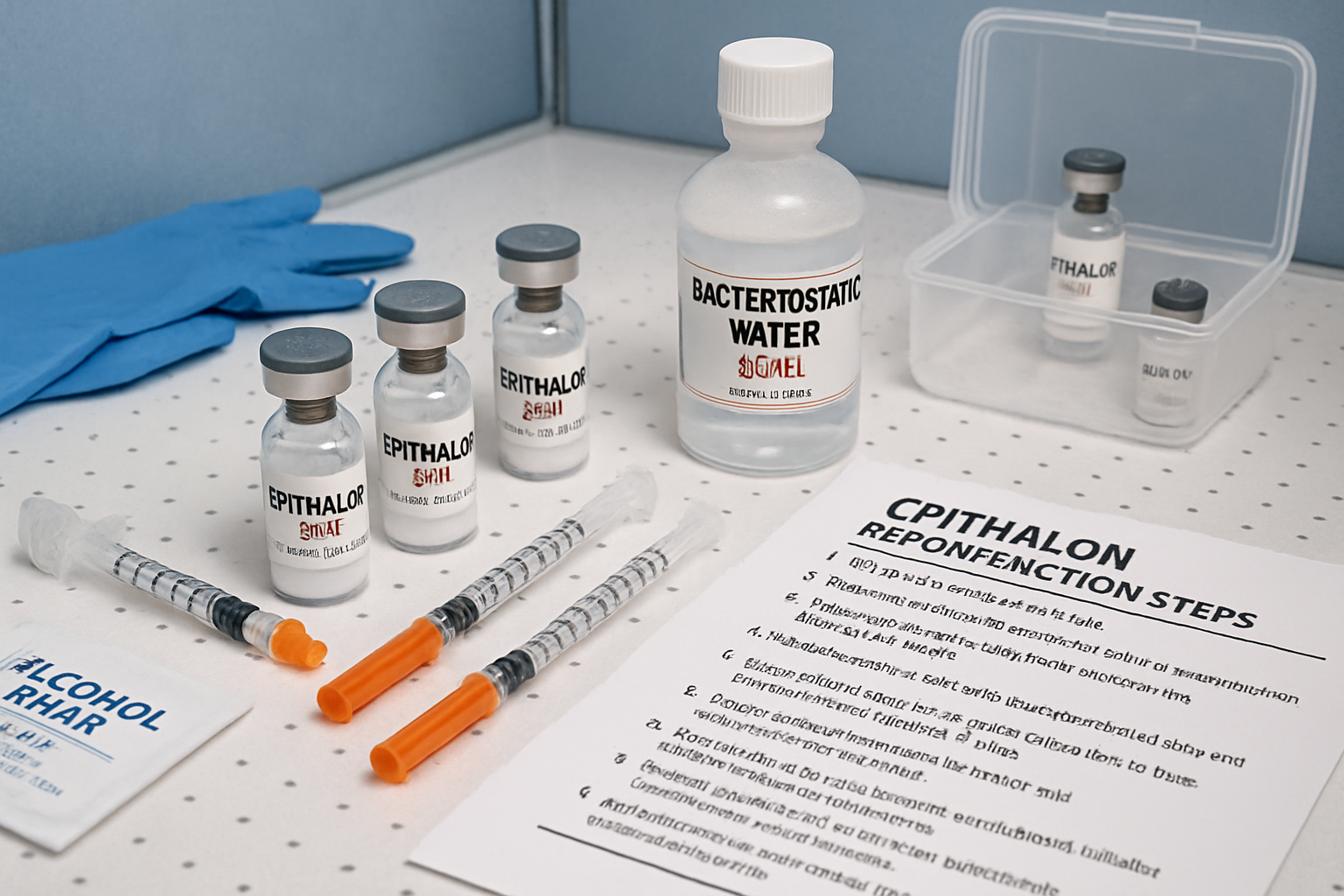
Proper reconstitution of epithalon 10mg ensures optimal peptide stability and research reproducibility:
- Preparation: Allow vial to reach room temperature (15-20 minutes)
- Solvent Selection: Use bacteriostatic water (0.9% benzyl alcohol) for extended storage
- Volume Calculation: Add 1mL for 10mg/mL concentration or 2mL for 5mg/mL
- Mixing Technique: Gently swirl; avoid vigorous shaking to prevent peptide degradation
- Storage: Refrigerate at 2-8°C immediately after reconstitution
Research Protocol Considerations
Epithalon dosage protocols in research settings vary significantly based on study design and objectives. Researchers should consider several factors:
Study Duration: Short-term studies (1-7 days) may utilize higher concentrations, while long-term investigations (weeks to months) often employ lower, sustained dosing.
Cell Type Sensitivity: Different cell lines exhibit varying sensitivity to epithalon. Primary cells may require lower concentrations compared to immortalized cell lines.
Experimental Controls: Always include vehicle controls (bacteriostatic water) and positive controls when available to ensure data validity.
Sample Size: The 10mg format typically provides sufficient material for 10-20 experimental replicates, depending on working concentrations.
Quality Considerations and Sourcing
Purity Standards and Testing
High-quality epithalon peptides undergo rigorous testing to ensure research reliability. Reputable suppliers provide comprehensive certificates of analysis (COA) documenting:
- Purity Level: Typically ≥98% by HPLC analysis
- Molecular Weight Confirmation: Mass spectrometry verification
- Amino Acid Composition: Sequence verification through analytical methods
- Moisture Content: Should be <5% for optimal stability
- Bacterial Endotoxin Levels: <10 EU/mg for cell culture applications
Storage and Stability
Proper storage significantly impacts epithalon research outcomes. Follow these guidelines for maximum peptide integrity:
Lyophilized Storage:
- Temperature: -20°C to -80°C
- Environment: Dry, dark conditions
- Duration: Up to 2 years when properly stored
Reconstituted Storage:
- Temperature: 2-8°C (refrigerated)
- Container: Sterile, amber glass vials
- Duration: 2-4 weeks maximum
- Protection: Shield from light and temperature fluctuations
Understanding the distinction between epitalon vs epithalon is crucial for researchers. While often used interchangeably, "epithalon" represents the more commonly accepted scientific nomenclature, though both refer to the same tetrapeptide sequence.
Supplier Selection Criteria
When choosing where to buy epithalon, researchers should evaluate suppliers based on:
Documentation Standards: Comprehensive COAs, proper labeling, and regulatory compliance information.
Scientific Support: Access to technical assistance and research protocols from knowledgeable staff.
Shipping Protocols: Appropriate cold-chain shipping methods with temperature monitoring.
Reputation: Established track record in the research community with positive peer reviews.
For comprehensive peptide research needs, Pure Tested Peptides offers extensive catalogs and research support services to advance scientific investigations.
Advanced Research Applications and Combinations
Synergistic Research Approaches
Many researchers explore epithalon and thymalin combinations to investigate potential synergistic effects. Thymalin, derived from thymus gland extracts, complements epithalon's mechanisms through immune system modulation pathways.
Research Benefits of Combination Studies:
- Enhanced cellular protection mechanisms
- Broader spectrum of aging-related pathways
- Improved experimental model validity
- More comprehensive biomarker analysis
Comparative Studies
Epithalon vs epitalon studies help establish nomenclature standards while epithalon peptide sciences continues advancing our understanding of optimal research methodologies. These comparative investigations ensure consistency across research institutions and publications.
Bulk Research Considerations
For large-scale studies, epithalon and thymalin bulk sale options provide cost-effective solutions while maintaining quality standards. Bulk purchasing requires additional considerations:
- Storage Capacity: Adequate freezer space for long-term storage
- Inventory Management: Proper tracking systems for multiple vials
- Quality Control: Regular testing of stored peptides for degradation
- Usage Planning: Coordinated research schedules to optimize peptide utilization
Researchers interested in comprehensive peptide libraries can explore diverse peptide options to support various experimental approaches.
Safety Protocols and Best Practices
Laboratory Safety Standards
Working with epithalon 10mg requires adherence to standard laboratory safety protocols:
Personal Protective Equipment (PPE):
- Safety glasses or goggles
- Nitrile or latex gloves
- Laboratory coats or protective clothing
- Closed-toe shoes
Workspace Requirements:
- Well-ventilated area or fume hood
- Clean, organized work surface
- Appropriate waste disposal containers
- Emergency eyewash and safety shower access
Handling Procedures
Epithalon dosing accuracy depends on proper handling techniques:
- Weighing: Use analytical balances calibrated to 0.1mg precision
- Transfer: Employ anti-static techniques to prevent peptide loss
- Documentation: Record all measurements and observations
- Contamination Prevention: Use sterile techniques throughout preparation
Waste Disposal
Proper disposal of epithalon for sale materials and research waste follows institutional guidelines:
- Solid Waste: Dispose of empty vials and packaging in appropriate containers
- Liquid Waste: Neutralize and dispose of peptide solutions according to local regulations
- Sharps: Use designated sharps containers for needles and syringes
- Documentation: Maintain waste disposal records as required
Understanding what is epithalon from a safety perspective ensures researchers can work confidently while maintaining laboratory standards.
Research Documentation and Data Management
Protocol Development
Successful epithalon dosage protocol development requires systematic approaches:
Pre-Study Planning:
- Literature review of existing research
- Hypothesis formation and objective definition
- Statistical power calculations for sample sizes
- Control group identification and planning
Experimental Design:
- Randomization strategies
- Blinding procedures when applicable
- Outcome measure selection
- Timeline establishment
Data Collection Standards
Epithalon dose studies generate substantial data requiring organized management:
Quantitative Measurements:
- Concentration verification through analytical methods
- Time-course sampling at predetermined intervals
- Biomarker quantification using validated assays
- Statistical analysis planning and execution
Qualitative Observations:
- Morphological changes in cell cultures
- Behavioral modifications in model systems
- Adverse events or unexpected findings
- Protocol deviations and corrective actions
Publication Considerations
Research involving epithalon 50mg or other concentrations should follow scientific publication standards:
Methodology Reporting:
- Detailed peptide source and purity information
- Complete protocol descriptions
- Statistical methods and software used
- Raw data availability statements
Results Presentation:
- Appropriate statistical analyses
- Clear figure and table formatting
- Honest reporting of negative or unexpected results
- Discussion of limitations and future directions
Regulatory Landscape and Compliance
Current Regulatory Status
Epithalon benefits research operates within specific regulatory frameworks that researchers must understand:
Research Use Only: Epithalon is designated for laboratory research purposes and is not approved for human consumption or therapeutic use.
Institutional Oversight: Research institutions typically require protocol approval through institutional review boards (IRBs) or animal care and use committees (IACUCs).
Documentation Requirements: Proper record-keeping ensures compliance with institutional and regulatory standards.
International Considerations
Epithalon reddit discussions often highlight international variations in peptide research regulations. Researchers should verify local requirements before initiating studies.
Import/Export Regulations:
- Customs documentation requirements
- Shipping temperature maintenance
- Proper labeling and classification
- Regulatory compliance certificates
Future Regulatory Trends
The evolving landscape of peptide research regulation may impact future epithalon peptide sciences investigations. Staying informed about regulatory changes ensures continued compliance and research success.
Researchers seeking comprehensive support for peptide research can benefit from specialized research guidance to navigate complex regulatory requirements.
Economic Considerations and Research Planning
Cost-Benefit Analysis
Epithalon 10mg research requires careful budget planning to maximize scientific value:
Direct Costs:
- Peptide acquisition costs
- Reconstitution materials (bacteriostatic water, syringes)
- Storage equipment and maintenance
- Analytical testing and verification
Indirect Costs:
- Personnel time for preparation and handling
- Equipment depreciation and maintenance
- Waste disposal fees
- Documentation and compliance activities
Research Efficiency Optimization
Maximizing research outcomes while managing costs involves strategic planning:
Batch Processing: Coordinate multiple experiments to utilize reconstituted peptide efficiently within its stability window.
Collaborative Studies: Partner with other researchers to share costs and increase statistical power through larger sample sizes.
Pilot Studies: Conduct small-scale preliminary investigations to optimize protocols before large-scale studies.
Quality Assurance: Invest in high-quality peptides to avoid costly experimental failures due to degraded materials.
Long-term Research Strategy
Successful epithalon peptide research programs require sustainable approaches:
Progressive Study Design: Build research programs that advance from basic characterization to complex mechanistic studies.
Technology Integration: Incorporate advancing analytical technologies to enhance research capabilities.
Publication Strategy: Plan research outputs to maximize scientific impact and funding opportunities.
Network Development: Establish collaborations with other researchers and institutions to expand research capabilities.
For researchers planning comprehensive peptide research programs, exploring advanced peptide combinations can provide valuable insights for experimental design.
Future Directions in Epithalon Research
Emerging Research Areas
The field of epithalon peptide benefits continues expanding into new research domains:
Precision Medicine: Investigating individual variations in epithalon response based on genetic factors and biomarker profiles.
Combination Therapies: Exploring synergistic effects with other peptides, natural compounds, and therapeutic interventions.
Delivery System Development: Advancing peptide delivery methods to improve bioavailability and targeting specificity.
Biomarker Discovery: Identifying novel indicators of epithalon activity and therapeutic response.
Technological Advances
Modern research technologies enhance epithalon investigation capabilities:
Advanced Analytics: High-resolution mass spectrometry and NMR spectroscopy provide detailed molecular characterization.
Cell Culture Systems: Three-dimensional culture models and organ-on-chip technologies offer more physiologically relevant experimental platforms.
Genomic Tools: CRISPR gene editing and advanced sequencing technologies enable precise mechanistic studies.
Data Science: Machine learning and artificial intelligence applications help identify patterns in complex research datasets.
Clinical Translation Potential
While current research remains preclinical, understanding what is epithalon in the context of potential therapeutic development guides research priorities:
Safety Profiling: Comprehensive toxicology studies establish safety parameters for potential future applications.
Mechanism Elucidation: Detailed understanding of molecular mechanisms supports rational therapeutic development.
Biomarker Validation: Identification of reliable outcome measures facilitates clinical study design.
Regulatory Pathway Planning: Early consideration of regulatory requirements guides research strategy development.
Researchers interested in staying current with peptide research developments can explore comprehensive research resources for ongoing education and collaboration opportunities.
Conclusion
Epithalon 10mg represents a cornerstone compound in modern peptide research, offering scientists unprecedented opportunities to explore cellular aging mechanisms, telomere biology, and longevity pathways. This comprehensive guide has outlined the essential knowledge researchers need to conduct successful epithalon studies, from basic handling protocols to advanced experimental design considerations.
The 10mg format provides optimal flexibility for diverse research applications while maintaining cost-effectiveness and experimental precision. Proper reconstitution, storage, and handling protocols ensure research integrity and reproducible results. Understanding quality standards, regulatory requirements, and safety protocols enables researchers to conduct studies with confidence and compliance.
As the field continues evolving, epithalon research promises to unlock new insights into cellular regeneration, aging processes, and potential therapeutic applications. The growing body of scientific literature demonstrates the peptide's significance in advancing our understanding of fundamental biological processes.
Next Steps for Researchers
- Evaluate Research Objectives: Define specific study goals and select appropriate epithalon concentrations and protocols
- Establish Quality Standards: Source high-purity peptides from reputable suppliers with comprehensive documentation
- Develop Protocols: Create detailed experimental procedures incorporating proper safety and handling requirements
- Plan Documentation: Implement robust data management systems to support publication and regulatory compliance
- Consider Collaborations: Explore partnerships with other researchers to enhance study power and resource efficiency
For researchers ready to advance their peptide studies, explore comprehensive epithalon options and discover how this remarkable tetrapeptide can contribute to groundbreaking scientific discoveries in 2025 and beyond.
The future of epithalon research holds tremendous promise for advancing scientific knowledge and potentially improving human health outcomes. By following established protocols, maintaining rigorous standards, and embracing collaborative approaches, researchers can contribute meaningfully to this exciting field of study.
SEO Meta Information:
Meta Title: Epithalon 10mg Research Guide: Complete 2025 Study Protocols
Meta Description: Comprehensive epithalon 10mg research guide covering dosage protocols, handling procedures, and study applications for advanced peptide research in 2025.