
Epithalon Peptide: The Complete Guide to Anti-Aging Research in 2025
Imagine a tiny molecule that could potentially slow down the aging process at the cellular level. The epithalon peptide has captured the attention of researchers worldwide for its remarkable ability to influence telomerase activity and cellular regeneration. This synthetic tetrapeptide, consisting of just four amino acids, represents one of the most promising areas of anti-aging research in 2025.
Epithalon peptide research has expanded dramatically over the past decade, with scientists investigating its potential to extend cellular lifespan and improve overall health markers. As more researchers explore peptide-based interventions, epithalon stands out for its unique mechanism of action and promising preliminary results.
Key Takeaways
• Epithalon peptide is a synthetic four-amino-acid sequence (Ala-Glu-Asp-Gly) that may activate telomerase enzyme activity
• Research suggests potential benefits for cellular regeneration, sleep quality, and immune system function
• Proper dosing protocols typically range from 5-10mg per cycle, administered over specific timeframes
• Quality sourcing from reputable suppliers is crucial for research applications
• Storage and reconstitution require careful attention to maintain peptide stability and effectiveness
What is Epithalon Peptide? Understanding the Science
Epithalon peptide, also known as Epitalon in some research circles, is a synthetic version of epithalamin, a natural peptide originally isolated from the pineal gland. This bioactive tetrapeptide consists of four amino acids arranged in the sequence Alanine-Glutamic acid-Aspartic acid-Glycine (Ala-Glu-Asp-Gly).
The peptide was first developed by Russian scientist Professor Vladimir Khavinson in the 1980s as part of extensive research into bioregulatory peptides. Epithalon works primarily by potentially activating telomerase, an enzyme responsible for maintaining telomere length in cells.
The Molecular Mechanism
Telomeres are protective DNA-protein structures located at the ends of chromosomes. They naturally shorten with each cell division, eventually leading to cellular senescence and death. Epithalon peptide research suggests this compound may:
- Activate telomerase enzyme 🧬
- Extend telomere length in certain cell types
- Improve cellular regeneration processes
- Support healthy aging mechanisms
When researchers examine peptide research applications, epithalon consistently appears as a compound of significant interest due to its unique cellular targets.
Research Applications and Studies
Scientific investigations into epithalon peptide benefits have explored various areas:
Longevity Research: Studies in animal models have shown promising results for lifespan extension and healthspan improvement.
Sleep Quality: Some research indicates potential improvements in circadian rhythm regulation and sleep patterns.
Immune Function: Preliminary data suggests possible immune system modulation effects.
Cellular Health: Laboratory studies demonstrate potential for improved cellular function and reduced oxidative stress markers.
For researchers interested in exploring these applications, high-quality epithalon peptides are essential for obtaining reliable results.
Epithalon Peptide Dosage and Administration Protocols
Understanding proper epithalon dosage protocols is crucial for researchers conducting studies with this peptide. Research literature suggests several different approaches, with dosing strategies varying based on study objectives and duration.
Standard Research Dosing Protocols
Epithalon dosing typically follows these general guidelines in research settings:
| Protocol Type | Dosage Range | Duration | Frequency |
|---|---|---|---|
| Standard Cycle | 5-10mg | 10-20 days | Daily |
| Extended Protocol | 3-5mg | 30-60 days | Daily |
| Maintenance | 2-3mg | Ongoing | 3x weekly |
Reconstitution and Preparation
Epithalon 10mg vials require proper reconstitution before use. Research protocols typically involve:
- Sterile Water Addition: Using bacteriostatic water for reconstitution
- Gentle Mixing: Avoiding vigorous shaking to prevent peptide degradation
- Proper Storage: Maintaining refrigerated conditions post-reconstitution
- Timing Considerations: Using reconstituted peptide within recommended timeframes
For larger research projects, epithalon 50mg preparations offer better value and consistency. Many researchers prefer bulk peptide options for extended studies.
Administration Timing and Considerations
Research suggests optimal epithalon peptide administration timing may influence outcomes:
Evening Administration: Some studies indicate better results when administered in the evening, potentially due to natural circadian rhythm alignment.
Fasting State: Research protocols often specify administration during fasting periods to maximize absorption.
Cycle Timing: Many researchers implement cycling protocols with rest periods between active dosing phases.
Dosage Protocol Variations
Different research objectives may require adjusted epithalon dosage protocol approaches:
Short-Term Studies: Higher doses (8-10mg) over shorter periods (10-14 days)
Long-Term Research: Lower doses (3-5mg) extended over months
Combination Studies: Reduced epithalon doses when combined with other research compounds
When planning research protocols, consulting with experienced researchers and reviewing current literature helps optimize study design. The comprehensive peptide research resources available can guide proper protocol development.
Epithalon vs Epitalon: Understanding the Differences
The terms epithalon vs epitalon often create confusion among researchers new to this peptide. Understanding these distinctions is important for proper research planning and sourcing.
Nomenclature and Terminology
Epithalon and Epitalon refer to the same synthetic tetrapeptide compound. The variation in spelling primarily reflects:
- Regional Differences: Different research communities may prefer one spelling
- Translation Variations: Original Russian research used Cyrillic characters
- Commercial Naming: Suppliers may choose different spellings for branding
Both terms describe the identical Ala-Glu-Asp-Gly peptide sequence with the same molecular structure and research applications.
Quality and Sourcing Considerations
When researchers ask "what is epithalon" in relation to quality differences, the focus should be on:
Purity Standards: Regardless of naming, peptide purity should meet research-grade specifications (typically >98%)
Synthesis Methods: Solid-phase peptide synthesis (SPPS) remains the standard production method
Testing Protocols: Reputable suppliers provide certificates of analysis (COA) regardless of naming conventions
Storage Requirements: Both spellings refer to peptides requiring identical storage conditions
Research Literature Variations
Scientific publications may use either spelling, but the research refers to identical compounds. When reviewing epithalon reddit discussions or academic papers, researchers should recognize that:
- Study results apply to both naming conventions
- Dosing protocols remain consistent regardless of spelling
- Molecular mechanisms are identical
For researchers seeking reliable sources, verified peptide suppliers maintain consistent quality standards regardless of naming preferences.
Benefits and Research Findings of Epithalon Peptide
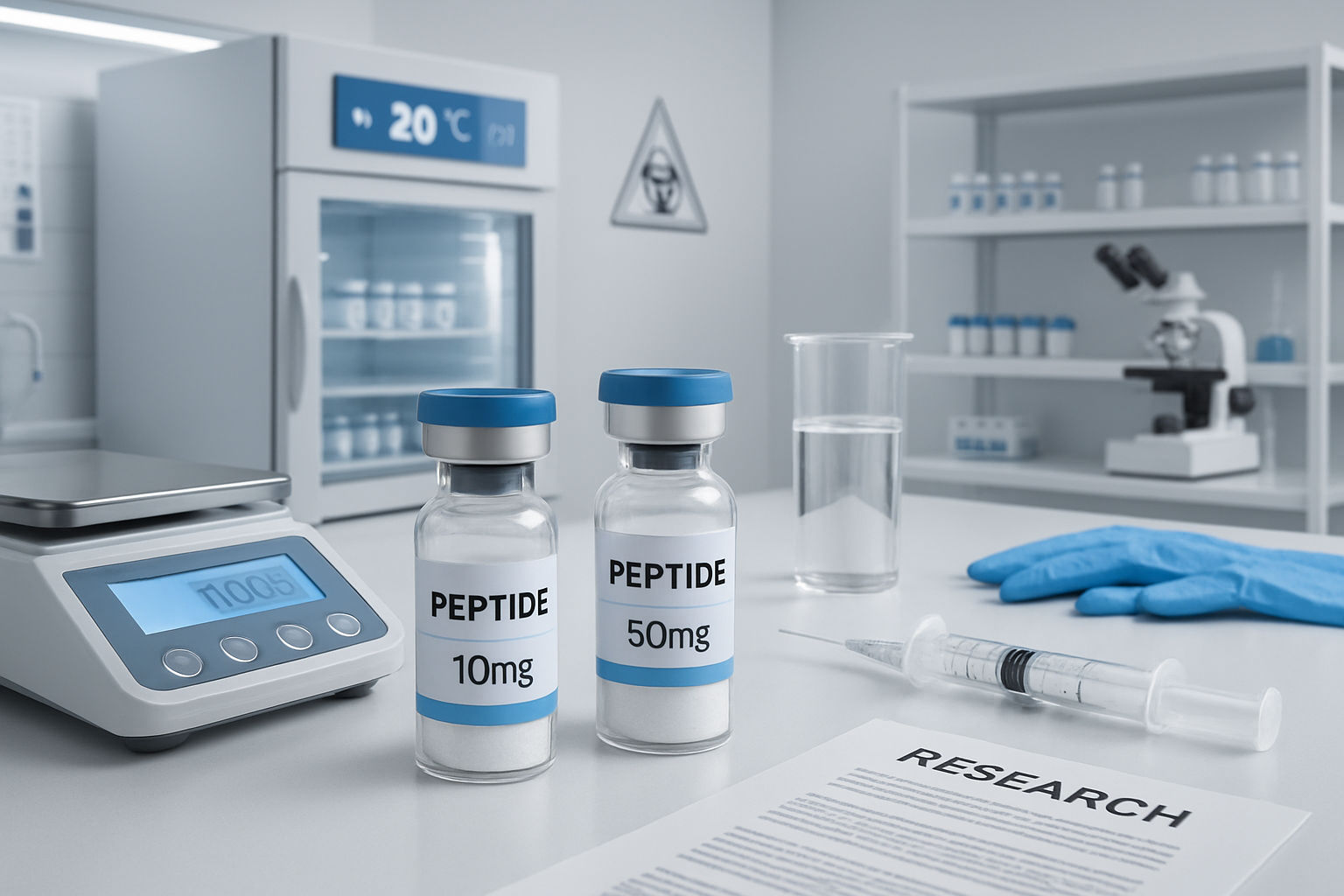
Extensive research into epithalon peptide benefits has revealed multiple areas of potential therapeutic application. While most studies remain in preclinical phases, the results have been encouraging across various health parameters.
Cellular and Molecular Benefits
Telomerase Activation: The primary mechanism through which epithalon may exert its effects involves telomerase enzyme activation. Research indicates:
- Increased telomerase activity in various cell types
- Potential telomere length preservation
- Enhanced cellular replicative capacity
- Reduced markers of cellular senescence
Antioxidant Properties: Studies suggest epithalon may provide cellular protection through:
- Reduced oxidative stress markers
- Enhanced antioxidant enzyme activity
- Improved mitochondrial function
- Protection against free radical damage
Sleep and Circadian Rhythm Research
Sleep Quality Improvements: Research has documented potential benefits for sleep parameters:
- Enhanced Sleep Duration: Studies show possible increases in total sleep time
- Improved Sleep Architecture: Better REM and deep sleep phases
- Circadian Regulation: Potential normalization of sleep-wake cycles
- Reduced Sleep Latency: Faster onset of sleep in some studies
These findings make epithalon particularly interesting for researchers studying sleep and wellness applications.
Immune System Modulation
Immune Function Research: Preliminary studies suggest epithalon may influence immune parameters:
| Immune Parameter | Observed Changes | Research Stage |
|---|---|---|
| T-cell Function | Enhanced activity | Preclinical |
| Antibody Production | Improved response | Animal studies |
| Inflammatory Markers | Reduced levels | Laboratory |
| Immune Aging | Potential reversal | Early research |
Metabolic and Endocrine Effects
Hormonal Balance: Research indicates potential effects on various hormonal systems:
- Melatonin Production: Possible enhancement of natural melatonin synthesis
- Growth Hormone: Some studies suggest improved GH secretion patterns
- Cortisol Regulation: Potential normalization of stress hormone levels
- Insulin Sensitivity: Preliminary data on metabolic improvements
For researchers interested in comprehensive peptide approaches, exploring combination research protocols may provide additional insights.
Neuroprotective Research
Brain Health Studies: Emerging research explores epithalon's potential neuroprotective properties:
- Enhanced cognitive function in aging models
- Potential protection against neurodegenerative processes
- Improved brain plasticity markers
- Better stress resilience
Cardiovascular Research Findings
Heart Health Parameters: Some studies have investigated cardiovascular effects:
- Improved endothelial function
- Better blood pressure regulation
- Enhanced cardiac muscle protection
- Reduced cardiovascular aging markers
These diverse research areas highlight why epithalon benefits continue to attract scientific attention across multiple disciplines.
Where to Buy Epithalon: Quality and Sourcing Guide
Finding reliable sources to buy epithalon requires careful evaluation of suppliers, quality standards, and research requirements. The peptide research market has expanded significantly, making supplier selection crucial for research success.
Quality Standards and Certifications
When evaluating where to purchase epithalon, researchers should prioritize:
Purity Specifications: Research-grade epithalon should meet minimum purity standards of 98% or higher. Reputable suppliers provide detailed certificates of analysis (COA) documenting:
- HPLC purity analysis
- Mass spectrometry confirmation
- Amino acid sequence verification
- Bacterial endotoxin testing
- Heavy metals screening
Manufacturing Standards: Quality suppliers follow Good Manufacturing Practices (GMP) and maintain:
- Sterile production environments
- Batch tracking systems
- Quality control protocols
- Proper storage conditions
- Documented chain of custody
Evaluating Peptide Suppliers
Supplier Reputation: Established suppliers typically offer:
- Transparent testing procedures
- Responsive customer support
- Consistent product availability
- Proper packaging and shipping
- Clear documentation and labeling
Product Specifications: When comparing epithalon for sale options, consider:
| Factor | Importance | What to Look For |
|---|---|---|
| Purity | Critical | >98% by HPLC |
| Testing | Essential | Complete COA |
| Storage | Important | Proper freeze-drying |
| Packaging | Significant | Sterile vials |
| Documentation | Required | Clear labeling |
For researchers seeking reliable sources, Pure Tested Peptides maintains rigorous quality standards and comprehensive testing protocols.
Pricing and Value Considerations
Cost Factors: Epithalon peptide pricing varies based on:
- Quantity purchased (bulk discounts available)
- Purity specifications
- Supplier reputation
- Geographic location
- Shipping requirements
Value Assessment: Rather than focusing solely on lowest price, researchers should evaluate:
- Cost per milligram of pure peptide
- Included testing documentation
- Supplier support services
- Shipping reliability and speed
- Return/replacement policies
Storage and Handling Requirements
Pre-Reconstitution Storage: Lyophilized epithalon requires:
- Freezer storage (-20°C or colder)
- Protection from light and moisture
- Original sealed packaging
- Temperature monitoring during shipping
Post-Reconstitution Handling: Once reconstituted, epithalon needs:
- Refrigerated storage (2-8°C)
- Use within recommended timeframes
- Sterile handling techniques
- Proper disposal of unused portions
Regulatory and Legal Considerations
Research Use Only: Epithalon peptides are typically sold for research purposes only. Researchers should:
- Understand local regulations
- Maintain proper documentation
- Follow institutional guidelines
- Ensure appropriate research protocols
Import/Export Requirements: International researchers may need to consider:
- Customs documentation
- Import permits
- Shipping restrictions
- Local regulatory compliance
When planning research projects, consulting peptide research best practices helps ensure proper handling and storage throughout the research process.
Bulk Purchasing Options
For extensive research projects, epithalon and thymalin bulk sale options may provide:
- Significant cost savings
- Consistent batch quality
- Reduced shipping frequency
- Better inventory management
- Long-term supply security
Many researchers find that bulk peptide purchasing offers better value for extended studies while ensuring consistent results across experimental phases.
Epithalon Peptide Storage and Handling Best Practices
Proper storage and handling of epithalon peptide significantly impacts research outcomes and peptide stability. Understanding these requirements ensures optimal peptide performance and reliable experimental results.
Pre-Reconstitution Storage Requirements
Temperature Control: Lyophilized epithalon requires strict temperature management:
- Long-term storage: -20°C or colder
- Short-term storage: Refrigerated (2-8°C) for up to 30 days
- Shipping conditions: Temperature-controlled packaging with monitoring
- Freeze-thaw cycles: Minimize to prevent degradation
Environmental Protection: Peptides are sensitive to environmental factors:
- Light exposure: Store in dark conditions or amber vials
- Moisture: Keep in original sealed packaging with desiccants
- Air exposure: Minimize opening frequency
- Contamination: Maintain sterile conditions
Reconstitution Protocols
Solvent Selection: Proper reconstitution requires appropriate solvents:
Bacteriostatic Water: Most common choice for research applications
- Contains benzyl alcohol preservative
- Extends shelf life post-reconstitution
- Reduces bacterial contamination risk
Sterile Water: Alternative for sensitive applications
- No preservatives
- Shorter shelf life once reconstituted
- Requires more careful handling
Reconstitution Technique: Proper mixing prevents peptide damage:
- Gentle addition: Add solvent slowly down vial wall
- Swirling motion: Avoid vigorous shaking or vortexing
- Complete dissolution: Allow adequate time for full mixing
- Visual inspection: Check for clarity and particle-free solution
For researchers working with various peptide types, consistent reconstitution techniques ensure reliable results across different compounds.
Post-Reconstitution Storage
Refrigerated Storage: Reconstituted epithalon requires:
- Temperature range: 2-8°C
- Protected from light
- Sterile container
- Clear labeling with reconstitution date
Shelf Life Considerations: Reconstituted peptide stability varies:
| Storage Condition | Shelf Life | Notes |
|---|---|---|
| Refrigerated (2-8°C) | 2-4 weeks | With bacteriostatic water |
| Refrigerated (2-8°C) | 3-7 days | With sterile water |
| Frozen (-20°C) | 1-3 months | May affect potency |
| Room temperature | 24-48 hours | Emergency only |
Handling Safety and Sterility
Sterile Technique: Maintaining sterility prevents contamination:
- Clean workspace: Disinfected surfaces and equipment
- Sterile supplies: Syringes, needles, and containers
- Proper technique: Aseptic handling procedures
- Personal protection: Gloves and appropriate laboratory attire
Documentation: Proper record-keeping includes:
- Reconstitution dates and times
- Storage conditions
- Usage tracking
- Observation notes
- Disposal records
Quality Assessment and Monitoring
Visual Inspection: Regular monitoring helps identify degradation:
- Clarity: Solution should remain clear
- Color changes: Note any discoloration
- Precipitation: Check for particle formation
- Odor: Unusual smells may indicate contamination
Potency Considerations: Factors affecting peptide activity:
- Storage temperature fluctuations
- pH changes in solution
- Bacterial contamination
- Extended storage periods
- Freeze-thaw cycles
Researchers can benefit from comprehensive storage guidance to optimize their peptide handling protocols.
Common Storage Mistakes to Avoid
Temperature Errors:
- Leaving peptides at room temperature
- Frequent temperature fluctuations
- Inadequate freezer monitoring
- Poor shipping temperature control
Contamination Issues:
- Non-sterile reconstitution techniques
- Reusing needles or syringes
- Inadequate workspace preparation
- Poor personal hygiene practices
Documentation Failures:
- Missing reconstitution dates
- Unclear labeling
- No storage condition records
- Inadequate usage tracking
By following proper storage and handling protocols, researchers can maximize the effectiveness of their epithalon peptide research while ensuring consistent, reliable results across experimental phases.
Conclusion
Epithalon peptide represents one of the most promising areas of anti-aging and cellular health research in 2025. This synthetic tetrapeptide's unique ability to potentially activate telomerase and influence cellular regeneration has captured the attention of researchers worldwide, leading to expanding studies across multiple health parameters.
The research landscape for epithalon peptide benefits continues to evolve, with studies exploring everything from sleep quality and immune function to cardiovascular health and neuroprotection. While most research remains in preclinical phases, the consistent positive findings across diverse applications suggest significant potential for future therapeutic development.
Key Research Considerations
For researchers planning epithalon studies, several critical factors ensure success:
Quality Sourcing: Selecting reputable suppliers with comprehensive testing and documentation remains paramount for reliable results.
Proper Protocols: Following established epithalon dosage guidelines and administration protocols helps ensure consistent outcomes across research phases.
Storage Excellence: Maintaining proper storage and handling procedures protects peptide integrity and research investment.
Documentation Standards: Comprehensive record-keeping supports research validity and enables meaningful data analysis.
Next Steps for Researchers
Researchers interested in exploring epithalon applications should:
- Review Current Literature: Stay updated on the latest research findings and protocol developments
- Establish Quality Sources: Partner with reputable peptide suppliers that maintain rigorous testing standards
- Design Comprehensive Protocols: Develop detailed research plans including proper dosing, timing, and monitoring procedures
- Implement Proper Storage: Establish appropriate storage and handling procedures to maintain peptide quality
- Plan for Documentation: Create systems for tracking usage, observations, and results
The future of epithalon research looks promising, with ongoing studies likely to provide deeper insights into optimal protocols, combination therapies, and long-term effects. As the research community continues to explore this fascinating peptide, maintaining high standards for quality, methodology, and documentation will be essential for advancing our understanding of its potential applications.
For researchers ready to begin their epithalon studies, high-quality research peptides and comprehensive support resources provide the foundation for successful research outcomes in this exciting field of cellular health and longevity research.
SEO Meta Information:
Meta Title: Epithalon Peptide Guide 2025: Benefits, Dosage & Research
Meta Description: Complete guide to epithalon peptide research including benefits, dosage protocols, sourcing tips, and storage best practices for 2025 studies.