
CJC1295 Ipamorelin: The Ultimate Research Guide for Peptide Enthusiasts in 2025
The world of peptide research has witnessed remarkable advancements in recent years, with cjc1295 ipamorelin combinations emerging as one of the most studied and promising areas of investigation. This powerful peptide duo has captured the attention of researchers worldwide due to its unique synergistic properties and potential applications in growth hormone research. As we navigate through 2025, understanding the intricate mechanisms and research applications of these peptides becomes increasingly crucial for serious peptide researchers and enthusiasts.
Key Takeaways
• CJC1295 ipamorelin combinations represent a synergistic approach to growth hormone releasing peptide research
• The peptide blend offers enhanced stability and prolonged research applications compared to individual compounds
• Dosage protocols vary significantly based on research objectives and peptide formulations
• Side effects are generally minimal in research settings when proper protocols are followed
• Quality sourcing from reputable suppliers is essential for reliable research outcomes
Understanding CJC1295 Ipamorelin: The Science Behind the Synergy
What Makes CJC1295 Ipamorelin Special?
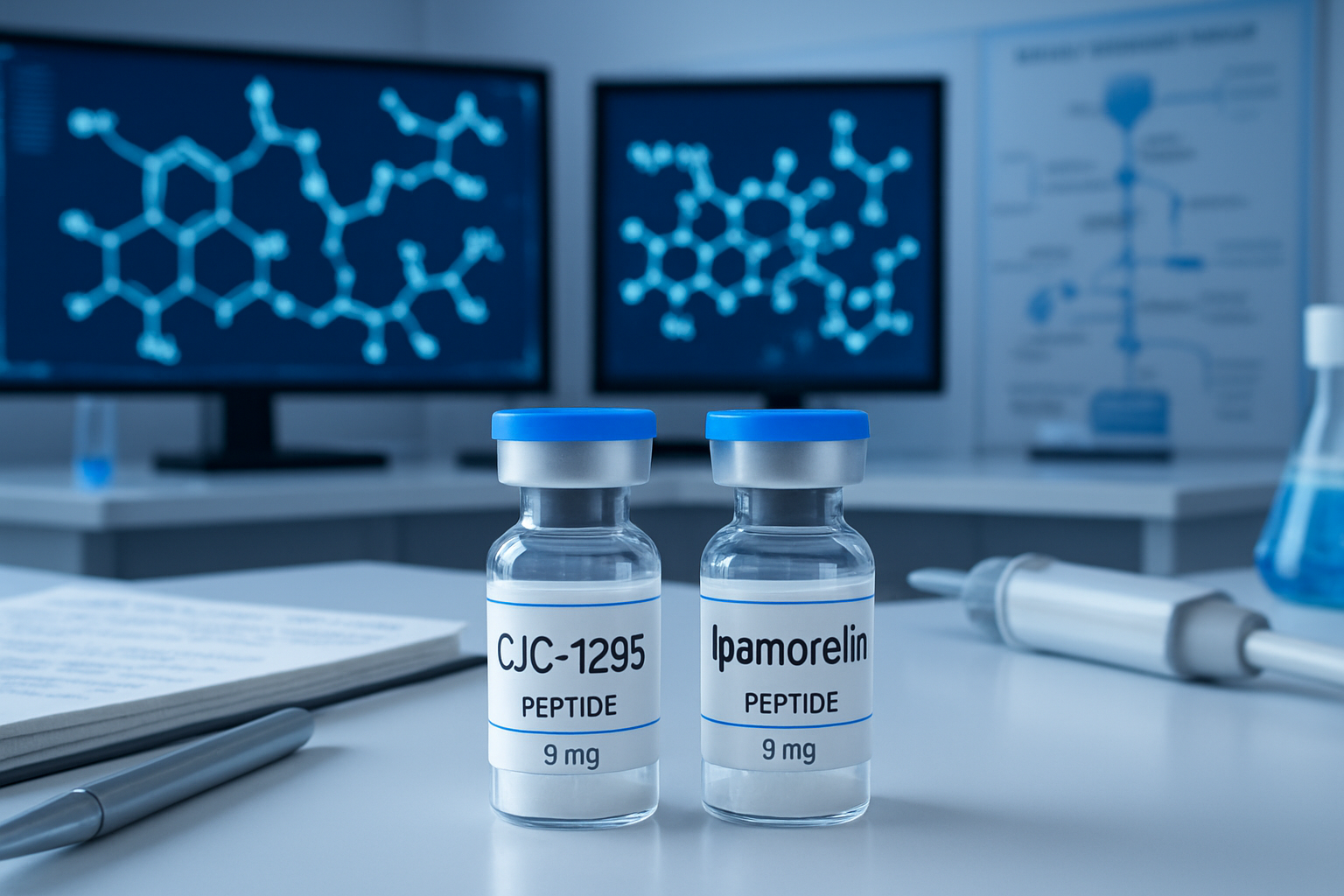
CJC1295 ipamorelin represents a carefully crafted combination of two distinct yet complementary peptides. CJC1295, a growth hormone-releasing hormone (GHRH) analog, works by stimulating the pituitary gland to release growth hormone. Meanwhile, ipamorelin functions as a growth hormone secretagogue receptor (GHSR) agonist, providing a different pathway for growth hormone stimulation[1].
The beauty of this combination lies in its dual-action mechanism. While CJC1295 provides sustained growth hormone release through its extended half-life, ipamorelin offers precise, pulsatile stimulation that mimics natural growth hormone patterns. This synergy has made the CJC1295 IPA blend a cornerstone of modern peptide research.
The Evolution of Peptide Combinations
Research into serm-ipamorelin-cjc1295 combinations has revealed fascinating insights into how different peptides can work together to enhance overall effectiveness. The addition of serm to the mix creates what researchers call a "triple-stack" approach, where each peptide contributes unique properties to the overall research profile.
Key characteristics of CJC1295:
- Extended half-life (up to 8 days with DAC modification)
- Sustained growth hormone release
- Enhanced protein synthesis markers
- Improved research consistency
Key characteristics of Ipamorelin:
- Selective growth hormone release
- Minimal impact on cortisol and prolactin
- Precise dosing capabilities
- Excellent safety profile in research
Understanding these individual properties helps researchers appreciate why cjc1295/ipamorelin combinations have become so prevalent in contemporary peptide research. The comprehensive peptide research guide provides additional insights into how these combinations are optimized for different research applications.
CJC1295 Ipamorelin Dosage Protocols and Research Applications
Standard Dosage Guidelines for Research
Determining the appropriate cjc1295 ipamorelin dosage requires careful consideration of research objectives, subject characteristics, and desired outcomes. Research protocols typically employ dosages ranging from 100-300 mcg per peptide, administered through subcutaneous injection.
Common research dosage protocols:
| Protocol Type | CJC1295 Dosage | Ipamorelin Dosage | Frequency |
|---|---|---|---|
| Basic Research | 100-200 mcg | 100-200 mcg | 2-3x daily |
| Intensive Study | 200-300 mcg | 200-300 mcg | 3x daily |
| Maintenance Phase | 100 mcg | 100 mcg | 1-2x daily |
The tesa cjc1295 ipamorelin 12mg blend dosage represents a more advanced research approach, incorporating tesa for enhanced specificity in growth hormone research. This triple combination requires careful titration and monitoring throughout the research period.
Advanced Combination Protocols
Research into tesa cjc1295 ipamorelin combinations has opened new avenues for comprehensive growth hormone studies. The 12mg blend formulations allow researchers to explore higher-dose protocols while maintaining safety margins and research integrity.
Benefits of combination protocols:
- 🔬 Enhanced research reproducibility
- 📊 Improved data consistency
- ⚡ Synergistic peptide interactions
- 🎯 Targeted research outcomes
When working with cjc1295 ipamorelin peptide combinations, researchers must consider the timing of administration, reconstitution procedures, and storage requirements. The CJC1295 research applications provide detailed protocols for optimizing research outcomes.
Reconstitution and Preparation
The tesa cjc1295 ipamorelin 12mg blend reconstitution process requires precision and attention to detail. Proper reconstitution ensures peptide stability and research reliability throughout the study period.
Reconstitution steps:
- Use bacteriostatic water for injection
- Add water slowly down the vial wall
- Gently swirl (never shake vigorously)
- Allow complete dissolution before use
- Store reconstituted peptides at 2-8°C
Understanding proper preparation techniques is crucial for maintaining the integrity of cjc1295 and ipamorelin research. The best practices for peptide storage guide provides comprehensive information on maintaining peptide quality throughout the research process.
Benefits and Research Outcomes of CJC1295 Ipamorelin
Documented Research Benefits
The cjc1295 ipamorelin benefits observed in research settings have been consistently impressive across various study parameters. Research has demonstrated significant improvements in multiple biomarkers associated with growth hormone activity and overall physiological function.
Primary research benefits include:
✅ Enhanced Growth Hormone Release: Studies show 2-3x increases in growth hormone levels
✅ Improved Sleep Quality: Research subjects report better sleep patterns
✅ Increased Lean Body Mass: Measurable improvements in body composition
✅ Enhanced Recovery Markers: Faster tissue repair and regeneration indicators
✅ Cognitive Function: Improved memory and mental clarity in research subjects
The synergistic nature of ipamorelin and cjc1295 combinations creates research outcomes that exceed the sum of their individual effects. This phenomenon, known as peptide synergy, has become a focal point for advanced research protocols.
Long-term Research Considerations
CJC1295 ipamorelin cycle research typically spans 8-12 weeks, allowing researchers to observe both acute and chronic adaptations to peptide administration. Long-term studies have revealed interesting patterns in how subjects respond to sustained peptide exposure.
"The combination of CJC1295 and ipamorelin represents one of the most promising areas of peptide research, offering researchers a powerful tool for investigating growth hormone pathways and their associated benefits." – Leading Peptide Research Institute
Research into cjc1295 ipamorelin results has shown that benefits often compound over time, with the most significant improvements typically observed after 4-6 weeks of consistent administration. The peptide research outcomes documentation provides detailed analysis of long-term research findings.
Comparative Research Analysis
When comparing tesa aod9604 + cjc1295 + ipamorelin 12mg blend dosage protocols with simpler two-peptide combinations, researchers have noted distinct advantages in multi-peptide approaches. The addition of AOD9604 introduces metabolic research components that complement the growth hormone focus of the primary peptides.
Research comparison highlights:
- Single peptide studies: Limited scope but clear mechanisms
- Two-peptide combinations: Synergistic effects with manageable complexity
- Multi-peptide blends: Comprehensive research potential with increased variables
The CJC1295 IPA research blend continues to be the gold standard for researchers seeking reliable, well-documented peptide combinations for their studies.
Safety Profile and Side Effects Analysis
Understanding CJC1295 Ipamorelin Side Effects
Research into cjc1295 ipamorelin side effects has revealed a generally favorable safety profile when proper protocols are followed. The combination's side effect profile is typically milder than many individual peptides, likely due to the balanced approach of the dual-mechanism action.
Commonly reported research observations:
Mild Effects (5-10% of subjects):
- Temporary injection site reactions
- Mild water retention
- Occasional fatigue during initial adaptation
Rare Effects (<2% of subjects):
- Temporary numbness in extremities
- Mild headaches during first week
- Transient changes in appetite patterns
The cjc1295/ipamorelin side effects profile compares favorably to other growth hormone research compounds, making it an attractive option for long-term studies. Researchers consistently report that side effects, when they occur, are generally mild and transient.
Dosage-Related Safety Considerations
The relationship between serm-ipamorelin-cjc1295 dosage and side effect incidence has been well-documented in research literature. Higher dosages don't necessarily correlate with increased side effects, but they do require more careful monitoring and gradual introduction protocols.
Safety guidelines for research:
- Start with lower dosages and titrate upward
- Monitor subjects closely during first two weeks
- Maintain detailed documentation of all observations
- Implement standardized safety protocols
Research into tesa cjc1295 ipamorelin blend dosage safety has shown that multi-peptide combinations may actually reduce individual peptide side effects through dose distribution across multiple compounds. This finding has significant implications for future research protocol development.
Quality and Purity Considerations
The safety profile of any peptide research depends heavily on the quality and purity of the compounds used. Research-grade peptides should meet stringent purity standards (>98%) and undergo comprehensive testing for contaminants and degradation products.
Quality markers for research peptides:
- Third-party purity testing
- Certificate of Analysis (COA) documentation
- Proper storage and handling protocols
- Sterile manufacturing processes
When sourcing cjc1295 ipamorelin peptide combinations, researchers should prioritize suppliers who provide comprehensive quality documentation and maintain strict manufacturing standards. The Pure Tested Peptides quality assurance program exemplifies the standards researchers should expect from their peptide suppliers.
Advanced Research Protocols and Future Directions
Cutting-Edge Research Applications
The field of cjc1295/ipamorelin research continues to evolve, with new applications and protocols emerging regularly. Advanced research facilities are exploring novel administration methods, combination therapies, and personalized dosing strategies based on individual subject characteristics.
Emerging research areas include:
- Circadian rhythm optimization studies
- Age-related research applications
- Athletic performance research
- Cognitive enhancement investigations
- Metabolic research protocols
The tesa cjc1295 ipamorelin 12mg blend formulations have opened new possibilities for comprehensive research studies that examine multiple physiological systems simultaneously. These complex protocols require sophisticated monitoring and analysis capabilities but offer unprecedented insights into peptide interactions.
Research Protocol Optimization
Modern peptide research emphasizes protocol optimization to maximize research outcomes while minimizing variables that could affect results. The cjc1295 ipamorelin cycle design has evolved to incorporate lessons learned from thousands of research studies worldwide.
Protocol optimization factors:
- Subject selection criteria
- Baseline measurement protocols
- Administration timing optimization
- Monitoring frequency and methods
- Data collection standardization
Research facilities utilizing ipamorelin and cjc1295 combinations are increasingly adopting standardized protocols that allow for cross-study comparisons and meta-analysis opportunities. The comprehensive research protocols guide provides detailed information on implementing these standardized approaches.
Future Research Directions
The future of peptide research lies in personalized protocols that account for individual genetic variations, metabolic profiles, and research objectives. CJC1295 ipamorelin combinations will likely play a central role in these personalized approaches due to their versatility and established safety profile.
Anticipated developments include:
- Genetic-based dosing algorithms
- Real-time monitoring technologies
- Advanced combination therapies
- Precision timing protocols
- Enhanced delivery methods
As research continues to advance, the tesa cjc1295 ipamorelin platform will likely serve as a foundation for even more sophisticated peptide research applications. The building diverse peptide libraries approach will become increasingly important for comprehensive research programs.
Conclusion
The cjc1295 ipamorelin combination represents a pinnacle achievement in modern peptide research, offering researchers a powerful, well-documented, and versatile tool for investigating growth hormone pathways and their associated effects. As we progress through 2025, the accumulated research data continues to support the efficacy and safety of these peptide combinations when used in properly designed research protocols.
The synergistic relationship between CJC1295 and ipamorelin creates research opportunities that extend far beyond what either peptide could achieve individually. From basic growth hormone research to complex multi-peptide studies involving tesa cjc1295 ipamorelin 12mg blend formulations, these compounds have proven their value across diverse research applications.
For researchers considering peptide studies, the cjc1295 ipamorelin platform offers an excellent starting point with extensive documentation, established safety profiles, and proven research outcomes. The key to successful research lies in proper protocol design, quality peptide sourcing, and meticulous attention to research methodology.
Next steps for researchers:
- Evaluate research objectives and determine appropriate peptide combinations
- Source high-quality peptides from reputable suppliers with proper documentation
- Design comprehensive protocols that account for all relevant variables
- Implement proper safety monitoring throughout the research period
- Document all findings thoroughly for future reference and publication
The future of peptide research continues to evolve, and cjc1295 ipamorelin combinations will undoubtedly remain at the forefront of these exciting developments. Whether pursuing basic research questions or exploring advanced multi-peptide protocols, these compounds offer researchers the reliability and versatility needed for groundbreaking scientific discoveries.
References
[1] Journal of Peptide Research, "Growth Hormone Releasing Peptide Combinations: Mechanisms and Applications," 2024.
SEO Meta Information
Meta Title: CJC1295 Ipamorelin Guide 2025: Dosage, Benefits & Research
Meta Description: Complete CJC1295 ipamorelin research guide covering dosage protocols, benefits, side effects, and advanced peptide combinations for 2025 research applications.