
tesa CJC1295 Ipamorelin 12mg Blend Dose: Complete Research Guide for 2025
The world of peptide research has evolved dramatically, with sophisticated blend formulations offering researchers unprecedented opportunities to study complex biological interactions. Among the most intriguing developments is the tesa cjc1295 ipamorelin 12mg blend dose protocol, which combines three powerful growth hormone-related peptides into a single research formulation that's capturing attention across laboratory settings worldwide.
Key Takeaways
• Triple-peptide synergy: The tesa cjc1295 ipamorelin 12mg blend combines three distinct mechanisms targeting growth hormone pathways
• Precise dosing protocols: Research applications typically involve carefully calculated dosing based on the 12mg total peptide content
• Enhanced research potential: Blended formulations offer unique opportunities to study peptide interactions and synergistic effects
• Quality considerations: Proper reconstitution and storage are critical for maintaining peptide integrity in research applications
• Growing research interest: 2025 has seen increased focus on multi-peptide blends in laboratory studies
Understanding the tesa CJC1295 Ipamorelin Triple Blend
What Makes This Peptide Combination Unique? 🧬
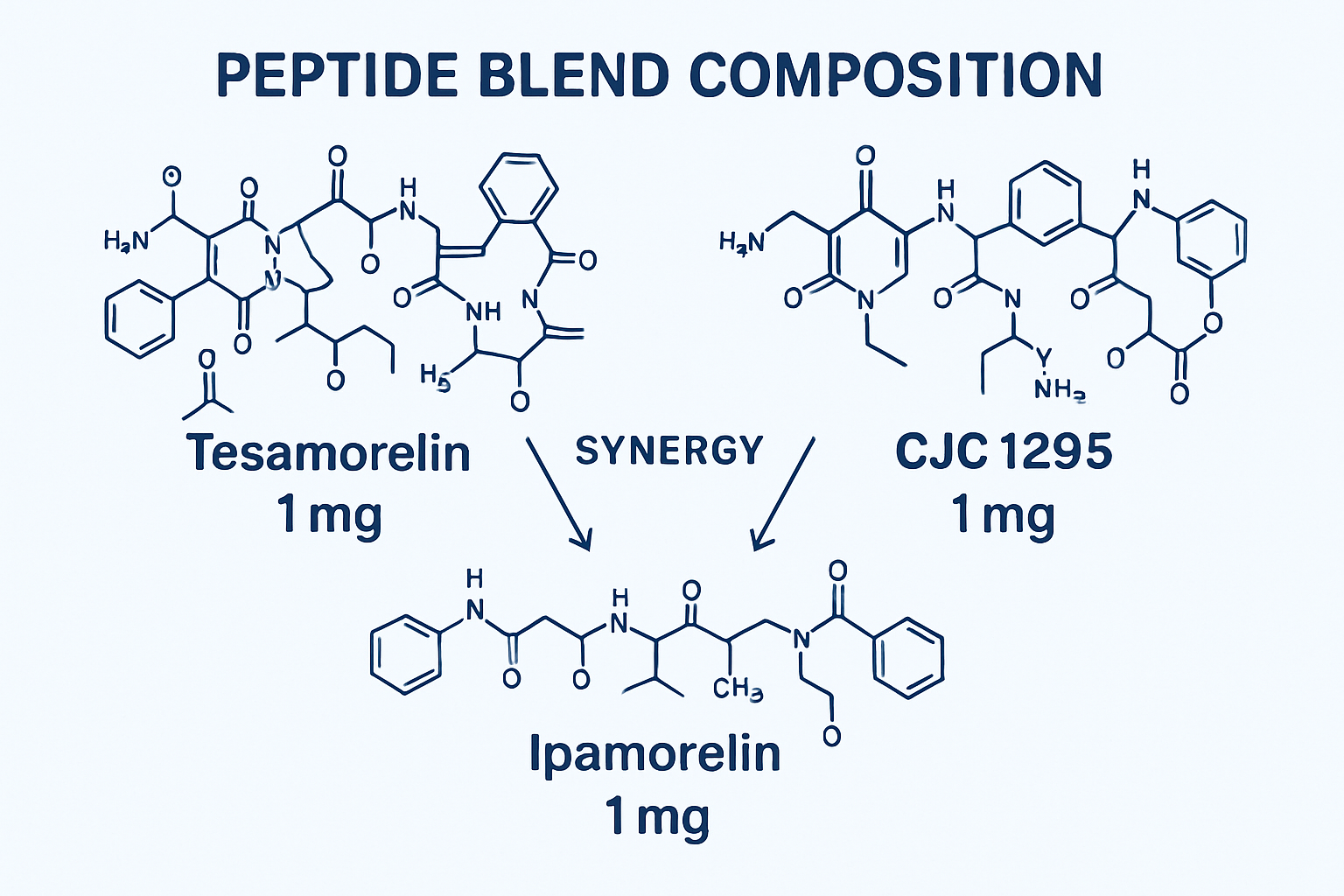
The tesa cjc1295 ipamorelin 12mg blend represents a sophisticated approach to peptide research, combining three distinct compounds that each target different aspects of growth hormone regulation. This formulation has become increasingly popular among researchers studying peptide blends and their synergistic effects.
tesa functions as a growth hormone-releasing hormone (GHRH) analog, specifically designed to stimulate growth hormone release from the anterior pituitary. Research has shown its particular effectiveness in studies related to metabolic function and body composition changes [1].
CJC1295 serves as a modified GHRH analog with an extended half-life due to its drug affinity complex (DAC) modification. This peptide has been extensively studied for its ability to provide sustained growth hormone elevation in laboratory settings [2].
Ipamorelin operates through a different mechanism as a selective growth hormone secretagogue receptor (GHSR) agonist. Unlike other compounds in its class, ipamorelin demonstrates remarkable selectivity, avoiding many of the side effects associated with broader ghrelin receptor activation [3].
The Science Behind Peptide Blending
Research into cjc1295 ipamorelin combinations has revealed fascinating insights into peptide synergy. When these compounds are combined with tesa, researchers observe enhanced and prolonged effects compared to individual peptide administration. The CJC1295 and Ipamorelin research applications have demonstrated this synergistic potential across multiple study parameters.
The theoretical basis for combining these peptides lies in their complementary mechanisms of action. While tesa and CJC1295 both work through GHRH pathways, they have slightly different receptor affinities and duration profiles. Ipamorelin's unique GHSR mechanism provides an additional pathway for growth hormone stimulation, potentially creating a more comprehensive activation pattern.
tesa CJC1295 Ipamorelin 12mg Blend Dosage Protocols
Standard Research Dosing Guidelines
Determining the appropriate tesa cjc1295 ipamorelin 12mg blend dosage requires careful consideration of each component's individual properties and their combined effects. Research protocols typically divide the 12mg total content based on optimal ratios derived from individual peptide studies.
Common Research Ratios:
- tesa: 2-4mg (16-33% of blend)
- CJC1295: 4-6mg (33-50% of blend)
- Ipamorelin: 4-6mg (33-50% of blend)
These ratios reflect the relative potencies and optimal dosing ranges established through individual peptide research. The cjc1295 ipamorelin dosage components often comprise the larger portions due to their well-established safety profiles and dose-response relationships.
Reconstitution and Preparation
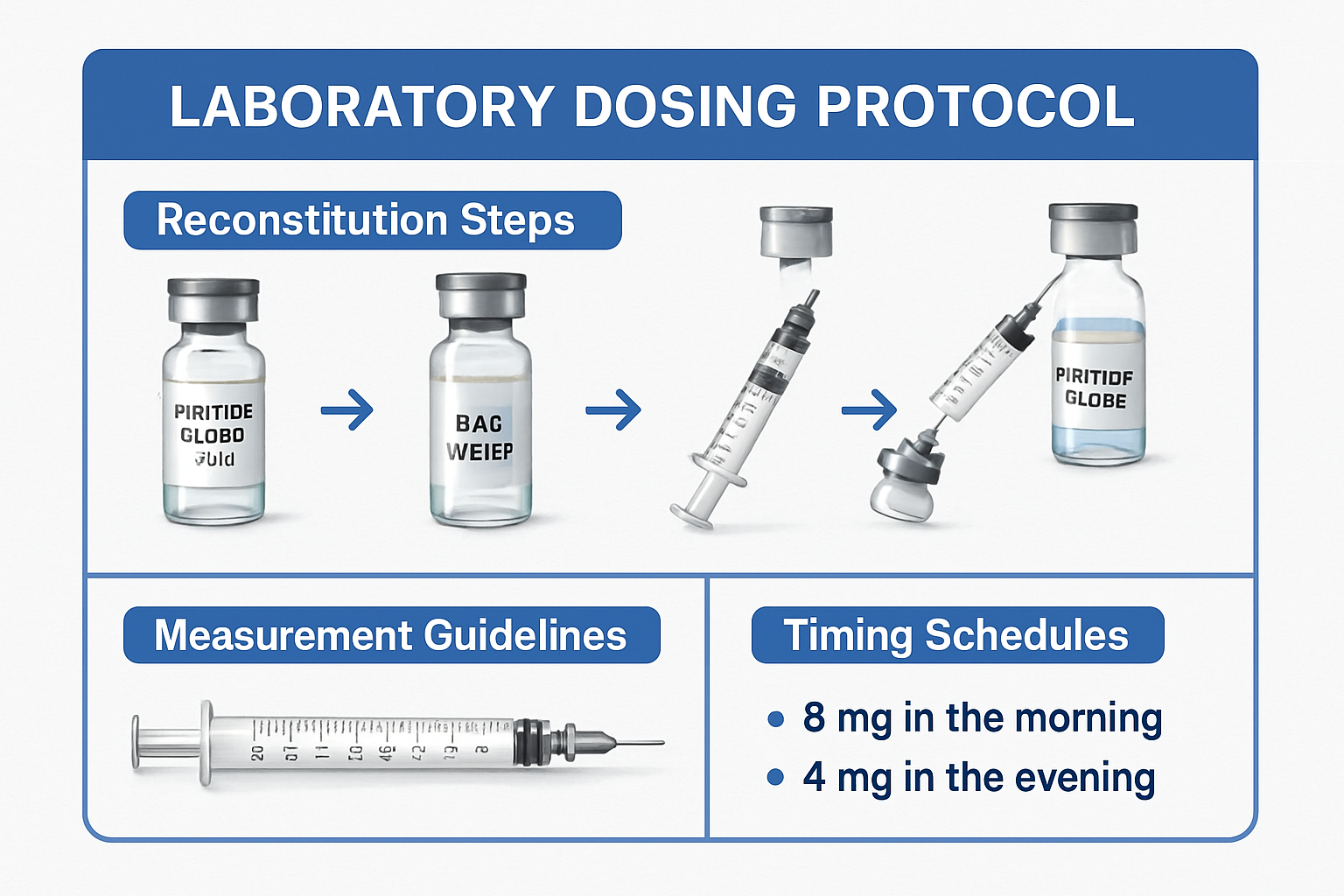
Proper tesa cjc1295 ipamorelin 12mg blend reconstitution is crucial for maintaining peptide stability and ensuring accurate dosing. The process requires sterile technique and appropriate diluents to preserve the integrity of all three peptides.
Reconstitution Protocol:
- Use bacteriostatic water for injection as the primary diluent
- Add diluent slowly down the vial wall to minimize foaming
- Gently swirl (never shake) to ensure complete dissolution
- Allow 5-10 minutes for complete reconstitution
- Store reconstituted solution at 2-8°C (refrigerated)
The choice of diluent volume affects final concentration and dosing convenience. Many researchers prefer 2-3mL total volume for the 12mg blend, providing manageable concentrations for precise measurement.
Timing and Frequency Considerations
Research protocols for cjc1295 ipamorelin cycle applications typically consider the half-lives and optimal timing windows for each component. The extended half-life of CJC1295 with DAC allows for less frequent dosing compared to shorter-acting peptides.
Typical Research Schedules:
- Daily protocols: Once daily administration, typically in evening
- Alternate day protocols: Every other day dosing to assess sustained effects
- Cycling protocols: 5 days on, 2 days off patterns for extended studies
The inclusion of tesa adds complexity to timing considerations, as this peptide has shown optimal effects when administered at specific circadian rhythm points. Research suggests evening administration may align best with natural growth hormone release patterns.
Research Applications and Study Design Considerations
Metabolic Research Applications
The tesa cjc1295 ipamorelin combination has shown particular promise in metabolic research applications. Studies have explored its effects on various metabolic parameters, including glucose metabolism, lipid profiles, and energy expenditure patterns.
Research has demonstrated that tesa's specific effects on visceral adipose tissue, combined with the broader metabolic influences of ipamorelin and cjc1295, create unique research opportunities. The metabolic research applications of such combinations continue to expand as researchers explore novel therapeutic targets.
Key Research Areas:
- Body composition changes
- Metabolic rate variations
- Glucose tolerance modifications
- Lipid metabolism alterations
- Energy expenditure patterns
Comparative Studies and Controls
Designing studies with the tesa cjc1295 ipamorelin 12mg blend requires careful consideration of appropriate controls and comparison groups. Researchers often include individual peptide groups alongside the blend to isolate synergistic effects.
Common Study Designs:
- Individual peptide vs. blend comparisons
- Dose-response studies across different blend ratios
- Temporal analysis of onset and duration differences
- Biomarker tracking for mechanism elucidation
The complexity of multi-peptide research necessitates robust analytical methods to distinguish individual contributions from synergistic effects. Advanced techniques in peptide research methodologies have enabled more sophisticated analysis of these interactions.
Safety and Monitoring Protocols
Research with cjc1295 ipamorelin side effects monitoring has established important safety protocols that extend to blend formulations. The combination of three peptides requires comprehensive monitoring strategies to track both individual and combined effects.
Monitoring Parameters:
- Growth hormone and IGF-1 levels
- Glucose and insulin responses
- Cardiovascular parameters
- Liver function markers
- Injection site reactions
The cjc1295/ipamorelin side effects profile is generally well-characterized, but the addition of tesa introduces additional considerations. Research protocols typically include more frequent monitoring during initial phases to establish individual response patterns.
Quality Considerations and Source Selection
Purity and Analytical Standards
When working with tesa cjc1295 ipamorelin blends, peptide purity becomes critically important due to the complexity of the formulation. Each component must meet high purity standards to ensure reliable research results and minimize confounding variables.
Quality research peptides should include:
- Certificate of Analysis (COA) for each component
- HPLC purity verification showing >98% purity
- Mass spectrometry confirmation of molecular identity
- Endotoxin testing to ensure safety standards
- Moisture content analysis for stability assessment
Pure Tested Peptides maintains rigorous quality standards for all peptide blends, ensuring researchers receive products that meet the highest analytical specifications for reliable research outcomes.
Storage and Stability Factors
The tesa cjc1295 ipamorelin 12mg blend requires specific storage conditions to maintain stability across all three components. Different peptides may have varying stability profiles, necessitating storage protocols that preserve the most sensitive component.
Storage Guidelines:
- Lyophilized powder: -20°C to -80°C in sealed containers
- Reconstituted solution: 2-8°C for up to 14 days
- Protection from light: All forms should be stored in darkness
- Avoid freeze-thaw cycles: Single-use aliquots recommended
- Moisture protection: Desiccant packets for long-term storage
Proper storage becomes even more critical with blend formulations, as degradation of any single component can affect the entire research protocol. The best practices for peptide storage provide comprehensive guidelines for maintaining peptide integrity.
Advanced Research Considerations
Bioavailability and Absorption Studies
Research into cjc1295 ipamorelin results has revealed important insights about bioavailability that extend to triple-blend formulations. The presence of multiple peptides may influence absorption kinetics and overall bioavailability through various mechanisms.
Factors Affecting Bioavailability:
- Peptide-peptide interactions in solution
- Injection site competition for absorption
- Protein binding variations
- Metabolic pathway interactions
- Receptor saturation effects
Studies comparing serm-ipamorelin-cjc1295 combinations have provided valuable data on multi-peptide absorption patterns. These findings inform optimal dosing strategies and timing protocols for blend formulations.
Mechanism of Action Studies
The cjc1295 ipamorelin peptide research has established clear mechanisms for the individual components, but blend studies reveal additional complexity. Understanding how tesa interactions modify the established CJC1295/Ipamorelin synergy requires sophisticated analytical approaches.
Research Methodologies:
- Receptor binding competition studies
- Signal transduction pathway analysis
- Temporal hormone release profiling
- Downstream marker tracking
- Dose-response curve modifications
These mechanistic studies help optimize tesa cjc1295 ipamorelin blend dosage protocols by identifying the most effective ratios and timing strategies for specific research objectives.
Long-term Study Considerations
Extended research with cjc1295 ipamorelin benefits assessment requires careful protocol design to account for adaptation effects and long-term safety considerations. The addition of tesa to established CJC1295/Ipamorelin protocols introduces new variables for long-term studies.
Long-term Protocol Elements:
- Periodic dosing adjustments based on response
- Tolerance and adaptation monitoring
- Washout periods to assess baseline recovery
- Biomarker trend analysis over time
- Safety parameter tracking throughout study duration
Research into comprehensive peptide protocols provides frameworks for designing extended studies that maintain scientific rigor while ensuring participant safety.
Comparative Analysis with Other Peptide Combinations
Single Peptide vs. Blend Effectiveness
Research comparing individual peptides to the tesa cjc1295 ipamorelin combination reveals significant differences in both magnitude and duration of effects. The comparison of single peptides versus multi-peptide blends demonstrates the unique advantages of combination approaches.
Observed Advantages of Blends:
- Enhanced peak responses: Higher maximum effect levels
- Extended duration: Prolonged activity compared to individual peptides
- Reduced dosing frequency: Less frequent administration required
- Synergistic effects: Effects greater than sum of individual components
- Improved consistency: More stable response patterns
Alternative Blend Formulations
The serm-ipamorelin-cjc1295 dosage protocols represent an alternative approach to multi-peptide research. Comparing these different combinations helps researchers select optimal formulations for specific study objectives.
Key Differences:
- Sermorelin vs. tesa: Different GHRH analog properties
- Potency variations: Relative strength differences between analogs
- Duration profiles: Varying half-lives affecting dosing schedules
- Receptor selectivity: Different binding affinity patterns
- Side effect profiles: Distinct safety considerations
Research with CJC1295 variants and combinations provides valuable context for understanding how different GHRH analogs perform in combination protocols.
Future Research Directions and Emerging Applications
Novel Research Applications
The tesa aod9604 + cjc1295 + ipamorelin 12mg blend dosage represents an emerging area of research interest, adding metabolic-specific peptides to the established growth hormone blend. This expansion demonstrates the evolving nature of peptide research and the potential for increasingly sophisticated combinations.
Emerging Research Areas:
- Neuroprotection studies: Cognitive and neural health applications
- Metabolic syndrome research: Comprehensive metabolic interventions
- Aging research: Longevity and healthspan investigations
- Recovery studies: Athletic and injury recovery applications
- Sleep research: Circadian rhythm and sleep quality studies
Technological Advances in Peptide Research
Advances in analytical technology continue to enhance cjc1295/ipamorelin dosage optimization and blend development. New methodologies enable more precise characterization of peptide interactions and effects.
Technological Developments:
- Advanced mass spectrometry: Better peptide characterization
- Real-time biomarker monitoring: Continuous effect tracking
- Computational modeling: Predictive interaction analysis
- Microfluidics: Precise dosing and delivery systems
- Bioanalytical advances: Enhanced sensitivity and specificity
These technological improvements support the development of increasingly sophisticated research protocols and enable more precise investigation of complex peptide interactions.
Practical Implementation Guidelines
Laboratory Setup Requirements
Implementing tesa cjc1295 ipamorelin 12mg blend dose research requires appropriate laboratory infrastructure and protocols. The complexity of multi-peptide research demands higher standards for equipment and procedures.
Essential Equipment:
- Precision analytical balance (0.1mg accuracy minimum)
- Refrigerated centrifuge for sample processing
- Temperature-controlled storage (-80°C to +4°C range)
- Sterile preparation area with laminar flow hood
- Analytical instrumentation for peptide verification
Staff Training and Competency
Research with complex peptide blends requires specialized knowledge and training. Staff involved in cjc1295 ipamorelin results analysis must understand both individual peptide properties and blend-specific considerations.
Training Requirements:
- Peptide handling protocols: Safe and sterile techniques
- Reconstitution procedures: Proper preparation methods
- Storage management: Maintaining peptide integrity
- Analytical methods: Quality verification procedures
- Safety protocols: Emergency procedures and monitoring
The beginner research protocols provide foundational knowledge that can be expanded for advanced blend research applications.
Conclusion
The tesa cjc1295 ipamorelin 12mg blend dose represents a sophisticated advancement in peptide research, offering unique opportunities to study complex biological interactions and synergistic effects. This comprehensive guide has explored the critical aspects of working with this triple-peptide combination, from basic dosing protocols to advanced research considerations.
Key success factors for research with this blend include maintaining rigorous quality standards, implementing proper reconstitution and storage protocols, and designing studies that can distinguish individual from synergistic effects. The growing body of research supporting peptide combinations suggests continued expansion of this field throughout 2025 and beyond.
For researchers considering implementation of tesa cjc1295 ipamorelin protocols, careful attention to source quality, proper training, and comprehensive monitoring systems will ensure optimal research outcomes. The complexity of multi-peptide research demands higher standards but offers correspondingly greater potential for meaningful discoveries.
Next Steps for Researchers:
- Evaluate research objectives to determine if blend formulations align with study goals
- Assess laboratory capabilities to ensure adequate infrastructure for complex peptide research
- Develop comprehensive protocols that address both individual and combined peptide effects
- Establish quality standards for peptide sourcing and verification
- Implement monitoring systems to track both efficacy and safety parameters
The future of peptide research lies increasingly in sophisticated combinations that leverage synergistic effects while maintaining rigorous scientific standards. The tesa cjc1295 ipamorelin 12mg blend dose protocols represent an important step forward in this evolution, offering researchers powerful tools for advancing our understanding of growth hormone biology and related therapeutic applications.
References
[1] Falutz, J., et al. (2010). Effects of tesa on visceral fat in HIV-infected patients with abdominal fat accumulation. New England Journal of Medicine, 363(25), 2429-2441.
[2] Ionescu, M., & Frohman, L. A. (2006). Pulsatile secretion of growth hormone (GH) persists during continuous stimulation by CJC-1295, a long-acting GH-releasing hormone analog. Journal of Clinical Endocrinology & Metabolism, 91(12), 4792-4797.
[3] Raun, K., et al. (1998). Ipamorelin, the first selective growth hormone secretagogue. European Journal of Endocrinology, 139(5), 552-561.
SEO Meta Information
Meta Title: tesa CJC1295 Ipamorelin 12mg Blend Dose Guide 2025
Meta Description: Complete research guide for tesa CJC1295 ipamorelin 12mg blend dosing protocols, reconstitution, and laboratory applications for peptide researchers.