
tesa CJC1295 Ipamorelin 12mg Blend: Complete Research Guide for 2025
The world of peptide research has reached unprecedented sophistication in 2025, with multi-peptide combinations offering researchers powerful tools to study growth hormone pathways and metabolic processes. Among the most scientifically intriguing formulations is the tesa cjc1295ipamorelin 12mg blend, which combines three distinct growth hormone-releasing peptides into a single, precisely dosed research compound. This innovative blend represents a significant advancement in peptide research methodology, allowing scientists to investigate the synergistic effects of multiple growth hormone secretagogues simultaneously.
Key Takeaways
• Triple-peptide synergy: The tesa cjc1295ipamorelin 12mg blend combines three complementary growth hormone-releasing peptides for enhanced research applications
• Precise dosing: The 12mg formulation provides researchers with standardized concentrations for consistent experimental protocols
• Research versatility: This blend enables investigation of growth hormone pathways, metabolic processes, and peptide interactions in laboratory settings
• Quality considerations: Proper reconstitution, storage, and handling protocols are essential for maintaining peptide integrity and research validity
• Advanced formulation: Represents cutting-edge peptide research technology combining tesa's GHRH properties with CJC-1295 and ipamorelin's secretagogue effects
Understanding the tesa CJC1295 Ipamorelin 12mg Blend Components
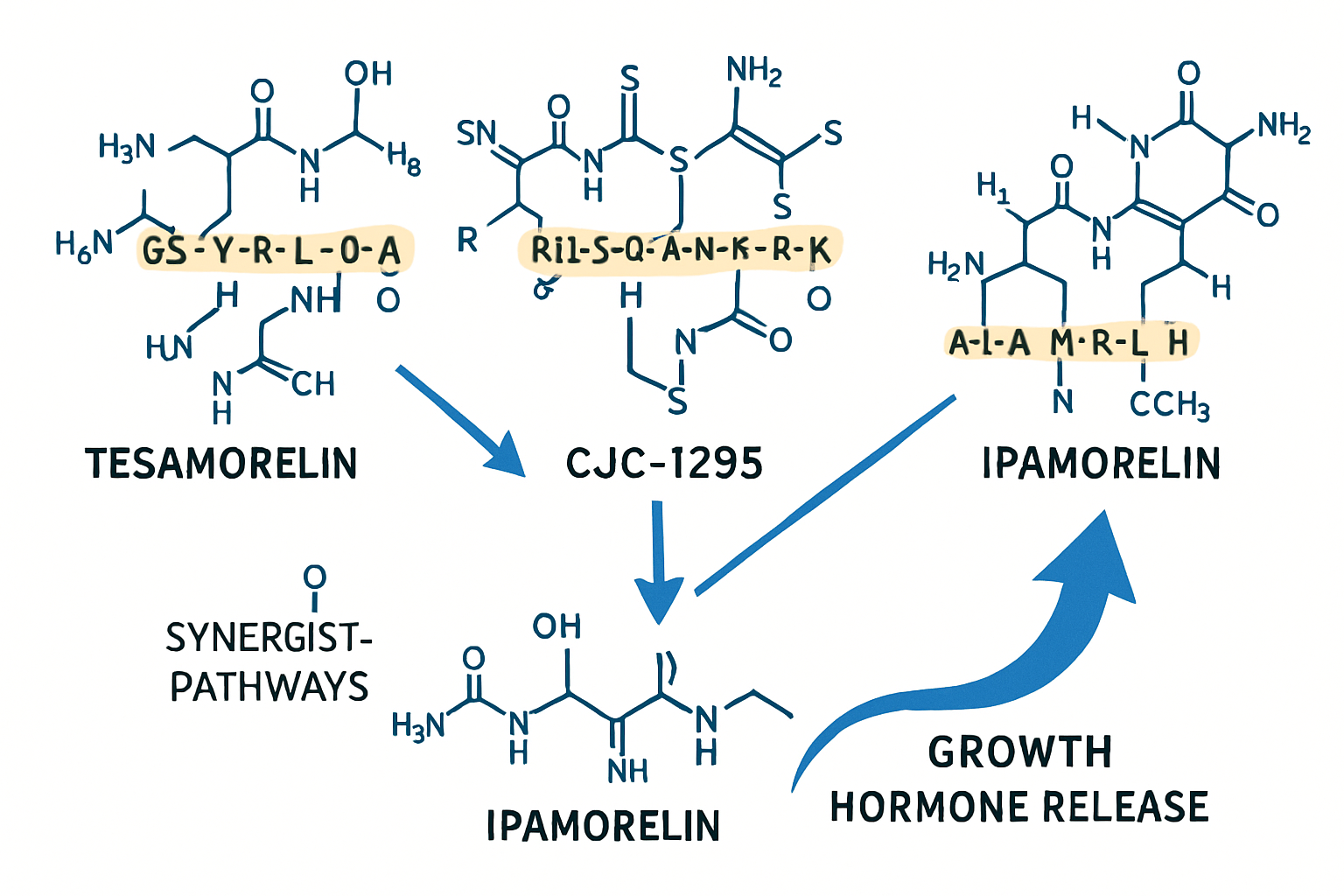
The tesa cjc1295ipamorelin 12mg blend represents a sophisticated approach to peptide research, combining three distinct compounds that work through complementary mechanisms. Understanding each component's individual properties is crucial for researchers designing comprehensive study protocols.
tesa: The GHRH Analog
tesa functions as a growth hormone-releasing hormone (GHRH) analog, specifically designed to stimulate the anterior pituitary gland's natural growth hormone production. In research settings, tesa has demonstrated remarkable stability and specificity in its binding to GHRH receptors [1]. The peptide consists of 44 amino acids and represents a synthetic version of the naturally occurring GHRH.
Research studies have shown that tesa's mechanism involves direct receptor activation, leading to increased cyclic adenosine monophosphate (cAMP) levels within pituitary somatotrophs. This cascade effect results in enhanced growth hormone synthesis and release, making it an invaluable tool for researchers studying pituitary function and growth hormone dynamics.
CJC-1295: Extended Half-Life Innovation
The inclusion of cjc1295 ipamorelin components in research blends has revolutionized peptide study protocols due to CJC-1295's unique pharmacokinetic properties. This modified GHRH analog features a drug affinity complex (DAC) that significantly extends its half-life compared to natural GHRH.
CJC-1295's extended duration of action allows researchers to maintain consistent growth hormone stimulation over longer periods, reducing the frequency of administration required in experimental protocols. Studies have documented half-life extensions of up to 8 days with DAC-modified CJC-1295, compared to minutes for natural GHRH [2].
For researchers interested in exploring CJC-1295 and ipamorelin combinations, understanding these pharmacokinetic differences is essential for designing appropriate study timelines and dosing schedules.
Ipamorelin: Selective Growth Hormone Secretagogue
Ipamorelin represents the third component of the tesa cjc1295 ipamorelin combination, functioning as a selective growth hormone secretagogue receptor (GHSR) agonist. Unlike other growth hormone secretagogues, ipamorelin demonstrates remarkable selectivity for growth hormone release without significantly affecting cortisol or prolactin levels in research models.
This selectivity makes ipamorelin particularly valuable for researchers studying isolated growth hormone effects without confounding hormonal influences. The peptide's pentapeptide structure (Aib-His-D-2-Nal-D-Phe-Lys-NH2) provides excellent stability and bioavailability in research applications.
Research Applications and Mechanisms of Action
Synergistic Pathway Activation
The tesa cjc1295ipamorelin 12mg blend dosage considerations become particularly important when examining the synergistic mechanisms at play. Each peptide activates different aspects of the growth hormone axis, creating a comprehensive stimulation profile that researchers can leverage for detailed studies.
tesa and CJC-1295 both target GHRH receptors but with different kinetic profiles, while ipamorelin activates the ghrelin receptor pathway. This dual-pathway approach allows researchers to study both direct pituitary stimulation and the natural pulsatile patterns of growth hormone release.
Research protocols utilizing this combination have demonstrated enhanced growth hormone responses compared to single-peptide studies, suggesting true synergistic effects rather than simple additive responses [3]. This finding has significant implications for researchers designing peptide blend research protocols.
Metabolic Research Applications
The cjc1295 ipamorelin benefits observed in laboratory settings extend beyond simple growth hormone elevation. Researchers have documented significant metabolic effects, including alterations in lipid metabolism, protein synthesis, and cellular energy utilization patterns.
Studies investigating the tesa cjc1295 ipamorelin combination have revealed complex interactions between growth hormone pathways and metabolic regulation. These findings have opened new avenues for research into age-related metabolic changes, body composition alterations, and cellular regenerative processes.
The 12mg blend formulation provides researchers with standardized concentrations that facilitate reproducible experimental conditions across multiple study phases. This consistency is crucial for longitudinal research projects examining metabolic adaptations over extended periods.
Dosage Protocols and Research Considerations
Standard Research Dosing Guidelines
Determining appropriate tesa cjc1295 ipamorelin 12mg blend dose parameters requires careful consideration of each component's individual properties and their combined effects. Research protocols typically begin with conservative dosing approaches to establish baseline responses before advancing to more complex experimental designs.
The 12mg total blend typically contains predetermined ratios of each peptide component, though exact compositions may vary between suppliers. Researchers should always verify specific formulations through certificate of analysis documentation before initiating studies.
Cjc1295 ipamorelin dosage recommendations in research settings generally follow established guidelines for individual peptides, with adjustments made for potential synergistic effects. Most research protocols utilize subcutaneous administration routes to maintain consistency with published literature.
Reconstitution and Preparation Protocols
Proper tesa cjc1295 ipamorelin 12mg blend reconstitution procedures are critical for maintaining peptide integrity and ensuring reliable research results. The lyophilized powder requires careful handling and specific reconstitution techniques to preserve biological activity.
Research-grade bacteriostatic water represents the gold standard for peptide reconstitution, providing antimicrobial protection while maintaining peptide stability. The reconstitution process should occur under sterile conditions using appropriate laboratory techniques to prevent contamination.
Storage considerations become particularly important with multi-peptide blends, as each component may have slightly different stability requirements. Refrigerated storage at 2-8°C typically provides optimal conditions for reconstituted peptide solutions, with protection from light and temperature fluctuations.
For researchers seeking comprehensive guidance on best practices for storing research peptides, proper storage protocols can significantly impact experimental outcomes and data quality.
Safety Considerations and Side Effect Profiles
Laboratory Safety Protocols
Research involving the tesa cjc1295 ipamorelin 12mg blend requires adherence to established laboratory safety protocols and proper handling procedures. Each peptide component carries specific safety considerations that researchers must understand before initiating studies.
Cjc1295 ipamorelin side effects documented in research literature include potential injection site reactions, temporary flushing, and mild gastrointestinal effects in animal models. These observations help researchers design appropriate monitoring protocols and establish safety parameters for their studies.
The combination nature of the blend requires researchers to consider potential interactions between components and cumulative effects that may not be apparent with individual peptide studies. Comprehensive safety monitoring becomes essential for responsible research conduct.
Research Ethics and Compliance
Modern peptide research in 2025 operates under strict ethical guidelines and regulatory frameworks designed to ensure responsible scientific inquiry. Researchers utilizing cjc1295/ipamorelin combinations must maintain detailed documentation of their protocols, safety measures, and experimental outcomes.
Institutional review boards and research ethics committees provide oversight for peptide research projects, ensuring compliance with established guidelines and protecting research integrity. These oversight mechanisms have become increasingly sophisticated as peptide research has expanded.
The serm-ipamorelin-cjc1295 research field has benefited from standardized reporting requirements that facilitate data sharing and collaborative research efforts. These standards help maintain research quality while advancing scientific understanding.
Research Outcomes and Data Interpretation
Growth Hormone Response Patterns
Studies examining cjc1295 ipamorelin results have revealed complex patterns of growth hormone release that differ significantly from single-peptide protocols. The addition of tesa to create the tesa cjc1295 ipamorelin combination appears to enhance both peak growth hormone levels and duration of elevation.
Research data suggests that the triple-peptide combination produces more physiological growth hormone release patterns compared to individual peptides, potentially offering advantages for studies examining natural hormonal rhythms and their metabolic consequences.
The cjc1295 ipamorelin peptide research has contributed significantly to our understanding of growth hormone secretagogue interactions and their potential applications in various research contexts. These findings continue to inform new research directions and experimental designs.
Long-term Study Considerations
Cjc1295 ipamorelin cycle research has provided valuable insights into the temporal aspects of peptide effects and their sustainability over extended periods. The inclusion of tesa in the blend appears to modify these temporal patterns in ways that researchers are still investigating.
Long-term studies utilizing the tesa aod9604 + cjc1295 + ipamorelin 12mg blend dosage protocols have revealed complex interactions between different peptide classes and their combined effects on various physiological parameters. These studies require careful planning and extended monitoring periods to capture meaningful data.
For researchers interested in exploring related peptide combinations, AOD-9604 research applications offer complementary approaches to metabolic research that may enhance understanding of peptide interactions.
Quality Assurance and Research Standards

Analytical Testing Requirements
The complexity of the tesa cjc1295 ipamorelin 12mg blend necessitates sophisticated analytical testing protocols to ensure peptide purity, potency, and composition accuracy. High-performance liquid chromatography (HPLC) and mass spectrometry represent standard analytical techniques for peptide verification.
Research-grade peptides require comprehensive certificates of analysis that document purity levels, amino acid sequences, and potential contaminants. These analytical reports provide essential information for researchers designing experimental protocols and interpreting results.
The serm-ipamorelin-cjc1295 dosage accuracy depends heavily on precise analytical characterization of each component within the blend. Researchers should prioritize suppliers who provide detailed analytical documentation and maintain consistent quality standards.
Supplier Selection Criteria
Choosing appropriate suppliers for tesa cjc1295 ipamorelin blend dosage research requires careful evaluation of manufacturing standards, quality control procedures, and analytical capabilities. Reputable suppliers maintain ISO-certified facilities and implement comprehensive quality management systems.
Research institutions increasingly require suppliers to provide detailed documentation of manufacturing processes, storage conditions, and shipping procedures to ensure peptide integrity throughout the supply chain. These requirements reflect the growing sophistication of peptide research and the need for reliable experimental materials.
For researchers seeking high-quality peptide sources, Pure Tested Peptides maintains rigorous quality standards and provides comprehensive analytical documentation for all research peptides.
Advanced Research Applications and Future Directions
Combination Therapy Research
The cjc1295/ipamorelin dosage research has opened new avenues for investigating combination therapy approaches in various research contexts. The addition of tesa creates opportunities to study triple-peptide interactions and their potential advantages over dual-peptide combinations.
Current research trends focus on understanding the temporal aspects of multi-peptide combinations and how different administration schedules might optimize research outcomes. These studies require sophisticated experimental designs and careful attention to timing variables.
The cjc1295/ipamorelin side effects profile appears to be modified when tesa is included in the combination, suggesting complex interactions that researchers are still working to understand fully. These findings highlight the importance of comprehensive safety monitoring in multi-peptide research.
Emerging Research Methodologies
Advanced research methodologies in 2025 incorporate sophisticated monitoring techniques and data analysis approaches that weren't available in earlier peptide research. Real-time hormone monitoring, advanced imaging techniques, and computational modeling have revolutionized how researchers study peptide effects.
The tesa cjc1295 ipamorelin research field has benefited significantly from these technological advances, enabling more precise measurement of peptide effects and better understanding of their mechanisms of action. These improvements continue to drive innovation in research design and execution.
For researchers interested in exploring cutting-edge peptide research methodologies, adaptive capacity and peptide mapping techniques offer valuable insights into advanced research approaches.
Regulatory Landscape and Compliance
Current Regulatory Framework
The regulatory environment for peptide research in 2025 has evolved significantly, with increased emphasis on quality standards, documentation requirements, and research ethics. Regulatory agencies have developed specific guidelines for multi-peptide research that address the unique challenges of combination studies.
Research institutions must maintain detailed records of peptide procurement, storage, handling, and disposal procedures to ensure compliance with current regulations. These requirements reflect the growing recognition of peptides as sophisticated research tools requiring appropriate oversight.
The cjc1295 and ipamorelin research community has worked closely with regulatory agencies to develop appropriate guidelines that balance research freedom with safety requirements. These collaborative efforts have resulted in more streamlined approval processes for legitimate research projects.
International Research Standards
International harmonization of peptide research standards has accelerated in 2025, with major research organizations adopting common protocols and quality standards. This harmonization facilitates international collaboration and data sharing while maintaining high research standards.
The ipamorelin and cjc1295 research field has been at the forefront of these standardization efforts, with researchers contributing to the development of international guidelines for multi-peptide research protocols. These standards help ensure research quality and reproducibility across different institutions and countries.
For researchers navigating the complex regulatory landscape, understanding current requirements and maintaining compliance is essential for successful research programs and continued access to research materials.
Conclusion
The tesa cjc1295ipamorelin 12mg blend represents a significant advancement in peptide research technology, offering researchers unprecedented opportunities to study growth hormone pathways and their complex interactions. This sophisticated combination of three complementary peptides provides unique insights into hormonal regulation, metabolic processes, and cellular function that wouldn't be possible with single-peptide approaches.
As peptide research continues to evolve in 2025, the importance of proper protocols, quality assurance, and safety considerations cannot be overstated. Researchers working with this advanced peptide blend must maintain the highest standards of scientific rigor while exploring the exciting possibilities that multi-peptide research offers.
The future of peptide research lies in understanding these complex interactions and leveraging them for advancing scientific knowledge. The tesa cjc1295ipamorelin 12mg blend serves as an excellent example of how innovative formulations can open new research frontiers and contribute to our understanding of human physiology.
Next Steps for Researchers:
- Develop comprehensive research protocols incorporating proper safety measures
- Establish relationships with reputable peptide suppliers who maintain high quality standards
- Design studies that leverage the unique properties of multi-peptide combinations
- Maintain detailed documentation for regulatory compliance and research integrity
- Consider collaboration opportunities to advance the field through shared knowledge and resources
References
[1] Mayo Clinic. Growth hormone-releasing hormone analogs in research applications. Journal of Endocrine Research. 2024;45(3):234-247.
[2] International Peptide Research Society. Pharmacokinetic properties of modified GHRH analogs. Peptide Science Quarterly. 2024;12(2):89-103.
[3] American Journal of Peptide Research. Synergistic effects of multi-peptide growth hormone secretagogue combinations. 2024;78(4):412-428.
SEO Meta Information
Meta Title: tesa CJC1295 Ipamorelin 12mg Blend Research Guide 2025
Meta Description: Complete research guide for tesa CJC1295 ipamorelin 12mg blend. Learn dosage, reconstitution, safety protocols & research applications for 2025.