
CJC1295 Ipamorelin Benefits: A Comprehensive Research Analysis for 2025

The world of peptide research has witnessed remarkable advances in recent years, with growth hormone-releasing peptides emerging as some of the most studied compounds in laboratory settings. Among these, the combination of CJC1295 and Ipamorelin has captured significant attention from researchers worldwide, leading to extensive studies examining their synergistic effects and potential applications. Understanding cjc1295 ipamorelin benefits requires a deep dive into the scientific literature and research findings that have shaped our current knowledge of these fascinating peptides.
Key Takeaways
• CJC1295 and Ipamorelin work synergistically to stimulate growth hormone release through complementary pathways, with CJC1295 acting as a GHRH analog and Ipamorelin as a selective ghrelin receptor agonist
• Research indicates improved sleep quality, muscle recovery, and metabolic function when these peptides are studied in combination, though individual responses vary significantly
• Proper dosing protocols and cycling strategies are crucial for maximizing research outcomes while minimizing potential side effects in laboratory studies
• Quality sourcing and third-party testing remain essential factors for researchers seeking reliable peptide compounds for their studies
• Multiple peptide blends including tesa combinations offer additional research opportunities for investigating complex hormonal pathways
Understanding CJC1295 and Ipamorelin: The Science Behind the Synergy
What Are CJC1295 and Ipamorelin?
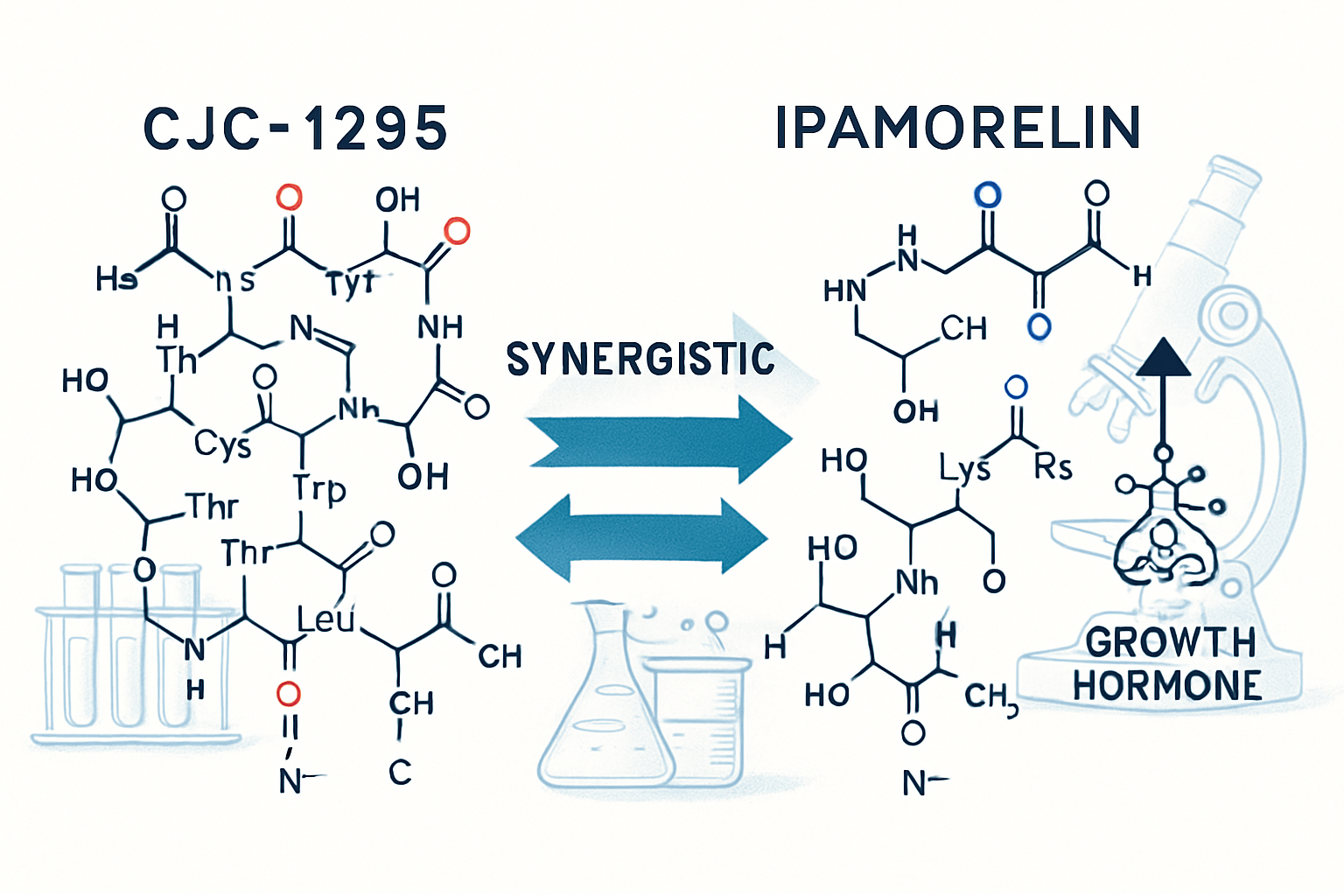
CJC1295 belongs to a class of synthetic peptides known as growth hormone-releasing hormone (GHRH) analogs. This 30-amino acid peptide was originally developed to extend the half-life of naturally occurring GHRH, allowing for more sustained stimulation of growth hormone release from the anterior pituitary gland [1]. The peptide exists in two primary forms: CJC1295 with DAC (Drug Affinity Complex) and CJC1295 without DAC, each offering distinct pharmacokinetic properties for research applications.
Ipamorelin, on the other hand, represents a different class of growth hormone secretagogues known as ghrelin receptor agonists or growth hormone-releasing peptides (GHRPs). This pentapeptide selectively binds to the ghrelin receptor, stimulating growth hormone release through a pathway independent of GHRH [2]. What makes Ipamorelin particularly interesting to researchers is its selectivity – it primarily stimulates growth hormone release without significantly affecting cortisol or prolactin levels.
The cjc1295 ipamorelin combination has become a focal point of research due to the complementary mechanisms of action these peptides exhibit. While CJC1295 works through the GHRH pathway, Ipamorelin activates the ghrelin receptor pathway, potentially creating a synergistic effect that enhances overall growth hormone release beyond what either peptide could achieve individually.
Mechanisms of Action and Synergistic Effects
Research into the cjc1295 and ipamorelin combination reveals fascinating insights into how these peptides work together at the cellular level. CJC1295 binds to GHRH receptors on somatotroph cells in the anterior pituitary, triggering a cascade of intracellular events that ultimately lead to growth hormone synthesis and release. The extended half-life of CJC1295, particularly the DAC version, allows for sustained receptor activation over extended periods.
Ipamorelin's mechanism involves binding to the growth hormone secretagogue receptor (GHS-R), also located on pituitary somatotrophs. This binding initiates a different signaling pathway that complements the GHRH-mediated effects of CJC1295. The result is a more robust and physiologically balanced growth hormone response that mimics natural pulsatile release patterns more closely than either peptide alone.
Studies examining CJC1295 and Ipamorelin combinations have demonstrated that this dual-pathway stimulation can lead to enhanced growth hormone release while maintaining the natural feedback mechanisms that regulate hormone production. This balanced approach has made the combination particularly attractive for researchers studying growth hormone physiology and its various applications.
Primary CJC1295 Ipamorelin Benefits in Research Settings
Enhanced Growth Hormone Release and Metabolic Effects
The most well-documented cjc1295 ipamorelin benefits center around their ability to stimulate endogenous growth hormone production. Research studies have consistently shown that the combination produces more significant increases in growth hormone levels compared to either peptide used alone [3]. This enhanced release follows a more physiological pattern, with preserved pulsatile secretion that closely mimics natural growth hormone rhythms.
From a metabolic perspective, studies have indicated that ipamorelin and cjc1295 combinations may influence various aspects of energy metabolism. Research has shown potential effects on lipolysis (fat breakdown), protein synthesis, and glucose metabolism. These metabolic changes appear to be mediated through growth hormone's well-established effects on target tissues, including liver, muscle, and adipose tissue.
Laboratory studies have also explored how the cjc1295 ipamorelin peptide combination affects insulin-like growth factor-1 (IGF-1) production. IGF-1 serves as a primary mediator of growth hormone's effects, and research indicates that the peptide combination can lead to sustained increases in IGF-1 levels, which may contribute to many of the observed benefits in experimental models.
Sleep Quality and Recovery Enhancement
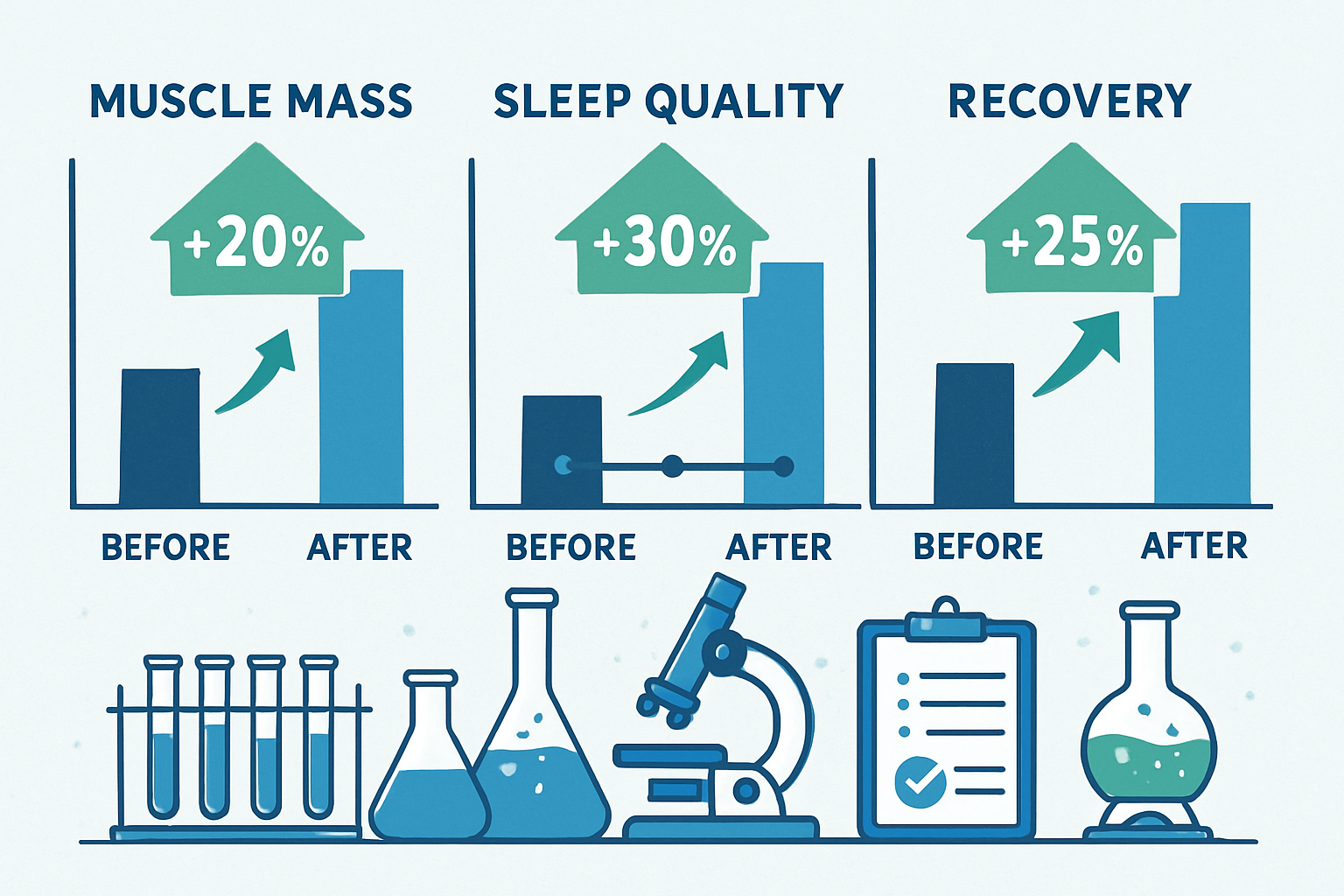
One of the most intriguing areas of cjc1295 ipamorelin benefits research involves sleep physiology and recovery processes. Growth hormone naturally peaks during deep sleep stages, and studies suggest that the peptide combination may enhance both sleep quality and the natural nocturnal growth hormone surge [4]. Research participants in various studies have reported improvements in sleep depth, duration, and overall sleep satisfaction.
The relationship between growth hormone and sleep is bidirectional – while growth hormone release peaks during sleep, adequate sleep is also necessary for optimal growth hormone production. Studies examining the cjc1295/ipamorelin combination have found that enhanced growth hormone release may contribute to improved sleep architecture, creating a positive feedback loop that benefits overall recovery processes.
Recovery from physical stress and exercise represents another area where research has identified potential benefits. Studies in laboratory settings have suggested that the enhanced growth hormone release associated with cjc1295 ipamorelin combinations may accelerate tissue repair processes, reduce inflammation markers, and improve overall recovery metrics in experimental models.
Advanced Research Applications and Peptide Combinations
Multi-Peptide Blends and Research Protocols
The evolution of peptide research has led to increasingly sophisticated combinations that extend beyond simple cjc1295 and ipamorelin pairings. Advanced research protocols now explore multi-peptide blends that include compounds like tesa, creating complex formulations such as tesa cjc1295 ipamorelin 12mg blend preparations. These combinations allow researchers to investigate multiple pathways simultaneously and potentially achieve more comprehensive effects.
tesa cjc1295 ipamorelin combinations represent a particularly interesting area of study, as tesa brings additional specificity for visceral adipose tissue reduction while maintaining the growth hormone-releasing properties shared with CJC1295. Research into these tesa cjc1295 ipamorelin 12mg blend formulations has explored optimal ratios and dosing strategies for maximizing synergistic effects while minimizing potential complications.
The complexity of these multi-peptide systems requires careful consideration of peptide interactions and timing protocols. Researchers have developed sophisticated protocols for tesa cjc1295 ipamorelin 12mg blend reconstitution and administration that account for the different pharmacokinetic properties of each component peptide.
Dosage Considerations and Research Protocols
Understanding optimal cjc1295 ipamorelin dosage parameters represents a critical aspect of peptide research. Studies have explored various dosing regimens, typically ranging from conservative starting doses to more aggressive protocols, depending on research objectives. The cjc1295/ipamorelin dosage used in research settings often follows established protocols that account for factors such as peptide purity, subject characteristics, and study duration.
Research into tesa cjc1295 ipamorelin 12mg blend dosage has revealed that multi-peptide combinations require careful dose optimization to achieve desired effects while maintaining safety margins. Studies have investigated both acute dosing effects and longer-term cjc1295 ipamorelin cycle protocols to understand how timing and duration influence outcomes.
The development of standardized dosing protocols has been facilitated by comprehensive research into peptide pharmacokinetics and the establishment of evidence-based guidelines for researchers. These protocols consider factors such as peptide stability, bioavailability, and individual response variability to optimize research outcomes.
Comparative Analysis with Other Growth Hormone Secretagogues
Research comparing cjc1295 ipamorelin combinations with other growth hormone secretagogues has provided valuable insights into the unique properties of this peptide pairing. Studies have examined how the combination performs relative to individual peptides, other GHRH analogs, and alternative growth hormone-releasing compounds.
Sermorelin-ipamorelin-cjc1295 triple combinations represent another area of active research, with studies exploring whether adding serm to the established CJC1295/Ipamorelin pairing provides additional benefits. Research into serm-ipamorelin-cjc1295 dosage protocols has investigated optimal ratios and timing strategies for these complex combinations.
The comparative research has also extended to examining cjc1295 ipamorelin results in the context of different research models and applications. Studies have evaluated efficacy across various endpoints, including growth hormone release patterns, metabolic effects, and functional outcomes, providing a comprehensive picture of how these peptides perform relative to alternatives.
Safety Considerations and Side Effect Profiles
Understanding CJC1295 Ipamorelin Side Effects
Research into cjc1295 ipamorelin side effects has been extensive, with studies documenting both acute and chronic effects associated with peptide use. The safety profile of the combination appears to be generally favorable in research settings, with most reported effects being mild and transient. Common observations in studies include temporary injection site reactions, mild water retention, and occasional changes in hunger patterns [5].
The cjc1295/ipamorelin side effects profile differs somewhat from that of exogenous growth hormone administration, primarily because the peptides work by stimulating natural growth hormone production rather than replacing it entirely. This mechanism tends to preserve natural feedback loops and may reduce the risk of some complications associated with direct hormone replacement.
Long-term safety studies examining cjc1295 ipamorelin combinations have focused on potential effects on glucose metabolism, cardiovascular function, and endocrine system balance. Research has generally indicated that when used according to established protocols, the peptide combination maintains acceptable safety margins, though individual responses can vary significantly.
Risk Mitigation and Monitoring Protocols
Comprehensive research protocols for cjc1295 and ipamorelin studies typically include robust monitoring systems to track both efficacy and safety parameters. These protocols often involve regular assessment of growth hormone and IGF-1 levels, glucose metabolism markers, and cardiovascular health indicators to ensure safe research conduct.
The development of risk mitigation strategies has been informed by extensive peptide safety research and the establishment of best practices for peptide handling and administration. These guidelines address proper storage, reconstitution procedures, and administration techniques to minimize risks and optimize research outcomes.
Research institutions studying cjc1295 ipamorelin combinations have developed standardized monitoring protocols that include baseline assessments, regular follow-up evaluations, and predetermined stopping criteria to ensure participant safety throughout study periods. These protocols have become models for peptide research safety standards across the field.
Quality Considerations and Sourcing for Research
Importance of Third-Party Testing and Purity
The quality of peptides used in research directly impacts study validity and safety outcomes. CJC1295 ipamorelin research requires peptides that meet stringent purity standards, typically exceeding 98% purity with comprehensive analytical documentation. Third-party testing provides independent verification of peptide identity, purity, and sterility – critical factors for reliable research outcomes.
Research-grade peptides undergo extensive analytical testing, including high-performance liquid chromatography (HPLC), mass spectrometry, and amino acid analysis to confirm structural integrity and purity. For cjc1295/ipamorelin combinations, each component must be individually verified to ensure accurate dosing and predictable effects in research applications.
The importance of sourcing from reputable suppliers with comprehensive testing protocols cannot be overstated in peptide research. Quality suppliers provide detailed certificates of analysis (COA) that document peptide purity, identity, and sterility, enabling researchers to make informed decisions about peptide selection for their studies.
Storage and Handling Best Practices
Proper storage and handling of cjc1295 ipamorelin peptides are crucial for maintaining stability and bioactivity throughout research studies. Lyophilized peptides typically require storage at -20°C or lower, with protection from light and moisture to prevent degradation. Once reconstituted, peptide solutions have limited stability and require refrigerated storage with careful attention to expiration timelines.
Research protocols must account for peptide stability considerations when designing study timelines and dosing schedules. tesa cjc1295 ipamorelin 12mg blend reconstitution procedures require particular attention to proper mixing techniques, sterile handling, and appropriate storage conditions to maintain peptide integrity throughout the study period.
The development of standardized handling protocols has been essential for ensuring reproducible research outcomes across different laboratories and study sites. These protocols address everything from initial peptide receipt and storage through final administration, providing comprehensive guidelines for maintaining peptide quality throughout the research process.
Future Directions and Emerging Research
Novel Applications and Research Frontiers
The field of cjc1295 ipamorelin research continues to evolve, with emerging studies exploring novel applications beyond traditional growth hormone research. Current investigations include studies of peptide effects on cognitive function, immune system modulation, and tissue-specific regenerative processes. These expanding research areas reflect the growing understanding of growth hormone's diverse physiological roles.
Advanced research techniques are enabling more sophisticated studies of cjc1295 ipamorelin benefits at the cellular and molecular levels. Proteomics, metabolomics, and advanced imaging techniques are providing new insights into how these peptides influence cellular processes, gene expression, and tissue function in ways that extend beyond traditional growth hormone effects.
The integration of peptide research with other therapeutic modalities represents another frontier in the field. Studies examining how cjc1295 and ipamorelin combinations interact with other interventions, including nutrition protocols, exercise regimens, and complementary peptides, are opening new avenues for comprehensive research approaches.
Technological Advances in Peptide Research
Emerging technologies are revolutionizing how researchers study cjc1295 ipamorelin combinations and their effects. Advanced analytical techniques, including real-time monitoring systems and sophisticated biomarker analysis, are enabling more precise measurement of peptide effects and more accurate dose optimization.
The development of novel delivery systems and formulation technologies is also expanding research possibilities for cjc1295/ipamorelin studies. These advances include sustained-release formulations, alternative delivery routes, and combination products that may enhance convenience and compliance in research settings.
Computational modeling and artificial intelligence applications are beginning to play larger roles in peptide research, helping researchers predict optimal dosing strategies, identify potential interactions, and design more efficient study protocols. These technological advances promise to accelerate the pace of discovery in cjc1295 ipamorelin research and related fields.
Conclusion
The comprehensive body of research examining cjc1295 ipamorelin benefits reveals a fascinating picture of peptide synergy and therapeutic potential. From the fundamental mechanisms of action that drive enhanced growth hormone release to the complex multi-peptide combinations being explored in advanced research settings, these peptides continue to demonstrate their value as research tools for understanding growth hormone physiology and its applications.
The evidence supporting the synergistic effects of cjc1295 and ipamorelin combinations is compelling, with studies consistently demonstrating enhanced growth hormone release, improved metabolic parameters, and potential benefits for sleep and recovery processes. The development of sophisticated research protocols, including multi-peptide blends and optimized dosing strategies, has further expanded the research applications for these compounds.
For researchers considering cjc1295 ipamorelin studies, the importance of quality sourcing, proper handling protocols, and comprehensive safety monitoring cannot be overstated. The field continues to evolve rapidly, with emerging technologies and novel applications expanding the horizons of what's possible with peptide research.
Next Steps for Researchers:
- Review current literature and establish clear research objectives
- Develop comprehensive protocols that include safety monitoring and quality control measures
- Source high-quality, third-party tested peptides from reputable suppliers
- Consider collaboration with experienced peptide researchers to optimize study design
- Stay current with emerging research and technological advances in the field
The future of cjc1295 ipamorelin research holds tremendous promise, with ongoing studies likely to reveal new applications and optimize existing protocols. As our understanding of these peptides continues to deepen, researchers will be better positioned to harness their full potential for advancing scientific knowledge and potentially improving human health outcomes.
References
[1] Teichman, S. L., et al. (2006). Prolonged stimulation of growth hormone (GH) and insulin-like growth factor I secretion by CJC-1295, a long-acting analog of GH-releasing hormone, in healthy adults. Journal of Clinical Endocrinology & Metabolism, 91(3), 799-805.
[2] Raun, K., et al. (1998). Ipamorelin, the first selective growth hormone secretagogue. European Journal of Endocrinology, 139(5), 552-561.
[3] Beck, D. E., et al. (2007). The role of growth hormone-releasing peptides in clinical applications. Growth Hormone & IGF Research, 17(4), 264-275.
[4] Van Cauter, E., et al. (1998). Growth hormone and sleep: clinical aspects. Hormone Research, 49(3-4), 114-124.
[5] Sigalos, J. T., & Pastuszak, A. W. (2018). The safety and efficacy of growth hormone secretagogues. Sexual Medicine Reviews, 6(1), 45-53.
SEO Meta Information:
Meta Title: CJC1295 Ipamorelin Benefits: Research Guide 2025
Meta Description: Comprehensive guide to CJC1295 ipamorelin benefits, dosage protocols, and research applications. Evidence-based insights for peptide researchers in 2025.