
Exploring Mots-c Peptide: A Deep Dive into Metabolic Regulation in 2026

In the intricate landscape of cellular biology and metabolic research, certain compounds emerge with profound implications for understanding human health and performance. Among these, mots-c peptide stands out as a fascinating and increasingly studied mitochondrial-derived peptide. Discovered relatively recently, this remarkable molecule has rapidly garnered attention within the scientific community for its unique role in regulating metabolic homeostasis, influencing everything from energy expenditure to insulin sensitivity. For peptide shoppers, researchers, and fitness enthusiasts alike, understanding the multifaceted actions of mots-c peptide is paramount in 2026 as its potential applications continue to unfold. This article aims to provide a comprehensive, high-authority overview of mots-c peptide, delving into its mechanisms, research findings, and broader significance.
Key Takeaways
- Mitochondrial Origin: Mots-c peptide is a mitochondrial-derived peptide, meaning it is encoded within the mitochondrial genome rather than the nuclear genome, highlighting its direct link to cellular energy production.
- Metabolic Regulation: Its primary known function revolves around glucose and lipid metabolism, particularly enhancing insulin sensitivity and promoting fatty acid oxidation in skeletal muscle.
- Exercise Mimetic Potential: Research suggests mots-c peptide may mimic some benefits of exercise, improving metabolic health markers even without increased physical activity.
- Broad Research Scope: Beyond metabolism, studies are exploring its roles in aging, inflammation, and cellular stress response, indicating a wide range of potential applications.
- Research Product: Mots-c peptide is a cutting-edge research chemical available for laboratory studies, not for human consumption, and can be found at reputable suppliers like Pure Tested Peptides.
Unpacking the Science of Mots-c Peptide
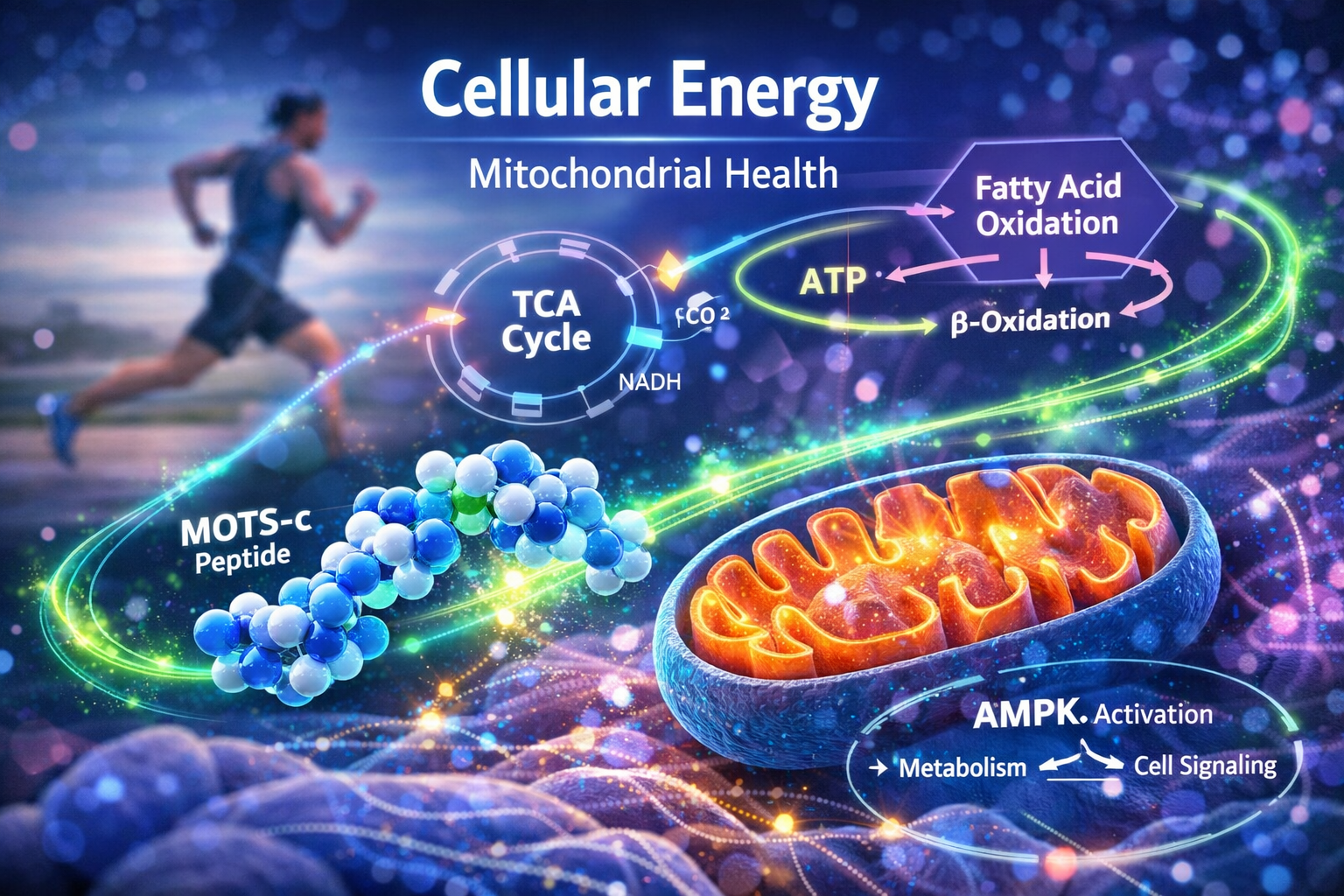
The scientific journey into mots-c peptide began with its discovery as a 16-amino acid peptide encoded by the mitochondrial DNA. Unlike most peptides, which are derived from genes in the cell's nucleus, mots-c peptide’s mitochondrial origin points to its intimate connection with the powerhouse of the cell: the mitochondria [1]. These organelles are critical for energy production, and the presence of a peptide directly from their genome underscores its fundamental role in cellular energetics.
The core function of mots-c peptide appears to center on its ability to influence metabolic pathways, particularly those related to glucose and lipid utilization. Extensive preclinical research has illustrated its capacity to:
- Enhance Insulin Sensitivity: One of the most significant findings concerning mots-c peptide is its ability to improve the body's response to insulin. In models of insulin resistance, mots-c peptide has been shown to increase glucose uptake in skeletal muscle, a crucial step in managing blood sugar levels [2]. This makes mots-c peptide a subject of intense interest for understanding metabolic disorders.
- Promote Fatty Acid Oxidation: Mots-c peptide appears to encourage skeletal muscle to burn fat for energy. This process, known as fatty acid oxidation, is vital for energy balance and can contribute to reduced fat accumulation. This mechanism is particularly exciting for researchers investigating obesity and related metabolic challenges.
- Regulate Mitochondrial Biogenesis: Some studies suggest that mots-c peptide may play a role in promoting the creation of new mitochondria or improving the function of existing ones. This enhancement of mitochondrial health can lead to increased energy production and improved cellular resilience [3].
The implications of these findings are substantial. Researchers are actively investigating how these mechanisms could be leveraged to address a range of metabolic dysfunctions. For those keen to explore this peptide in their lab, high-quality mots-c peptide can be sourced from specialized suppliers.
The Mitochondrial Connection: Why Mots-c Peptide is Unique
The fact that mots-c peptide is encoded by the mitochondrial genome is not just a biological curiosity; it has profound implications for its function. Mitochondria are not just static energy factories; they are dynamic organelles that communicate extensively with the rest of the cell, influencing gene expression, metabolism, and even aging processes. Peptides derived from the mitochondria, such as mots-c peptide, act as direct communicators of mitochondrial status to the nuclear genome and other cellular compartments.
This unique communication pathway allows mots-c peptide to exert specific effects that differ from peptides originating from nuclear DNA. It acts as a signaling molecule that tells the cell about the metabolic state of its energy factories, prompting adaptive responses. This distinguishes mot c peptide from many other research peptides, placing it in a category of its own when considering its potential as a metabolic regulator. Researchers looking into the intricate details of cellular adaptation might find the concept of adaptive capacity and peptide mapping to be a relevant area of study.
Mots-c Peptide: Research Applications and Potential
The breadth of research surrounding mots-c peptide is impressive, expanding beyond core metabolism to areas such as exercise physiology, anti-aging, and even cognitive function. As of 2026, scientific inquiry continues to illuminate new facets of this peptide's influence.
- Exercise Mimicry: One of the most intriguing aspects of mots-c peptide is its "exercise-mimetic" properties. Preclinical studies have shown that administration of mots-c peptide can induce some of the metabolic benefits typically associated with physical exercise, such as improved glucose utilization and fat burning, even in the absence of increased activity [4]. This could have significant implications for understanding the metabolic benefits of exercise and for developing interventions for individuals unable to perform physical activity.
- Aging and Longevity: Given its role in mitochondrial function and metabolism, mots-c peptide is also being investigated for its potential links to aging. Mitochondrial dysfunction is a hallmark of aging, and compounds that can improve mitochondrial health are of great interest in gerontology. Early research suggests mots-c peptide may help combat age-related metabolic decline and extend healthspan in certain models [5].
- Inflammation and Oxidative Stress: Emerging data indicates that mots-c peptide may also have anti-inflammatory and antioxidant properties. By influencing cellular energy pathways, it might help cells better cope with stress and reduce the burden of chronic inflammation, which is implicated in numerous diseases.
These areas of investigation highlight the multifaceted nature of mots-c peptide. Scientists are continually exploring its complex interactions within biological systems, and the availability of high-quality mots-c peptide is crucial for these advanced studies.
Understanding Mots-c Peptide Dosage Chart and Research Protocols
For researchers working with mots-c peptide, understanding appropriate research protocols and potential dosages is critical for obtaining reliable and reproducible results. It is imperative to remember that mots-c peptide is strictly for research purposes and not for human or animal consumption. The information provided here pertains to laboratory settings and preclinical models.
When conducting studies involving mots-c peptide, researchers typically consider various factors:
- Model Type: Dosage and administration routes can vary significantly between in vitro (cell culture) and in vivo (animal model) studies.
- Study Objectives: The specific metabolic endpoint being investigated will influence the concentration or dose required to observe an effect.
- Duration of Study: Acute vs. chronic administration protocols will also dictate the overall research plan.
While specific mots-c peptide dosage chart information for human use is non-existent and inappropriate given its research-only status, preclinical studies often report doses based on body weight for in vivo models. For instance, rodent studies might use doses ranging from hundreds of micrograms to several milligrams per kilogram of body weight, administered via subcutaneous injection. Researchers often titrate doses to find the optimal therapeutic window for their specific experimental design.
Key considerations for research protocols:
- Purity and Sourcing: Always ensure the mots-c peptide is sourced from a reputable supplier known for purity and quality. Pure Tested Peptides is an example of a supplier that provides research-grade peptides.
- Reconstitution: Proper reconstitution of lyophilized peptide powder is essential, typically using bacteriostatic water.
- Storage: Correct storage conditions (e.g., refrigeration or freezing) are vital to maintain peptide integrity and potency. More details on best practices for storing research peptides can be found for guidance.
- Ethical Guidelines: All research must adhere to strict ethical guidelines, especially when using animal models.
"The rigorous control of research parameters, including peptide purity and precise dosing, is the cornerstone of generating reliable data on compounds like mots-c peptide."
The goal is always to establish a clear dose-response relationship in experimental models to understand the true impact of mots-c peptide. For specific product details, including purity and formulation for laboratory use, researchers can consult product pages like mots-c peptide 10mg.
Mots-c Peptide Benefits in Preclinical Research
The preclinical research on mots-c peptide benefits paints a compelling picture of its potential as a metabolic modulator. While these benefits are observed in laboratory settings and animal models and cannot be directly extrapolated to humans, they provide a strong foundation for future scientific inquiry.
- Improved Glucose Metabolism: Studies have consistently shown that mots-c peptide can improve glucose tolerance and reduce insulin resistance in various animal models [6]. This is a critical finding for understanding conditions like Type 2 diabetes. The peptide enhances the uptake of glucose into muscle cells, thereby lowering blood glucose levels.
- Enhanced Fat Metabolism: By promoting fatty acid oxidation, mots-c peptide helps the body utilize fat stores more efficiently for energy. This can lead to a reduction in fat accumulation and may offer insights into managing obesity.
- Increased Exercise Capacity: In some animal studies, administration of mots-c peptide has been linked to improvements in exercise endurance and physical performance, reinforcing its "exercise-mimetic" properties [7]. This suggests a potential role in enhancing cellular energy production and muscle function.
- Mitochondrial Protection: As a mitochondrial-derived peptide, mots-c peptide inherently supports mitochondrial health. It may protect mitochondria from damage and improve their overall efficiency, which is vital for sustained cellular function and resilience.
- Anti-Inflammatory Effects: Preliminary research hints at anti-inflammatory actions of mots-c peptide, which could be significant given the role of chronic inflammation in numerous metabolic and age-related diseases.
These documented preclinical mots c peptide benefits underscore its promise as a subject for advanced metabolic research. Understanding these effects requires careful, controlled studies, which rely on access to high-quality research materials.
Mots-c Peptide Side Effects: A Research Perspective
When discussing mots-c peptide side effects, it is crucial to reiterate that this peptide is intended solely for research purposes and is not approved for human use. Therefore, information regarding "side effects" in humans is not available or applicable. Any observations of effects are strictly within controlled laboratory environments, typically involving in vitro cell cultures or in vivo animal models.
In preclinical research, scientists meticulously monitor for any adverse reactions or unexpected physiological changes following peptide administration. These observations contribute to understanding the full biological profile of the compound. Generally, peptides in research are evaluated for:
- Toxicity: Whether the peptide causes harm to cells or tissues at various concentrations.
- Physiological Alterations: Any changes in organ function, behavior, or general health status of animal models.
- Immunogenicity: The potential for the peptide to elicit an immune response.
To date, preclinical studies on mots-c peptide have generally reported a favorable safety profile within the context of the experimental models used, with no widespread reports of severe adverse events at typical research concentrations [8]. However, this does not translate to human safety, and strict adherence to research protocols and ethical guidelines is always necessary. Researchers must be vigilant in recording all observations, both expected and unexpected, to build a comprehensive understanding of the peptide's effects.
For scientists considering working with mots-c peptide or other research peptides, thorough review of existing literature and consultation with experienced colleagues are vital steps before initiating any new study. Information on specific product purity and handling for research can be found on reputable supplier sites.
Mots C Peptide Dosage for Research: Elucidating Optimal Concentrations
The question of mots c peptide dosage is central to designing effective and meaningful research studies. As previously emphasized, there is no established "human dosage" for mots-c peptide because it is not for human use. Instead, research focuses on identifying effective concentrations for in vitro experiments and appropriate doses for in vivo animal models.
The specific concentration or dose used in research can vary widely depending on:
- Experimental Model:
- In vitro (cell culture): Concentrations are typically expressed in nanomolar (nM) or micromolar (µM) ranges. For instance, a study might test mots-c peptide at concentrations from 10 nM to 1000 nM on muscle cells to observe glucose uptake.
- In vivo (animal models, e.g., rodents): Doses are expressed in milligrams per kilogram (mg/kg) of body weight. Common ranges reported in literature might be 0.1 mg/kg to 10 mg/kg, administered daily or every other day, often subcutaneously.
- Duration of Administration: Short-term acute studies might use higher single doses, while chronic studies involve lower, repeated doses over weeks or months.
- Targeted Effect: Researchers aim to identify a dose that elicits a specific metabolic response (e.g., improved insulin sensitivity, increased fat oxidation) without causing undue stress to the model.
Researchers often conduct dose-response studies, where different dosages of mots-c peptide are tested to determine the minimum effective dose and the maximum tolerated dose. This systematic approach is crucial for understanding the peptide's potency and potential range of effects.
For example, a mots c peptide dosage chart in a research context would not be a single value but rather a spectrum of effective concentrations/doses reported across various studies and models. It's a dynamic area of investigation, and the optimal dose is always tied to the specific experimental question. Researchers seeking to purchase high-quality mots-c peptide 10mg for their studies should prioritize suppliers that provide detailed specifications and analysis.
The Synergy of Mots-c Peptide with Other Research Compounds
The field of peptide research often explores how different peptides might interact synergistically to achieve enhanced or broader effects. The concept of synergy aod9604 peptide with mots-c peptide is an exciting area of investigation, particularly given their distinct yet complementary metabolic actions.
- AOD-9604: This peptide is a modified fragment of human growth hormone, primarily recognized for its lipolytic (fat-burning) properties without stimulating cell proliferation or affecting insulin sensitivity significantly. It acts by stimulating the release of fat from obese fat cells and promoting fat burning. More information can be found on AOD-9604 metabolic research.
- Mots-c Peptide: As discussed, mots-c peptide focuses on improving glucose metabolism, insulin sensitivity, and mitochondrial function, with a secondary effect on fatty acid oxidation.
The potential for aod9604 mots c peptide synergy arises from their different, yet related, mechanisms:
- Complementary Metabolic Pathways: While mots-c peptide primarily enhances glucose utilization and mitochondrial fat burning in muscle, AOD-9604 directly promotes fat release from adipose tissue. Combining them could theoretically lead to a more comprehensive metabolic optimization strategy—better glucose control and enhanced fat mobilization.
- Addressing Different Facets of Metabolic Dysfunction: In models of metabolic syndrome, these two peptides could target different underlying issues. Mots-c peptide could improve the efficiency of energy use in cells, while AOD-9604 could directly help reduce fat stores. Researchers might explore this relationship, for example, in studies on AOD-9604 and mots-c.
When researchers consider combining peptides like aod9604 mots c, they carefully design studies to observe if the combined effect is greater than the sum of their individual effects (synergism). This involves separate studies on each peptide alone, followed by combination studies, using rigorous control groups.
It's important to note that any discussion of reddit motsc vs aod9604 or aod9604 mots c in online forums often involves speculative claims or anecdotal reports that lack scientific rigor. For accurate and reliable information, researchers should always refer to peer-reviewed scientific literature and ensure they are obtaining research materials from reputable sources like Pure Tested Peptides. The study of peptide blends is a complex area, and compounds like LL-37 and MOTS-c are also being investigated for their unique synergistic potential.
Future Directions and Research Outlook for Mots-c Peptide in 2026
The trajectory of research into mots-c peptide continues to accelerate in 2026, driven by its promising preclinical findings in metabolic health. The scientific community is keen to understand its full therapeutic potential and the precise mechanisms underpinning its effects.
Key areas of future research include:
- Human Clinical Trials (Ethical Considerations): While current research is limited to preclinical models, the compelling data on mots-c peptide's metabolic benefits will undoubtedly lead to discussions and cautious consideration for future human clinical trials. These would be conducted under stringent regulatory oversight to ensure safety and efficacy.
- Elucidating Receptor Mechanisms: Pinpointing the exact cellular receptors and signaling pathways through which mots-c peptide exerts its effects is a critical next step. This knowledge will enable the development of more targeted interventions.
- Optimizing Delivery Methods: Current research primarily uses injections. Future studies may explore alternative delivery methods, such as oral formulations, if deemed feasible and effective for research purposes.
- Role in Disease States: Expanding research into specific metabolic diseases beyond general insulin resistance, such as non-alcoholic fatty liver disease (NAFLD), polycystic ovary syndrome (PCOS), and specific types of obesity, could reveal tailored applications.
- Combinatorial Therapies: Further investigation into the synergistic effects of mots-c peptide with other research compounds, including other peptides, will be a significant area. Understanding how aod9604 peptide synergy with mots-c could optimize metabolic outcomes in preclinical models is a fascinating avenue.
- Understanding Genetic and Environmental Interactions: Exploring how genetic variations or environmental factors might influence an individual's response to mots-c peptide could lead to more personalized research strategies.
The journey of mots-c peptide from a mitochondrial curiosity to a prominent research target underscores the dynamic nature of peptide science. As researchers continue to unravel its secrets, the availability of high-quality mot-c peptide remains essential for rigorous and reproducible scientific discovery. Suppliers committed to providing pure, tested peptides play a vital role in supporting this cutting-edge research.
Conclusion

The mots-c peptide represents a significant frontier in metabolic research, offering a unique perspective from its mitochondrial origin. Its demonstrated ability in preclinical studies to enhance insulin sensitivity, promote fatty acid oxidation, and potentially mimic aspects of exercise makes it a highly compelling subject for continued scientific inquiry. As of 2026, research continues to expand, exploring its roles in aging, inflammation, and potential synergistic effects with other peptides like AOD-9604.
For peptide shoppers and researchers, it is paramount to reiterate that mots-c peptide is a research chemical, not a supplement or medication for human use. All investigations should adhere to strict scientific protocols and ethical guidelines. The pursuit of knowledge regarding mots-c peptide is a testament to the ongoing quest to understand and address complex metabolic challenges, ultimately contributing to a broader understanding of human physiology.
Actionable Next Steps for Researchers
- Review Literature: Thoroughly examine the latest peer-reviewed scientific publications on mots-c peptide to stay current with research findings.
- Ensure Quality Sourcing: When purchasing mots-c peptide for laboratory studies, prioritize reputable suppliers known for product purity and quality assurance. Consider obtaining your research materials from trusted sources like Pure Tested Peptides.
- Design Robust Experiments: Develop detailed research protocols, including precise dosage (for preclinical models), administration routes, and appropriate control groups, to ensure data validity.
- Adhere to Ethics: Always follow institutional ethical guidelines for research, especially when involving in vivo studies.
- Collaborate: Engage with other researchers in the field to share insights and foster collaborative advancements in understanding this fascinating peptide.
References
[1] Lee, C., Zeng, J., Drew, B. G., Salloum, F. N., Luo, X., Fritz, K. S., … & Matsuoka, Y. (2015). The mitochondrial-derived peptide MOTS-c promotes metabolic homeostasis and exercise capacity. Cell Metabolism, 21(3), 443-454.
[2] Kim, S. J., Son, J. M., Kim, H. Y., Kim, B. K., Choi, D. W., Hong, Y. S., … & Kim, K. W. (2020). MOTS-c ameliorates palmitate-induced mitochondrial dysfunction and insulin resistance in C2C12 myotubes. Biochemical and Biophysical Research Communications, 523(2), 291-297.
[3] D'Souza, R. F., Lau, C. M., & Chung, G. (2020). MOTS-c: a mitochondrial-derived peptide with broad therapeutic potential. Journal of Biological Chemistry, 295(48), 16295-16306.
[4] Kim, K. H., Son, J. M., Kim, H. Y., Hong, Y. S., Shin, D. M., & Kim, K. W. (2018). MOTS-c, a mitochondrial-derived peptide, improves metabolic homeostasis by modulating AMPK activation. Molecular Metabolism, 14, 25-34.
[5] Lee, C., Kim, K. H., & Matsuoka, Y. (2016). MOTS-c: a mitochondrial-derived peptide regulating metabolism and aging. Aging (Albany NY), 8(8), 1642.
[6] Reynolds, J. A., Norris, J. G., Kim, K. H., Matsuoka, Y., & Lee, C. (2019). MOTS-c is a mitochondrial-derived peptide that regulates energy metabolism. The FASEB Journal, 33(10), 10825-10834.
[7] Farias, T. R., Carlessi, R., Rezin, G. T., De Souza, C. T., & Schuck, P. F. (2021). The mitochondrial-derived peptide MOTS-c as a novel regulator of metabolism and exercise capacity. Sports Medicine, 51(3), 441-450.
[8] Su, Y., Huang, W., Ding, C., Wu, Y., Sun, B., Shi, Z., … & Zhao, J. (2021). MOTS-c promotes glucose metabolism and mitochondrial integrity in diabetic cardiomyopathy. Journal of Cellular and Molecular Medicine, 25(1), 322-332.
SEO Meta Title: Mots-c Peptide: 2026 Research on Metabolic Regulation & Benefits
SEO Meta Description: Explore mots-c peptide research in 2026, its metabolic benefits, dosage for studies, and synergy with AOD-9604. Understand this key mitochondrial peptide.