
Unlocking Potential: Understanding the MOTS-c Stack in 2026

The realm of cellular metabolism and bio-optimization is constantly evolving, presenting new avenues for research into human health and longevity. Among the most intriguing discoveries in recent years is the mitochondrial-derived peptide, MOTS-c. This powerful molecule has captured the attention of researchers worldwide for its profound impact on metabolic homeostasis, insulin sensitivity, and physical performance. When discussed in the context of advanced research, the concept of a "mots c stack" refers to the synergistic combination of MOTS-c with other peptides or compounds to amplify their individual effects, opening new frontiers in understanding complex biological systems. This article delves deep into MOTS-c, its mechanisms, benefits, and the scientific rationale behind forming a mots c stack in laboratory research settings.
Key Takeaways
- MOTS-c is a vital mitochondrial-derived peptide: Discovered in 2015, it plays a crucial role in regulating metabolic processes, particularly insulin sensitivity and glucose metabolism.
- Acts as a retrograde signaling molecule: MOTS-c communicates from mitochondria to the cell nucleus, influencing gene expression and systemic metabolic functions.
- Exercise-mimetic properties: Research indicates MOTS-c can enhance physical endurance and improve skeletal muscle metabolism, mimicking some benefits of exercise.
- Potential for metabolic health: Studies suggest its relevance in addressing age-related metabolic disorders, obesity, and type 2 diabetes by regulating the AMPK pathway.
- "MOTS-c stack" involves synergistic combinations: Researchers explore combining MOTS-c with other compounds like 5-amino-1MQ or retatrutide to optimize cellular and metabolic outcomes, building upon individual peptide research.
The Genesis and Function of MOTS-c: A Metabolic Powerhouse
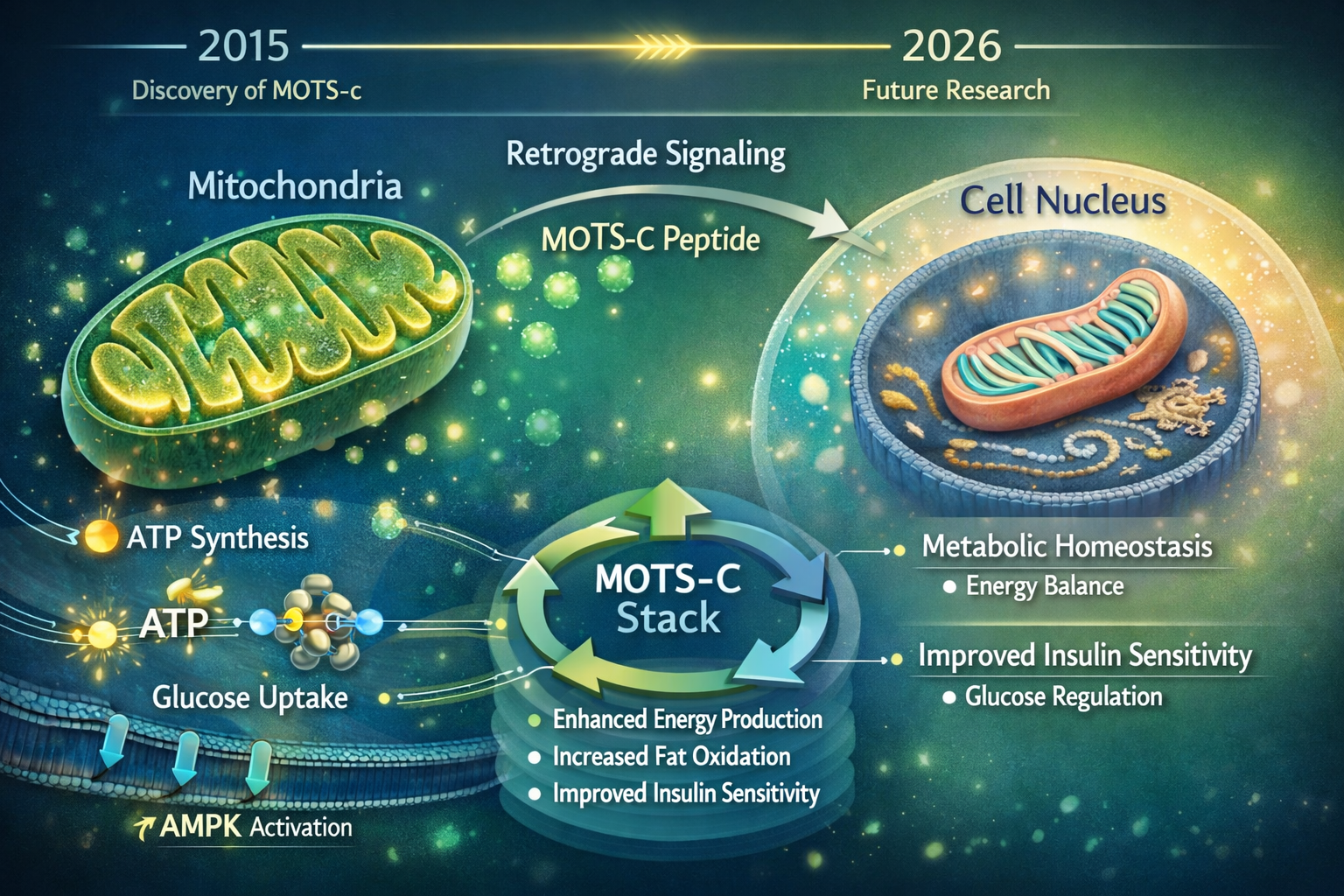
The journey into understanding MOTS-c began in 2015 when researchers at the University of Southern California unveiled this remarkable 16-amino acid peptide. Encoded by the mitochondrial genome, specifically within the 12S rRNA gene, MOTS-c stands out as a unique mitochondrial-derived peptide. Unlike many peptides derived from nuclear DNA, its mitochondrial origin gives it a distinct role in cellular communication and metabolic regulation. This discovery represented a significant leap in understanding how mitochondria, often referred to as the "powerhouses of the cell," contribute not only to energy production but also to intricate signaling pathways that affect the entire organism.
At its core, MOTS-c functions as a crucial regulator of metabolic homeostasis. Its primary impact lies in its ability to improve insulin sensitivity and glucose metabolism. Numerous studies, particularly in preclinical models, have shown that MOTS-c can effectively prevent age-dependent and diet-induced insulin resistance. This makes it a fascinating subject for research into metabolic disorders that affect millions globally. The peptide essentially acts as a retrograde signaling molecule, transmitting vital information from the mitochondria to the nucleus. This communication influences nuclear gene expression, thereby orchestrating metabolic processes throughout the body.
The mechanisms through which MOTS-c exerts its effects are complex and multifaceted. One of the key pathways it modulates is the AMPK pathway, a critical cellular energy sensor. By activating AMPK, MOTS-c helps to regulate energy balance, promoting glucose uptake and fatty acid oxidation. This activation is particularly significant because AMPK is a central regulator of metabolism, impacting everything from lipid synthesis to mitochondrial biogenesis. Furthermore, research has indicated that MOTS-c can promote the browning of white adipose tissue, a process where white fat cells, which typically store energy, transform into brown-like adipocytes that burn energy to produce heat. This contributes to increased energy expenditure and could have implications for weight management research.
Beyond its direct metabolic effects, MOTS-c has also demonstrated remarkable exercise-mimetic properties. Studies have shown that administration of MOTS-c can enhance physical performance and endurance capacity by improving skeletal muscle metabolism and mitochondrial function. This suggests that the peptide might mediate some of the beneficial metabolic effects observed during physical activity. The idea that a single peptide could potentially replicate some aspects of exercise is a groundbreaking area of study, offering new perspectives on improving physical health and combating sarcopenia, the age-related loss of muscle mass. Indeed, research indicates that MOTS-c is released into circulation during exercise, reinforcing its role as a mediator of activity-induced metabolic improvements.
The widespread implications of MOTS-c extend to various aspects of health. Clinical research has shown that MOTS-c levels decline with age in humans, correlating with the onset of age-related metabolic dysfunctions. This observation fuels research into its potential therapeutic applications for addressing age-related metabolic disorders, obesity, and type 2 diabetes. Moreover, the peptide has shown cardioprotective effects in preclinical studies, reducing cardiac hypertrophy and improving heart function under stress conditions. Its ability to reduce inflammation markers and oxidative stress further contributes to its potential anti-aging effects across multiple organ systems. The peptide’s structure is also highly conserved across species, underscoring its fundamental importance in cellular metabolism and evolutionary significance. Researchers are continually exploring various peptide blends for comprehensive research, examining how these compounds interact.
Considering its broad impact, the exploration of how MOTS-c integrates into a broader research strategy, often referred to as a "mots c stack," becomes a natural progression. This approach seeks to leverage the distinct metabolic benefits of MOTS-c by combining it with other compounds that target different, yet complementary, pathways. For instance, the use of a mots c peptide stack could involve pairing MOTS-c with compounds known to influence other aspects of cellular health or metabolism, such as those impacting NAD+ levels or fat metabolism, to achieve more comprehensive research outcomes.
| Key Functions of MOTS-c | Description | Research Relevance |
|---|---|---|
| Insulin Sensitivity | Improves the body's response to insulin, reducing resistance. | Crucial for type 2 diabetes and metabolic syndrome research. |
| Glucose Metabolism | Enhances the uptake and utilization of glucose by cells. | Supports studies on energy balance and blood sugar regulation. |
| Mitochondrial Function | Optimizes the performance of mitochondria, boosting cellular energy. | Important for understanding cellular aging and energy production. |
| AMPK Pathway Activation | Activates a master regulator of cellular energy, promoting catabolic processes. | Relevant for research into obesity, metabolism, and cellular repair. |
| White Adipose Tissue Browning | Converts energy-storing white fat into energy-burning brown-like fat. | Potential applications in obesity research and energy expenditure studies. |
| Exercise Mimicry | Replicates some metabolic benefits of physical activity, enhancing endurance. | Aids in studies on physical performance, muscle health, and combating sarcopenia. |
| Neuroprotection | Can cross the blood-brain barrier, offering protection against cognitive decline. | Explores applications in neurodegenerative disease research. |
| Anti-Inflammatory Effects | Reduces inflammation markers throughout the body. | Relevant for research into chronic diseases and aging. |
The continued study of MOTS-c alone provides a robust foundation for understanding metabolic health. However, as researchers push the boundaries, the consideration of how to optimize its effects through strategic combinations, particularly within a mots c stack, represents the next frontier in advanced peptide research. This strategic integration is designed to explore the full spectrum of its biological potential, often focusing on multifaceted challenges like metabolic decline and age-related conditions.
Building a MOTS-c Stack: Synergistic Research Strategies in 2026
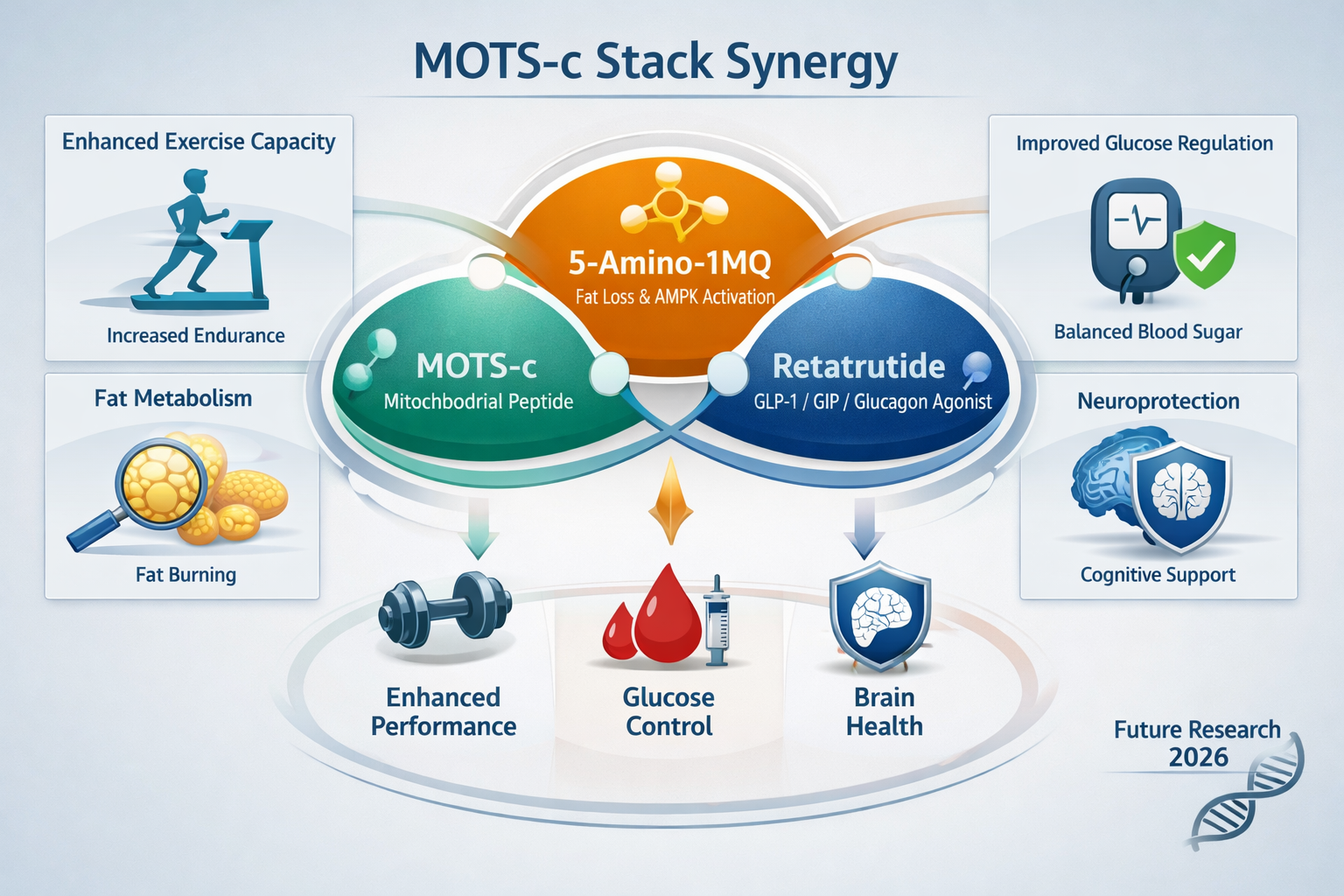
The concept of a "mots c stack" goes beyond merely studying MOTS-c in isolation; it involves strategically combining this powerful peptide with other research compounds to explore enhanced or synergistic effects. This approach is rooted in the understanding that biological systems are incredibly complex, and targeting multiple pathways simultaneously can lead to more comprehensive and profound outcomes. Researchers are continually looking for ways to optimize experimental protocols, and a mots c peptide stack represents a sophisticated strategy for investigating complex metabolic interactions.
One of the most compelling reasons to explore a mots c stack is the opportunity to address multiple facets of metabolic dysfunction. For example, while MOTS-c excels at improving insulin sensitivity and glucose metabolism, other peptides or small molecules might target different aspects, such as fat metabolism, NAD+ synthesis, or cellular repair. By bringing these compounds together, researchers aim to create a more holistic intervention within the laboratory setting. The exploration of various peptide blends for research underscores this growing trend in advanced scientific inquiry.
A prominent example of a compound often considered in conjunction with MOTS-c for a synergistic effect is 5-Amino-1MQ. This small molecule acts as a potent and selective inhibitor of Nicotinamide N-methyltransferase (NNMT), an enzyme that plays a critical role in energy metabolism and cellular methylation. By inhibiting NNMT, 5-Amino-1MQ helps to preserve cellular NAD+ levels, which are crucial for numerous metabolic processes, including mitochondrial function and cellular energy production. When combined in a nmn + 5 amino 1-mq stack or simply a 5 amino 1 mq and MOTS-c stack, the rationale is clear: MOTS-c directly enhances mitochondrial function and glucose metabolism, while 5-Amino-1MQ supports overall cellular energy status by optimizing NAD+ availability.
The research into 5-Amino-1MQ is gaining significant traction, with studies exploring its role in fat loss and metabolic regulation. Understanding the appropriate 5 amino 1 mq dosing for research is essential to observe its targeted effects. Scientists studying the combined impact of 5-amino-1mq and MOTS-c aim to investigate if the enhanced NAD+ levels from 5-Amino-1MQ can further amplify the metabolic benefits of MOTS-c, leading to improved energy expenditure, better glucose control, and enhanced fat metabolism. Researchers often consult resources like 5-Amino-1MQ: Buy 5amino1mq Online Research and Data for detailed information on the compound and its applications. For those looking to obtain research-grade 5 amino 1 mq capsules or other forms, reputable suppliers like Pure Tested Peptides are crucial.
Another fascinating peptide that researchers are exploring in a mots c stack is Retatrutide. While MOTS-c primarily focuses on mitochondrial function and insulin sensitivity, Retatrutide is a novel triple agonist targeting GLP-1, GIP, and glucagon receptors, known for its significant effects on appetite regulation, glucose homeostasis, and weight management. The question of "can you stack mots c with retatrutide" arises from the desire to combine the metabolic improvements of MOTS-c with the powerful weight management and glycemic control properties of Retatrutide. A retatrutide mots c stack or mots c and retatrutide stack could theoretically offer a comprehensive approach to tackling complex metabolic challenges in research models. For instance, MOTS-c could enhance the cellular machinery for burning energy, while Retatrutide regulates energy intake and overall glucose levels.
The benefits of such a strategic combination are hypothesized to extend beyond mere additions. For example, if MOTS-c improves mitochondrial efficiency in skeletal muscle, and Retatrutide aids in overall energy balance and fat reduction, their combined effect might lead to a more robust metabolic profile than either peptide alone. This approach is particularly interesting for researchers focusing on obesity and type 2 diabetes models, where multifaceted interventions are often necessary. Discussions on platforms like 5 amino 1 mq reddit often highlight the speculative benefits and research interests surrounding such stacks. Similarly, interest in the 5 amino 1 mq peptide continues to grow as its potential in metabolic research becomes clearer.
When designing research protocols for a mots c stack, several considerations are paramount:
- Compound Purity and Quality: Ensuring the purity and quality of each peptide is crucial for accurate and reliable research outcomes. Reputable suppliers like Pure Tested Peptides are indispensable for obtaining high-grade materials.
- Dosing and Ratios: Determining the optimal dosing and ratios of each compound within the stack is a critical step in the research design. This often involves preliminary dose-response studies for each component.
- Administration Routes: Considering the most effective administration route for each peptide (e.g., injectable, oral, nasal) is important for bioavailability and experimental consistency. For example, researchers may investigate 5 amino 1 mq dosage for various forms.
- Endpoint Measurements: Clearly defined endpoints, such as glucose tolerance, insulin sensitivity, body composition changes, energy expenditure, and mitochondrial markers, are necessary to evaluate the stack's efficacy.
- Safety and Synergy: Rigorous testing for any unforeseen interactions or adverse effects within the research models is paramount, alongside observing the intended synergistic benefits.
The exploration of a mots c stack is a testament to the ongoing advancements in peptide science and the growing understanding of metabolic pathways. By carefully combining compounds like MOTS-c, 5-Amino-1MQ, and potentially Retatrutide, researchers are paving the way for a deeper understanding of cellular metabolism and its intricate regulation. The future of metabolic research in 2026 will undoubtedly see further investigations into these powerful peptide combinations, pushing the boundaries of what is possible in optimizing cellular health and addressing complex metabolic challenges. The continuous innovation in peptide mapping and adaptive capacity contributes significantly to this evolving field.
| Component of MOTS-c Stack | Primary Mechanism of Action | Synergistic Benefit with MOTS-c |
|---|---|---|
| MOTS-c | Improves insulin sensitivity, glucose metabolism, activates AMPK, enhances mitochondrial function. | Foundation of the stack, directly targets mitochondrial and glucose metabolism, creating an optimal cellular energy environment. |
| 5-Amino-1MQ | Inhibits NNMT, preserving NAD+ levels, enhancing cellular energy, and promoting fat metabolism. | Augments MOTS-c's effects by supporting robust cellular energy through NAD+ optimization, potentially amplifying improvements in fat metabolism and overall metabolic health. Crucial for understanding 1 amino 5 mq effects on the whole system. |
| Retatrutide | Triple agonist (GLP-1, GIP, glucagon) for appetite regulation, glucose homeostasis, and weight management. | Complements MOTS-c by addressing systemic energy balance and weight control, potentially leading to more significant improvements in metabolic health markers when combined with MOTS-c's cellular-level metabolic enhancements. |
| NMN (Nicotinamide Mononucleotide) | Precursor to NAD+, directly boosts NAD+ levels, essential for sirtuin activity and mitochondrial health. | Directly supports mitochondrial function and cellular repair, working alongside MOTS-c to optimize energy pathways and potentially enhance anti-aging effects at a cellular level. This forms the basis of a potent nmn + 5 amino 1-mq strategy. |
The careful selection and pairing of these compounds in a mots c stack allow researchers to explore advanced hypotheses about metabolic health, energy regulation, and the potential to mitigate age-related decline. The ongoing research will undoubtedly refine our understanding of these interactions and unlock new insights into cellular optimization.
Conclusion
The journey into understanding MOTS-c, a remarkable mitochondrial-derived peptide, reveals its profound significance in regulating metabolic homeostasis, insulin sensitivity, and physical performance. Discovered in 2015, MOTS-c acts as a critical retrograde signaling molecule, communicating from the mitochondria to the nucleus to orchestrate systemic metabolic processes. Its ability to activate the AMPK pathway, promote white adipose tissue browning, and exhibit exercise-mimetic properties positions it as a cornerstone in metabolic research. The decline of MOTS-c levels with age and its broad spectrum of potential benefits, from cardioprotection to neuroprotection, underscore its importance in the study of age-related metabolic disorders and overall cellular health.
In 2026, the scientific community is increasingly exploring the sophisticated strategy of a "mots c stack." This involves combining MOTS-c with other research compounds, such as 5-Amino-1MQ and potentially Retatrutide, to investigate synergistic effects that could lead to more comprehensive metabolic improvements. The rationale behind such a mots c stack is to leverage the unique strengths of each compound—MOTS-c for mitochondrial and glucose metabolism, 5-Amino-1MQ for NAD+ optimization and fat metabolism, and Retatrutide for systemic appetite and glucose regulation—to achieve a more profound impact than any single agent alone. Researchers are continuously refining their understanding of 5 amino 1 mq dosage and other stack components to maximize research potential.
The ongoing research into these peptide combinations holds immense promise for advancing our understanding of cellular metabolism, energy regulation, and the potential to address complex metabolic challenges. By meticulously designing research protocols, ensuring high-quality compounds from reputable sources like Pure Tested Peptides, and rigorously evaluating outcomes, scientists are pushing the boundaries of what is known about bio-optimization. The mots c stack represents a forward-thinking approach in peptide science, poised to uncover new insights into enhancing cellular health and combating metabolic decline in the years to come.
Actionable Next Steps for Researchers:
- Deepen Understanding of Individual Peptides: Thoroughly review the latest research on MOTS-c, 5-Amino-1MQ, and other potential stack components to understand their individual mechanisms and documented effects.
- Consult Reliable Resources: Utilize trusted scientific databases and reputable suppliers like Pure Tested Peptides for high-quality research-grade peptides and up-to-date information on products such as 5-amino-1mq.
- Design Phased Research Protocols: Begin with individual compound studies before gradually progressing to a mots c stack. This allows for clear attribution of effects and optimization of ratios and dosages.
- Emphasize Rigorous Measurement: Implement comprehensive assays to measure relevant metabolic markers (e.g., glucose tolerance, insulin sensitivity, fat oxidation, mitochondrial function) to accurately assess the stack's impact.
- Stay Informed on Emerging Research: The field of peptide science is dynamic. Regularly consult scientific journals and forums (including discussions on 5 amino 1 mq reddit for anecdotal insights, always cross-referencing with peer-reviewed data) to stay abreast of new findings and methodological advancements in peptide stacking.
SEO Meta Title: MOTS-c Stack: Metabolic Insights & Research in 2026
SEO Meta Description: Explore the mots c stack, its metabolic benefits, and synergistic research with 5-Amino-1MQ & Retatrutide. Discover cutting-edge peptide science in 2026.