
GHK-Cu Copper Peptide: The Complete Guide for Performance and Regeneration in 2026
Imagine a naturally occurring molecule in your body that holds the power to turn back the clock on aging, accelerate wound healing, and enhance tissue regeneration—all while being one of the most researched compounds in regenerative science. That molecule is GHK-Cu copper peptide, and in 2026, it's transforming how fitness professionals, bodybuilders, medi-spa practitioners, and wellness coaches approach recovery, anti-aging, and performance optimization. Whether you're looking to enhance your clients' results or optimize your own recovery protocols, understanding this powerful tripeptide could be the game-changer you've been searching for.
The science behind GHK-Cu copper peptide reveals a remarkable story of cellular regeneration that extends far beyond simple skincare. This naturally occurring compound has captured the attention of researchers worldwide for its ability to influence gene expression, modulate inflammation, and promote tissue repair at the molecular level.
Key Takeaways
- GHK-Cu copper peptide is a naturally occurring tripeptide that decreases with age, making supplementation increasingly valuable for regenerative protocols
- Research demonstrates significant benefits for wound healing, collagen synthesis, anti-aging, hair growth, and inflammation reduction
- Multiple application methods exist including topical, injectable, and oral formulations, each with specific use cases for different goals
- Quality and purity are critical—pharmaceutical-grade peptides from trusted suppliers ensure safety and efficacy
- Proper dosing protocols vary based on application method and desired outcomes, requiring careful consideration for optimal results
What Is GHK-Cu Copper Peptide and Why Does It Matter?
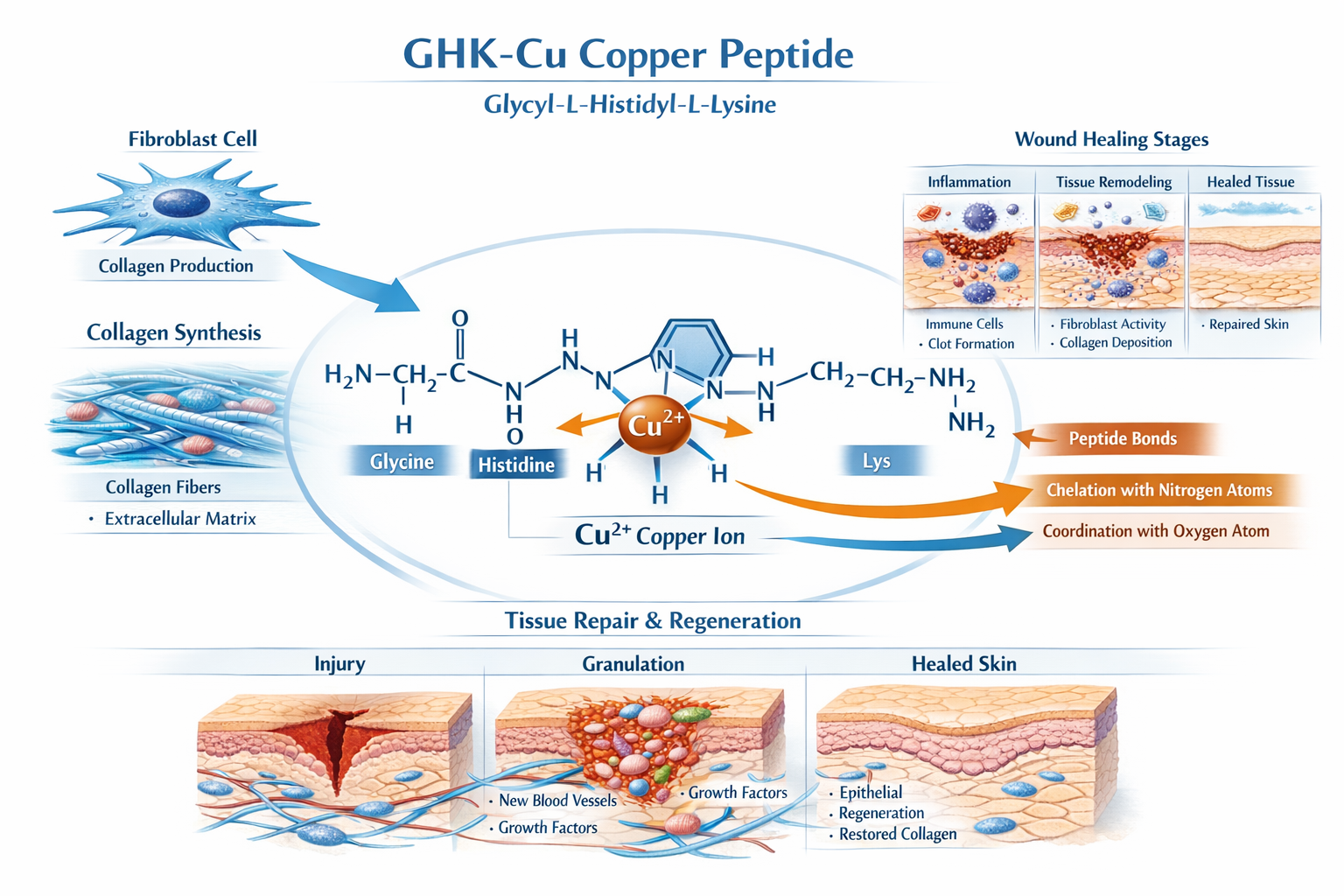
GHK-Cu copper peptide is a naturally occurring tripeptide composed of three amino acids: glycine, histidine, and lysine, bound to a copper ion. This small but powerful molecule was first discovered in human plasma in 1973 by Dr. Loren Pickart, who noticed that the blood of younger individuals had a greater capacity to support cellular regeneration than that of older adults.
The copper component is essential to the peptide's function. When copper binds to the GHK sequence, it creates a complex that can interact with cellular receptors and influence multiple biological pathways. This copper-peptide complex acts as a signaling molecule, telling cells to initiate repair processes, synthesize collagen, and modulate inflammatory responses.
The Science Behind Cellular Regeneration
At the molecular level, GHK-Cu copper peptide works through several distinct mechanisms. It acts as a gene-regulating agent, influencing the expression of genes involved in tissue remodeling and repair. Research has shown that this peptide can reset gene expression patterns to a more youthful state, affecting thousands of genes simultaneously.
The peptide also functions as a potent antioxidant, protecting cells from oxidative damage that accelerates aging. By chelating copper ions, it helps regulate metal metabolism in tissues while preventing the harmful effects of free copper. This dual action makes it particularly valuable for practitioners working with clients experiencing age-related decline or recovery challenges.
For bodybuilders and fitness coaches, the regenerative properties translate into faster recovery between training sessions and enhanced tissue repair. The peptide's ability to stimulate collagen and glycosaminoglycan synthesis means improved connective tissue health, which is crucial for preventing injuries and maintaining joint integrity during intense training periods.
The Proven Benefits of GHK-Cu Copper Peptide for Performance and Wellness
The research supporting GHK-Cu copper peptide applications spans decades, with studies demonstrating benefits across multiple systems. For professionals in the wellness and fitness industries, understanding these evidence-based benefits is essential for making informed recommendations.
Anti-Aging and Skin Regeneration
One of the most well-documented effects of GHK-Cu is its impact on skin aging. The peptide stimulates collagen production, increases skin thickness, and improves elasticity. Clinical studies have shown that topical application can reduce the appearance of fine lines and wrinkles while improving overall skin texture and firmness.
For medi-spa professionals, this makes GHK-Cu an invaluable tool in anti-aging protocols. The peptide works by activating fibroblasts—the cells responsible for producing collagen and elastin. Unlike many cosmetic ingredients that provide temporary effects, GHK-Cu copper peptide creates lasting changes at the cellular level.
The anti-aging benefits extend beyond cosmetic improvements. Research indicates that GHK-Cu can help protect skin from UV damage, reduce hyperpigmentation, and accelerate the healing of sun-damaged tissue. This makes it particularly valuable for clients who have experienced significant photoaging or those looking to prevent future damage.
Wound Healing and Tissue Repair
The wound healing properties of GHK-Cu copper peptide are among its most impressive characteristics. Studies have demonstrated that this peptide accelerates all phases of wound healing: inflammation, proliferation, and remodeling. It attracts immune cells to wound sites, stimulates angiogenesis (new blood vessel formation), and promotes the synthesis of extracellular matrix components.
For fitness professionals and bodybuilders, these healing properties translate into faster recovery from training-induced muscle damage and reduced downtime from minor injuries. The peptide's ability to modulate inflammation means it can help resolve the inflammatory phase of healing more quickly while preventing excessive inflammation that could delay recovery.
Life coaches and wellness practitioners working with clients recovering from surgery or injury will find GHK-Cu particularly valuable. The peptide has been shown to improve scar quality, reducing both the size and appearance of scars while improving tissue flexibility and function in healed areas.
Hair Growth and Follicle Regeneration
Research has revealed that GHK-Cu copper peptide can stimulate hair follicles and promote hair growth. The peptide increases follicle size, prolongs the anagen (growth) phase of the hair cycle, and stimulates hair follicle stem cells. These effects make it a powerful tool for addressing hair thinning and loss.
The mechanism involves increasing blood flow to the scalp, stimulating follicular keratinocytes, and reducing the effects of DHT (dihydrotestosterone), the hormone responsible for pattern baldness. For clients experiencing age-related hair loss or thinning, incorporating GHK-Cu treatments into their wellness protocols can produce noticeable improvements.
Inflammation Reduction and Immune Modulation
The anti-inflammatory properties of GHK-Cu make it valuable for managing chronic inflammation, a common concern for athletes, bodybuilders, and aging clients. The peptide modulates the production of inflammatory cytokines, helping to resolve inflammation without suppressing the immune response entirely.
This balanced approach to inflammation management is crucial for recovery protocols. Unlike non-steroidal anti-inflammatory drugs (NSAIDs) that can interfere with muscle adaptation to training, GHK-Cu supports natural healing processes while reducing excessive inflammation that could impair recovery or cause tissue damage.
Similar to other peptides used in wellness protocols, such as those explored in peptide research, GHK-Cu offers targeted benefits without the broad systemic effects of pharmaceutical interventions.
How to Use GHK-Cu Copper Peptide: Dosage, Protocols, and Application Methods
Understanding proper application methods and dosing protocols for GHK-Cu copper peptide is essential for achieving optimal results. The peptide can be administered through several routes, each with specific advantages depending on the desired outcome.
Topical Application Protocols
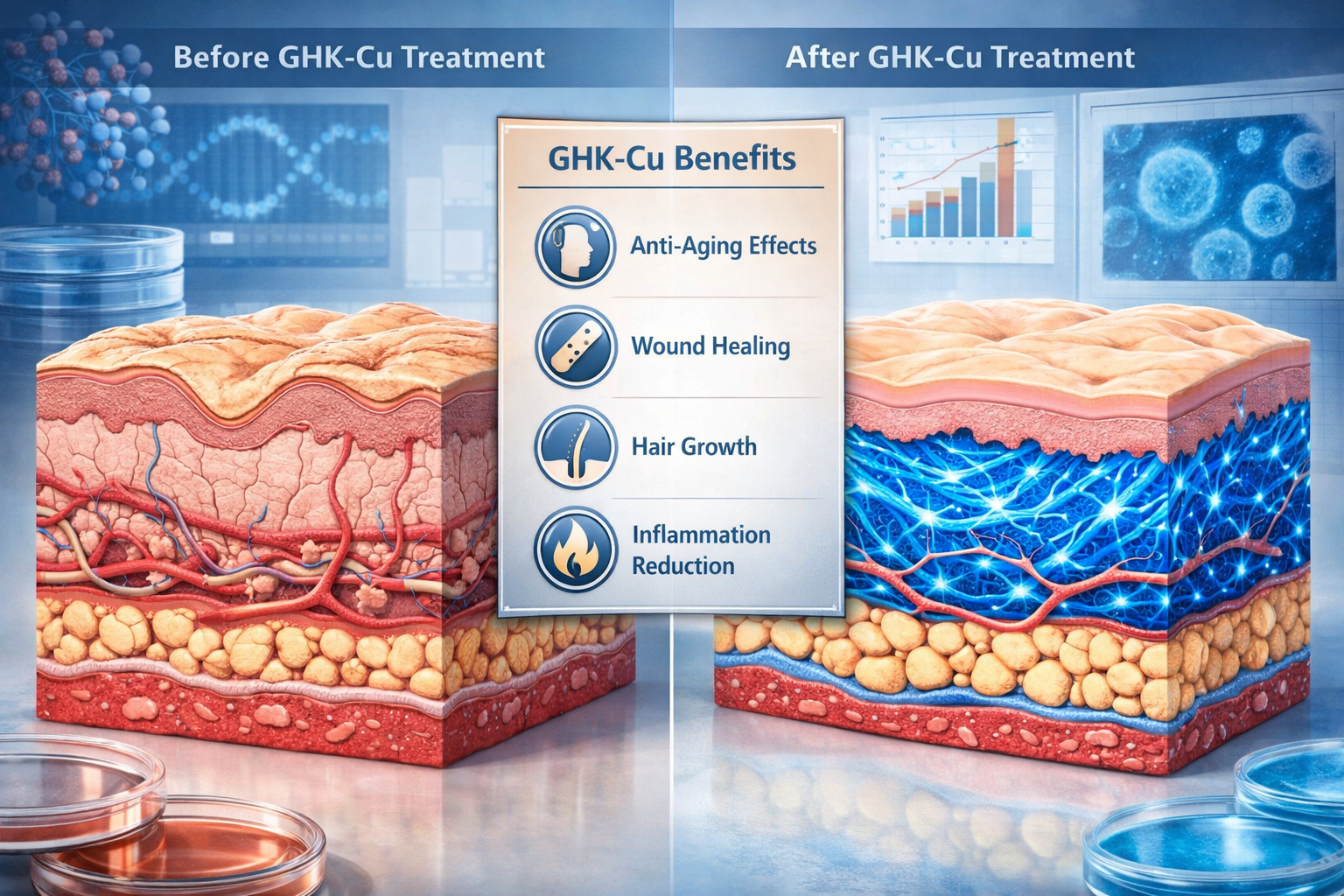
Topical application is the most common method for addressing skin aging and cosmetic concerns. GHK-Cu copper peptide serums and creams typically contain concentrations ranging from 0.5% to 3%. For anti-aging purposes, a 1-2% concentration applied twice daily has shown significant results in clinical studies.
When recommending topical protocols to clients, I emphasize the importance of consistent application. The peptide works cumulatively, with most users noticing improvements in skin texture and firmness within 4-6 weeks of regular use. For enhanced penetration, the peptide can be combined with delivery systems like liposomes or applied after microneedling sessions.
Medi-spa practitioners often incorporate GHK-Cu into professional treatments, using higher concentrations (2-3%) in clinical settings. These professional-grade formulations can be applied during facial treatments or combined with other modalities like LED therapy or ultrasound for enhanced absorption.
Injectable Administration
For systemic effects and deeper tissue regeneration, injectable GHK-Cu copper peptide offers more direct delivery. Subcutaneous injection is the most common route, with typical dosages ranging from 1-3 mg per injection, administered 2-3 times per week.
Injectable protocols are particularly valuable for bodybuilders and athletes focused on recovery and tissue repair. The systemic circulation of the peptide allows it to reach deeper tissues, including muscles, tendons, and ligaments. This makes it effective for addressing chronic injuries, supporting post-workout recovery, and enhancing overall tissue quality.
When working with pharmaceutical-grade peptides, proper reconstitution and storage are critical. The peptide should be reconstituted with bacteriostatic water and stored refrigerated, with most preparations remaining stable for 30 days when properly handled.
Oral Supplementation Considerations
While less common than topical or injectable routes, oral GHK-Cu supplementation is available and may offer systemic benefits. However, bioavailability is a concern with oral administration, as peptides can be broken down in the digestive system before absorption.
Some formulations use protective delivery systems to improve oral bioavailability. For clients who prefer oral supplementation, typical dosages range from 5-10 mg daily, though research on optimal oral dosing is less extensive than for other administration routes.
Combination Protocols and Stacking
Many practitioners find that combining GHK-Cu copper peptide with other peptides or compounds enhances results. For example, pairing GHK-Cu with peptides focused on metabolic function, similar to approaches discussed in peptide synergy research, can provide comprehensive benefits for body composition and recovery.
For anti-aging protocols, combining topical GHK-Cu with other skin-supporting peptides creates synergistic effects. For recovery and performance, stacking GHK-Cu with peptides that support growth hormone production or tissue repair can accelerate results.
The key to successful stacking is understanding the mechanisms of each compound and ensuring they complement rather than interfere with each other. I recommend starting with GHK-Cu alone to establish baseline response before adding additional compounds.
Quality, Safety, and Sourcing: What Peptide Buyers Need to Know
The effectiveness and safety of GHK-Cu copper peptide depend entirely on the quality of the product. As the peptide market has grown, so has the variation in product quality, making it essential for buyers to understand what distinguishes pharmaceutical-grade peptides from inferior products.
Understanding Peptide Purity and Testing
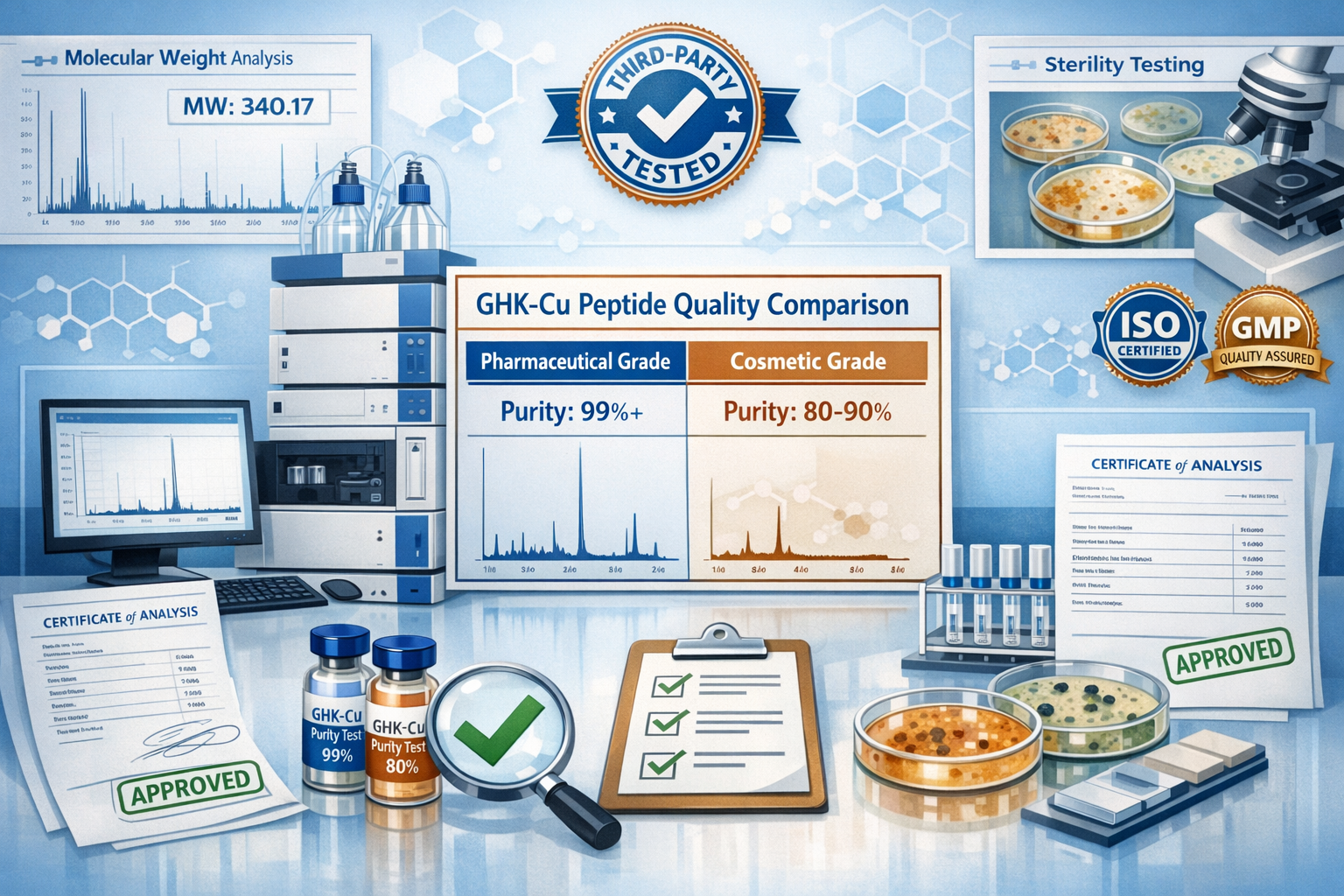
Pharmaceutical-grade GHK-Cu should have a purity level of at least 98%, verified through independent third-party testing. High-performance liquid chromatography (HPLC) is the gold standard for verifying peptide purity and composition. Reputable suppliers provide certificates of analysis (COAs) that detail the exact purity, molecular weight, and composition of their products.
When evaluating suppliers, I look for companies that provide batch-specific testing results rather than generic certificates. Each batch of peptides can vary slightly in purity and composition, so batch-specific testing ensures you know exactly what you're getting. Quality peptide suppliers make these documents readily available to customers.
Identifying Red Flags in Peptide Products
Several warning signs indicate potentially low-quality or counterfeit peptides. Prices significantly below market average often indicate inferior products or improper storage. Peptides are expensive to manufacture properly, and legitimate suppliers cannot undercut market prices substantially while maintaining quality.
Lack of documentation is another major red flag. If a supplier cannot or will not provide COAs, testing results, or detailed product information, the peptides should be avoided. Similarly, vague labeling, missing lot numbers, or unclear expiration dates suggest poor quality control.
Storage and Handling Best Practices
Proper storage is critical for maintaining GHK-Cu copper peptide potency. Lyophilized (freeze-dried) peptides should be stored in a freezer at -20°C or colder until reconstitution. Once reconstituted, the peptide solution should be refrigerated at 2-8°C and used within 30 days for optimal potency.
Exposure to heat, light, and repeated freeze-thaw cycles degrades peptide quality. I recommend dividing reconstituted peptides into smaller aliquots if you won't use the entire vial within a week, minimizing the number of times the main vial is exposed to temperature fluctuations.
Regulatory Considerations and Legal Status
The regulatory status of peptides varies by jurisdiction and intended use. In the United States, peptides sold for research purposes occupy a different regulatory space than those marketed for human consumption. Understanding these distinctions is important for compliance and safety.
For professionals recommending peptides to clients, staying informed about current regulations and working only with compliant suppliers protects both you and your clients. The landscape continues to evolve, making ongoing education essential for anyone working with these compounds.
Working with Reputable Suppliers
Establishing relationships with trustworthy suppliers is foundational to successful peptide protocols. Look for companies with transparent business practices, responsive customer service, and a track record of quality. Reading reviews and seeking recommendations from other professionals in your field can help identify reliable sources.
Many experienced practitioners develop relationships with a primary supplier while maintaining backup options. This ensures continuity of supply while allowing for quality comparisons. When you find a supplier that consistently delivers high-quality products with proper documentation, that relationship becomes invaluable to your practice.
For those new to peptide research, starting with established suppliers who specialize in research-grade compounds, similar to those offering comprehensive peptide options, provides a solid foundation for learning and experimentation.
Integrating GHK-Cu Copper Peptide Into Professional Practice
For fitness coaches, bodybuilders, life coaches, and medi-spa professionals, successfully integrating GHK-Cu copper peptide into your practice requires understanding client needs, setting appropriate expectations, and developing effective protocols.
Client Assessment and Protocol Design
Before recommending GHK-Cu, thorough client assessment is essential. Consider their primary goals—whether anti-aging, recovery enhancement, injury healing, or performance optimization. Age, health status, current supplement regimen, and previous experience with peptides all influence protocol design.
I typically start clients on conservative protocols, particularly those new to peptides. For topical applications, beginning with a 1% concentration once daily allows assessment of skin tolerance and response. For injectable protocols, starting with 1 mg twice weekly provides systemic benefits while minimizing the risk of adverse reactions.
Monitoring Progress and Adjusting Protocols
Establishing clear metrics for tracking progress helps demonstrate the value of GHK-Cu copper peptide interventions. For anti-aging applications, progress photos taken in consistent lighting conditions every 4 weeks provide visual documentation of improvements. For recovery and performance goals, tracking training volume, recovery time, and subjective measures like soreness and energy levels reveals the peptide's impact.
Based on these assessments, protocols can be adjusted. If a client responds well to initial dosing but plateaus, gradually increasing dosage or frequency may reignite progress. Conversely, if a client experiences any adverse reactions, reducing dosage or temporarily discontinuing use allows for reassessment.
Educating Clients About Realistic Expectations
One of the most important aspects of working with GHK-Cu is setting realistic expectations. While the peptide offers significant benefits, it's not a miracle compound that produces overnight transformations. Most clients notice initial improvements within 4-6 weeks, with more substantial changes appearing over 12-16 weeks of consistent use.
I emphasize to clients that GHK-Cu copper peptide works best as part of a comprehensive approach to health and wellness. Proper nutrition, adequate sleep, stress management, and appropriate training or skincare routines all enhance the peptide's effects. The compound supports and accelerates natural healing and regeneration processes but doesn't replace fundamental health practices.
Combining GHK-Cu with Other Modalities
The versatility of GHK-Cu allows it to integrate seamlessly with other wellness modalities. Medi-spa professionals can combine topical GHK-Cu with microneedling, LED therapy, or other skin treatments for enhanced results. The peptide's wound-healing properties actually support recovery from aesthetic procedures while amplifying their benefits.
Fitness coaches and bodybuilders can incorporate GHK-Cu into recovery protocols alongside other evidence-based interventions. The peptide complements proper nutrition, sleep optimization, and recovery techniques like massage or contrast therapy. Its anti-inflammatory and tissue-repair properties support the body's adaptation to training stress.
Building a Peptide-Informed Practice
As you develop expertise with GHK-Cu copper peptide, you may want to expand your knowledge of other peptides that serve complementary purposes. Understanding the broader landscape of peptide therapeutics allows you to create more comprehensive protocols tailored to individual client needs.
Continuing education through scientific literature, professional conferences, and networking with other peptide-informed practitioners keeps your knowledge current. The field of peptide research advances rapidly, with new applications and protocols emerging regularly. Staying informed ensures you can offer clients the most effective and evidence-based recommendations.
For those looking to deepen their understanding of peptide applications beyond GHK-Cu, exploring resources on peptide research and applications provides valuable context for developing comprehensive wellness protocols.
The Future of GHK-Cu Copper Peptide Research and Applications
As we move through 2026, research into GHK-Cu copper peptide continues to reveal new applications and deepen our understanding of its mechanisms. Emerging studies are exploring the peptide's potential in areas beyond its established uses, opening exciting possibilities for future applications.
Emerging Research Directions
Current research is investigating GHK-Cu's potential role in neurodegenerative conditions, with preliminary studies suggesting it may protect neurons and support cognitive function. While this research is in early stages, it highlights the peptide's broad biological activities and potential applications beyond skin health and tissue repair.
Studies are also examining the peptide's effects on metabolic health, including its potential to influence glucose metabolism and insulin sensitivity. These investigations could expand GHK-Cu's applications into metabolic optimization protocols, making it relevant for a broader range of wellness goals.
Technological Advances in Delivery Systems
Innovations in delivery technology are improving the effectiveness of topical and oral GHK-Cu formulations. Nanotechnology-based delivery systems, advanced liposomal formulations, and novel penetration enhancers are increasing bioavailability and tissue penetration, potentially making lower doses more effective.
These advances are particularly relevant for topical applications, where penetration through the skin barrier has historically limited effectiveness. New delivery systems may allow topical GHK-Cu to reach deeper skin layers and even systemic circulation, blurring the lines between topical and injectable administration.
Personalized Peptide Protocols
The trend toward personalized medicine is influencing how practitioners approach GHK-Cu copper peptide protocols. Genetic testing, biomarker analysis, and advanced diagnostics may soon allow for truly individualized dosing and application strategies based on a person's unique biology and needs.
This personalization could optimize results while minimizing the trial-and-error period currently required to find ideal protocols for each individual. As our understanding of how genetic variations influence peptide response grows, we'll be able to predict who will respond best to GHK-Cu and at what doses.
Integration with Regenerative Medicine
GHK-Cu is increasingly being incorporated into broader regenerative medicine protocols. Its ability to influence gene expression and tissue remodeling makes it a natural complement to stem cell therapies, platelet-rich plasma (PRP) treatments, and other cutting-edge regenerative interventions.
This integration represents a shift toward comprehensive regenerative protocols that address aging and tissue degeneration through multiple complementary mechanisms. For practitioners in regenerative medicine, understanding how to effectively combine GHK-Cu with other therapeutic approaches will become increasingly important.
Conclusion: Harnessing the Power of GHK-Cu Copper Peptide
GHK-Cu copper peptide represents one of the most versatile and well-researched compounds available for regenerative medicine, anti-aging, and performance optimization. Its ability to influence gene expression, stimulate collagen synthesis, accelerate wound healing, and modulate inflammation makes it invaluable for professionals working in fitness, wellness, and aesthetic medicine.
The key to successful implementation lies in understanding the science behind the peptide, sourcing high-quality products from reputable suppliers, and developing evidence-based protocols tailored to individual needs. Whether you're a fitness coach looking to enhance client recovery, a bodybuilder seeking to optimize tissue repair, a life coach supporting clients' wellness journeys, or a medi-spa professional delivering anti-aging treatments, GHK-Cu offers powerful benefits when used appropriately.
Your Next Steps
If you're ready to incorporate GHK-Cu copper peptide into your practice or personal protocol, start by:
-
Educating yourself thoroughly on the peptide's mechanisms, benefits, and proper application methods through scientific literature and reputable sources
-
Sourcing high-quality products from established suppliers who provide third-party testing and certificates of analysis, such as pharmaceutical-grade GHK-Cu
-
Starting conservatively with lower doses and simple protocols, monitoring response carefully before advancing to more complex applications
-
Tracking results systematically through objective measures and documentation to assess effectiveness and optimize protocols
-
Continuing your education as new research emerges and our understanding of peptide therapeutics evolves
The regenerative potential of GHK-Cu copper peptide is supported by decades of research and real-world application. By approaching this powerful compound with knowledge, respect for proper protocols, and commitment to quality, you can harness its benefits for enhanced recovery, improved aesthetics, and optimized wellness outcomes.
As we continue through 2026 and beyond, peptides like GHK-Cu will play an increasingly central role in how we approach aging, recovery, and human performance. Those who develop expertise in these compounds now position themselves at the forefront of a revolution in regenerative and preventive medicine.
SEO Meta Information
Meta Title: GHK-Cu Copper Peptide Guide: Benefits, Dosage & Research 2026
Meta Description: Complete guide to GHK-Cu copper peptide for anti-aging, recovery & regeneration. Evidence-based protocols, dosing, and sourcing for professionals in 2026.