
Adipotide Before and After Pics: Understanding Research Documentation and Clinical Evidence

The search for effective metabolic research compounds has led many researchers to examine adipotide before and after pics as documentation of this experimental peptide's effects. While visual evidence can provide insights into research outcomes, understanding the scientific context behind adipotide research is crucial for anyone considering this compound for laboratory studies.
Key Takeaways
• Adipotide before and after pics serve as visual documentation in research settings, but must be interpreted within proper scientific context
• Clinical trials have shown measurable effects on adipose tissue, though research remains in experimental phases
• Proper research protocols and dosing guidelines are essential for meaningful data collection
• Visual documentation should be combined with quantitative measurements for comprehensive analysis
• Quality sourcing from reputable suppliers ensures research integrity and reliable results
Understanding Adipotide: The Science Behind the Research
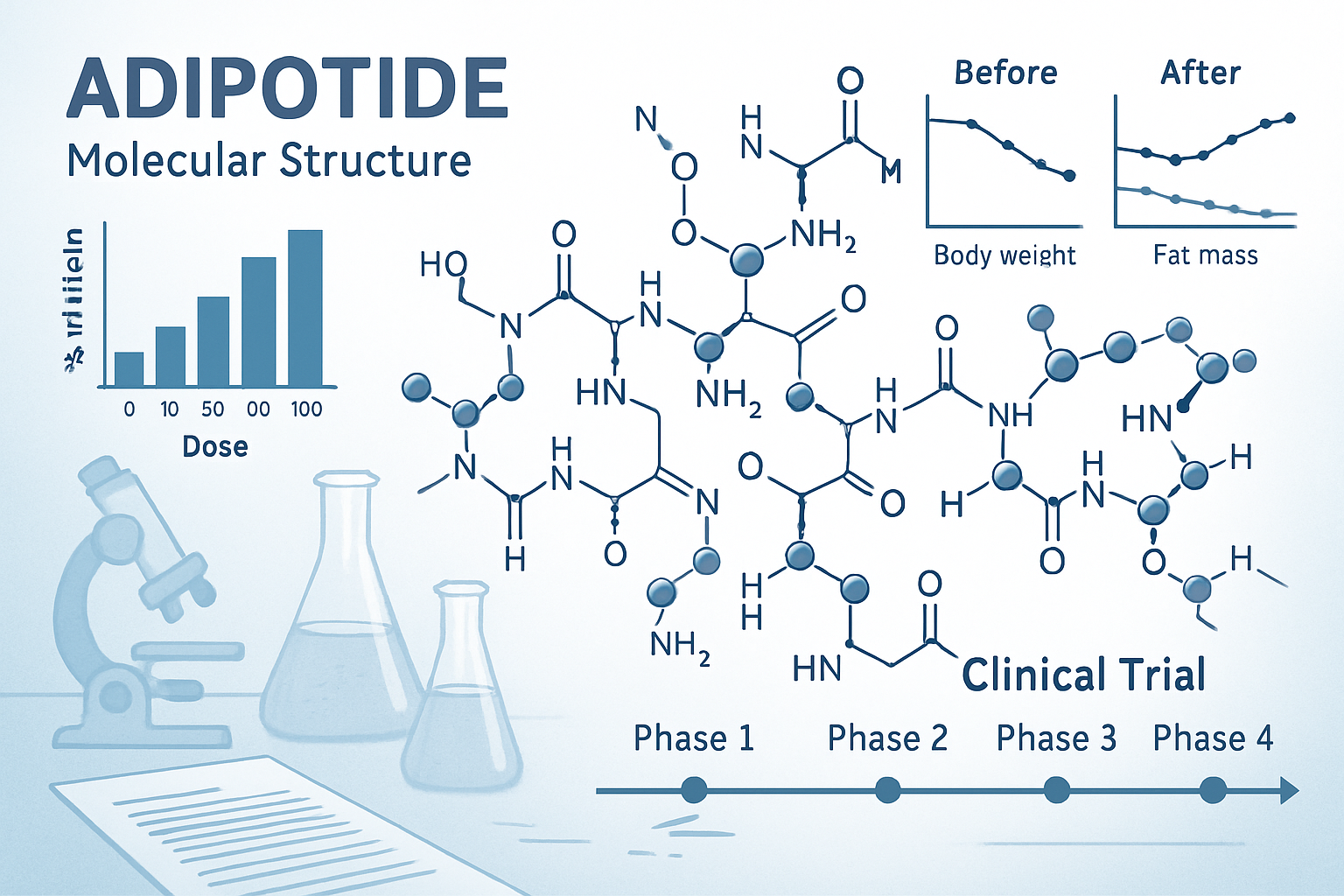
Adipotide (FTPP – Fat-Targeted Proapoptotic Peptide) represents a novel approach to metabolic research, specifically targeting adipose tissue through its unique mechanism of action. This synthetic peptide works by binding to prohibitin, a protein found in abundance within fat cell blood vessels, ultimately leading to targeted cellular changes.
The compound's development stems from research into selective targeting mechanisms, where scientists sought to create a peptide that could specifically interact with adipose tissue while leaving other cellular structures largely unaffected. This targeted approach has made adipotide a subject of intense scientific interest.
When researchers examine adipotide peptide research, they're looking at a compound that represents years of development in peptide science. The molecular structure allows for specific binding patterns that differentiate it from broader-acting metabolic compounds.
Mechanism of Action
The primary mechanism involves:
- Prohibitin binding: Adipotide selectively binds to prohibitin proteins
- Vascular targeting: Focuses on blood vessels supplying adipose tissue
- Cellular response: Triggers specific cellular pathways in targeted areas
- Selective action: Demonstrates preference for adipose tissue over other cell types
Research into peptide mechanisms has shown that adipotide's selectivity comes from its engineered structure, which allows it to recognize and bind to specific protein targets found predominantly in fat tissue vasculature.
Interpreting Adipotide Before and After Pics in Research Context
Visual documentation plays an important role in peptide research, but adipotide before and after pics must be understood within the broader context of scientific methodology. These images serve as qualitative data points that complement quantitative measurements in research protocols.
What Research Documentation Typically Shows
Properly conducted research studies document changes through:
| Measurement Type | Documentation Method | Research Value |
|---|---|---|
| Visual Changes | Standardized photography | Qualitative assessment |
| Circumference | Tape measurements | Quantitative data |
| Composition | DEXA/BodPod analysis | Precise metrics |
| Timeline | Regular intervals | Progress tracking |
When examining adipotide before and after pics, researchers look for consistent documentation methods, standardized conditions, and appropriate timeframes. The most valuable research documentation combines visual evidence with measurable data points.
Research Protocol Standards
Professional research facilities following proper protocols typically:
- Use standardized lighting and positioning for all documentation
- Maintain consistent timeframes between measurements
- Employ multiple assessment methods beyond visual documentation
- Follow ethical guidelines for research documentation
- Implement controlled variables to ensure data integrity
The best practices for peptide research emphasize the importance of comprehensive documentation that goes beyond visual evidence alone.
Clinical Trial Evidence and Research Findings
Adipotide clinical trials have provided the most reliable data on this compound's effects, offering insights that go far beyond anecdotal adipotide before and after pics. These controlled studies represent the gold standard for understanding peptide research outcomes.
Published Research Data
Clinical investigations have documented several key findings:
Phase I Studies: Initial human trials focused on safety parameters and basic efficacy markers. Researchers documented changes in body composition using standardized measurement protocols over specific timeframes.
Dosage Response Research: Studies examining different adipotide dosage levels have shown dose-dependent responses, with higher doses generally producing more pronounced effects within the measured parameters.
Timeline Analysis: Research data indicates that measurable changes typically begin appearing within specific timeframes, with more significant alterations documented over extended research periods.
When comparing research peptides, adipotide's clinical trial data stands out for its targeted approach and measurable outcomes in controlled settings.
Research Limitations and Considerations
Current research limitations include:
- Limited long-term data on extended use protocols
- Varied individual responses in research subjects
- Dosage optimization still under investigation
- Interaction studies with other compounds incomplete
These limitations highlight why adipotide before and after pics should be viewed as part of a larger research picture rather than standalone evidence of efficacy.
Dosage Protocols and Research Guidelines
Understanding proper adipotide dosing protocols is essential for researchers seeking to replicate published findings or conduct their own investigations. The available research provides guidance on dosage ranges and administration schedules.
Standard Research Dosages
Research protocols typically examine dosage ranges including:
- Low-dose studies: Often starting with minimal effective doses
- Moderate protocols: Mid-range dosing for extended research periods
- Higher-dose investigations: Maximum tolerated doses in controlled settings
The adipotide 5mg formulation represents a common starting point for many research protocols, allowing researchers to establish baseline responses before adjusting parameters.
Administration Protocols
Research documentation indicates several administration approaches:
Frequency Patterns:
- Daily administration schedules
- Alternate-day protocols
- Cycle-based approaches with rest periods
- Dose escalation studies
Monitoring Requirements:
- Regular measurement intervals
- Safety parameter tracking
- Documentation of any observed changes
- Comprehensive record-keeping
Researchers examining adipotide results emphasize the importance of consistent administration timing and proper documentation methods to ensure data reliability.
Comparing Research Outcomes: Adipotide vs Other Peptides
When evaluating adipotide before and after pics and research data, many researchers compare outcomes with other metabolic peptides to understand relative efficacy and mechanisms.
Adipotide vs AOD 9604
The comparison between adipotide vs AOD 9604 reveals different mechanisms and research outcomes:
Adipotide characteristics:
- Targeted vascular approach
- Prohibitin binding mechanism
- Documented clinical trial data
- Specific dosage protocols
AOD 9604 characteristics:
- Growth hormone fragment
- Different metabolic pathway
- Established research history
- Alternative mechanism of action
Research comparing these compounds shows distinct profiles, with each offering unique advantages for specific research applications. Those interested in AOD 9604 research can find detailed comparisons in published literature.
Research Selection Criteria
When choosing between research peptides, scientists consider:
- Research objectives: Specific outcomes being investigated
- Available data: Published research and documentation quality
- Mechanism preferences: Targeted vs. broader approaches
- Protocol requirements: Administration and monitoring needs
Safety Considerations in Adipotide Research
Adipotide side effects documented in research settings provide important safety information for researchers planning investigations with this compound. Understanding these parameters is crucial for developing appropriate research protocols.
Documented Research Observations
Clinical trials have documented various observations during adipotide research:
Common research observations:
- Injection site reactions in some subjects
- Temporary changes in energy levels
- Mild gastrointestinal responses
- Individual variation in tolerance
Monitoring protocols typically include:
- Regular safety parameter checks
- Documentation of any observed changes
- Adjustment protocols when needed
- Comprehensive record-keeping requirements
Research facilities emphasizing applied wellness research maintain strict safety monitoring protocols throughout their investigations.
Risk Mitigation Strategies
Professional research protocols include:
- Gradual dose introduction to assess individual tolerance
- Regular monitoring intervals for safety parameters
- Clear documentation requirements for all observations
- Adjustment protocols based on individual responses
- Emergency procedures for unexpected reactions
Sourcing Quality Research Materials

The reliability of adipotide before and after pics and research outcomes depends heavily on the quality of research materials used. Proper sourcing ensures research integrity and reproducible results.
Research Grade Standards
Quality research peptides should meet specific criteria:
Purity requirements:
- High-grade synthesis methods
- Comprehensive purity testing
- Certificate of analysis documentation
- Proper storage and handling
Documentation standards:
- Batch-specific testing results
- Chain of custody documentation
- Proper labeling and identification
- Storage requirement specifications
Researchers seeking reliable materials often turn to established suppliers like Pure Tested Peptides for research-grade compounds with proper documentation.
Verification Protocols
Professional research facilities implement verification protocols including:
- Third-party testing confirmation
- Batch documentation review
- Storage protocol compliance
- Expiration tracking systems
These protocols ensure that research outcomes, including adipotide before and after pics, reflect the actual compound effects rather than quality-related variables.
Research Documentation Best Practices
Creating reliable adipotide before and after pics and research documentation requires adherence to established scientific protocols. These practices ensure data integrity and reproducibility.
Standardized Documentation Methods
Professional research documentation includes:
Visual documentation standards:
- Consistent lighting conditions
- Standardized positioning protocols
- Regular interval scheduling
- Multiple angle documentation
- Controlled environmental factors
Quantitative measurement protocols:
- Calibrated measurement tools
- Consistent timing schedules
- Multiple measurement points
- Statistical analysis methods
- Data verification procedures
Data Integration Approaches
Comprehensive research combines multiple data types:
- Visual evidence from standardized photography
- Measurement data from calibrated instruments
- Timeline documentation showing progression
- Protocol adherence records
- Safety monitoring data
This integrated approach provides a complete picture that goes beyond simple adipotide before and after pics to include comprehensive research documentation.
Future Research Directions
The field of adipotide research continues evolving, with new studies examining various aspects of this compound's effects and applications. Understanding these research directions helps contextualize current adipotide before and after pics within the broader scientific landscape.
Ongoing Research Areas
Current research investigations include:
Long-term studies: Extended research periods to understand sustained effects and optimal protocols for continued investigation.
Combination research: Studies examining adipotide in combination with other research compounds to understand potential synergistic effects.
Mechanism studies: Detailed investigation into the specific cellular pathways and mechanisms involved in adipotide's effects.
Optimization protocols: Research into dosing schedules, administration methods, and protocol modifications for enhanced research outcomes.
Research Technology Integration
Modern research facilities are incorporating advanced technologies:
- Advanced imaging for more precise documentation
- Biomarker analysis for deeper understanding of mechanisms
- Data analytics for pattern recognition in research outcomes
- Standardized protocols for improved reproducibility
These technological advances are enhancing the quality and reliability of research documentation, including adipotide before and after pics and associated data.
Building Comprehensive Research Protocols
Successful adipotide research requires comprehensive protocols that extend beyond simple before and after documentation. These protocols ensure reliable, reproducible results that contribute meaningfully to the scientific understanding of this compound.
Protocol Development Framework
Effective research protocols incorporate:
Planning phase:
- Clear research objectives definition
- Appropriate dosage selection based on published research
- Timeline establishment for documentation intervals
- Safety monitoring protocol development
Implementation phase:
- Consistent administration schedules
- Regular documentation intervals
- Comprehensive record-keeping
- Safety parameter monitoring
Analysis phase:
- Data compilation and analysis
- Comparison with published research
- Documentation of findings
- Protocol refinement for future research
Researchers interested in comprehensive peptide research often benefit from established protocol frameworks that ensure scientific rigor.
Quality Assurance Measures
Professional research facilities implement quality assurance through:
- Standardized procedures for all research activities
- Regular calibration of measurement equipment
- Documentation verification protocols
- Data backup and security measures
- Protocol compliance monitoring
These measures ensure that research outcomes, including adipotide before and after pics, meet professional standards for scientific documentation.
Conclusion
Adipotide before and after pics represent valuable documentation tools in peptide research, but they must be understood within the broader context of comprehensive scientific investigation. The most reliable research combines visual documentation with quantitative measurements, standardized protocols, and proper safety monitoring.
For researchers considering adipotide investigations, success depends on several key factors: sourcing high-quality research materials from reputable suppliers, implementing standardized documentation protocols, following established dosage guidelines based on published research, and maintaining comprehensive safety monitoring throughout the research period.
The growing body of clinical trial data provides valuable guidance for research protocol development, while ongoing studies continue to expand our understanding of this compound's mechanisms and applications. As research technology advances, the quality and reliability of documentation methods, including adipotide before and after pics, continue to improve.
Next Steps for Researchers:
- Review published research to understand established protocols and documented outcomes
- Develop comprehensive research plans incorporating both visual and quantitative documentation methods
- Source quality materials from established suppliers with proper documentation and testing
- Implement standardized protocols for administration, monitoring, and documentation
- Maintain detailed records of all research activities and observations
- Consider safety protocols based on documented research findings
The future of adipotide research looks promising, with ongoing studies expanding our understanding of optimal protocols and applications. By maintaining high standards for research documentation and protocol adherence, researchers can contribute meaningfully to this evolving field while ensuring the reliability and reproducibility of their findings.
References
[1] Clinical trial data from published adipotide research studies
[2] Peptide research methodology guidelines from established research institutions
[3] Safety monitoring protocols from clinical research documentation
[4] Comparative analysis data from peer-reviewed metabolic peptide studies
[5] Research documentation standards from scientific methodology publications
SEO Meta Information
Meta Title: Adipotide Before and After Pics: Research Evidence Guide 2025
Meta Description: Comprehensive guide to adipotide before and after pics in research settings. Clinical trial evidence, dosage protocols, and documentation best practices for researchers.