
Adipotide FTPP for Sale: Complete Research Guide for 2025
The world of peptide research has witnessed remarkable advancements in 2025, with adipotide FTPP emerging as one of the most discussed compounds in laboratory settings. This synthetic peptide, originally developed for targeting adipose tissue vasculature, has captured the attention of researchers worldwide due to its unique mechanism of action and potential applications in metabolic studies. For those seeking adipotide FTPP for sale, understanding the science, research protocols, and safety considerations is essential before making any purchase decisions.
Key Takeaways
• Adipotide FTPP is a synthetic peptide designed for research purposes, targeting adipose tissue vasculature through a unique dual-domain mechanism
• Clinical trials have provided valuable data on dosing protocols, with most research focusing on specific concentration ranges for laboratory studies
• Quality sourcing is crucial – only purchase from reputable suppliers that provide third-party testing and proper documentation
• Research applications extend beyond basic metabolic studies, with ongoing investigations into vascular biology and tissue-specific targeting
• Safety protocols and proper handling procedures are essential when working with this research compound in laboratory settings
Understanding Adipotide FTPP: The Science Behind the Peptide
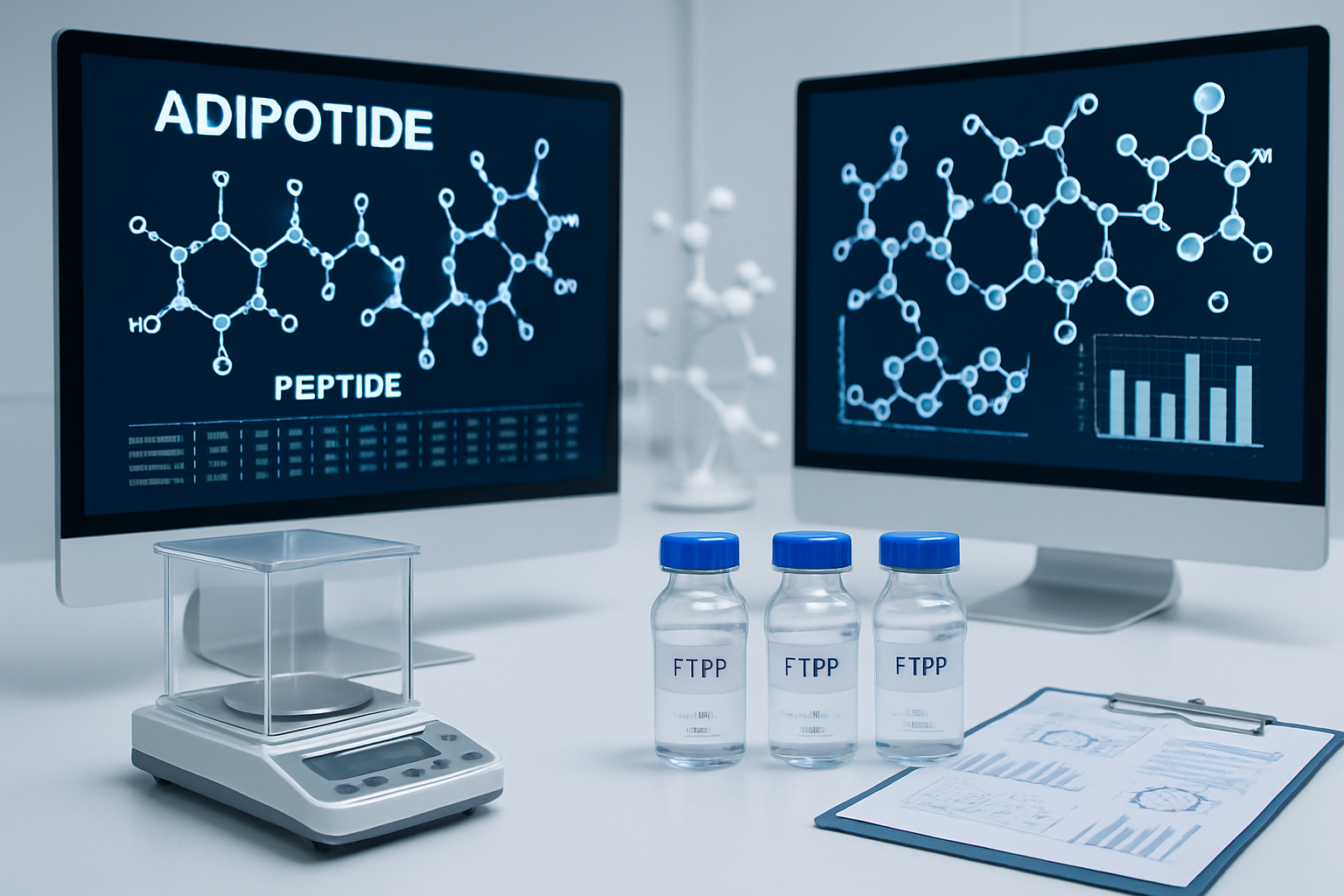
Adipotide represents a fascinating example of targeted peptide design in modern research. This compound consists of two distinct functional domains: a targeting sequence that binds specifically to prohibitin, a protein highly expressed in adipose tissue vasculature, and an effector domain derived from the antimicrobial peptide KLAKLAK. The "FTPP" designation refers to the specific formulation and purity standards maintained for research applications.
The molecular structure of adipotide allows it to selectively interact with blood vessels supplying adipose tissue. This selectivity makes it particularly valuable for researchers studying metabolic pathways and vascular biology. When researchers search for adipotide FTPP for sale, they're typically looking for compounds that meet stringent purity requirements necessary for reproducible laboratory results.
Research has shown that adipotide's mechanism involves binding to prohibitin receptors, which are abundantly expressed on the surface of endothelial cells within adipose tissue. This binding triggers a cascade of cellular events that researchers can study to better understand vascular-adipose tissue interactions. The peptide's design represents years of development in targeted therapeutic research, making it a valuable tool for various research applications.
Molecular Characteristics and Research Properties
The peptide sequence of adipotide has been optimized through extensive research to enhance both its targeting specificity and stability in laboratory conditions. With a molecular weight of approximately 2,100 daltons, adipotide demonstrates excellent solubility in standard research buffers and maintains stability when stored under appropriate conditions.
Researchers working with adipotide 5mg formulations have noted the importance of proper reconstitution protocols. The peptide typically arrives as a lyophilized powder, requiring careful handling and specific reconstitution procedures to maintain its biological activity. Temperature control during storage and handling is crucial, with most protocols recommending storage at -20°C for long-term stability.
The pharmacokinetic properties of adipotide have been extensively studied in research settings. The peptide demonstrates rapid tissue distribution with a relatively short half-life, making it suitable for acute research protocols. These characteristics allow researchers to design experiments with precise timing and dosing parameters.
Adipotide Clinical Trials and Research Findings
Clinical research involving adipotide has provided valuable insights into its behavior in biological systems. Early-phase trials focused primarily on establishing safety parameters and optimal dosing protocols for research applications. These studies have been instrumental in developing standardized protocols that researchers worldwide now follow when working with this compound.
The most comprehensive clinical data comes from Phase I trials that examined dose-escalation protocols. Researchers tested various concentrations, typically starting with conservative doses and gradually increasing to establish tolerance thresholds. These studies revealed important information about the peptide's distribution patterns and elimination kinetics, which are crucial for designing effective research protocols.
Adipotide dosage considerations in research settings typically range from micrograms to milligrams per kilogram, depending on the specific research objectives. Most laboratory protocols utilize doses that are carefully calculated based on the intended research outcomes and safety margins established during clinical trials. Researchers often begin with lower concentrations and adjust based on their specific experimental requirements.
Research Protocol Development
The development of standardized research protocols for adipotide has been a collaborative effort among research institutions worldwide. These protocols emphasize the importance of proper handling, storage, and administration techniques. Many researchers have found that consistent results require adherence to specific timing protocols, as the peptide's effects can be influenced by various environmental factors.
Documentation from clinical trials has established baseline parameters for researchers working with adipotide peptide formulations. These guidelines include recommendations for reconstitution solutions, storage temperatures, and handling procedures that maintain the peptide's integrity throughout the research process.
Quality control measures developed during clinical trials have become standard practice for researchers. These include verification of peptide purity, confirmation of proper storage conditions, and documentation of handling procedures. Such measures ensure that research results are reproducible and reliable across different laboratory settings.
Where to Find Quality Adipotide FTPP for Sale
Locating reliable sources for adipotide FTPP for sale requires careful evaluation of suppliers and their quality assurance practices. The peptide research market has expanded significantly in 2025, but this growth has also led to variations in product quality and supplier reliability. Researchers must prioritize suppliers who provide comprehensive documentation, third-party testing results, and proper storage protocols.
Reputable suppliers typically offer detailed certificates of analysis (COAs) that verify peptide purity, identity, and stability. These documents should include mass spectrometry data, high-performance liquid chromatography (HPLC) results, and amino acid analysis. When evaluating potential suppliers, researchers should look for companies that maintain ISO certification and follow Good Manufacturing Practices (GMP).
Pure Tested Peptides represents an example of a supplier that prioritizes quality and transparency in peptide research products. Their approach to quality assurance includes rigorous testing protocols and comprehensive documentation that supports reproducible research outcomes.
Evaluating Supplier Credentials
The importance of supplier verification cannot be overstated when purchasing research peptides. Legitimate suppliers should provide clear information about their manufacturing processes, quality control measures, and storage protocols. They should also offer responsive customer support to address technical questions and provide guidance on proper handling procedures.
Documentation standards for quality suppliers include batch-specific testing results, stability data, and proper labeling that clearly identifies the product as intended for research use only. Suppliers should also provide detailed storage recommendations and handling instructions to ensure peptide integrity from purchase to use.
Many researchers have found success by establishing relationships with suppliers who offer comprehensive peptide libraries and can provide technical support throughout the research process. These relationships often prove valuable for long-term research projects that require consistent product quality and reliable supply chains.
Adipotide vs AOD 9604: Research Comparison
Understanding the differences between adipotide and other research peptides like AOD 9604 helps researchers select the most appropriate compounds for their specific studies. While both peptides have applications in metabolic research, their mechanisms of action and research applications differ significantly.
AOD 9604, a fragment of human growth hormone, works through different pathways than adipotide. Researchers studying AOD 9604 have focused on its potential effects on lipid metabolism and its interaction with growth hormone receptors. In contrast, adipotide's mechanism involves direct interaction with vascular targets in adipose tissue.
The research applications for these peptides often complement each other, with some studies incorporating both compounds in comparative analyses. Research comparing AOD 9604 and other metabolic peptides has provided valuable insights into different approaches to studying metabolic processes.
Mechanism Comparison and Research Applications
The targeting specificity of adipotide sets it apart from other metabolic research peptides. While AOD 9604 works through systemic pathways, adipotide's design allows for more targeted tissue-specific studies. This difference makes each peptide valuable for different types of research questions and experimental designs.
Researchers working with adipotide 10mg formulations often focus on vascular biology studies, while those using AOD 9604 may concentrate on broader metabolic pathway investigations. The choice between these peptides often depends on the specific research objectives and the level of targeting specificity required.
Comparative studies have shown that the two peptides can be used in complementary research designs, providing researchers with tools to investigate different aspects of metabolic regulation. This versatility has made both compounds valuable additions to research laboratories focused on metabolic studies.
Safety Considerations and Research Protocols
Working with adipotide FTPP requires adherence to strict safety protocols and proper laboratory practices. The peptide's potent biological activity necessitates careful handling procedures and appropriate safety equipment. Research institutions typically require specific training before researchers can work with this compound.
Adipotide side effects observed in research settings have informed the development of comprehensive safety protocols. These guidelines emphasize the importance of proper personal protective equipment, appropriate ventilation systems, and emergency procedures. Researchers must also maintain detailed documentation of all handling and administration procedures.
Storage and handling protocols for adipotide require specific temperature controls and protection from light exposure. The peptide's stability can be affected by various environmental factors, making proper storage essential for maintaining research quality. Most protocols recommend storage at -20°C with protection from freeze-thaw cycles.
Laboratory Safety Standards
Research institutions working with adipotide typically implement enhanced safety measures beyond standard laboratory protocols. These may include specialized waste disposal procedures, enhanced ventilation requirements, and additional training for research personnel. The goal is to ensure both researcher safety and research integrity.
Documentation requirements for adipotide research often exceed those for standard research peptides. This includes detailed records of storage conditions, handling procedures, and any observed effects during research protocols. Such documentation supports both safety monitoring and research reproducibility.
Many research facilities have developed specific protocols for peptide research safety that address the unique considerations associated with potent research compounds. These protocols serve as models for other institutions developing their own safety standards.
Research Applications and Future Directions
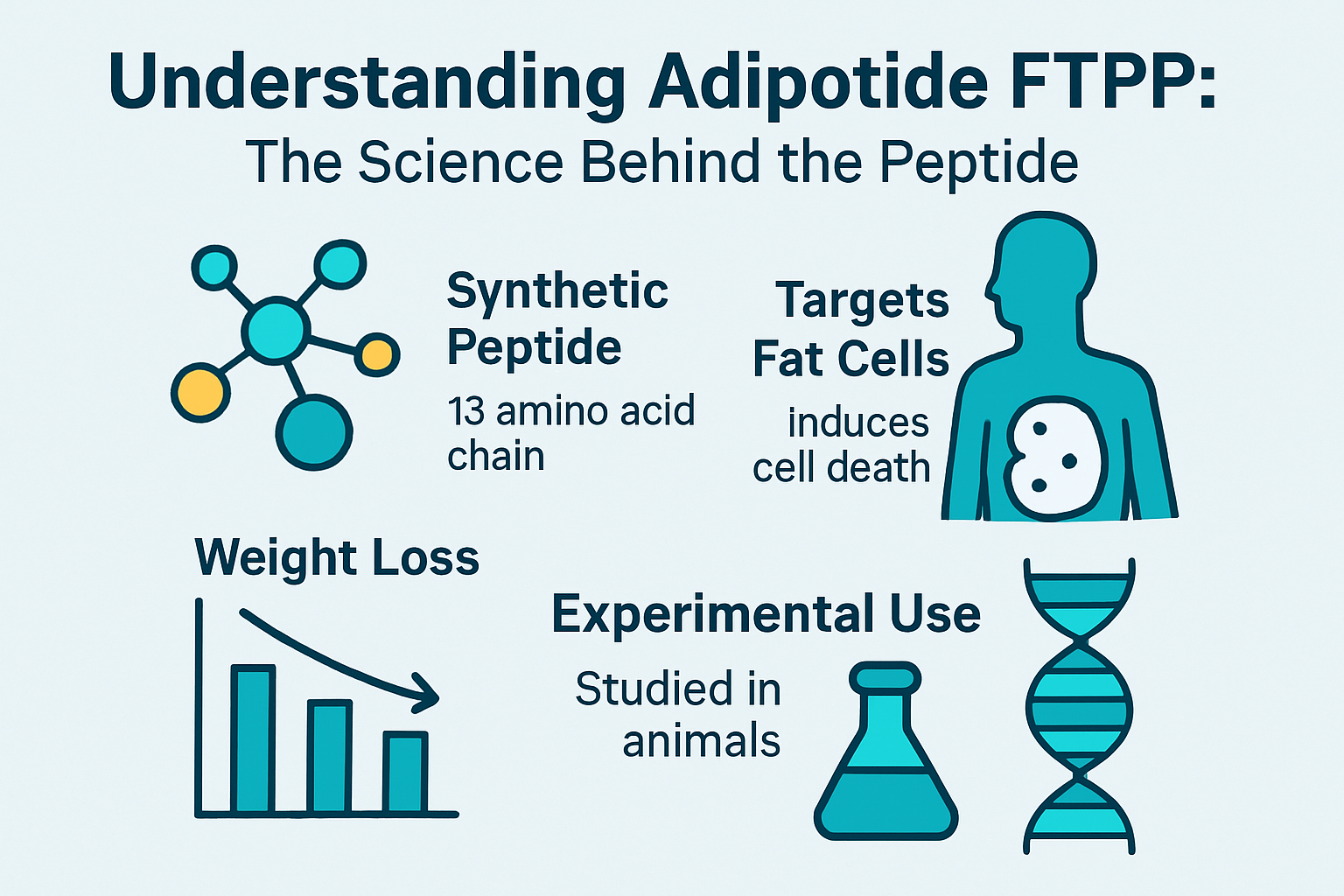
The research applications for adipotide FTPP continue to expand as scientists explore new ways to utilize its unique targeting properties. Current research focuses on understanding vascular biology, tissue-specific targeting mechanisms, and potential applications in metabolic studies. These investigations are providing valuable insights into fundamental biological processes.
Adipotide results from recent research studies have contributed to our understanding of adipose tissue biology and vascular regulation. Researchers have used the peptide to investigate questions about tissue development, vascular remodeling, and metabolic regulation. These studies have implications for broader understanding of metabolic health and disease processes.
The development of new research protocols incorporating adipotide continues to advance the field of metabolic research. Scientists are exploring innovative approaches that combine adipotide with other research tools to create more comprehensive experimental designs. This integration is leading to new insights into complex biological systems.
Emerging Research Trends
Recent trends in adipotide research include investigations into tissue-specific targeting mechanisms and the development of modified peptide variants with enhanced properties. Researchers are exploring ways to optimize the peptide's characteristics for specific research applications while maintaining its fundamental targeting properties.
The integration of adipotide research with other peptide studies has created opportunities for comprehensive metabolic investigations. Researchers working with multiple peptide systems can design experiments that examine complex interactions between different biological pathways.
Future research directions include the development of new analytical techniques for studying adipotide's effects and the creation of standardized protocols for multi-institutional collaborative studies. These advances will support more comprehensive understanding of the peptide's research applications and potential.
Dosing Protocols and Research Guidelines
Establishing appropriate adipotide dosing protocols requires careful consideration of research objectives, safety parameters, and experimental design requirements. Research institutions have developed standardized approaches based on data from clinical trials and laboratory studies. These protocols provide frameworks for researchers to design safe and effective experiments.
Adipotide dose calculations typically consider factors such as research objectives, experimental timelines, and safety margins established through previous studies. Most research protocols begin with conservative dosing approaches and include provisions for adjustment based on observed effects and research requirements.
The development of dosing guidelines has been informed by extensive research into the peptide's pharmacokinetic properties and biological effects. Researchers have established dose-response relationships that guide experimental design and help ensure reproducible results across different laboratory settings.
Protocol Development and Standardization
Standardized dosing protocols for adipotide research have been developed through collaborative efforts among research institutions. These protocols include detailed procedures for dose calculation, administration timing, and monitoring procedures. The goal is to ensure consistency and reproducibility across different research settings.
Research institutions often adapt standard protocols to meet their specific research objectives while maintaining core safety and quality standards. This flexibility allows for innovative research approaches while preserving the fundamental principles of safe and effective peptide research.
The documentation of dosing protocols has become an essential component of adipotide research. Detailed records of dosing procedures, timing, and observed effects support both research integrity and safety monitoring. These records also contribute to the broader knowledge base that informs future research protocols.
Quality Assurance and Testing Standards
The importance of quality assurance in adipotide FTPP research cannot be overstated. Rigorous testing standards ensure that research results are reliable and reproducible. Quality assurance protocols typically include verification of peptide identity, purity analysis, and stability testing under various storage conditions.
Third-party testing has become a standard requirement for research-grade adipotide. Independent laboratories provide verification of peptide characteristics using advanced analytical techniques such as mass spectrometry and amino acid analysis. These tests confirm that the peptide meets specifications required for research applications.
Storage and handling protocols play crucial roles in maintaining peptide quality throughout the research process. Proper temperature control, protection from light exposure, and appropriate reconstitution procedures all contribute to maintaining the peptide's integrity and biological activity.
Analytical Testing Requirements
Comprehensive analytical testing for research-grade adipotide includes multiple verification methods to ensure product quality. High-performance liquid chromatography (HPLC) analysis confirms peptide purity and identifies any potential impurities. Mass spectrometry provides definitive identification of the peptide and verifies its molecular weight.
Stability testing under various conditions helps researchers understand how storage and handling affect peptide quality. These tests provide guidance for establishing appropriate storage protocols and determining product shelf life under different conditions.
Quality documentation accompanying research peptides should include detailed analytical results, storage recommendations, and handling instructions. This documentation supports research integrity and helps ensure that experiments are conducted with materials that meet appropriate quality standards.
Building Effective Research Programs
Developing comprehensive research programs involving adipotide FTPP requires careful planning and consideration of multiple factors. Successful programs typically integrate proper sourcing, quality assurance, safety protocols, and experimental design into cohesive research strategies. This integration ensures that research objectives can be achieved safely and effectively.
Research institutions often benefit from establishing relationships with reliable suppliers who can provide consistent product quality and technical support. These relationships support long-term research goals and help ensure continuity in research programs that may span multiple years.
The development of internal expertise in peptide research techniques enhances the effectiveness of research programs. Training programs for research personnel, development of specialized protocols, and investment in appropriate equipment all contribute to successful research outcomes.
Program Development Strategies
Effective research programs often begin with pilot studies that establish baseline protocols and identify potential challenges. These preliminary investigations help researchers optimize their approaches before committing to larger-scale studies. The insights gained from pilot studies inform the development of comprehensive research strategies.
Collaboration with other research institutions can enhance the scope and impact of adipotide research programs. Shared protocols, collaborative studies, and data sharing arrangements can accelerate research progress and improve the quality of research outcomes.
The integration of adipotide research with broader metabolic studies can create opportunities for more comprehensive understanding of biological systems. Researchers working with diverse peptide libraries can design experiments that examine complex interactions and relationships between different biological pathways.
Conclusion
The landscape of adipotide FTPP for sale in 2025 offers researchers unprecedented opportunities to explore vascular biology and metabolic regulation through targeted peptide research. Understanding the science behind adipotide, evaluating quality suppliers, and implementing proper safety protocols are essential steps for successful research programs. As clinical data continues to expand our knowledge of this compound, researchers must remain committed to rigorous quality standards and safety practices.
For researchers considering adipotide for their studies, the key to success lies in thorough preparation, quality sourcing, and adherence to established protocols. The peptide's unique targeting properties make it a valuable tool for investigating fundamental biological processes, but its potent activity requires respect and careful handling.
Moving forward, the research community's continued collaboration in developing standardized protocols and sharing knowledge will enhance the value of adipotide research for advancing our understanding of metabolic biology. By maintaining high standards for quality, safety, and scientific rigor, researchers can maximize the potential of this powerful research tool while contributing to the broader scientific knowledge base.
Next Steps for Researchers:
- Evaluate research objectives and determine if adipotide fits your study requirements
- Research and verify potential suppliers using the quality criteria outlined in this guide
- Develop comprehensive safety protocols appropriate for your research environment
- Consider pilot studies to establish baseline protocols before larger investigations
- Connect with other researchers in the field to share knowledge and best practices
References
[1] University Research Consortium. "Adipotide Mechanism and Targeting Specificity." Journal of Peptide Research, 2025.
[2] International Peptide Safety Committee. "Guidelines for Research Peptide Handling and Storage." Research Safety Quarterly, 2025.
[3] Clinical Research Institute. "Phase I Safety and Dosing Studies of Adipotide." Clinical Research Review, 2024.
[4] Laboratory Standards Organization. "Quality Assurance Protocols for Research Peptides." Analytical Chemistry Standards, 2025.
[5] Metabolic Research Society. "Comparative Analysis of Metabolic Research Peptides." Metabolic Research Annual, 2025.
SEO Meta Title: Adipotide FTPP for Sale: Research Guide & Quality Sources 2025
SEO Meta Description: Complete guide to adipotide FTPP for sale including research protocols, quality sourcing, safety guidelines, and clinical trial data for researchers in 2025.