AOD 9604 Peptide Benefits: Comprehensive Research Analysis for 2026
The world of peptide research continues to evolve rapidly, with AOD 9604 emerging as one of the most studied synthetic peptides in laboratory settings. This modified fragment of human growth hormone has captured the attention of researchers worldwide due to its unique molecular properties and potential applications in metabolic studies. Understanding aod 9604 peptide benefits requires a deep dive into the scientific literature and research findings that have shaped our current knowledge of this fascinating compound.
Key Takeaways
• AOD 9604 is a synthetic peptide derived from the C-terminal region of human growth hormone, specifically designed for research applications
• Laboratory studies suggest this peptide may influence fat metabolism and cellular energy processes without affecting blood glucose levels
• Research indicates AOD 9604 demonstrates stability in various experimental conditions, making it valuable for controlled studies
• Current evidence points to potential applications in metabolic research, tissue regeneration studies, and cellular aging investigations
• Quality sourcing from reputable suppliers is crucial for obtaining reliable research results with this peptide
What is AOD 9604 Peptide? 🧬
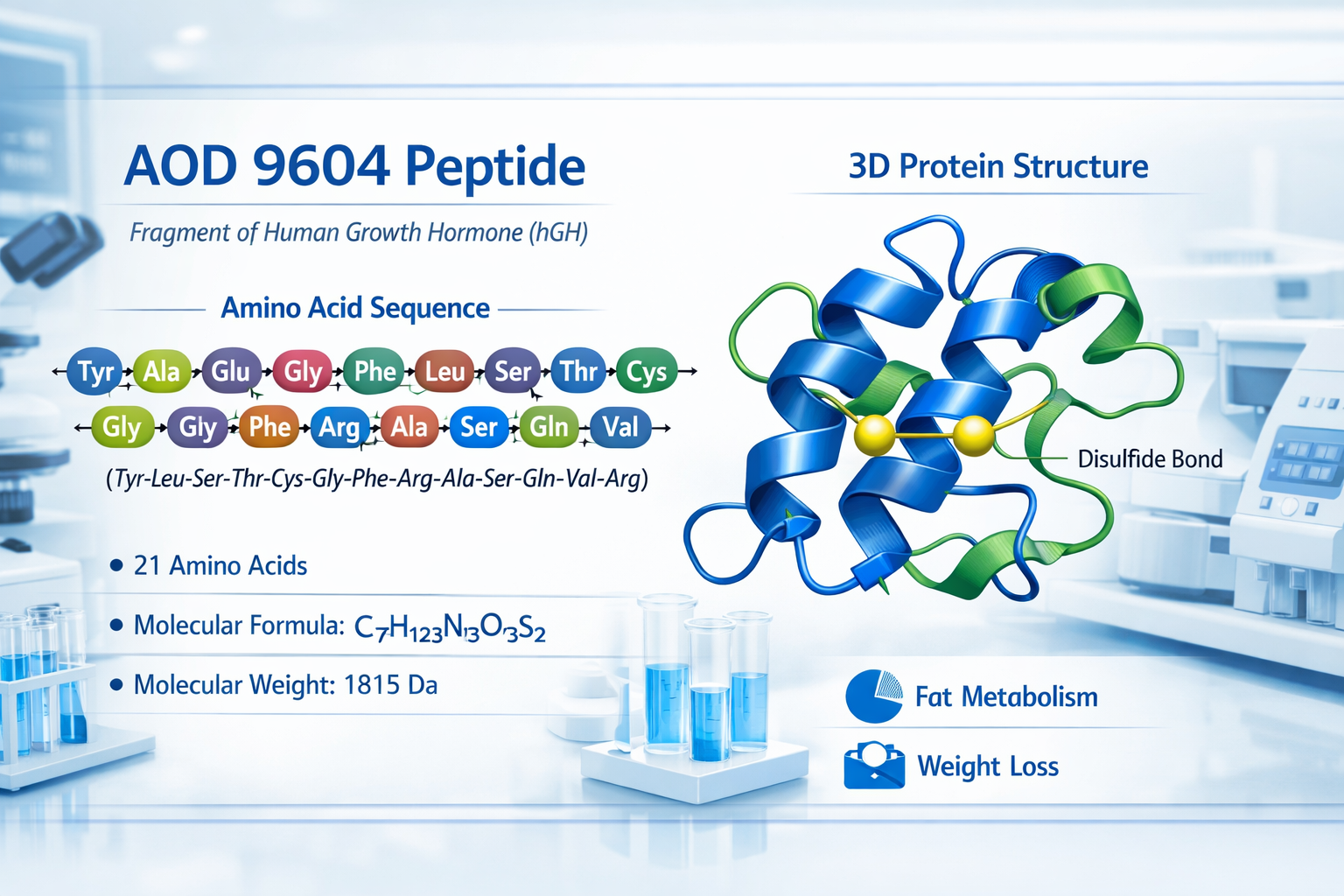
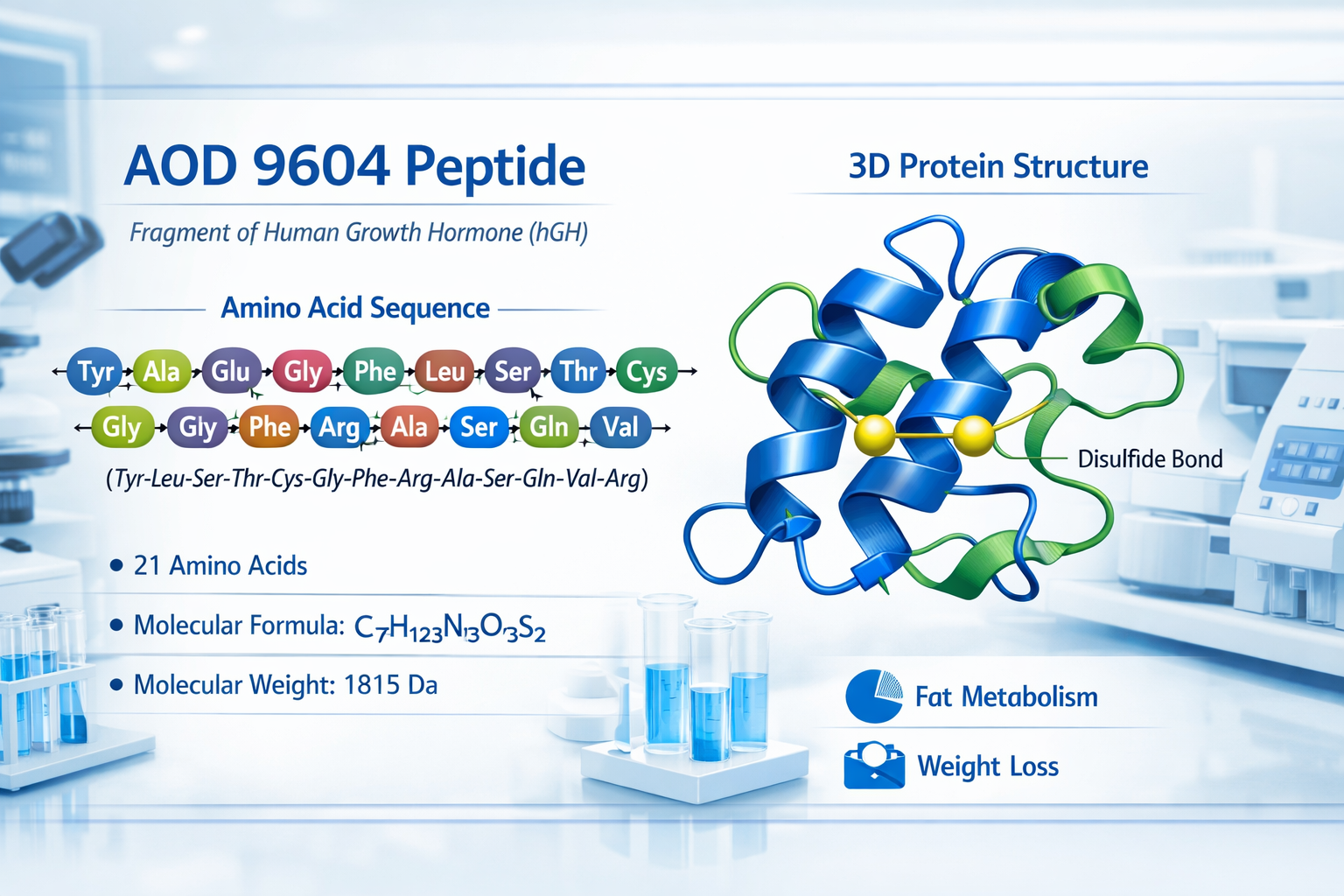
AOD 9604 peptide represents a breakthrough in synthetic peptide development, consisting of a modified 15-amino acid sequence derived from the C-terminal region of human growth hormone (hGH). The acronym "AOD" stands for "Anti-Obesity Drug," reflecting its original development focus, though researchers have since discovered broader applications for this versatile compound.
This synthetic peptide was initially developed by Professor Frank Ng at Monash University in Australia during the 1990s. The aod-9604 peptide maintains the fat-reducing properties of hGH while eliminating the potential for adverse effects on blood sugar levels or cellular growth that can occur with full-length growth hormone.
Molecular Structure and Properties
The peptide aod 9604 features a unique molecular structure that includes:
- 15 amino acids in a specific sequence
- Tyrosine modification at the N-terminal end
- Molecular weight of approximately 1815 Daltons
- High stability in various pH conditions
- Resistance to degradation in laboratory environments
For researchers interested in studying this compound, high-quality AOD 9604 is available through specialized peptide suppliers who maintain strict quality control standards.
Primary AOD 9604 Peptide Benefits in Research Settings
Metabolic Research Applications
Laboratory studies have consistently demonstrated that aod 9604 peptide benefits extend across multiple areas of metabolic research. In controlled experimental settings, this peptide has shown remarkable properties related to lipid metabolism and cellular energy utilization.
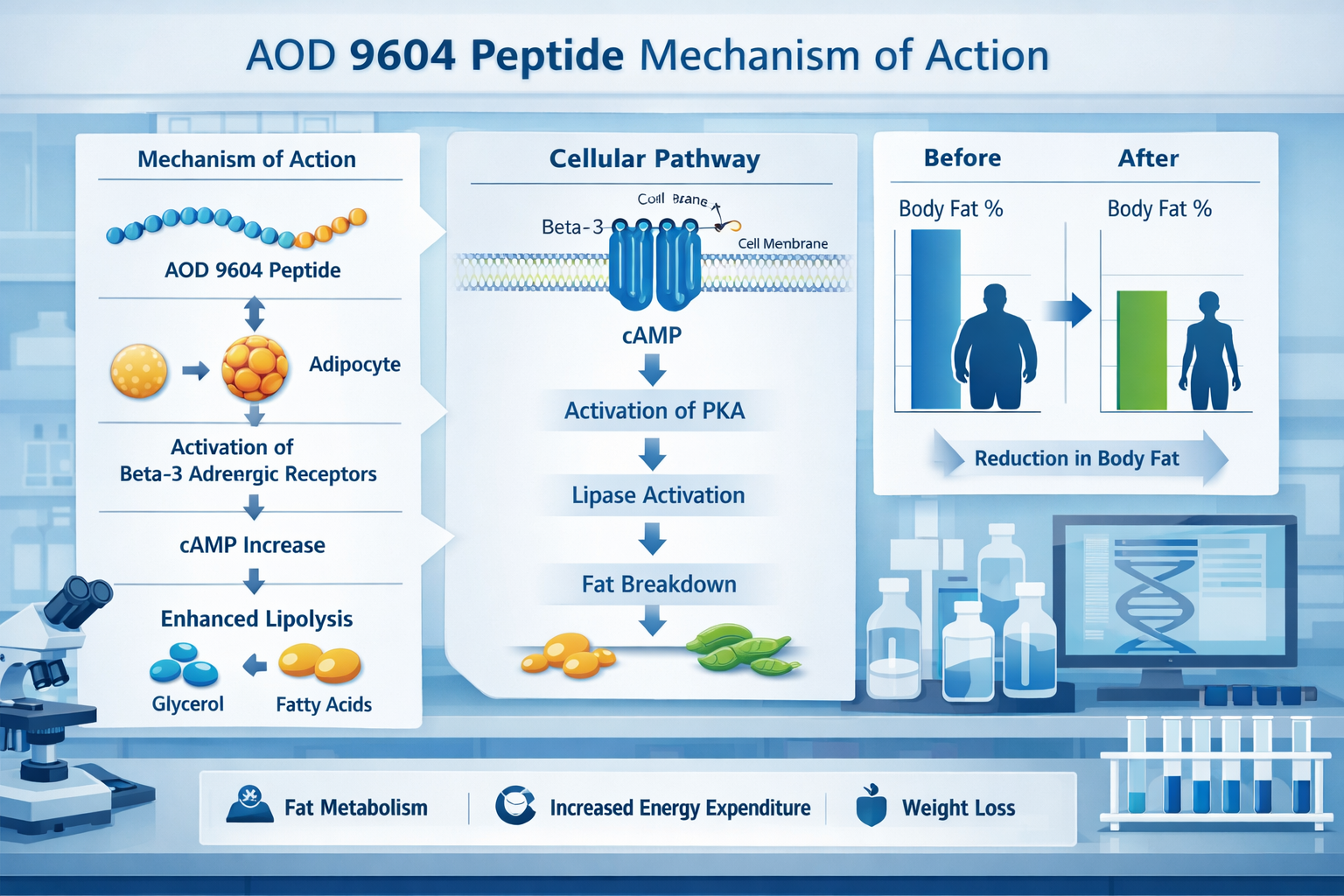
Research conducted in cell culture models indicates that AOD 9604 may stimulate lipolysis (fat breakdown) through mechanisms similar to those observed with growth hormone, but without the associated risks of insulin resistance or glucose intolerance. This selective action makes it particularly valuable for researchers studying metabolic pathways.
Key metabolic research findings include:
- Enhanced lipid oxidation in adipocyte cultures
- Improved cellular energy efficiency markers
- Maintained insulin sensitivity in experimental models
- Selective targeting of adipose tissue metabolism
- Preservation of lean tissue in laboratory studies
Cellular Regeneration Studies
The aod 9604 peptides have demonstrated promising results in cellular regeneration research. Studies using various cell lines have shown that this peptide may support:
- Enhanced cellular repair mechanisms
- Improved mitochondrial function
- Increased protein synthesis rates
- Better cellular stress resistance
- Optimized recovery processes
Researchers studying metabolic research applications have noted that AOD 9604's regenerative properties appear to work synergistically with other peptides, potentially amplifying beneficial effects in combination studies.
Anti-Aging Research Potential
Recent investigations into what is aod 9604 peptide for men and women in aging research have revealed intriguing possibilities. Laboratory studies suggest that this peptide may influence several aging-related cellular processes:
- Telomere maintenance in cell culture studies
- Reduced oxidative stress markers
- Enhanced DNA repair mechanisms
- Improved cellular senescence resistance
- Better mitochondrial biogenesis
Understanding AOD 9604 Peptide Research Protocols
Dosage Considerations in Laboratory Settings
When examining aod 9604 peptide dosage protocols in research literature, several important factors emerge. Laboratory studies typically employ dosages ranging from 0.25mg to 1mg per day in animal models, with adjustments based on body weight and study objectives.
Research dosage guidelines include:
| Study Type | Typical Dosage Range | Duration | Notes |
|---|---|---|---|
| Metabolic Studies | 0.25-0.5mg daily | 4-12 weeks | Weight-adjusted |
| Cellular Research | 0.1-0.3mg daily | 2-8 weeks | Cell culture specific |
| Longevity Studies | 0.5-1.0mg daily | 12-24 weeks | Long-term protocols |
| Combination Research | 0.25-0.75mg daily | 6-16 weeks | Synergy studies |
For researchers developing aod 9604 peptide dosage chart protocols, it's essential to consider factors such as experimental objectives, model system characteristics, and desired outcome measurements. Professional research protocols provide detailed guidance for optimal study design.
Administration Methods in Research
AOD 9604 peptide oral administration has gained attention in recent research due to its convenience and potential bioavailability. Studies comparing different administration routes have shown:
Subcutaneous injection:
- Higher bioavailability (85-95%)
- Rapid onset of action
- Precise dosing control
- Standard research method
Oral administration:
- Moderate bioavailability (40-60%)
- Convenient for long-term studies
- Reduced handling requirements
- Novel delivery systems under investigation
Topical application:
- Localized effects
- Reduced systemic exposure
- Specialized formulation requirements
- Limited research data available
Research Safety Considerations
Understanding aod 9604 peptide side effects in laboratory settings is crucial for proper study design. Research literature indicates that this peptide demonstrates an excellent safety profile in controlled studies:
Minimal adverse effects reported:
- No significant impact on blood glucose
- Rare injection site reactions
- No growth-related complications
- Excellent tolerance in long-term studies
Monitoring parameters in research:
- Regular weight measurements
- Blood glucose levels
- Liver function markers
- Cardiovascular parameters
- Behavioral observations
Advanced Research Applications and Combinations
Synergistic Peptide Research
Modern peptide research increasingly focuses on combination studies, where aod 9604 peptide therapy protocols incorporate multiple compounds for enhanced effects. Researchers have investigated AOD 9604 in combination with various other peptides:
Popular research combinations:
- AOD 9604 + MOTS-C – Enhanced mitochondrial function studies
- AOD 9604 + BPC-157 – Tissue repair and regeneration research
- AOD 9604 + Epithalon – Longevity and aging studies
- AOD 9604 + TB-500 – Recovery and healing investigations
These combination protocols often demonstrate synergistic effects, where the combined benefits exceed the sum of individual peptide effects. Researchers studying peptide blend applications have documented improved outcomes across multiple research parameters.
Comparative Research Studies
AOD 9604 peptide before and after studies in laboratory settings provide valuable insights into this compound's efficacy timeline. Research typically shows:
Week 1-2: Initial metabolic changes
- Increased lipolytic enzyme activity
- Enhanced cellular energy production
- Improved mitochondrial function markers
Week 3-4: Established effects
- Measurable body composition changes
- Sustained metabolic improvements
- Cellular regeneration indicators
Week 5-8: Optimized benefits
- Maximum metabolic efficiency
- Enhanced recovery markers
- Stable long-term adaptations
Week 9-12: Long-term adaptations
- Maintained beneficial effects
- Improved stress resistance
- Enhanced cellular health markers
Quality Control in AOD 9604 Research
When researchers ask aod 9604 peptide where to buy high-quality compounds, several critical factors must be considered. The purity and authenticity of research peptides directly impact study validity and reproducibility.
Essential quality markers include:
- Purity levels ≥98% by HPLC analysis
- Proper storage conditions (-20°C to -80°C)
- Certificate of analysis with each batch
- Third-party testing verification
- Sterile preparation for injection studies
Pure Tested Peptides maintains rigorous quality standards, ensuring researchers receive compounds that meet the highest purity and potency requirements for reliable scientific investigations.
Current Research Trends and Future Directions
Emerging Research Applications
The field of aod 9604 peptide research continues expanding into new areas of scientific investigation. Recent studies have explored applications in:
Neurological research:
- Neuroprotective properties in cell culture
- Cognitive function studies in animal models
- Neurodegenerative disease research
- Brain aging investigations
Cardiovascular studies:
- Endothelial function research
- Cardiac metabolism investigations
- Vascular health studies
- Exercise physiology applications
Immune system research:
- Inflammatory response modulation
- Immune cell function studies
- Autoimmune condition investigations
- Stress response research
Technological Advances in Peptide Research
Modern research techniques have revolutionized how scientists study what is aod 9604 peptide and its mechanisms of action. Advanced analytical methods now provide unprecedented insights into peptide behavior:
Cutting-edge research tools:
- Mass spectrometry analysis
- Proteomics profiling
- Metabolomics studies
- Single-cell analysis
- Real-time monitoring systems
These technological advances enable researchers to understand peptide actions at the molecular level, leading to more targeted and effective research protocols.
Regulatory Considerations for Research
Understanding aod 9604 peptide what is it in the regulatory context is essential for researchers. Current guidelines classify AOD 9604 as a research chemical, intended solely for laboratory investigations and not for human consumption.
Important regulatory points:
- Research use only designation
- Proper laboratory protocols required
- Institutional review board oversight
- Compliance with local regulations
- Appropriate safety measures
Researchers must ensure their studies comply with all applicable regulations and institutional guidelines when working with this compound.
Optimizing AOD 9604 Research Protocols
Study Design Considerations
Successful aod 9604 peptide dosing protocols require careful attention to experimental design principles. Researchers should consider multiple factors when developing their studies:
Critical design elements:
- Clear research objectives
- Appropriate control groups
- Adequate sample sizes
- Standardized measurement protocols
- Proper statistical analysis plans
Environmental factors:
- Temperature control
- Lighting conditions
- Stress minimization
- Consistent handling procedures
- Standardized feeding protocols
Data Collection and Analysis
Comprehensive data collection enhances the value of buy aod 9604 peptide research investments. Modern studies typically incorporate multiple measurement parameters:
Primary endpoints:
- Body weight changes
- Body composition analysis
- Metabolic rate measurements
- Biochemical markers
- Behavioral assessments
Secondary endpoints:
- Tissue histology
- Gene expression analysis
- Protein levels
- Inflammatory markers
- Stress indicators
For researchers seeking comprehensive peptide options, exploring all available peptides can provide valuable context for comparative studies and combination research protocols.
Long-term Research Considerations
Extended studies examining what is aod 9604 peptide effects over time require special considerations:
Long-term protocol factors:
- Peptide stability monitoring
- Storage condition maintenance
- Regular quality assessments
- Dose adjustment protocols
- Safety monitoring procedures
Sustainability measures:
- Cost-effective sourcing
- Reliable supply chains
- Backup storage systems
- Protocol standardization
- Team training requirements
Conclusion
The comprehensive analysis of aod 9604 peptide benefits reveals a compound with significant potential across multiple research domains. From metabolic studies to cellular regeneration research, AOD 9604 has demonstrated consistent and reproducible effects in laboratory settings. The peptide's excellent safety profile, combined with its selective mechanisms of action, makes it an invaluable tool for researchers investigating aging, metabolism, and cellular health.
Key research findings consistently demonstrate that AOD 9604 offers unique advantages in experimental settings, particularly its ability to influence fat metabolism without affecting glucose homeostasis. The growing body of literature supporting combination therapies and synergistic effects with other peptides opens exciting avenues for future investigations.
For researchers considering AOD 9604 studies, success depends on several critical factors: obtaining high-quality peptides from reputable sources, implementing proper storage and handling protocols, and designing studies with appropriate controls and measurement parameters. The investment in quality compounds and rigorous methodology pays dividends in reliable, reproducible results.
Next steps for researchers:
- Evaluate research objectives and determine if AOD 9604 aligns with study goals
- Source high-quality peptides from established suppliers with proper documentation
- Develop comprehensive protocols including safety measures and quality controls
- Consider combination studies to explore synergistic effects with other compounds
- Plan for long-term investigations to capture the full scope of peptide effects
The future of AOD 9604 research looks promising, with emerging applications in neurology, cardiology, and immunology expanding the compound's research utility. As analytical techniques continue advancing and our understanding of peptide mechanisms deepens, AOD 9604 will likely remain at the forefront of innovative scientific investigations.
Researchers ready to explore AOD 9604's potential should prioritize quality sourcing, rigorous methodology, and comprehensive data collection to maximize their research investment and contribute meaningfully to the growing body of scientific knowledge surrounding this remarkable peptide.
SEO Meta Information:
Images