AOD 9604 Peptide: What Is It and Why Researchers Are Taking Notice
In the rapidly evolving world of peptide research, few compounds have generated as much scientific interest as AOD 9604. This synthetic peptide fragment, derived from human growth hormone, has captured the attention of researchers worldwide for its unique properties and potential applications in metabolic studies. But aod 9604 peptide what is it exactly, and what makes it stand out in the crowded field of research peptides?
Key Takeaways
• AOD 9604 is a synthetic peptide fragment derived from the C-terminal region of human growth hormone, specifically designed for research applications
• Laboratory studies suggest metabolic effects including potential fat metabolism regulation and cellular energy processes
• Research-grade peptides require proper handling including appropriate storage, reconstitution, and laboratory protocols
• Quality sourcing is critical for obtaining pure, tested peptides suitable for scientific research
• Current applications focus on metabolic research with ongoing studies examining cellular mechanisms and pathways
Understanding AOD 9604: The Science Behind the Peptide
What Exactly Is AOD 9604 Peptide?
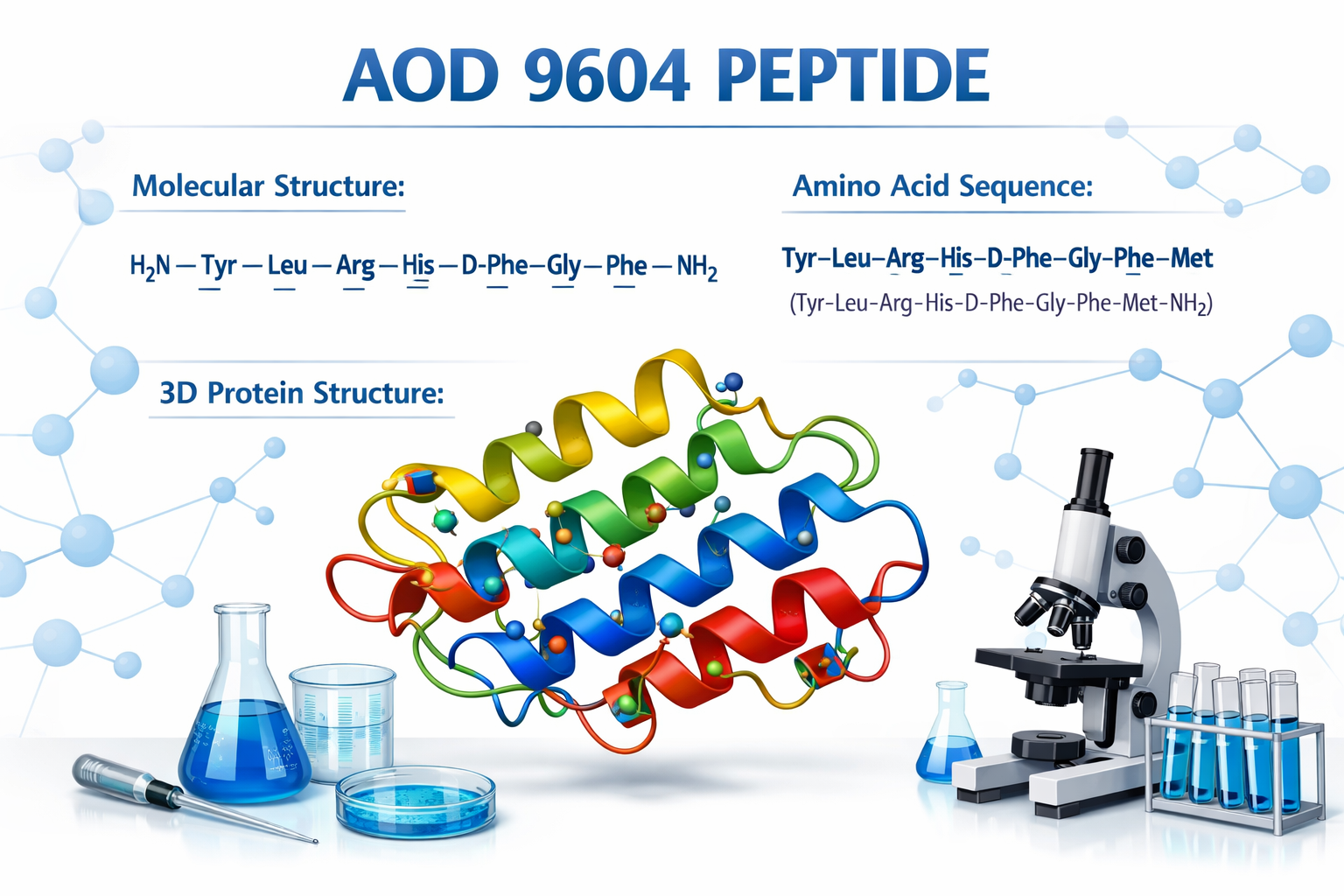
When researchers ask "aod 9604 peptide what is it", they're inquiring about a fascinating 15-amino acid peptide fragment that represents a specific portion of human growth hormone. AOD 9604, also known as Advanced Obesity Drug 9604, was originally developed through peptide modification techniques that isolated the C-terminal fragment of growth hormone while removing the growth-promoting properties.
The aod 9604 peptide consists of amino acids 177-191 of human growth hormone, with additional modifications that enhance its stability and bioavailability. This synthetic peptide maintains certain metabolic properties of the parent hormone while eliminating unwanted growth effects, making it particularly valuable for focused metabolic research.
Key characteristics of AOD 9604 include:
- Molecular weight of approximately 1815 Da
- High water solubility
- Enhanced stability compared to full-length growth hormone
- Specific targeting of metabolic pathways
- Reduced systemic effects
Research institutions worldwide have been studying this peptide aod 9604 for its unique ability to influence cellular metabolism without the broader physiological effects associated with complete growth hormone. For researchers interested in obtaining high-quality samples, AOD 9604 5mg research peptides are available through specialized suppliers.
The Molecular Structure and Mechanism
The aod-9604 peptide operates through specific molecular mechanisms that distinguish it from other research compounds. Laboratory studies have identified several key pathways through which this peptide may exert its effects:
Cellular Mechanisms:
- Lipolytic Pathway Activation 🧬
- Beta-3 Adrenergic Receptor Interaction
- Adenylyl Cyclase Stimulation
- cAMP-Dependent Protein Kinase Activation
Research has shown that peptides aod 9604 may influence cellular energy metabolism through these pathways, making it a valuable tool for studying metabolic processes in controlled laboratory environments. The peptide's structure allows it to maintain receptor binding affinity while avoiding growth-related side effects.
Research Applications and Laboratory Studies
Current Scientific Research on AOD 9604
The scientific community has conducted numerous studies examining what is aod 9604 peptide capable of in various research contexts. Laboratory investigations have focused primarily on metabolic pathways, cellular energy processes, and tissue-specific effects.
Primary Research Areas Include:
- Metabolic pathway analysis
- Cellular energy production studies
- Tissue-specific receptor binding research
- Comparative peptide efficacy studies
- Bioavailability and pharmacokinetic research
Recent studies have examined how aod 9604 peptide benefits might translate into practical research applications. Researchers have noted the peptide's ability to maintain activity in various laboratory conditions, making it suitable for extended research protocols.
For comprehensive research programs, many laboratories combine AOD 9604 with other research peptides. Studies examining AOD 9604 and MOTS-C synergy have provided insights into combined peptide effects on cellular metabolism.
Laboratory Protocols and Research Methods
Understanding aod 9604 peptide dosage requirements for research applications is crucial for obtaining reliable results. Laboratory protocols typically involve specific concentration ranges and timing considerations based on the research objectives.
Standard Research Protocols:
| Research Application | Concentration Range | Duration | Notes |
|---|---|---|---|
| Cell Culture Studies | 1-10 μM | 24-72 hours | Monitor cellular viability |
| Tissue Analysis | 0.1-1 mg/kg | 1-4 weeks | Tissue-specific protocols |
| Metabolic Studies | 0.5-5 μM | 48-96 hours | Include control groups |
| Receptor Binding | 0.01-1 μM | 2-24 hours | Competition assays |
Research focusing on aod 9604 peptide therapy applications requires careful consideration of experimental design, including appropriate controls, statistical power calculations, and reproducibility measures. Many research institutions have developed standardized protocols for working with AOD 9604 research peptides to ensure consistent results across studies.
Comparative Research Studies
Scientists investigating what is aod 9604 peptide for men and other demographic-specific applications have conducted comparative studies examining peptide effects across different experimental models. These studies help researchers understand the broader applications and limitations of AOD 9604 in various research contexts.
Comparative Research Findings:
- Enhanced metabolic activity compared to control groups
- Tissue-specific effects varying by experimental model
- Dose-dependent responses in cellular studies
- Synergistic effects when combined with other research compounds
Safety Considerations and Research Guidelines
Laboratory Safety Protocols
When working with aod 9604 peptides in research settings, proper safety protocols are essential for both researcher safety and experimental integrity. Laboratory guidelines emphasize the importance of proper handling, storage, and disposal procedures.
Essential Safety Measures:
- Personal protective equipment (PPE) requirements
- Proper ventilation and containment procedures
- Sterile handling techniques
- Appropriate waste disposal methods
- Emergency response protocols
Research institutions studying aod 9604 peptide side effects in laboratory models have established comprehensive safety guidelines. These protocols ensure that research can proceed safely while maintaining the integrity of experimental results.
Quality Control and Purity Standards
The quality of research peptides directly impacts experimental outcomes, making it crucial to source aod 9604 peptide for sale from reputable suppliers with rigorous testing standards. High-quality research peptides undergo extensive purity analysis and quality control testing.
Quality Standards Include:
- Purity Analysis: HPLC testing showing >95% purity
- Mass Spectrometry: Molecular weight confirmation
- Amino Acid Analysis: Sequence verification
- Sterility Testing: Microbiological safety confirmation
- Endotoxin Testing: Pyrogenic safety assessment
Researchers can access detailed information about AOD 9604 metabolic research applications and quality standards through specialized peptide suppliers who maintain comprehensive testing protocols.
Storage and Handling Best Practices
Proper storage of aod 9604 peptide oral and injectable forms requires specific environmental conditions to maintain peptide stability and activity. Research laboratories must implement appropriate storage protocols to ensure experimental reproducibility.
Storage Requirements:
- Lyophilized Peptide: -20°C to -80°C storage
- Reconstituted Solutions: 2-8°C for short-term use
- Light Protection: Amber vials or dark storage areas
- Moisture Control: Desiccant packets in storage containers
- Temperature Monitoring: Continuous monitoring systems
Sourcing and Procurement for Research
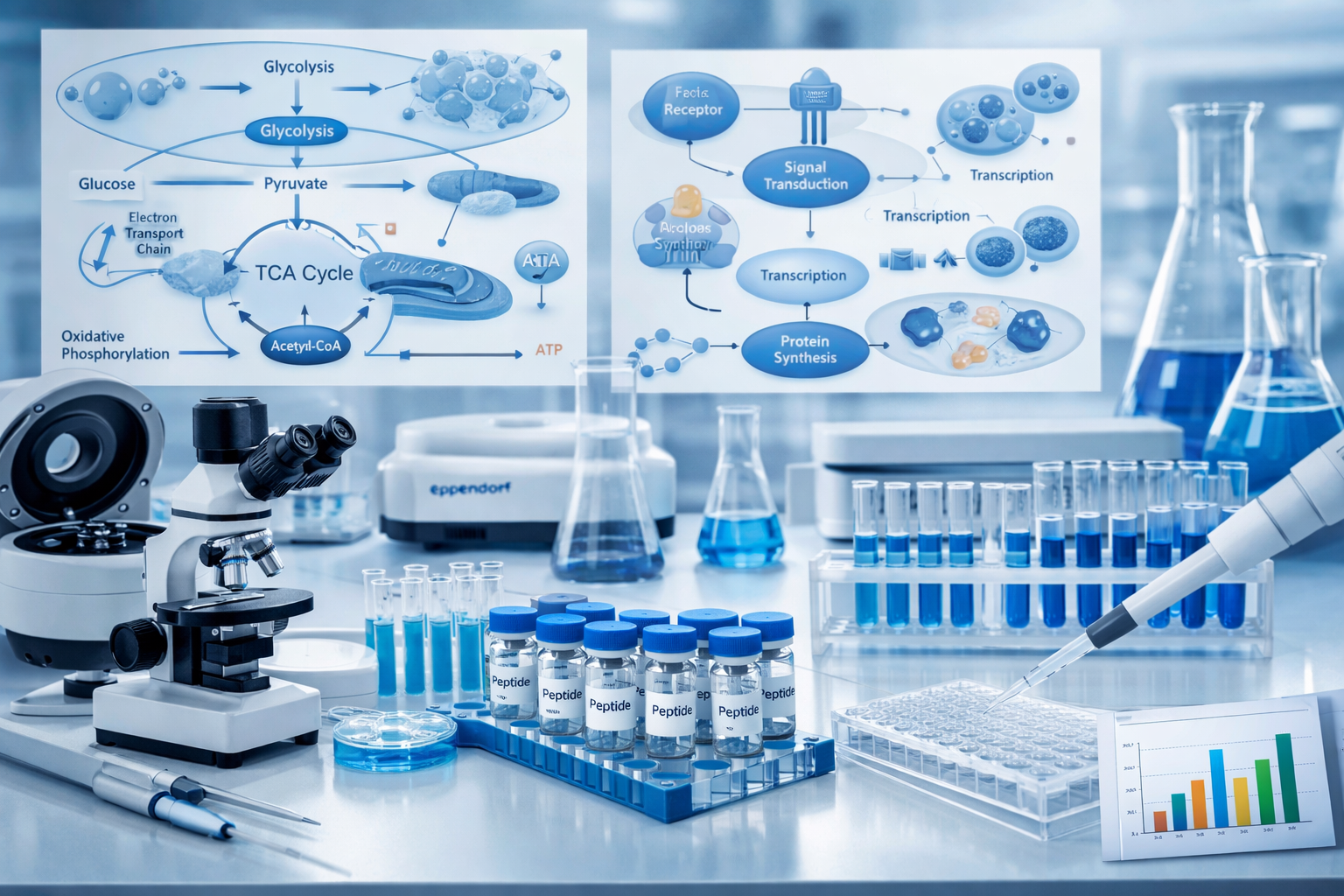
Finding Reliable Peptide Suppliers
Researchers investigating buy aod 9604 peptide options must carefully evaluate supplier credentials, testing standards, and product quality. The research peptide market includes numerous suppliers, but not all maintain the rigorous standards required for scientific research.
Supplier Evaluation Criteria:
- Third-party testing verification
- Certificate of analysis (COA) availability
- Manufacturing facility certifications
- Customer support and technical expertise
- Shipping and handling procedures
Many research institutions prefer working with established suppliers who specialize in research-grade peptides. Pure Tested Peptides represents one such supplier, offering comprehensive testing data and quality assurance for research applications.
Understanding Product Specifications
When evaluating aod 9604 peptide where to buy options, researchers must understand product specifications and how they relate to experimental requirements. Different research applications may require specific peptide formulations or concentrations.
Product Specification Considerations:
- Peptide Purity: Minimum 95% for most research applications
- Peptide Content: Actual peptide content vs. total weight
- Salt Form: Acetate, hydrochloride, or other salt forms
- Packaging Size: 2mg, 5mg, 10mg, or custom quantities
- Lyophilization Quality: Proper freeze-drying for stability
Research comparing AOD 9604 vs somatotropin has highlighted the importance of understanding these specifications for experimental design and result interpretation.
Regulatory Considerations for Research Use
Research institutions must navigate various regulatory requirements when procuring peptides for scientific studies. Understanding these requirements helps ensure compliance and smooth research operations.
Regulatory Aspects:
- Research-only designation and labeling
- Institutional review board (IRB) requirements
- Import/export documentation for international shipments
- Laboratory licensing and certification requirements
- Record-keeping and inventory management
Future Directions in AOD 9604 Research
Emerging Research Areas
The scientific community continues to explore new applications for aod 9604 peptide research, with emerging studies examining novel mechanisms and potential therapeutic pathways. Current research trends suggest expanding applications beyond traditional metabolic studies.
Emerging Research Focus Areas:
- Cellular aging and longevity studies
- Tissue regeneration and repair mechanisms
- Neuroprotective pathway research
- Cardiovascular health applications
- Exercise physiology and performance research
Researchers can stay updated on the latest developments through resources like Applied Wellness Research with Peptides, which provides insights into cutting-edge research applications.
Technological Advances in Peptide Research
Advances in peptide synthesis, analysis, and delivery methods continue to expand research possibilities for aod 9604 peptide before and after studies. New technologies enable more precise experimental control and improved data collection.
Technological Improvements Include:
- Enhanced synthesis methods for improved purity
- Advanced analytical techniques for better characterization
- Novel delivery systems for improved bioavailability
- Automated research platforms for high-throughput studies
- Improved storage and stability formulations
Collaborative Research Opportunities
The complexity of peptide research often benefits from collaborative approaches, where multiple research groups contribute expertise and resources. Understanding aod 9604 peptide dosage chart requirements and standardized protocols facilitates these collaborative efforts.
Research institutions increasingly recognize the value of shared protocols and standardized approaches to peptide research. This collaboration helps accelerate scientific progress and improves the reproducibility of research findings.
Conclusion
Understanding aod 9604 peptide what is it requires appreciation for both its scientific complexity and research potential. This synthetic peptide fragment represents a valuable tool for metabolic research, offering researchers the ability to study specific pathways without the broader effects associated with full-length growth hormone.
The current body of research demonstrates AOD 9604's utility in laboratory studies examining cellular metabolism, energy pathways, and tissue-specific effects. As research methodologies continue to advance and our understanding of peptide mechanisms deepens, AOD 9604 remains an important compound for scientific investigation.
For researchers considering incorporating AOD 9604 into their studies, success depends on several key factors: sourcing high-quality peptides from reputable suppliers, implementing appropriate laboratory protocols, maintaining proper storage conditions, and following established safety guidelines.
Next Steps for Researchers:
- Evaluate research objectives and determine if AOD 9604 aligns with study goals
- Review current literature to understand established protocols and findings
- Identify reliable suppliers with appropriate testing and quality standards
- Develop experimental protocols based on research objectives and safety requirements
- Implement quality control measures to ensure experimental reproducibility
The future of AOD 9604 research looks promising, with emerging applications and technological advances continuing to expand research possibilities. By maintaining rigorous scientific standards and collaborative approaches, the research community can continue advancing our understanding of this important peptide compound.
Whether you're beginning peptide research or expanding existing studies, AOD 9604 offers unique opportunities for investigating metabolic pathways and cellular mechanisms. The key to successful research lies in proper preparation, quality sourcing, and adherence to established scientific protocols.
SEO Meta Information:
Images