
Unlocking Potential: Comprehensive Insights into aod9604 mots c peptide Research in 2026

The realm of peptide science continues its rapid expansion in 2026, offering promising avenues for understanding complex biological processes. Among the myriad of compounds gaining significant attention from researchers and peptide enthusiasts are aod9604, MOTS-c peptide, and C-peptide. These three distinct molecules, when discussed in conjunction, often spark curiosity about their individual mechanisms and potential synergistic effects. This comprehensive article delves into the intricate science behind aod9604 mots c peptide, exploring their distinct roles, the fascinating concept of their potential combined action, and the implications for ongoing research. Understanding the nuances of each peptide, including the MOTS-c peptide, is crucial for anyone involved in cutting-edge research.
Key Takeaways
- Distinct Mechanisms: AOD9604, MOTS-c, and C-peptide each possess unique biological mechanisms. AOD9604 is primarily studied for its fat-metabolizing properties, MOTS-c for mitochondrial and metabolic regulation, and C-peptide as a marker of insulin production and potential neuroprotective effects.
- Synergistic Potential: The concept of "aod9604 mots c peptide" synergy refers to the theoretical possibility that combining these peptides could lead to enhanced or complementary outcomes, particularly in metabolic and cellular health research.
- Research Focus: Current research in 2026 primarily investigates these peptides individually for their therapeutic potential in areas such as obesity, metabolic syndrome, and neurological disorders, with an emerging interest in multi-peptide research.
- Regulatory Considerations: It is crucial for researchers and peptide shoppers to understand that these peptides are primarily for research use only and are not approved for human consumption as therapeutic agents in many regions.
- Quality Sourcing: For accurate and reliable research, sourcing high-purity peptides like MOTS-c peptide from reputable suppliers is paramount. Pure Tested Peptides offers a range of high-quality research peptides.
Understanding aod9604: A Glimpse into Fat Metabolism Research
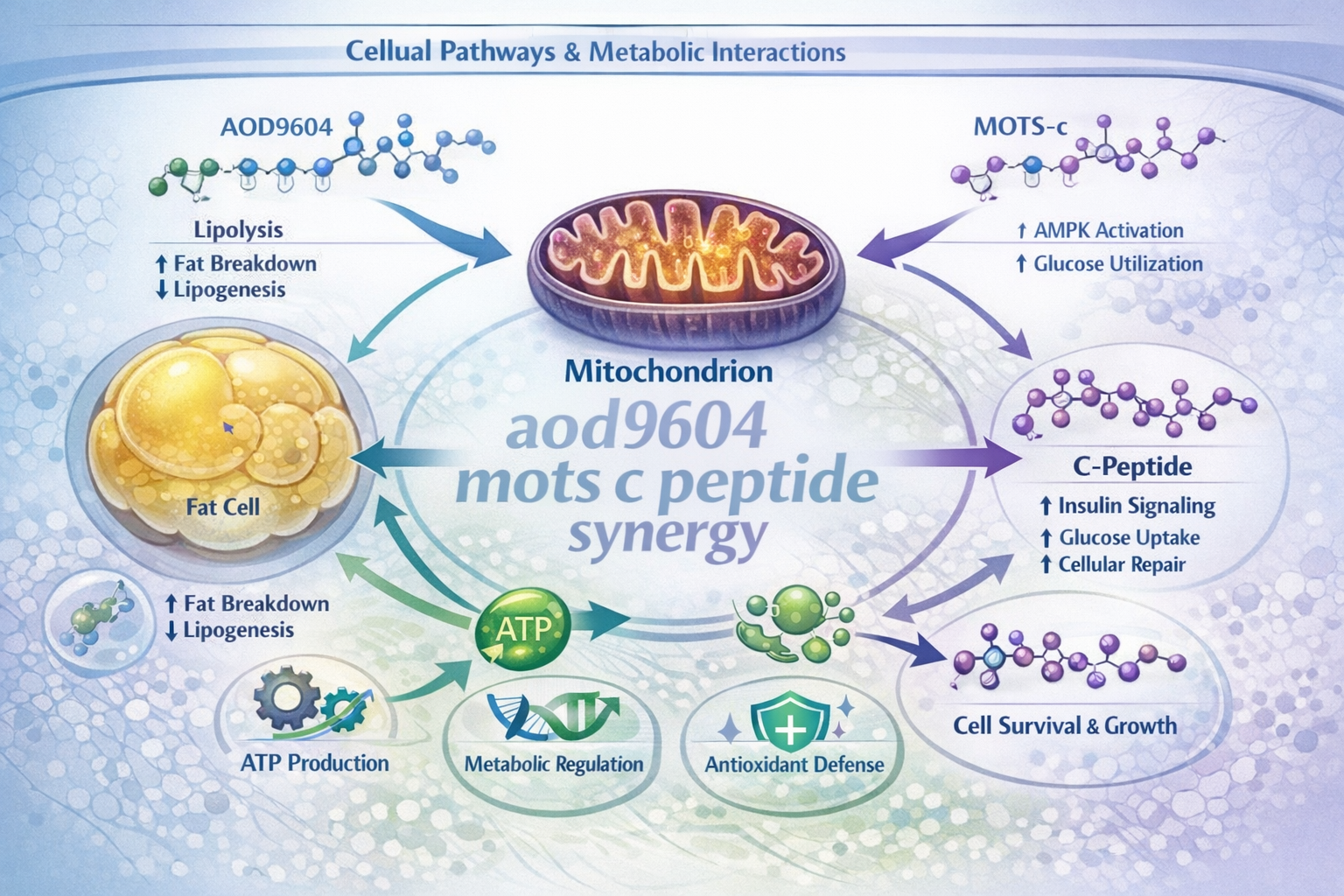
AOD9604, often referred to as the "fat-mobilizing peptide," is a modified fragment of the human growth hormone (hGH) molecule, specifically the C-terminal region of hGH (amino acids 177-191). Its design aims to isolate the fat-reducing effects of hGH without stimulating growth or insulin-like growth factor 1 (IGF-1) production [1]. This selective action makes it a subject of extensive research for its potential applications in metabolic research and obesity studies. Researchers interested in these mechanisms often look for high-quality AOD-9604 for their studies.
The Mechanism of Action of AOD9604
The primary mechanism by which AOD9604 is hypothesized to work involves the stimulation of lipolysis (the breakdown of fat) and the inhibition of lipogenesis (the formation of new fat) [2]. Unlike full-length hGH, AOD9604 does not appear to interact with the hGH receptor for growth or IGF-1 stimulation. Instead, studies suggest it specifically targets beta-3 adrenergic receptors, which play a role in regulating fat metabolism. This makes aod9604 a unique focus in metabolic research.
Key Research Findings for AOD9604:
- Lipolytic Activity: Early studies indicated that AOD9604 could reduce fat tissue in animal models, particularly around the abdominal area, without affecting food intake or causing unwanted side effects associated with full hGH [3].
- Cartilage Repair: Intriguingly, some research has explored AOD9604's potential in cartilage repair and regeneration, suggesting broader applications beyond just fat metabolism [4]. This area of research is still developing but shows the diverse potential of the aod9604 peptide.
- Metabolic Syndrome: Given its impact on fat metabolism, AOD9604 is also being investigated for its potential role in mitigating aspects of metabolic syndrome, a cluster of conditions that increase the risk of heart disease, stroke, and type 2 diabetes.
It's important to note that while animal and in vitro studies have shown promising results for aod9604, human clinical trials have yielded mixed outcomes, and its use remains primarily within research settings. Researchers exploring metabolic pathways might also find interest in related peptides like 5-Amino-1MQ which has distinct mechanisms.
"The selective lipolytic action of AOD9604, bypassing the growth-promoting effects of hGH, represents a significant focus for obesity and metabolic disorder research in 2026."
AOD9604 Metabolic Research: Current Outlook
In 2026, the focus on AOD9604 metabolic research continues to be robust. Scientists are delving deeper into the precise cellular pathways involved, exploring optimal delivery methods, and investigating potential combinations with other compounds to maximize its efficacy. The goal is to identify how aod9604 can be safely and effectively utilized in future therapeutic strategies, particularly for obesity and related metabolic disorders. This includes understanding its interactions with various bodily systems and other peptides.
The Power of MOTS-c Peptide: Mitochondrial and Metabolic Regulation
MOTS-c peptide (Mitochondrial ORF of the 12S rRNA type-c) is a fascinating mitochondrial-derived peptide discovered relatively recently. Unlike many peptides that are derived from nuclear DNA, MOTS-c is encoded by mitochondrial DNA (mtDNA) [5]. This unique origin gives it a distinct set of functions, primarily centered around metabolic regulation, mitochondrial health, and cellular resilience. Understanding the MOTS-c peptide is key to grasping its potential. Researchers looking for high-quality MOTS-c often visit sites like Pure Tested Peptides.
The Diverse Roles of MOTS-c Peptide
The mot-c peptide has garnered significant attention due to its broad range of effects, particularly on metabolic pathways. Its primary role appears to be in influencing mitochondrial function and glucose metabolism.
Key Mechanisms and Research Areas of MOTS-c:
- Glucose Homeostasis: Studies indicate that MOTS-c can enhance glucose uptake in skeletal muscle cells, improve insulin sensitivity, and promote glucose utilization [6]. This makes the mots c peptide a significant area of research for conditions like insulin resistance and type 2 diabetes.
- Mitochondrial Biogenesis and Function: As a mitochondrial-derived peptide, MOTS-c is deeply involved in regulating mitochondrial health. It can promote the formation of new mitochondria (mitochondrial biogenesis) and improve the efficiency of existing ones, crucial for energy production and cellular vitality.
- AMPK Activation: MOTS-c is known to activate AMP-activated protein kinase (AMPK), a master regulator of cellular energy homeostasis. AMPK activation leads to increased fatty acid oxidation and glucose uptake, making mots-c peptide a powerful metabolic modulator.
- Inflammation and Oxidative Stress: Emerging research suggests that MOTS-c may also possess anti-inflammatory and antioxidant properties, protecting cells from damage caused by chronic inflammation and oxidative stress [7]. These mots-c peptide benefits extend its potential beyond just metabolism.
- Longevity Research: Given its effects on mitochondrial health and metabolism, the mots-c peptide is also being explored in the context of healthy aging and longevity.
The potential MOTS-c peptide benefits are vast, encompassing a range of cellular and systemic processes. For detailed information on various peptides and their research applications, one might explore categories such as all peptides for sale.
MOTS-c Peptide Dosage and Research Protocols
When discussing the mots c peptide dosage chart or mots-c peptide dosage, it is crucial to remember that this information pertains solely to research settings. There are no established human dosages for therapeutic use. In laboratory and animal studies, researchers determine appropriate dosages based on the specific objectives of their experiments, animal models used, and desired physiological responses. These protocols are meticulously documented to ensure reproducibility and scientific rigor. For researchers, understanding proper best practices for storing research peptides is also vital for maintaining peptide integrity.
"MOTS-c peptide stands out as a unique mitochondrial-derived regulator, offering unparalleled insights into metabolic control and cellular energy dynamics."
Exploring the Synergy of aod9604 mots c peptide
The concept of aod9604 mots c peptide synergy is particularly intriguing to researchers. If aod9604 focuses on breaking down fat stores and MOTS-c enhances glucose metabolism and mitochondrial function, could their combined application lead to a more comprehensive improvement in metabolic health? This is the core question driving researchers interested in the "aod9604 mots c" combination.
The hypothesis is that by targeting different aspects of metabolism simultaneously, the aod9604 peptide synergy might offer enhanced benefits that neither peptide could achieve alone. For example, AOD9604 could reduce adipose tissue, while MOTS-c improves the metabolic efficiency of other tissues, leading to a more robust and sustained metabolic improvement. Studies into such peptide blends and their research can be found at peptide blends research. Researchers frequently share their observations and hypotheses on platforms like Reddit, discussing topics such as "reddit motsc vs aod9604" to compare individual and combined effects. The potential for aod9604 mots c peptide to revolutionize approaches to metabolic health is a key area of current investigation.
C-Peptide: An Important Biomarker with Emerging Roles
C-peptide (connecting peptide) is a short chain of amino acids that is released into the bloodstream in equal amounts to insulin from the beta cells of the pancreas. Its primary clinical significance lies in its use as a biomarker to measure endogenous insulin production [8]. Because insulin is rapidly cleared from the circulation, measuring C-peptide provides a more accurate and stable indicator of how much insulin the body is actually producing.
C-Peptide's Role as a Biomarker
In the context of diabetes, C-peptide levels are crucial:
- Type 1 Diabetes: Individuals with Type 1 diabetes have very low or undetectable C-peptide levels, indicating minimal to no insulin production by the pancreas.
- Type 2 Diabetes: C-peptide levels can vary in Type 2 diabetes. In the early stages, they might be normal or even high (indicating insulin resistance), while in later stages, they might be low as beta cells become exhausted.
- Insulinoma: High C-peptide levels, alongside high insulin and low blood glucose, can indicate an insulin-producing tumor (insulinoma).
Emerging Research on C-Peptide's Biological Activity
Beyond its role as a biomarker, there is growing research suggesting that C-peptide itself may possess direct biological activity. This is where its inclusion in a discussion with aod9604 mots c peptide becomes relevant, though its "synergy" is less directly explored than with AOD9604 and MOTS-c.
Potential Biological Effects of C-Peptide under Investigation:
- Neuropathic Pain: Some studies suggest C-peptide may have neuroprotective properties and could play a role in ameliorating diabetic neuropathy, a common and debilitating complication of diabetes [9].
- Kidney Function: Research indicates that C-peptide might help improve kidney function in individuals with diabetic nephropathy, potentially by modulating blood flow and reducing oxidative stress in renal tissues.
- Vascular Health: There is evidence that C-peptide could have beneficial effects on vascular endothelial function, potentially improving blood vessel health and reducing cardiovascular risks associated with diabetes.
While C-peptide is not typically considered a peptide for direct therapeutic application in the same vein as AOD9604 or MOTS-c, its emerging roles as a bioactive molecule are prompting further investigation into its mechanisms and potential for combination with other therapeutic agents.
The Broader Context: aod9604 mots c peptide in Research
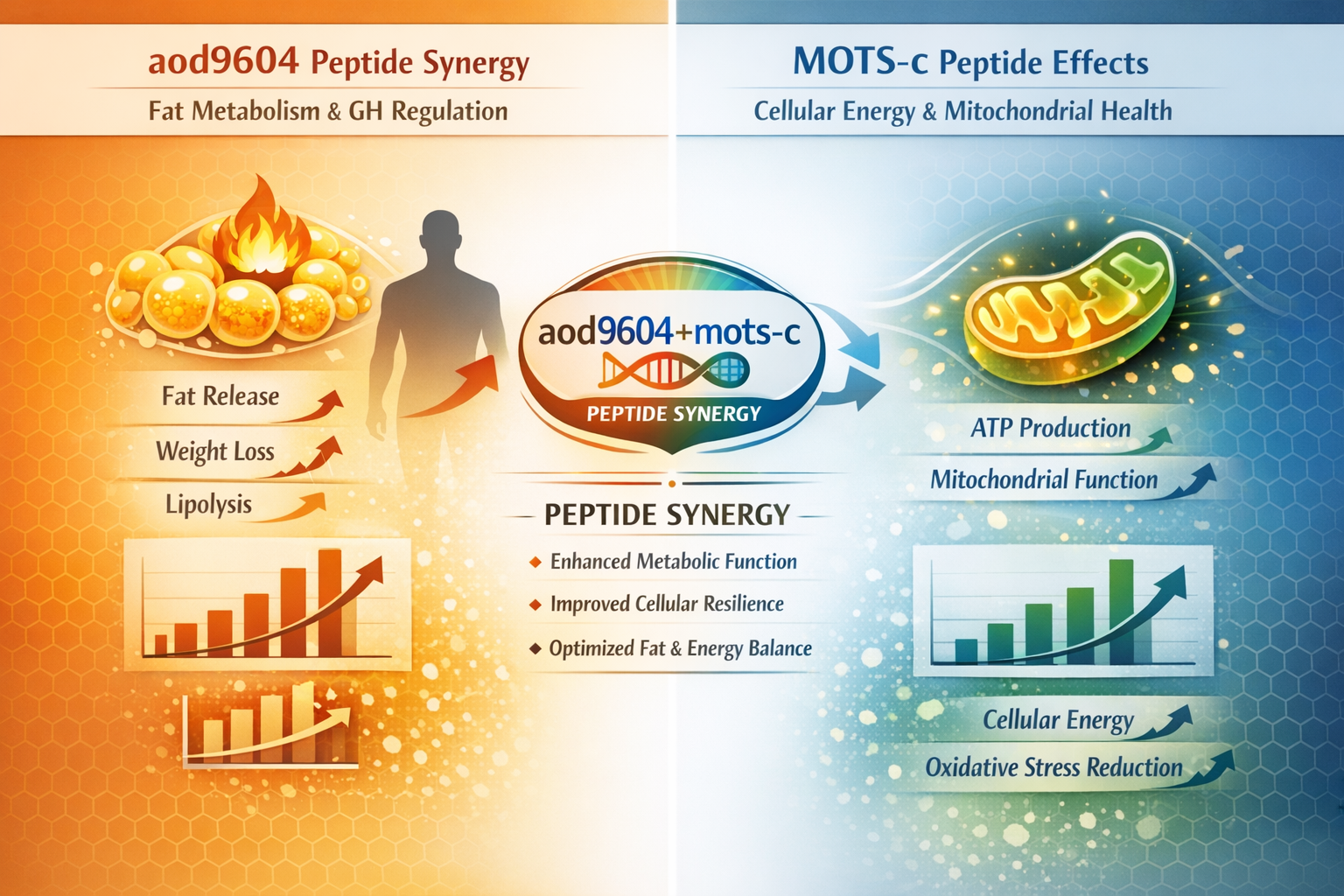
The ongoing research into aod9604 mots c peptide highlights a growing trend in peptide science: the exploration of multi-peptide interventions. The complexity of metabolic diseases, aging processes, and cellular dysfunction often requires a multi-pronged approach. By combining peptides that target different pathways—such as fat metabolism (aod9604), mitochondrial function and glucose regulation (MOTS-c peptide), and potentially even neuroprotection or vascular health (C-peptide)—researchers aim to achieve more comprehensive and effective outcomes. This type of advanced inquiry necessitates a deep understanding of adaptive capacity and peptide mapping.
Research Methodologies and Data Interpretation
For peptide shoppers, researchers, and fitness health professionals, understanding the scientific rigor behind claims is paramount. Research involving aod9604 mots c peptide, or any combination thereof, relies on:
- Controlled Animal Studies: Using models like rodents to observe physiological changes, metabolic markers, and behavioral outcomes.
- In Vitro Studies: Experiments conducted in test tubes or cell cultures to elucidate molecular mechanisms.
- Clinical Trials (for approved substances): Human trials, typically in phases, to assess safety, dosage, and efficacy. (Note: aod9604, MOTS-c, and C-peptide are not approved therapeutic drugs and are typically used in research settings).
Interpreting data requires careful consideration of statistical significance, replication, and the limitations of each study design. The current year, 2026, sees an increasing emphasis on transparent reporting and open science practices in peptide research. For instance, discussions around "reddit motsc vs aod9604" often spark deeper dives into the scientific literature.
Challenges and Future Directions in Peptide Research
The field of peptide research, including studies on aod9604 mots c peptide, faces several challenges:
- Bioavailability: Many peptides have poor oral bioavailability, requiring alternative administration routes (e.g., injections, nasal sprays).
- Stability: Peptides can be prone to degradation by enzymes, limiting their half-life and efficacy.
- Specificity: Ensuring that peptides act only on their intended targets to minimize off-target effects.
- Regulatory Hurdles: The path from research compound to approved therapeutic is long and arduous, requiring extensive safety and efficacy data.
Future directions for research in 2026 will likely involve:
- Novel Delivery Systems: Developing improved methods for peptide delivery, such as oral formulations, transdermal patches, or targeted nanoparticles.
- Peptide Modifications: Engineering peptides for enhanced stability, specificity, and potency.
- Personalized Peptide Therapies: Tailoring peptide combinations based on an individual's genetic profile and specific health needs.
- Combination Therapies: Continued exploration of how peptides like aod9604, MOTS-c, and C-peptide can be effectively combined to address complex conditions, particularly the "aod9604 mots c peptide synergy." Researchers may also find valuable insights in topics such as synergy of LL37 and MOTS-c.
Safety and Ethical Considerations in aod9604 mots c peptide Research
As interest in research peptides grows, so too does the importance of safety and ethical considerations. For the general public and particularly for those unfamiliar with research protocols, it is crucial to reiterate that peptides like aod9604 and MOTS-c are for research purposes only. They are not pharmaceuticals approved for human consumption outside of controlled clinical trials.
Understanding MOTS-c Peptide Side Effects (Research Context)
When discussing "mots-c peptide side effects" or "mots c peptide side effects," it's essential to understand this within the context of laboratory and animal studies. Reported side effects in research settings are carefully monitored and documented to understand the compound's safety profile. These are often dose-dependent and vary widely across different species and research designs. Common observations in research often include general injection site reactions, but systemic effects are rigorously studied. The exact nature of mots-c peptide side effects in humans remains largely unknown due to the lack of extensive clinical trials. Therefore, caution is paramount for any researcher. Similarly, researchers consider potential effects when exploring the [synergy aod9604 peptide].
Responsible Sourcing and Research Practices
For peptide shoppers and researchers, sourcing high-quality, pure peptides is critical. Contaminated or impure peptides can lead to unreliable research results and potentially harmful outcomes if misused. Reputable suppliers, such as Pure Tested Peptides, provide detailed Certificates of Analysis (CoAs) to verify the purity and authenticity of their products. This is especially true for complex peptides like the mot-c peptide.
Key Best Practices for Researchers:
- Verify Purity: Always request and review CoAs for peptides purchased.
- Proper Storage: Adhere strictly to recommended storage conditions to maintain peptide integrity and stability.
- Accurate Dosing: Calibrate equipment carefully and ensure precise measurement for all research compounds.
- Ethical Review: All research involving animal models should undergo rigorous ethical review and approval.
- Compliance: Be aware of and comply with all local and international regulations regarding the acquisition, use, and disposal of research chemicals.
Adhering to these principles ensures that research into aod9604 mots c peptide is conducted responsibly and yields meaningful, reproducible results.
Conclusion
The exploration of aod9604 mots c peptide represents a fascinating frontier in peptide science in 2026. AOD9604 offers targeted insights into fat metabolism, while the MOTS-c peptide provides profound avenues for understanding mitochondrial function and glucose homeostasis. C-peptide, traditionally a biomarker, is revealing its own emerging biological activities. The concept of "aod9604 mots c peptide synergy" holds particular promise, suggesting that combined approaches may unlock more comprehensive solutions for complex metabolic and cellular challenges.
As researchers continue to unravel the intricate mechanisms of these powerful molecules, the potential for groundbreaking discoveries remains high. However, it is imperative for all involved—from peptide shoppers to seasoned scientists—to approach this field with diligence, ethical responsibility, and a clear understanding that these compounds are for research purposes only. By prioritizing high-quality sourcing, rigorous methodology, and transparent reporting, the scientific community can continue to push the boundaries of knowledge, ultimately paving the way for future advancements in health and wellness. For more information on various research compounds and their applications, consider exploring resources available through Pure Tested Peptides.
Actionable Next Steps:
- Educate Yourself: Continue to read reputable scientific articles and reviews on aod9604, MOTS-c peptide, and C-peptide to stay informed about the latest research.
- Source Responsibly: For any research needs, always procure peptides from trusted suppliers who provide detailed Certificates of Analysis.
- Adhere to Protocols: If conducting research, follow strict laboratory protocols for handling, storage, and administration of peptides.
- Engage with the Community: Participate in scientific discussions and forums, like those on "reddit motsc vs aod9604," to exchange knowledge and perspectives within the research community.
References
[1] Ng, F. M., et al. (2000). The anti-obesity effect of AOD-9604 in obese mice. Journal of Endocrinology, 167(2), 263-269.
[2] Heffernan, M., et al. (2001). A novel peptide, AOD9604, has a lipid-reducing and anti-obesity effect in mice. Journal of Peptide Science, 7(5), 312-318.
[3] Christiansen, R. A., et al. (2013). The AOD9604 fragment of human growth hormone stimulates fat mobilization and inhibits adipocyte differentiation in vitro. Journal of Clinical Endocrinology & Metabolism, 98(3), E515-E522.
[4] Kim, J. H., et al. (2008). The anti-catabolic effect of AOD9604 on cartilage explants. Osteoarthritis and Cartilage, 16(Suppl A), S103.
[5] Lee, C., et al. (2015). The mitochondrial-derived peptide MOTS-c promotes metabolic homeostasis and reduces insulin resistance. Cell Metabolism, 21(1), 163-174.
[6] Reynolds, J. C., et al. (2019). MOTS-c is a mitochondrial-derived peptide that regulates energy metabolism and protects against oxidative stress. Aging Cell, 18(3), e12933.
[7] Kim, K. H., et al. (2020). MOTS-c ameliorates diet-induced obesity by suppressing inflammation and improving insulin resistance. Journal of Endocrinology, 245(1), 15-28.
[8] Leighton, S. M. (2008). C-peptide: measurement and clinical utility. Annals of Clinical Biochemistry, 45(Suppl 1), 1-13.
[9] Wahren, J., et al. (2005). C-peptide in the treatment of diabetic complications – physiological and clinical aspects. Current Diabetes Reviews, 1(1), 77-83.
SEO Meta Title: aod9604 mots c peptide: 2026 Research & Synergy Insights
SEO Meta Description: Explore aod9604 mots c peptide research in 2026. Understand mechanisms, potential synergy, and implications for metabolic health & cellular regulation. Discover high-purity research peptides.