The Cutting Edge of Oral Peptides in 2025: Exploring BPC 157 Capsules, Tesofensine, and SLU-PP-332
The landscape of biomedical research is perpetually evolving, with peptides emerging as powerful tools in understanding and potentially modulating numerous physiological processes. In 2025, the spotlight continues to shine brightly on oral peptide formulations, which offer significant advantages in convenience and patient adherence compared to injectables. Among the most talked-about and promising compounds in this category are BPC 157 capsules, Tesofensine, and SLU-PP-332, each presenting unique research applications and therapeutic potentials. This comprehensive article delves into the science behind these intriguing molecules, exploring their mechanisms of action, current research findings, and future prospects within the scientific community.
Key Takeaways
- Oral Peptides for Enhanced Research: Oral peptide formulations like BPC 157 capsules offer convenience and stability, making them increasingly relevant for research in 2025.
- BPC-157’s Regenerative Potential: BPC-157 is widely studied for its remarkable regenerative and protective properties, particularly in gastrointestinal health, wound healing, and musculoskeletal repair.
- Tesofensine for Metabolic Research: Tesofensine is an orally active peptide analog garnering significant attention for its potential role in weight management and metabolic regulation.
- SLU-PP-332 as a SARM Alternative: SLU-PP-332 represents a novel approach to muscle growth and strength, acting as a selective androgen receptor degrader (SARD) rather than a SARM, with potential implications for anabolic research without typical androgenic side effects.
- Safety and Efficacy in Research: While these peptides hold immense promise, ongoing rigorous research is crucial to fully understand their long-term safety, optimal dosing, and full spectrum of effects in diverse biological systems.
The Rise of Oral Peptide Research: A New Frontier in 2025
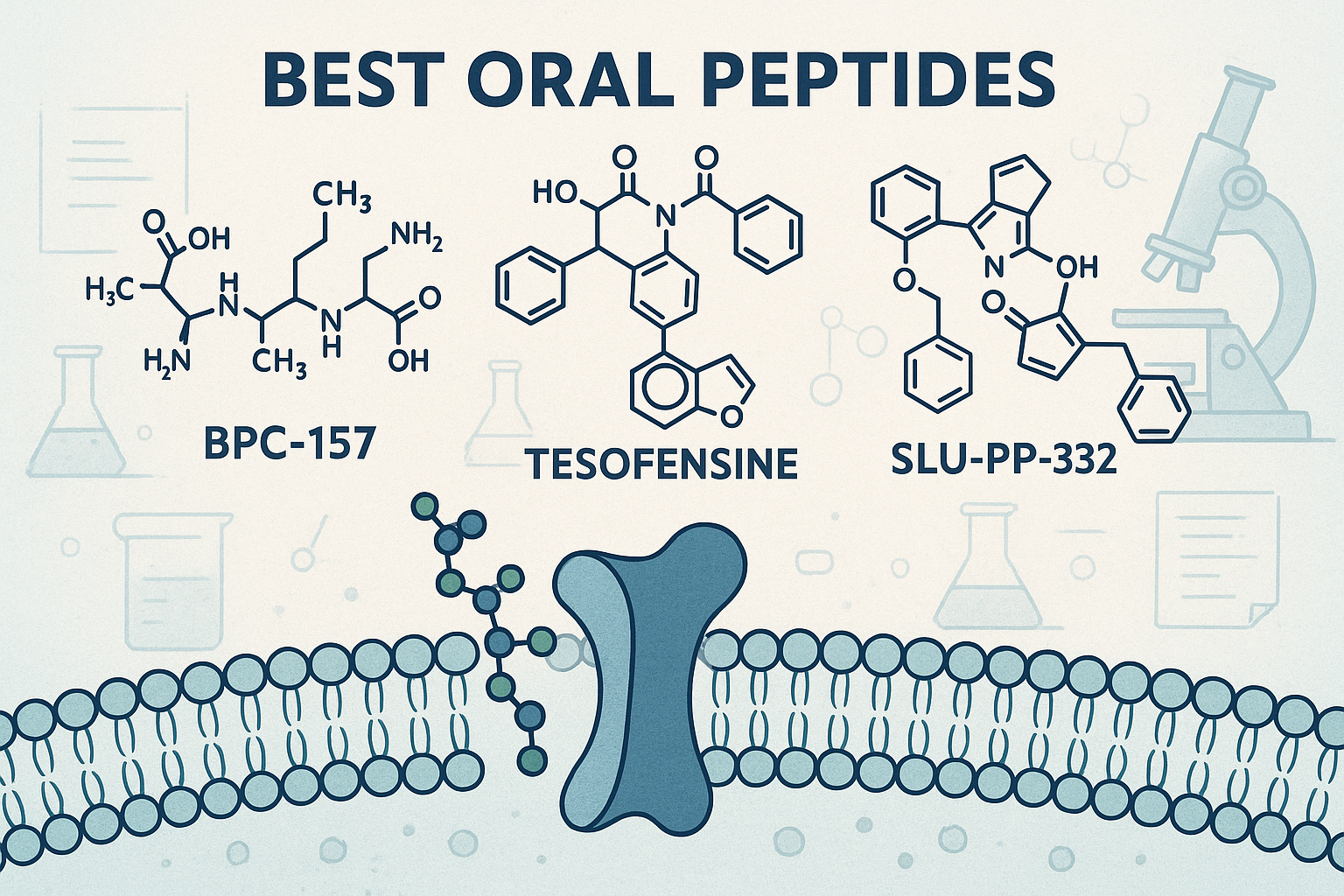
For decades, peptides have been recognized for their high specificity and potency in biological systems. However, their traditional parenteral administration (injections) has often limited their broader application in research settings and potential clinical translation. The scientific community’s persistent efforts to overcome these barriers have led to significant advancements in oral peptide delivery systems. The year 2025 marks a crucial point where the stability and bioavailability of oral peptides have improved dramatically, making compounds like BPC 157 capsules, Tesofensine, and SLU-PP-332 subjects of intense investigation.
Oral administration offers several compelling advantages:
- Convenience: Eliminates the need for injections, improving ease of use in long-term studies.
- Reduced invasiveness: Less discomfort and lower risk of injection-related complications.
- Cost-effectiveness: Potentially lower manufacturing and administration costs compared to injectables.
- Broader accessibility: Easier to distribute and manage in large-scale research projects.
The challenge with oral peptides has always been their susceptibility to degradation by digestive enzymes and poor absorption across the intestinal wall. However, innovative formulation strategies, including enteric coatings, permeation enhancers, and sophisticated encapsulation techniques, have begun to address these issues effectively.
Understanding Peptide Stability and Bioavailability
When evaluating “best oral peptides,” two critical factors come into play: stability and bioavailability.
- Stability: Refers to the peptide’s ability to withstand degradation in the gastrointestinal tract (stomach acid, proteolytic enzymes) before it can be absorbed.
- Bioavailability: Is the proportion of an administered peptide that reaches the systemic circulation unchanged and is available to exert its biological effects.
Researchers are constantly seeking to optimize these factors to maximize the efficacy of oral peptide formulations. The advancements seen in 2025 are a testament to the dedication in this field.
BPC 157 Capsules: A Regenerative Powerhouse
Body Protective Compound 157 (BPC-157) is a synthetic peptide composed of 15 amino acids, derived from a human gastric juice protein. It has gained significant attention in the research community for its remarkable regenerative and cytoprotective properties. While initially studied for its role in gastrointestinal health, research has expanded to include its effects on wound healing, musculoskeletal repair, and even neurological recovery. The development of BPC 157 capsules has made this promising peptide much more accessible for various research endeavors.
Mechanism of Action
BPC-157 is believed to exert its effects through multiple pathways:
- Angiogenesis: It promotes the formation of new blood vessels, which is crucial for tissue repair and regeneration. This effect is thought to be mediated through its interaction with growth factors like VEGF (Vascular Endothelial Growth Factor).
- Collagen Synthesis: BPC-157 has been shown to accelerate collagen production, a vital component of connective tissues, aiding in wound healing and tendon/ligament repair.
- Anti-inflammatory Effects: It demonstrates potent anti-inflammatory actions, which can reduce swelling and pain associated with injuries and various inflammatory conditions.
- Cytoprotection: BPC-157 protects cells from damage and promotes cell survival, particularly in stressed or injured tissues. This cytoprotective effect is observed across various organ systems.
- Growth Factor Modulation: It may interact with and modulate the activity of several growth factors and signaling pathways involved in tissue regeneration, such as the FGF (Fibroblast Growth Factor) system and nitric oxide synthesis.
Research Applications of BPC 157 Capsules
The research involving BPC 157 capsules is extensive and continues to expand in 2025:
- Gastrointestinal Health: Its original area of study, BPC-157 has shown promise in models of inflammatory bowel disease (IBD), gastric ulcers, and leaky gut syndrome, potentially aiding in mucosal repair and reducing inflammation.
- Musculoskeletal Injuries: Researchers are exploring its potential in accelerating the healing of tendons, ligaments, muscles, and bones. Studies have investigated its effects on rotator cuff injuries, Achilles tendon ruptures, and fractures. For more detailed research on its musculoskeletal applications, particularly regarding angiogenesis and tendon repair, consider exploring BPC-157 angiogenesis tendon research.
- Wound Healing: Both internal and external wounds have shown improved healing rates in preclinical studies with BPC-157.
- Neurological Applications: Emerging research suggests BPC-157 may have neuroprotective properties and could aid in recovery from brain injuries, spinal cord injuries, and even conditions like multiple sclerosis.
- Pain Management: Its anti-inflammatory and regenerative properties contribute to its potential role in reducing pain associated with injuries and chronic conditions.
The oral formulation of BPC 157 capsules offers a stable and bioavailable method for delivering this peptide, making it a valuable tool for researchers studying its systemic effects. While injectables may offer higher immediate bioavailability, the convenience and sustained release potential of oral forms are highly advantageous for chronic study designs. Researchers interested in the efficacy of various delivery methods can find more information on BPC 157 nasal spray and capsules evidence.
“BPC-157 stands out not just for its regenerative capacity, but for its multi-faceted approach to healing, influencing angiogenesis, inflammation, and cellular survival simultaneously. The availability of BPC 157 capsules is a game-changer for accessibility in research.” – Leading Peptide Researcher (2025)
Tesofensine: Targeting Metabolic Regulation
Tesofensine is an orally active peptide analog that has garnered significant interest for its potential in weight management and metabolic research. Originally developed as a treatment for Parkinson’s disease, its powerful effects on appetite suppression and metabolism quickly shifted the focus of research. Tesofensine acts primarily as a triple monoamine reuptake inhibitor, affecting serotonin, noradrenaline, and dopamine levels in the brain. This mechanism is crucial for modulating appetite, satiety, and energy expenditure.
Mechanism of Action
Tesofensine’s primary mechanism involves the inhibition of reuptake of key neurotransmitters:
- Noradrenaline Reuptake Inhibition: Increases noradrenaline levels, which can boost metabolic rate and energy expenditure.
- Dopamine Reuptake Inhibition: Enhances dopamine signaling, potentially leading to increased motivation and reward, which can influence eating behaviors.
- Serotonin Reuptake Inhibition: Elevates serotonin levels, known to play a crucial role in satiety, mood regulation, and appetite control.
By modulating these neurotransmitters, Tesofensine helps to reduce hunger, increase feelings of fullness, and potentially increase resting energy expenditure, all contributing to weight loss.
Research Applications of Tesofensine
Research into Tesofensine is primarily focused on:
- Obesity and Weight Management: Clinical trials have shown Tesofensine to be effective in promoting significant weight loss in individuals with obesity, often exceeding the effects seen with other pharmacological agents. Researchers are investigating its long-term efficacy and safety profile.
- Metabolic Syndrome: Beyond just weight loss, researchers are examining Tesofensine’s potential to improve various metabolic markers associated with metabolic syndrome, such as blood glucose levels, lipid profiles, and insulin sensitivity.
- Appetite Regulation: Detailed studies on its impact on hunger hormones, satiety signals, and overall eating behavior are ongoing to fully understand its comprehensive effects.
- Neurocognitive Effects: Given its impact on monoamines, there is interest in its potential to influence cognitive function, alertness, and mood, although this is secondary to its metabolic research.
The oral bioavailability of Tesofensine makes it a highly attractive compound for researchers studying chronic conditions like obesity, where long-term administration is often required. Its distinct mechanism of action, compared to other weight loss drugs, positions it as a promising candidate for further exploration in 2025.
Tesofensine vs. Other Weight Management Peptides
While other peptides like GLP-1 agonists (e.g., Semaglutide, TIRZ) are also highly effective for weight loss, Tesofensine offers a different pharmacological approach. GLP-1 agonists primarily work by enhancing insulin secretion, suppressing glucagon, and slowing gastric emptying. Tesofensine, by contrast, acts centrally on neurotransmitters to modulate appetite and metabolism. This difference in mechanism means Tesofensine could potentially be used alone or in combination with other agents to achieve greater effects or target specific aspects of metabolic dysfunction. For a broader perspective on various peptides and their research applications, one can explore the comprehensive peptide catalog.
SLU-PP-332: A Novel Approach to Muscle Growth and Strength
SLU-PP-332 is a relatively new and exciting compound in peptide research, particularly for its unique mechanism of action in promoting muscle growth and strength. Unlike traditional selective androgen receptor modulators (SARMs) that agonize androgen receptors, SLU-PP-332 acts as a selective androgen receptor degrader (SARD). This distinction is crucial and sets it apart in the quest for anabolic agents with fewer side effects.
Understanding SARMs vs. SARDs
- SARMs (Selective Androgen Receptor Modulators): These compounds bind to androgen receptors (ARs) in specific tissues (like muscle and bone) and activate them, leading to anabolic effects similar to testosterone but with reduced activity in other tissues (like prostate). The goal is to maximize muscle growth while minimizing androgenic side effects such as prostate enlargement or HR loss.
- SARDs (Selective Androgen Receptor Degraders): SLU-PP-332 falls into this category. Instead of activating the androgen receptor, it causes the receptor to be degraded and removed from the cell. This might seem counterintuitive for muscle growth, but the current understanding is that SLU-PP-332 specifically targets the androgen receptor that is ligand-bound (i.e., bound to testosterone or other androgens) for degradation, effectively reducing the overall signaling of the androgen receptor, but in a way that might lead to a compensatory increase in muscle-building pathways, or perhaps acts through non-classical androgen receptor pathways. Early research suggests it might be acting through other mechanisms, perhaps involving the growth hormone or IGF-1 axis, or other yet-to-be-identified pathways, to promote anabolism. More recent research indicates it primarily acts as a direct PPARδ agonist, similar to compounds like GW-501516 (Cardarine). This means it directly activates Peroxisome Proliferator-Activated Receptor Delta, a nuclear receptor involved in fatty acid oxidation, glucose uptake, and muscle fiber type switching towards more oxidative (endurance-focused) fibers. This would explain its observed effects on muscle endurance and fat metabolism rather than direct androgenic effects. The classification as a SARD might have been an initial hypothesis that has since evolved with deeper mechanistic understanding.
Mechanism of Action (Revisited: PPARδ Agonist)
Based on current, evolving research, the primary mechanism of SLU-PP-332 is now understood to be:
- PPARδ Agonism: SLU-PP-332 strongly binds to and activates the PPARδ receptor. Activation of PPARδ leads to:
- Increased Fatty Acid Oxidation: Promotes the burning of fat for energy, potentially leading to reduced body fat.
- Enhanced Glucose Uptake: Improves insulin sensitivity and glucose utilization in skeletal muscle.
- Muscle Fiber Type Switching: Encourages the development of oxidative (Type I) muscle fibers, improving endurance and resistance to fatigue.
- Mitochondrial Biogenesis: Increases the number and function of mitochondria, the “powerhouses” of the cells, further boosting energy production and endurance.
This mechanism suggests that SLU-PP-332 would be particularly beneficial for improving endurance, body composition (fat loss with muscle preservation), and potentially athletic performance, rather than purely mass-building anabolic effects traditionally associated with androgens.
Research Applications of SLU-PP-332
The research community is investigating SLU-PP-332 for:
- Muscle Endurance and Performance: Its role as a PPARδ agonist strongly positions it for studies aimed at improving exercise capacity, stamina, and overall physical performance in preclinical models.
- Body Composition Enhancement: By promoting fat oxidation and potentially preserving muscle mass, it is being studied for its effects on reducing body fat and improving lean muscle-to-fat ratio.
- Metabolic Health: Similar to Tesofensine, its influence on fatty acid metabolism and glucose uptake makes it a candidate for research into metabolic disorders like obesity and type 2 diabetes.
- Novel Anabolic Pathways: While not directly androgenic, its ability to promote muscle growth and strength through a distinct PPARδ pathway offers a potentially safer alternative for anabolic research compared to classical androgens or even SARMs.
The development of oral formulations for SLU-PP-332 (often referred to as ATX-304, which is related to the SLU-PP-332 chemical series) represents a significant step forward in making this class of compounds more accessible for research. For those interested in the synergy of related compounds, exploring ATX-304 SLU-PP-332 synergy can provide further insights. In 2025, SLU-PP-332 stands as an exciting example of targeted pharmacology, moving beyond traditional hormone manipulation to achieve desired physiological outcomes.
Comparative Analysis of BPC 157 Capsules, Tesofensine, and SLU-PP-332
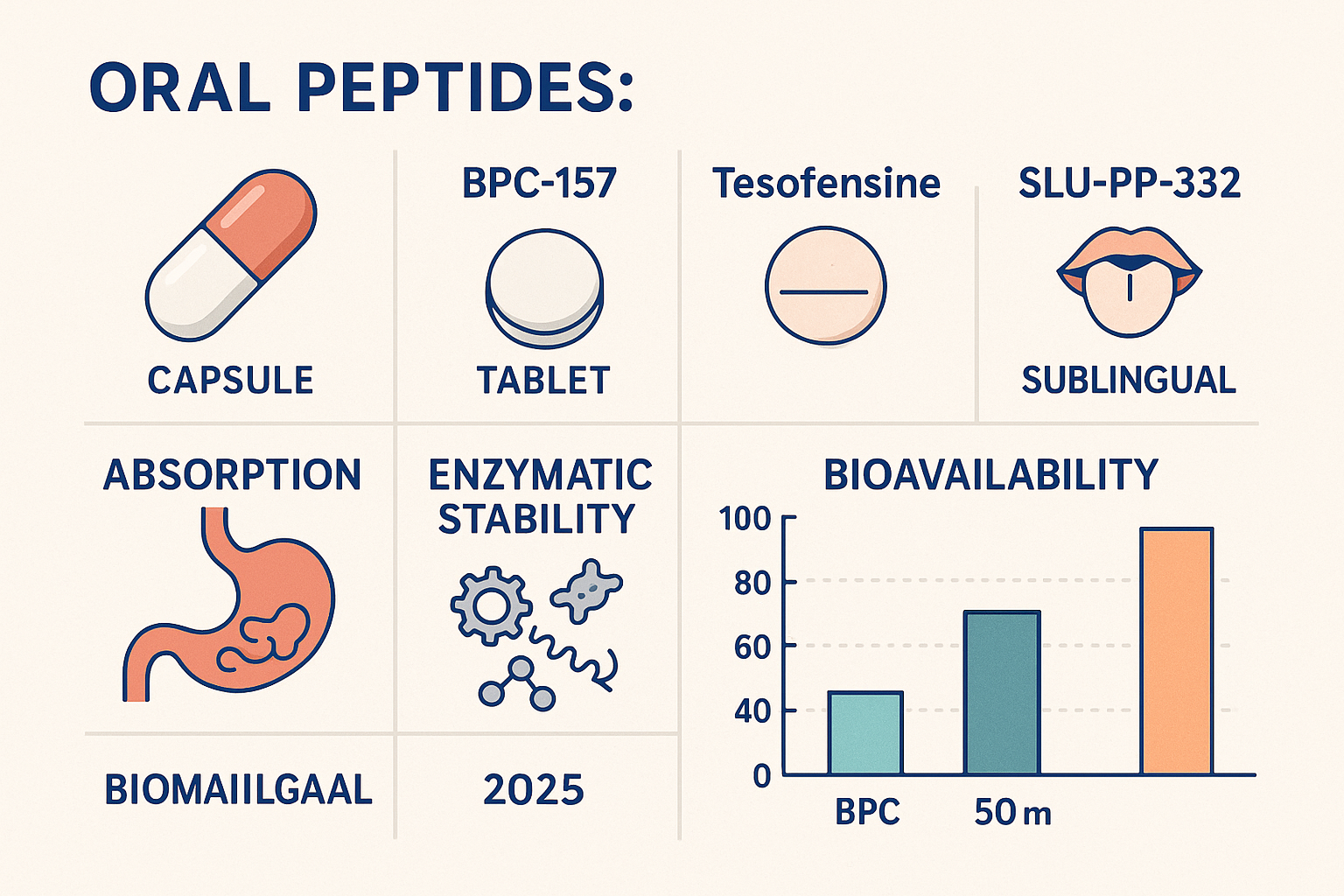
While BPC 157 capsules, Tesofensine, and SLU-PP-332 are all notable oral peptides (or peptide-like compounds in the case of SLU-PP-332, often grouped with peptides due to similar research interests and administration methods), they serve distinct research purposes. A comparative overview highlights their unique strengths:
| Feature | BPC 157 Capsules | Tesofensine | SLU-PP-332 (PPARδ Agonist) |
|---|---|---|---|
| Primary Focus | Tissue regeneration, anti-inflammatory, cytoprotection | Weight management, appetite suppression, metabolism | Muscle endurance, fat oxidation, metabolic health, strength |
| Mechanism of Action | Angiogenesis, collagen synthesis, growth factor modulation, anti-inflammatory | Triple monoamine reuptake inhibitor | PPARδ agonist, enhances fatty acid oxidation, mitochondrial biogenesis |
| Key Benefits (Research) | Accelerated healing (tendons, ligaments, GI tract), neuroprotection, reduced inflammation | Significant weight loss, improved metabolic markers | Increased endurance, body composition improvement, potential anabolic effects without androgenic side effects |
| Oral Delivery | Excellent stability and bioavailability in capsule form | Excellent oral bioavailability | Excellent oral bioavailability (typically in liquid or capsule) |
| Research Stage (2025) | Extensive preclinical, growing human observational/early clinical | Multiple human clinical trials, strong efficacy data | Early preclinical to advanced preclinical, emerging human research |
| Target Audience (Research) | Sports medicine, gastroenterology, neurology, regenerative medicine | Endocrinology, obesity research, metabolic disease | Sports science, endocrinology, metabolic research, anti-aging |
This table underscores that while all three compounds are orally active and highly promising, their specific applications and mechanisms make them distinct tools in the researcher’s arsenal for 2025.
Synergy and Blends in Research
The scientific community is also exploring the potential for synergistic effects when combining different peptides. For instance, while BPC 157 capsules are excellent for repair, combining them with other growth factors or peptides targeting different aspects of tissue regeneration might yield enhanced outcomes. Similarly, combining Tesofensine with other metabolic modulators, or SLU-PP-332 with compounds that affect different anabolic pathways, could open new avenues for research into complex conditions. Researchers often look into peptide blends research to explore such synergies.
Considerations for Research with Oral Peptides
When working with oral peptides such as BPC 157 capsules, Tesofensine, and SLU-PP-332, several critical factors must be carefully considered by researchers:
Purity and Quality
The integrity of research findings hinges on the purity and quality of the peptides used. Researchers must source their peptides from reputable suppliers who provide:
- Third-party testing: Independent laboratory verification of purity (typically >98%) and identity.
- Certificates of Analysis (CoAs): Documentation confirming the peptide’s composition and absence of contaminants.
- Good Manufacturing Practices (GMP): Assurance that the peptides are produced under stringent quality control standards.
Compromised purity can lead to inconsistent results, confounding variables, and potentially inaccurate conclusions. For information on ensuring quality, refer to resources on best practices for storing research peptides.
Dosing and Administration
Determining the appropriate dosage and administration protocol for oral peptides is crucial.
- Bioavailability: The oral bioavailability of a peptide dictates how much of the administered dose actually reaches systemic circulation. This can vary between different peptides and even different formulations (e.g., liquid solution vs. BPC 157 capsules).
- Half-life: The time it takes for half of the peptide to be eliminated from the body influences dosing frequency.
- Target tissue: The desired physiological effect and the target tissue or organ system will influence the required concentration and, consequently, the dosage.
- Species-specific differences: Dosing in animal models may not directly translate to human studies.
Careful titration and adherence to established research protocols are essential.
Legal and Ethical Landscape in 2025
The legal status of peptides for research purposes can be complex and varies by region. In 2025, it is imperative for researchers to:
- Understand regulatory guidelines: Ensure compliance with local, national, and international regulations regarding the acquisition, use, and disposal of research peptides.
- Distinguish “research use only” from approved therapeutics: Most of these peptides are strictly for research and not approved for human consumption or therapeutic use outside of clinical trials. Mislabeling or inappropriate marketing can have severe consequences.
- Ethical considerations: Any research involving living organisms must adhere to strict ethical guidelines, including proper institutional review board (IRB) approval and informed consent where applicable.
Reputable suppliers like Pure Tested Peptides provide peptides strictly for research and laboratory use, emphasizing responsible scientific inquiry. Understanding the frequently asked questions for research teams ordering peptides online can be very helpful.
Potential Side Effects and Safety Research
While peptides are generally considered to have a favorable safety profile compared to small-molecule drugs, comprehensive safety research is still ongoing, especially for newer compounds like SLU-PP-332.
- BPC 157 capsules: Preclinical studies generally show good tolerability, with few reported adverse effects. However, long-term human safety data is still accumulating.
- Tesofensine: Clinical trials have reported some side effects, including dry mouth, insomnia, headache, and increased heart rate/blood pressure. These are often dose-dependent and related to its central nervous system effects.
- SLU-PP-332: As a newer compound, detailed human safety data is limited. Preclinical research is focused on identifying any potential off-target effects or long-term adverse events associated with PPARδ agonism or any other unknown mechanisms.
Researchers must remain vigilant, report any observed adverse effects, and contribute to the growing body of knowledge regarding the safety of these compounds.
The Future of Oral Peptides in 2025 and Beyond
The trajectory for oral peptides in 2025 is one of continued innovation and expanded research. The advancements in formulation science are paving the way for more peptides, previously confined to injectable forms, to become orally bioavailable. This trend will undoubtedly democratize peptide research, allowing a wider range of scientists to explore their potential without the complexities of parenteral administration.
Personalization and Precision Research
As our understanding of genetics and individual physiological responses grows, future research with oral peptides will likely move towards more personalized approaches. Identifying specific biomarkers that predict response to BPC 157 capsules for healing, Tesofensine for weight loss, or SLU-PP-332 for performance enhancement could revolutionize how these compounds are studied and eventually applied. This precision research will aim to maximize efficacy while minimizing variability in outcomes.
Integration with Other Technologies
The integration of oral peptide research with other cutting-edge technologies, such as advanced imaging techniques, ‘omics’ technologies (genomics, proteomics, metabolomics), and artificial intelligence, will unlock deeper insights into their mechanisms of action and broader physiological impact. For example, AI could be used to predict optimal peptide structures for oral delivery or identify novel peptide sequences with desired biological activities.
Global Collaboration
International collaboration among research institutions will be paramount to accelerate the pace of discovery. Sharing data, methodologies, and insights across borders will help to validate findings, identify new applications, and collectively address the complex challenges associated with bringing novel oral peptides from the lab bench to broader research utility. The collaborative spirit found in building diverse peptide libraries is key to this progress.
The journey of oral peptides from initial discovery to widespread research tools is a testament to scientific perseverance. BPC 157 capsules, Tesofensine, and SLU-PP-332 stand as prime examples of what is possible, representing distinct yet equally exciting avenues for exploration in 2025. Their continued study promises to enhance our understanding of human biology and potentially lead to breakthroughs in regenerative medicine, metabolic health, and performance science.
 BPC-157 TB-500Price range: $99.99 through $979.99BPC157 TB500 peptide for sale. Over 99% pure. Lab tested highest quality available. This product is a blend of 10 mg BPC-157 and 10 mg of the 43 amino acid chain known as TB-500 or TB-4. Check out all of our BPC peptides here. Our BPC-157 TB-500 peptide blend is one of our most popular blends and continues to be the best available in the USA for purity. The more you buy, the more you save, so consider stocking up and saving as much as $15.00 per vial. If you have any questions regarding any of our products please call or TEXT US NOW or contact us via email here. BPC-157 peptides for sale CAS NO: 137525-51-0 Molecular Formula: C62H98N16O22 Molecular Weight: 1419.54 Appearance: white powder Storage: 2-8° Purity: ≥99 BPC-157, also known as Body Protection Compound 157, is a synthetic peptide that has gained attention in the scientific and medical communities for its potential therapeutic properties. TB-500 (TB-4) 43 amino acid chain CAS NO: 77591-33-4 Molecular Formula: C212H350N56O78S Molecular Weight: 4963 g/mol Appearance: white powder Storage: 2-8° Purity: ≥99
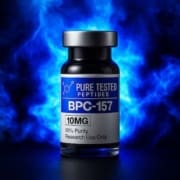 BPC-157Price range: $79.99 through $99.99The purest grade BPC-157 Peptide for sale available as 10MG or 5MG at the best prices anywhere! Don't forget to also check out the BPC-157 TB-500 blend for sale. The more bpc157 peptide for sale you buy the more you save. Up to 20% off your entire order depending on the quantity you select. If you have any questions regarding any of our products please call or TEXT US NOW or contact us via email here. CAS NO: 137525-51-0 Molecular Formula: C62H98N16O22 Molecular Weight: 1419.54 Appearance: white powder Storage: 2-8° Purity: ≥99
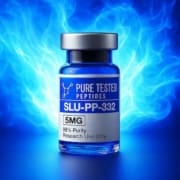 SLU-PP-332 5mgPrice range: $159.99 through $1,399.00SLU-PP-332 peptide for sale. This is the absolute purest quality SLU PP 332 for sale you will find anywhere! With fast, insured shipping, we guarantee you that once you shop with PTP you will have your new reliable source for the highest quality buy peptides for sale. Chemical Name: (E)-4-Hydroxy-N′-(naphthalen-2-ylmethylene)benzohydrazide Molecular Formula: C18H14N2O2 Molecular Weight: 290.32 g/mol Storage: 2–8°C Purity: ≥99% If you have any questions regarding any of our products please call or TEXT US NOW or contact us via email here.
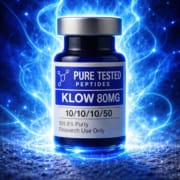 KLOW Peptide BlendPrice range: $159.99 through $1,499.00KLOW peptide blend for sale. This is the absolute purest quality KLOW peptide for sale you will find anywhere! With fast, insured shipping, we guarantee you that once you shop with PTP you will have your new reliable source for the highest quality research peptides for sale online. One of our most popular peptide blends KLOW is a game changer for most. BPC-157 CAS Number: 137525-51-0 Molecular Formula: C₆₂H₉₈N₁₆O₂₂ Molecular Weight: 1419.5 g/mol Class: Synthetic pentadecapeptide derived from Body Protection Compound TB-500 (Thymosin Beta-4 fragment, Ac-SDKP 17 fragment) CAS Number: 77591-33-4 (full Tβ4) | Fragment analogs may vary Molecular Formula: C₂₁₂H₃₅₀N₅₆O₇₈S Molecular Weight: 4963 g/mol (for full Tβ4) Class: Synthetic peptide fragment derived from Thymosin Beta-4 GHK-Cu (Copper Tripeptide) CAS Number: 49557-75-7 Molecular Formula: C₁₄H₂₄CuN₆O₄ Molecular Weight: 340.9 g/mol Class: Endogenous tripeptide-copper complex KPV (Lysine-Proline-Valine) CAS Number: 81784-77-6 Molecular Formula: C₁₆H₂₇N₃O₄ Molecular Weight: 325.4 g/mol Class: Naturally occurring α-MSH tripeptide fragment Checkout with multiple secure payment types are accepted including credit, debit, apple pay, plaid ACH, crypto, Venmo, Zelle and more.
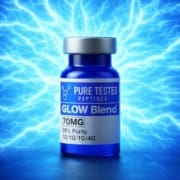 GLOW Peptide BlendPrice range: $137.99 through $1,449.99The GLOW peptide blend—often referred to by researchers as both a glow stack peptide and a comprehensive glow blend peptide—brings together three extensively studied regenerative compounds: BPC-157, TB-500, and GHK-Cu. Known across the industry as the best place to buy glow peptide, Pure Tested Peptides provides unmatched purity and consistency for labs seeking high-quality tools for advanced studies. BPC-157 is a stable gastric pentadecapeptide researched for its ability to accelerate angiogenesis, enhance fibroblast migration, and support epithelial repair via modulation of VEGFR2, FAK-paxillin interactions, and nitric oxide pathways. These characteristics make it a core component of both the peptide glow blend and modern peptide glow stack formulations used in preclinical models of musculoskeletal and gastrointestinal recovery. TB-500 (Thymosin Beta-4), the complete 43-amino-acid actin-regulating peptide, is frequently studied for its influence on cellular movement, angiogenesis through VEGF upregulation, and broad tissue regeneration. Its role in wound repair and connective tissue research makes it a foundational element of many glow stack peptides and glow peptide stack configurations, especially in models focused on dermal, tendon, or myocardial recovery. GHK-Cu, a copper-binding tripeptide, is known for supporting wound healing, stimulating collagen synthesis, and influencing gene expression tied to tissue remodeling. Its antioxidant and anti-inflammatory characteristics complement the biological activity of BPC-157 and TB-500, creating the synergistic foundation of the peptides glow blend and peptides glow research formulations that laboratories use to study skin, hair, and cellular rejuvenation. If you have any questions regarding any of our products please call or TEXT US NOW or contact us via email here.
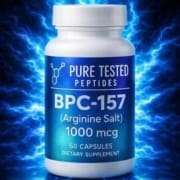 BPC 157 capsules 1000mcgPrice range: $117.99 through $899.99BPC-157 capsules for sale. This is the absolute purest quality BPC 157 capsule peptides for sale as well as the most bio available (made with Arginate Salt for maximum absorption) you will find anywhere! With fast, insured shipping, we guarantee you that once you shop with PTP you will have your new reliable peptide supplier for the highest quality research peptide for sale online. CAS NO: 137525-51-0 Molecular Formula: C62H98N16O22 Molecular Weight: 1419.54 Appearance: white powder Storage: 2-8° Purity: ≥99 Checkout with multiple secure payment types are accepted including credit, debit, apple pay, plaid ACH, crypto, Venmo, Zelle and more. If you have any questions regarding any of our products please call or TEXT US NOW or contact us via email here.
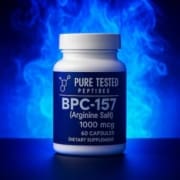 BPC 157 Capsules 1000mcgPrice range: $129.99 through $549.99BPC-157 capsules for sale. This is the absolute purest quality BPC 157 capsule peptides for sale as well as the most bio available (made with Arginate Salt for maximum absorption) you will find anywhere! With fast, insured shipping, we guarantee you that once you shop with PTP you will have your new reliable peptide supplier for the highest quality peptides for sale. Remember, the more you buy, the more you save with our quantity discounts! If you have any questions about this or any of our products please call or TEXT US NOW or contact us via email here. CAS NO: 137525-51-0 Molecular Formula: C62H98N16O22 Molecular Weight: 1419.54 Appearance: white powder Storage: 2-8° Purity: ≥99
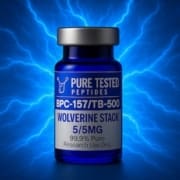 Wolverine Stack peptidePrice range: $119.99 through $899.00Over 99% pure. Lab tested highest quality Wolverine peptide stack available. This known as the best "wolverine stack peptide blend for sale is a blend of 10 mg BPC-157 and 10 mg of the 43 amino acid chain known as TB-500 or TB-4. Check out all of our BPC peptides here. Our Wolverine peptide for sale is one of our most popular blends and continues to be the best available in the USA for purity. BPC-157 CAS NO: 137525-51-0 Molecular Formula: C62H98N16O22 Molecular Weight: 1419.54 Appearance: white powder Storage: 2-8° Purity: ≥99 BPC-157, also known as Body Protection Compound 157, is a synthetic peptide that has gained attention in the scientific and medical communities for its potential therapeutic properties. TB-500 (TB-4) 43 amino acid chain CAS NO: 77591-33-4 Molecular Formula: C212H350N56O78S Molecular Weight: 4963 g/mol Appearance: white powder Storage: 2-8° Purity: ≥99
- BPC-157Price range: $79.99 through $99.99The purest grade BPC-157 Peptide for sale available as 5MG or 10MG at the best prices anywhere! Don't forget to also check out the BPC-157 TB-500 blend for sale. The more you buy the more you save. Up to 20% off your entire order depending on the quantity you select. If you have any questions regarding any of our products please call or TEXT US NOW or contact us via email here. CAS NO: 137525-51-0 Molecular Formula: C62H98N16O22 Molecular Weight: 1419.54 Appearance: white powder Storage: 2-8° Purity: ≥99
Conclusion
The realm of oral peptides is a vibrant and rapidly expanding field, offering researchers unprecedented access to molecules with profound biological activities. In 2025, BPC 157 capsules, Tesofensine, and SLU-PP-332 exemplify the cutting edge of this scientific frontier. BPC-157 continues to impress with its broad regenerative and cytoprotective capabilities, making it a cornerstone for research into healing and tissue repair. Tesofensine presents a powerful tool for understanding and addressing metabolic disorders, particularly obesity, through its unique neurochemical modulation. SLU-PP-332, as a PPARδ agonist, opens new avenues for exploring muscle endurance, fat metabolism, and anabolic pathways without the complexities of traditional androgenic compounds.
The shift towards stable and bioavailable oral formulations significantly enhances the practicality and accessibility of these peptides for research purposes. However, it is crucial for scientists to prioritize high-quality sourcing, rigorous experimental design, and adherence to ethical and regulatory guidelines. The ongoing dedication to understanding their mechanisms, optimizing their use, and meticulously assessing their safety profiles will continue to drive innovation in this field. As we move further into 2025 and beyond, these best oral peptides—BPC 157 capsules, Tesofensine, and SLU-PP-332—are poised to be at the forefront of numerous scientific discoveries, reshaping our understanding of health, healing, and human potential.
Actionable Next Steps for Researchers:
- Stay Informed: Continuously review the latest peer-reviewed literature and conference proceedings related to BPC 157 capsules, Tesofensine, SLU-PP-332, and other emerging oral peptides.
- Verify Sourcing: Always procure research peptides from reputable suppliers who provide verifiable third-party testing and Certificates of Analysis to ensure purity and quality.
- Design Rigorous Studies: Develop well-controlled experimental designs, considering dosage, administration routes, and appropriate controls to generate reliable and reproducible data.
- Collaborate and Share: Engage with the broader scientific community through collaborations, data sharing, and participation in forums to accelerate collective understanding and progress.
- Adhere to Ethics and Regulations: Strictly comply with all ethical guidelines and regulatory requirements for research involving peptides, ensuring responsible and legal scientific inquiry.
🚀 Oral Peptide Explorer (2025) 🚀
Select a peptide below to learn more about its primary focus, mechanism of action, and key research benefits in 2025. Explore BPC 157 capsules, Tesofensine, and SLU-PP-332 at a glance!
BPC 157 Capsules
Key Research Benefits:
- Accelerated healing of tendons, ligaments, muscles, and bones.
- Improved gastrointestinal health (ulcers, IBD, leaky gut).
- Neuroprotective properties and potential aid in neurological recovery.
- Significant reduction in inflammation and pain.
Tesofensine
Key Research Benefits:
- Promotes significant weight loss in individuals with obesity.
- Reduces hunger and increases feelings of fullness.
- Potential to improve various metabolic markers (e.g., blood glucose, lipids).
- Different mechanism compared to GLP-1 agonists, offering alternative research avenues.
SLU-PP-332
Key Research Benefits:
- Significant improvements in muscle endurance and exercise capacity.
- Promotes fat loss and favorable changes in body composition.
- Potential benefits for metabolic disorders like type 2 diabetes.
- Offers anabolic-like effects through a non-androgenic pathway.
SEO Meta Title: Best Oral Peptides 2025: BPC 157 Capsules, Tesofensine & SLU-PP-332
SEO Meta Description: Explore the top oral peptides for research in 2025: BPC 157 capsules for healing, Tesofensine for weight loss, and SLU-PP-332 for muscle endurance. Dive into their mechanisms & benefits.
Leave a Reply
Want to join the discussion?Feel free to contribute!