
BPC-157 TB-500 Blend: Complete Research Guide for 2025
The world of peptide research has witnessed remarkable advances in recent years, with scientists increasingly exploring the synergistic potential of combining therapeutic peptides. Among the most studied combinations is the bpc 157 tb500 blend, which has captured the attention of researchers investigating tissue repair, recovery mechanisms, and cellular regeneration processes.
Key Takeaways
• BPC-157 TB-500 blend combines two well-researched peptides known for their tissue repair and recovery properties in laboratory studies
• The synergistic combination may offer enhanced research outcomes compared to individual peptide administration
• Both peptides have demonstrated promising results in preclinical studies related to wound healing and tissue regeneration
• Quality sourcing and proper storage are critical factors for maintaining peptide integrity in research applications
• Understanding dosing protocols and research methodologies is essential for obtaining reliable experimental results
Understanding the BPC-157 TB-500 Blend Components
What is BPC-157?
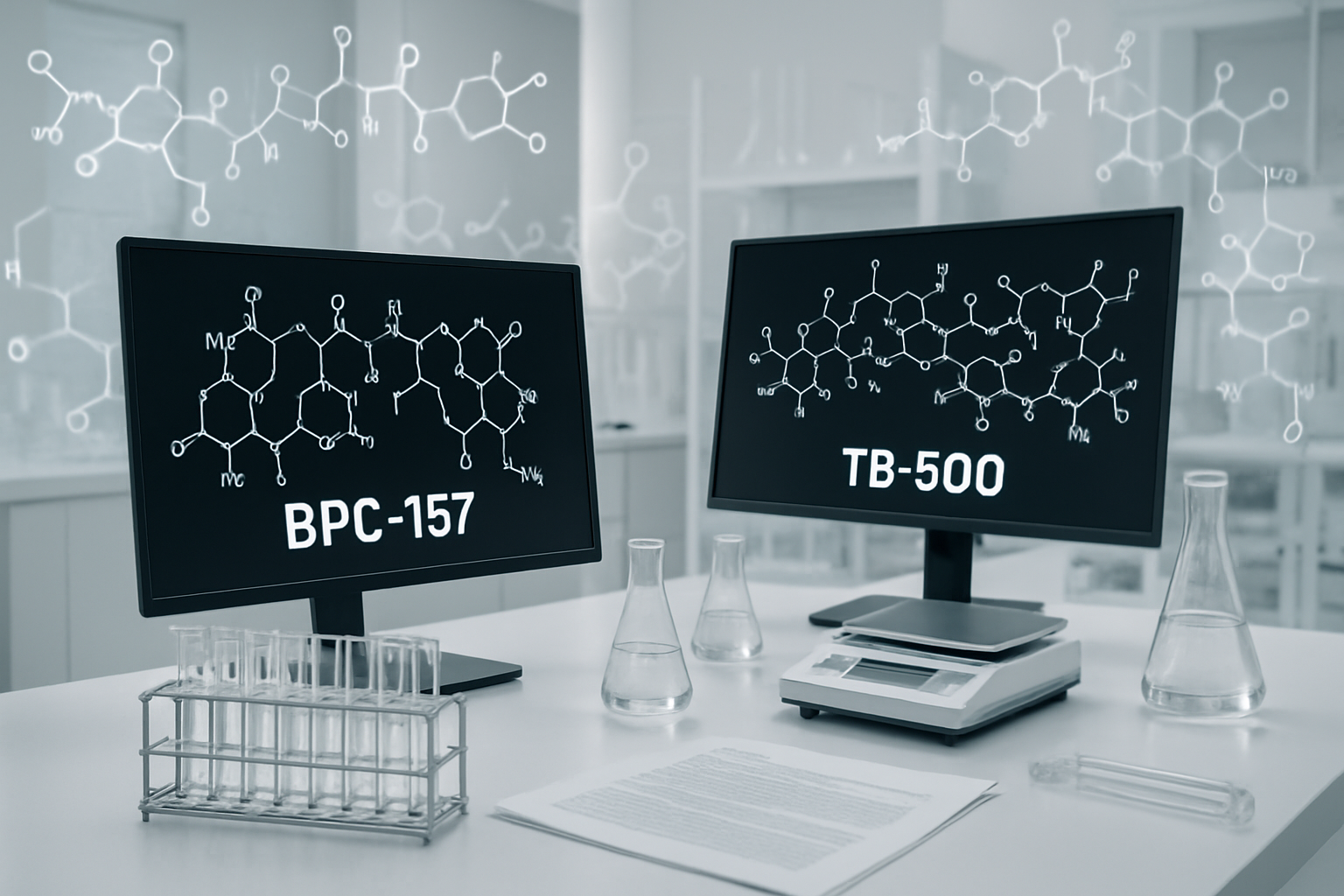
Body Protection Compound-157 (BPC-157) is a synthetic peptide derived from a protein found in human gastric juice. This 15-amino acid sequence has been extensively studied in laboratory settings for its potential tissue-protective properties. Research has shown that BPC-157 demonstrates remarkable stability and bioactivity across various experimental conditions [1].
In preclinical studies, BPC-157 has shown promise in:
- Gastrointestinal tract protection 🧬
- Tendon and ligament repair mechanisms
- Vascular healing processes
- Neuroprotective pathways
The peptide's unique mechanism involves multiple signaling pathways, including the activation of growth factors and modulation of inflammatory responses. Researchers have noted its ability to promote angiogenesis and accelerate healing processes in controlled laboratory environments.
Understanding TB-500 (Thymosin Beta-4)
TB-500, also known as Thymosin Beta-4, is a naturally occurring peptide consisting of 43 amino acids. This peptide plays a crucial role in cellular migration, proliferation, and differentiation processes. TB-500 has been identified as a key regulator of actin polymerization, which is fundamental to cellular movement and tissue repair mechanisms [2].
Key research findings for TB-500 include:
- Enhanced cellular migration capabilities
- Improved wound healing in experimental models
- Reduced inflammatory markers in tissue samples
- Promoted angiogenesis in laboratory studies
For researchers interested in exploring individual components, TB-500 10mg provides an excellent starting point for comparative studies.
The Science Behind BPC-157 TB-500 Blend Synergy
Complementary Mechanisms of Action
The bpc 157 tb500 blend represents a strategic combination that leverages the unique properties of both peptides. While BPC-157 focuses primarily on tissue protection and gastric healing, TB-500 excels in cellular migration and wound closure mechanisms. This complementary relationship creates a comprehensive approach to tissue repair research.
Synergistic Benefits Observed in Studies:
| Mechanism | BPC-157 Contribution | TB-500 Contribution | Combined Effect |
|---|---|---|---|
| Angiogenesis | Promotes blood vessel formation | Enhances endothelial cell migration | Accelerated vascularization |
| Inflammation | Reduces inflammatory markers | Modulates immune response | Comprehensive anti-inflammatory action |
| Tissue Repair | Protects existing tissue | Promotes new tissue formation | Enhanced overall healing |
| Cellular Migration | Supports directional growth | Facilitates cell movement | Improved tissue integration |
Research Applications and Study Designs
Scientists have explored various research applications for the bpc 157 tb500 blend, particularly in studies focusing on tissue engineering and regenerative medicine. The combination has shown promise in experimental models investigating:
- Tendon and Ligament Repair – Studies examining the peptide blend's effects on collagen synthesis and tissue strength
- Wound Healing Models – Research investigating accelerated closure rates and improved tissue quality
- Cardiovascular Research – Investigations into vascular protection and repair mechanisms
- Neurological Studies – Exploration of neuroprotective and neuroregenerative properties
Researchers interested in comprehensive peptide research can explore peptide blends research to understand various combination approaches and their applications.
Research Protocols and Dosing Considerations
Laboratory Preparation Guidelines
When working with the bpc 157 tb500 blend in research settings, proper preparation and handling protocols are essential for maintaining peptide integrity and achieving consistent results. The peptides should be reconstituted using sterile bacteriostatic water and stored according to manufacturer specifications.
Standard Preparation Steps:
- Reconstitute peptides in sterile environment
- Use appropriate diluent (typically bacteriostatic water)
- Allow complete dissolution before use
- Store reconstituted solutions at 2-8°C
- Use within recommended timeframes
Dosing Protocols in Research Studies
Research protocols for the bpc 157 tb500 blend vary significantly based on study objectives and experimental models. Most preclinical studies have utilized dosing ranges that allow for comprehensive evaluation of both individual and synergistic effects.
Common Research Dosing Approaches:
🔬 Equal Ratio Combinations: Many studies employ 1:1 ratios of BPC-157 to TB-500
📊 Dose-Response Studies: Researchers often test multiple concentration levels
⏱️ Timing Protocols: Administration schedules vary from daily to multiple times per day
📈 Duration Studies: Research periods typically range from acute (days) to chronic (weeks)
For researchers beginning their peptide studies, exploring best peptide kits for beginner researchers can provide valuable guidance on proper protocols and methodologies.
Quality Considerations and Sourcing
Importance of Pharmaceutical-Grade Peptides
The reliability of research outcomes depends heavily on the quality and purity of the bpc 157 tb500 blend used in studies. Pharmaceutical-grade peptides undergo rigorous testing and quality control measures to ensure consistency and potency across batches.
Key Quality Indicators:
- Purity levels exceeding 98% as verified by HPLC analysis
- Proper storage conditions maintained throughout the supply chain
- Certificate of Analysis (COA) documentation for each batch
- Third-party testing verification for contaminants and potency
Storage and Handling Best Practices
Proper storage of the bpc 157 tb500 blend is crucial for maintaining peptide stability and research validity. Both peptides are relatively stable when stored correctly, but improper handling can lead to degradation and inconsistent results.
Storage Recommendations:
- Store lyophilized peptides at -20°C or below
- Protect from light and moisture
- Avoid repeated freeze-thaw cycles
- Use desiccant packets in storage containers
- Monitor temperature logs for compliance
Researchers can find comprehensive guidance on best practices for storing research peptides to ensure optimal peptide integrity throughout their studies.
Clinical Research Findings and Future Directions
Current Research Landscape
The bpc 157 tb500 blend has generated significant interest in the research community, with numerous preclinical studies demonstrating promising results across various therapeutic areas. Recent publications have highlighted the peptide combination's potential in tissue engineering applications and regenerative medicine research.
Notable Research Findings:
- Enhanced healing rates in experimental wound models
- Improved tissue strength and organization in repair studies
- Reduced inflammatory markers in tissue samples
- Accelerated angiogenesis in vascular research models
Emerging Research Areas
Scientists continue to explore new applications for the bpc 157 tb500 blend, with emerging research focusing on novel therapeutic areas and advanced delivery methods. Current investigations include:
🧠 Neurological Applications: Studies examining neuroprotective effects and potential applications in neurodegenerative research models
💪 Sports Medicine Research: Investigations into exercise-induced tissue damage and recovery mechanisms
🩺 Surgical Research: Exploration of peptide combinations in post-surgical healing models
🔬 Tissue Engineering: Development of peptide-enhanced scaffolds and biomaterials
For researchers interested in exploring related peptide combinations, synergy of LL37 and SS31 offers insights into other promising peptide synergies.
Comparative Analysis with Other Peptide Combinations
BPC-157 TB-500 vs. Single Peptide Protocols
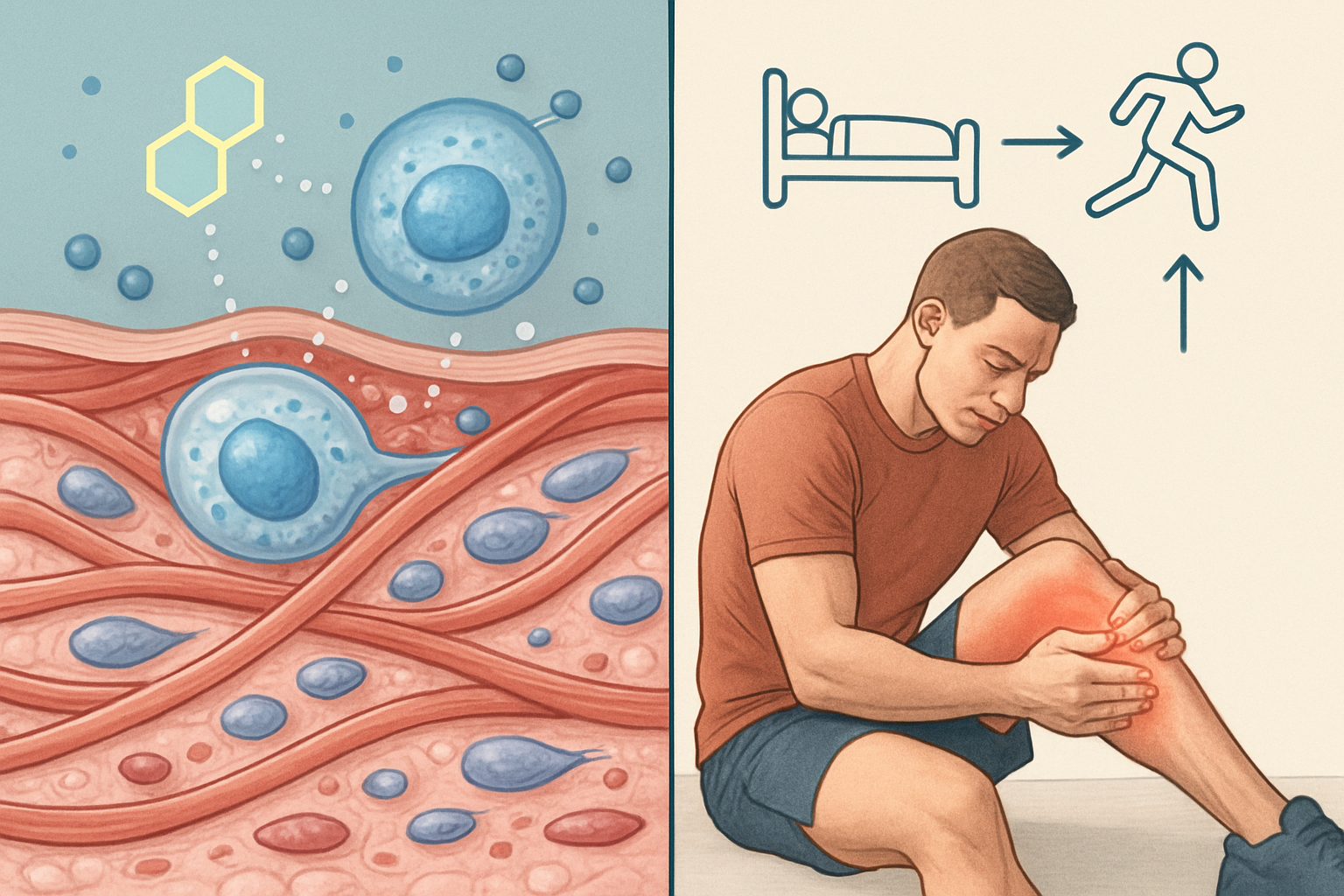
Research comparing the bpc 157 tb500 blend to individual peptide administration has revealed interesting insights into the benefits of combination therapy. Studies suggest that the synergistic effects of the blend may offer advantages over single peptide approaches in certain research applications.
Comparative Advantages:
- Broader mechanism coverage through multiple pathways
- Enhanced efficacy in complex tissue repair models
- Reduced dosing requirements for individual components
- Improved research outcomes in multi-factorial studies
Integration with Other Research Peptides
The bpc 157 tb500 blend can be integrated into comprehensive research protocols alongside other peptides for multi-target investigations. Researchers often explore combinations with growth hormone releasing peptides, metabolic modulators, and other tissue repair compounds.
Popular research combinations include:
- BPC-157 TB-500 with growth hormone releasing peptides
- Integration with metabolic research compounds like 5-amino-1mq peptides
- Combination with anti-aging research peptides
- Multi-peptide protocols for comprehensive wellness studies
Safety Profile and Research Considerations
Laboratory Safety Protocols
When conducting research with the bpc 157 tb500 blend, adherence to proper laboratory safety protocols is essential. Both peptides have demonstrated favorable safety profiles in preclinical studies, but researchers must follow established guidelines for peptide handling and administration.
Safety Considerations:
- Use appropriate personal protective equipment (PPE)
- Follow institutional biosafety guidelines
- Maintain proper documentation of all procedures
- Monitor experimental subjects according to ethical guidelines
- Report any adverse observations promptly
Regulatory Compliance
Research involving the bpc 157 tb500 blend must comply with relevant regulatory frameworks and institutional guidelines. Researchers should ensure proper approvals and documentation before initiating studies.
Compliance Requirements:
- Institutional Review Board (IRB) approval for applicable studies
- Proper peptide sourcing from licensed suppliers
- Documentation of study protocols and procedures
- Adherence to Good Laboratory Practice (GLP) standards
- Maintenance of detailed research records
For comprehensive peptide research resources, scientists can explore all peptides for sale to understand the full range of available research compounds and their applications.
Future Research Opportunities
Emerging Technologies and Applications
The field of peptide research continues to evolve rapidly, with new technologies and methodologies expanding the possibilities for bpc 157 tb500 blend research. Advanced delivery systems, novel formulations, and precision medicine approaches are opening new avenues for investigation.
Technological Advances:
- Nanotechnology delivery systems for enhanced bioavailability
- Sustained-release formulations for extended research protocols
- Targeted delivery mechanisms for specific tissue types
- Combination therapies with other bioactive compounds
Collaborative Research Initiatives
The growing interest in the bpc 157 tb500 blend has led to increased collaboration between research institutions, pharmaceutical companies, and biotechnology firms. These partnerships are accelerating the pace of discovery and expanding the scope of research applications.
Research Collaboration Benefits:
- Shared expertise and resources
- Access to advanced research facilities
- Larger study populations and datasets
- Accelerated translation from bench to bedside
- Enhanced publication opportunities
Researchers interested in staying current with the latest developments can explore applied wellness research with peptides for insights into cutting-edge research methodologies and applications.
Conclusion
The bpc 157 tb500 blend represents a compelling area of research with significant potential for advancing our understanding of tissue repair and regenerative medicine. The synergistic combination of these two well-studied peptides offers researchers a powerful tool for investigating complex biological processes and developing innovative therapeutic approaches.
Key research considerations include maintaining high-quality peptide sources, following proper storage and handling protocols, and designing comprehensive study methodologies that leverage the unique properties of both peptides. As the field continues to evolve, the bpc 157 tb500 blend is likely to play an increasingly important role in advancing peptide research and therapeutic development.
Next Steps for Researchers:
- Review current literature on peptide combinations and synergistic effects
- Develop comprehensive research protocols incorporating both peptides
- Establish relationships with reputable peptide suppliers for consistent quality
- Consider collaborative opportunities with other research institutions
- Stay informed about emerging technologies and methodologies in peptide research
For researchers ready to begin their peptide studies, Pure Tested Peptides offers comprehensive resources, high-quality compounds, and expert support to ensure successful research outcomes.
References
[1] Sikiric, P., et al. "Stable gastric pentadecapeptide BPC 157: Novel therapy in gastrointestinal tract." Current Pharmaceutical Design, 2011.
[2] Goldstein, A.L., et al. "Thymosin beta4: A multi-functional regenerative peptide." Expert Opinion on Biological Therapy, 2012.
SEO Meta Title: BPC-157 TB-500 Blend: Research Guide & Benefits 2025
Meta Description: Comprehensive guide to BPC-157 TB-500 blend research. Learn about synergistic effects, protocols, and applications for tissue repair studies in 2025.