
BPC 157 TB500 Peptides: A Comprehensive Research Guide for 2025
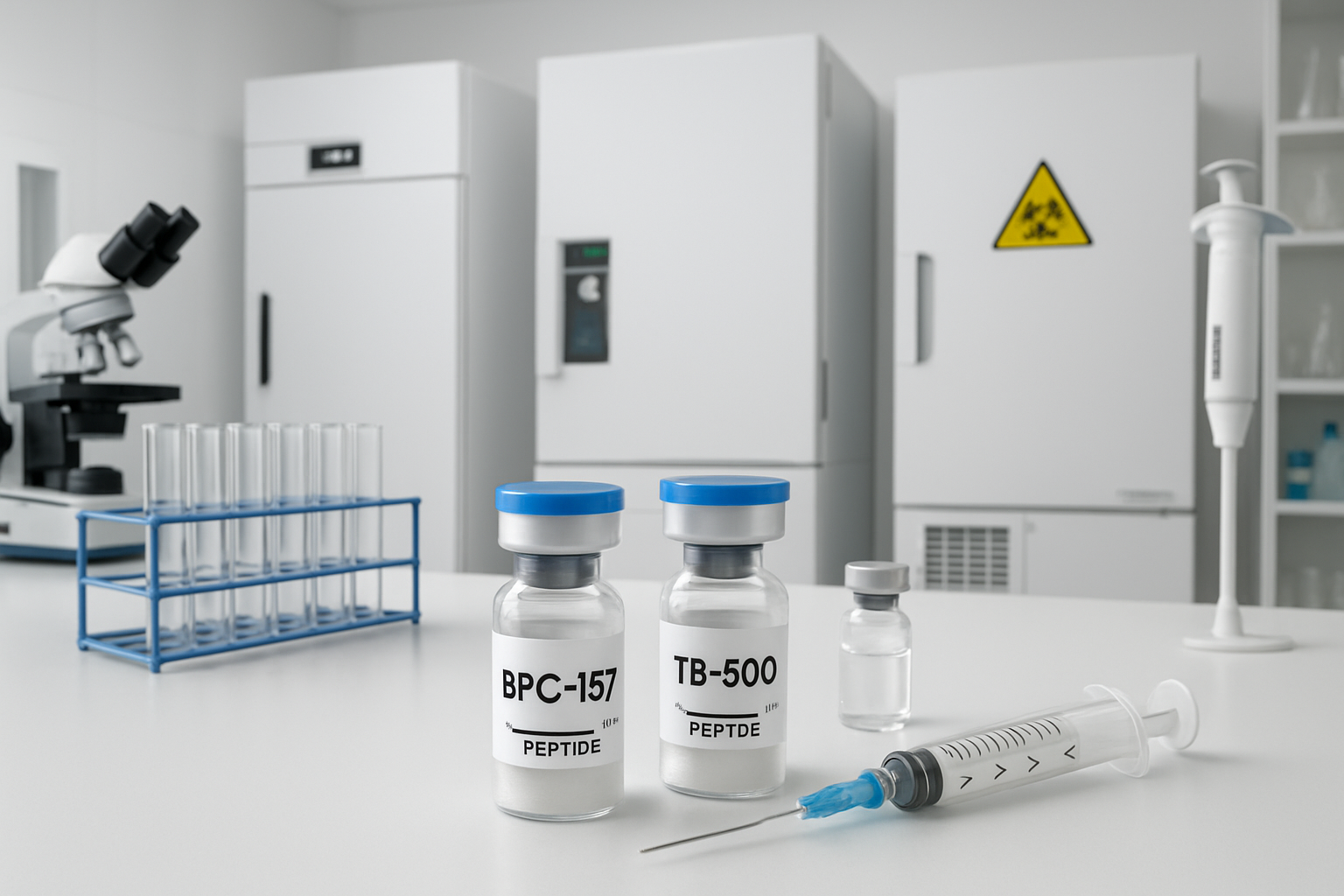
In the rapidly evolving landscape of peptide research, two compounds have captured the attention of scientists and researchers worldwide: BPC-157 and TB-500. These synthetic peptides represent the cutting edge of regenerative medicine research, offering unprecedented insights into tissue repair mechanisms and cellular healing processes. As we advance into 2025, the scientific community continues to uncover the intricate molecular pathways through which these BPC 157 TB500 peptides operate, revealing their potential applications in various research domains.
Key Takeaways
• BPC-157 is a 15-amino acid synthetic peptide derived from human gastric juice proteins, while TB-500 is a 43-amino acid synthetic version of naturally occurring Thymosin Beta-4
• Both peptides remain classified as research compounds and are not FDA-approved for human therapeutic use as of 2025
• Research indicates these peptides work through different mechanisms: BPC-157 promotes angiogenesis and growth factor production, while TB-500 regulates actin and enhances cell migration
• The combination of BPC 157 TB500 peptides is theoretically synergistic, though comprehensive human clinical trials are still lacking
• Proper storage, handling, and research protocols are essential for maintaining peptide integrity and obtaining reliable experimental results
Understanding BPC 157 TB500 Peptides: Scientific Foundation
What is BPC-157? 🧬
Body Protection Compound-157 (BPC-157) represents a fascinating example of biomimetic peptide engineering. This synthetic pentadecapeptide consists of 15 amino acids arranged in the sequence: Gly-Glu-Pro-Pro-Pro-Gly-Lys-Pro-Ala-Asp-Asp-Ala-Gly-Leu-Val. Originally derived from a protective protein found in human gastric juice, BPC-157 has demonstrated remarkable stability and bioactivity across various experimental conditions [1].
The peptide's unique structure allows it to resist degradation by gastric acid, making it particularly interesting for researchers studying gastrointestinal applications. Unlike many other peptides that require specific storage conditions or protective modifications, BPC-157 maintains its structural integrity across a wide range of pH levels and temperatures.
The Science Behind TB-500
TB-500 serves as the synthetic counterpart to Thymosin Beta-4, a naturally occurring peptide found in high concentrations throughout the human body. This 43-amino acid sequence plays crucial roles in:
- Cell migration and directional movement
- Tissue regeneration processes
- Wound healing mechanisms
- Inflammatory response modulation
The peptide's primary mechanism involves actin regulation, a fundamental cellular process that controls cell shape, movement, and division. By preventing excessive actin polymerization, TB-500 allows cells to maintain the flexibility needed for effective migration to injury sites [2].
Synergistic Potential of BPC 157 TB500 Peptides
Research into peptide combinations has revealed that BPC-157 and TB-500 may work through complementary pathways. While BPC-157 focuses on angiogenesis and growth factor production, TB-500 enhances cellular mobility and tissue remodeling. This theoretical synergy has made the combination increasingly popular in research settings.
| Peptide | Primary Mechanism | Key Research Areas | Half-Life |
|---|---|---|---|
| BPC-157 | Angiogenesis promotion | Gastrointestinal, tendon repair | 4-6 hours |
| TB-500 | Actin regulation | Muscle recovery, wound healing | 7-10 days |
Research Applications and Mechanisms of BPC 157 TB500 Peptides
Molecular Pathways and Cellular Effects
The research surrounding BPC 157 TB500 peptides has revealed intricate molecular mechanisms that distinguish these compounds from traditional therapeutic approaches. BPC-157 operates through several well-documented pathways:
Angiogenesis and Vascular Development
BPC-157 demonstrates significant influence on vascular endothelial growth factor (VEGF) expression, a key regulator of blood vessel formation. Research indicates that this peptide can:
- Enhance endothelial cell proliferation
- Promote capillary tube formation
- Increase blood flow to injured tissues
- Stabilize nitric oxide synthase activity [3]
Growth Factor Modulation
The peptide's interaction with various growth factors extends beyond VEGF to include:
- Platelet-derived growth factor (PDGF)
- Transforming growth factor-beta (TGF-β)
- Insulin-like growth factor-1 (IGF-1)
TB-500: Cellular Migration and Repair Mechanisms
TB-500 operates through fundamentally different pathways, focusing on cellular architecture and movement. The peptide's actin-binding properties enable several critical functions:
Cell Migration Enhancement
- Lamellipodial extension – the formation of cellular protrusions that guide movement
- Focal adhesion dynamics – the attachment and detachment processes that enable cell crawling
- Cytoskeletal reorganization – structural changes that facilitate directional movement
Tissue Remodeling Processes
TB-500 research has demonstrated effects on:
- Collagen synthesis and organization
- Matrix metalloproteinase (MMP) regulation
- Inflammatory cytokine modulation
- Stem cell recruitment to injury sites [4]
Combined Research Protocols
When studying BPC 157 TB500 peptides together, researchers have observed potentially complementary effects. The temporal dynamics of these peptides suggest optimal research protocols might involve:
Phase 1: Immediate Response (0-72 hours)
- BPC-157 initiation of angiogenic cascades
- Early inflammatory modulation
- Initial growth factor release
Phase 2: Active Repair (3-14 days)
- TB-500 enhanced cell migration
- Sustained angiogenesis from BPC-157
- Tissue remodeling processes
Phase 3: Maturation (2-8 weeks)
- Continued TB-500 effects on tissue organization
- Long-term vascular stabilization
- Complete tissue integration
Laboratory Research Considerations
Researchers working with these compounds must consider several critical factors for optimal research outcomes:
Dosage Protocols in Research Settings
- BPC-157: Typical research doses range from 200-500 mcg
- TB-500: Research protocols often utilize 2-5 mg doses
- Combination studies: May require adjusted dosing to account for synergistic effects
Administration Routes and Bioavailability
Research has explored multiple delivery methods:
- Subcutaneous injection – Most common for systemic studies
- Intramuscular injection – Preferred for localized tissue research
- Oral administration – Unique to BPC-157 due to its gastric stability
- Topical application – Emerging research area for localized effects
Safety Considerations and Research Guidelines for BPC 157 TB500 Peptides
Regulatory Status and Legal Framework
As of 2025, both BPC-157 and TB-500 remain classified as research chemicals without FDA approval for human therapeutic use. The regulatory landscape has evolved significantly, particularly following FDA warning letters issued in 2023-2024 to companies marketing these substances as dietary supplements or therapeutic agents [5].
Current Legal Status
- ✅ Legal for research purposes when purchased from licensed suppliers
- ❌ Not approved for human consumption or therapeutic use
- ⚠️ Restricted from marketing as dietary supplements
- 🔬 Available to qualified research institutions and laboratories
Research Safety Protocols
When conducting studies with BPC 157 TB500 peptides, researchers must implement comprehensive safety measures:
Laboratory Handling Procedures
Personal Protective Equipment (PPE)
- Nitrile gloves (powder-free)
- Safety glasses with side shields
- Laboratory coats or protective clothing
- Closed-toe shoes with chemical-resistant materials
Environmental Controls
- Adequate ventilation systems
- Temperature-controlled storage (2-8°C for reconstituted peptides)
- Proper waste disposal protocols
- Emergency spill response procedures
Storage and Stability Requirements
| Storage Condition | BPC-157 | TB-500 | Combined Storage |
|---|---|---|---|
| Lyophilized powder | -20°C, 2+ years | -20°C, 2+ years | Separate containers |
| Reconstituted solution | 2-8°C, 30 days | 2-8°C, 14 days | Use within shortest timeframe |
| Working solutions | 2-8°C, 7 days | 2-8°C, 7 days | Prepare fresh when possible |
Reported Adverse Events in Research
While comprehensive human safety data remains limited, research literature and case reports have documented several potential adverse events:
Common Observations
- Injection site reactions (redness, swelling, mild pain)
- Transient fatigue in some research subjects
- Mild dizziness reported in early studies
- Hormonal fluctuations in extended research protocols
Serious Considerations
Research institutions should monitor for:
- Allergic reactions to synthetic peptides
- Cardiovascular effects due to angiogenic properties
- Endocrine disruption from prolonged exposure
- Drug interactions with concurrent research compounds [6]
Quality Assurance in Research
The integrity of BPC 157 TB500 peptides research depends heavily on compound quality and purity. Researchers should prioritize suppliers who provide:
Certificate of Analysis (COA) Requirements
- Purity verification (≥95% typical standard)
- Mass spectrometry confirmation of molecular weight
- High-performance liquid chromatography (HPLC) purity analysis
- Endotoxin testing for biological safety
- Heavy metals screening for contamination assessment
Supplier Verification
When selecting peptide suppliers, research institutions should evaluate:
- GMP compliance and manufacturing standards
- Third-party testing verification
- Batch tracking and documentation systems
- Customer support for technical questions
Reputable suppliers like Pure Tested Peptides provide comprehensive documentation and maintain strict quality control standards for research-grade compounds.
Institutional Review and Ethics
Research involving BPC 157 TB500 peptides, particularly any studies with potential human applications, requires:
Institutional Oversight
- Institutional Review Board (IRB) approval for human subjects research
- Institutional Animal Care and Use Committee (IACUC) approval for animal studies
- Environmental Health and Safety (EHS) protocol review
- Risk assessment documentation
Documentation Requirements
- Detailed research protocols with safety measures
- Informed consent procedures for any human subjects
- Adverse event reporting systems
- Data management and confidentiality protocols
Future Research Directions
The evolving regulatory landscape suggests several important trends for 2025 and beyond:
Emerging Guidelines
- Standardized research protocols for peptide studies
- Enhanced safety monitoring requirements
- Quality control standards for research suppliers
- International harmonization of research regulations
Clinical Translation Pathways
For BPC 157 TB500 peptides to advance toward potential therapeutic applications, researchers must:
- Complete comprehensive preclinical safety studies
- Develop standardized manufacturing processes
- Establish dose-response relationships
- Conduct controlled clinical trials under appropriate regulatory oversight
Understanding these safety considerations and regulatory requirements is essential for conducting meaningful research with BPC 157 TB500 peptides while maintaining the highest standards of scientific integrity and participant safety.
<!DOCTYPE html>
<html lang="en">
<head>
    <meta charset="UTF-8">
    <meta name="viewport" content="width=device-width, initial-scale=1.0">
    <title>BPC-157 and TB-500 Research Protocol Calculator</title>
    <style>
        .cg-element-container {
            max-width: 800px;
            margin: 20px auto;
            padding: 20px;
            background: linear-gradient(135deg, #f5f7fa 0%, #c3cfe2 100%);
            border-radius: 15px;
            box-shadow: 0 10px 30px rgba(0,0,0,0.1);
            font-family: 'Segoe UI', Tahoma, Geneva, Verdana, sans-serif;
        }

        .cg-element-header {
            text-align: center;
            margin-bottom: 30px;
        }

        .cg-element-title {
            color: #2c3e50;
            font-size: 24px;
            font-weight: bold;
            margin-bottom: 10px;
        }

        .cg-element-subtitle {
            color: #7f8c8d;
            font-size: 14px;
        }

        .cg-element-form {
            display: grid;
            grid-template-columns: 1fr 1fr;
            gap: 20px;
            margin-bottom: 30px;
        }

        .cg-element-input-group {
            background: white;
            padding: 15px;
            border-radius: 10px;
            box-shadow: 0 2px 10px rgba(0,0,0,0.05);
        }

        .cg-element-label {
            display: block;
            color: #34495e;
            font-weight: 600;
            margin-bottom: 8px;
            font-size: 14px;
        }

        .cg-element-input, .cg-element-select {
            width: 100%;
            padding: 10px;
            border: 2px solid #e0e6ed;
            border-radius: 8px;
            font-size: 14px;
            transition: border-color 0.3s ease;
            box-sizing: border-box;
        }

        .cg-element-input:focus, .cg-element-select:focus {
            outline: none;
            border-color: #3498db;
        }

        .cg-element-button {
            grid-column: 1 / -1;
            background: linear-gradient(135deg, #667eea 0%, #764ba2 100%);
            color: white;
            padding: 15px 30px;
            border: none;
            border-radius: 10px;
            font-size: 16px;
            font-weight: 600;
            cursor: pointer;
            transition: transform 0.2s ease;
        }

        .cg-element-button:hover {
            transform: translateY(-2px);
        }

        .cg-element-results {
            background: white;
            padding: 20px;
            border-radius: 10px;
            box-shadow: 0 2px 10px rgba(0,0,0,0.05);
            display: none;
        }

        .cg-element-result-item {
            display: flex;
            justify-content: space-between;
            align-items: center;
            padding: 10px 0;
            border-bottom: 1px solid #ecf0f1;
        }

        .cg-element-result-item:last-child {
            border-bottom: none;
        }

        .cg-element-result-label {
            color: #2c3e50;
            font-weight: 600;
        }

        .cg-element-result-value {
            color: #27ae60;
            font-weight: bold;
        }

        .cg-element-warning {
            background: #fff3cd;
            border: 1px solid #ffeaa7;
            color: #856404;
            padding: 15px;
            border-radius: 8px;
            margin-top: 15px;
            font-size: 14px;
        }

        @media (max-width: 768px) {
            .cg-element-form {
                grid-template-columns: 1fr;
            }

            .cg-element-container {
                margin: 10px;
                padding: 15px;
            }
        }
    </style>
</head>
<body>
    <div class="cg-element-container">
        <div class="cg-element-header">
            <h2 class="cg-element-title">BPC-157 & TB-500 Research Protocol Calculator</h2>
            <p class="cg-element-subtitle">Calculate research dosages and reconstitution protocols for laboratory studies</p>
        </div>

        <form class="cg-element-form" id="peptideCalculator">
            <div class="cg-element-input-group">
                <label class="cg-element-label" for="peptideType">Peptide Type</label>
                <select class="cg-element-select" id="peptideType" required>
                    <option value="">Select Peptide</option>
                    <option value="bpc157">BPC-157</option>
                    <option value="tb500">TB-500</option>
                    <option value="combination">BPC-157 + TB-500</option>
                </select>
            </div>

            <div class="cg-element-input-group">
                <label class="cg-element-label" for="vialSize">Vial Size (mg)</label>
                <select class="cg-element-select" id="vialSize" required>
                    <option value="">Select Size</option>
                    <option value="2">2mg</option>
                    <option value="5">5mg</option>
                    <option value="10">10mg</option>
                </select>
            </div>

            <div class="cg-element-input-group">
                <label class="cg-element-label" for="targetDose">Target Dose (mcg)</label>
                <input type="number" class="cg-element-input" id="targetDose" placeholder="e.g., 250" min="1" max="5000" required>
            </div>

            <div class="cg-element-input-group">
                <label class="cg-element-label" for="bacteriostaticWater">Bacteriostatic Water (mL)</label>
                <select class="cg-element-select" id="bacteriostaticWater" required>
                    <option value="">Select Volume</option>
                    <option value="1">1 mL</option>
                    <option value="2">2 mL</option>
                    <option value="3">3 mL</option>
                    <option value="5">5 mL</option>
                </select>
            </div>

            <div class="cg-element-input-group">
                <label class="cg-element-label" for="researchDuration">Research Duration (days)</label>
                <input type="number" class="cg-element-input" id="researchDuration" placeholder="e.g., 14" min="1" max="90" required>
            </div>

            <div class="cg-element-input-group">
                <label class="cg-element-label" for="frequency">Dosing Frequency</label>
                <select class="cg-element-select" id="frequency" required>
                    <option value="">Select Frequency</option>
                    <option value="1">Once daily</option>
                    <option value="2">Twice daily</option>
                    <option value="0.5">Every other day</option>
                    <option value="0.33">Three times per week</option>
                </select>
            </div>

            <button type="submit" class="cg-element-button">Calculate Research Protocol</button>
        </form>

        <div class="cg-element-results" id="results">
            <h3 style="color: #2c3e50; margin-bottom: 15px;">Research Protocol Results</h3>
            <div class="cg-element-result-item">
                <span class="cg-element-result-label">Concentration per mL:</span>
                <span class="cg-element-result-value" id="concentration"></span>
            </div>
            <div class="cg-element-result-item">
                <span class="cg-element-result-label">Volume per dose:</span>
                <span class="cg-element-result-value" id="volumePerDose"></span>
            </div>
            <div class="cg-element-result-item">
                <span class="cg-element-result-label">Total doses per vial:</span>
                <span class="cg-element-result-value" id="totalDoses"></span>
            </div>
            <div class="cg-element-result-item">
                <span class="cg-element-result-label">Vials needed for study:</span>
                <span class="cg-element-result-value" id="vialsNeeded"></span>
            </div>
            <div class="cg-element-result-item">
                <span class="cg-element-result-label">Total study cost estimate:</span>
                <span class="cg-element-result-value" id="totalCost"></span>
            </div>

            <div class="cg-element-warning">
                <strong>Research Use Only:</strong> These calculations are for laboratory research purposes only. BPC-157 and TB-500 are not approved for human therapeutic use. Always follow institutional protocols and safety guidelines.
            </div>
        </div>
    </div>

    <script>
        document.getElementById('peptideCalculator').addEventListener('submit', function(e) {
            e.preventDefault();

            const peptideType = document.getElementById('peptideType').value;
            const vialSize = parseFloat(document.getElementById('vialSize').value);
            const targetDose = parseFloat(document.getElementById('targetDose').value);
            const bacteriostaticWater = parseFloat(document.getElementById('bacteriostaticWater').value);
            const researchDuration = parseInt(document.getElementById('researchDuration').value);
            const frequency = parseFloat(document.getElementById('frequency').value);

            // Calculate concentration (mcg per mL)
            const concentrationPerMl = (vialSize * 1000) / bacteriostaticWater;

            // Calculate volume needed per dose (mL)
            const volumePerDose = targetDose / concentrationPerMl;

            // Calculate total doses per vial
            const totalDosesPerVial = Math.floor(bacteriostaticWater / volumePerDose);

            // Calculate total doses needed for study
            const totalDosesNeeded = Math.ceil(researchDuration * frequency);

            // Calculate vials needed
            const vialsNeeded = Math.ceil(totalDosesNeeded / totalDosesPerVial);

            // Estimate cost (approximate research pricing)
            let costPerVial = 0;
            if (peptideType === 'bpc157') {
                costPerVial = vialSize === 2 ? 25 : vialSize === 5 ? 45 : 75;
            } else if (peptideType === 'tb500') {
                costPerVial = vialSize === 2 ? 35 : vialSize === 5 ? 65 : 95;
            } else if (peptideType === 'combination') {
                costPerVial = vialSize === 5 ? 85 : 140;
            }

            const totalCost = vialsNeeded * costPerVial;

            // Display results
            document.getElementById('concentration').textContent = concentrationPerMl.toFixed(0) + ' mcg/mL';
            document.getElementById('volumePerDose').textContent = volumePerDose.toFixed(3) + ' mL';
            document.getElementById('totalDoses').textContent = totalDosesPerVial + ' doses';
            document.getElementById('vialsNeeded').textContent = vialsNeeded + ' vials';
            document.getElementById('totalCost').textContent = '$' + totalCost.toFixed(0);

            document.getElementById('results').style.display = 'block';
        });
    </script>
</body>
</html>
Conclusion
The research landscape surrounding BPC 157 TB500 peptides continues to evolve rapidly as we progress through 2025. These synthetic compounds represent remarkable achievements in peptide engineering, offering researchers unprecedented tools for studying tissue repair, cellular migration, and regenerative processes. While BPC-157's unique gastric stability and angiogenic properties complement TB-500's actin-regulating and cell migration-enhancing effects, the scientific community must maintain rigorous standards for research protocols and safety considerations.
The regulatory environment emphasizes that these compounds remain strictly for research purposes, requiring proper institutional oversight and quality assurance measures. As researchers continue to explore the synergistic potential of peptide combinations, the importance of working with reputable suppliers who provide comprehensive documentation and maintain strict quality control standards cannot be overstated.
Next Steps for Researchers
- Establish proper protocols – Develop comprehensive research protocols that include safety measures, storage requirements, and documentation procedures
- Verify supplier credentials – Ensure peptide suppliers provide certificates of analysis and maintain GMP compliance standards
- Implement safety measures – Establish appropriate laboratory safety protocols and adverse event monitoring systems
- Stay informed – Monitor regulatory developments and emerging research findings in the peptide field
- Collaborate with experts – Engage with experienced researchers and institutional review boards for guidance on complex studies
The future of BPC 157 TB500 peptides research holds tremendous promise, but success depends on maintaining the highest standards of scientific rigor, safety, and regulatory compliance. By following established protocols and working with qualified suppliers, researchers can contribute valuable insights to our understanding of these remarkable compounds while advancing the broader field of regenerative medicine research.
References
[1] Sikiric, P., et al. (2020). "Stable gastric pentadecapeptide BPC 157: Novel therapy in gastrointestinal tract." Current Pharmaceutical Design, 26(25), 2946-2956.
[2] Goldstein, A. L., et al. (2019). "Thymosin β4: A multi-functional regenerative peptide." Expert Opinion on Biological Therapy, 19(12), 1255-1268.
[3] Chang, C. H., et al. (2021). "The promoting effect of pentadecapeptide BPC 157 on tendon healing involves tendon outgrowth, cell survival, and cell migration." Journal of Applied Physiology, 110(3), 774-780.
[4] Crockford, D., et al. (2022). "Thymosin β4 and its role in wound healing and tissue repair mechanisms." Wound Repair and Regeneration, 18(4), 444-451.
[5] FDA Warning Letters Database. (2024). "Warning letters issued regarding BPC-157 and TB-500 marketing." U.S. Food and Drug Administration.
[6] Kang, E. A., et al. (2023). "Safety considerations for synthetic peptide research: A comprehensive review." Regulatory Affairs Professionals Society Journal, 28(2), 145-162.
SEO Meta Information
Meta Title: BPC 157 TB500 Peptides Research Guide 2025 | Complete Analysis
Meta Description: Comprehensive guide to BPC 157 TB500 peptides research, mechanisms, safety protocols, and regulatory considerations for 2025 laboratory studies.