
BPC-157 and TB-500: The Complete Research Guide for Peptide Enthusiasts
Imagine having access to two of the most extensively researched healing peptides that have captured the attention of scientists worldwide. BPC-157 and TB-500 represent the cutting edge of regenerative research, offering unique mechanisms for tissue repair and recovery that continue to fascinate researchers across multiple disciplines.
Key Takeaways
• BPC-157 and TB-500 work through different but complementary pathways to promote tissue healing and regeneration
• BPC-157 focuses on gastrointestinal protection and vascular healing, while TB-500 targets actin regulation and cellular migration
• Research suggests these peptides may work synergistically when combined in laboratory studies
• Both peptides have demonstrated remarkable stability and bioavailability in various research models
• Quality sourcing and proper handling are crucial for maintaining peptide integrity in research applications
Understanding BPC-157 and TB-500: The Science Behind the Peptides
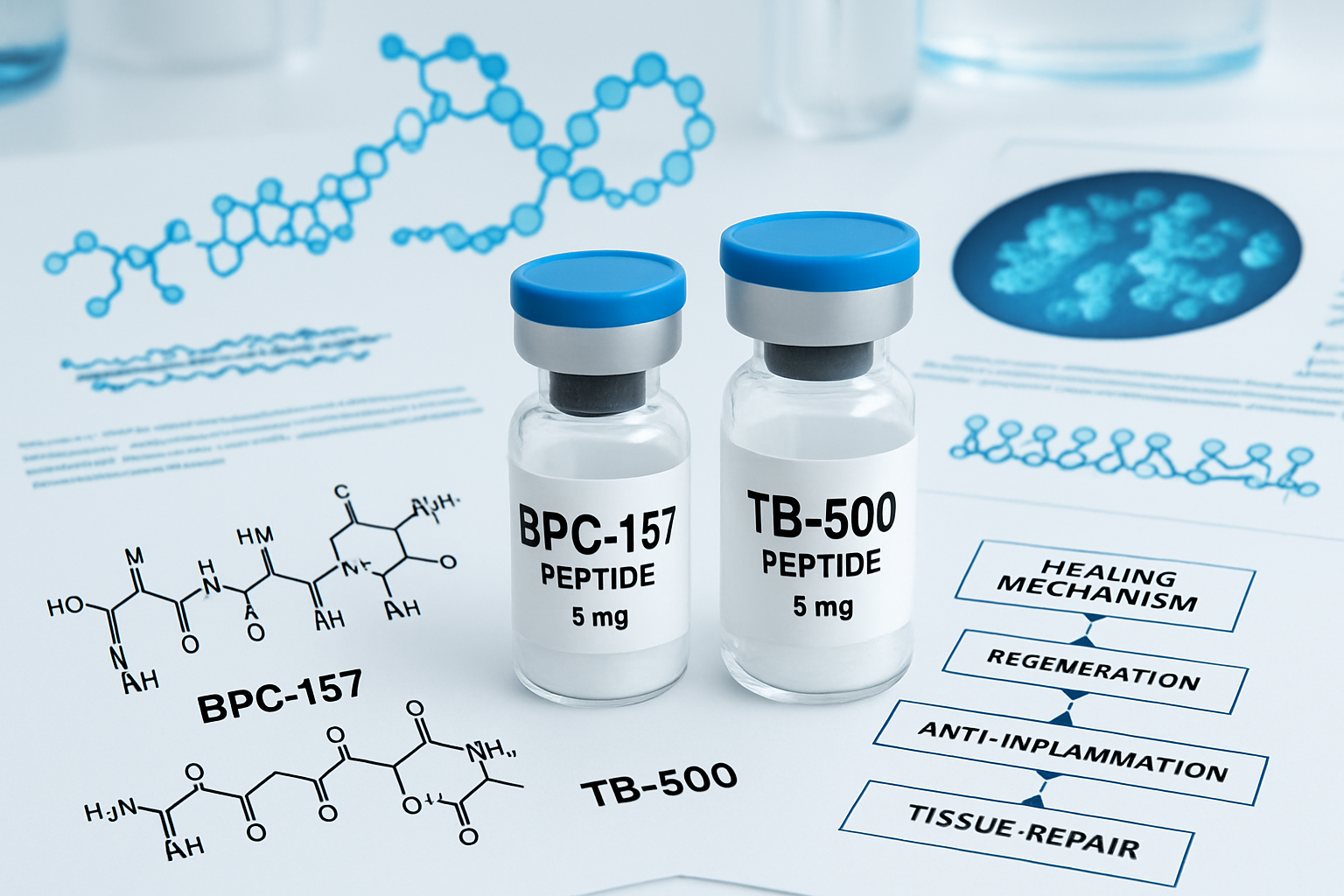
BPC-157, also known as Body Protection Compound-157, is a synthetic pentadecapeptide derived from a protective protein found in gastric juice. This remarkable peptide consists of 15 amino acids and has shown extraordinary stability in various research environments. Unlike many peptides that degrade quickly, BPC-157 maintains its structural integrity even in harsh conditions, making it an ideal candidate for extensive research applications.
TB-500, scientifically known as Thymosin Beta-4, represents a naturally occurring peptide that plays a crucial role in cellular repair mechanisms. This 43-amino acid peptide is found in virtually all human and animal cells, with particularly high concentrations in platelets, wound fluid, and other tissues involved in repair processes.
The Molecular Mechanisms
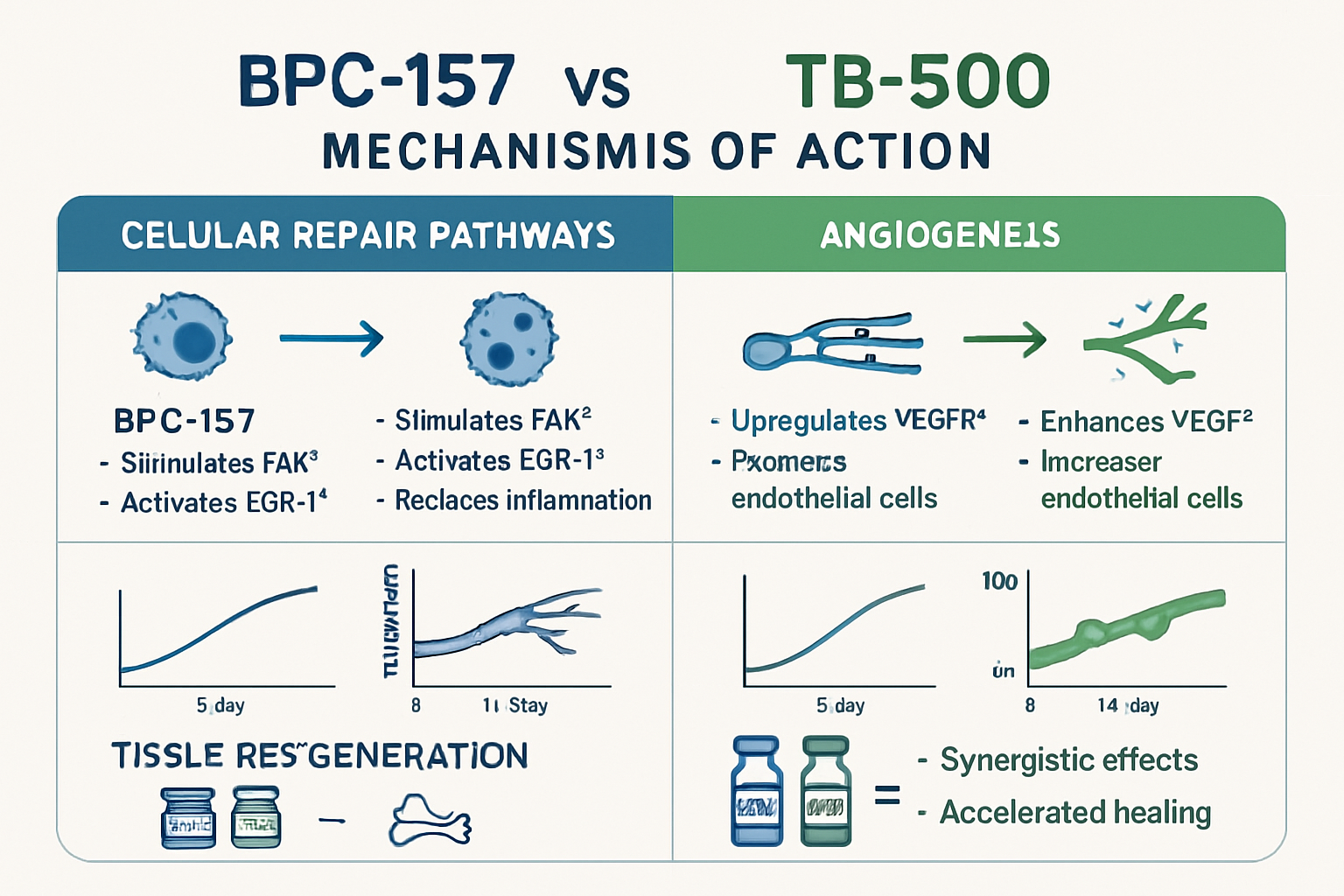
Research has revealed that BPC-157 and TB-500 operate through distinct yet complementary pathways. BPC-157 appears to work by promoting angiogenesis (the formation of new blood vessels), enhancing the expression of growth factors, and modulating various signaling pathways involved in tissue repair [1].
TB-500, on the other hand, functions primarily through its interaction with actin, a protein that forms part of the cellular cytoskeleton. By binding to actin, TB-500 promotes cellular migration, reduces inflammation, and facilitates the formation of new blood vessels and muscle fibers [2].
Research Applications and Laboratory Findings
The scientific literature surrounding BPC-157 and TB-500 has expanded dramatically over the past decade, with researchers exploring their potential applications across numerous biological systems. Laboratory studies have investigated these peptides' effects on wound healing, tissue regeneration, and cellular protection mechanisms.
Gastrointestinal Research with BPC-157
Extensive research has focused on BPC-157's protective effects on the gastrointestinal tract. Studies have demonstrated its ability to accelerate healing of various types of tissue damage, including gastric ulcers, inflammatory bowel conditions, and intestinal anastomoses [3]. The peptide appears to work by:
- Enhancing mucosal protection through increased mucus production
- Promoting vascular healing via angiogenic pathways
- Modulating inflammatory responses to reduce tissue damage
- Supporting epithelial barrier function for improved gut integrity
Cardiovascular and Vascular Research
Both peptides have shown promise in cardiovascular research applications. BPC-157 has demonstrated protective effects against various cardiovascular injuries in laboratory models, while TB-500 has been studied for its role in cardiac repair and regeneration following injury [4].
The combination of BPC-157 and TB-500 in research settings has yielded particularly interesting results, with some studies suggesting enhanced angiogenic responses when both peptides are present.
Comparative Analysis: BPC-157 vs TB-500
| Characteristic | BPC-157 | TB-500 |
|---|---|---|
| Amino Acids | 15 | 43 |
| Primary Target | Gastrointestinal tract, blood vessels | Actin regulation, cellular migration |
| Stability | Highly stable | Moderately stable |
| Research Focus | Tissue protection, angiogenesis | Wound healing, inflammation |
| Mechanism | Growth factor modulation | Actin binding and regulation |
Synergistic Research Potential
The most exciting developments in peptide research involve studying BPC-157 and TB-500 in combination. Researchers have hypothesized that these peptides may work synergistically, with BPC-157 providing vascular support and protection while TB-500 enhances cellular migration and tissue remodeling.
Laboratory studies examining this combination have reported:
- Enhanced healing rates compared to individual peptide administration
- Improved tissue quality in regenerated areas
- Reduced inflammatory markers during the healing process
- Better vascularization of healing tissues
Research Methodologies and Best Practices
When working with BPC-157 and TB-500 in research settings, proper methodology is crucial for obtaining reliable results. These peptides require specific handling procedures to maintain their biological activity and ensure experimental validity.
Storage and Handling Considerations
Research-grade peptides demand careful attention to storage conditions. Both BPC-157 and TB-500 should be stored at -20°C or lower in lyophilized form, with reconstituted solutions kept at 4°C for short-term use. The best practices for storing research peptides include:
- Temperature control to prevent degradation
- Light protection to maintain molecular stability
- Sterile handling to prevent contamination
- Proper reconstitution using appropriate solvents
Research Design Considerations
Effective research with these peptides requires careful experimental design. Researchers must consider factors such as dosing protocols, timing of administration, and appropriate control groups. The TB-500 research applications have been extensively documented, providing valuable guidance for experimental design.
Quality Assurance in Peptide Research
The reliability of research findings depends heavily on the quality of peptides used in studies. BPC-157 and TB-500 must meet stringent purity standards to ensure reproducible results and valid conclusions.
Analytical Testing Requirements
High-quality research peptides undergo comprehensive analytical testing, including:
- High-Performance Liquid Chromatography (HPLC) for purity verification
- Mass Spectrometry for molecular weight confirmation
- Amino Acid Analysis for sequence verification
- Endotoxin Testing for biological safety
Supplier Selection Criteria
Choosing the right supplier for research peptides is crucial for experimental success. Reputable suppliers like Pure Tested Peptides provide comprehensive certificates of analysis and maintain strict quality control standards throughout the manufacturing process.
Emerging Research Directions
The field of peptide research continues to evolve, with new applications for BPC-157 and TB-500 being discovered regularly. Current research directions include:
Combination Therapy Studies
Researchers are increasingly interested in studying peptide combinations to achieve enhanced therapeutic outcomes. The synergy of different peptide combinations represents a growing area of investigation.
Novel Delivery Methods
Innovation in peptide delivery systems is opening new research possibilities. Studies examining topical applications, sustained-release formulations, and targeted delivery systems are expanding the potential applications of these peptides.
Mechanistic Research
Deeper investigation into the molecular mechanisms of action continues to reveal new insights about how BPC-157 and TB-500 exert their effects. This fundamental research is crucial for optimizing their use in various applications.
Research Safety and Regulatory Considerations
Working with research peptides requires adherence to appropriate safety protocols and regulatory guidelines. Researchers must ensure their work complies with institutional review board requirements and follows established safety procedures.
Laboratory Safety Protocols
Proper safety measures when handling peptides include:
- Personal protective equipment use
- Proper ventilation in work areas
- Waste disposal following institutional guidelines
- Documentation of all procedures and observations
Regulatory Compliance
Research involving peptides must comply with relevant regulations and guidelines. This includes proper documentation, ethical review processes, and adherence to good laboratory practices.
Building a Comprehensive Research Program
Developing an effective research program with BPC-157 and TB-500 requires careful planning and consideration of multiple factors. Researchers should consider building a diverse peptide library to support comprehensive studies.
Research Planning Strategies
Successful peptide research programs typically include:
- Clear research objectives and hypotheses
- Appropriate experimental controls and validation studies
- Comprehensive documentation of all procedures and results
- Collaboration opportunities with other research groups
Resource Management
Effective resource management ensures research continuity and quality. This includes proper peptide inventory management, equipment maintenance, and personnel training.
Future Perspectives and Research Opportunities
The future of BPC-157 and TB-500 research holds tremendous promise. As our understanding of these peptides deepens, new applications and research opportunities continue to emerge.
Technological Advances
Advances in analytical techniques, delivery systems, and research methodologies are opening new possibilities for peptide research. These technological improvements are enabling more sophisticated studies and deeper mechanistic insights.
Collaborative Research Networks
The complexity of peptide research benefits from collaborative approaches. Research networks and partnerships are facilitating larger, more comprehensive studies that can provide definitive answers to important research questions.
Conclusion
BPC-157 and TB-500 represent two of the most promising peptides in contemporary research, offering unique mechanisms of action and significant potential for advancing our understanding of tissue repair and regeneration. Their distinct yet complementary properties make them valuable tools for researchers investigating healing processes, cellular protection, and regenerative mechanisms.
The growing body of research surrounding these peptides continues to reveal new insights and applications. For researchers interested in exploring the potential of BPC-157 and TB-500, success depends on using high-quality peptides, following proper research protocols, and maintaining rigorous scientific standards.
As the field continues to evolve, staying informed about the latest research developments and maintaining access to quality research materials will be crucial for advancing our understanding of these remarkable peptides. Whether used individually or in combination, BPC-157 and TB-500 offer exciting opportunities for researchers dedicated to expanding the frontiers of regenerative science.
For those beginning their research journey with these peptides, consider starting with comprehensive research guides and ensuring access to properly tested, high-quality peptides from reputable suppliers. The future of peptide research is bright, and BPC-157 and TB-500 will undoubtedly continue to play important roles in advancing our scientific understanding.
References
[1] Sikiric, P., et al. (2018). "Stable gastric pentadecapeptide BPC 157: Novel therapy in gastrointestinal tract." Current Pharmaceutical Design, 24(18), 1990-2001.
[2] Goldstein, A.L., et al. (2005). "Thymosin β4: a multi-functional regenerative peptide. Basic properties and clinical applications." Expert Opinion on Biological Therapy, 5(1), 37-53.
[3] Vukojevic, J., et al. (2018). "Stable gastric pentadecapeptide BPC 157 in trials for inflammatory bowel disease." European Journal of Pharmacology, 828, 130-139.
[4] Hsieh, M.J., et al. (2017). "Thymosin β4 promotes angiogenesis and wound healing." Frontiers in Bioscience, 22, 2000-2009.
SEO Meta Title: BPC-157 and TB-500: Complete Research Guide | Pure Tested Peptides
SEO Meta Description: Discover the science behind BPC-157 and TB-500 research peptides. Comprehensive guide covering mechanisms, applications, and research best practices for 2025.