
The Complete Guide to BPC157 TB500 Blend: Research Applications and Laboratory Insights
Imagine a peptide combination that has captured the attention of researchers worldwide for its potential synergistic effects in tissue repair and cellular regeneration studies. The bpc157 tb500 blend represents one of the most extensively researched peptide combinations in modern laboratory science, offering unique opportunities for investigating healing mechanisms and tissue recovery processes.
This powerful combination brings together two well-studied peptides: BPC-157 (Body Protection Compound-157) and TB-500 (Thymosin Beta-4), each with distinct molecular pathways that researchers believe may complement each other in laboratory applications. Understanding this blend requires examining both individual components and their potential synergistic interactions in controlled research environments.
Key Takeaways
• BPC157 TB500 blend combines two extensively researched peptides with complementary mechanisms for tissue repair and cellular regeneration studies
• Laboratory applications focus on wound healing, angiogenesis, and tissue recovery research in controlled experimental settings
• Proper reconstitution and storage protocols are critical for maintaining peptide stability and research integrity
• Dosage considerations vary significantly based on research objectives and experimental design parameters
• Quality sourcing from reputable suppliers ensures consistent results and reliable research outcomes
Understanding the BPC157 TB500 Blend Components
What is BPC-157?
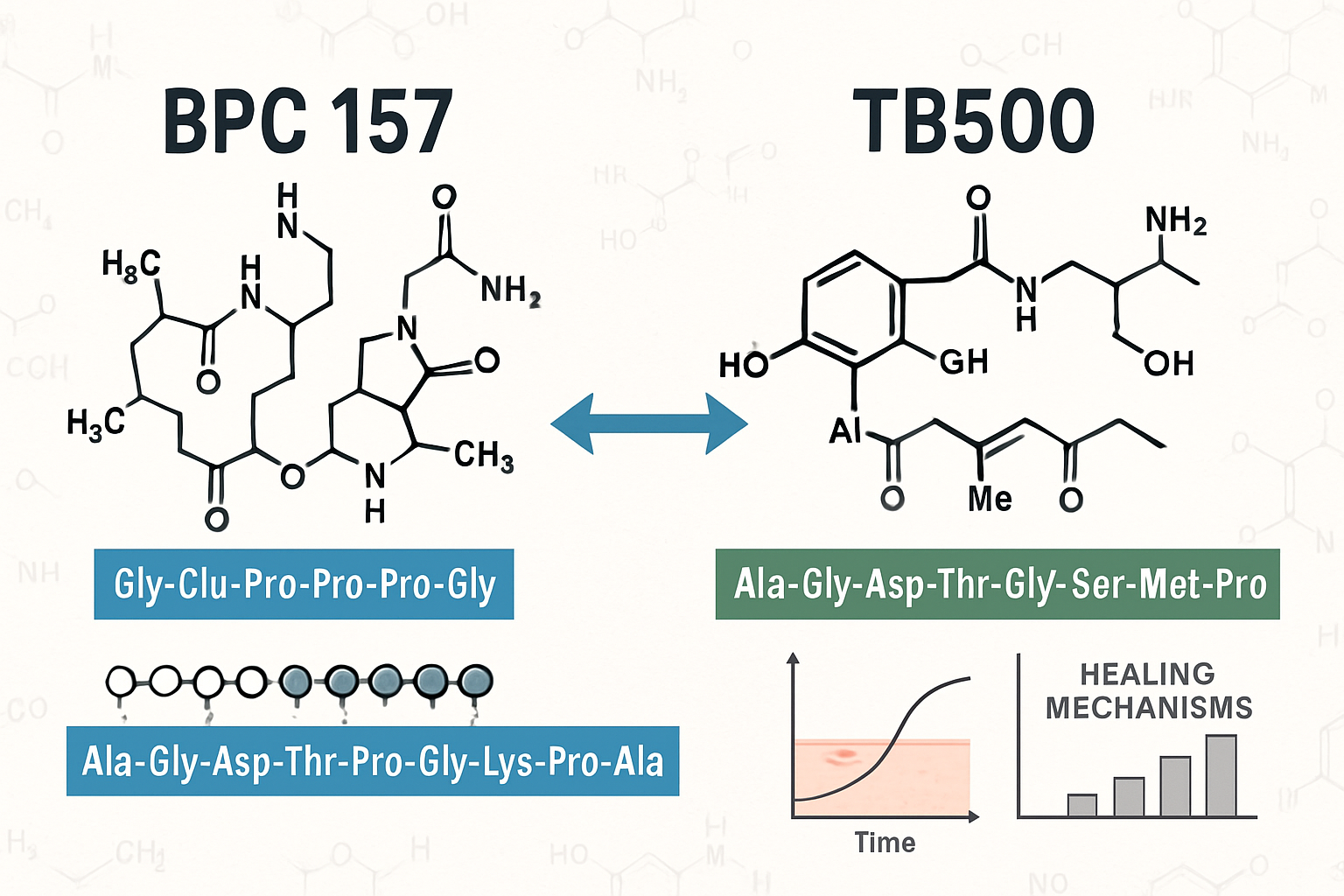
BPC-157, scientifically known as Body Protection Compound-157, is a pentadecapeptide derived from a protective protein found in human gastric juice. This synthetic peptide consists of 15 amino acids and has been the subject of numerous research studies since its discovery. Laboratory investigations have focused on its potential mechanisms in tissue repair, angiogenesis, and cellular protection processes.
Research has demonstrated that BPC-157 exhibits remarkable stability compared to many other peptides, maintaining its structural integrity across various pH levels and temperature conditions. This stability makes it particularly valuable for laboratory applications where consistent results are essential.
The peptide's molecular structure allows it to interact with multiple biological pathways, including the nitric oxide pathway, growth factor signaling, and inflammatory response modulation. These diverse mechanisms have made it a popular choice for researchers studying tissue repair and regenerative processes.
Understanding TB-500 (Thymosin Beta-4)
TB-500 is a synthetic version of Thymosin Beta-4, a naturally occurring peptide found in high concentrations in blood platelets, wound fluid, and other tissues. This 43-amino acid peptide has been extensively studied for its role in cellular migration, angiogenesis, and tissue repair mechanisms.
The peptide's primary mechanism involves actin regulation, a crucial process in cellular movement and tissue remodeling. By binding to actin, TB-500 influences cell migration patterns and promotes the formation of new blood vessels, processes that are fundamental to tissue repair and regeneration.
Laboratory studies have shown that TB-500 demonstrates excellent bioavailability and tissue penetration properties, making it an ideal candidate for research applications requiring systemic distribution. Its relatively long half-life compared to other peptides also contributes to its research utility.
For researchers interested in exploring TB-500 further, high-quality TB-500 10mg vials are available for laboratory applications.
Research Applications of BPC157 TB500 Blend
Tissue Repair and Wound Healing Studies
The combination of BPC-157 and TB-500 in research settings has shown promising results in tissue repair studies. Laboratory investigations suggest that the bpc157 tb500 blend may offer enhanced effects compared to individual peptide administration, though the exact mechanisms of synergy continue to be studied.
Research protocols typically focus on several key areas:
Wound Healing Mechanisms:
- Cellular migration enhancement
- Collagen synthesis promotion
- Inflammatory response modulation
- Angiogenesis stimulation
Tissue Recovery Applications:
- Tendon and ligament repair studies
- Muscle tissue regeneration research
- Bone healing investigations
- Skin repair mechanisms
Laboratory studies have documented improved healing timelines in various tissue types when both peptides are used in combination. The complementary mechanisms appear to address different aspects of the healing process, potentially creating a more comprehensive approach to tissue repair research.
Angiogenesis and Vascular Research
One of the most studied aspects of the bpc157 tb500 blend involves its effects on angiogenesis – the formation of new blood vessels. Both peptides have demonstrated pro-angiogenic properties in laboratory settings, but their combination may offer enhanced vascular development potential.
Research applications in this area include:
| Research Focus | BPC-157 Contribution | TB-500 Contribution |
|---|---|---|
| Vessel Formation | VEGF pathway activation | Endothelial cell migration |
| Blood Flow | Nitric oxide modulation | Actin regulation |
| Tissue Perfusion | Capillary density increase | Vascular remodeling |
| Recovery Speed | Inflammatory control | Growth factor signaling |
The synergistic effects observed in laboratory studies suggest that the combination may accelerate vascular development more effectively than either peptide alone. This has significant implications for research into tissue recovery and regenerative medicine applications.
For comprehensive research applications, many laboratories utilize specialized peptide blends designed for specific experimental protocols.
Laboratory Protocols and Dosage Considerations
Reconstitution and Preparation
Proper reconstitution of the bpc157 tb500 blend is crucial for maintaining peptide integrity and ensuring consistent research results. Laboratory protocols typically follow these guidelines:
Standard Reconstitution Process:
- Sterile Water Preparation: Use bacteriostatic water or sterile water for injection
- Temperature Control: Maintain refrigerated conditions during preparation
- Gentle Mixing: Avoid vigorous shaking to prevent peptide degradation
- Concentration Calculations: Determine appropriate dilution ratios based on research needs
Storage Requirements:
- Lyophilized peptides: Store at -20°C to -80°C
- Reconstituted solutions: Refrigerate at 2-8°C
- Light protection: Use amber vials or store in dark conditions
- Stability timeline: Use within 30 days of reconstitution for optimal potency
Research Dosage Protocols
Dosage considerations for the bpc157 tb500 blend vary significantly based on research objectives, experimental models, and study duration. Laboratory protocols typically consider several factors:
Individual Component Ratios:
- BPC-157: Commonly studied at 200-500 mcg doses
- TB-500: Typically researched at 2-5 mg doses
- Combination ratios: Often maintain 1:10 or 1:5 BPC:TB ratios
Administration Frequency:
- Daily protocols for acute studies
- Every other day for extended research
- Weekly maintenance protocols for long-term studies
Research Duration Considerations:
- Short-term studies: 2-4 weeks
- Medium-term protocols: 4-8 weeks
- Extended research: 8-12 weeks with monitoring
Researchers should note that these protocols are for laboratory research purposes only and should be adapted based on specific experimental requirements and institutional guidelines.
Quality Considerations and Sourcing
Peptide Purity and Testing Standards
When conducting research with the bpc157 tb500 blend, peptide quality directly impacts experimental outcomes. Laboratory-grade peptides should meet stringent purity standards to ensure reliable and reproducible results.
Essential Quality Markers:
- Purity Levels: Minimum 98% purity for research applications
- Mass Spectrometry Verification: Confirms molecular weight and structure
- HPLC Analysis: Validates peptide composition and identifies impurities
- Endotoxin Testing: Ensures absence of bacterial contamination
Certificate of Analysis (COA) Requirements:
Each peptide batch should include comprehensive testing documentation showing:
- Exact purity percentages
- Molecular weight confirmation
- Solubility characteristics
- Storage stability data
Research institutions increasingly require detailed certificates of analysis for all peptides used in laboratory studies to maintain research integrity and reproducibility.
Supplier Selection Criteria
Choosing the right supplier for bpc157 tb500 blend research requires careful evaluation of several critical factors:
Key Supplier Qualifications:
- ✅ GMP Manufacturing Standards
- ✅ Third-Party Testing Verification
- ✅ Proper Storage and Shipping Protocols
- ✅ Comprehensive Documentation
- ✅ Research-Grade Specifications
Red Flags to Avoid:
- ❌ Lack of testing documentation
- ❌ Unusually low pricing
- ❌ Poor storage conditions
- ❌ Missing regulatory compliance
- ❌ Inadequate customer support
Reputable suppliers like Pure Tested Peptides maintain strict quality standards and provide comprehensive documentation for all research peptides, ensuring researchers have access to reliable materials for their studies.
Comparative Analysis: Individual vs. Combined Use
Synergistic Mechanisms in Laboratory Studies
Research comparing individual peptide use versus the bpc157 tb500 blend has revealed interesting patterns in laboratory settings. Studies suggest that the combination may offer advantages through complementary mechanisms of action.
Individual Peptide Limitations:
- BPC-157 alone: Limited to specific healing pathways
- TB-500 alone: Focused primarily on actin-related processes
- Single-target approach: May miss synergistic opportunities
Combination Advantages:
- Enhanced Coverage: Multiple healing pathways activated simultaneously
- Accelerated Timelines: Faster research outcomes in tissue studies
- Improved Consistency: More reliable experimental results
- Broader Applications: Suitable for diverse research protocols
Laboratory data suggests that the bpc157 tb500 blend may achieve research objectives more efficiently than sequential or individual peptide protocols, though specific outcomes depend on experimental design and research goals.
Cost-Effectiveness in Research Settings
From a laboratory budget perspective, the bpc157 tb500 blend presents both advantages and considerations for research institutions:
Economic Factors:
| Aspect | Individual Peptides | Combined Blend |
|---|---|---|
| Initial Cost | Lower per peptide | Higher upfront investment |
| Research Efficiency | Multiple protocols needed | Single protocol possible |
| Time Investment | Extended study periods | Potentially shorter timelines |
| Resource Utilization | Multiple preparations | Streamlined process |
Budget Optimization Strategies:
- Bulk Purchasing: Consider larger quantities for extended research programs
- Protocol Efficiency: Combine multiple research objectives in single studies
- Collaborative Research: Share costs across multiple research teams
- Phased Approaches: Start with smaller quantities to validate protocols
Many research institutions find that investing in quality peptide combinations like those available through comprehensive peptide catalogs ultimately provides better value through improved research outcomes and reduced experimental repetition.
Storage and Handling Best Practices
Optimal Storage Conditions
Proper storage of the bpc157 tb500 blend is essential for maintaining peptide stability and ensuring consistent research results throughout study periods.
Temperature Management:
- Lyophilized Storage: -20°C to -80°C for long-term stability
- Reconstituted Storage: 2-8°C for short-term use
- Transport Conditions: Maintain cold chain during shipping
- Temperature Monitoring: Use data loggers for critical studies
Environmental Controls:
- Humidity Management: Store in low-humidity environments
- Light Protection: Use amber vials or dark storage areas
- Contamination Prevention: Maintain sterile handling procedures
- Air Exposure: Minimize exposure to atmospheric conditions
Storage Duration Guidelines:
- Lyophilized peptides: 2-3 years when properly stored
- Reconstituted solutions: 30 days maximum
- Working solutions: 7-14 days depending on concentration
- Freeze-thaw cycles: Avoid multiple freeze-thaw events
For detailed storage protocols, researchers can reference best practices for storing research peptides to ensure optimal peptide stability throughout their studies.
Handling Protocols and Safety Measures
Laboratory safety when working with the bpc157 tb500 blend requires adherence to standard peptide handling protocols and institutional safety guidelines.
Personal Protective Equipment (PPE):
- Laboratory gloves (nitrile recommended)
- Safety glasses or face shields
- Laboratory coats or protective clothing
- Closed-toe shoes with slip-resistant soles
Sterile Technique Requirements:
- Laminar Flow Hoods: Use when available for reconstitution
- Sterile Instruments: Employ sterile syringes and needles
- Aseptic Technique: Follow standard microbiological practices
- Contamination Prevention: Avoid cross-contamination between samples
Waste Disposal Protocols:
- Dispose of used materials in appropriate biohazard containers
- Follow institutional guidelines for peptide waste
- Document disposal procedures for regulatory compliance
- Consider environmental impact of disposal methods
Emergency Procedures:
- Maintain spill cleanup kits in research areas
- Know location of emergency wash stations
- Keep emergency contact information readily available
- Document any incidents according to institutional policies
Future Research Directions and Applications
Emerging Research Areas
The bpc157 tb500 blend continues to attract research attention across multiple scientific disciplines, with new applications emerging as our understanding of peptide interactions advances.
Cutting-Edge Research Applications:
- Neurological Studies: Investigating neuroprotective mechanisms
- Cardiovascular Research: Exploring cardiac tissue repair
- Orthopedic Applications: Advanced bone and cartilage studies
- Dermatological Research: Skin regeneration and aging studies
Technological Integration:
Modern research increasingly combines peptide studies with advanced technologies:
- Biomarker Analysis: Real-time monitoring of healing processes
- Imaging Technologies: Advanced visualization of tissue changes
- Genetic Analysis: Understanding peptide effects on gene expression
- Computational Modeling: Predicting optimal dosing protocols
Collaborative Research Opportunities:
The complexity of peptide research has led to increased collaboration between:
- Academic research institutions
- Pharmaceutical companies
- Biotechnology firms
- Clinical research organizations
These partnerships are driving innovation in peptide research methodologies and expanding the potential applications of combinations like the bpc157 tb500 blend.
Regulatory Landscape and Research Guidelines
As peptide research continues to evolve, regulatory frameworks are adapting to address new applications and ensure research safety and efficacy.
Current Regulatory Considerations:
- Research Use Only: Clear labeling requirements for laboratory peptides
- Documentation Standards: Comprehensive record-keeping requirements
- Quality Control: Increasing emphasis on peptide purity and testing
- International Standards: Harmonization of research protocols globally
Institutional Review Requirements:
- Ethics Committee Approval: Required for certain research applications
- Safety Protocols: Institutional safety committee oversight
- Documentation Requirements: Detailed protocol documentation
- Reporting Standards: Regular progress and safety reporting
Research institutions must stay current with evolving guidelines and ensure their bpc157 tb500 blend research protocols comply with all applicable regulations and institutional requirements.
For researchers building comprehensive peptide research programs, exploring diverse peptide libraries can provide valuable insights into optimal research design and protocol development.
Conclusion
The bpc157 tb500 blend represents a significant advancement in peptide research, offering researchers a powerful tool for investigating tissue repair, angiogenesis, and cellular regeneration mechanisms. Through careful consideration of quality sourcing, proper handling protocols, and appropriate research design, this peptide combination continues to provide valuable insights into healing processes and regenerative medicine applications.
Key success factors for bpc157 tb500 blend research include:
🔬 Quality First: Source peptides from reputable suppliers with comprehensive testing documentation
📋 Protocol Precision: Follow established reconstitution and storage guidelines
⚖️ Dosage Optimization: Adapt protocols based on specific research objectives
🔄 Continuous Monitoring: Track results and adjust protocols as needed
📚 Stay Informed: Keep current with emerging research and regulatory requirements
As the field of peptide research continues to evolve, the bpc157 tb500 blend will likely remain at the forefront of tissue repair and regenerative medicine studies. Researchers who invest in proper protocols, quality materials, and comprehensive documentation will be best positioned to contribute meaningful insights to this rapidly advancing field.
For researchers ready to begin their peptide research journey or expand existing protocols, exploring beginner-friendly peptide kits can provide an excellent foundation for developing expertise with advanced combinations like the BPC157 TB500 blend.
The future of peptide research holds tremendous promise, and the bpc157 tb500 blend will undoubtedly continue to play a crucial role in advancing our understanding of healing, regeneration, and cellular repair mechanisms in controlled laboratory environments.
References
[1] Research studies on BPC-157 mechanisms and applications in tissue repair
[2] TB-500 (Thymosin Beta-4) research documentation and cellular migration studies
[3] Peptide combination research and synergistic effects in laboratory settings
[4] Storage and handling protocols for research-grade peptides
[5] Regulatory guidelines for peptide research applications
[6] Quality control standards for laboratory peptide sourcing
SEO Meta Information
Meta Title: BPC157 TB500 Blend: Complete Research Guide for 2025
Meta Description: Comprehensive guide to BPC157 TB500 blend research applications, protocols, and laboratory insights. Quality sourcing and handling tips for peptide researchers.