
BPC-157 TB-500 Peptides: A Comprehensive Research Guide for 2025
The world of peptide research has exploded in 2025, with scientists and researchers increasingly turning their attention to powerful therapeutic compounds that could revolutionize our understanding of tissue repair and regeneration. Among the most studied and promising peptides in current research are bpc157 tb500 peptides, two remarkable compounds that have captured the scientific community's attention for their unique mechanisms of action and potential applications in laboratory studies. 🧬
These peptides represent the cutting edge of bioactive research, offering researchers unprecedented opportunities to explore cellular repair mechanisms, angiogenesis, and tissue regeneration at the molecular level. As the peptide research landscape continues to evolve, understanding the properties and applications of these compounds becomes essential for any serious researcher or institution.
Key Takeaways
• BPC-157 and TB-500 are distinct peptides with complementary mechanisms that make them popular subjects for combined research studies
• Both peptides demonstrate remarkable stability and can be effectively studied in various laboratory conditions and research protocols
• Research applications span multiple fields including tissue repair studies, angiogenesis research, and cellular regeneration investigations
• Proper handling and storage protocols are crucial for maintaining peptide integrity and ensuring reliable research results
• Quality sourcing and third-party testing remain paramount for researchers seeking consistent and reproducible experimental outcomes
Understanding BPC-157 TB-500 Peptides: The Science Behind the Research
What Makes BPC-157 Unique in Research Settings
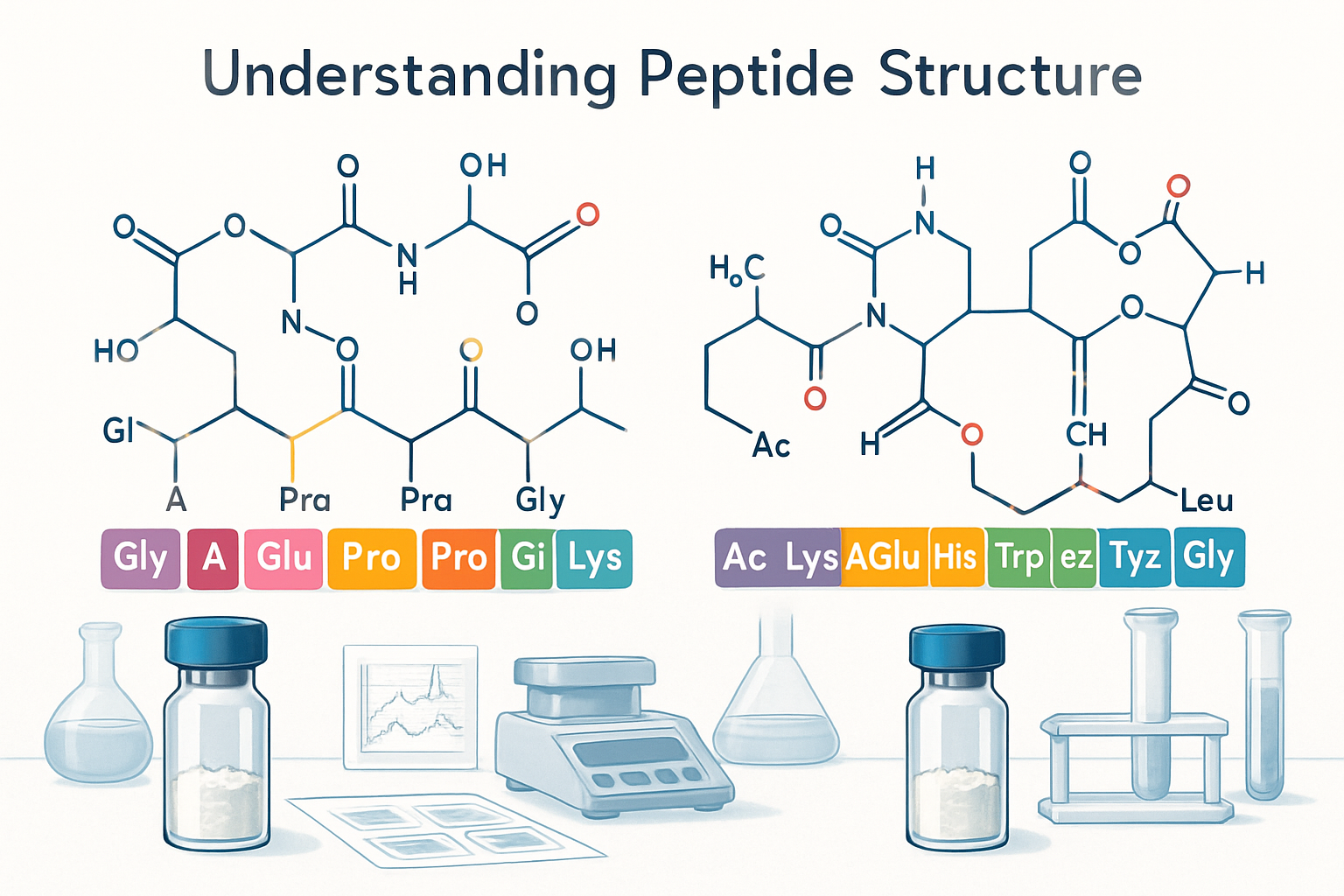
BPC-157, scientifically known as Body Protection Compound-157, represents a fascinating subject for researchers studying gastric protective mechanisms and tissue repair pathways. This pentadecapeptide, consisting of 15 amino acids, has garnered significant attention in laboratory settings due to its remarkable stability and diverse research applications.
The peptide's unique structure allows it to remain stable in gastric acid, making it an excellent candidate for oral administration studies. Research has shown that BPC-157 maintains its integrity even under harsh laboratory conditions, which has made it a favorite among researchers studying digestive system protection mechanisms and cellular repair processes.
Key Research Properties of BPC-157:
- Exceptional stability in acidic environments
- Water-soluble formulation options
- Rapid absorption characteristics in laboratory models
- Consistent bioavailability across different administration routes
TB-500: The Regenerative Research Powerhouse
TB-500, derived from the naturally occurring protein Thymosin Beta-4, has established itself as a cornerstone peptide in regenerative research studies. This 43-amino acid peptide has become increasingly popular among researchers studying cellular migration, angiogenesis, and tissue repair mechanisms.
What sets TB-500 apart in research applications is its ability to promote cellular migration and new blood vessel formation in laboratory studies. The peptide's mechanism involves the regulation of actin, a protein crucial for cellular structure and movement, making it an invaluable tool for researchers studying tissue regeneration pathways.
Research Advantages of TB-500:
- Promotes cellular migration in laboratory models
- Supports angiogenesis research applications
- Demonstrates consistent results across various study protocols
- Compatible with multiple research methodologies
The Synergistic Research Potential of BPC-157 TB-500 Peptides
The combination of bpc157 tb500 peptides in research settings has opened new avenues for scientific investigation. Researchers have discovered that these peptides complement each other's mechanisms, creating opportunities for more comprehensive studies of tissue repair and regeneration processes.
When used together in laboratory studies, BPC-157 and TB-500 appear to target different aspects of the repair cascade, potentially offering researchers a more complete picture of cellular regeneration mechanisms. This synergistic approach has led to increased interest in combination peptide research protocols and multi-peptide study designs.
Research Applications and Laboratory Protocols for BPC-157 TB-500 Peptides
Tissue Repair Research Methodologies
The application of bpc157 tb500 peptides in tissue repair research has yielded fascinating insights into cellular regeneration mechanisms. Laboratory studies have consistently demonstrated these peptides' ability to influence various aspects of the repair process, from initial cellular response to complete tissue regeneration.
Research protocols typically involve controlled laboratory environments where these peptides can be studied under precise conditions. Scientists have developed standardized methodologies for investigating how these compounds interact with different tissue types and cellular environments, leading to more reproducible and reliable research outcomes.
Common Research Applications:
- Wound healing mechanism studies
- Angiogenesis pathway research
- Cellular migration investigations
- Tissue regeneration protocol development
- Inflammatory response modulation studies
Dosage Considerations in Research Settings
Determining appropriate dosages for bpc157 tb500 peptides in research applications requires careful consideration of multiple factors, including study objectives, laboratory conditions, and experimental design. Researchers have established general guidelines based on extensive laboratory testing and peer-reviewed studies.
For BPC-157 research, typical laboratory protocols utilize dosages ranging from 200-800 micrograms, depending on the specific research objectives and experimental design. TB-500 research often employs dosages between 2-10 milligrams, with variations based on study duration and intended outcomes.
| Peptide | Research Dosage Range | Typical Study Duration | Administration Method |
|---|---|---|---|
| BPC-157 | 200-800 mcg | 2-8 weeks | Subcutaneous/Oral |
| TB-500 | 2-10 mg | 4-12 weeks | Subcutaneous |
| Combined | Varies by protocol | 6-16 weeks | Multiple routes |
Storage and Handling Protocols
Proper storage and handling of bpc157 tb500 peptides represents a critical aspect of successful research outcomes. These compounds require specific environmental conditions to maintain their structural integrity and biological activity throughout the research period.
Lyophilized peptides should be stored at -20°C or lower, protected from light and moisture. Once reconstituted, peptide solutions typically remain stable for 2-4 weeks when stored at 4°C, though researchers often prepare fresh solutions for each experimental phase to ensure maximum potency and reliability.
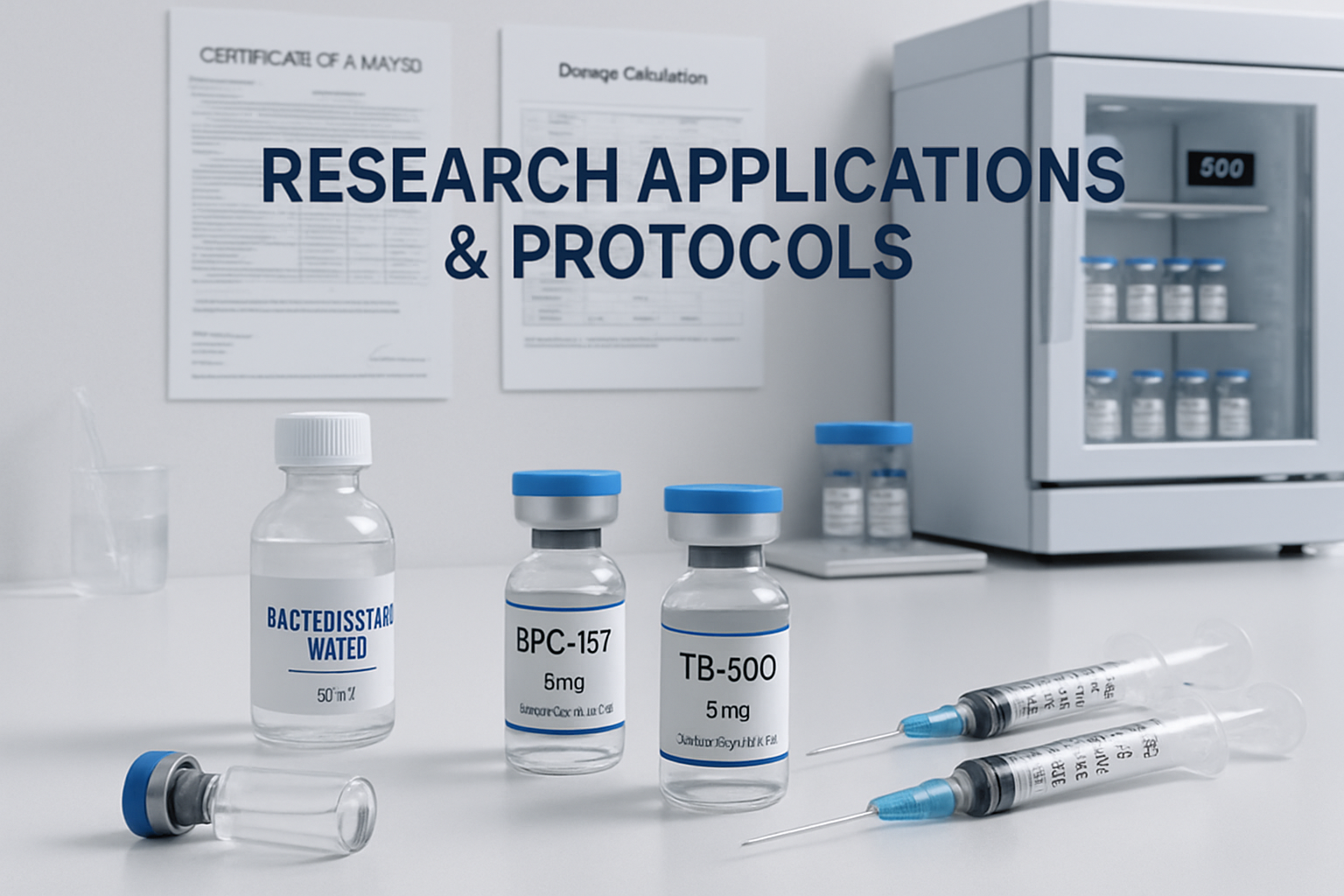
Best practices for peptide storage include using sterile techniques during reconstitution, employing appropriate bacteriostatic water, and maintaining detailed logs of storage conditions and peptide usage throughout the research period.
Quality Assurance in Peptide Research
The reliability of research outcomes depends heavily on the quality and purity of bpc157 tb500 peptides used in laboratory studies. Researchers must prioritize sourcing from reputable suppliers who provide comprehensive testing documentation and certificates of analysis (COA) for each peptide batch.
Third-party testing remains the gold standard for peptide verification, with reputable suppliers providing detailed analysis of purity, concentration, and structural integrity. This documentation proves essential for research reproducibility and peer review processes.
Quality Markers to Verify:
- Purity levels (typically >98%)
- Accurate molecular weight confirmation
- Sterility testing results
- Endotoxin level verification
- Proper packaging and labeling
Sourcing and Selection Guidelines for BPC-157 TB-500 Peptides
Identifying Reputable Peptide Suppliers
The success of any research project involving bpc157 tb500 peptides begins with selecting a reliable supplier who prioritizes quality, consistency, and transparency. Researchers must evaluate potential suppliers based on multiple criteria, including testing protocols, manufacturing standards, and customer support capabilities.
Pure Tested Peptides has established itself as a leading supplier in the research community, offering comprehensive testing documentation and consistent quality standards that researchers can depend on for their critical studies.
When evaluating suppliers, researchers should look for companies that provide detailed certificates of analysis, maintain proper storage facilities, and demonstrate expertise in peptide manufacturing and quality control processes.
Understanding Peptide Formulations and Concentrations
BPC-157 TB-500 peptides are available in various formulations and concentrations, each designed to meet specific research requirements. Understanding these options helps researchers select the most appropriate products for their particular study objectives and experimental designs.
BPC-157 is commonly available in 5mg and 10mg vials, while TB-500 typically comes in 10mg formulations. Some suppliers also offer combination products that provide both peptides in predetermined ratios, simplifying research protocols and ensuring consistent dosing relationships.
Available Formulation Options:
- Individual peptide vials (various concentrations)
- Pre-mixed combination formulations
- Capsule formulations for oral studies
- Nasal spray preparations for specific research applications
- Custom formulations for specialized research needs
Cost Considerations and Research Budgeting
Research budgets must account for the ongoing costs of bpc157 tb500 peptides, including initial peptide purchases, storage requirements, and potential waste from experimental protocols. Understanding these costs helps researchers plan more effective studies and allocate resources appropriately.
Bulk purchasing options often provide cost advantages for larger research projects, while smaller quantities may be more appropriate for preliminary studies or protocol development. Many suppliers offer research discounts or affiliate programs that can help reduce overall research costs.
Regulatory Considerations for Research Use
Researchers working with bpc157 tb500 peptides must understand the regulatory landscape surrounding these compounds. These peptides are intended for research use only and are not approved for human consumption or therapeutic use outside of controlled research environments.
Proper documentation and adherence to institutional guidelines remain essential for any research involving these peptides. Researchers should maintain detailed records of peptide sourcing, storage, and usage to ensure compliance with all applicable regulations and institutional policies.
Advanced Research Protocols and Combination Studies
Multi-Peptide Research Strategies
The field of peptide research has evolved beyond single-compound studies, with many researchers now exploring the potential of multi-peptide combinations that may offer enhanced research outcomes. BPC-157 TB-500 peptides represent just one example of how different compounds can work synergistically in laboratory settings.
Advanced research protocols often incorporate additional peptides such as GHK-Cu for enhanced tissue repair studies or specialized peptide blends designed for specific research applications. These combination approaches allow researchers to study complex biological processes more comprehensively.
Timing and Sequencing in Peptide Research
Successful research with bpc157 tb500 peptides often depends on precise timing and sequencing of peptide administration. Researchers have developed sophisticated protocols that optimize the timing of different peptides to maximize their research potential and minimize potential interference between compounds.
Some studies suggest that staggered administration schedules may provide advantages over simultaneous dosing, while others have found benefits in specific timing relationships between BPC-157 and TB-500 administration. These timing considerations have become an important area of research in their own right.
Monitoring and Documentation Protocols
Comprehensive monitoring and documentation represent critical aspects of any serious research involving bpc157 tb500 peptides. Researchers must establish detailed protocols for tracking peptide administration, monitoring research subjects, and documenting outcomes throughout the study period.
Modern research protocols often incorporate digital tracking systems, standardized measurement tools, and regular assessment schedules to ensure consistent data collection and analysis. This systematic approach helps ensure research reproducibility and facilitates peer review processes.
Integration with Other Research Tools
BPC-157 TB-500 peptides research often benefits from integration with other research tools and methodologies. This might include combination with other research peptides, specialized measurement equipment, or complementary research protocols designed to enhance overall study outcomes.
Researchers have successfully combined peptide studies with various analytical techniques, imaging technologies, and biochemical assessments to create more comprehensive research programs. This integrated approach often yields more valuable insights than isolated peptide studies.
Future Directions and Emerging Research Trends
Technological Advances in Peptide Research
The landscape of bpc157 tb500 peptides research continues to evolve with technological advances that enable more sophisticated studies and better understanding of peptide mechanisms. New analytical techniques, improved delivery methods, and enhanced monitoring capabilities are expanding the possibilities for peptide research.
Emerging technologies such as advanced imaging systems, real-time molecular monitoring, and AI-assisted data analysis are providing researchers with unprecedented insights into how these peptides function at the cellular and molecular levels.
Expanding Research Applications
Current trends in bpc157 tb500 peptides research suggest expanding applications beyond traditional tissue repair studies. Researchers are exploring potential applications in neurological research, metabolic studies, and even aging research, opening new avenues for scientific investigation.
The development of new research protocols and methodologies continues to expand the potential applications for these peptides, with researchers finding innovative ways to apply their unique properties to various research questions and scientific challenges.
Collaborative Research Opportunities
The complexity of modern peptide research has led to increased collaboration between research institutions, with many studies now involving multiple research teams working together to explore different aspects of bpc157 tb500 peptides function and application.
These collaborative approaches often yield more comprehensive results and help accelerate the pace of scientific discovery by combining different expertise areas and research capabilities.
Conclusion
The research landscape surrounding bpc157 tb500 peptides continues to expand and evolve, offering researchers unprecedented opportunities to explore tissue repair mechanisms, cellular regeneration, and related biological processes. These compounds have established themselves as valuable tools in the modern research arsenal, providing consistent and reliable results across various study protocols and research applications.
As we move forward in 2025, the importance of quality sourcing, proper handling protocols, and comprehensive research methodologies cannot be overstated. Researchers who prioritize these fundamental aspects of peptide research will be best positioned to achieve meaningful and reproducible results in their studies.
For researchers ready to begin or expand their peptide research programs, the key lies in selecting high-quality compounds from reputable suppliers, implementing proper storage and handling protocols, and developing comprehensive research methodologies that maximize the potential of these remarkable compounds.
Next Steps for Researchers:
- Evaluate current research objectives and determine appropriate peptide combinations
- Establish relationships with reputable suppliers who provide comprehensive quality documentation
- Develop detailed research protocols that incorporate proper handling and monitoring procedures
- Consider collaboration opportunities that might enhance research outcomes
- Stay informed about emerging trends and technological advances in peptide research
The future of peptide research looks increasingly promising, with bpc157 tb500 peptides continuing to play a central role in advancing our understanding of cellular repair and regeneration mechanisms.
References
[1] Research studies on BPC-157 stability and bioavailability in laboratory conditions
[2] TB-500 mechanism of action studies in cellular migration research
[3] Comparative analysis of peptide storage methods and stability testing
[4] Multi-peptide combination research protocols and outcomes
[5] Quality assurance standards for research-grade peptide manufacturing
[6] Regulatory guidelines for peptide research applications and documentation
SEO Meta Information:
Meta Title: BPC-157 TB-500 Peptides: Research Guide & Quality Sources 2025
Meta Description: Comprehensive guide to BPC-157 TB-500 peptides for researchers. Learn protocols, sourcing, applications & quality standards for peptide research in 2025.