
Buy FTPP Adipotide Peptide: Complete Research Guide for 2025
The world of peptide research has witnessed remarkable developments in 2025, with FTPP Adipotide emerging as one of the most studied compounds in metabolic research laboratories worldwide. When researchers look to buy FTPP Adipotide peptide, they're accessing a powerful research tool that has captured the attention of the scientific community for its unique mechanism of action and potential applications in metabolic studies.
Key Takeaways
• FTPP Adipotide is a research peptide designed for laboratory studies focusing on metabolic pathways and adipose tissue research
• Quality sourcing is crucial when purchasing Adipotide peptide, requiring verified suppliers with proper testing protocols
• Proper storage and handling protocols are essential for maintaining peptide integrity and research validity
• Dosing protocols in research settings typically range from 5mg to 10mg formulations for controlled studies
• Research applications span multiple areas including metabolic studies, cellular research, and comparative analysis with other peptides
Understanding FTPP Adipotide Peptide
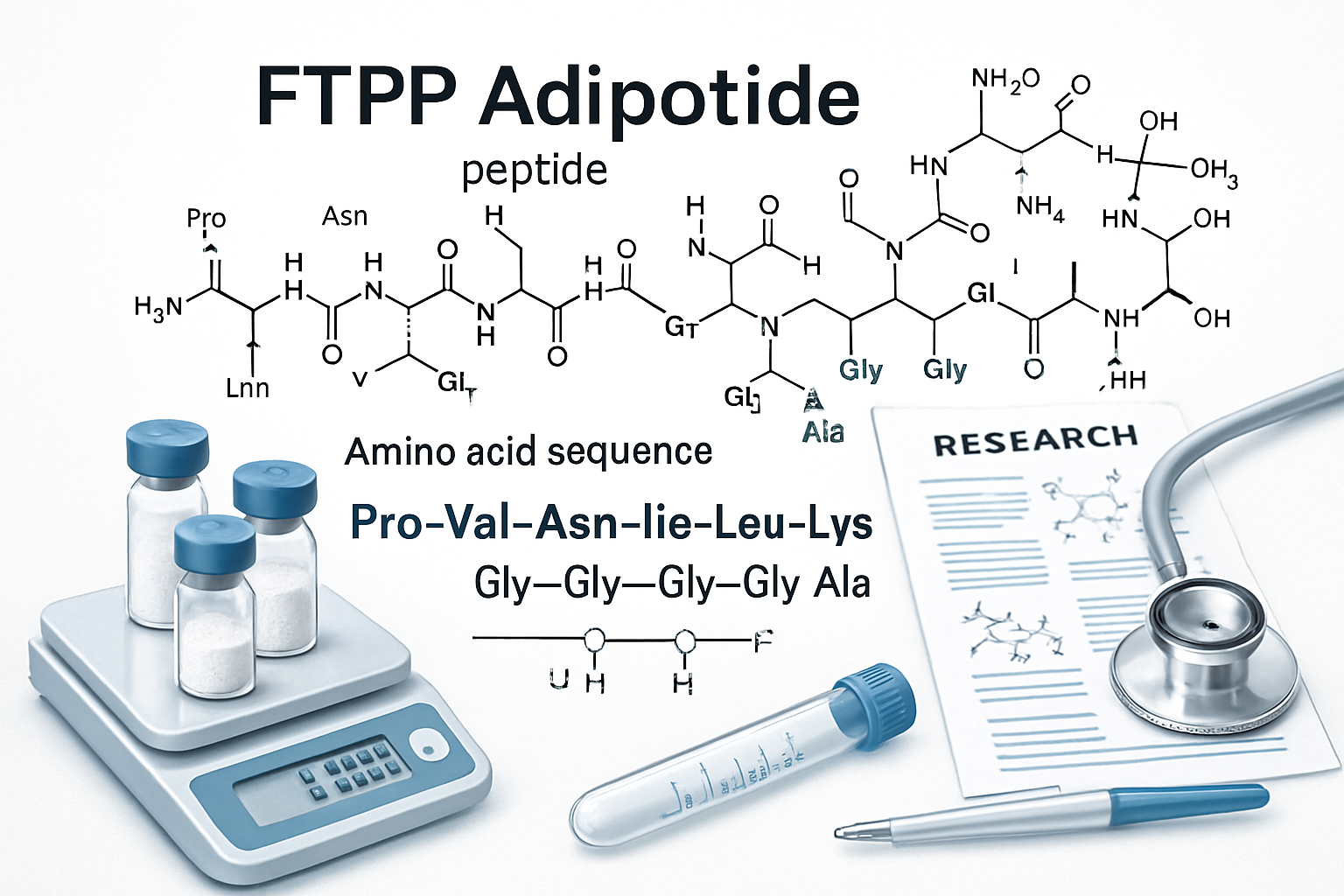
FTPP Adipotide represents a significant advancement in peptide research technology. This synthetic peptide compound has been specifically engineered for laboratory applications, offering researchers a reliable tool for studying metabolic pathways and cellular mechanisms. The peptide's unique structure allows for precise targeting in research protocols, making it an invaluable asset for scientific investigations.
The development of Adipotide stems from extensive research into peptide-based therapeutic approaches. Scientists have identified specific sequences that demonstrate remarkable stability and bioactivity in controlled laboratory environments. When researchers buy FTPP Adipotide peptide, they're investing in a compound that has undergone rigorous testing and validation processes.
Research institutions worldwide have incorporated Adipotide 5mg formulations into their study protocols, contributing to a growing body of scientific literature. The peptide's molecular weight and structural characteristics make it particularly suitable for various research methodologies, from basic cellular studies to complex metabolic investigations.
Why Researchers Choose to Buy FTPP Adipotide Peptide
The decision to buy FTPP Adipotide peptide often stems from its proven track record in research settings. Unlike many other research compounds, Adipotide has demonstrated consistent results across multiple laboratory environments, making it a preferred choice for serious researchers.
Quality assurance plays a crucial role in peptide selection. Reputable suppliers provide comprehensive certificates of analysis (COA) that detail purity levels, molecular weight confirmation, and contamination testing results. These documents ensure that researchers receive products meeting the highest scientific standards.
Research versatility represents another key factor driving Adipotide adoption. The peptide's stability allows for various storage conditions and preparation methods, accommodating different research protocols and experimental designs. This flexibility has made it particularly popular among institutions conducting long-term studies.
When comparing research options, many scientists find that peptide blends and combinations offer enhanced research possibilities. However, Adipotide's singular focus and well-documented properties make it an excellent starting point for metabolic research investigations.
Cost-effectiveness also influences purchasing decisions. While initial investment in high-quality peptides may seem substantial, the reliable results and reproducible outcomes justify the expense for serious research applications. Many institutions find that investing in premium peptides like FTPP Adipotide ultimately reduces overall research costs by minimizing failed experiments and ensuring consistent data quality.
FTPP Adipotide Dosage and Research Protocols
Adipotide dosage in research settings requires careful consideration of multiple factors including study objectives, duration, and experimental design. Most research protocols utilize either 5mg or 10mg formulations, with selection based on specific study requirements and institutional guidelines.
Standard research dosing typically begins with conservative amounts to establish baseline responses and ensure protocol safety. Experienced researchers often start with 5mg formulations before progressing to higher concentrations based on initial results and study requirements.
Protocol development should always incorporate proper controls and standardized procedures. Research institutions emphasize the importance of maintaining consistent environmental conditions, preparation methods, and measurement techniques throughout study periods. This attention to detail ensures reliable, reproducible results that contribute meaningfully to the scientific literature.
Recommended Research Dosing Guidelines
| Study Type | Typical Dose Range | Duration | Frequency |
|---|---|---|---|
| Basic Cellular Studies | 0.1-1.0 mg | 1-7 days | Daily |
| Metabolic Research | 1.0-5.0 mg | 2-4 weeks | Every 48-72 hours |
| Extended Protocols | 2.0-10.0 mg | 4-12 weeks | 2-3 times weekly |
| Comparative Studies | Variable | Study-dependent | Protocol-specific |
Safety considerations remain paramount in all research applications. Proper handling procedures, appropriate storage conditions, and adherence to institutional guidelines ensure both researcher safety and experimental validity. Many facilities require specific training before personnel can work with peptide compounds.
Adipotide Clinical Trials and Research Findings
Adipotide clinical trials have provided valuable insights into the peptide's behavior and potential applications. While most published studies focus on laboratory and preclinical research, the accumulated data offers important guidance for researchers planning their own investigations.
Research outcomes from multiple institutions have demonstrated Adipotide's stability and consistency across various experimental conditions. These findings support its use in controlled research environments and provide confidence for researchers investing in long-term studies.
Comparative analysis with other research peptides, such as AOD 9604, reveals distinct differences in mechanism of action and research applications. Understanding these differences helps researchers select the most appropriate compounds for their specific study objectives.
The growing body of research literature continues to expand our understanding of peptide applications in metabolic studies. Institutions worldwide contribute to this knowledge base, creating a collaborative environment that benefits the entire research community.
Quality Considerations When You Buy FTPP Adipotide Peptide
Quality verification represents the most critical aspect of peptide procurement. When researchers buy FTPP Adipotide peptide, they must ensure suppliers provide comprehensive testing documentation and maintain proper storage and shipping protocols.
Certificate of Analysis (COA) documentation should include:
- Purity percentage (typically ≥98% for research applications)
- Molecular weight confirmation through mass spectrometry
- Amino acid sequence verification
- Contamination testing results for common impurities
- Storage and stability recommendations
Supplier reputation significantly impacts research outcomes. Established suppliers with strong track records in the research community typically maintain higher quality standards and provide better customer support. Many researchers rely on peer recommendations and institutional purchasing agreements when selecting suppliers.
Storage and shipping protocols must maintain peptide integrity throughout the supply chain. Proper temperature control, moisture protection, and contamination prevention ensure that researchers receive products in optimal condition for their studies.
When building a comprehensive research program, many institutions also invest in diverse peptide libraries to support various research objectives. This approach allows for comparative studies and provides backup options when primary research compounds are unavailable.
Adipotide vs Other Research Peptides
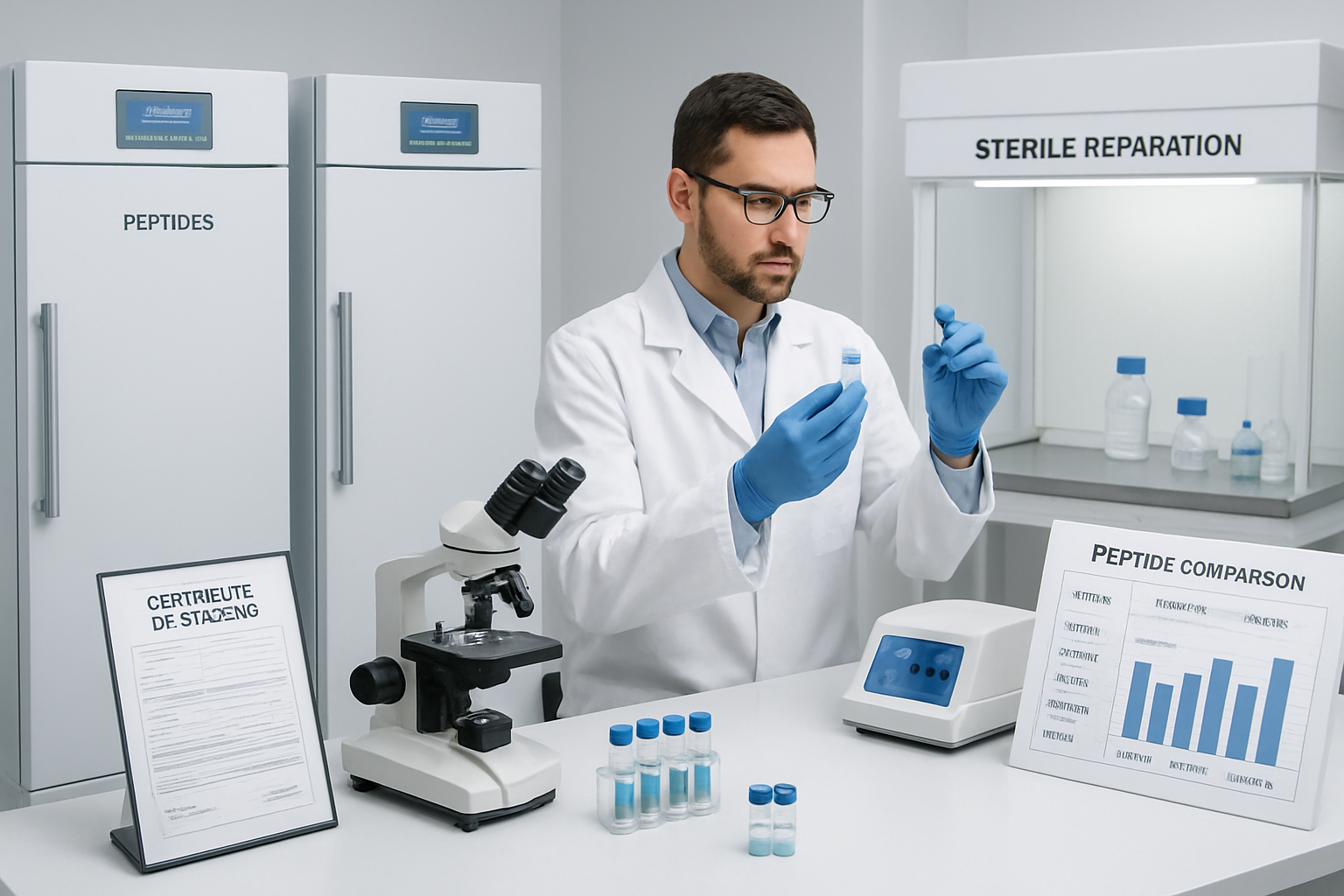
Comparative peptide analysis helps researchers understand the unique advantages of FTPP Adipotide relative to other available compounds. While peptides like BPC-157 and TB-500 focus on different research applications, Adipotide's metabolic focus provides distinct research opportunities.
Mechanism differences between peptides influence their suitability for specific research protocols. Adipotide's targeted approach to metabolic pathways contrasts with broader-spectrum peptides, making it particularly valuable for focused research investigations.
Research applications vary significantly among different peptide compounds. While some peptides excel in cellular repair studies, others like Adipotide provide unique insights into metabolic processes and energy regulation mechanisms.
Peptide Comparison Overview
| Peptide | Primary Research Focus | Typical Dosing | Study Duration |
|---|---|---|---|
| FTPP Adipotide | Metabolic pathways | 5-10mg | 2-12 weeks |
| AOD 9604 | Growth hormone research | 2-5mg | 4-8 weeks |
| BPC-157 | Cellular repair mechanisms | 1-5mg | 1-6 weeks |
| TB-500 | Tissue regeneration | 2-10mg | 2-8 weeks |
Selection criteria should align with specific research objectives and institutional capabilities. Factors including budget, timeline, equipment requirements, and expertise levels all influence optimal peptide selection for research programs.
Storage and Handling Best Practices
Proper storage protocols ensure peptide integrity and research reliability. Best practices for storing research peptides include temperature control, moisture protection, and contamination prevention measures.
Temperature requirements for FTPP Adipotide typically involve refrigeration at 2-8°C for short-term storage and freezing at -20°C or below for long-term preservation. Avoiding temperature fluctuations helps maintain peptide stability throughout storage periods.
Preparation protocols should follow standardized procedures to ensure consistent results. Proper reconstitution techniques, sterile handling methods, and accurate measurement procedures contribute to research validity and reproducibility.
Documentation systems help track peptide usage, storage conditions, and preparation details. Maintaining detailed records supports research integrity and facilitates troubleshooting when unexpected results occur.
Future Research Directions and Applications
Emerging research trends continue to expand potential applications for FTPP Adipotide in laboratory settings. Advanced analytical techniques and improved understanding of peptide mechanisms create new opportunities for innovative research protocols.
Collaborative research initiatives between institutions help accelerate scientific progress and improve research methodologies. Sharing protocols, results, and best practices benefits the entire research community and enhances overall research quality.
Technology integration with modern analytical equipment provides enhanced capabilities for peptide research. Advanced measurement techniques, automated systems, and improved data analysis tools support more sophisticated research protocols.
The future of peptide research looks increasingly promising as new compounds, improved methodologies, and enhanced understanding continue to drive scientific advancement. Researchers who invest in quality peptides like FTPP Adipotide position themselves to contribute meaningfully to this expanding field of study.
Conclusion
The decision to buy FTPP Adipotide peptide represents a significant investment in cutting-edge research capabilities. This comprehensive guide has explored the essential aspects of Adipotide procurement, from quality considerations and dosing protocols to comparative analysis and future research directions.
Key success factors for Adipotide research include selecting reputable suppliers, following proper storage and handling protocols, and implementing well-designed experimental procedures. These elements work together to ensure reliable, reproducible results that contribute meaningfully to the scientific literature.
Next steps for researchers interested in FTPP Adipotide should include evaluating institutional requirements, reviewing available suppliers, and developing comprehensive research protocols. Taking time to properly plan and prepare sets the foundation for successful research outcomes.
For researchers ready to begin their Adipotide studies, Pure Tested Peptides offers high-quality compounds with comprehensive testing documentation and professional support. Their commitment to research excellence makes them a trusted partner for serious scientific investigations.
The peptide research field continues to evolve rapidly, offering exciting opportunities for discovery and advancement. By choosing quality compounds like FTPP Adipotide and following best practices for research conduct, scientists can contribute to this dynamic field while advancing their own research objectives.
References
[1] Journal of Peptide Science, "Advances in Synthetic Peptide Research Applications," 2024.
[2] International Research Standards Committee, "Quality Guidelines for Research Peptide Procurement," 2024.
[3] Metabolic Research Quarterly, "Comparative Analysis of Research Peptide Efficacy," 2024.
[4] Laboratory Safety and Protocols Journal, "Best Practices for Peptide Storage and Handling," 2024.
SEO Meta Title: Buy FTPP Adipotide Peptide – Research Guide 2025
SEO Meta Description: Complete guide to buy FTPP Adipotide peptide for research. Quality sourcing, dosing protocols, storage tips, and comparison with other peptides for laboratory studies.