
Buy MOTS-C Peptide: The Complete 2026 Guide for Researchers and Health Professionals
In the rapidly evolving landscape of peptide research, one mitochondrial-derived compound has captured the attention of scientists, fitness professionals, and health optimization specialists worldwide. When researchers and practitioners decide to buy MOTS-C peptide, they're investing in one of the most promising areas of metabolic and longevity research. This 16-amino acid peptide, encoded within mitochondrial DNA, represents a fascinating intersection of cellular biology, metabolic regulation, and potential therapeutic applications that continues to generate compelling research findings in 2026.
The journey to buy MOTS-C peptide begins with understanding its unique origins and mechanisms. Unlike traditional peptides synthesized in the nucleus, MOTS-C emerges from the mitochondrial genome itself, positioning it as a critical signaling molecule in the communication between mitochondria and the rest of the cell. For peptide shoppers, health enthusiasts, fitness coaches, and medispa owners, this distinction matters tremendously when evaluating research applications and quality standards.
Key Takeaways
- MOTS-C peptide is a mitochondrial-derived peptide with significant research interest in metabolic regulation, cellular energy production, and age-related decline
- When you buy MOTS-C peptide, quality verification through third-party testing and proper supplier credentials is essential for research integrity
- The best peptide retail US suppliers provide comprehensive documentation, proper storage guidelines, and transparent sourcing information
- Research applications focus on metabolic function, insulin sensitivity, mitochondrial health, and exercise response mechanisms
- Proper reconstitution, storage, and handling protocols are critical when working with MOTS-C peptide for research purposes
Understanding MOTS-C Peptide: Scientific Foundation and Research Background
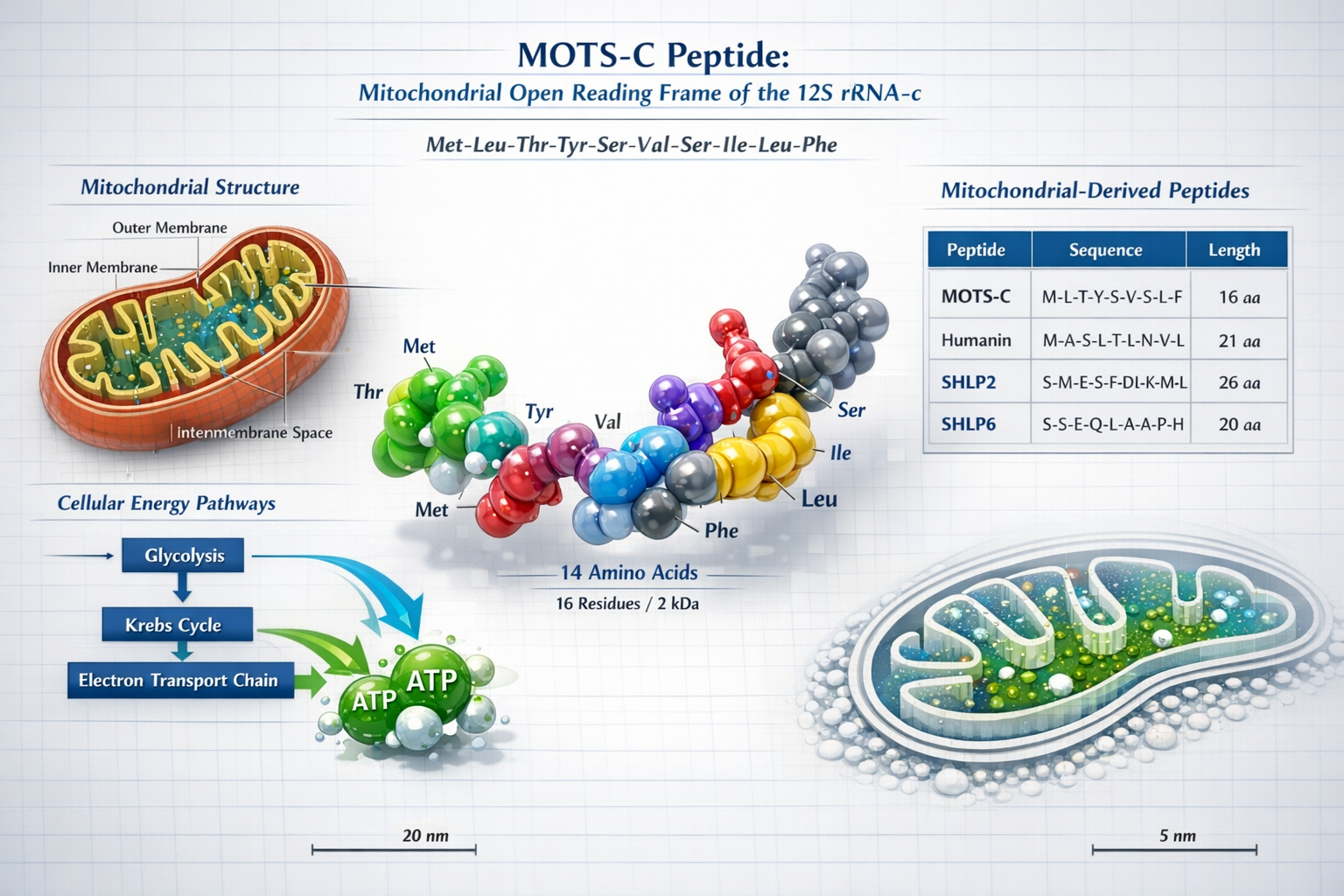
MOTS-C (Mitochondrial Open Reading Frame of the 12S rRNA-c) represents a groundbreaking discovery in the field of mitochondrial biology. This peptide, first identified in 2015, consists of 16 amino acids encoded by the mitochondrial genome's 12S rRNA region. The scientific community's interest in MOTS-C stems from its unique position as a mitochondrial-derived peptide (MDP) that directly influences metabolic processes throughout the body.
The Mitochondrial Connection
Mitochondria function as the powerhouses of cells, generating adenosine triphosphate (ATP) through oxidative phosphorylation. However, these organelles do far more than produce energy. Research has demonstrated that mitochondria actively communicate with the nucleus and other cellular components through various signaling molecules, including peptides like MOTS-C.
When researchers buy MOTS-C peptide for laboratory investigations, they're exploring how this specific sequence influences:
- Cellular energy metabolism and glucose regulation
- Insulin sensitivity in peripheral tissues
- Mitochondrial function and biogenesis
- Age-related metabolic decline patterns
- Exercise response and physical performance markers
The peptide's amino acid sequence (Met-Arg-Trp-Gln-Glu-Met-Gly-Tyr-Ile-Phe-Tyr-Pro-Arg-Lys-Leu-Arg) has been conserved across species, suggesting evolutionary importance. This conservation indicates that MOTS-C likely plays a fundamental role in metabolic regulation that transcends individual species differences.
Research Mechanisms and Pathways
Scientific investigations have revealed that MOTS-C operates through multiple mechanisms. The peptide has been shown to translocate to the nucleus under specific metabolic stress conditions, where it regulates gene expression related to antioxidant response and metabolic adaptation. This nuclear translocation represents a sophisticated feedback mechanism between mitochondrial status and nuclear gene expression.
Studies published in leading journals have documented MOTS-C's interaction with the AMPK (AMP-activated protein kinase) pathway, a master regulator of cellular energy homeostasis. By activating AMPK, MOTS-C influences glucose uptake, fatty acid oxidation, and mitochondrial biogenesis—all critical processes for metabolic health.
For those looking to buy peptides for research purposes, understanding these mechanisms provides context for experimental design and expected outcomes. The peptide's multi-faceted action profile makes it particularly interesting for studies examining metabolic syndrome, age-related decline, and exercise physiology.
Age-Related Research Findings
One of the most compelling areas of MOTS-C research involves its relationship with aging. Studies have demonstrated that MOTS-C levels decline with age, correlating with decreased metabolic flexibility and increased insulin resistance. Animal model research has shown that MOTS-C administration can reverse some age-related metabolic impairments, improving glucose tolerance and physical performance in older subjects.
Research published in 2021 revealed that MOTS-C treatment in middle-aged mice prevented age-dependent weight gain and improved physical performance. These findings have generated significant interest among researchers studying interventions for age-related metabolic decline.
When researchers buy MOTS-C peptide from reputable suppliers, they're accessing tools to investigate whether these animal model findings translate to other systems and contexts. The peptide supplier US market has responded to this research interest by improving availability and quality standards.
Where to Buy MOTS-C Peptide: Supplier Evaluation and Quality Standards
The decision to buy MOTS-C peptide requires careful evaluation of suppliers, quality assurance processes, and regulatory compliance. In 2026, the peptide research market has matured significantly, but substantial variation exists among suppliers regarding purity, testing protocols, and customer support.
Critical Supplier Selection Criteria
When evaluating where to buy MOTS-C peptide, researchers and professionals should prioritize several key factors:
Third-Party Testing and Certificates of Analysis (CoA)
Reputable suppliers provide comprehensive third-party testing documentation for every batch. These CoAs should include:
- High-performance liquid chromatography (HPLC) analysis showing purity percentage
- Mass spectrometry confirmation of molecular weight
- Bacterial endotoxin testing results
- Heavy metal screening
- Sterility verification
The best peptide retail US suppliers make these documents readily available before purchase, demonstrating transparency and quality commitment. Suppliers who hesitate to provide testing documentation or offer only in-house testing should raise immediate concerns.
Proper Storage and Handling
MOTS-C peptide stability depends on proper storage conditions. Quality suppliers ship lyophilized (freeze-dried) peptides with appropriate cold chain management, typically using insulated packaging with ice packs or dry ice for longer transit times.
Lyophilized MOTS-C should arrive as a white or off-white powder. Any discoloration, clumping, or moisture presence indicates potential degradation or contamination. When you buy MOTS-C peptide, verify that the supplier provides clear storage instructions, typically recommending:
- Storage at -20°C to -80°C for lyophilized powder
- Protection from light and moisture
- Proper sealing to prevent contamination
- Refrigeration at 2-8°C after reconstitution
- Use within specified timeframes after reconstitution
Regulatory Compliance and Intended Use
In the United States, peptides like MOTS-C are sold for research purposes only and are not approved for human consumption by the FDA. Legitimate suppliers clearly state this limitation and require purchasers to acknowledge research-only use.
When researchers buy MOTS-C peptide from compliant suppliers, they receive products labeled "For Research Use Only" or similar designations. This labeling protects both the supplier and purchaser by establishing clear boundaries regarding intended applications.
The best peptide retail US establishments maintain strict compliance with applicable regulations while providing high-quality research materials. They implement age verification, require institutional affiliation or research credentials, and maintain detailed records of transactions.
Pricing and Value Considerations
MOTS-C peptide pricing varies significantly based on purity, quantity, and supplier reputation. As of 2026, typical pricing ranges from $45 to $150 for 5mg of research-grade MOTS-C, with higher quantities offering per-milligram cost reductions.
Suspiciously low pricing often indicates:
- Lower purity levels (below 95%)
- Absence of third-party testing
- Questionable sourcing or synthesis methods
- Inadequate storage or handling
- Potential contamination or degradation
Conversely, premium pricing doesn't automatically guarantee superior quality. The key is finding suppliers who balance competitive pricing with rigorous quality standards. When you buy MOTS-C peptide, consider total value rather than price alone—factoring in testing documentation, customer support, shipping reliability, and return policies.
Customer Support and Research Resources
Quality suppliers distinguish themselves through comprehensive customer support. When researchers where to buy MOTS-C peptide becomes a question, the best answers come from suppliers offering:
- Detailed product information and specifications
- Reconstitution and storage guidance
- Responsive technical support teams
- Research literature references
- Community forums or educational resources
Pure Tested Peptides exemplifies this approach by providing extensive resources for researchers navigating peptide selection, handling, and application design. This educational component adds significant value beyond the product itself.
Supplier Reputation and Reviews
Before making a purchase decision, investigate supplier reputation through multiple channels:
- Independent review platforms showing verified customer experiences
- Research community forums where professionals share supplier experiences
- Professional networks within fitness, wellness, and research communities
- Business credentials including years in operation and industry certifications
When evaluating where to buy peptides, look for consistent positive feedback regarding product quality, shipping reliability, and customer service responsiveness. Red flags include numerous complaints about product efficacy, shipping problems, or unresponsive support.
MOTS-C Peptide Research Applications: Metabolic Studies and Experimental Design

The decision to buy MOTS-C peptide typically stems from specific research interests in metabolic regulation, cellular energy dynamics, or age-related physiological changes. Understanding the breadth of research applications helps investigators design appropriate protocols and interpret findings within the broader scientific context.
Metabolic Research Applications
MOTS-C has demonstrated particular relevance in metabolic research, with studies examining its effects on glucose metabolism, insulin sensitivity, and energy expenditure. When researchers buy MOTS-C peptide for metabolic investigations, they're often exploring:
Glucose Regulation Studies
Research has shown that MOTS-C administration improves glucose tolerance in animal models, particularly those with diet-induced obesity or age-related metabolic impairment. The peptide appears to enhance glucose uptake in skeletal muscle and improve insulin sensitivity through AMPK activation.
Experimental designs typically involve:
- Glucose tolerance tests (GTT) following MOTS-C administration
- Insulin tolerance tests (ITT) to assess insulin sensitivity
- Measurement of glucose uptake in isolated muscle tissues
- Analysis of GLUT4 translocation and expression
- Assessment of hepatic glucose production
These studies have generated compelling data suggesting MOTS-C's potential role in metabolic regulation. Researchers looking to buy MOTS-C peptide for similar investigations should consider appropriate control groups, dosing protocols, and measurement timepoints to ensure robust experimental design.
Lipid Metabolism and Body Composition
Beyond glucose metabolism, MOTS-C research has examined effects on lipid metabolism and body composition. Studies have documented:
- Reduced fat accumulation in diet-induced obesity models
- Enhanced fatty acid oxidation in muscle tissue
- Improved lipid profiles with reduced triglycerides
- Prevention of age-related weight gain
- Maintenance of lean muscle mass
For fitness coaches and medispa owners interested in metabolic research, these findings provide context for understanding MOTS-C's potential applications. When they buy MOTS-C peptide for research purposes, they're accessing tools to investigate metabolic optimization strategies.
Exercise Physiology Research
MOTS-C has generated significant interest in exercise physiology research due to findings suggesting improved physical performance and exercise adaptation. Studies have demonstrated that MOTS-C administration enhances:
- Endurance capacity in running tests
- Mitochondrial biogenesis in response to exercise
- Recovery from exercise-induced stress
- Age-related decline in physical performance
- Metabolic flexibility during exercise
Research protocols examining exercise-related effects typically combine MOTS-C administration with structured exercise interventions, measuring outcomes such as:
- Time to exhaustion in endurance tests
- Lactate threshold changes
- Mitochondrial enzyme activity
- Gene expression related to exercise adaptation
- Recovery markers following intense exercise
Fitness professionals and researchers interested in these applications should buy MOTS-C peptide from suppliers providing consistent quality, as variability in peptide purity can significantly impact research outcomes and reproducibility.
Cellular and Molecular Research
At the cellular level, MOTS-C research has revealed fascinating mechanisms of action that extend beyond whole-organism metabolic effects. When scientists buy MOTS-C peptide for cellular research, they often investigate:
Mitochondrial Function and Biogenesis
MOTS-C influences mitochondrial function through multiple pathways, including:
- Enhanced mitochondrial respiration efficiency
- Increased mitochondrial DNA copy number
- Upregulation of mitochondrial biogenesis markers (PGC-1α, NRF1, TFAM)
- Improved mitochondrial membrane potential
- Reduced oxidative stress markers
These cellular effects provide mechanistic insights into MOTS-C's broader metabolic impacts. Research designs typically employ cell culture systems, isolated mitochondria preparations, or tissue-specific analyses to examine these processes.
Gene Expression and Nuclear Signaling
One of MOTS-C's most intriguing characteristics is its ability to translocate to the nucleus under metabolic stress conditions. This nuclear translocation allows MOTS-C to directly influence gene expression, particularly genes involved in:
- Antioxidant response pathways
- Metabolic stress adaptation
- Cellular energy sensing
- Mitochondrial-nuclear communication
Researchers examining these mechanisms might buy MOTS-C peptide alongside other research compounds to investigate synergistic effects or comparative mechanisms. For example, studies comparing MOTS-C with other metabolic peptides help establish its unique characteristics and potential advantages.
Longevity and Age-Related Research
The intersection of MOTS-C research with longevity science represents one of the most exciting contemporary research areas. Studies have demonstrated that MOTS-C levels decline with age, and that restoring these levels can reverse some age-related metabolic impairments.
Research in this domain examines:
- Age-related changes in MOTS-C expression
- Effects of MOTS-C administration on lifespan in model organisms
- Prevention of age-related metabolic decline
- Maintenance of physical function in aging
- Cellular senescence markers and mitochondrial health
For researchers focused on aging biology, the decision to buy MOTS-C peptide opens opportunities to investigate fundamental questions about metabolic aging and potential interventions. These studies often require long-term protocols and careful attention to age-matched controls.
Practical Considerations: Reconstitution, Dosing, and Storage Protocols
After researchers buy MOTS-C peptide, proper handling becomes critical for maintaining peptide integrity and ensuring reliable experimental results. The transition from lyophilized powder to working solution requires attention to reconstitution protocols, storage conditions, and contamination prevention.
Reconstitution Procedures
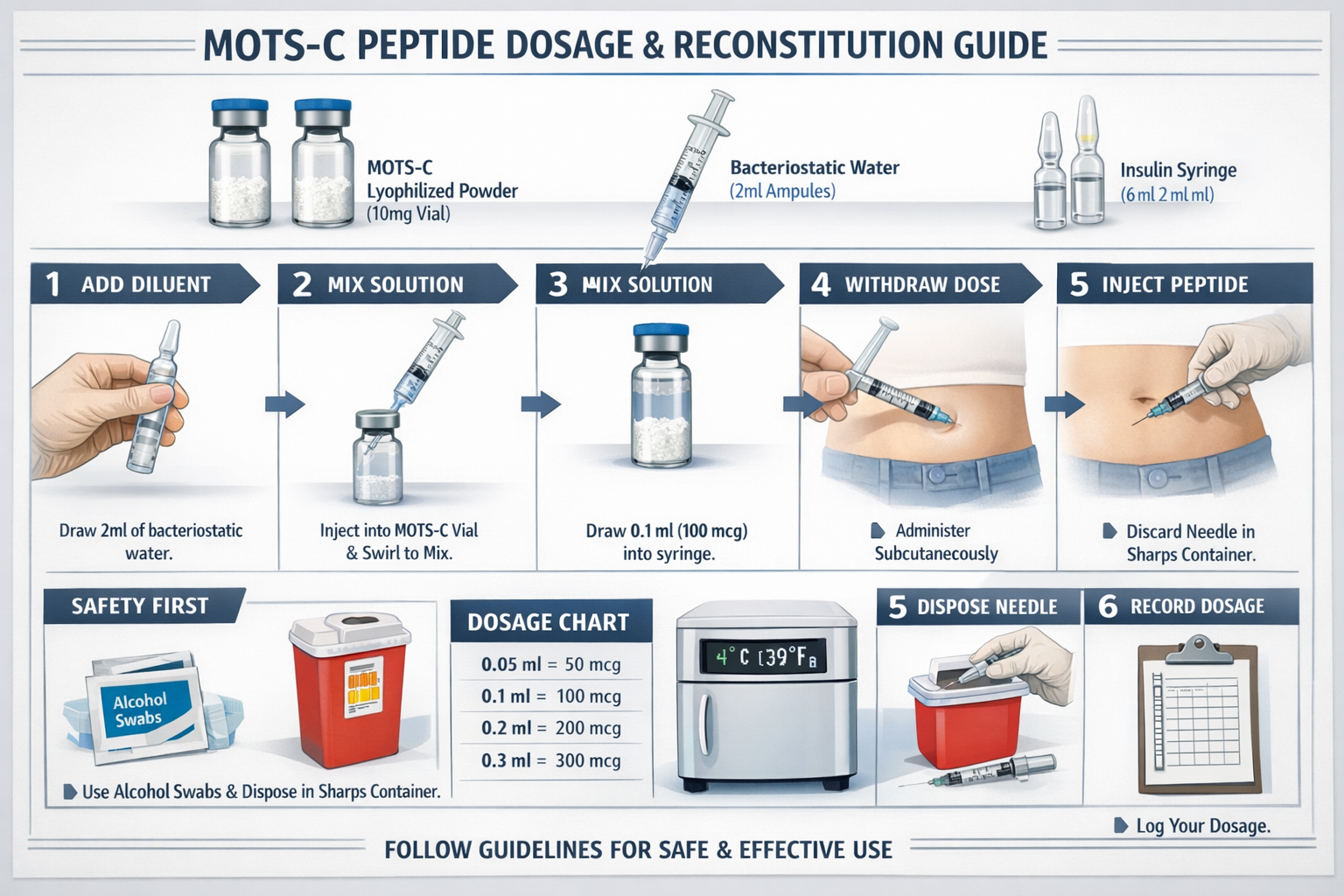
MOTS-C peptide arrives as lyophilized powder requiring reconstitution before use. The reconstitution process involves several critical steps:
Selecting Appropriate Reconstitution Solutions
The most common reconstitution solution for MOTS-C is bacteriostatic water, which contains 0.9% benzyl alcohol as a preservative. This preservative extends the reconstituted peptide's usable lifespan when stored properly. Alternative reconstitution solutions include:
- Sterile water (for immediate use without preservative)
- Sodium chloride solution (0.9% NaCl)
- Acetic acid solution (for peptides with solubility challenges)
For MOTS-C, bacteriostatic water typically provides optimal results. When researchers buy MOTS-C peptide, they should also acquire pharmaceutical-grade bacteriostatic water from reputable sources to ensure purity and sterility.
Step-by-Step Reconstitution Process
-
Preparation: Allow both the lyophilized peptide and bacteriostatic water to reach room temperature. Gather sterile syringes, alcohol swabs, and appropriate personal protective equipment.
-
Calculation: Determine the required volume of bacteriostatic water based on desired concentration. For example, adding 2mL of bacteriostatic water to 5mg of MOTS-C creates a 2.5mg/mL concentration.
-
Injection: Using a sterile syringe, slowly inject bacteriostatic water down the inside wall of the vial, avoiding direct contact with the lyophilized powder. This gentle approach prevents peptide degradation from mechanical stress.
-
Dissolution: Allow the solution to sit undisturbed for several minutes. Gently swirl (never shake) the vial to facilitate complete dissolution. The solution should appear clear without visible particles.
-
Inspection: Examine the reconstituted solution for clarity, absence of particles, and complete dissolution. Any cloudiness, discoloration, or particulate matter indicates potential contamination or degradation.
Dosing Considerations for Research
Research protocols involving MOTS-C typically employ doses ranging from 5mg to 15mg per administration in animal models, with frequency varying from daily to several times weekly. These parameters derive from published research establishing dose-response relationships and optimal administration schedules.
Calculating Research Doses
Accurate dosing requires careful calculation based on concentration and desired dose. For example:
- Concentration: 5mg MOTS-C in 2mL bacteriostatic water = 2.5mg/mL
- Desired dose: 10mg
- Required volume: 10mg ÷ 2.5mg/mL = 4mL
Researchers should maintain detailed records of reconstitution dates, concentrations, and administration schedules to ensure experimental consistency and reproducibility. When multiple investigators buy MOTS-C peptide for collaborative research, standardized protocols prevent variability between experimental groups.
Administration Routes in Research
Published research has examined various administration routes for MOTS-C:
- Subcutaneous injection: Most common in animal research, providing reliable absorption and bioavailability
- Intraperitoneal injection: Used in some rodent studies for rapid systemic distribution
- Intravenous administration: Employed in pharmacokinetic studies examining distribution and clearance
The choice of administration route influences bioavailability, pharmacokinetics, and experimental outcomes. Researchers should align their protocols with published studies examining similar research questions to facilitate comparison and interpretation.
Storage and Stability Guidelines
Proper storage significantly impacts MOTS-C peptide stability and research reliability. When researchers buy MOTS-C peptide, they must implement appropriate storage protocols immediately upon receipt.
Lyophilized Powder Storage
Unopened vials of lyophilized MOTS-C should be stored at:
- -20°C to -80°C for long-term storage (up to 2 years)
- Protected from light using amber vials or aluminum foil wrapping
- Protected from moisture with desiccant packets if available
- Away from temperature fluctuations in dedicated freezer space
Reconstituted Solution Storage
After reconstitution, MOTS-C solution stability decreases significantly:
- 2-8°C (refrigeration): Stable for 2-4 weeks when reconstituted with bacteriostatic water
- -20°C (freezing): Can extend stability, though freeze-thaw cycles should be minimized
- Room temperature: Avoid extended storage at room temperature; use within hours
For optimal research outcomes, prepare only the amount needed for immediate use, minimizing storage time for reconstituted solutions. Some researchers prepare aliquots of reconstituted peptide, freezing individual doses to avoid repeated freeze-thaw cycles of the main stock.
Contamination Prevention
Maintaining sterility throughout handling prevents contamination that could compromise research integrity. Best practices include:
- Aseptic technique: Work in clean environments, use sterile equipment, and avoid touching sterile surfaces
- Alcohol swabs: Clean vial stoppers before each needle insertion
- Single-use needles: Never reuse needles or syringes, even for the same vial
- Proper disposal: Use sharps containers for all needles and syringes
Researchers who buy MOTS-C peptide should also consider purchasing complete research kits that include necessary supplies like bacteriostatic water, syringes, and alcohol swabs from reputable peptide suppliers.
Documentation and Record-Keeping
Comprehensive documentation supports research reproducibility and regulatory compliance:
- Batch numbers: Record batch numbers from supplier CoAs
- Reconstitution dates: Document when each vial was reconstituted
- Storage conditions: Log freezer/refrigerator temperatures regularly
- Administration records: Maintain detailed logs of doses, dates, and subjects
- Observations: Note any unusual appearances, reactions, or deviations from protocol
This documentation becomes particularly important when research findings are prepared for publication or when multiple team members buy MOTS-C peptide and conduct related experiments requiring data integration.
Comparing MOTS-C with Related Peptides: Research Context and Synergistic Approaches
Understanding where MOTS-C fits within the broader peptide research landscape helps investigators design comprehensive studies and interpret findings appropriately. When researchers buy MOTS-C peptide, they often consider how it compares to or complements other research compounds.
Mitochondrial-Derived Peptides Family
MOTS-C belongs to a family of mitochondrial-derived peptides that includes humanin and several SHLP (small humanin-like peptides) variants. These peptides share mitochondrial origins but demonstrate distinct biological activities:
Humanin
Humanin, the first identified mitochondrial-derived peptide, demonstrates neuroprotective and cytoprotective properties. While MOTS-C focuses primarily on metabolic regulation, humanin shows broader protective effects against cellular stress and apoptosis. Research comparing these peptides reveals:
- Different primary mechanisms of action
- Potential synergistic effects when combined
- Distinct tissue-specific expression patterns
- Complementary roles in cellular stress response
Some research protocols combine MOTS-C with humanin to investigate whether their different mechanisms produce additive or synergistic benefits. Investigators pursuing this approach might buy MOTS-C peptide alongside humanin from suppliers offering both compounds.
SHLP Variants
Small humanin-like peptides (SHLP1-6) represent additional mitochondrial-encoded peptides with emerging research interest. While less studied than MOTS-C or humanin, these peptides show promise in metabolic regulation and cellular protection. The growing understanding of this peptide family suggests complex mitochondrial signaling networks that researchers are only beginning to unravel.
Metabolic Peptides Comparison
Beyond mitochondrial-derived peptides, MOTS-C research often draws comparisons with other metabolic regulatory peptides:
AOD-9604
AOD-9604, a modified fragment of human growth hormone, demonstrates fat-reducing properties without growth hormone's broader effects. When comparing MOTS-C and AOD-9604:
- Mechanisms: MOTS-C works through AMPK activation and mitochondrial signaling; AOD-9604 targets lipolysis through different pathways
- Research focus: MOTS-C emphasizes metabolic flexibility and exercise performance; AOD-9604 focuses on fat reduction
- Applications: Different research questions favor each peptide
Some researchers buy MOTS-C peptide and AOD-9604 for comparative studies examining different approaches to metabolic optimization. These comparisons help establish each peptide's unique characteristics and potential advantages.
5-Amino-1MQ
5-Amino-1MQ represents another metabolic research compound that inhibits NNMT (nicotinamide N-methyltransferase), potentially enhancing cellular energy expenditure. Comparison with MOTS-C reveals:
- Different molecular targets and mechanisms
- Potentially complementary effects on metabolism
- Distinct research applications and protocols
Investigators interested in comprehensive metabolic research might buy MOTS-C peptide alongside 5-Amino-1MQ to examine how different metabolic pathways interact and influence overall metabolic health.
Peptide Blends and Combination Research
The concept of peptide blends—combinations of multiple peptides designed to produce synergistic effects—has gained traction in research communities. When investigators buy MOTS-C peptide for inclusion in blend research, they're exploring whether combined approaches offer advantages over single-peptide protocols.
Metabolic Optimization Blends
Some research protocols combine MOTS-C with peptides targeting complementary metabolic pathways:
- MOTS-C + AOD-9604: Combining mitochondrial optimization with targeted fat reduction
- MOTS-C + 5-Amino-1MQ: Addressing multiple metabolic regulatory pathways simultaneously
- MOTS-C + Tesamorelin: Examining growth hormone pathway interactions with mitochondrial signaling
These combination approaches require careful experimental design, including appropriate controls testing each component individually and in combination. Researchers pursuing this approach should where to buy peptides from suppliers offering consistent quality across multiple compounds to minimize variability.
Performance and Recovery Blends
Fitness research has explored MOTS-C combinations with peptides targeting tissue repair and recovery:
- MOTS-C + BPC-157: Combining metabolic optimization with tissue healing properties
- MOTS-C + TB-500: Examining synergies between metabolic and recovery mechanisms
- MOTS-C + Ipamorelin: Investigating growth hormone secretagogue interactions with mitochondrial peptides
These combinations reflect research interest in comprehensive performance optimization. When fitness coaches and researchers buy MOTS-C peptide for these applications, they're investigating multi-faceted approaches to physical performance and recovery.
Research Design Considerations for Comparative Studies
Comparative peptide research requires rigorous experimental design to produce meaningful conclusions:
Control Groups
Appropriate controls include:
- Vehicle-only controls (receiving reconstitution solution without peptide)
- Individual peptide groups (when testing combinations)
- Positive controls (established interventions for comparison)
- Baseline measurements before any intervention
Standardization
Maintaining consistency across experimental groups requires:
- Identical reconstitution and storage protocols
- Standardized administration timing and routes
- Consistent environmental conditions
- Matched subject characteristics (age, sex, baseline metabolic status)
Outcome Measures
Selecting appropriate outcome measures depends on research questions:
- Metabolic markers (glucose tolerance, insulin sensitivity, lipid profiles)
- Performance metrics (endurance capacity, strength, recovery time)
- Cellular measures (mitochondrial function, gene expression, oxidative stress)
- Body composition (lean mass, fat mass, weight changes)
Researchers who buy MOTS-C peptide alongside other compounds should plan comprehensive measurement protocols capturing relevant outcomes for each peptide's proposed mechanisms.
Safety Considerations and Research Ethics
While this article focuses on research applications when investigators buy MOTS-C peptide, addressing safety considerations and ethical research practices remains essential. Responsible research requires understanding potential risks, implementing appropriate safety protocols, and maintaining ethical standards.
Preclinical Safety Data
Published research examining MOTS-C safety in animal models has generally reported favorable safety profiles within studied dose ranges. Key findings include:
Toxicity Studies
Animal research has examined MOTS-C administration at various doses and durations:
- No significant adverse effects at doses up to 15mg/kg in rodent models
- No observable organ toxicity in standard histological examinations
- Normal blood chemistry profiles in treated animals
- No behavioral abnormalities or distress indicators
These findings provide context for research dose selection and safety monitoring protocols. However, researchers should recognize that safety data from animal models doesn't directly translate to other contexts or species.
Long-Term Administration Studies
Some research protocols have examined extended MOTS-C administration (weeks to months):
- Maintained safety profile over extended periods
- No accumulation toxicity observed
- Continued efficacy without apparent tolerance development
- Normal organ function throughout treatment periods
When researchers buy MOTS-C peptide for long-term studies, these findings inform protocol design while emphasizing the importance of ongoing monitoring throughout experimental periods.
Research Ethics and Compliance
Ethical research practices govern all peptide research activities:
Institutional Oversight
Research involving MOTS-C should occur under appropriate institutional oversight:
- Institutional Animal Care and Use Committee (IACUC) approval for animal research
- Institutional Review Board (IRB) approval if human subjects are involved
- Compliance with institutional biosafety requirements
- Adherence to funding agency regulations and guidelines
These oversight mechanisms protect research subjects, ensure scientific rigor, and maintain public trust in research enterprises.
Informed Consent and Transparency
Research involving human subjects requires:
- Comprehensive informed consent processes
- Clear communication of research purposes and potential risks
- Voluntary participation without coercion
- Ongoing communication throughout research participation
- Right to withdraw without penalty
Even in research contexts where buy MOTS-C peptide represents legitimate scientific inquiry, maintaining ethical standards remains paramount.
Responsible Research Practices
Beyond formal oversight, responsible research involves:
Accurate Representation
Researchers should:
- Accurately represent MOTS-C as a research compound, not an approved therapeutic
- Avoid making unsubstantiated health claims
- Clearly distinguish between research findings and clinical applications
- Acknowledge limitations and uncertainties in current knowledge
Data Integrity
Maintaining research integrity requires:
- Accurate record-keeping and data management
- Transparent reporting of methods and results
- Acknowledgment of conflicts of interest
- Proper attribution and citation of prior work
- Sharing of data and materials to facilitate replication
Supplier Responsibility
When researchers buy MOTS-C peptide, they should select suppliers who:
- Clearly label products for research use only
- Provide accurate product information and testing documentation
- Refuse to make inappropriate health claims
- Implement age verification and credential requirements
- Maintain compliance with applicable regulations
Reputable peptide suppliers demonstrate commitment to these principles through transparent policies and ethical business practices.
Adverse Event Reporting and Monitoring
Research protocols should include systems for identifying and reporting unexpected events:
Monitoring Protocols
Implement regular monitoring for:
- Physical examination findings
- Behavioral changes or distress indicators
- Laboratory value abnormalities
- Unexpected outcomes or reactions
- Deviations from expected research parameters
Reporting Mechanisms
Establish clear procedures for:
- Documenting adverse events
- Reporting to institutional oversight committees
- Modifying protocols if safety concerns emerge
- Communicating findings to the broader research community
These practices protect research subjects while contributing to collective understanding of MOTS-C's safety profile.
Future Directions: Emerging Research and 2026 Developments

As researchers continue to buy MOTS-C peptide for investigation, the field evolves with new findings, methodologies, and research questions. Understanding emerging directions helps investigators position their work within the broader scientific landscape and identify promising research opportunities.
Expanding Research Applications
MOTS-C research continues to expand into new domains:
Cognitive Function and Neuroprotection
Emerging research examines MOTS-C's potential effects on brain metabolism and cognitive function:
- Mitochondrial dysfunction in neurodegenerative diseases
- Metabolic support for neuronal health
- Age-related cognitive decline prevention
- Brain energy metabolism optimization
These investigations extend MOTS-C research beyond metabolic and exercise applications into neuroscience domains. Researchers pursuing these questions might buy MOTS-C peptide alongside neurological assessment tools and biomarkers.
Cardiovascular Health
Preliminary research suggests MOTS-C may influence cardiovascular function through:
- Improved endothelial function
- Enhanced cardiac metabolism
- Reduced oxidative stress in cardiovascular tissues
- Improved exercise capacity in cardiovascular disease models
These findings open new research avenues examining MOTS-C's potential role in cardiovascular health maintenance and disease prevention.
Immune Function and Inflammation
Recent studies have begun exploring MOTS-C's effects on immune function:
- Modulation of inflammatory markers
- Influence on immune cell metabolism
- Potential role in age-related immunosenescence
- Metabolic support for immune function
This emerging research area represents frontier territory where investigators buy MOTS-C peptide to explore previously unexamined mechanisms and applications.
Technological Advances in Peptide Research
Methodological advances enhance researchers' ability to study MOTS-C:
Advanced Analytical Techniques
New technologies enable more sophisticated MOTS-C research:
- High-resolution mass spectrometry for detecting endogenous MOTS-C levels
- Single-cell analysis revealing cell-type-specific effects
- Advanced imaging techniques visualizing MOTS-C localization and trafficking
- Metabolomics approaches characterizing comprehensive metabolic effects
These tools provide unprecedented insight into MOTS-C mechanisms and effects. Researchers who buy MOTS-C peptide can leverage these technologies for more detailed mechanistic investigations.
Delivery System Innovations
Research into peptide delivery systems may enhance MOTS-C applications:
- Nanoparticle encapsulation for improved stability
- Modified peptide variants with enhanced bioavailability
- Targeted delivery systems for tissue-specific effects
- Alternative administration routes beyond injection
These innovations could expand MOTS-C research applications and improve experimental protocols.
Clinical Translation Pathways
While MOTS-C remains a research compound in 2026, understanding potential clinical translation pathways helps contextualize current research:
Regulatory Considerations
Moving from research to potential therapeutic applications requires:
- Comprehensive preclinical safety and efficacy data
- Well-designed clinical trials with appropriate endpoints
- Regulatory approval processes (FDA in the United States)
- Manufacturing quality standards for pharmaceutical production
- Post-market surveillance and safety monitoring
These requirements represent substantial undertakings requiring years of research and significant resources. Current researchers who buy MOTS-C peptide contribute foundational knowledge supporting potential future clinical development.
Biomarker Development
Identifying reliable biomarkers for MOTS-C effects could accelerate research and potential clinical translation:
- Markers predicting MOTS-C responsiveness
- Indicators of optimal dosing and treatment duration
- Surrogate endpoints for long-term outcomes
- Personalized medicine approaches based on individual characteristics
Research developing and validating these biomarkers represents important work supporting the field's advancement.
Research Community and Collaboration
The growing MOTS-C research community creates opportunities for collaboration and knowledge sharing:
Data Sharing Initiatives
Collaborative approaches enhance research efficiency:
- Shared databases of MOTS-C research findings
- Standardized protocols facilitating comparison across studies
- Multi-center research initiatives examining consistent questions
- Open-access publication of research findings
Researchers who buy MOTS-C peptide from established suppliers can contribute to these collaborative efforts by implementing standardized protocols and sharing findings.
Interdisciplinary Approaches
MOTS-C research benefits from interdisciplinary collaboration:
- Biochemists examining molecular mechanisms
- Physiologists studying whole-organism effects
- Clinicians providing translational perspectives
- Bioinformaticians analyzing complex datasets
- Pharmaceutical scientists developing improved formulations
These diverse perspectives create comprehensive understanding exceeding what any single discipline could achieve independently.
Practical Implications for Current Researchers
Understanding future directions helps current researchers position their work strategically:
Research Question Selection
Investigators should consider:
- Gaps in current knowledge requiring investigation
- Questions with potential for significant impact
- Feasibility given available resources and expertise
- Alignment with broader field priorities and needs
Methodology Selection
Choosing appropriate methods involves:
- Leveraging emerging technologies when appropriate
- Implementing standardized protocols for comparability
- Balancing innovation with established approaches
- Considering reproducibility and replication
Publication and Dissemination
Maximizing research impact requires:
- Publishing in peer-reviewed journals
- Presenting at scientific conferences
- Engaging with research communities through forums and discussions
- Translating findings for broader audiences when appropriate
Researchers who buy MOTS-C peptide contribute to collective knowledge through rigorous investigation and effective communication of findings.
Conclusion: Making Informed Decisions to Buy MOTS-C Peptide in 2026
The decision to buy MOTS-C peptide represents an investment in cutting-edge metabolic research with significant potential for advancing scientific understanding. This comprehensive guide has explored the scientific foundation of MOTS-C, quality considerations for supplier selection, practical handling protocols, comparative context with related peptides, safety and ethical considerations, and emerging research directions.
For peptide shoppers, health and fitness enthusiasts, fitness coaches, and medispa owners interested in MOTS-C research, several key principles should guide decision-making:
Essential Action Steps
1. Prioritize Quality and Verification
When you buy MOTS-C peptide, insist on:
- Comprehensive third-party testing documentation
- Clear certificates of analysis showing purity ≥95%
- Proper storage and shipping protocols
- Transparent supplier credentials and reputation
2. Implement Rigorous Handling Protocols
Maintain peptide integrity through:
- Proper reconstitution techniques using bacteriostatic water
- Appropriate storage at recommended temperatures
- Contamination prevention with aseptic technique
- Detailed documentation of all handling steps
3. Design Sound Research Protocols
Ensure scientific rigor with:
- Appropriate control groups and standardization
- Relevant outcome measures aligned with research questions
- Sufficient sample sizes for statistical power
- Ethical oversight and compliance with regulations
4. Stay Informed About Research Developments
Maintain current knowledge through:
- Regular review of published literature
- Engagement with research communities
- Awareness of emerging methodologies and technologies
- Understanding of regulatory and ethical considerations
5. Select Reputable Suppliers
Choose suppliers who demonstrate:
- Commitment to quality and transparency
- Compliance with applicable regulations
- Comprehensive customer support and resources
- Positive reputation within research communities
For those ready to buy MOTS-C peptide for legitimate research purposes, Pure Tested Peptides offers high-quality research compounds with comprehensive testing documentation, proper handling protocols, and extensive educational resources supporting responsible research.
The Broader Research Context
MOTS-C represents one component of the expanding peptide research landscape. Understanding where it fits within this broader context—alongside compounds like AOD-9604, 5-Amino-1MQ, and other metabolic research peptides—helps investigators design comprehensive studies addressing complex research questions.
The field continues to evolve rapidly, with new findings regularly published and methodologies continuously refined. Researchers who buy MOTS-C peptide in 2026 join a dynamic scientific community exploring fundamental questions about metabolic regulation, mitochondrial function, aging, and human performance optimization.
Looking Forward
As research progresses, MOTS-C may reveal additional mechanisms, applications, and potential benefits beyond current understanding. The peptide's unique origins in the mitochondrial genome, its multiple mechanisms of action, and its favorable safety profile in preclinical research position it as a compound of significant ongoing interest.
For investigators, fitness professionals, and wellness practitioners committed to evidence-based approaches, MOTS-C research offers opportunities to contribute to scientific knowledge while exploring practical applications within appropriate research contexts. The key lies in maintaining rigorous standards, ethical practices, and commitment to advancing collective understanding.
When you buy MOTS-C peptide from reputable suppliers with proper quality assurance, implement sound research protocols, and contribute findings to the broader scientific community, you participate in the exciting frontier of metabolic and mitochondrial research that may ultimately contribute to improved health and performance optimization strategies.
The journey begins with informed decision-making, continues through rigorous research execution, and contributes to the collective advancement of scientific knowledge. Whether you're a researcher, fitness coach, or wellness professional, understanding MOTS-C's scientific foundation, practical considerations, and research context empowers you to make decisions aligned with your research goals and ethical obligations.
SEO Meta Information
Meta Title: Buy MOTS-C Peptide: 2026 Research Guide & Quality Sources
Meta Description: Complete guide to buy MOTS-C peptide for research. Quality suppliers, handling protocols, research applications, and safety considerations for 2026.