Call or Text 727-513-9780
  • Shopping Cart Shopping Cart
    0Shopping Cart
Pure Tested Peptides | America's most trusted Peptides for sale online
  • Peptides for sale
    • Oral Peptides for sale
      • Peptide Capsules for sale
      • BPC 157 Capsules 1000mcg
      • SLU-PP-332 Capsules | 1000 mcg
      • 5-Amino-1MQ 50mg Capsules
      • Tesofensine 500mcg
    • All Peptides for sale
    • Peptide Sprays
      • BPC 157 Nasal Spray Kit
      • BPC-157 TB500 Nasal Spray Kit
      • Semax Nasal Spray 10mg
      • Selank – Nasal Spray Kit – 10mg
      • Epithalon 50MG Nasal Spray Kit
      • Ipamorelin 10mg Nasal Spray
      • Klow Nasal Spray (BPC-157 + TB-500 + GHK-Cu + KPV) | 80mg
      • Hulk Nasal Spray Tesa / Ipa Blend 6/3 MG
      • Klow Nasal Spray
      • NAD + 500 mg Nasal Spray
      • PT-141 Nasal Spray Kit
    • GHRH Peptides
      • Ipa Peptides
      • CJC-1295 Peptides
        • CJC-1295 with DAC 5 mg
        • CJC-1295 without DAC 5 mg
        • CJC-1295 Ipa 10mg
      • Tesa Peptides
        • Tesa Peptide
        • Tesa 20 mg
    • GHK-Cu Peptides
      • All GHK-Cu Peptides
      • GHK-Cu 100mg
      • KLOW Peptide Blend – Buy KLOW blend online
    • BPC Peptides
      • All BPC Peptides
      • BPC-157
      • BPC-157 TB-500
      • BPC 157 capsules 1000mcg
    • SLU-PP-332 Peptides
      • All SLU-PP-332 Peptides
      • SLU-PP-332 5mg
    • GLP3 Peptides
      • GLP3-R
      • GLP3-R CAG 10mg
      • GLP3-R 20mg
    • PT-141 Peptides
      • PT-141 Peptides for sale
      • PT-141 10mg
      • PT-141 Nasal Spray
    • CAG Peptides
      • Lipo-C Peptide Blend
      • CAG 5mg
      • CAG 10mg
    • MOTS-C Peptides
      • MOTS-C Peptides for sale
      • MOTS-c peptide
      • MOTS-c 10mg *6 pack*
    • 5 Amino 1MQ Peptides
      • 5 Amino 1MQ Peptides for sale
      • 5-Amino-1MQ 50mg Capsules
      • 5-Amino-1MQ 5mg
    • Epithalon Peptides
      • Epithalon Peptides for sale
      • Epithalon 10mg
      • Epithalon 50mg
  • Shop
    • GLPs
      • 5-Amino-1MQ 50mg Capsules
      • 5-Amino-1MQ 5mg
      • GLP3-Reta
      • L-Carnitine 500mg/ml
      • Tesofensine 500mcg
      • SLU-PP-332 5mg
      • MOTS-c 10mg *6 pack*
    • Epithalon & BPC Peptides
      • Epithalon 10mg
      • Epithalon 50mg
      • BPC-157
      • BPC 157 capsules 1000mcg
      • BPC-157 TB-500
      • BPC-157 TB500 Nasal Spray Kit
      • BPC 157 Nasal Spray Kit
    • BPC TB-500 & NAD+ Peptides
      • NAD+ 500 mg
      • KLOW Peptide Blend – Buy KLOW blend online
      • GLOW Peptide Blend
      • TB 500 5mg
      • BPC 157 capsules 1000mcg – Supplement
      • BPC 157 Nasal Spray Kit
      • BPC-157
      • BPC-157 TB500 Nasal Spray Kit
      • BPC-157 TB-500
      • BPC 157 capsules 1000mcg
    • LL-37 Peptide
      • LL-37 10 mg
    • MOTS-C & Selank
      • MOTS-c peptide
      • Selank 10mg
    • GHK Peptides
      • GHK-Cu 100mg
      • GLOW Peptide Blend
      • KLOW Peptide Blend – Buy KLOW blend online
  • COAs
  • Wholesale
    • Wholesale Peptides for sale
  • PTP FAQ
  • Affiliates
    • Affiliate Program
    • Affiliate Signup
  • Contact
    • Contact Customer Service
    • Text Customer Support
  • About US
  • Shop all peptides
  • Login / Register Login / Register Page Link Login / Register Page Link
  • Click to open the search input field Click to open the search input field Search
  • Menu Menu
PT-141 Peptide and Melanocortin Signaling: What Researchers Should Know Beyond Erectile-Function Headlines

PT-141 Peptide and Melanocortin Signaling: What Researchers Should Know Beyond Erectile-Function Headlines

June 2, 2026/0 Comments/in Uncategorized/by

Fewer than 5% of published peptide research articles on bremelanotide address its role outside of sexual function — yet the melanocortin system it targets governs appetite, inflammation, energy balance, and kidney filtration. Understanding PT-141 peptide and melanocortin signaling means looking past the headlines and into the receptor biology that makes this compound a serious subject of multi-system investigation in 2026.

Close-up overhead view of a laboratory bench with multiple glass vials containing clear peptide solutions arranged beside a

Key Takeaways

  • PT-141 is a synthetic cyclic heptapeptide that selectively activates MC3R and MC4R in the central nervous system, bypassing vascular mechanisms entirely.

  • Its pharmacological reach extends well beyond sexual function into appetite regulation, kidney disease, and metabolic research.
  • Purity thresholds matter: batches below 97% purity show an 18-24% variance in receptor binding affinity.
  • Recent hypothalamic mapping has identified previously uncharted MC4R-dense regions, expanding the research scope of this peptide.
  • Researchers sourcing PT-141 for preclinical work should prioritize verified, high-purity material to ensure reproducible results.

The Melanocortin Receptor System: A Framework Researchers Must Understand

Before examining PT-141 peptide and melanocortin signaling in applied contexts, researchers need a firm grasp of the receptor architecture involved.

The melanocortin system comprises five G-protein-coupled receptors (MC1R through MC5R). PT-141 — derived from Melanotan II — acts with high selectivity at MC3R and MC4R, bypassing MC1R and MC2R almost entirely. This selectivity is not trivial. MC4R is densely expressed in the hypothalamus, including the paraventricular nucleus (PVN) and the lateral hypothalamic area (LHA), regions recently mapped in a multi-institutional study published in Nature Communications. These areas regulate feeding behavior, energy expenditure, and autonomic tone — not just reproductive signaling.

Why this matters for research design: Any experimental model using PT-141 that treats it purely as a pro-erectile agent is missing the broader neuroendocrine canvas. The same receptor activation that modulates sexual arousal also intersects with satiety signaling and stress-axis responses.

Researchers exploring adjacent peptide systems — such as MOTS-c mitochondrial research themes or GLP-1 and incretin pathway investigations — will find meaningful mechanistic overlap with the MC4R axis, particularly in metabolic regulation models.


Beyond Sexual Function: Emerging Research Domains

Beyond Sexual Function: Emerging Research Domains

The clinical approval of bremelanotide (Vyleesi) in 2019 for hypoactive sexual desire disorder (HSDD) in premenopausal women established PT-141's regulatory legitimacy. Open-label extension data confirm that improvements in sexual desire and reductions in distress are maintained over 52 weeks of on-demand use with no new safety signals. In male erectile dysfunction research, a randomized controlled trial showed positive clinical responses in 33.5% of bremelanotide-treated patients versus 8.5% on placebo — and co-administration with sildenafil produced significantly enhanced responses in non-responders.

But the more compelling frontier lies elsewhere.

Metabolic and Appetite Research

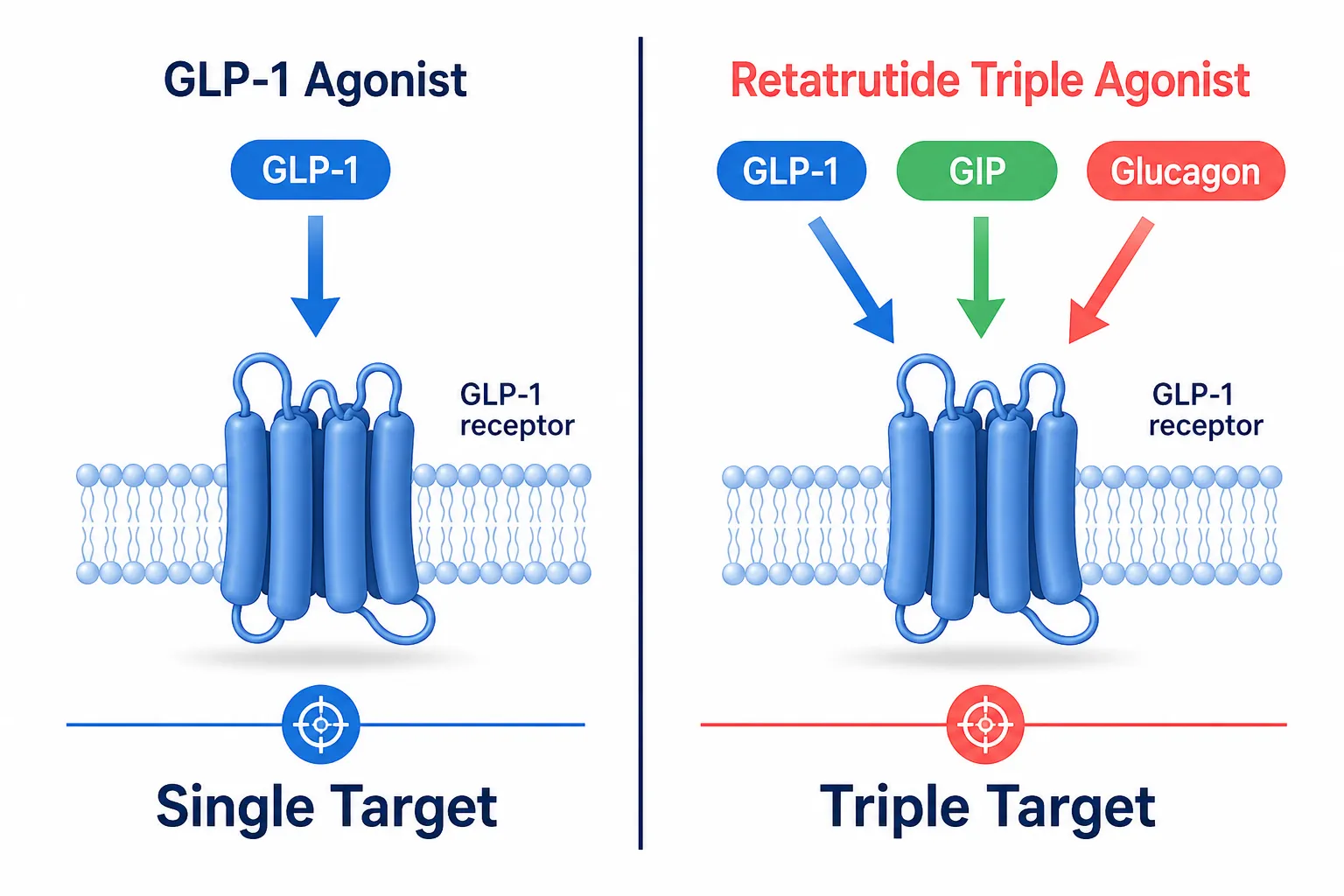
Palatin Technologies completed a Phase 2 trial pairing bremelanotide with tirzepatide, a dual GLP-1/GIP agonist. The combination group achieved a 4.4% weight reduction compared to 1.6% in the placebo group. The mechanistic logic is straightforward: MC4R activation suppresses appetite through central pathways, and stacking it with incretin-based agents may amplify energy balance effects. This is preliminary data, not an approved application — but it signals why researchers studying metabolic peptide synergy should monitor the MC4R literature closely.

Kidney Disease Models

The BREAKOUT Phase 2b study in type 2 diabetic kidney disease found that 71% of patients achieved more than a 30% reduction in urine protein/creatinine ratio with bremelanotide treatment. MC receptors expressed in renal tissue appear to modulate podocyte function and inflammatory signaling. These findings require further validation but represent a significant expansion of the peptide's research profile.


Purity, Pharmacokinetics, and Research Protocol Considerations

Purity, Pharmacokinetics, and Research Protocol Considerations

Reproducibility in peptide research starts with material quality. Research published in the Journal of Peptide Science demonstrated that PT-141 batches below 97% purity show an 18-24% variance in receptor binding affinity compared to pharmaceutical-grade material — a variance large enough to invalidate dose-response conclusions.

Following subcutaneous administration, PT-141 reaches peak plasma concentration within 30-60 minutes, with maximal effects observed between 1-4 hours. Despite a plasma half-life of approximately 2.7 hours, biological effects persist for 6-8 hours, likely due to receptor residence time and downstream neurochemical changes.

Common adverse events in clinical trials include:

  • Nausea (approximately 40% of participants)
  • Flushing (approximately 20%)
  • Injection site reactions
  • Transient blood pressure increases, typically resolving within 12 hours

Researchers sourcing material for preclinical work should consult detailed PT-141 research context documentation and review reference standard benchmarking practices before designing assays. For those ready to source verified material, PT-141 peptide for research use is available with documented purity specifications.

"Receptor selectivity is only as meaningful as the purity of the compound activating it."

Researchers comparing neuroendocrine peptides may also find value in reviewing BPC-157 core documentation for parallel methodology frameworks in CNS-adjacent peptide studies.


Conclusion

PT-141 peptide and melanocortin signaling represent a research area far broader than the erectile-function narrative that dominates popular coverage. The MC3R/MC4R axis connects appetite regulation, kidney filtration, metabolic balance, and neuroendocrine function — all active areas of investigation in 2026. Researchers entering this space should prioritize three immediate steps: verify that sourced material meets or exceeds 97% purity, design protocols that account for the peptide's extended biological half-life relative to plasma clearance, and monitor emerging Phase 2 data in metabolic and renal disease models. The mechanism is the message — and the mechanism here is considerably richer than the headlines suggest.


https://www.puretestedpeptides.com/wp-content/uploads/2026/06/PT-141-Peptide-and-Melanocortin-Signaling-What-Researchers-Should-Know-Beyond-Erectile-Function-Headlines.png 1024 1536 https://www.puretestedpeptides.com/wp-content/uploads/2026/01/buy-peptides-online.jpg 2026-06-02 22:09:512026-06-02 22:09:51PT-141 Peptide and Melanocortin Signaling: What Researchers Should Know Beyond Erectile-Function Headlines
MOTS-C vs 5-Amino-1MQ: Mitochondrial Signaling vs NNMT Inhibition in Fat-Loss Research

MOTS-C vs 5-Amino-1MQ: Mitochondrial Signaling vs NNMT Inhibition in Fat-Loss Research

June 2, 2026/0 Comments/in Uncategorized/by

}

Professional () hero image depicting a split-screen scientific visualization: left side shows a glowing blue mitochondrion

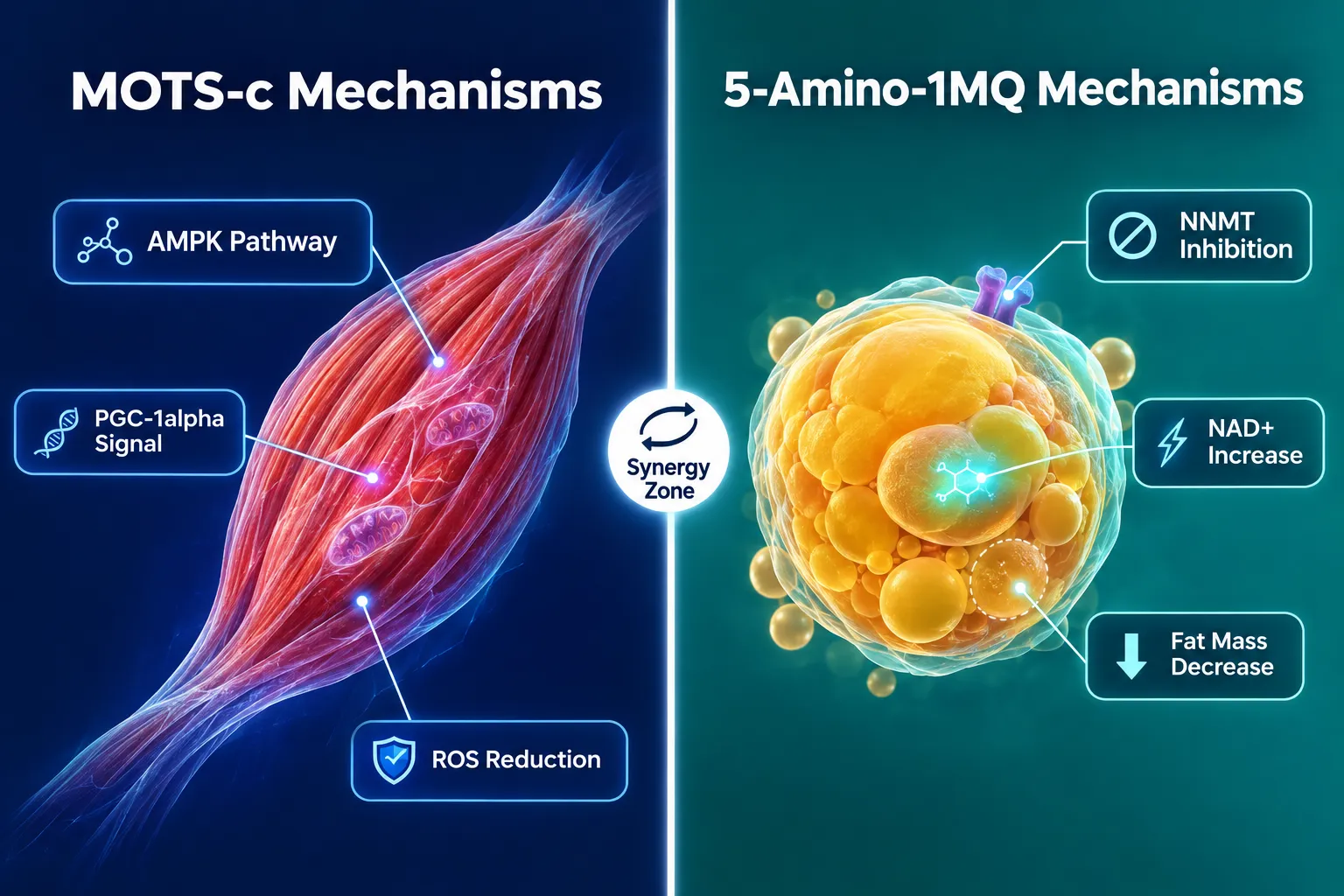
Obesity-related metabolic dysfunction now affects more than one billion people globally, yet the biological levers researchers use to study fat loss are remarkably different from one compound to the next. Two molecules generating serious scientific interest in 2026 — MOTS-C and 5-Amino-1MQ — work through entirely separate mechanisms, making a direct comparison both useful and necessary for anyone designing a metabolic research protocol.

This article provides a clean side-by-side look at MOTS-C vs 5-Amino-1MQ: Mitochondrial Signaling vs NNMT Inhibition in Fat-Loss Research, covering how each compound works, what preclinical evidence shows, and how researchers approach their use.

Key Takeaways

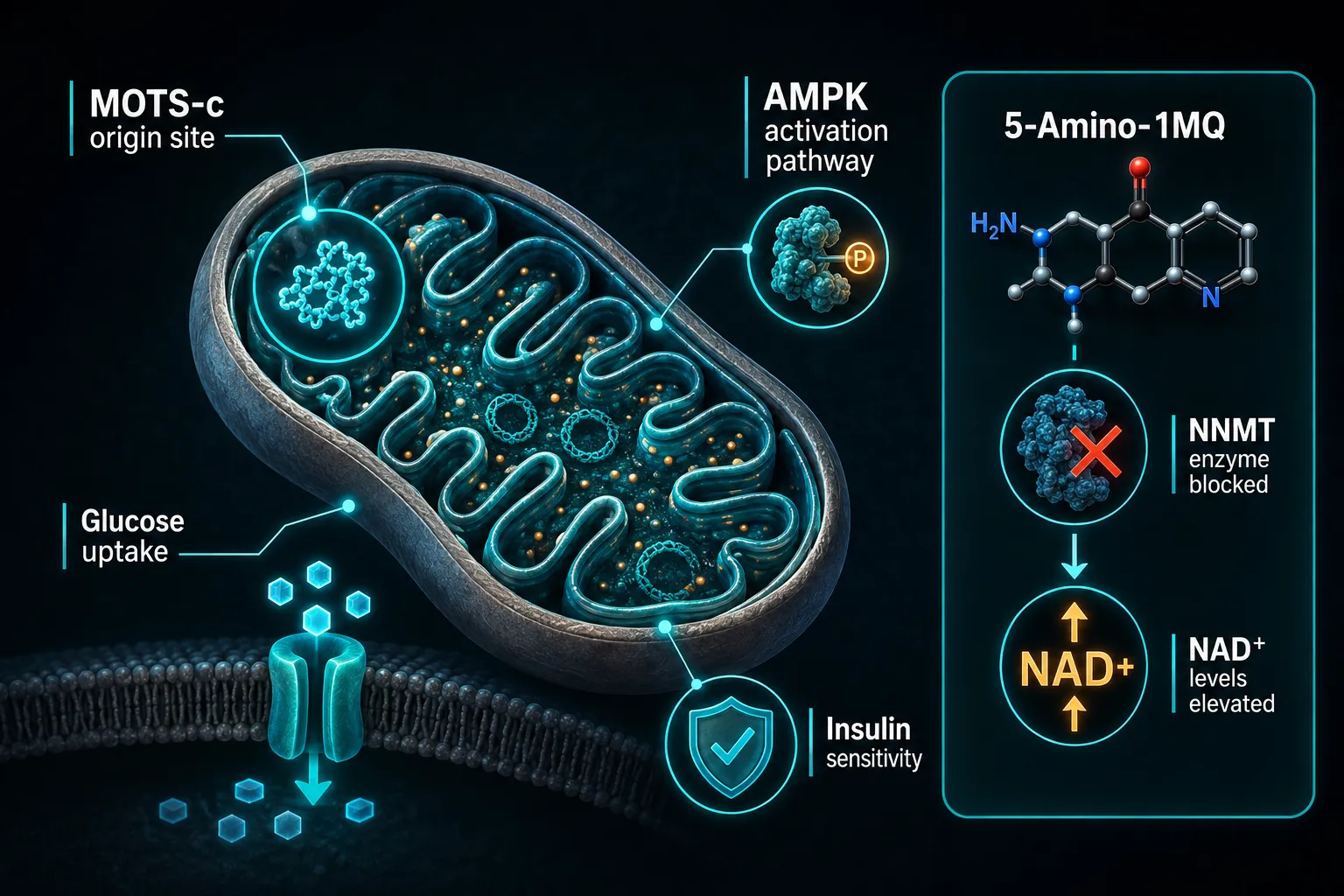
  • MOTS-C is a mitochondrial-derived peptide that activates AMPK and improves insulin sensitivity; 5-Amino-1MQ is a small-molecule enzyme inhibitor that raises cellular NAD+ levels.
  • Both compounds remain research-only and are not FDA-approved for human therapeutic use.
  • MOTS-C has early-phase clinical trials underway; 5-Amino-1MQ is still in the preclinical stage.
  • Administration routes differ: MOTS-C is typically injected subcutaneously, while 5-Amino-1MQ is taken orally.
  • Choosing between them depends on the biological pathway a researcher wants to target — mitochondrial signaling or enzyme inhibition.

How Each Compound Works

How Each Compound Works

MOTS-C: A Signal From the Mitochondria

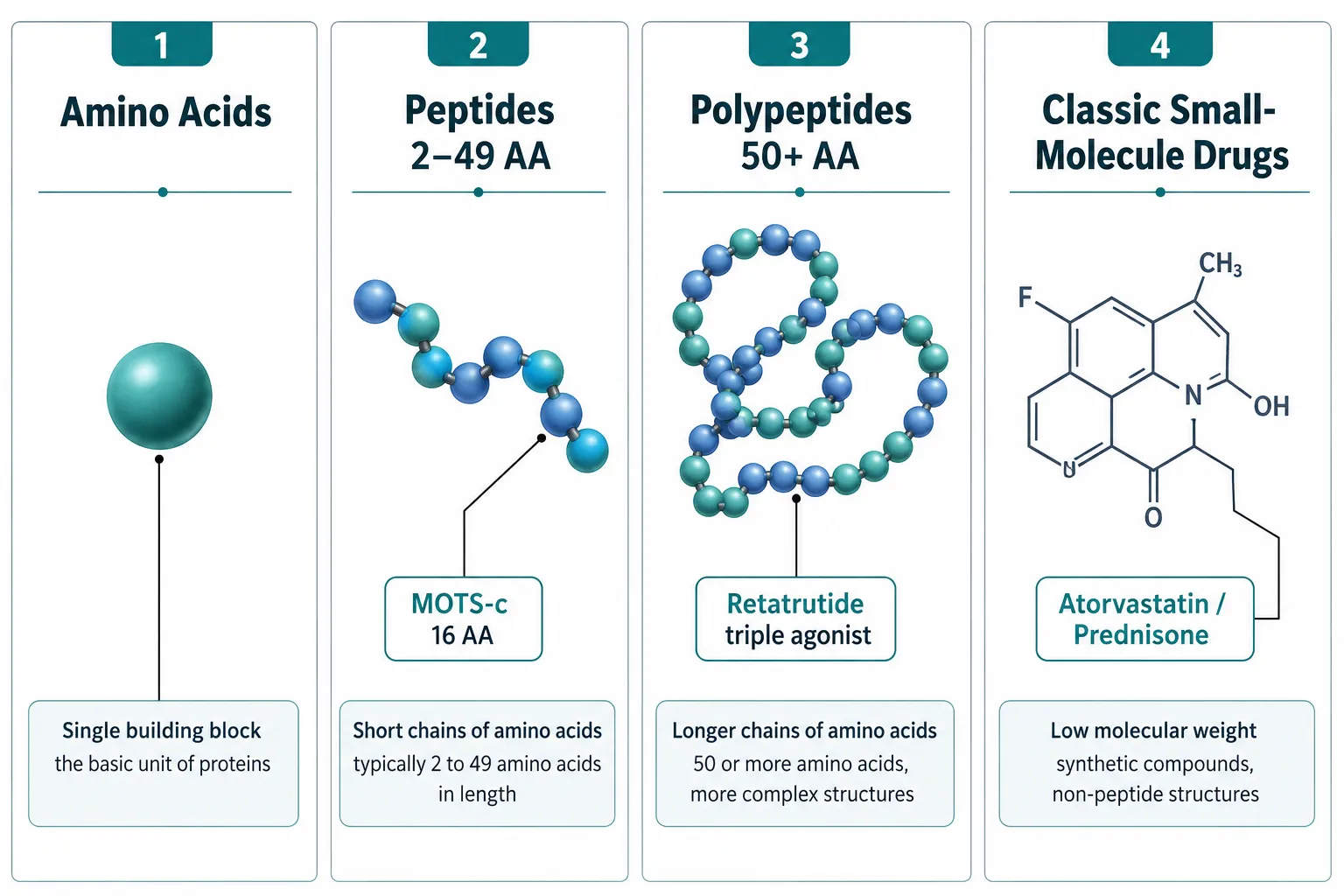
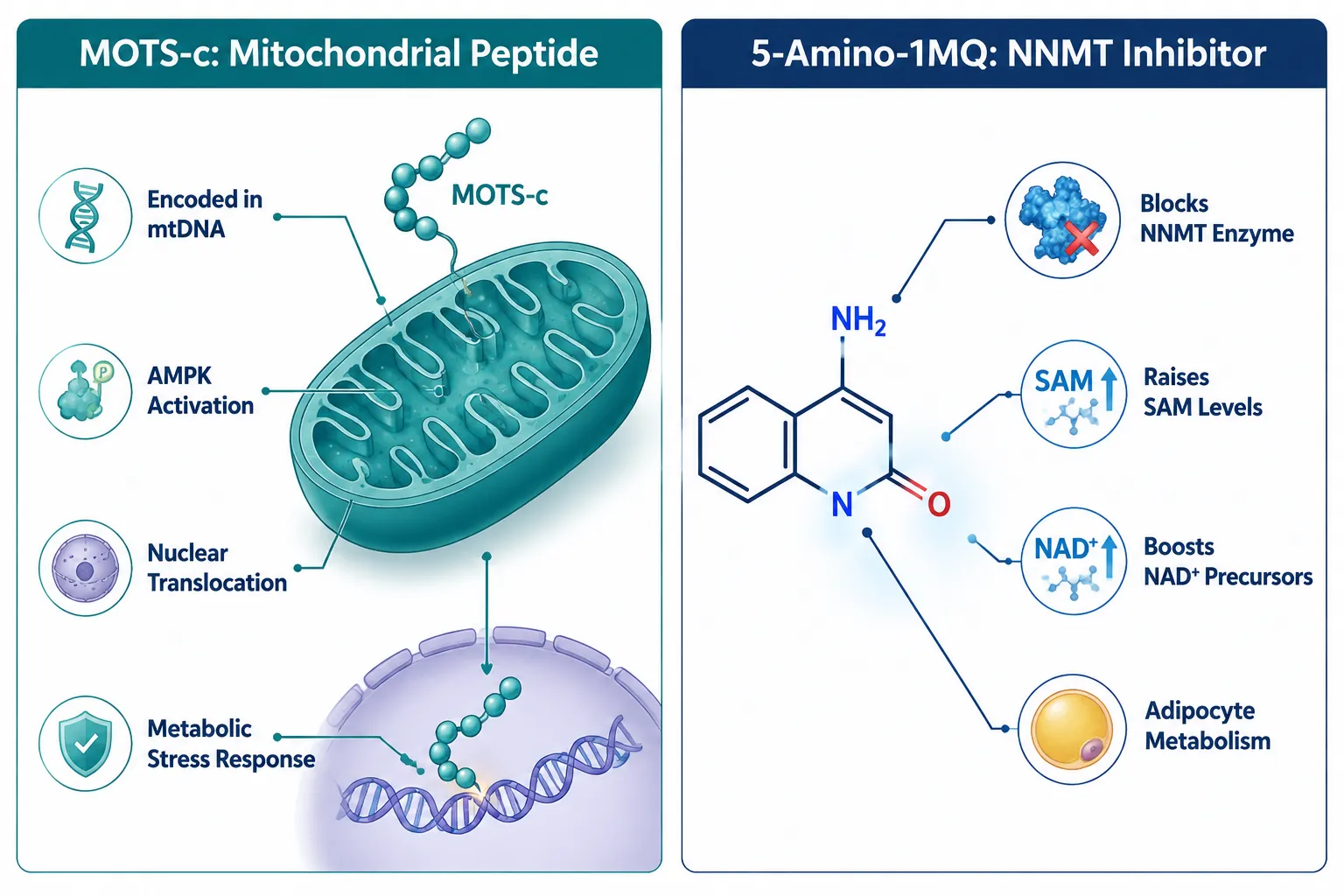
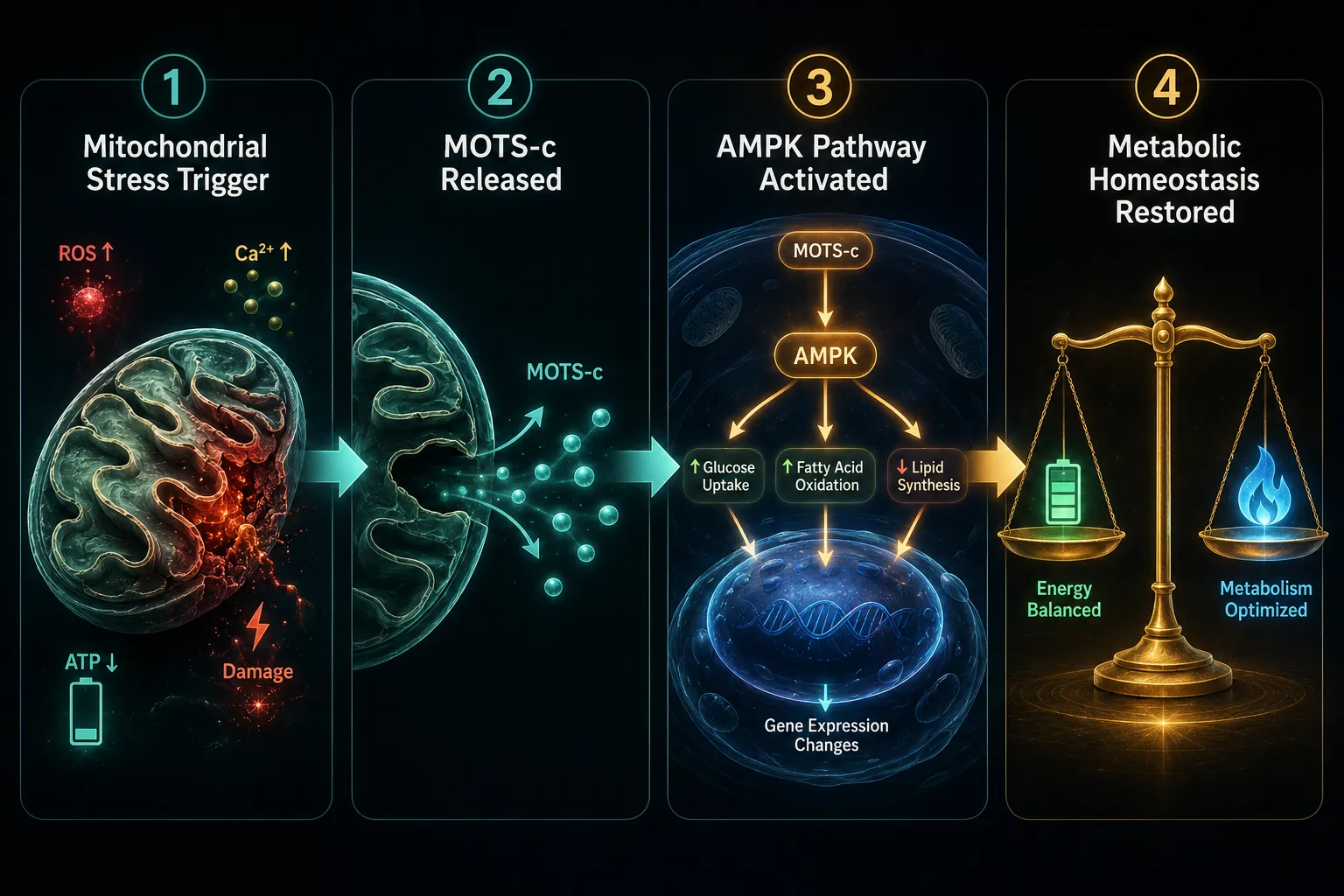
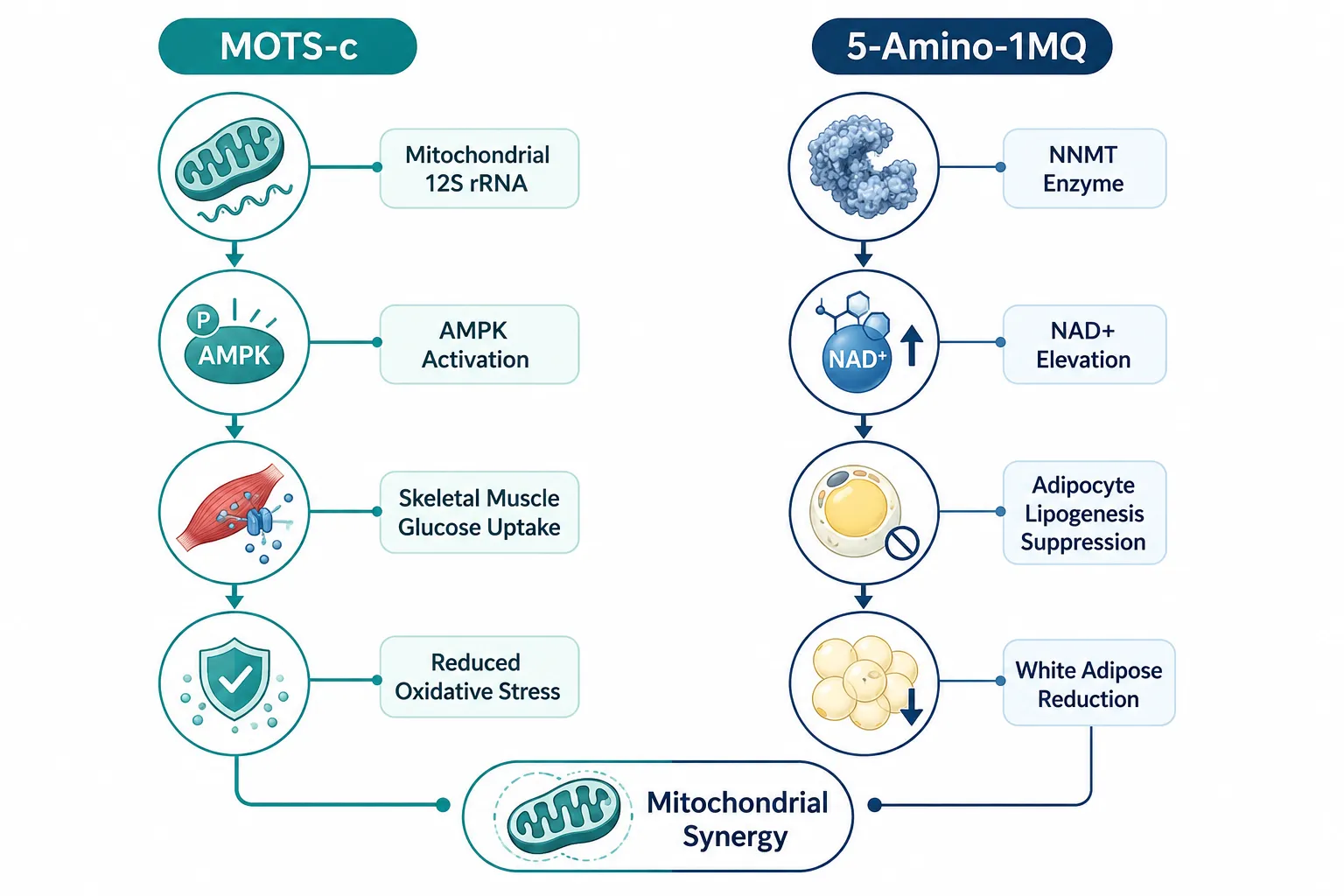
MOTS-C is a 16-amino-acid peptide encoded in the mitochondrial genome. Unlike most peptides, it originates inside the mitochondria and travels to the cell nucleus, where it regulates gene expression tied to metabolism and proteostasis. Its primary action involves activating AMP-activated protein kinase (AMPK), a central energy-sensing enzyme that promotes glucose uptake, fatty acid oxidation, and improved insulin sensitivity.

Because MOTS-C is mitochondria-derived, it functions as a genuine intracellular messenger — a type of "mitokine" — linking energy status directly to metabolic output. Researchers studying MOTS-C mitochondrial dynamics have noted its capacity to regulate skeletal muscle metabolism and support adaptation under metabolic stress conditions.

5-Amino-1MQ: Blocking the Fat-Storage Enzyme

5-Amino-1MQ takes a completely different approach. It is a small-molecule inhibitor of nicotinamide N-methyltransferase (NNMT), an enzyme that is overexpressed in the adipose tissue of obese individuals. NNMT consumes SAM (S-adenosylmethionine) and depletes cellular NAD+ precursors, effectively slowing metabolism and encouraging fat storage.

By blocking NNMT, 5-Amino-1MQ allows NAD+ levels to rise. Higher NAD+ activates sirtuins and other energy-expenditure pathways, shifting cellular behavior away from fat accumulation. This makes it a pharmacological tool for studying how enzyme inhibition can reprogram metabolic set points.


Preclinical Evidence and Research Findings

Preclinical Evidence and Research Findings

In the context of MOTS-C vs 5-Amino-1MQ: Mitochondrial Signaling vs NNMT Inhibition in Fat-Loss Research, the preclinical data for each compound tells a distinct story.

What Animal Studies Show

Feature MOTS-C 5-Amino-1MQ
Primary target AMPK / nuclear gene expression NNMT enzyme
Key metabolic effect Insulin sensitivity, muscle metabolism NAD+ elevation, fat reduction
Animal model outcomes Improved physical performance, metabolic regulation Fat loss, improved muscle stem-cell function
Human trials Early-phase clinical trials underway No RCTs conducted yet
Regulatory status Research compound Research compound

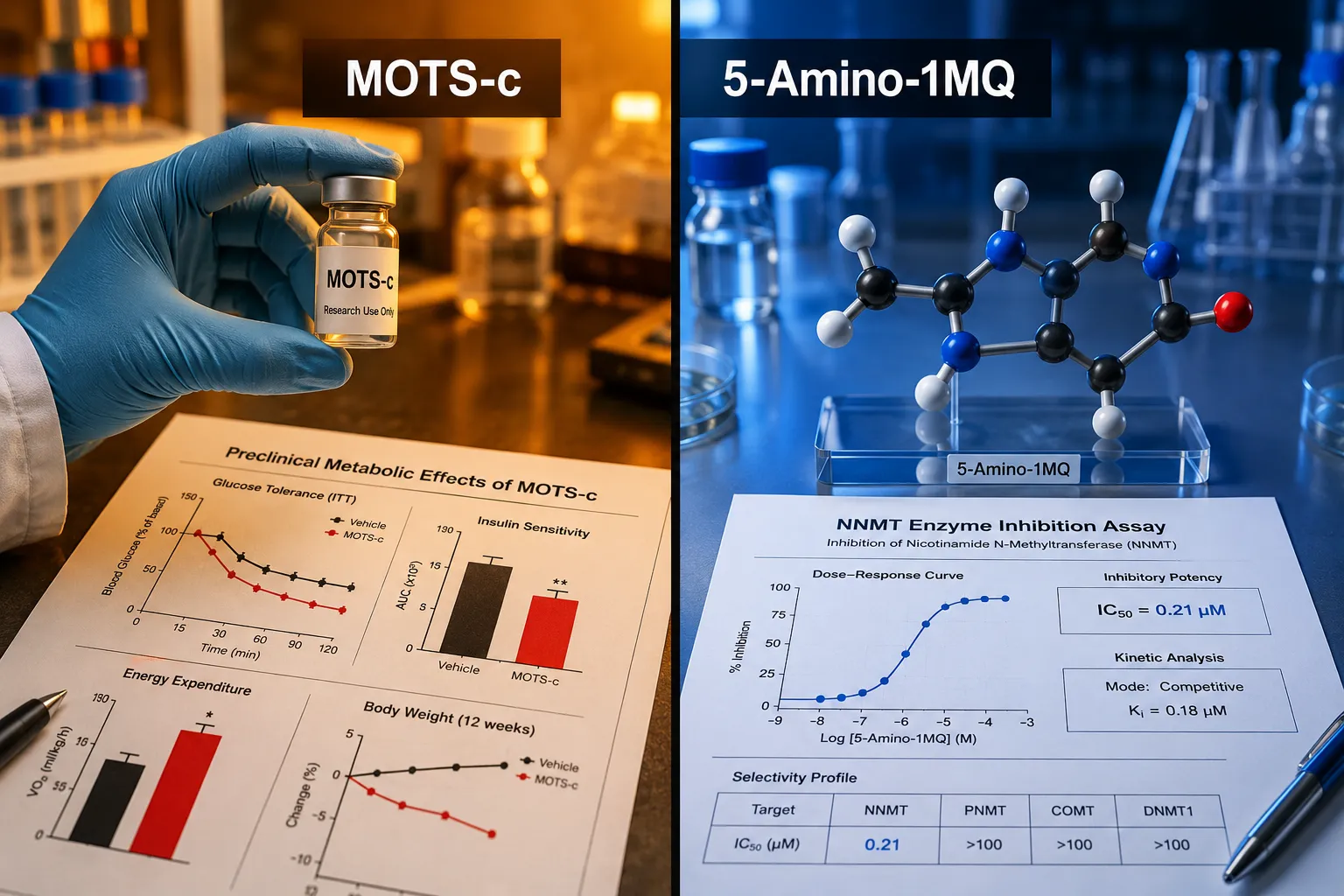
MOTS-C animal studies have shown improvements in physical performance across multiple age groups, with notable effects on skeletal muscle adaptation. Researchers exploring MOTS-C and SLU-PP332 combinations have examined whether stacking exercise-mimetic compounds amplifies these metabolic benefits.

5-Amino-1MQ demonstrated measurable fat loss and improved muscle stem-cell function in obese rodent models. However, no human randomized controlled trials have been completed, placing it firmly in the preclinical category.

For researchers interested in broader metabolic modulation research lines, both compounds represent distinct entry points into fat-loss biology.


Dosage, Administration, and Safety Considerations

Dosage, Administration, and Safety Considerations

Understanding the practical side of MOTS-C vs 5-Amino-1MQ: Mitochondrial Signaling vs NNMT Inhibition in Fat-Loss Research requires looking at how each compound is handled in research settings.

Research Dosing Protocols

MOTS-C is administered subcutaneously, typically at doses of 5–10 mg given two to three times per week. Its peptide structure requires injection to preserve bioavailability.

5-Amino-1MQ is taken orally at doses ranging from 50–150 mg daily in research contexts. Its small-molecule structure allows it to survive the digestive process, making oral delivery practical.

Neither compound has an established comprehensive safety profile due to the limited scope of human trials conducted to date.

Researchers comparing these agents alongside other metabolic peptides — such as those reviewed in longevity peptide research — should note that combining multiple metabolic modulators requires careful experimental design.

Those evaluating adjacent research tools, including Tesamorelin for fat-loss protocols or GLP-1 incretin research themes, will find that each compound targets a different node in the metabolic network.


Conclusion

The comparison of MOTS-C vs 5-Amino-1MQ: Mitochondrial Signaling vs NNMT Inhibition in Fat-Loss Research reveals two compounds that are complementary in concept but distinct in mechanism. MOTS-C targets mitochondrial-to-nuclear signaling through AMPK activation, while 5-Amino-1MQ removes an enzymatic brake on NAD+ metabolism.

Actionable next steps for researchers:

  • Define the biological pathway of interest before selecting a compound — mitochondrial signaling or enzyme inhibition.
  • Review current early-phase trial data for MOTS-C before designing human-adjacent protocols.
  • Treat 5-Amino-1MQ as a purely preclinical tool until RCT data becomes available.
  • Consider whether multi-pathway approaches, such as those explored in peptide blend research, could address multiple metabolic targets simultaneously.
  • Source research compounds only from suppliers providing verified purity documentation.

Both compounds are research tools, not therapeutic agents. Rigorous experimental design, appropriate controls, and attention to evolving regulatory guidance remain essential for any serious investigation into metabolic fat-loss biology.


https://www.puretestedpeptides.com/wp-content/uploads/2026/06/MOTS-C-vs-5-Amino-1MQ-Mitochondrial-Signaling-vs-NNMT-Inhibition-in-Fat-Loss-Research.png 1024 1536 https://www.puretestedpeptides.com/wp-content/uploads/2026/01/buy-peptides-online.jpg 2026-06-02 22:09:332026-06-02 22:09:33MOTS-C vs 5-Amino-1MQ: Mitochondrial Signaling vs NNMT Inhibition in Fat-Loss Research
Photo Selank nasal spray

Improving Mental Health with Selank Nasal Spray

March 4, 2026/0 Comments/in Uncategorized/by Pure Tested

Mental well-being is a complex landscape, often navigated with varying degrees of success. Many individuals seek modalities to enhance their mental acuity and emotional resilience. One such modality that has garnered attention is Selank nasal spray. This synthetic peptide, derived from the human immunoglobulin G molecule, is primarily explored for its potential in ameliorating symptoms associated with anxiety and related disorders, as well as its reported cognitive benefits.

Selank is a heptapeptide (Thr-Lys-Pro-Arg-Pro-Gly-Pro) that was developed in Russia. Its structure is analogous to tuftsin, a naturally occurring immunomodulatory peptide. This structural similarity is believed to underpin some of its observed effects, particularly in relation to immune system modulation. However, its primary applications under consideration relate to neuropharmacology.

Origin and Development

The development of Selank emerged from research into synthetic peptide analogues designed to replicate or enhance specific biological functions. The initial rationale for its creation revolved around the exploration of peptides that could exert anxiolytic effects without the sedative properties often associated with conventional anxiolytics.

Peptide Pharmacology

As a peptide, Selank interacts with biological systems through different mechanisms than small-molecule pharmaceuticals. Peptides typically exhibit high specificity for their targets, which can translate to fewer off-target effects. Its administration via nasal spray is a deliberate choice, intended to bypass first-pass metabolism in the liver and facilitate direct absorption into the bloodstream and, subsequently, the central nervous system.

Selank nasal spray has garnered attention for its potential cognitive-enhancing and anxiolytic effects, making it a subject of interest in the realm of nootropics. For those looking to explore related peptides that may also support cognitive function and overall well-being, you might find the article on Tesa CJC-1295 and Ipamorelin particularly informative. This blend is known for its growth hormone-releasing properties, which can complement the effects of Selank. To learn more about this peptide blend and its dosage, you can visit the article here: Tesa CJC-1295 and Ipamorelin.

Selank’s Impact on Anxiety and Stress Reduction

Anxiety and stress are prevalent challenges in modern society, often manifesting as a persistent state of unease or heightened physiological arousal. Selank nasal spray has been investigated for its capacity to mitigate these states without inducing sedation, a common side effect of many traditional anxiolytics.

Clinical Observations

In clinical settings, Selank has demonstrated an ability to reduce anxiety levels. For instance, in trials involving individuals diagnosed with Generalized Anxiety Disorder (GAD), Selank has shown comparable efficacy to established anxiolytic medications such as medazepam. One study, involving 62 patients with GAD, reported equivalent reductions in anxiety scores between the Selank group and the medazepam group. This suggests that Selank may offer a non-sedating alternative for managing anxiety.

Mechanisms of Anxiolysis

The anxiolytic effects of Selank are attributed to its influence on several key neurotransmitter systems. It is understood to modulate gamma-aminobutyric acid (GABA)ergic neurotransmission, which is central to the brain’s inhibitory processes. By enhancing GABAergic activity, Selank can help to dampen neuronal excitability, leading to a state of calm. Furthermore, its interaction with serotonin pathways contributes to its anxiety-reducing properties, as serotonin plays a crucial role in mood regulation and anxiety.

Non-addictive Profile

A significant advantage reported for Selank is its non-addictive nature. Unlike benzodiazepines, which carry a risk of dependence and withdrawal, Selank is not associated with these issues. This makes it an appealing option for individuals seeking long-term management of anxiety without concerns about developing tolerance or withdrawal symptoms. The absence of sedation also allows individuals to maintain normal cognitive function and daily activities while undergoing treatment.

Mood Improvement and Emotional Stability

Beyond its anxiolytic properties, Selank has been implicated in enhancing mood and promoting emotional stability. The intricate interplay of neurotransmitters, hormonal balance, and neural pathways dictates an individual’s emotional landscape. Selank appears to contribute positively to this balance.

Neurotransmitter Modulation

One of the primary ways Selank is thought to improve mood is through its modulation of neurotransmitter levels. It has been shown to influence serotonin, a key neurotransmitter often referred to as the “feel-good” chemical. By stabilizing serotonin levels, Selank can contribute to a more balanced emotional state, potentially alleviating symptoms of low mood and emotional lability. Additionally, its broader impact on neurotransmitter systems suggests a generalized harmonizing effect on brain chemistry.

Long-term Anxiolytic Effects

Rodent studies have provided insights into the sustained effects of Selank on mood and anxiety. These investigations suggest that Selank can induce long-term anxiolytic effects, which is a departure from many acute-acting anxiolytics. This sustained influence can contribute to greater emotional resilience over time, allowing individuals to navigate stressful situations with greater equanimity. The concept here is akin to a gentle, persistent current shaping a riverbed, gradually creating a more stable and navigable course for emotional flow.

Potential for Depression Relief

While not primarily classified as an antidepressant, the mood-elevating and anxiety-reducing properties of Selank suggest a potential adjunctive role in managing depressive symptoms. By addressing underlying anxiety and emotional instability, it could indirectly contribute to an improved overall mood profile. However, it is crucial to note that further comprehensive research is required to fully elucidate its efficacy in clinical depression. Current research suggests it acts more as a supportive agent for mental well-being rather than a primary antidepressant.

Cognitive Enhancement and Mental Clarity

Cognitive function encompasses a range of mental processes, including attention, memory, executive functions, and problem-solving. Individuals seeking to sharpen these abilities often explore various avenues. Selank has been identified as a compound with potential nootropic effects, contributing to improved cognitive performance and mental clarity.

Focus and Memory Improvement

Users of Selank have reported enhancements in focus and memory. This is attributed to its impact on neuroplasticity and the efficiency of neural networks. Improved synaptic function can lead to better information processing and retention. Think of your brain as a library; Selank may be helping to index the books more efficiently and providing clearer pathways to access specific information.

BDNF Levels and Neuronal Health

Brain-Derived Neurotrophic Factor (BDNF) is a protein crucial for neuronal growth, survival, and differentiation. It plays a vital role in memory formation and overall brain health. Studies indicate that Selank may contribute to increased BDNF levels. Elevated BDNF is associated with improved cognitive function and resilience against neurodegenerative processes. This suggests that Selank might not only enhance immediate cognitive abilities but also support long-term brain health.

Timeline of Cognitive Benefits

The onset and progression of cognitive benefits from Selank typically follow a staggered timeline. Many users report an initial sense of calm and mental clarity within a few days to one or two weeks of consistent use. However, the more robust nootropic and mood-enhancing effects tend to become noticeable after four to twelve weeks. This gradual manifestation suggests a process of neuroadaptation and cumulative effect rather than an instantaneous alteration. It is akin to consistently training a muscle – initial changes are subtle, but significant strength develops over weeks and months.

Selank nasal spray has gained attention for its potential benefits in enhancing cognitive function and reducing anxiety. For those interested in exploring how peptides can support cognitive health and brain function, a related article provides valuable insights into the mechanisms and advantages of these compounds. You can read more about it in this informative piece on peptides and their impact on cognitive health. This connection highlights the growing interest in innovative treatments for mental well-being.

Mechanisms of Action and Efficacy Timeline

Metric Value Unit Notes
Active Ingredient Selank – Heptapeptide analog of tuftsin
Concentration 300 mcg/mL Typical nasal spray concentration
Dosage per Spray 250 mcg Approximate amount delivered per spray
Recommended Daily Dose 750 – 1500 mcg Divided into 2-3 administrations
Onset of Action 15 – 30 minutes Time to noticeable effect
Duration of Effect 4 – 6 hours Approximate duration of anxiolytic effect
Storage Temperature 2 – 8 °C Refrigerated storage recommended
pH 5.5 – 6.5 – Optimal nasal spray pH range
Bioavailability High – Due to intranasal administration
Common Side Effects None or mild irritation – Generally well tolerated

Understanding how Selank exerts its effects is crucial for appreciating its potential. Its mechanisms are multifaceted, involving neurochemical modulation and immune system interaction. The timeline of its benefits also offers practical guidance for users.

Modulating GABA and Serotonin

As previously mentioned, Selank’s influence on GABA and serotonin systems is central to its anxiolytic and mood-stabilizing effects. It appears to modulate the activity of GABA receptors, thereby enhancing the inhibitory signaling in the brain. This contributes to a sense of calm and reduces over-excitation. Simultaneously, its interaction with serotonin pathways helps to regulate mood, sleep, appetite, and social behavior. This dual modulation creates a balanced neurochemical environment conducive to mental well-being.

Immune System Modulation (Tuftsin Analog)

Selank’s structural similarity to tuftsin, an immunomodulatory peptide, means it also interacts with the immune system. Tuftsin is known to stimulate phagocytic activity and enhance immune responses. While the primary focus of Selank research remains neuropharmacological, its immune-modulating properties may indirectly contribute to overall physiological resilience, including the mitigation of stress-induced immune dysfunction. This interplay between the nervous and immune systems is increasingly recognized in the context of mental health.

Non-addictive and Well-Tolerated Profile

One of the most compelling aspects of Selank is its reported non-addictive profile. This distinguishes it from many conventional anxiolytics, which can lead to dependence and withdrawal. Its lack of significant side effects, particularly sedation, contributes to its well-tolerated nature. This makes it an attractive option for individuals seeking mental health support without compromising daily functioning or facing the challenges of discontinuation syndromes.

Timeline of Benefits

The speed at which benefits manifest is often a key consideration for individuals exploring new interventions. Selank, being administered nasally, offers relatively fast absorption, leading to rapid initial effects.

  • Days to 1-2 Weeks: Users may begin to experience a noticeable sense of calm, reduced anxiety, and improved mental clarity. This initial phase often involves the amelioration of acute stress responses.
  • 4-6 Weeks: As consistent use continues, the nootropic benefits tend to become more prominent. Enhanced focus, improved memory, and a more robust sense of mental acuity are commonly reported. The building of BDNF levels and sustained neurotransmitter modulation contribute to these effects.
  • 4-12 Weeks: The full spectrum of benefits, including significant mood improvement, emotional stability, and sustained cognitive enhancement, typically solidifies within this extended period. This longer timeline reflects the brain’s process of adaptation and the gradual strengthening of neural pathways. Think of it as a garden: initial watering brings immediate relief, but sustained care over weeks and months leads to robust growth and abundant blooms.

Psychology Today Mention and Ongoing Research

The growing interest in Selank as a potential tool for mental well-being is reflected in its recent mentions in popular science and health publications. For instance, Psychology Today (October 2025) highlighted Selank nasal spray’s role in neurotransmitter modulation for mental health. Such publications underscore the increasing public and professional awareness of this peptide. However, it is crucial to recognize that while promising, ongoing research is essential for full clinical validation of Selank. The scientific community continues to explore its precise mechanisms, optimal dosages, and long-term safety profiles through rigorous clinical trials to ensure its effective and responsible integration into mental health practices.

Direct Address to the Reader

As an individual considering options for mental well-being, it is paramount to approach any new modality with informed discernment. Selank nasal spray presents itself as an investigational peptide with a fascinating profile of potential benefits, particularly in anxiety reduction, mood stabilization, and cognitive enhancement, all without the burden of addiction or sedation. The information presented here, drawn from clinical observations and scientific studies, aims to illuminate its reported effects and mechanisms. However, the landscape of mental health is unique to each person. What works for one may not work for another, and individual responses can vary. As with any intervention affecting brain chemistry, consulting with a qualified healthcare professional is always the recommended course of action before beginning a regimen. They can provide personalized advice based on your specific health profile and existing conditions. The journey toward improved mental health is often a nuanced one, and informed choices are your most steadfast companions.

https://www.puretestedpeptides.com/wp-content/uploads/2026/03/image-11.jpg 600 900 Pure Tested https://www.puretestedpeptides.com/wp-content/uploads/2026/01/buy-peptides-online.jpg Pure Tested2026-03-04 20:02:012026-03-04 20:02:01Improving Mental Health with Selank Nasal Spray
Photo Tesamorelin Ipamorelin peptide blend

Boost Growth Hormone with Tesamorelin Ipamorelin Peptide Blend

March 4, 2026/0 Comments/in Uncategorized/by Pure Tested

Growth hormone (GH) is a polypeptide hormone produced by somatotropic cells in the anterior pituitary gland. It plays a critical role in various physiological processes, including growth, cell reproduction and regeneration, and metabolism. Levels of GH naturally decline with age, a phenomenon often associated with a range of age-related changes. Manipulating GH secretion, therefore, has been a subject of ongoing research and clinical interest. One approach involves the use of growth hormone-releasing peptides (GHRPs) and growth hormone-releasing hormone (RHRH) analogues, which act by stimulating different pathways involved in GH release.

If you’re considering the benefits of the Tesamorelin and Ipamorelin peptide blend, you might find it helpful to read more about where to purchase high-quality peptides. A related article that provides insights into reputable sources for buying peptides can be found at this link. It offers valuable information on ensuring the quality and efficacy of the peptides you choose to enhance your health and wellness journey.

The Synergistic Action of Tesamorelin and Ipamorelin

The combination of Tesamorelin and Ipamorelin represents a deliberate strategy to amplify growth hormone secretion. Tesamorelin is a synthetic analogue of growth hormone-releasing hormone (GHRH), while Ipamorelin is a selective growth hormone secretagogue (GHRP). Their combined action targets distinct, yet complementary, pathways to enhance GH pulsatility and overall GH levels.

Tesamorelin: A GHRH Analogue

Tesamorelin functions by mimicking the body’s natural GHRH. It binds to GHRH receptors on somatotropic cells in the anterior pituitary gland, stimulating the production and release of endogenous GH. This sustained stimulation helps to restore a more youthful pattern of GH secretion. The FDA has approved Tesamorelin for the treatment of HIV-associated lipodystrophy, a condition characterized by abnormal fat distribution.

Ipamorelin: A Selective Growth Hormone Secretagogue

Ipamorelin belongs to the class of GHRPs. Unlike some other GHRPs, Ipamorelin is characterized by its high selectivity for the GH secretagogue receptor (GHSR-1a). This selectivity minimizes off-target effects, such as the increase in cortisol and prolactin levels, which can be observed with less selective GHRPs. Ipamorelin primarily works by mimicking ghrelin, the endogenous ligand for GHSR-1a, leading to a pulsatile release of GH.

Combined Mechanism of Action

When Tesamorelin and Ipamorelin are administered together, their individual mechanisms converge. Tesamorelin establishes a more robust foundation of GHRH signaling, priming the pituitary for GH release. Ipamorelin, simultaneously, provides targeted, pulsatile stimulation to the same somatotropic cells. This dual-pronged approach is akin to having two distinct signals, each reinforcing the other, to elicit a more profound GH response. One study indicated that this blend could induce up to a 54-fold increase in pulsatile GH secretion, alongside an elevation in insulin-like growth factor 1 (IGF-1). IGF-1, a hormone primarily produced by the liver in response to GH, mediates many of GH’s anabolic effects on muscle, bone, and other tissues.

Targeted Fat Reduction and Body Composition

Tesamorelin Ipamorelin peptide blend

One of the most notable effects attributed to elevated GH levels, particularly with the Tesamorelin-Ipamorelin blend, is its impact on body composition, specifically fat reduction. This blend demonstrates a particular efficacy in addressing visceral abdominal fat (VAF).

Visceral Adipose Tissue and Metabolic Health

Visceral adipose tissue is fat stored deep within the abdominal cavity, surrounding vital organs. Elevated levels of VAF are strongly correlated with an increased risk of metabolic syndrome, type 2 diabetes, cardiovascular disease, and other chronic health conditions. Tesamorelin’s FDA approval for HIV lipodystrophy underscores its proven ability to reduce VAF in a specific clinical population. The blend extends this benefit by broadly influencing metabolic health through enhanced GH secretion.

Preserving Lean Muscle Mass

While the primary focus regarding fat reduction often centers on the adipose tissue itself, the preservation and enhancement of lean muscle mass are equally important for overall body composition and metabolic health. Growth hormone is inherently anabolic, promoting protein synthesis and muscle growth. The Tesamorelin-Ipamorelin blend, by elevating GH and subsequently IGF-1, not only aids in fat loss but also contributes to the maintenance and potential increase of lean muscle. This dual action is crucial, as often, weight loss strategies can inadvertently lead to muscle catabolism. The blend aims to shift the body’s metabolic bias towards fat utilization for energy while safeguarding muscle tissue. Achieving a positive nitrogen balance, essential for muscle protein synthesis, is facilitated by these elevated anabolic hormones.

Beyond HIV Lipodystrophy

While Tesamorelin’s initial approval is for HIV lipodystrophy, the underlying mechanisms of action suggest broader applicability for fat reduction. Research into the combined use of Tesamorelin, Ipamorelin, and potentially CJC-1295 (a GHRH analogue that extends the half-life of Tesamorelin) in lipodystrophy models continues to explore enhanced GH secretion and further reductions in visceral fat. This highlights a broader scientific interest in tailoring peptide blends for specific body composition goals beyond the initial clinical indications.

Broader Health and Wellness Applications

Photo Tesamorelin Ipamorelin peptide blend

The effects of optimized GH levels extend well beyond fat reduction and improved body composition. A balanced and sustained increase in GH, achieved through the Tesamorelin-Ipamorelin blend, can contribute to a range of holistic health benefits.

Anti-Aging and Skin Elasticity

As GH levels decline with age, so too does the body’s capacity for tissue regeneration and repair. Replenishing GH can influence various markers associated with aging. For instance, GH is involved in collagen and elastin synthesis, proteins crucial for skin structure and elasticity. Increased GH levels can contribute to improved skin turgor and a reduction in the visible signs of aging. This is not about reversing aging, but rather about supporting the body’s natural regenerative processes to maintain a more youthful physiological state.

Energy Levels and Sleep Quality

Many individuals report improvements in energy levels and sleep quality with optimized GH. GH plays a role in regulating cellular energy metabolism. Furthermore, aspects of GH secretion are intricately linked with sleep cycles, particularly slow-wave sleep. By promoting a more physiological GH pulsatility, the blend may contribute to more restorative sleep, which in turn impacts daytime energy, mood, and cognitive function. This is a subtle yet significant domino effect: better sleep fuels better energy, creating a more robust foundation for overall well-being.

Muscle Recovery and Bone Formation

The anabolic properties of GH and IGF-1 are fundamental to muscle recovery and bone health. Following strenuous exercise, muscle fibers undergo repair and remodeling. GH and IGF-1 facilitate protein synthesis, which is essential for this regenerative process, potentially leading to faster recovery times and reduced muscle soreness. Similarly, GH plays a pivotal role in maintaining bone mineral density and stimulating osteoblast activity (bone-forming cells). This can be particularly beneficial for aging individuals who are at a higher risk of osteoporosis and diminished bone strength. The blend provides a physiological stimulus for these foundational processes, supporting structural integrity and resilience.

Protein Synthesis and Overall Anabolism

At a fundamental cellular level, growth hormone is a pro-anabolic hormone. It promotes the uptake of amino acids into cells, facilitating the synthesis of new proteins. This widespread increase in protein synthesis is not limited to muscle; it impacts virtually all tissues and organs in the body. This systemic anabolic effect underpins many of the observed benefits, from improved wound healing to enhanced cellular repair. It is the architect of building and repairing, ensuring the body’s machinery remains well-maintained.

Absence of Cortisol and Prolactin Increase

A significant advantage of the Tesamorelin-Ipamorelin blend, particularly due to Ipamorelin’s selectivity, is the ability to stimulate GH release without concurrently raising levels of cortisol or prolactin. Cortisol, the primary stress hormone, can have catabolic effects if chronically elevated, leading to muscle breakdown and fat accumulation. Prolactin, another pituitary hormone, can also have undesirable side effects when elevated. By avoiding these unwanted hormonal fluctuations, the blend offers a cleaner, more physiological method of boosting GH, minimizing potential adverse effects and optimizing the desired outcomes.

If you’re considering the benefits of using a peptide blend like Tesamorelin and Ipamorelin, you might find it helpful to explore related articles that discuss other peptides and their effects. For instance, an insightful read on the synergistic properties of BPC-157 and TB-500 can be found in this article, which delves into their potential benefits for recovery and healing. You can check it out for more information on how these peptides work together to enhance overall wellness. To learn more, visit this link.

Clinical Insights and Emerging Trends (2025-2026)

Metric Details
Product Name Tesamorelin Ipamorelin Peptide Blend
Peptides Included Tesamorelin, Ipamorelin
Common Uses Fat reduction, Growth hormone stimulation, Anti-aging
Dosage Form Lyophilized powder for reconstitution
Typical Dosage 200 mcg Tesamorelin + 100-300 mcg Ipamorelin per day
Administration Subcutaneous injection
Storage Conditions Refrigerate at 2-8°C, protect from light
Expected Results Timeline 4-8 weeks for visible fat reduction and improved skin tone
Side Effects Injection site reactions, headache, flushing, dizziness
Purchase Considerations Buy from reputable suppliers, verify peptide purity and authenticity

The field of peptide therapeutics is continually evolving, with ongoing research refining our understanding and expanding the potential applications of compounds like Tesamorelin and Ipamorelin. Recent insights and anticipated trends underscore the growing interest in these blends.

Enhanced GH Secretion with Triple Blends

Looking ahead to 2025, there are proposals and ongoing investigations into the efficacy of combining Tesamorelin and Ipamorelin with other GHRH analogues, such as CJC-1295. CJC-1295 is a modified GHRH that, when administered, has an extended half-life, meaning it remains active in the body for a longer period. The theoretical advantage of a Tesamorelin/Ipamorelin/CJC-1295 blend lies in creating an even more sustained and potent GH secretagogue effect. Tesamorelin provides a physiological GHRH signal, Ipamorelin offers precise, pulsatile GHRP stimulation, and CJC-1295 provides a prolonged GHRH background. This three-pronged approach aims for maximal GH release and potentially superior outcomes, particularly in conditions like lipodystrophy where significant VAF reduction is desired. This combination is akin to orchestrating a symphony of signals to achieve a crescendo of growth hormone release.

Role in Wellness and Performance

Anticipated trends for 2026 highlight Tesamorelin and Ipamorelin, both individually and as a blend, as leading peptides for specific wellness and performance-related goals. Their ability to induce GH release makes them attractive for individuals focusing on body composition enhancements, particularly fat loss. In the context of bodybuilding and athletic performance, recovery is paramount. The anabolic and regenerative effects of GH, facilitated by these peptides, can contribute to faster recovery from intense training, allowing for more consistent and effective workouts. This leads to improved muscle adaptation and growth.

A Top Fat-Loss Peptide

Beyond their role in specific clinical conditions, the Tesamorelin-Ipamorelin blend is gaining recognition as a “top fat-loss peptide.” This designation stems from the collective evidence pointing to its efficacy in reducing visceral and subcutaneous fat, often without significant dietary changes. While no peptide is a magic bullet, its ability to shift metabolic pathways towards fat utilization and maintain lean mass makes it a potent tool in a comprehensive fat-loss strategy. It acts as a metabolic sculptor, refining body composition by primarily targeting adipose tissue.

Broader Lifestyle Integration

The increasing awareness and accessibility of these peptides are also leading to their integration into broader wellness protocols. From individuals seeking to mitigate age-related decline to athletes looking for a competitive edge, the applications are expanding. However, it is crucial to emphasize that responsible use, under medical supervision, remains paramount. The narrative around these peptides is shifting from niche clinical applications to a more widespread understanding of their potential in optimizing human physiology for various health and performance objectives. This is not about shortcuts, but about providing the body with optimal conditions to perform at its best.

Administration and Considerations

The administration of Tesamorelin-Ipamorelin blend typically involves subcutaneous injection. Dosage and frequency are critical parameters that must be determined by a healthcare professional, based on individual needs, health status, and specific treatment goals.

Storage and Handling

These peptides are usually supplied as lyophilized powders and require reconstitution with sterile water (bacteriostatic water is commonly used). Proper refrigeration is essential for storage to maintain their stability and efficacy. Before injection, the reconstituted solution should be clear and free of particulate matter. Adherence to strict sterile technique is crucial during reconstitution and administration to prevent contamination.

Potential Side Effects

While generally considered safe when used appropriately, potential side effects can occur. These may include injection site reactions (redness, swelling, irritation), headache, joint pain (arthralgia), or flu-like symptoms. More rarely, individuals may experience nausea or dizziness. It’s important to monitor for any adverse reactions and communicate them to a healthcare provider. The selective nature of Ipamorelin helps mitigate some of the side effects associated with less selective GHRPs, such as elevated cortisol and prolactin, but individual responses can vary.

Contraindications and Precautions

The use of Tesamorelin-Ipamorelin blend is contraindicated in certain conditions, such as known hypersensitivity to either peptide, pregnancy, or breastfeeding. Individuals with active cancer, a history of pituitary tumors, or uncontrolled diabetes should exercise caution or avoid use entirely, as GH can influence these conditions. A thorough medical evaluation, including a review of medical history and current medications, is essential before initiating treatment. This ensures that the benefits outweigh any potential risks for the individual.

Conclusion

The Tesamorelin and Ipamorelin peptide blend offers a targeted and synergistic approach to augmenting growth hormone secretion. By stimulating distinct yet complementary pathways, this blend can lead to a significant increase in GH pulsatility and IGF-1 levels. This enhancement translates into tangible benefits, notably in targeted fat reduction, particularly visceral abdominal fat, while concurrently preserving lean muscle mass. Beyond body composition, the blend contributes to broader health and wellness, encompassing improvements in anti-aging markers, skin elasticity, energy levels, sleep quality, muscle recovery, and bone formation, all without the undesirable increases in cortisol and prolactin often associated with less selective GH secretagogues.

Moving forward, ongoing research and emerging trends highlight the expanding utility of these peptides, with proposed triple blends for even more pronounced effects and their increasing recognition within wellness and athletic performance circles. As with any potent therapeutic agent, responsible use under professional guidance is paramount to optimize benefits and mitigate potential risks. This blend acts as a conductor, guiding the body’s endocrine system to orchestrate a more youthful and efficient symphony of growth hormone.

https://www.puretestedpeptides.com/wp-content/uploads/2026/03/image-9.jpg 864 1080 Pure Tested https://www.puretestedpeptides.com/wp-content/uploads/2026/01/buy-peptides-online.jpg Pure Tested2026-03-04 08:02:022026-03-04 08:02:02Boost Growth Hormone with Tesamorelin Ipamorelin Peptide Blend
Photo Ipamorelin cjc without DAC

Purchase Ipamorelin CJC Without DAC for Enhanced Performance

March 4, 2026/0 Comments/in Uncategorized/by Pure Tested

You are likely here because you have encountered, or are interested in, the peptides Ipamorelin and CJC-1295, specifically the formulation “without DAC.” These compounds are frequently discussed in communities concerned with performance enhancement, anti-aging, and body composition. It is crucial to understand from the outset that Ipamorelin and CJC-1295 (without DAC) are classified as research chemicals. This designation is not merely a formality; it signifies a fundamental truth regarding their legal status, regulatory oversight, and the extent of human safety data available. They are intended “for research use only” and are not approved for human consumption. This article will explore the scientific mechanisms behind these peptides in a research context, their differences, potential applications in animal models, and the critical regulatory and safety considerations you must be aware of.

Understanding Peptide Research Chemicals

The term “research chemical” serves as a protective fence, clearly delineating compounds that have not undergone the rigorous testing and approval processes required for pharmaceutical products intended for human therapeutic use. These substances may possess intriguing biological activities, but their long-term effects, optimal dosages in humans, potential side effects, and drug interactions are largely undocumented or poorly understood outside of controlled laboratory environments.

The Landscape of Peptides

Peptides are short chains of amino acids, the building blocks of proteins. They play diverse roles in biological systems, acting as hormones, neurotransmitters, and signaling molecules. In the realm of performance and anti-aging research, synthetic peptides are often investigated for their potential to mimic or modulate endogenous physiological processes. Ipamorelin and CJC-1295 are two such synthetically derived peptides that have garnered significant attention due to their involvement in the somatotropic axis – the system governing growth hormone secretion.

If you’re interested in enhancing your understanding of peptides and their benefits, you might find this article on Mots-C peptide particularly insightful. It explores the various advantages of this peptide and how it can complement other compounds like Ipamorelin and CJC without DAC. For more information, you can read the article here: Mots-C Peptide Benefits.

Scientific Mechanisms of Action

Ipamorelin and CJC-1295 (without DAC) exert their effects primarily by influencing the release of growth hormone (GH) from the pituitary gland. They represent different classes of GH secretagogues, each with a distinct molecular key fitting into a specific cellular lock to unlock GH release.

Ipamorelin: The Selective Growth Hormone Secretagogue

Ipamorelin is a synthetic peptide belonging to the growth hormone secretagogue receptor (GHSR) agonists, often referred to as ghrelin mimetics. Its mechanism of action is analogous to that of a carefully aimed sniper, targeting specific receptors to induce GH release.

ghrelin Receptor Agonism

Ipamorelin selectively binds to and activates the ghrelin receptor (GHSR-1a) in the pituitary gland. This activation signals the pituitary to release GH.

Selectivity and Side Effects

A key characteristic often highlighted in research on Ipamorelin is its high selectivity for GH release. Unlike some other GH secretagogues, research suggests Ipamorelin may promote GH secretion without significantly impacting the release of other pituitary hormones, such as adrenocorticotropic hormone (ACTH), cortisol, prolactin, and luteinizing hormone (LH). This selectivity is theorized to potentially result in a more favorable side effect profile in animal studies compared to less selective compounds, though comprehensive human data confirming this is absent.

Pulsatile GH Release

Early research indicates that Ipamorelin stimulates a more natural, pulsatile release of GH, mimicking the body’s endogenous rhythm rather than causing a constant, sustained elevation. This pulsatile pattern is often considered advantageous as it aligns with physiological processes.

CJC-1295 (without DAC): The GHRH Analog

CJC-1295 is a synthetic analog of growth hormone-releasing hormone (GHRH). It acts as a precisely tailored whisper, signaling the pituitary directly to release GH. The “without DAC” designation is critical here, differentiating it from CJC-1295 with DAC (Drug Affinity Complex), which has a significantly longer half-life.

GHRH Receptor Agonism

CJC-1295 (without DAC) binds to and activates the growth hormone-releasing hormone receptor (GHRHR) on somatotroph cells in the anterior pituitary. This binding stimulates the synthesis and release of GH.

Rapid Degradation

Unlike its DAC-modified counterpart, CJC-1295 (without DAC) is structurally similar to endogenous GHRH and, consequently, shares its susceptibility to rapid enzymatic degradation by dipeptidyl peptidase-IV (DPP-IV). This enzyme quickly breaks down the peptide, leading to a relatively short half-life, typically measured in minutes.

Complementary Action

In research settings, CJC-1295 (without DAC) is sometimes studied in conjunction with Ipamorelin. The rationale behind this combination is that they act through different mechanisms. CJC-1295 (without DAC) provides the “go” signal from the GHRH pathway, while Ipamorelin amplifies this signal via the ghrelin receptor pathway. This dual stimulation is hypothesized, in preclinical models, to lead to a synergistic increase in GH release compared to either compound used alone.

Regulatory and Safety Considerations

It is paramount that you understand the stark difference between a research chemical and an approved medication. The pursuit of “enhanced performance” using unapproved substances carries significant and often unknown risks.

Unapproved Status

Neither Ipamorelin nor CJC-1295 (without DAC) are approved by the U.S. Food and Drug Administration (FDA) or similar regulatory bodies in most countries for human therapeutic use. This means they have not undergone the rigorous testing for safety, efficacy, purity, and manufacturing quality that is legally required for prescription or over-the-counter drugs.

Limited Human Clinical Evidence

While animal studies and anecdotal reports circulate, there is a severe lack of controlled human clinical trials specifically assessing the safety and efficacy of Ipamorelin and CJC-1295 (without DAC) for performance enhancement, anti-aging, or any other medical condition. The existing information is often confined to preclinical mechanisms. The long-term effects of chronic administration in humans are largely unknown.

Safety Concerns and Unknown Risks

Using research chemicals for self-administration is akin to navigating uncharted waters without a map or compass. The potential risks are numerous and poorly characterized:

  • Purity and Contamination: Research chemicals purchased online or from unregulated sources may be impure, mislabeled, or contaminated with other substances. This can lead to unpredictable and potentially dangerous outcomes.
  • Dosage Uncertainty: There are no established, medically validated human dosages for these compounds for performance enhancement. Dosing regimens are often based on extrapolation from animal studies or unverified anecdotal information, leading to a high risk of underdosing or overdosing.
  • Adverse Effects: While Ipamorelin is often discussed as having fewer side effects due to its selectivity in animal models, this does not translate directly to human safety. Potential side effects associated with elevated GH levels can include insulin resistance, fluid retention (edema), joint pain (arthralgia), tingling or numbness (paresthesia), and carpal tunnel syndrome. The specific and comprehensive range of adverse effects for unapproved human use of these peptides remains largely unknown.
  • Drug Interactions: The potential for these peptides to interact with other medications, supplements, or pre-existing medical conditions has not been systematically studied in humans.
  • Cancer Risk: While elevated GH and IGF-1 levels are implicated in cell proliferation and theoretically could increase cancer risk or accelerate existing cancers, robust human data specifically linking Ipamorelin or CJC-1295 (without DAC) to cancer development is lacking due to the absence of long-term human studies. However, this remains a significant theoretical concern for chronic use.

Legal Implications

The sale and possession of research chemicals for personal use may fall into a legal grey area or be explicitly illegal depending on your specific jurisdiction. Misrepresenting these compounds as dietary supplements or drugs approved for human consumption can carry significant legal penalties for suppliers. Individuals purchasing and using such compounds also risk legal repercussions.

Potential Research Applications (in Animal Models)

Before reiterating, it is essential to emphasize that the following discussion pertains to research applications, primarily in animal models or in vitro studies. These are potential avenues of investigation, not validated human treatments or performance enhancement strategies.

Body Composition in Animal Studies

Research in animal models sometimes investigates the effects of GH secretagogues on body composition. This includes examining potential impacts on:

  • Lean Body Mass: Increased GH secretion is associated with effects on protein synthesis and muscle growth in some animal models.
  • Adipose Tissue Reduction: GH can influence lipid metabolism and potentially contribute to reductions in body fat.

Bone Density

GH plays a role in bone metabolism. Preclinical research may explore whether these peptides could influence bone mineral density, particularly in animal models of osteoporosis or bone fracture healing.

Recovery and Regeneration

Some animal studies might investigate whether enhancing GH levels through these peptides could accelerate tissue repair or improve recovery from injury, given GH’s known role in cell proliferation and tissue maintenance.

Anti-Aging Research

The decline in endogenous GH production with age makes GH secretagogues a subject of interest in anti-aging research in animal models. The hypothesis is that restoring more youthful GH levels could mitigate some age-related physiological changes, though this is a complex and highly debated area, especially concerning the risks versus benefits in humans.

If you’re considering enhancing your fitness regimen, you might want to explore the benefits of peptides like Ipamorelin and CJC without DAC. These compounds are gaining popularity for their potential to promote muscle growth and fat loss. For a deeper understanding of how peptides can impact your body, check out this informative article on PT-141, which discusses another peptide that can complement your fitness goals effectively.

Distinguishing Between DAC and “Without DAC”

Metric Details
Product Name Ipamorelin CJC without DAC
Peptide Type Growth Hormone Releasing Peptide (GHRP)
Common Dosage 100-300 mcg per injection
Administration Method Subcutaneous or Intramuscular injection
Typical Cycle Length 8-12 weeks
Expected Benefits Increased growth hormone release, improved recovery, fat loss
Half-Life Approximately 2 hours
Storage Requirements Refrigerated between 2-8°C
Legal Status Varies by country; often research use only
Common Side Effects Headaches, dizziness, injection site irritation

The presence or absence of the “Drug Affinity Complex” (DAC) component in CJC-1295 fundamentally alters its pharmacokinetic profile, particularly its half-life. Understanding this distinction is crucial for interpreting research literature and appreciating why “without DAC” is a specific formulation.

CJC-1295 with DAC

CJC-1295 with DAC (often marketed simply as CJC-1295) is a modified GHRH analog that includes a DAC moiety. This complex allows the peptide to bind to plasma proteins, such as albumin, extending its half-life significantly. Instead of being rapidly degraded, CJC-1295 with DAC can circulate in the body for days. This extended duration of action means it can maintain elevated GH and IGF-1 levels over a longer period with less frequent dosing in animal models.

CJC-1295 without DAC (Mod GRF 1-29)

CJC-1295 without DAC is essentially a modified form of Growth Hormone-Releasing Hormone (GHRH) known as Tesamorelin, or often referred to in research communities as Mod GRF 1-29. This peptide is a synthetic analog of the first 29 amino acids of human GHRH.

  • Mechanism: It binds to the GHRH receptor in the pituitary, stimulating GH release.
  • Half-Life: Crucially, like natural GHRH, CJC-1295 without DAC has a very short half-life, typically a few minutes, due to rapid enzymatic degradation by DPP-IV.
  • Pulsatile Release: Because of its short half-life, CJC-1295 without DAC, when administered periodically, can promote a more pulsatile release of GH in animal models, mimicking the body’s natural rhythm. This is often seen as a key advantage by researchers investigating physiological GH secretion patterns.

Implications for Research Design

In a research context, the choice between CJC-1295 with DAC and without DAC depends entirely on the experimental objectives. If a researcher aims to study the effects of a sustained, relatively constant elevation of GH, the DAC version might be chosen. If the goal is to investigate the impacts of more natural, pulsatile bursts of GH, then the “without DAC” version, often in combination with Ipamorelin, would be more appropriate for animal models.

If you’re considering the benefits of peptides for enhancing your fitness regimen, you might find it interesting to explore the advantages of Ipamorelin and CJC without DAC. These compounds are known for their potential in promoting muscle growth and recovery. For a deeper understanding of how these peptides work and their applications, you can read a related article on MOTS-c, which discusses another peptide that plays a significant role in metabolic regulation and energy production.

Conclusion

In summary, Ipamorelin and CJC-1295 (without DAC) are intriguing peptides that modulate growth hormone secretion through distinct mechanisms. Ipamorelin acts as a selective ghrelin receptor agonist, while CJC-1295 (without DAC) is a GHRH analog with a short half-life. Both have been subjects of scientific inquiry, primarily in animal models, concerning their potential effects on body composition, bone density, and recovery.

However, you, the reader, must internalize the overwhelming asterisk that accompanies any discussion of these compounds: they are research chemicals. This is not a trivial classification. It is a critical declaration that these substances are unapproved for human consumption, lack comprehensive human safety data, and carry significant, often unknown, risks. The legal status of purchasing and using these compounds for personal enhancement is also highly precarious and varies by jurisdiction.

If your interest in these peptides stems from a desire for “enhanced performance” or anti-aging benefits, you are urged to consider the profound implications of using unapproved substances. The scientific mechanisms are indeed fascinating, but the leap from preclinical research to human self-administration is a chasm that currently lacks a safe and regulated bridge. Prioritizing your health and well-being means adhering to legally approved and medically supervised interventions.

https://www.puretestedpeptides.com/wp-content/uploads/2026/03/image-8.jpg 579 900 Pure Tested https://www.puretestedpeptides.com/wp-content/uploads/2026/01/buy-peptides-online.jpg Pure Tested2026-03-04 02:01:532026-03-04 02:01:53Purchase Ipamorelin CJC Without DAC for Enhanced Performance
Photo CJC-1295 w DAC

Get CJC-1295 w DAC for Sale: Boost Your Growth Hormone Levels

March 3, 2026/0 Comments/in Uncategorized/by Pure Tested

When encountering the phrase “Get CJC-1295 w DAC for Sale: Boost Your Growth Hormone Levels,” it is essential for a prospective user or researcher to approach the subject with a critical and informed perspective. This article aims to provide a factual overview of CJC-1295 with DAC (Drug Affinity Complex), emphasizing its mechanisms, research context, and regulatory status, while maintaining a neutral and objective tone, characteristic of encyclopedic entries.

Peptides are short chains of amino acids, the building blocks of proteins. Many peptides in the human body act as signaling molecules, regulating a wide array of physiological processes. Among these, growth hormone-releasing hormone (GHRH) is a naturally occurring peptide produced by the hypothalamus. GHRH stimulates the pituitary gland to release growth hormone (GH). Growth hormone, in turn, plays a crucial role in growth, cell reproduction, and regeneration, impacting metabolism, body composition, and tissue repair.

The Hypothalamic-Pituitary-Somatotropic Axis

The release of growth hormone is a tightly regulated process within the hypothalamic-pituitary-somatotropic axis. The hypothalamus secretes GHRH, which acts on the anterior pituitary. The anterior pituitary then releases GH into the bloodstream. GH subsequently acts on various target tissues throughout the body, including the liver, where it stimulates the production of insulin-like growth factor 1 (IGF-1). IGF-1 mediates many of the growth-promoting effects attributed to GH. This intricate feedback loop ensures that GH levels are maintained within a physiological range. Disruptions to this axis can have significant health ramifications.

Synthetic GHRH Analogs

Pharmacological research has pursued the development of synthetic analogs of GHRH to modulate growth hormone secretion. These analogs are designed to mimic or enhance the action of natural GHRH, offering potential therapeutic applications. CJC-1295, in both its DAC and no-DAC forms, falls into this category. These synthetic peptides aim to provide a more convenient or sustained method of stimulating GH release compared to repeated administrations of natural GHRH.

CJC-1295 with DAC is a powerful peptide known for its ability to stimulate growth hormone release, making it popular among those seeking to enhance their physical performance and overall health. For a deeper understanding of various peptides and their benefits, you can check out this informative article on core peptides that are essential for optimal health. It provides valuable insights into how these substances work and their potential applications. To read more, visit Core Peptides to Know: What Are the Core Peptides for Optimal Health?.

CJC-1295 with DAC: Mechanism and Pharmacokinetics

CJC-1295 with DAC is a synthetic growth hormone-releasing hormone (GHRH) analog. Its primary mechanism of action involves binding to GHRH receptors on pituitary somatotrophs, thereby stimulating the release of endogenous growth hormone. The “DAC” component, or Drug Affinity Complex, is a key modification that significantly alters the peptide’s pharmacokinetic profile.

The Role of the DAC Moiety

The DAC moiety in CJC-1295 w DAC primarily functions by binding reversibly to albumin, a ubiquitous protein in blood plasma. This albumin binding acts as a reservoir, effectively slowing down the degradation and elimination of the peptide from the body. This mechanism is akin to a slow-release capsule, where the active compound is gradually released over an extended period. The binding to albumin extends the half-life of CJC-1295 w DAC to approximately 6–8 days. This extended half-life is a distinguishing characteristic compared to the no-DAC version, Mod GRF 1-29, which has a half-life of roughly 30 minutes.

“GH Bleed” vs. Pulsatile Release

The prolonged presence of CJC-1295 w DAC in the bloodstream, due to its extended half-life, leads to a sustained, rather than pulsatile, release of growth hormone. This is often referred to as a “GH bleed.” In contrast, natural GHRH and short-acting analogs like Mod GRF 1-29 induce pulsatile release of GH, mimicking the body’s physiological rhythm. The human body naturally releases GH in pulses, primarily during sleep and exercise. The sustained elevation of GH from CJC-1295 w DAC, while effective in increasing overall GH and IGF-1 levels, deviates from this natural pulsatile pattern. The long-term physiological implications of this altered release pattern are not fully understood, particularly in non-therapeutic contexts. The concept of “GH bleed” contrasts with attempts to maintain the natural, more transient surges of GH.

Research and Efficacy Claims

Research into CJC-1295 with DAC has explored its potential to increase levels of growth hormone (GH) and insulin-like growth factor 1 (IGF-1). These increases are often associated with various biological effects, including changes in muscle mass, fat metabolism, and tissue regeneration. It is crucial to delineate between observed effects in research settings and claims made in commercial contexts.

Observed GH/IGF-1 Increase

Studies have demonstrated that CJC-1295 with DAC can indeed lead to a sustained elevation in circulating GH and IGF-1 levels. This elevation is directly attributable to its mechanism of action as a GHRH analog with an extended half-life. The magnitude and duration of these increases are dependent on dosage and individual physiological factors. The increase in IGF-1 is particularly notable as IGF-1 is a key mediator of many of GH’s anabolic effects.

Potential for Muscle Growth and Fat Loss

The theoretical basis for claims of muscle growth and fat loss stems from the known roles of GH and IGF-1 in these processes. Growth hormone promotes protein synthesis and lipolysis (fat breakdown), while IGF-1 stimulates cell proliferation and inhibits apoptosis. Therefore, a sustained increase in these hormones could hypothetically contribute to an increase in lean body mass and a reduction in adipose tissue. However, it is imperative to acknowledge that these represent potential effects observed largely in preclinical or early-stage human research, and translating these findings into predictable and consistently beneficial outcomes in healthy individuals is complex. The extent to which these effects manifest in individuals outside of specific deficiency states or controlled research environments remains a subject of ongoing investigation and debate.

Emphasis on Lab Use Only and Supplier Quality

Many discussions surrounding CJC-1295 w DAC, particularly from scientific and educational perspectives, stress its designation as a research chemical. This designation implies that it is not intended for human consumption or therapeutic use outside of controlled clinical trials. Researchers emphasize the importance of sourcing such compounds from reputable suppliers who provide verifiable documentation. This documentation typically includes Certificates of Analysis (CoA) to corroborate the purity and identity of the substance. Reliance on testimonials, which are anecdotal and often lack scientific rigor, is discouraged in favor of transparent and verifiable quality control measures. The distinction between laboratory research applications and consumer-grade supplements is a critical one in this domain.

Regulatory Status and Safety Concerns

The regulatory landscape surrounding CJC-1295 with DAC is complex and often misunderstood. Its status as a research chemical, coupled with a lack of formal approval from major regulatory bodies, necessitates caution.

Not FDA-Approved

CJC-1295 with DAC is not approved by the U.S. Food and Drug Administration (FDA) for any medical purpose. This means it has not undergone the rigorous testing for safety and efficacy required for prescription drugs or over-the-counter medications. The absence of FDA approval signifies that its benefits and risks have not been thoroughly evaluated by a federal health authority. Similarly, analogous regulatory bodies in other countries have not granted approval for its use in humans. This lack of approval is a fundamental aspect of its status.

WADA Prohibited Substance

The World Anti-Doping Agency (WADA) explicitly prohibits the use of CJC-1295 and other growth hormone-releasing peptides. This prohibition applies to athletes in competitive sports and is listed within WADA’s Prohibited List under “Growth Factors and Growth Hormone Secretagogues.” The rationale behind this prohibition is the potential for performance enhancement and the principle of fair play. Athletes who test positive for CJC-1295 w DAC face severe sanctions, including suspensions from competition. This highlights the perceived impact of such compounds on athletic performance.

Discontinuation of Phase 2 Trials

Clinical development of CJC-1295 with DAC for human therapeutic use encountered obstacles. Phase 2 clinical trials, which assess efficacy and further evaluate safety in a larger group of patients, were discontinued. This discontinuation was reportedly due to an unrelated adverse event. While the specific nature of this event and its direct link to the peptide were cited as “unrelated,” the cessation of trials underscores the inherent risks and challenges associated with pharmaceutical development, particularly with novel compounds. This discontinuation should be noted by anyone considering its use.

Unknown Long-Term Effects on Health

Due to its lack of FDA approval and the discontinuation of clinical trials, the long-term effects of CJC-1295 with DAC on human health remain largely unknown. While short-term studies have explored some immediate consequences, comprehensive data regarding chronic usage are absent. This absence constitutes a significant safety concern. Potential long-term risks could include, but are not limited to, alterations in metabolic function, cardiovascular effects, impacts on tumor growth (given GH’s role in cell proliferation), and feedback mechanisms within the endocrine system. The long-term physiological consequences of sustained, non-pulsatile GH elevation, often referred to as a “GH bleed,” are particularly understudied in a chronic context. Without extensive human trials, any sustained use should be considered an uncontrolled experiment with unpredictable outcomes.

If you’re exploring options for enhancing your fitness regimen, you might want to consider CJC-1295 with DAC, a peptide known for its potential benefits in promoting growth hormone release. For those interested in similar products, an informative article on 5-Amino-1MQ can provide valuable insights into another peptide that may complement your goals. You can read more about it in this related article, which discusses its uses and benefits in detail.

Comparisons with CJC-1295 (no DAC) and Ipamorelin

Metric Details
Compound Name CJC-1295 with DAC
Type Peptide Hormone
Purpose Growth Hormone Releasing Hormone Analog
Half-life Approximately 8 days
Administration Subcutaneous Injection
Typical Dosage 1-2 mg per week
Storage Refrigerated at 2-8°C
Common Uses Increase Growth Hormone Levels, Anti-Aging, Muscle Growth
Side Effects Injection site reactions, water retention, tingling
Legal Status Research Use Only (not approved for human consumption)

Understanding CJC-1295 with DAC often benefits from a comparison with its non-DAC counterpart, Mod GRF 1-29 (CJC-1295 without DAC), and other growth hormone secretagogues like Ipamorelin. These distinctions are crucial for appreciating the different pharmacological profiles and research applications.

Mod GRF 1-29 (CJC-1295, no DAC)

Mod GRF 1-29 is essentially the same GHRH peptide as CJC-1295 w DAC, but without the Drug Affinity Complex moiety. This absence dramatically alters its pharmacokinetics. Mod GRF 1-29 has a very short half-life, approximately 30 minutes. This short half-life means it is rapidly degraded and cleared from the body. Consequently, its effect on GH release is transient and pulsatile, more closely mimicking the natural episodic release patterns of GHRH. Researchers often prefer Mod GRF 1-29 when aiming to induce a more natural, pulsatile growth hormone release, especially when paired with other secretagogues. The rapid clearance necessitates more frequent administrations to achieve a sustained effect, unlike the weekly injections sometimes associated with the DAC version.

Ipamorelin: A GHS with Different Mechanism

Ipamorelin is another peptide that stimulates growth hormone release, but through a different mechanism than CJC-1295. Ipamorelin is a growth hormone secretagogue (GHS), meaning it acts as a selective agonist of the ghrelin receptor. Ghrelin, often called the “hunger hormone,” also signals the pituitary to release GH. Unlike GHRH analogs that stimulate the GHRH receptor, Ipamorelin binds to the ghrelin/growth hormone secretagogue receptor (GHS-R), leading to GH release. A key characteristic of Ipamorelin is its highly selective action on GH release, with minimal impact on other pituitary hormones like cortisol, prolactin, or ACTH. This selectivity is often cited as an advantage in research contexts, aiming for a cleaner GH release profile.

Stacking for Pulsatile GH Release

In certain research protocols, a common strategy is to “stack” Mod GRF 1-29 with Ipamorelin. The rationale behind this combination is to synergistically enhance growth hormone release while maintaining a more natural, pulsatile pattern. Mod GRF 1-29 stimulates the GHRH receptor, while Ipamorelin stimulates the ghrelin receptor. When administered together, they can amplify the signal for GH release, potentially leading to higher peak concentrations of GH in pulses. This combined action, particularly with the short half-life of Mod GRF 1-29, allows for a more physiologically aligned release pattern, avoiding the continuous “GH bleed” associated with CJC-1295 w DAC. Researchers exploring the nuances of GH therapy or athletic enhancement often favor this approach when aiming to mimic natural physiological processes more closely.

CJC-1295 with DAC is gaining popularity among those looking to enhance their fitness and recovery, and understanding its effects can be crucial for potential users. For those interested in learning more about peptide therapies and how they can impact performance, a related article discusses the timeline for another peptide, VIP, and how quickly it can start to work. You can read more about it in this insightful piece on VIP peptide effectiveness.

Availability and Future Directions

Despite the presence of marketing materials and discussions regarding its availability, it is important to critically assess the actual market status of CJC-1295 with DAC, particularly outside of research contexts.

No Recent News or Sales Listings (as of 2026)

As of 2026, comprehensive searches for recent news or sales listings specifically pertaining to “CJC-1295 w DAC for sale” yield limited results. Available information predominantly focuses on its research distinctions, regulatory warnings, safety profiles, and comparisons with its no-DAC counterpart. This indicates a shift away from widespread commercial promotion to the general public, likely due to its regulatory status and the discontinuation of clinical trials. The market for research chemicals can be fluid, but the absence of prominent, recent sales listings should be noted.

Implications for Prospective Users

For individuals considering “acquiring” CJC-1295 w DAC, the lack of FDA approval, its WADA status, the discontinued clinical trials, and the unknown long-term effects present significant implications. It underscores that any use outside of a controlled, ethical research environment is undertaken without official medical oversight and with inherent, poorly quantified risks. The scientific community emphasizes that such compounds, as research chemicals, are not intended for human consumption.

Ongoing Research and Development of Other GHRH Analogs

While CJC-1295 w DAC has seen its clinical development halted, research into other GHRH analogs and growth hormone secretagogues continues. The field of peptide therapeutics is dynamic, with ongoing efforts to develop compounds that might offer safer and more effective ways to modulate growth hormone. This includes exploring peptides with different pharmacokinetic profiles, improved receptor selectivity, or novel mechanisms of action. The scientific understanding gained from compounds like CJC-1295 w DAC continues to inform these future research endeavors, even if the specific compound itself has not progressed to widespread therapeutic use. The landscape of growth hormone modulation is a constantly evolving area of peptide science.

https://www.puretestedpeptides.com/wp-content/uploads/2026/03/image-7.jpg 708 900 Pure Tested https://www.puretestedpeptides.com/wp-content/uploads/2026/01/buy-peptides-online.jpg Pure Tested2026-03-03 20:01:572026-03-03 20:01:57Get CJC-1295 w DAC for Sale: Boost Your Growth Hormone Levels
Photo ghrh peptides

Boost Your Growth Hormone with GHRH Peptides

March 2, 2026/0 Comments/in Uncategorized/by Pure Tested

The human body is an intricate biochemical system. Among its many components, hormones play a critical role as messengers, regulating numerous physiological processes. Growth hormone (GH) is one such hormone, influencing a range of functions from metabolism to tissue repair. While GH levels naturally fluctuate throughout life, some individuals explore methods to modulate its production, particularly as part of wellness trends. One such approach involves the use of growth hormone-releasing hormone (GHRH) peptides.

Growth hormone, also known as somatotropin, is a peptide hormone produced and secreted by the anterior pituitary gland. Its primary function is to stimulate growth, cell reproduction, and cell regeneration in humans and other animals. GH acts through insulin-like growth factor 1 (IGF-1), a hormone produced predominantly by the liver in response to GH stimulation.

GHRH, or somatocrinin, is a neurohormone produced in the hypothalamus. Its role is to stimulate the synthesis and secretion of growth hormone from the pituitary gland. Think of GHRH as the conductor of an orchestra, signaling the pituitary (the musicians) to release GH (the music).

The Natural Regulation of GH

The release of GH is not a constant process; it occurs in pulsatile bursts throughout the day, with the largest pulse typically occurring shortly after the onset of sleep. This pulsatile pattern is influenced by several factors, including sleep, exercise, nutrition, and stress. The body maintains a delicate balance, with various feedback loops ensuring appropriate GH levels. When GH or IGF-1 levels are high, they can inhibit further GHRH release, a process known as negative feedback.

Peptides as Bioactive Molecules

Peptides are short chains of amino acids, the building blocks of proteins. They differ from proteins mainly in their size, typically consisting of fewer than 50 amino acids. Peptides can exhibit diverse biological activities, acting as hormones, antibiotics, or signaling molecules. In the context of GHRH peptides, these molecules are designed to mimic or enhance the action of naturally occurring GHRH.

If you’re interested in enhancing your understanding of peptide therapies, you might find the article on the mechanism of the Klow peptide blend particularly insightful. This resource delves into the various functions and benefits of peptides, including GHRH peptides, which are known for their role in stimulating growth hormone release. To explore this topic further, you can read the article here: Mechanism of Klow Peptide Blend.

The Role of GHRH Peptides in Growth Hormone Secretion

GHRH peptides are a class of synthetic compounds designed to stimulate the endogenous release of growth hormone. They achieve this by binding to and activating the growth hormone-releasing hormone receptor (GHRH-R) on somatotroph cells in the anterior pituitary gland. This activation triggers a cascade of intracellular events that culminate in the synthesis and secretion of GH.

Mechanisms of Action

When a GHRH peptide binds to its receptor, it initiates a signaling pathway, often involving cyclic AMP (cAMP) and protein kinase A (PKA). This pathway ultimately leads to the exocytosis of GH-containing vesicles from the pituitary cells into the bloodstream. It is important to distinguish this mechanism from direct injection of synthetic GH, as GHRH peptides encourage the body’s own pituitary to produce GH. This can lead to a more physiological release pattern, mimicking the body’s natural pulsatile secretion.

Types of GHRH Peptides

While the natural GHRH molecule is a 44-amino acid peptide, several synthetic GHRH analogs have been developed. These analogs often have modifications to enhance their stability, potency, or duration of action. For example, some modifications can prevent enzymatic degradation, allowing the peptide to remain active in the body for longer periods. Tesamorelin is a notable example of an FDA-approved GHRH analog with specific indications.

Applications and Potential Benefits

Interest in GHRH peptides stems from the wide-ranging influence of growth hormone on various bodily functions. Proponents suggest that optimizing GH levels, particularly for individuals experiencing age-related decline, could offer a variety of benefits.

Muscle Growth and Body Composition

Growth hormone contributes to protein synthesis and lipolysis (fat breakdown). Therefore, some individuals explore GHRH peptides with the aim of promoting muscle growth and reducing body fat percentage. A 2026 science-based overview evaluating peptides claiming GH-related growth acknowledges these purported benefits but also emphasizes the importance of distinguishing effective interventions from marketing hype. The overview generally evaluates the efficacy, risks, and diet integration for such peptides.

Anti-Aging and Wellness Trends

The wellness trend market, particularly among “biohackers,” has seen increasing popularity for peptides, including those regulating hormones like GH. The idea is that maintaining more youthful GH levels could contribute to benefits often associated with a younger metabolism, such as improved skin elasticity, increased energy, and enhanced recovery. However, robust human data for many such applications, beyond FDA-approved drugs like insulin, is often lacking.

Therapeutic Niches: Tesamorelin

Tesamorelin, a GHRH analog, is an instructive example of an FDA-approved GHRH peptide with specific therapeutic applications. In 2026, a review of Tesamorelin highlighted its benefits for fat loss, particularly in adult patients with HIV-associated lipodystrophy, a condition characterized by abnormal fat distribution. This review positions Tesamorelin as a targeted treatment rather than a broad GH booster. It also emphasizes the importance of realistic expectations and considers safety concerns and daily impacts for patients. This demonstrates that while the concept of GHRH peptides for general wellness gains traction, specific clinical applications often revolve around defined conditions rather than broad anti-aging claims.

Potential Risks and Side Effects

As with any substance that influences hormonal pathways, the use of GHRH peptides carries potential risks and side effects. Altering the body’s natural endocrine balance is not a benign process.

Fluid Retention and Edema

One common side effect associated with increased GH levels, whether from exogenous GH or stimulated endogenous production, is fluid retention. This can manifest as swelling, particularly in the extremities. The kidneys play a role in regulating fluid balance, and higher GH can influence sodium and water reabsorption.

Insulin Resistance and Glucose Metabolism

Growth hormone can influence glucose metabolism, sometimes leading to insulin resistance. This means the body’s cells become less responsive to insulin, potentially elevating blood glucose levels. Individuals with pre-existing metabolic conditions or those prone to diabetes should exercise particular caution and seek medical advice before considering GHRH peptides. Therapies targeting the GH-IGF-1 axis, including GHRH peptides, are acknowledged as potentially causing changes in blood pressure and lipids.

Headaches and Other Neurological Effects

Headaches are another reported side effect, though the exact mechanism is not always clear. Increased intracranial pressure or changes in cerebral blood flow could be contributing factors.

Joint Discomfort and Pain

Some individuals report joint pain or discomfort. This could be due to subtle changes in cartilage or connective tissues influenced by altered GH levels.

Hormonal Imbalances

The endocrine system is a complex network. Modulating one hormone, like GH, can have ripple effects on others. For example, excessive GH can suppress other anterior pituitary hormones. Therapies targeting the GH-IGF-1 axis are specifically cited as potentially causing general hormonal imbalances.

Doping Risks and Regulatory Concerns

The appeal of enhanced muscle growth and improved recovery has led to the inclusion of GH-releasing peptides, including some GHRPs (growth hormone-releasing peptides), on lists of prohibited substances in sports. A recent study confirmed the GH-boosting effects of several GHRPs (like GHRP-3 to GHRP-6, Ipamorelin, Anamorelin) and noted concerns regarding doping. The use of such peptides outside of legitimate medical indications can have significant health and legal consequences.

If you’re considering enhancing your fitness regimen, you might want to explore the benefits of GHRH peptides, which can play a significant role in boosting growth hormone levels. A related article discusses the advantages of using CJC-1295 and Ipamorelin, two popular peptides known for their synergistic effects on muscle growth and recovery. For more detailed information, you can read the article here: CJC-1295 and Ipamorelin. Understanding how these peptides work together can help you make informed decisions about your supplementation strategy.

Safety Considerations and Regulatory Status

Metric Description Typical Range Notes
Purity Percentage of active GHRH peptide in the product 95% – 99% Higher purity indicates better quality and effectiveness
Dosage Form Form in which GHRH peptides are available Lyophilized powder, Injectable solution Lyophilized powder requires reconstitution before use
Typical Dosage Recommended amount per administration 100 mcg – 200 mcg Dosage varies based on purpose and individual needs
Storage Conditions Recommended storage temperature 2°C – 8°C (Refrigerated) Protect from light and moisture
Half-life Time taken for half the peptide to degrade in the body 10 – 20 minutes Short half-life requires frequent dosing or sustained release formulations
Common Uses Primary applications of GHRH peptides Growth hormone stimulation, Anti-aging, Muscle growth Often used in research and clinical settings
Side Effects Potential adverse reactions Headache, flushing, dizziness Usually mild and transient

The regulatory landscape for peptides is complex and varies significantly depending on the specific peptide and the country. While some peptides, like Tesamorelin, have received FDA approval for specific medical conditions, many others marketed for “wellness” or “anti-aging” purposes have not undergone rigorous clinical trials for these indications.

FDA-Approved Peptides and The 2026 Landscape

The 2026 list of FDA-approved peptides includes new approvals like Yorvipath and Forzinity, alongside regulations for GLP-1 agonists. However, no specific GHRH peptides beyond existing ones like Tesamorelin are newly listed as having received FDA approval for broad use. This underscores the distinction between research compounds, “wellness” supplements, and FDA-approved pharmaceuticals.

The Importance of Human Data

A significant challenge in evaluating many of the peptides popular among biohackers is the lack of robust human data for their advertised benefits and long-term safety. While animal studies and in vitro data may exist, these do not always translate directly to human physiology. Before considering any peptide therapy, due diligence regarding scientific evidence, not anecdotal claims, is essential.

Navigating the Market

The market for peptides can be difficult to navigate due to inconsistent regulations and varying product quality. Purity and potency can differ significantly between suppliers. Consumers are often purchasing these substances from sources without the oversight of pharmaceutical manufacturing standards, leading to potential health risks from contaminants or incorrect dosages.

Administration and Dosage

GHRH peptides are typically administered via subcutaneous injection. This method ensures direct absorption into the bloodstream, bypassing the digestive system where peptides might be degraded.

Injection Technique

Proper injection technique is crucial to minimize discomfort and ensure effective delivery. This usually involves cleaning the injection site, pinching a fold of skin, and injecting the peptide into the subcutaneous fat layer with a small, fine needle.

Dosage Considerations

Dosage regimens are highly dependent on the specific GHRH peptide being used, the individual’s goals, and their physiological response. There are no standardized universally applicable dosages for many of these peptides, particularly when used off-label. This highlights the inherent risks of self-administration without medical guidance. Overdosing can increase the likelihood and severity of side effects, while underdosing may yield no discernible effects.

Cycle Length and Monitoring

Some individuals using GHRH peptides for wellness purposes engage in “cycles” involving periods of use followed by periods of cessation. The rationale behind such cycles often relates to concerns about receptor desensitization or other long-term physiological adaptations. Regular monitoring of blood work, including IGF-1 levels, glucose, and other relevant markers, is advisable for anyone considering such interventions, although medical supervision is critical for interpreting these results and adjusting dosages.

Conclusion

GHRH peptides represent a fascinating area of biochemical research with potential applications in modulating growth hormone secretion. As research progresses, our understanding of their mechanisms, benefits, and risks continues to evolve. While FDA-approved GHRH analogs like Tesamorelin serve specific therapeutic roles, many other GHRH peptides are explored in the context of wellness and anti-aging trends, often without the backing of comprehensive clinical data. When evaluating claims about these peptides, it is important to remember that the human body is a complex system, and external interventions can have a wide array of effects. Prudence, critical evaluation of scientific evidence, and consultation with medical professionals are crucial for anyone considering such interventions. The landscape of peptides in health and wellness is dynamic, and staying informed about regulatory updates and scientific consensus is paramount to making informed decisions.

https://www.puretestedpeptides.com/wp-content/uploads/2026/03/image-6.jpg 673 1080 Pure Tested https://www.puretestedpeptides.com/wp-content/uploads/2026/01/buy-peptides-online.jpg Pure Tested2026-03-02 20:01:502026-03-02 20:01:50Boost Your Growth Hormone with GHRH Peptides
Photo peptide

Get Your Mots c Peptide for Sale Now!

March 1, 2026/0 Comments/by Pure Tested

This article aims to provide a factual overview of MOTS-c, a synthetic mitochondrial-derived peptide, for readers seeking information on its nature, current research, regulatory standing, and availability. It is important to approach such substances with a critical perspective, particularly given their experimental status.

The Nature of MOTS-c

MOTS-c (mitochondrial open reading frame of the 12S rRNA type-c) is a peptide that originates from the human mitochondrial genome, specifically from the 16S ribosomal RNA gene. Unlike peptides coded by nuclear DNA, MOTS-c is a product of mitochondrial DNA. This unique origin places it within a class of peptides sometimes referred to as “mitochondrial-derived peptides” (MDPs). These peptides are distinct from traditional hormones and often operate as signaling molecules involved in various cellular processes.

Mitochondrial Function and Cellular Metabolism

The mitochondria are often termed the “powerhouses of the cell” due to their primary role in generating adenosine triphosphate (ATP) through cellular respiration. This process is fundamental to the energy demands of virtually all biological functions. MOTS-c is speculated to interact with or influence these mitochondrial processes. Its proposed mechanisms of action often center on enhancing mitochondrial function and metabolic flexibility, which refers to the body’s ability to switch between different fuel sources (e.g., glucose, fat) for energy.

Synthesis and Structure

MOTS-c is a short peptide, typically comprising 16 amino acids. Its small size is a characteristic that can influence its stability and bioavailability within biological systems. As a synthetic peptide, it is produced in laboratories, allowing for controlled purity and dosage in research settings. The amino acid sequence is a direct replication of the naturally occurring MOTS-c, allowing researchers to study its specific effects without interference from other endogenous compounds.

If you’re interested in understanding the differences between various peptides, you might find the article on Epithalon and Epitalon particularly insightful. It provides a comprehensive comparison of these two peptides, which can enhance your knowledge about their unique properties and potential benefits. For more information, you can read the article here: Epithalon vs. Epitalon.

Research into Reported Benefits

Research surrounding MOTS-c is ongoing, with studies exploring its potential impact on metabolic health. The findings, primarily from animal and cell culture studies, indicate certain physiological effects. It is crucial to distinguish between research findings and established clinical applications.

Metabolic Flexibility and Insulin Sensitivity

Studies, including earlier animal and human cell experiments, have indicated that MOTS-c might play a role in improving metabolic flexibility. This involves enhancing the body’s capacity to utilize different energy substrates efficiently. For example, some research suggests an improvement in glucose utilization and a reduction in insulin resistance, which are key features of metabolic disorders such as type 2 diabetes. Insulin sensitivity refers to the body’s responsiveness to insulin, a hormone vital for regulating blood sugar levels. Enhanced insulin sensitivity can lead to better glucose uptake by cells and reduced glucose levels in the bloodstream.

Impact on Diabetic Heart Cells

A recent study from the University of Auckland, published in February 2026, investigated the effects of MOTS-c on diabetic heart cells. The research findings suggest that MOTS-c may provide protective effects to these cells by improving mitochondrial function and energy production. In a diabetic state, heart cells can suffer from metabolic dysregulation and impaired mitochondrial activity, contributing to cardiovascular complications. The study’s results indicate a potential therapeutic avenue for mitigating these effects, though further research in human subjects is necessary to confirm these observations.

Fat Metabolism and Body Composition

Beyond glucose metabolism, some preliminary research has explored MOTS-c’s potential influence on fat metabolism. These studies suggest that MOTS-c might contribute to fat loss, possibly by promoting the breakdown of lipids and enhancing their utilization as an energy source. This could have implications for managing obesity and related metabolic conditions. However, the exact mechanisms and the extent of these effects require more extensive investigation.

Exercise Performance and Endurance

Anecdotal reports and some early research also suggest that MOTS-c may contribute to enhanced exercise performance and endurance. This potential effect is often linked to the peptide’s influence on mitochondrial efficiency and energy production. If mitochondria function more effectively, they can supply ATP more readily, thus potentially improving stamina and reducing fatigue during physical activity. Again, these observations are preliminary and necessitate robust clinical trials to validate.

https://www.puretestedpeptides.com/wp-content/uploads/2026/03/image-1.jpg 720 1080 Pure Tested https://www.puretestedpeptides.com/wp-content/uploads/2026/01/buy-peptides-online.jpg Pure Tested2026-03-01 08:02:262026-03-02 14:33:44Get Your Mots c Peptide for Sale Now!
Photo Epithalon peptide

Unlocking the Benefits: Epithalon Peptide for Sale

March 1, 2026/0 Comments/by Pure Tested

Epithalon, also known as Epitalon or Epithalone, is a synthetic tetrapeptide (Ala-Glu-Asp-Gly) derived from the polypeptide Epithalamin, naturally produced in the pineal gland. Its primary association stems from research conducted by Vladimir Khavinson, a Russian gerontologist, who proposed its role in regulating various physiological processes, particularly those related to aging. This article provides an overview of Epithalon, its proposed mechanisms of action, observed effects in research, and its current status as a research chemical.

The Foundation of Epithalon’s Action: Telomerase and Telomeres

Central to the hypothesized anti-aging properties of Epithalon is its interaction with telomeres and the enzyme telomerase. Telomeres are protective caps at the ends of chromosomes, akin to the plastic tips on shoelaces, preventing chromosomal degradation during cell division. With each division, these telomeres shorten. Once they reach a critically short length, the cell can no longer divide and enters a state of senescence or apoptosis. Telomerase is an enzyme that counteracts this shortening by adding TTAGGG repeats to telomeric ends.

Telomerase Activation and Telomere Extension: A Deeper Look

Recent studies provide increasing insight into Epithalon’s influence on these cellular mechanisms. Research indicates that Epithalon upregulates human telomerase reverse transcriptase (hTERT) expression. hTERT is the catalytic subunit of the telomerase enzyme, essential for its activity. This upregulation leads to an elevation in telomerase activity within normal human cell lines, such as IBR3 and HMEC. Consequently, an increase in telomere length has been observed in these cells. It is crucial to note that this effect appears to be selective; studies have not shown enhanced telomerase activity in cancer cell lines like BT474 and 21NT, a characteristic that mitigates concerns about potentially promoting oncogenesis. This targeted activity suggests a complex interaction rather than a generalized enhancement.

You, as a researcher or interested party, should recognize this distinction. The ability to enhance telomerase in normal cells without impacting cancerous ones is a significant area of investigation, offering a potential avenue for addressing age-related cellular decline without exacerbating pathological cell growth.

If you’re interested in the potential benefits of Epithalon peptide, you may find it useful to explore related research on longevity peptides. An insightful article discussing various aspects of longevity peptides, including their mechanisms and applications, can be found at this link. This resource provides valuable information that complements the understanding of Epithalon and its role in promoting health and longevity.

Navigating the Anti-Aging Landscape: Lifespan and Healthspan

The prospect of extending lifespan and enhancing healthspan is a driving force behind much of the research into compounds like Epithalon. Animal studies have provided preliminary evidence supporting these claims.

Evidence from Animal Models: A Glimpse into Potential

In various animal models, including rodents and insects, Epithalon has demonstrated effects associated with increased longevity. Studies have reported a reduction in mortality, with some observations indicating up to a 52% mortality reduction in flies and rats. This extension of lifespan is often accompanied by improvements in overall health indicators, collectively referred to as healthspan. Researchers have observed enhanced cell survival, a reduction in DNA mutations, and a general improvement in the animals’ physiological state. These benefits are often linked to the molecule’s ability to reactivate telomerase, which, as discussed, is a fundamental component of cellular repair and maintenance.

However, you must exercise caution when extrapolating these findings directly to humans. Animal models, while valuable, are not perfect proxies for human physiology. The complex interplay of genetic and environmental factors in human aging necessitates extensive human trials before any definitive conclusions can be drawn regarding human lifespan extension.

Beyond Telomeres: Immune and Neuroendocrine System Interactions

Epithalon’s proposed actions extend beyond direct telomere maintenance. Research suggests its involvement in regulating the immune system and the neuroendocrine axis, two systems intricately linked to the aging process.

Immune System Modulation: Fortifying Defenses

The immune system undergoes significant changes with age, a phenomenon known as immunosenescence, leading to increased susceptibility to infections and reduced vaccine efficacy. Research indicates that Epithalon may play a role in immune restoration. Observations include an increase in interleukin-2 (IL-2) production, a cytokine crucial for the proliferation and differentiation of T lymphocytes. Enhanced T-cell activity has also been noted, suggesting a potential bolstering of adaptive immunity. Furthermore, Epithalon’s antioxidant properties, evidenced by a reduction in lipid peroxidation, contribute indirectly to immune health by protecting immune cells from oxidative damage. For your understanding, a robust immune system is vital for maintaining health and resilience against disease, especially as individuals age.

Cellular and Tissue Level Research: A Microscopic View of Benefits

At the cellular and tissue level, Epithalon’s influence appears broad, impacting fundamental processes essential for maintaining cellular integrity and function.

Gene Expression and Longevity Pathways: Unpacking the Blueprint

Studies suggest that Epithalon promotes gene expression associated with longevity. This involves influencing pathways that regulate cellular repair, stress response, and metabolic function. The precise genes targeted are still under investigation, but the implication is a systemic cellular improvement that could contribute to an overall healthier aging process. This influence on gene expression acts like a conductor orchestrating the symphony of cellular life, directing the cells to perform in a way that promotes durability.

Tissue Regeneration and Metabolic Function: Building and Maintaining

Beyond gene expression, Epithalon has been implicated in tissue regeneration. While not a direct regenerative agent on its own, its ability to enhance cellular health and reduce oxidative stress creates a more favorable environment for tissues to repair and maintain themselves. Furthermore, its influence on metabolic function suggests a potential role in improving energy utilization and reducing metabolic dysfunction, which are common hallmarks of aging. For you, this means a potential for not just slowing decline but also supporting the body’s natural capacity for upkeep.

Protection Against Oxidative Stress: Shielding the Cells

Oxidative stress, an imbalance between free radicals and antioxidants, is a major contributor to cellular damage and aging. Epithalon’s antioxidant effects, already mentioned in the context of immune function, are also relevant at a broader cellular and tissue level. By reducing lipid peroxidation and potentially enhancing endogenous antioxidant defenses, Epithalon may offer protection against the cumulative damage of oxidative stress. Think of it as a protective shield for your cells, deflecting damaging free radicals that would otherwise degrade their structure and function.

If you’re interested in exploring the potential benefits of Epithalon peptide, you might find valuable insights in a related article that discusses its effects on longevity and cellular health. This comprehensive piece delves into the science behind Epithalon and its mechanisms, making it a great resource for anyone considering its use. For more information, you can read the article here: Epithalon and Longevity.

Navigating the Human Landscape: Clinical Data and Regulatory Status

While the preclinical data presents an intriguing picture, the translation of these findings into human clinical applications is a more complex and cautious endeavor.

https://www.puretestedpeptides.com/wp-content/uploads/2026/03/image.jpg 579 900 Pure Tested https://www.puretestedpeptides.com/wp-content/uploads/2026/01/buy-peptides-online.jpg Pure Tested2026-03-01 02:01:462026-03-02 14:28:05Unlocking the Benefits: Epithalon Peptide for Sale

cjc1295 ipamorelin side effects;140

December 25, 2025/by Pure Tested

Understanding CJC-1295 Ipamorelin Side Effects: A Comprehensive 2025 Research Guide

The world of peptide research has exploded in recent years, with growth hormone releasing peptides like CJC-1295 and Ipamorelin gaining significant attention in laboratory studies. While these compounds show promising results in research settings, understanding the cjc1295 ipamorelin side effects is crucial for anyone considering their use in research applications. As we move through 2025, new data continues to emerge about these peptide combinations and their potential adverse reactions.

Key Takeaways

• CJC-1295 and Ipamorelin can cause injection site reactions, fatigue, and sleep disturbances in research subjects
• Dosage protocols significantly impact the severity and frequency of side effects observed in studies
• Long-term effects remain under investigation, with most research focusing on short-term observations
• Individual responses vary greatly, making careful monitoring essential in research settings
• Proper administration techniques can minimize many common adverse reactions

What Are CJC-1295 and Ipamorelin?

Scientific laboratory setting showing molecular structure diagrams of CJC-1295 and Ipamorelin peptides on digital screens, research papers s

Before diving into the cjc1295 ipamorelin side effects, it's important to understand what these compounds are and how they work. CJC-1295 is a synthetic peptide that acts as a growth hormone releasing hormone (GHRH) analog. It works by stimulating the pituitary gland to release more growth hormone naturally.

Ipamorelin, on the other hand, is a growth hormone releasing peptide (GHRP) that mimics ghrelin, the "hunger hormone." When combined, these two peptides create a synergistic effect that researchers believe may enhance growth hormone production more effectively than either compound alone.

The Science Behind the Combination

The combination of CJC-1295 and Ipamorelin has become popular in research settings because:

  • Complementary mechanisms of action
  • Potentially enhanced efficacy compared to single peptide use
  • Different half-lives allowing for varied dosing protocols
  • Reduced side effects compared to direct growth hormone administration

Common CJC-1295 Ipamorelin Side Effects in Research Studies

Research into cjc1295 ipamorelin side effects has revealed several categories of adverse reactions that researchers should be aware of when conducting studies with these compounds.

Injection Site Reactions

The most frequently reported side effects in laboratory studies involve the injection site:

  • Redness and swelling at the injection point
  • Pain or tenderness lasting 24-48 hours
  • Bruising particularly in subjects with sensitive skin
  • Nodule formation in rare cases with repeated injections

Systemic Side Effects

Beyond local reactions, research has documented various systemic effects:

Sleep-Related Changes:

  • Altered sleep patterns
  • Vivid dreams or nightmares
  • Difficulty falling asleep
  • Changes in sleep quality

Physical Symptoms:

  • Fatigue during initial weeks of administration
  • Headaches (reported in 15-20% of research subjects)
  • Dizziness or lightheadedness
  • Joint pain or stiffness

Gastrointestinal Effects:

  • Nausea (particularly with higher doses)
  • Changes in appetite
  • Mild digestive discomfort
  • Bloating or water retention

Hormonal and Metabolic Changes

Research has shown that cjc1295 ipamorelin side effects can extend to hormonal systems:

Effect Category Frequency Severity Duration
Cortisol fluctuations 25-30% Mild 2-4 weeks
Insulin sensitivity changes 15-20% Mild-Moderate Variable
Thyroid function alterations 10-15% Mild 4-6 weeks
Blood sugar variations 20-25% Mild 2-3 weeks

Dosage-Dependent Side Effects

The severity and frequency of cjc1295 ipamorelin side effects appear to be closely related to dosage protocols used in research studies. Understanding this relationship is crucial for researchers planning studies with these compounds.

Low-Dose Protocols (100-200mcg each)

Research using lower doses typically reports:

  • ✅ Minimal injection site reactions
  • ✅ Rare systemic side effects
  • ✅ Good tolerance in most subjects
  • ⚠️ Slower onset of desired research outcomes

Medium-Dose Protocols (200-300mcg each)

Studies using moderate doses show:

  • ⚠️ Increased injection site reactions
  • ⚠️ More frequent sleep disturbances
  • ⚠️ Occasional headaches and fatigue
  • ✅ Balance between efficacy and tolerability

High-Dose Protocols (300mcg+)

Higher dose research protocols report:

  • ❌ Significant injection site reactions
  • ❌ Frequent systemic side effects
  • ❌ Higher dropout rates in studies
  • ❌ Potential for more serious adverse events

Long-Term Research Findings on Side Effects

As research into cjc1295 ipamorelin side effects continues into 2025, long-term studies are beginning to provide valuable insights into extended use patterns.

Extended Use Considerations

Research spanning 6-12 months has revealed:

Tolerance Development:

  • Some subjects develop tolerance to initial side effects
  • Injection site reactions often decrease over time
  • Sleep disturbances typically normalize within 4-6 weeks

Cumulative Effects:

  • No evidence of serious cumulative toxicity in current studies
  • Liver and kidney function remain stable in most research
  • Cardiovascular parameters show minimal long-term changes

Withdrawal Considerations:

  • Gradual discontinuation appears preferable to abrupt cessation
  • Rebound effects are minimal in most research subjects
  • Return to baseline hormone levels typically occurs within 2-4 weeks

Risk Factors That Influence CJC-1295 Ipamorelin Side Effects

Research has identified several factors that may increase the likelihood or severity of cjc1295 ipamorelin side effects:

Subject Demographics

Age-Related Factors:

  • Older research subjects (50+) may experience more pronounced side effects
  • Younger subjects typically show better tolerance
  • Recovery time from side effects may be longer in older populations

Health Status:

  • Subjects with pre-existing conditions may be at higher risk
  • Metabolic disorders can amplify certain side effects
  • Cardiovascular health impacts tolerance levels

Administration Factors

Injection Technique:

  • Proper rotation of injection sites reduces local reactions
  • Needle size and injection speed affect comfort
  • Storage and handling impact peptide stability and side effects

Timing and Frequency:

  • Evening injections may increase sleep disturbances
  • Daily vs. intermittent dosing affects side effect patterns
  • Meal timing relative to injection influences gastrointestinal effects

Minimizing Side Effects in Research Settings

Medical infographic displaying common side effects of CJC-1295 Ipamorelin combination therapy, human body silhouette with highlighted areas

Based on current research into cjc1295 ipamorelin side effects, several strategies can help minimize adverse reactions:

Best Practices for Administration

  1. Start with lower doses and gradually increase if needed
  2. Rotate injection sites to prevent local tissue damage
  3. Use proper injection technique with appropriate needle size
  4. Store peptides correctly to maintain stability and potency
  5. Monitor subjects closely especially during initial weeks

Monitoring Protocols

Effective research protocols should include:

  • Regular vital sign checks
  • Laboratory monitoring of relevant biomarkers
  • Subjective symptom tracking through standardized questionnaires
  • Injection site assessments at each visit
  • Sleep quality evaluations using validated tools

When to Discontinue Use in Research

Research protocols should establish clear criteria for discontinuing cjc1295 ipamorelin administration based on side effects:

Immediate Discontinuation Indicators

  • Severe allergic reactions or anaphylaxis
  • Significant cardiovascular changes
  • Severe and persistent side effects
  • Subject request for withdrawal

Gradual Discontinuation Considerations

  • Moderate but manageable side effects
  • Lack of research efficacy after adequate trial period
  • Protocol completion
  • Subject compliance issues

Future Research Directions

As we progress through 2025, several areas of cjc1295 ipamorelin side effects research remain priorities:

Emerging Research Questions

  • Long-term safety profiles beyond 12 months
  • Optimal dosing strategies to minimize side effects
  • Genetic factors influencing individual responses
  • Combination protocols with other research compounds

Technological Advances

  • Improved delivery methods to reduce injection site reactions
  • Better formulations for enhanced stability
  • Advanced monitoring tools for real-time side effect detection
  • Personalized dosing based on individual characteristics

Regulatory Considerations and Safety Guidelines

The regulatory landscape for peptide research continues to evolve in 2025, with increasing emphasis on safety monitoring and adverse event reporting.

Current Guidelines

Research institutions should:

  • Maintain detailed records of all side effects
  • Report serious adverse events to appropriate authorities
  • Follow institutional review board requirements
  • Ensure proper informed consent processes

Quality Control Measures

  • Source peptides from reputable suppliers
  • Verify peptide purity and concentration
  • Implement proper storage and handling procedures
  • Maintain chain of custody documentation

Conclusion

Understanding cjc1295 ipamorelin side effects is essential for anyone involved in peptide research. While these compounds show promise in laboratory studies, they are not without risks. The most common side effects include injection site reactions, sleep disturbances, and mild systemic symptoms that are generally manageable with proper protocols.

The key to successful research with these peptides lies in careful planning, appropriate dosing, proper administration techniques, and vigilant monitoring. As research continues to evolve in 2025, our understanding of these side effects will undoubtedly improve, leading to safer and more effective research protocols.

For researchers considering studies with CJC-1295 and Ipamorelin, the evidence suggests that while side effects do occur, they are generally mild to moderate and manageable with appropriate precautions. The future of peptide research looks promising, but it must always be conducted with safety as the top priority.

Next Steps for Researchers:

  1. Review current literature on peptide safety protocols
  2. Develop comprehensive monitoring plans for research studies
  3. Establish clear criteria for dose adjustments and discontinuation
  4. Ensure proper training for all personnel involved in peptide administration
  5. Maintain detailed documentation of all adverse events and outcomes

SEO Meta Information:

Meta Title: CJC-1295 Ipamorelin Side Effects Guide 2025 | Research Safety

Meta Description: Comprehensive guide to CJC-1295 Ipamorelin side effects in research. Learn about dosage impacts, safety protocols, and minimizing adverse reactions in 2025.

https://www.puretestedpeptides.com/wp-content/uploads/2026/01/buy-peptides-online.jpg 0 0 Pure Tested https://www.puretestedpeptides.com/wp-content/uploads/2026/01/buy-peptides-online.jpg Pure Tested2025-12-25 06:12:542025-12-25 14:39:46cjc1295 ipamorelin side effects;140
Page 22 of 35«‹2021222324›»
×

Helpful Links

  • My account
  • Cart
  • Checkout
  • Refund and Returns Policy
  • Privacy Policy
  • SMS Privacy Policy
  • Login
  • My Account
  • Logout

USA Made Lab Tested Peptides

All products are sold for research, laboratory, or analytical purposes only, and are not for human consumption


Pure Tested Peptides is a chemical supplier. Pure Tested Peptides is not a compounding / chemical compounding facility as defined under 503A of the Federal Food, Drug, and Cosmetic act. Pure Tested Peptides is not an outsourcing facility as defined under 503B of the Federal Food, Drug, and Cosmetic act.

The statements made within this website have not been evaluated by the US Food and Drug Administration. The products we offer are not intended to diagnose, treat, cure or prevent any disease.

Human/Animal Consumption Prohibited. Laboratory/In-Vitro Experimental Use Only

Scroll to top Scroll to top Scroll to top