Call or Text 727-513-9780
  • Shopping Cart Shopping Cart
    0Shopping Cart
Pure Tested Peptides | America's most trusted Peptides for sale online
  • Peptides for sale
    • Oral Peptides for sale
      • Peptide Capsules for sale
      • BPC 157 Capsules 1000mcg
      • SLU-PP-332 Capsules | 1000 mcg
      • 5-Amino-1MQ 50mg Capsules
      • Tesofensine 500mcg
    • All Peptides for sale
    • Peptide Sprays
      • BPC 157 Nasal Spray Kit
      • BPC-157 TB500 Nasal Spray Kit
      • Semax Nasal Spray 10mg
      • Selank – Nasal Spray Kit – 10mg
      • Epithalon 50MG Nasal Spray Kit
      • Ipamorelin 10mg Nasal Spray
      • Klow Nasal Spray (BPC-157 + TB-500 + GHK-Cu + KPV) | 80mg
      • Hulk Nasal Spray Tesa / Ipa Blend 6/3 MG
      • Klow Nasal Spray
      • NAD + 500 mg Nasal Spray
      • PT-141 Nasal Spray Kit
    • GHRH Peptides
      • Ipa Peptides
      • CJC-1295 Peptides
        • CJC-1295 with DAC 5 mg
        • CJC-1295 without DAC 5 mg
        • CJC-1295 Ipa 10mg
      • Tesa Peptides
        • Tesa Peptide
        • Tesa 20 mg
    • GHK-Cu Peptides
      • All GHK-Cu Peptides
      • GHK-Cu 100mg
      • KLOW Peptide Blend – Buy KLOW blend online
    • BPC Peptides
      • All BPC Peptides
      • BPC-157
      • BPC-157 TB-500
      • BPC 157 capsules 1000mcg
    • SLU-PP-332 Peptides
      • All SLU-PP-332 Peptides
      • SLU-PP-332 5mg
    • GLP3 Peptides
      • GLP3-R
      • GLP3-R CAG 10mg
      • GLP3-R 20mg
    • PT-141 Peptides
      • PT-141 Peptides for sale
      • PT-141 10mg
      • PT-141 Nasal Spray
    • CAG Peptides
      • Lipo-C Peptide Blend
      • CAG 5mg
      • CAG 10mg
    • MOTS-C Peptides
      • MOTS-C Peptides for sale
      • MOTS-c peptide
      • MOTS-c 10mg *6 pack*
    • 5 Amino 1MQ Peptides
      • 5 Amino 1MQ Peptides for sale
      • 5-Amino-1MQ 50mg Capsules
      • 5-Amino-1MQ 5mg
    • Epithalon Peptides
      • Epithalon Peptides for sale
      • Epithalon 10mg
      • Epithalon 50mg
  • Shop
    • GLPs
      • 5-Amino-1MQ 50mg Capsules
      • 5-Amino-1MQ 5mg
      • GLP3-Reta
      • L-Carnitine 500mg/ml
      • Tesofensine 500mcg
      • SLU-PP-332 5mg
      • MOTS-c 10mg *6 pack*
    • Epithalon & BPC Peptides
      • Epithalon 10mg
      • Epithalon 50mg
      • BPC-157
      • BPC 157 capsules 1000mcg
      • BPC-157 TB-500
      • BPC-157 TB500 Nasal Spray Kit
      • BPC 157 Nasal Spray Kit
    • BPC TB-500 & NAD+ Peptides
      • NAD+ 500 mg
      • KLOW Peptide Blend – Buy KLOW blend online
      • GLOW Peptide Blend
      • TB 500 5mg
      • BPC 157 capsules 1000mcg – Supplement
      • BPC 157 Nasal Spray Kit
      • BPC-157
      • BPC-157 TB500 Nasal Spray Kit
      • BPC-157 TB-500
      • BPC 157 capsules 1000mcg
    • LL-37 Peptide
      • LL-37 10 mg
    • MOTS-C & Selank
      • MOTS-c peptide
      • Selank 10mg
    • GHK Peptides
      • GHK-Cu 100mg
      • GLOW Peptide Blend
      • KLOW Peptide Blend – Buy KLOW blend online
  • COAs
  • Wholesale
    • Wholesale Peptides for sale
  • PTP FAQ
  • Affiliates
    • Affiliate Program
    • Affiliate Signup
  • Contact
    • Contact Customer Service
    • Text Customer Support
  • About US
  • Shop all peptides
  • Login / Register Login / Register Page Link Login / Register Page Link
  • Click to open the search input field Click to open the search input field Search
  • Menu Menu
5-Amino-1MQ Peptide Research: NNMT Inhibition, Fat Metabolism, and Why It Is Often Paired With Mitochondrial Stacks

5-Amino-1MQ Peptide Research: NNMT Inhibition, Fat Metabolism, and Why It Is Often Paired With Mitochondrial Stacks

June 4, 2026/0 Comments/in Uncategorized/by

Nicotinamide N-methyltransferase, or NNMT, is overexpressed in the adipose tissue of individuals with obesity at rates roughly two to four times higher than in lean controls — a biochemical pattern that has made it one of the more compelling metabolic targets in current research. At the center of that research sits 5-Amino-1MQ, a small-molecule NNMT inhibitor that has attracted growing interest for its role in fat metabolism and energy regulation. This article breaks down 5-Amino-1MQ peptide research: NNMT inhibition, fat metabolism, and why it is often paired with mitochondrial stacks — covering the core biology, the metabolic rationale, and how researchers are thinking about combination protocols.

Key Takeaways

  • 5-Amino-1MQ is a selective NNMT inhibitor, not a true peptide, though it is commonly grouped with peptide-based metabolic compounds in research contexts.
  • NNMT regulates the methyl economy of cells; inhibiting it raises SAM levels and shifts adipose tissue toward greater energy expenditure.
  • Preclinical data suggest NNMT inhibition can reduce fat mass, improve insulin sensitivity, and support a shift from white to beige adipose phenotype.
  • Mitochondrial peptides such as SS-31 and MOTS-c are frequently studied alongside 5-Amino-1MQ because they address complementary steps in the same metabolic pathway.
  • Research into this compound remains at the preclinical stage; no approved clinical applications exist as of 2026.

Key Takeaways

Understanding NNMT and What 5-Amino-1MQ Actually Does

Despite being called a peptide in many research discussions, 5-Amino-1MQ is technically a small-molecule compound — a methylquinolinium derivative. The distinction matters because its mechanism is enzymatic inhibition rather than receptor binding in the conventional peptide sense. However, it is routinely grouped with peptide-based metabolic stacks because it targets overlapping biological pathways.

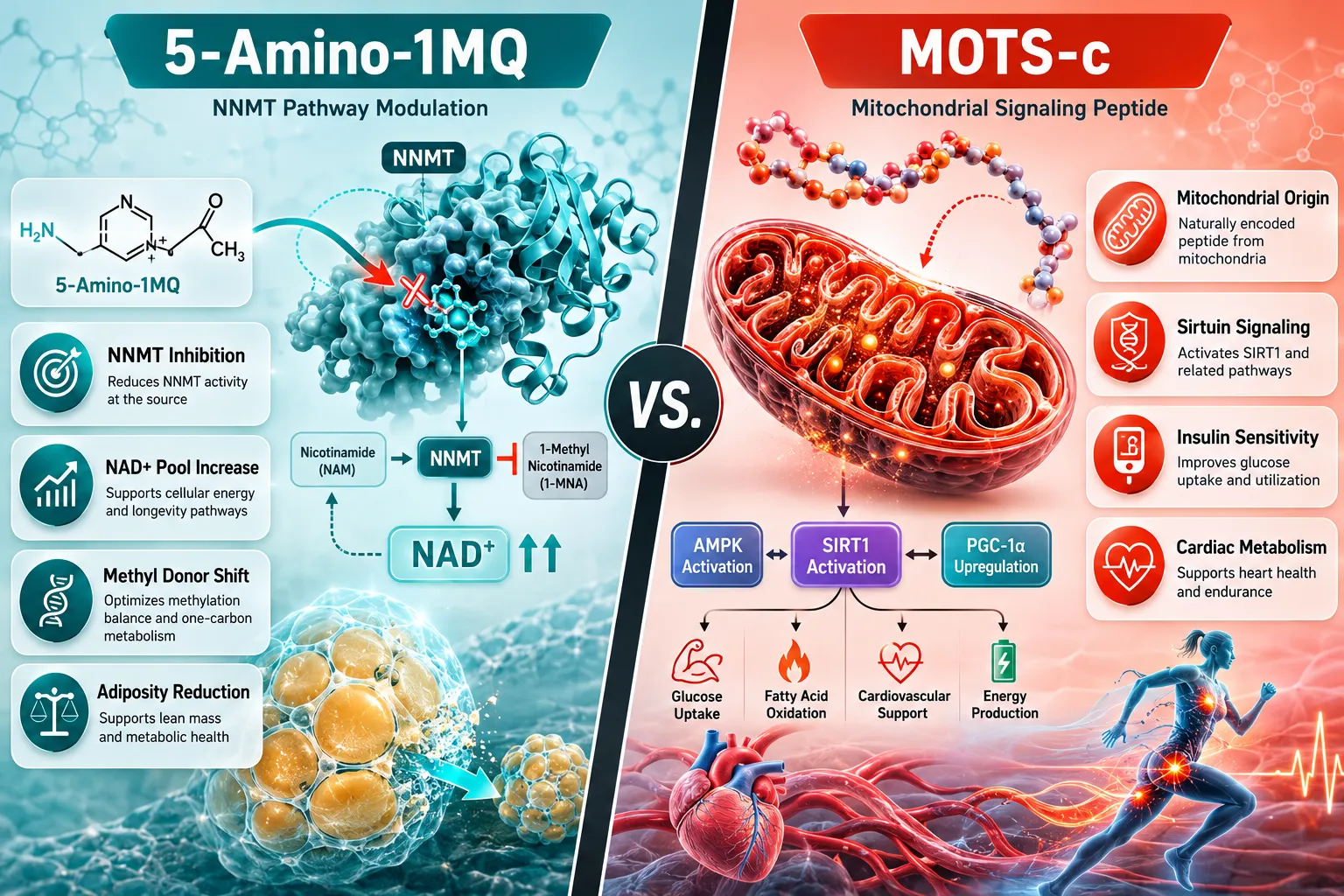
NNMT's core function is to transfer methyl groups from S-adenosylmethionine (SAM) to nicotinamide, producing S-adenosylhomocysteine (SAH) and 1-methylnicotinamide. This process consumes methyl groups that would otherwise support epigenetic regulation, NAD+ recycling, and mitochondrial signaling. When NNMT activity is high — as it tends to be in obese adipose tissue — the methyl pool is depleted, and cellular energy metabolism slows.

By selectively blocking NNMT, 5-Amino-1MQ preserves SAM availability. The downstream effects observed in preclinical models include:

  • Increased NAD+ and NADH cycling
  • Upregulation of thermogenic gene expression in adipose tissue
  • Reduced lipid accumulation in fat cells
  • Improved insulin sensitivity markers

"NNMT sits at a metabolic crossroads — its inhibition does not simply block one pathway but redistributes methyl currency across multiple energy-sensing systems."

This broad upstream influence is precisely why 5-Amino-1MQ peptide research has attracted attention beyond simple fat-loss applications.


Understanding NNMT and What 5-Amino-1MQ Actually Does

NNMT Inhibition, Fat Metabolism, and the Adipose Tissue Connection

The adipose tissue findings from 5-Amino-1MQ research are among its most discussed features. In mouse models, NNMT inhibition has been associated with a shift in white adipose tissue toward a beige or brown-like phenotype — a process sometimes called "beiging." Beige adipocytes express higher levels of uncoupling protein 1 (UCP1), which dissipates energy as heat rather than storing it as fat.

Key metabolic outcomes observed in preclinical studies:

Outcome Direction
Body fat mass Decreased
Lean mass Preserved or increased
Insulin sensitivity Improved
SAM/SAH ratio Increased
UCP1 expression Upregulated

This metabolic profile makes 5-Amino-1MQ relevant to researchers studying AOD-9604 metabolic research and other compounds targeting adipose function. It also connects naturally to GLP-1 and incretin research themes, since both pathways converge on insulin sensitivity and energy partitioning.

Researchers studying MOTS-c and metabolic flexibility have noted similar adipose remodeling effects, which has prompted interest in whether combining these compounds produces additive or synergistic outcomes.


NNMT Inhibition, Fat Metabolism, and the Adipose Tissue Connection

Why 5-Amino-1MQ Is Often Paired With Mitochondrial Stacks

The pairing of 5-Amino-1MQ with mitochondrial peptides is not arbitrary. It reflects a layered approach to metabolic research where each compound addresses a distinct step in the same energy-production hierarchy.

The rationale works like this:

  1. 5-Amino-1MQ preserves the methyl pool and raises NAD+ availability — setting the biochemical conditions for efficient mitochondrial function.
  2. SS-31 (Elamipretide) targets cardiolipin on the inner mitochondrial membrane, stabilizing electron transport chain efficiency. Research on SS-31 mitochondrial research themes highlights its role in reducing oxidative stress at the mitochondrial level.
  3. MOTS-c is a mitochondria-derived peptide that activates AMPK and supports glucose uptake in skeletal muscle — complementing the insulin-sensitizing effects of NNMT inhibition.

The combination of MOTS-c and SS-31 (Elamipretide) has already been explored in preclinical contexts, and 5-Amino-1MQ is increasingly discussed as a third layer in such stacks.

Researchers also note that NAD+ availability — which NNMT inhibition supports — is directly relevant to NAD+ scientific evidence and the broader sirtuin/AMPK signaling network that mitochondrial peptides also engage.

For those reviewing broader metabolic peptide combinations, IPA muscle and fat research themes offer additional context on how growth hormone secretagogues interact with fat oxidation pathways that 5-Amino-1MQ may also influence.


Conclusion

5-Amino-1MQ occupies a unique position in metabolic research: it acts upstream of both fat storage and mitochondrial efficiency by preserving the methyl economy that both systems depend on. The preclinical evidence for NNMT inhibition — reduced fat mass, beige adipose conversion, improved insulin sensitivity, and elevated NAD+ cycling — provides a mechanistic basis for why researchers pair it with mitochondrial peptides like SS-31 and MOTS-c.

Actionable next steps for researchers:

  • Review the preclinical NNMT inhibition literature before designing any combination protocol.
  • Examine SS-31 and MOTS-c data independently to understand where their mechanisms overlap with and differ from 5-Amino-1MQ.
  • Source compounds only from verified, third-party-tested suppliers to ensure research-grade purity.
  • Treat all findings as preclinical; no human clinical approvals exist for 5-Amino-1MQ as of 2026.

The mechanistic logic behind 5-Amino-1MQ peptide research — NNMT inhibition, fat metabolism, and mitochondrial stack pairing — is coherent and well-grounded in cell biology. As research matures, this compound is likely to remain a central figure in metabolic and longevity-focused peptide discussions.


https://www.puretestedpeptides.com/wp-content/uploads/2026/06/5-Amino-1MQ-Peptide-Research-NNMT-Inhibition-Fat-Metabolism-and-Why-It-Is-Often-Paired-With-Mitochondrial-Stacks.png 672 1024 https://www.puretestedpeptides.com/wp-content/uploads/2026/01/buy-peptides-online.jpg 2026-06-04 13:04:412026-06-04 13:04:415-Amino-1MQ Peptide Research: NNMT Inhibition, Fat Metabolism, and Why It Is Often Paired With Mitochondrial Stacks
MOTS-c Peptide Research: Mitochondrial Signaling, Metabolic Flexibility, and Exercise-Aging Models

MOTS-c Peptide Research: Mitochondrial Signaling, Metabolic Flexibility, and Exercise-Aging Models

June 4, 2026/0 Comments/in Uncategorized/by

Mitochondrial-derived peptides were largely overlooked until researchers discovered that the mitochondrial genome encodes small bioactive molecules capable of traveling to the cell nucleus and rewriting gene expression. MOTS-c is one such molecule, and the body of work surrounding MOTS-c Peptide Research: Mitochondrial Signaling, Metabolic Flexibility, and Exercise-Aging Models has grown rapidly into one of the most compelling areas of metabolic biology.

Key Takeaways

  • MOTS-c is encoded in mitochondrial DNA and acts as a retrograde signal between mitochondria and the nucleus.
  • Its primary mechanism involves the Folate-AICAR-AMPK pathway, a central regulator of cellular energy balance.
  • Exercise increases circulating MOTS-c levels in skeletal muscle and blood, suggesting it may partly explain exercise's metabolic benefits.
  • MOTS-c expression declines with age, correlating with reduced metabolic flexibility and increased disease risk.
  • Research models link MOTS-c to insulin sensitivity, muscle performance, and multiple age-related conditions.

Key Takeaways

What Is MOTS-c and How Does Mitochondrial Signaling Work

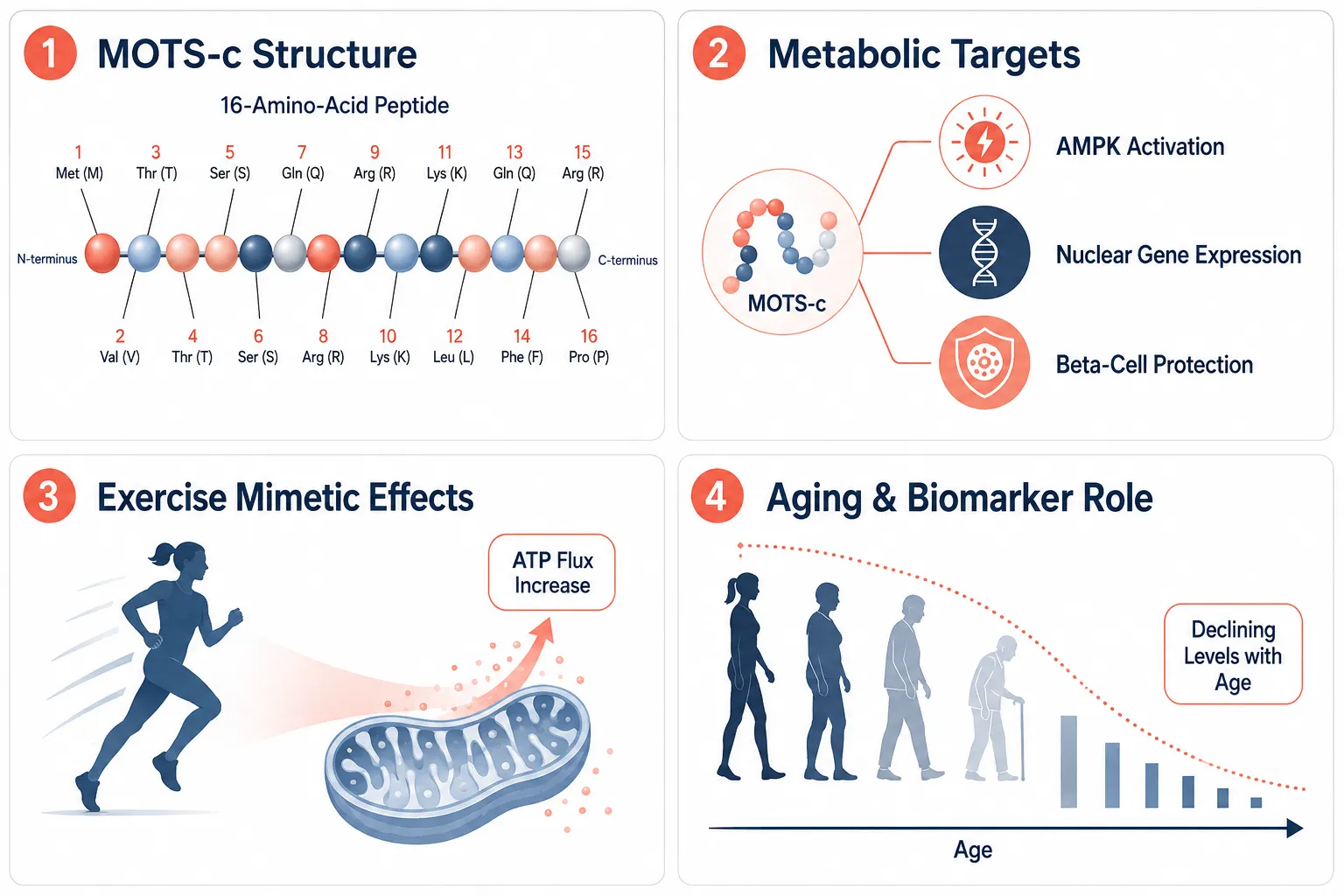
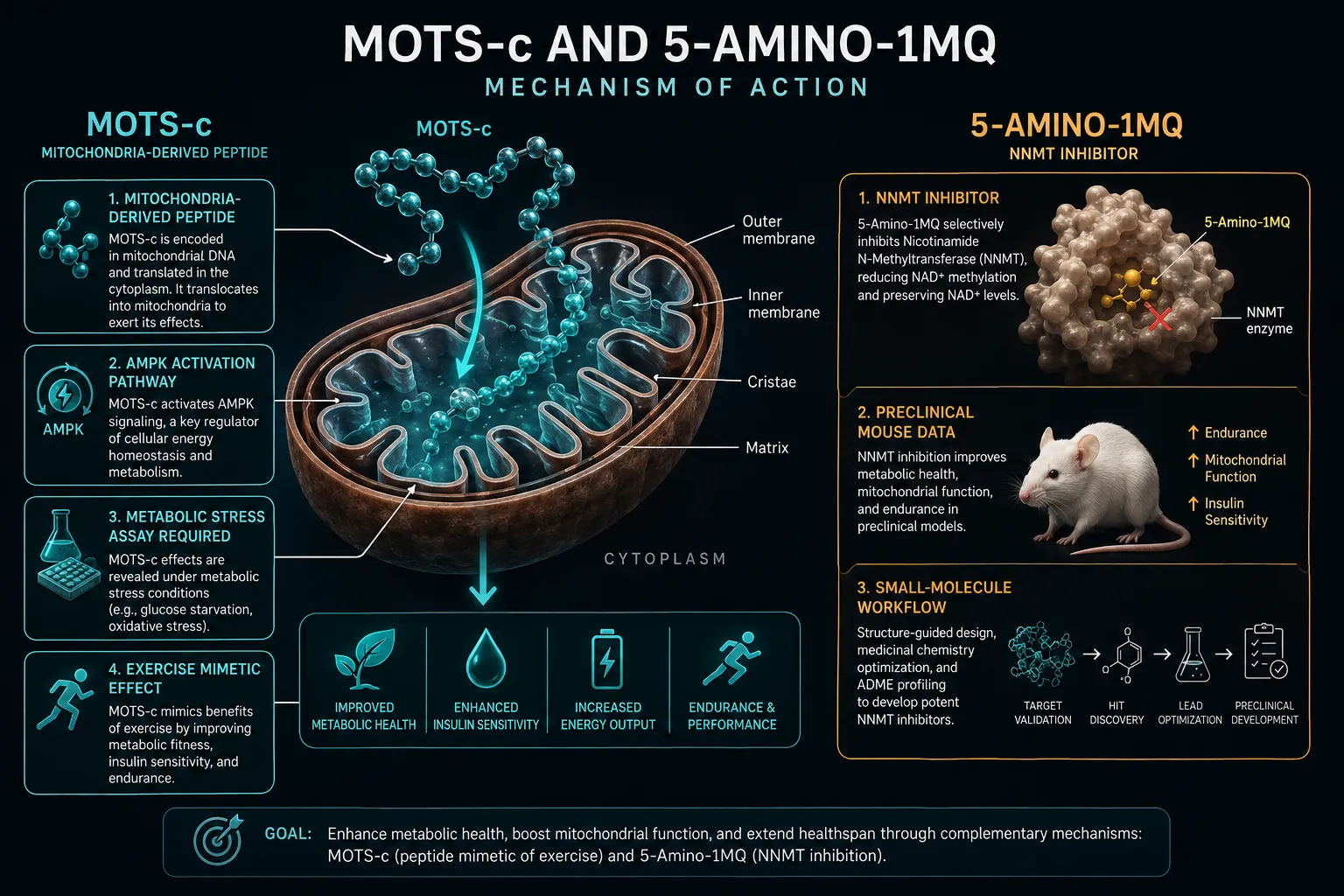
MOTS-c (Mitochondrial Open Reading Frame of the 12S rRNA type-c) is a 16-amino-acid peptide encoded within the 12S ribosomal RNA region of mitochondrial DNA. Unlike most peptides, it originates outside the nuclear genome, which makes its biology particularly unusual.

Under metabolic stress or physical exertion, MOTS-c translocates from the mitochondria to the cell nucleus. Once there, it binds to antioxidant response elements (ARE) and modulates gene expression tied to energy metabolism, inflammation, and oxidative stress. This mitochondria-to-nucleus communication is called retrograde signaling, and MOTS-c is now considered one of its key molecular messengers.

Researchers exploring MOTS-c mitochondrial research themes note that this retrograde pathway allows the cell to rapidly adjust its metabolic output in response to environmental demands. The primary route runs through the Folate-AICAR-AMPK axis, a well-established energy-sensing cascade. When this pathway activates, cells shift fuel usage, improve insulin sensitivity, and reduce inflammatory signaling.

"MOTS-c acts as a cellular stress sensor that bridges mitochondrial output with nuclear gene regulation — a feedback loop critical for metabolic homeostasis."

For researchers also studying adjacent mitochondrial compounds, SS-31 (Elamipretide) represents another peptide model focused on mitochondrial membrane integrity and cardiolipin stabilization, offering a complementary angle to MOTS-c's signaling role.


MOTS-c Peptide Research: Mitochondrial Signaling, Metabolic Flexibility, and Exercise-Aging Models in Skeletal Muscle

MOTS-c Peptide Research: Mitochondrial Signaling, Metabolic Flexibility, and Exercise-Aging Models in Skeletal Muscle

Skeletal muscle is both a primary site of MOTS-c production and a major target of its action. Exercise studies in humans have documented measurable increases in MOTS-c concentrations within muscle tissue and systemic circulation following physical activity. This positions MOTS-c as a potential exercise-mimetic signal — a molecule that may carry some of the metabolic benefits of movement.

Key research findings in muscle and metabolism:

Research Area Observed Effect
Insulin sensitivity Improved glucose uptake via AMPK activation
Skeletal muscle performance Enhanced endurance and strength output in aged mice
Inflammation Reduced pro-inflammatory cytokine signaling
Oxidative stress Upregulation of antioxidant gene expression

These findings align with broader work on MOTS-c metabolic flexibility research themes, which examines how the peptide helps cells switch between fuel sources — a capacity that declines significantly with age and in metabolic disease states.

Researchers studying metabolic compounds like AOD-9604 and NAD+ energetics and longevity often position MOTS-c alongside these agents when building multi-pathway models of metabolic restoration.


MOTS-c Peptide Research: Mitochondrial Signaling, Metabolic Flexibility, and Exercise-Aging Models Across the Lifespan

MOTS-c Peptide Research: Mitochondrial Signaling, Metabolic Flexibility, and Exercise-Aging Models Across the Lifespan

One of the most significant findings in this field is that MOTS-c levels decline measurably with age. This decline tracks closely with the loss of metabolic flexibility, increased insulin resistance, and rising susceptibility to conditions including type 2 diabetes, cardiovascular disease, osteoporosis, postmenopausal obesity, and neurodegenerative conditions such as Alzheimer's disease.

Systemic administration of MOTS-c in aged mouse models has restored physical performance metrics across multiple age groups, suggesting the peptide may act as a healthspan-promoting signal rather than simply a stress response molecule.

Age-related conditions linked to declining MOTS-c:

  • Type 2 diabetes and insulin resistance
  • Cardiovascular metabolic dysfunction
  • Bone density loss and osteoporosis
  • Postmenopausal weight gain
  • Cognitive decline and neuroinflammation

This broad disease relevance has made MOTS-c a subject of interest in mitochondrial longevity research, where the goal is to identify molecular targets that slow the functional decline associated with biological aging.

Researchers building comprehensive aging models may also consider Epithalon longevity signals and 5-Amino-1MQ as part of multi-target frameworks, given their distinct but complementary mechanisms in cellular aging pathways.


Conclusion

MOTS-c research has moved from a curiosity about non-nuclear peptide encoding to a serious scientific inquiry into how mitochondria regulate whole-body metabolism and aging. The evidence points to a peptide that rises with exercise, declines with age, and influences insulin sensitivity, muscle function, and inflammatory balance through a well-defined signaling pathway.

Actionable next steps for researchers:

  1. Review current preclinical exercise-aging models to understand dosing and administration protocols used in MOTS-c studies.
  2. Explore the Folate-AICAR-AMPK pathway in depth to contextualize MOTS-c findings within broader metabolic biology.
  3. Consider how MOTS-c fits alongside complementary mitochondrial and metabolic peptide research for multi-pathway study designs.
  4. Monitor emerging human trial data, as most published evidence remains preclinical.

As research in 2026 continues to expand, MOTS-c stands as a strong model for understanding how mitochondrial signals shape metabolic health across the lifespan.


https://www.puretestedpeptides.com/wp-content/uploads/2026/06/MOTS-c-Peptide-Research-Mitochondrial-Signaling-Metabolic-Flexibility-and-Exercise-Aging-Models.png 672 1024 https://www.puretestedpeptides.com/wp-content/uploads/2026/01/buy-peptides-online.jpg 2026-06-04 13:04:152026-06-04 13:04:15MOTS-c Peptide Research: Mitochondrial Signaling, Metabolic Flexibility, and Exercise-Aging Models
Retatrutide Safety, Side Effects, and Study Design: What Researchers Should Watch in Ongoing Obesity Trials

Retatrutide Safety, Side Effects, and Study Design: What Researchers Should Watch in Ongoing Obesity Trials

June 3, 2026/0 Comments/in Uncategorized/by

Ninety-two percent of participants in a 48-week Phase 2 trial achieved at least 5% body weight loss with retatrutide — a figure that immediately set this triple-receptor agonist apart from earlier obesity pharmacotherapies. For researchers tracking the evolving landscape of investigational peptides, understanding retatrutide safety, side effects, and study design in ongoing obesity trials is now essential groundwork.

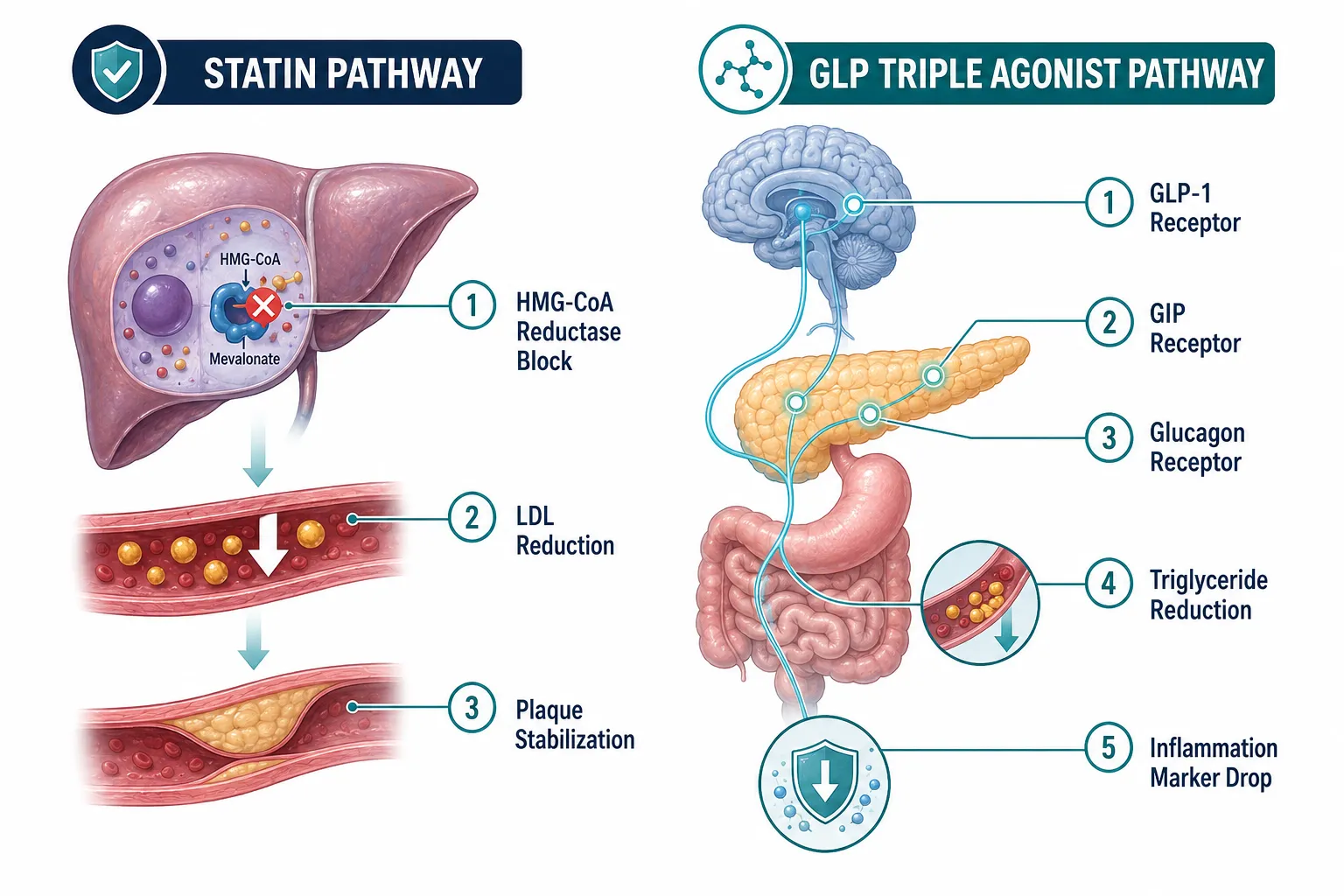
Scientific infographic-style landscape image () showing a detailed cross-section diagram of three hormone receptors — GIP,

Key Takeaways

  • Retatrutide simultaneously activates GIP, GLP-1, and glucagon receptors, producing weight loss superior to earlier single or dual agonists.
  • Gastrointestinal side effects are the most common adverse events and are dose-dependent and generally mild to moderate.
  • A structured dose-escalation schedule starting at 2 mg has been shown to reduce early tolerability issues.
  • The Phase 3 TRIUMPH program enrolls over 5,800 participants across four trials, including cardiovascular and musculoskeletal subpopulations.
  • Adverse event-related discontinuation rates in Phase 2 ranged from 6% to 16%, a critical tolerability signal for Phase 3 monitoring.

How Retatrutide Works: Triple Agonism and Its Research Implications

Retatrutide is a once-weekly subcutaneous peptide that activates three hormone receptors: glucose-dependent insulinotropic polypeptide (GIP), glucagon-like peptide-1 (GLP-1), and glucagon. This triple mechanism distinguishes it from earlier agents. Researchers familiar with GLP-1 peptide sourcing and generational research concepts will recognize how each successive generation of receptor agonists has broadened metabolic targets.

The glucagon receptor component is particularly notable. It drives energy expenditure and lipolysis in ways that GLP-1 alone does not. Understanding the GIP receptor and its importance alongside GLP-1 activity helps explain why retatrutide outperformed other glucagon receptor agonists in a network meta-analysis, showing a mean weight reduction of 13.44 kg compared to placebo.

A 2024 systematic review and meta-analysis of randomized controlled trials confirmed retatrutide reduced body weight by an average of 10.66 kg versus placebo, with additional improvements in waist circumference and BMI. These metabolic marker changes matter for researchers designing endpoints that go beyond simple weight outcomes.

For context on how this compares to other investigational metabolic peptides, the SLU-PP-332 metabolic modulation research overview provides useful framing on alternative pathways under investigation.


Retatrutide Safety and Side Effects: Tolerability Signals Researchers Must Track

Retatrutide Safety and Side Effects: Tolerability Signals Researchers Must Track

The most consistent finding across retatrutide trials is that gastrointestinal adverse events dominate the safety profile. Nausea, diarrhea, vomiting, and constipation are the primary concerns. These effects are dose-related, meaning higher doses produce more frequent and more intense symptoms.

Key tolerability data from Phase 2:

Adverse Event Category Frequency
Any gastrointestinal event Most common across all dose groups
Discontinuation due to adverse events 6% to 16% in retatrutide arms
Discontinuation in placebo group 0%
Serious adverse events (SAEs) 4% overall; 0%–6% by dose group

The SAE rate of 4% in retatrutide groups matched the 4% rate in placebo groups, which is an important signal: serious events were not meaningfully elevated above background rates. However, the gap in discontinuation rates — up to 16% versus 0% in placebo — indicates that tolerability, not safety in the traditional sense, is the primary challenge.

Dose-escalation as a mitigation strategy has been central to retatrutide's development. Starting participants at 2 mg before escalating to target doses partially reduced early gastrointestinal burden. This titration logic is now embedded in Phase 3 protocols and represents a key variable researchers should monitor when interpreting trial results.

Researchers comparing tolerability across investigational peptides may also find value in reviewing selank side effects research and BPC-157 core peptide documentation for contrast in adverse event profiles across different peptide classes.

"Tolerability, not toxicity, is the primary research question in retatrutide's Phase 3 program."


Phase 3 TRIUMPH Trial Design: What Researchers Should Watch in Ongoing Obesity Trials

Phase 3 TRIUMPH Trial Design: What Researchers Should Watch in Ongoing Obesity Trials

The TRIUMPH program is the definitive test of retatrutide safety, side effects, and study design in ongoing obesity trials. Four multicenter, randomized, double-blind Phase 3 studies enroll more than 5,800 participants receiving weekly subcutaneous retatrutide. The program spans standard obesity populations and extends into clinically complex subgroups.

Trial design features researchers should monitor:

  • Cardiovascular subpopulation (TRIUMPH-3): Specifically evaluates retatrutide in participants with established cardiovascular disease. This endpoint mirrors the cardiovascular outcomes trial model used with earlier GLP-1 agents.
  • Comorbidity expansion: Trials address obstructive sleep apnea and knee osteoarthritis alongside weight outcomes, broadening the clinical relevance of findings.
  • Dose-titration schedules: How Phase 3 protocols handle dose escalation will directly affect both efficacy outcomes and adverse event rates.
  • MASLD investigation: A separate Phase 2a trial is examining retatrutide's potential in metabolic dysfunction-associated steatotic liver disease, with results still pending in 2026.

Researchers following GLP-3 triple agonist research planning and the broader RETA GLP-3 research framework will find the TRIUMPH design choices instructive for understanding how trial architects balance efficacy ambition against tolerability risk.

The generations of GLP-1 differences resource also contextualizes why TRIUMPH's multi-indication design represents a meaningful evolution from earlier single-endpoint obesity trials.


Conclusion

Retatrutide's Phase 2 data established a compelling efficacy signal. The Phase 3 TRIUMPH program now carries the burden of confirming whether that signal holds across diverse populations while maintaining an acceptable tolerability profile. For researchers in 2026, the most actionable focus areas are:

  1. Track discontinuation rates by dose group as the primary tolerability benchmark.
  2. Monitor dose-escalation protocol adherence and its effect on gastrointestinal event frequency.
  3. Watch TRIUMPH-3 cardiovascular outcomes as the highest-stakes safety dataset in the program.
  4. Follow the MASLD Phase 2a results for evidence of retatrutide's reach beyond weight management.
  5. Compare SAE rates across subpopulations to identify whether cardiovascular or musculoskeletal comorbidities alter the safety profile.

The evidence base for retatrutide is maturing rapidly. Researchers who understand both the mechanism and the methodological choices embedded in its trial design will be best positioned to interpret findings as they emerge.


https://www.puretestedpeptides.com/wp-content/uploads/2026/06/Retatrutide-Safety-Side-Effects-and-Study-Design-What-Researchers-Should-Watch-in-Ongoing-Obesity-Trials.png 1024 1536 https://www.puretestedpeptides.com/wp-content/uploads/2026/01/buy-peptides-online.jpg 2026-06-03 13:06:002026-06-03 13:06:00Retatrutide Safety, Side Effects, and Study Design: What Researchers Should Watch in Ongoing Obesity Trials
Polypeptide Peptides in Modern Lab Research: From Structure to Synthesis Workflows

Polypeptide Peptides in Modern Lab Research: From Structure to Synthesis Workflows

June 3, 2026/0 Comments/in Uncategorized/by

Over 7,000 naturally occurring peptides have been identified in the human body, yet the synthetic peptide research market continues to expand rapidly as labs unlock new biological applications. The study of polypeptide peptides in modern lab research: from structure to synthesis workflows sits at the intersection of structural biochemistry, computational design, and precision manufacturing — a convergence that is reshaping how researchers approach GLP receptor agonism, growth hormone secretagogue design, and mitochondrial-targeted compounds in 2026.

Key Takeaways

  • Peptides are short chains of 2 to 50 amino acids; polypeptides extend beyond that range, and both categories are central to modern biomedical research.
  • Solid-phase peptide synthesis (SPPS) remains the dominant method for producing research-grade peptides with high precision and reproducibility.
  • Sequence design, solubility, and amino acid selection critically determine whether a synthesized peptide performs as intended.
  • Quality control via HPLC and mass spectrometry is non-negotiable for validating peptide purity before research use.
  • Specialized research peptides — including GH secretagogues, GLP-class compounds, and mitochondria-targeting sequences — follow the same foundational synthesis principles but require additional design considerations.

Key Takeaways

Understanding Peptide Structure: The Foundation of Research Design

Every synthesis workflow begins with a clear understanding of molecular architecture. Peptides form when amino acids link together through peptide bonds — covalent connections created by condensation reactions between the carboxyl group of one amino acid and the amino group of the next. The resulting chain adopts secondary structures including alpha-helices and beta-sheets, which directly influence biological activity.

Structural Level Description Research Relevance
Primary Linear amino acid sequence Determines identity and function
Secondary Alpha-helix, beta-sheet Affects receptor binding geometry
Tertiary 3D folding Critical for target specificity

Sequence length matters significantly. Peptides of 5 to 20 residues are often sufficient for receptor interaction studies, while longer polypeptides may be required for enzyme mimicry or scaffold-based applications. Researchers designing compounds like GHK-Cu for longevity and tissue research must account for how tripeptide geometry enables copper chelation — a property entirely dependent on primary sequence.

Solubility is another early-stage consideration. Hydrophobic sequences tend to aggregate, reducing yield and complicating purification. Incorporating charged residues or using solubility-enhancing tags can address this during the design phase rather than after synthesis has begun.


Solid-Phase Peptide Synthesis: The Core Workflow for Modern Lab Peptides

Solid-Phase Peptide Synthesis: The Core Workflow for Modern Lab Peptides

Robert Bruce Merrifield's introduction of SPPS in 1963 transformed peptide chemistry from a slow, solution-based process into a scalable, automatable workflow. The method anchors the growing peptide chain to an insoluble resin support, allowing reagents and solvents to be washed away between each coupling step without losing the target compound.

The standard SPPS workflow proceeds as follows:

  1. Resin loading with the first protected amino acid
  2. Deprotection of the terminal amine
  3. Coupling of the next amino acid using activating reagents
  4. Washing and repeat cycling through the full sequence
  5. Global deprotection and cleavage from the resin
  6. Purification by reverse-phase HPLC
  7. Characterization by mass spectrometry

Recent protocol refinements have focused on reducing aggregation during chain elongation — a persistent challenge when synthesizing hydrophobic or beta-sheet-prone sequences. Pseudoproline dipeptide building blocks and microwave-assisted coupling have both improved outcomes for difficult sequences.

This workflow applies directly to the synthesis of research compounds like tesa and CJC-1295, both of which are growth hormone-releasing hormone analogs requiring precise sequence fidelity to maintain receptor selectivity. Similarly, MOTS-c, a mitochondria-derived peptide studied for metabolic regulation, demands high synthesis accuracy given its short but functionally dense 16-amino-acid sequence.

For researchers exploring incretin biology, compounds such as those covered in GLP-1 dual receptor agonism research illustrate how incremental sequence modifications — often single residue substitutions — can dramatically shift receptor binding profiles and metabolic outcomes.


Quality Control and Research-Grade Standards in Peptide Synthesis Workflows

Quality Control and Research-Grade Standards in Peptide Synthesis Workflows

Polypeptide peptides in modern lab research: from structure to synthesis workflows are only as valuable as the purity standards applied at the end of production. Two analytical tools dominate quality assurance:
  • Reverse-phase HPLC — separates peptide from truncated sequences, deletion products, and synthesis byproducts; purity above 95% is standard for research use
  • Mass spectrometry — confirms molecular weight and detects sequence errors or incomplete deprotection

Stability profiling is equally important. Lyophilized peptides stored at -20°C generally maintain integrity longer than reconstituted solutions. Researchers should always verify reconstitution conditions against the specific peptide's isoelectric point and solubility profile.

Benchmarking synthesis quality against established reference standards — as discussed in resources covering Bachem and reference standards for peptide benchmarks — helps labs maintain reproducibility across experimental batches. This is especially critical when comparing data across institutions or scaling from discovery to preclinical stages.

Peptidomics workflows have further elevated quality expectations. Modern peptidomics integrates genetic analysis, peptide characterization, and computational processing to handle complex biological samples and enrich low-abundance peptides — requiring that any synthetic reference compound used in such studies meets strict purity criteria.


Conclusion

Understanding polypeptide peptides in modern lab research: from structure to synthesis workflows is not optional for researchers who want reproducible, meaningful results. The path from sequence design to purified compound involves deliberate decisions at every stage — amino acid selection, synthesis strategy, coupling chemistry, and analytical validation.

Actionable next steps for researchers in 2026:

  • Audit current peptide design protocols against solubility and aggregation risk factors before initiating synthesis
  • Standardize HPLC purity thresholds at 95% or above for all research-grade compounds
  • Cross-reference synthesis workflows with published benchmarks to ensure batch-to-batch consistency
  • Explore the comprehensive peptide catalog to identify well-characterized research compounds relevant to GH axis, metabolic, and mitochondrial research lines
  • Review metabolic modulation research lines for context on how synthesized peptides are being applied in current experimental models

Precision at the synthesis stage protects the integrity of every downstream experiment.


https://www.puretestedpeptides.com/wp-content/uploads/2026/06/Polypeptide-Peptides-in-Modern-Lab-Research-From-Structure-to-Synthesis-Workflows.png 672 1024 https://www.puretestedpeptides.com/wp-content/uploads/2026/01/buy-peptides-online.jpg 2026-06-03 13:05:382026-06-03 13:05:38Polypeptide Peptides in Modern Lab Research: From Structure to Synthesis Workflows
Retatrutide Clinical Trial Timeline: What TRIUMPH-1 and Phase 3 Results Mean for Research Use Only Buyers

Retatrutide Clinical Trial Timeline: What TRIUMPH-1 and Phase 3 Results Mean for Research Use Only Buyers

June 3, 2026/0 Comments/in Uncategorized/by

On May 21, 2026, Eli Lilly announced Phase 3 results showing that retatrutide produced an average body weight reduction of 28.3% over 80 weeks — a figure that rivals bariatric surgery outcomes. For researchers and research-use-only (RUO) buyers tracking the retatrutide clinical trial timeline, understanding what TRIUMPH-1 and Phase 3 results mean is now more important than ever. These findings reframe how the scientific community evaluates triple-receptor agonism and where legitimate access to this compound currently stands.

Key Takeaways

  • TRIUMPH-1 Phase 3 data confirmed dose-dependent weight loss up to 28.3% at the 12 mg dose over 80 weeks
  • Retatrutide remains investigational and is not FDA-approved as of mid-2026
  • The FDA has explicitly stated retatrutide cannot be used in compounding under federal law
  • An NDA submission is expected to follow Phase 3 completion, with potential approval in 2027 or 2028
  • RUO-labeled retatrutide products are strictly for laboratory research and carry significant risks if misused

Key Takeaways

TRIUMPH-1 Phase 3 Findings: A Closer Look at the Numbers

The TRIUMPH-1 trial is the pivotal Phase 3 study evaluating retatrutide for obesity management. Its results, released in 2026, showed a clear dose-response relationship across three active arms:

Dose Average Weight Loss Average Pounds Lost
4 mg 19.0% 47.2 lbs
8 mg 25.9% 64.4 lbs
12 mg 28.3% 70.3 lbs

At the highest dose, 45.3% of participants lost 30% or more of their body weight. In a subgroup with a baseline BMI of 35 or higher, weight loss reached 30.3% — approximately 85 pounds — at 104 weeks. For context, bariatric surgery typically produces 25% to 35% total body weight loss depending on the procedure. Retatrutide is now firmly in that range.

Why does this matter for researchers? These endpoints validate the triple-agonist mechanism targeting GIP, GLP-1, and glucagon receptors simultaneously. The glucagon component, in particular, appears to enhance metabolic outcomes beyond what dual-agonist compounds achieve. Researchers studying GLP-3 and incretin research themes will find these results directly relevant to understanding receptor synergy.

Adverse events were primarily gastrointestinal and followed a dose-dependent pattern. Discontinuation rates increased with higher doses, which is consistent with findings from earlier Phase 2 work.


TRIUMPH-1 Phase 3 Findings: A Closer Look at the Numbers

Regulatory Status and What the Retatrutide Clinical Trial Timeline Means for RUO Buyers

Understanding the retatrutide clinical trial timeline is essential for any RUO buyer making sourcing decisions in 2026. The current regulatory picture is straightforward:

  • Retatrutide is not FDA-approved for any indication as of May 2026
  • Legal access exists only through enrollment in Eli Lilly's ongoing clinical trials
  • The FDA has confirmed that retatrutide cannot be used in compounding because it is not a component of any approved drug and lacks established safety and efficacy for any condition

Following Phase 3 completion, Eli Lilly is expected to submit a New Drug Application. FDA review typically takes 10 to 12 months, placing potential public availability in 2027 or 2028 at the earliest.

"Products labeled as retatrutide peptide available online are intended strictly for laboratory research and are not approved for human use."

RUO products occupy a specific and legally distinct category. They support preclinical research in controlled laboratory environments. Researchers exploring dual receptor agonism research breakdowns or metabolic modulation research lines should treat RUO-labeled compounds accordingly — as tools for in vitro or preclinical investigation, not clinical application.

Unregulated products sold outside this framework may pose significant safety risks. Researchers should also review quality testing protocols when evaluating any RUO peptide supplier.


Regulatory Status and What the Retatrutide Clinical Trial Timeline Means for RUO Buyers

Practical Implications for Research-Oriented Buyers Tracking the Phase 3 Timeline

For buyers focused on legitimate research applications, the TRIUMPH-1 data shifts the priority from "will it work" to "what comes next." Several research themes become more relevant in light of these results:

  • Body composition endpoints: The magnitude of fat mass reduction seen in TRIUMPH-1 makes retatrutide a compelling reference compound for studies examining body composition research themes
  • Receptor pathway comparison: Researchers comparing single, dual, and triple agonist profiles can now benchmark against validated Phase 3 data; generations of GLP-1 differences provides useful context
  • Metabolic synergy models: Preclinical work pairing retatrutide analogs with compounds like those reviewed in SLU-PP-332 metabolic modulation research may yield mechanistic insights

Researchers can also browse the GLP-3 Reta product page for RUO-grade material specifications and purity documentation.


Conclusion

The TRIUMPH-1 Phase 3 results represent a meaningful inflection point in obesity pharmacology. Weight loss approaching 30% positions retatrutide alongside surgical interventions in terms of efficacy. However, the compound remains investigational, and the gap between clinical trial data and approved prescribing remains real. RUO buyers should take three concrete steps: confirm that any retatrutide-labeled product is sourced from a supplier with documented purity testing, restrict use to approved preclinical research protocols, and monitor Eli Lilly's NDA submission timeline as the clearest indicator of when the regulatory landscape will shift. The science is compelling — the access pathway is not yet open.


https://www.puretestedpeptides.com/wp-content/uploads/2026/06/Retatrutide-Clinical-Trial-Timeline-What-TRIUMPH-1-and-Phase-3-Results-Mean-for-Research-Use-Only-Buyers.png 672 1024 https://www.puretestedpeptides.com/wp-content/uploads/2026/01/buy-peptides-online.jpg 2026-06-03 13:04:532026-06-03 13:04:53Retatrutide Clinical Trial Timeline: What TRIUMPH-1 and Phase 3 Results Mean for Research Use Only Buyers
GLP-3 Retatrutide vs Traditional GLP-1 Agonists: Mechanisms, Early Data, and Research-Only Use Cases

GLP-3 Retatrutide vs Traditional GLP-1 Agonists: Mechanisms, Early Data, and Research-Only Use Cases

June 3, 2026/0 Comments/in Uncategorized/by

A single peptide producing nearly 29% mean body weight loss in a clinical trial is not a headline most metabolic researchers expected to see this decade. Yet that is precisely what early data from retatrutide's Phase 3 program suggests. Understanding the comparison of GLP-3 Retatrutide vs Traditional GLP-1 Agonists: Mechanisms, Early Data, and Research-Only Use Cases requires looking closely at receptor biology, trial outcomes, and the strict research boundaries that currently govern this compound.

Key Takeaways

  • Retatrutide is a triple agonist activating GLP-1, GIP, and glucagon receptors simultaneously, while classic GLP-1 agents target only one receptor.
  • Phase 2 and early Phase 3 data show weight reductions of 24.2% to 28.7%, surpassing results seen with semaglutide or tirzepatide.
  • Retatrutide reduced liver fat by up to 82.4% in clinical studies, pointing to broad metabolic utility.
  • As of 2026, retatrutide is not FDA-approved and is designated for laboratory and research use only.
  • An FDA filing is anticipated between 2026 and 2027, making this a critical period for preclinical researchers to build foundational knowledge.

Receptor Mechanisms: How Retatrutide Differs from Classic GLP-1 Agonists

Receptor Mechanisms: How Retatrutide Differs from Classic GLP-1 Agonists

Traditional GLP-1 receptor agonists such as semaglutide work by mimicking the incretin hormone GLP-1. This single-receptor approach suppresses appetite, slows gastric emptying, and improves insulin secretion. The results are clinically meaningful, but the mechanism is inherently limited to one signaling pathway.

Retatrutide expands that model significantly. It activates three distinct receptors:

Receptor Primary Role
GLP-1 Appetite suppression, delayed gastric emptying
GIP Enhanced insulin secretion, lipid metabolism
Glucagon Increased energy expenditure, fat oxidation

This triple-agonist design means the compound addresses energy balance from multiple angles at once. The glucagon receptor component is particularly notable. While glucagon is classically associated with raising blood glucose, its activation in a balanced incretin context appears to drive thermogenesis and fat oxidation without destabilizing glycemic control.

Cryo-electron microscopy studies have mapped exactly how retatrutide engages all three receptor types at the molecular level, providing a structural explanation for its activity profile. For researchers exploring the broader GLP-1 generations overview, this mechanistic leap from single to triple agonism represents a defining shift in incretin pharmacology.

Tirzepatide, a dual GLP-1/GIP agonist, sits between semaglutide and retatrutide on this spectrum. Retatrutide's additional glucagon receptor activation is the primary differentiator that researchers believe accounts for its superior efficacy signals in early trials.


Early Clinical Data: What the Trial Numbers Show

Early Clinical Data: What the Trial Numbers Show

The numbers from retatrutide's clinical program are difficult to ignore. In a Phase 2 trial published in the New England Journal of Medicine, participants receiving the 12 mg dose achieved a mean body weight reduction of 24.2% at 48 weeks. That figure exceeded the weight loss benchmarks set by both semaglutide and tirzepatide in comparable timeframes.

Preliminary data from the Phase 3 TRIUMPH-4 trial pushed that figure further. At 68 weeks, the mean body weight loss reached 28.7%, the highest reduction recorded in an obesity trial to date.

Beyond weight, the metabolic data is equally compelling:

  • Liver fat reduction of up to 82.4%, suggesting significant potential for non-alcoholic fatty liver disease research
  • Improvements in glycemic control and lipid profiles across trial cohorts
  • Once-weekly subcutaneous dosing with a half-life of approximately 6 days, supporting practical research protocols

The side effect profile is consistent with other incretin-based compounds. Gastrointestinal effects including nausea and vomiting were the most commonly reported adverse events, which aligns with what researchers observe across the GLP-1 class.

For those tracking how body composition peptides interact with metabolic pathways, the TESA body composition research themes page offers relevant context on related investigational compounds. Similarly, researchers studying fat metabolism may find value in reviewing AOD-9604 research method notes as a complementary reference point.


Research-Only Use Cases for GLP-3 Retatrutide vs Traditional GLP-1 Agonists

Research-Only Use Cases for GLP-3 Retatrutide vs Traditional GLP-1 Agonists

As of 2026, retatrutide holds no FDA approval and is not available for commercial or clinical use outside of authorized trials. It is strictly designated for laboratory and research purposes. This boundary is not a limitation to work around; it is the appropriate framework for a compound still moving through regulatory evaluation.

Within that framework, legitimate research use cases include:

  • Receptor binding studies examining triple-agonist pharmacodynamics
  • In vitro metabolic models exploring GIP and glucagon receptor co-activation
  • Preclinical obesity models comparing retatrutide's efficacy signals against established GLP-1 benchmarks
  • Liver health investigations given the striking hepatic fat reduction data

Researchers building metabolic study panels may also find it useful to explore cagrilintide synergy with GLP-1 as a complementary area of investigation, since amylin-GLP-1 combinations represent another emerging research direction. For broader metabolic and longevity research themes, the GLP-3 Reta incretin research themes resource provides a structured overview of where the science currently stands.

Researchers interested in how mitochondrial function intersects with metabolic peptide research can also reference MOTS-c mitochondrial peptide research for related mechanistic context.

An FDA filing is anticipated between 2026 and 2027. Until that process concludes, all use must remain within certified research environments with appropriate oversight.


Conclusion

The comparison of GLP-3 Retatrutide vs Traditional GLP-1 Agonists: Mechanisms, Early Data, and Research-Only Use Cases reveals a compound that is mechanistically distinct and clinically promising. Its triple-receptor design addresses metabolic dysfunction through pathways that single and dual agonists cannot reach simultaneously. The trial data, while still maturing, places retatrutide ahead of any previously studied obesity intervention by weight-loss magnitude.

Actionable next steps for researchers in 2026:

  1. Review the Phase 2 NEJM publication and TRIUMPH-4 preliminary data to establish baseline familiarity with the efficacy and safety signals.
  2. Map retatrutide's receptor pharmacology against your existing GLP-1 or dual-agonist research models to identify where triple agonism adds mechanistic value.
  3. Ensure all procurement and use of retatrutide complies strictly with research-only designations and institutional oversight requirements.
  4. Monitor FDA filing developments expected in the 2026-2027 window, as regulatory milestones will reshape the research landscape quickly.

The science is moving fast. Researchers who build foundational knowledge now will be best positioned to interpret and apply what comes next.


https://www.puretestedpeptides.com/wp-content/uploads/2026/06/GLP-3-Retatrutide-vs-Traditional-GLP-1-Agonists-Mechanisms-Early-Data-and-Research-Only-Use-Cases.png 1024 1536 https://www.puretestedpeptides.com/wp-content/uploads/2026/01/buy-peptides-online.jpg 2026-06-03 13:04:222026-06-03 13:04:22GLP-3 Retatrutide vs Traditional GLP-1 Agonists: Mechanisms, Early Data, and Research-Only Use Cases
Understanding Polypeptide Peptides: Essential Building Blocks for Research Use Only

Understanding Polypeptide Peptides: Essential Building Blocks for Research Use Only

June 3, 2026/0 Comments/in Uncategorized/by

Roughly 22% of commercially available research peptides fail basic quality checks — a sobering figure that underscores why researchers must understand exactly what polypeptides are, how they are made, and what standards govern their use. Understanding polypeptide peptides: essential building blocks for research use only begins with grasping their molecular identity and the strict boundaries that define legitimate scientific application.
Close-up macro photograph of a molecular model of amino acid chains linked by peptide bonds, rendered in three-dimensional

Key Takeaways

  • Polypeptides are chains of more than 20 amino acids linked by peptide bonds, making them structurally distinct from shorter peptides.
  • They serve as hormones, signaling molecules, and structural components in biological systems.
  • Research-grade polypeptides are synthesized for laboratory use only and are not approved for human or animal administration.
  • Purity standards of 98% or higher are the benchmark for credible research peptide suppliers.
  • Regulatory classification as "For Research Use Only" (RUO) carries significant legal and ethical implications.

What Are Polypeptides and Why Do They Matter in Research

At the most fundamental level, a polypeptide is a polymer — a long chain of amino acids connected end-to-end through peptide bonds. The threshold that separates a polypeptide from a simpler peptide is generally accepted as 20 or more amino acids in sequence. Once a chain reaches sufficient length and folds into a defined three-dimensional shape, it becomes a functional protein.

This structural distinction is not merely academic. In laboratory settings, the length and sequence of an amino acid chain directly determines how a molecule behaves, what receptors it interacts with, and what biological pathways it may influence. Researchers studying metabolic regulation, tissue repair, or cellular signaling must select compounds with precision.
Why polypeptides are central to biological research:

Property Significance
Chain length (20+ amino acids) Enables complex folding and receptor specificity
Peptide bond stability Allows predictable behavior in controlled assays
Sequence variability Supports diverse research targets
Hormonal activity Models endogenous signaling for study

Polypeptides function as hormones, enzymes, and signaling molecules throughout living systems. Compounds such as BPC-157 and GHK-Cu are studied precisely because their amino acid sequences mimic or modulate naturally occurring biological activity, making them valuable tools for in-vitro investigation.


Synthesis, Purity, and the Research Use Only Framework

Synthesis, Purity, and the Research Use Only Framework

Understanding polypeptide peptides: essential building blocks for research use only requires a clear view of how these compounds are produced and what quality standards apply.

How Research Peptides Are Made

The dominant manufacturing method is Solid-Phase Peptide Synthesis (SPPS). In this process, amino acids are added one at a time to a growing chain anchored to a solid resin support. This sequential approach allows chemists to build highly specific sequences with controlled accuracy. After synthesis, the peptide is cleaved from the resin, purified, and analyzed.

High-quality research peptides should achieve a purity level of at least 98%, with premium-tier suppliers reaching 99% or above. Purity directly affects experimental reliability. A peptide with significant impurities introduces variables that can compromise data integrity.

"Purity is not a marketing claim — it is the foundation of reproducible science."

Researchers sourcing compounds such as Tesamorelin or CJC-1295 should request certificates of analysis (CoA) that confirm third-party purity testing before use.

The "For Research Use Only" Designation

The RUO label is not a formality. Peptides classified as research use only have not undergone the clinical trials, sterility testing, or manufacturing controls required for pharmaceutical approval. They are intended exclusively for in-vitro laboratory research — meaning controlled experiments outside of living organisms.

Key distinctions between research-grade and pharmaceutical-grade peptides:

  • Research-grade: synthesized for laboratory assays, no sterility mandate for human use
  • Pharmaceutical-grade: manufactured under strict Good Manufacturing Practice (GMP) standards, approved for clinical administration
  • RUO products: not tested or approved by the FDA for human or animal consumption

Compounds like MOTS-c and Epithalon are actively studied in research contexts, but their RUO status means they remain outside the scope of approved therapeutic use.


Selecting Quality Polypeptides for Legitimate Research Applications

Understanding polypeptide peptides: essential building blocks for research use only also means knowing how to evaluate suppliers and avoid substandard products. Independent analyses have found dose inaccuracies exceeding 20% in a meaningful share of commercially available research peptides — a risk that can invalidate entire study protocols.

Selecting Quality Polypeptides for Legitimate Research Applications

Checklist for evaluating a research peptide supplier:

  • Published certificates of analysis from independent third-party laboratories
  • Clearly stated purity percentages per batch
  • Transparent synthesis methods and storage recommendations
  • Compliance with RUO labeling requirements
  • No claims suggesting human or animal use

Researchers exploring innovative peptide delivery systems should also consider how formulation affects compound stability and bioavailability in experimental models. For those comparing sourcing options, reviewing peptide supplier comparisons can provide useful context for making informed procurement decisions.


Conclusion

Polypeptides are far more than long chains of amino acids — they are the molecular tools that drive some of the most important questions in modern biological research. A clear understanding of their structure, synthesis, purity requirements, and regulatory classification is essential for any researcher working with these compounds in 2026.

Actionable next steps for researchers:

  1. Verify the purity and CoA documentation of any polypeptide before incorporating it into a study protocol.
  2. Confirm that all compounds are sourced from suppliers who clearly label products as research use only.
  3. Review the specific amino acid sequence and known biological activity of a polypeptide to ensure it aligns with the research objective.
  4. Stay current with regulatory updates affecting the RUO classification in your jurisdiction.
  5. Consult peer-reviewed literature to contextualize in-vitro findings before drawing broader conclusions.

Rigorous sourcing and a firm grasp of the research use only framework are not optional — they are the baseline for credible, reproducible science.


https://www.puretestedpeptides.com/wp-content/uploads/2026/06/Understanding-Polypeptide-Peptides-Essential-Building-Blocks-for-Research-Use-Only.png 672 1024 https://www.puretestedpeptides.com/wp-content/uploads/2026/01/buy-peptides-online.jpg 2026-06-03 13:03:422026-06-03 13:03:42Understanding Polypeptide Peptides: Essential Building Blocks for Research Use Only
Selank vs Semax: Neuroimmune, Anxiolytic, and Cognitive Pathways Compared for Research Use

Selank vs Semax: Neuroimmune, Anxiolytic, and Cognitive Pathways Compared for Research Use

June 2, 2026/0 Comments/in Uncategorized/by

Two peptides developed at the same institution, sharing a stabilizing tripeptide backbone, yet targeting almost opposite ends of the neurological spectrum — that structural paradox is exactly what makes the Selank vs Semax comparison so valuable for researchers in 2026.

Both compounds emerged from the Russian Academy of Sciences in the 1990s. Both incorporate a Pro-Gly-Pro (PGP) sequence that resists enzymatic breakdown. Beyond those shared traits, their pharmacological profiles diverge sharply, and understanding where anxiolytic signaling ends and cognitive-support hypotheses begin is essential for any serious research application.

Close-up laboratory research scene showing two glass vials labeled with molecular diagrams on a reflective surface, one vial

Key Takeaways

  • Semax is an ACTH(4-10) analog focused on BDNF upregulation and dopaminergic cognitive enhancement.
  • Selank is derived from tuftsin and primarily modulates GABAergic and enkephalin pathways for anxiolytic effects.
  • Selank carries meaningful neuroimmune activity; Semax does not at standard research doses.
  • Neither compound is FDA, EMA, or Health Canada approved; both are research-use compounds outside Russia.
  • Combining both may offer complementary coverage, but no controlled combination studies exist yet.

Structural Origins and Primary Mechanisms

Semax is a synthetic analog of the adrenocorticotropic hormone fragment ACTH(4-10). Its dominant mechanism involves potent upregulation of brain-derived neurotrophic factor (BDNF) in the hippocampus and prefrontal cortex, supporting neuroplasticity, attention, and working memory. It also modulates serotonergic and dopaminergic signaling, which drives its cognitive-activating profile.

Selank traces its lineage to tuftsin, a naturally occurring immunopeptide. Rather than stimulating BDNF as its primary action, Selank acts as a positive allosteric modulator of GABA-A receptors and inhibits enkephalin degradation. The result is anxiety reduction without sedation or dependence risk — a profile that sets it apart from classical anxiolytics.

For researchers exploring Selank peptide benefits in greater depth, the GABAergic and enkephalin mechanisms are central to understanding its unique anxiolytic signature.


Anxiolytic and Neuroimmune Pathways: Where Selank Leads

Selank's anxiolytic effects are mechanistically distinct from benzodiazepines. By modulating GABA-A receptors allosterically and slowing enkephalin breakdown, it reduces anxiety without producing the sedation or withdrawal patterns associated with classical agents. This makes it a compelling research subject for stress-related behavioral models.

Critically, Selank also retains tuftsin's cytokine-regulatory properties. This neuroimmune activity — influencing interleukin expression and immune cell signaling — may itself contribute to its anxiolytic effects, suggesting a bidirectional brain-immune axis at work. Semax, by contrast, shows no significant immune modulation at standard nootropic research doses.

"Selank's neuroimmune activity represents a distinct mechanistic layer that Semax simply does not share — making the two compounds complementary rather than interchangeable."

Researchers interested in innate immune peptide interactions may find it useful to compare Selank's cytokine modulation with the mechanisms described in LL-37 innate research themes, where immune-neural crosstalk is also a central focus.

For a detailed look at Selank side effects observed in research contexts, mild nasal irritation from intranasal delivery is the most commonly noted finding, with no significant dependence signals reported.


Cognitive Pathways and Research Protocols: Selank vs Semax Compared

Cognitive Pathways and Research Protocols: Selank vs Semax Compared

When evaluating Selank vs Semax for cognitive research, the distinction comes down to mechanism and target population.

Semax enhances:

  • Attention and processing speed via dopaminergic modulation
  • Working memory through BDNF-driven hippocampal support
  • Neuroprotection in ischemic injury models (registered in Russia for stroke and transient ischemic attacks)

Selank enhances:

  • Emotional regulation and stress-impaired cognition
  • Anxiety-adjacent cognitive deficits via GABAergic and serotonergic pathways
  • Immune-mediated stress responses through cytokine modulation

A 2020 resting-state fMRI study in 52 healthy participants found that both peptides influence functional connectivity between the right amygdala and temporal cortex — confirming overlapping yet distinct effects on networks governing both anxiety and cognition.

Feature Selank Semax
Primary mechanism GABA-A modulation, enkephalin BDNF upregulation, dopamine
Anxiolytic activity Strong Mild
Cognitive enhancement Stress-impaired focus Direct attention/memory
Neuroimmune activity Yes (cytokine regulation) Minimal
Typical research dose 200-400 mcg, 2-3x daily 300-600 mcg, 1-2x daily
Approved use (Russia) Generalized anxiety disorder Ischemic stroke, TIA

Researchers building multi-pathway stacks may also find value in reviewing what is Selank as a foundational reference before designing protocols.

For broader neuromodulatory context, the PT-141 neural and metabolic research themes page illustrates how centrally acting peptides can produce overlapping yet mechanistically separate effects — a pattern directly relevant to the Selank vs Semax comparison.

Cognitive Pathways and Research Protocols: Selank vs Semax Compared

Combination use of both peptides has been discussed in research circles as a way to address both anxiety and direct cognitive activation simultaneously. However, no controlled Phase 3 trials have evaluated this combination, and caution is warranted until more data emerges. Researchers exploring multi-compound designs may also want to review KLow blend multipathway research for examples of how complementary mechanisms are structured in blended research protocols.

Both compounds remain unapproved by the FDA, EMA, MHRA, and Health Canada. The majority of published clinical evidence originates from Russian-language journals, limiting direct translation to Western research frameworks.


Conclusion

The Selank vs Semax comparison for neuroimmune, anxiolytic, and cognitive pathways reveals two compounds that are far more complementary than competitive. Semax is the stronger candidate for direct cognitive activation research — particularly attention, memory, and neuroprotection models. Selank is the clearer choice for anxiety-focused and neuroimmune research, with its GABAergic, enkephalin, and cytokine-regulatory mechanisms offering a profile no other peptide in this class replicates.

Actionable next steps for researchers in 2026:

  1. Define the primary research endpoint first — anxiety reduction or cognitive enhancement — before selecting a compound.
  2. Review available Russian-language clinical literature alongside Western fMRI and behavioral data.
  3. If designing a combination protocol, treat Selank and Semax as mechanistically distinct agents requiring independent dose optimization.
  4. Source only verified, lab-tested material and confirm purity documentation before any research application.
  5. Monitor for transient dopaminergic sensitization with higher Semax doses and nasal mucosal tolerance with Selank intranasal administration.

https://www.puretestedpeptides.com/wp-content/uploads/2026/06/Selank-vs-Semax-Neuroimmune-Anxiolytic-and-Cognitive-Pathways-Compared-for-Research-Use.png 1024 1536 https://www.puretestedpeptides.com/wp-content/uploads/2026/01/buy-peptides-online.jpg 2026-06-02 22:10:112026-06-02 22:10:11Selank vs Semax: Neuroimmune, Anxiolytic, and Cognitive Pathways Compared for Research Use
5-Amino-1MQ Peptide: NNMT Inhibition, NAD+ Preservation, and Metabolic Research Applications

5-Amino-1MQ Peptide: NNMT Inhibition, NAD+ Preservation, and Metabolic Research Applications

June 2, 2026/0 Comments/in Uncategorized/by

A single enzyme quietly redirects the flow of cellular energy — and blocking it may reshape how researchers think about fat metabolism, muscle aging, and NAD+ biology. That enzyme is nicotinamide N-methyltransferase (NNMT), and the compound drawing the most attention in this space is 5-Amino-1MQ.

As of 2026, the 5-Amino-1MQ peptide — spanning NNMT inhibition, NAD+ preservation, and metabolic research applications — has generated a focused body of preclinical evidence that positions it as one of the more mechanistically interesting small molecules in metabolic science.

Key Takeaways

  • 5-Amino-1MQ selectively inhibits NNMT, an enzyme that consumes methyl groups and depletes NAD+ precursors in metabolically active tissues.
  • Preclinical studies show dose-dependent fat loss, improved insulin sensitivity, and reduced liver fat without changes in food intake.
  • Muscle regeneration data from aged mouse models is compelling, with peak torque improvements near 70% and grip strength gains up to 60% when combined with exercise.
  • No human clinical trials have been published or registered as of 2026; all data remain preclinical.
  • 5-Amino-1MQ is classified as a research compound and is not FDA-approved for any therapeutic use.

Key Takeaways

How NNMT Inhibition Drives NAD+ Preservation

NNMT catalyzes the methylation of nicotinamide, converting it to 1-methylnicotinamide (1-MNA) and effectively removing it from the NAD+ biosynthesis pathway. When NNMT is overactive — as it tends to be in obese and aged tissues — this process accelerates NAD+ precursor depletion, impairing mitochondrial function and energy output.

5-Amino-1MQ works by selectively binding to NNMT's active site, slowing this drain. The result is a measurable increase in intracellular NAD+ levels, which supports mitochondrial respiration, activates sirtuins, and improves overall metabolic efficiency.

"Blocking NNMT is not simply about preserving a molecule — it is about restoring the signaling environment that governs how cells burn fuel and repair themselves."

This mechanism distinguishes 5-Amino-1MQ from direct NAD+ precursor supplementation. Rather than flooding cells with nicotinamide riboside or NMN, it reduces the rate at which NAD+ precursors are diverted away from synthesis. For researchers exploring NAD+ biology and metabolic signaling, this upstream approach offers a distinct angle worth examining.

Key pharmacokinetic data from rat studies:

Parameter Value
Oral bioavailability 38.4%
Half-life 4-7 hours (route-dependent)
Tissue distribution Adipose, muscle, liver confirmed

Preclinical Evidence: Fat Loss, Muscle, and Metabolic Health

Preclinical Evidence: Fat Loss, Muscle, and Metabolic Health

The preclinical record for 5-Amino-1MQ across NNMT inhibition, NAD+ preservation, and metabolic research applications spans several well-designed animal studies.

Obesity and fat metabolism:

A 2018 study found that 20 mg/kg/day of 5-Amino-1MQ reversed diet-induced obesity in mice without reducing food intake. This is significant because it suggests a thermogenic or metabolic shift rather than appetite suppression. A 2024 dose-finding study extended this work, demonstrating 28-day treatment produced dose-dependent weight loss, improved glucose tolerance, better insulin sensitivity, and measurable reductions in hepatic steatosis.

When combined with caloric restriction, NNMT inhibition normalized adiposity faster than either intervention alone and produced a distinct gut microbiome shift enriched in Lactobacillus species.

Muscle regeneration and aging:

  • A 2019 study in aged mice showed NNMT inhibition doubled myofiber cross-sectional area and improved peak muscle torque by approximately 70%.
  • A 2024 follow-up reported a 40% improvement in grip strength in sedentary aged mice, rising to 60% when paired with exercise.

These findings make 5-Amino-1MQ relevant to researchers studying sarcopenia and age-related muscle decline. This complements work being done with compounds like MOTS-c, a mitochondrial peptide that also targets energy metabolism in aging tissue.

Researchers building metabolic stacks may also find value in reviewing the scientific evidence around NAD+ supplementation and how upstream inhibition strategies compare to direct precursor loading.

Research Limitations and Where 5-Amino-1MQ Fits in 2026

Research Limitations and Where 5-Amino-1MQ Fits in 2026

The most important limitation of 5-Amino-1MQ research is straightforward: as of 2026, no human clinical trials have been published or registered. Every data point discussed above comes from rodent models. Translating these findings to human physiology requires controlled trials that do not yet exist.

5-Amino-1MQ is not FDA-approved and is classified strictly as a research compound. Its safety profile in humans is unknown.

That said, its mechanism fits logically into current metabolic research frameworks. Researchers interested in longevity peptide research will recognize NNMT inhibition as a credible target given the enzyme's known upregulation in obesity, aging, and metabolic disease states.

For those sourcing research compounds, peptide purity testing remains a non-negotiable step before any preclinical work begins. Researchers can also explore the full catalog of available research peptides to review current compound specifications.

5-Amino-1MQ may also pair meaningfully with compounds targeting adjacent pathways. Research on SS-31, a mitochondrial-targeted peptide, addresses oxidative stress at the inner mitochondrial membrane — a complementary mechanism to the NAD+ preservation strategy of NNMT inhibition.

Conclusion

5-Amino-1MQ occupies a genuinely interesting position in metabolic research. Its mechanism — reducing NNMT activity to preserve NAD+ precursors and improve mitochondrial function — is well-supported at the molecular level, and preclinical data across obesity, insulin resistance, liver health, and muscle aging are consistent and encouraging.

Actionable next steps for researchers:

  • Review the 2024 dose-finding data carefully before designing rodent study protocols.
  • Pair NNMT inhibition research with gut microbiome analysis, given the Lactobacillus enrichment findings.
  • Prioritize third-party purity verification for all research-grade compounds.
  • Monitor clinical trial registries for the first human studies, which remain the critical missing piece.
  • Consider how 5-Amino-1MQ fits within broader metabolic stacks targeting NAD+ biology, mitochondrial function, and adipose tissue regulation.

The compound is not a clinical solution yet. It is a research priority — and in 2026, that distinction matters.


https://www.puretestedpeptides.com/wp-content/uploads/2026/06/5-Amino-1MQ-Peptide-NNMT-Inhibition-NAD-Preservation-and-Metabolic-Research-Applications.png 1024 1536 https://www.puretestedpeptides.com/wp-content/uploads/2026/01/buy-peptides-online.jpg 2026-06-02 22:10:032026-06-02 22:10:035-Amino-1MQ Peptide: NNMT Inhibition, NAD+ Preservation, and Metabolic Research Applications
Retatrutide vs Tirzepatide vs Semaglutide vs Cagrilintide: Which Metabolic Pathways Matter Most in Research Models?

Retatrutide vs Tirzepatide vs Semaglutide vs Cagrilintide: Which Metabolic Pathways Matter Most in Research Models?

June 2, 2026/0 Comments/in Uncategorized/by

Fewer than five years ago, GLP-1 monotherapy was considered the ceiling of pharmacological weight management. Today, the question driving preclinical research is no longer whether to target GLP-1, but how many additional metabolic pathways to engage simultaneously. The comparison of Retatrutide vs Tirzepatide vs Semaglutide vs Cagrilintide sits at the center of that debate, and understanding which metabolic pathways matter most in research models is essential for interpreting emerging data correctly.

Key Takeaways

  • Retatrutide activates three receptors (GLP-1, GIP, and glucagon), adding energy expenditure signaling absent in dual or single agonists.
  • Tirzepatide's dual GLP-1/GIP agonism outperforms semaglutide monotherapy in weight reduction across multiple trials.
  • Cagrilintide targets the amylin receptor, engaging a satiety pathway that is mechanistically distinct from incretin-based approaches.
  • The CagriSema combination (cagrilintide plus semaglutide) demonstrated 22.7% weight loss over 48 weeks in Phase 3 research.
  • For researchers, pathway breadth and receptor potency profiles determine how each compound performs across different metabolic models.

Mapping the Receptor Targets Across All Four Compounds

Before comparing outcomes, it helps to map exactly which receptors each compound engages.

Compound GLP-1R GIPR Glucagon R Amylin R
Semaglutide Yes No No No
Tirzepatide Yes Yes No No
Retatrutide Yes Yes Yes No
Cagrilintide No No No Yes

Semaglutide is a selective GLP-1 receptor agonist. It slows gastric emptying, reduces appetite through central hypothalamic signaling, and promotes insulin secretion in a glucose-dependent manner. It remains the most studied reference point for incretin-based research.

Tirzepatide adds GIP receptor co-agonism. GIP receptor activation enhances insulin secretion further and may improve adipose tissue metabolism. Research covered in this GLP-1 dual receptor agonism breakdown shows why the dual mechanism consistently outperforms semaglutide in weight reduction endpoints.

Retatrutide extends this further by incorporating glucagon receptor agonism. Its receptor potency profile is GIP-primary (EC50 = 0.064 nM), followed by GLP-1 (EC50 = 0.775 nM) and glucagon (EC50 = 5.79 nM). This hierarchy matters because GIP receptor activation dominates its anabolic and lipolytic signaling. Researchers exploring this triple agonist can find additional context in the GLP-3 Retatrutide incretin research overview.

Cagrilintide operates entirely outside the incretin axis. As a long-acting amylin analogue, it activates amylin receptors in the area postrema and hypothalamus to reduce meal size and slow gastric emptying through a pathway independent of GLP-1 signaling.


Why Glucagon Receptor Activation Changes the Research Picture

Why Glucagon Receptor Activation Changes the Research Picture

The inclusion of glucagon receptor agonism in Retatrutide is the most consequential mechanistic distinction in the Retatrutide vs Tirzepatide vs Semaglutide vs Cagrilintide comparison for research models focused on energy balance.

Glucagon receptor activation drives two processes that neither semaglutide nor tirzepatide can replicate:

  • Increased basal energy expenditure through thermogenic signaling in brown adipose tissue
  • Hepatic fat mobilization, making retatrutide particularly relevant in models of metabolic-associated steatotic liver disease

Phase 2 clinical data reported up to 24.2% mean body weight reduction at 48 weeks with retatrutide, the highest figure recorded among once-weekly injectable agents at that stage of development. For broader context on how metabolic modulation compounds are being studied, the metabolic modulation research overview provides useful framing.

"Glucagon receptor agonism shifts the mechanism from appetite suppression alone to a combined appetite-plus-expenditure model, which changes what research endpoints are most informative."

In contrast, tirzepatide's weight loss advantage over semaglutide is driven primarily by enhanced insulin secretion and improved adipose tissue insulin sensitivity through GIPR, not by meaningful increases in energy expenditure. Both are important mechanisms, but they are not interchangeable in research design.


Amylin Pathway Synergy and the CagriSema Model

Amylin Pathway Synergy and the CagriSema Model

Cagrilintide represents a fundamentally different strategy. Rather than amplifying incretin signaling, it recruits the amylin pathway, which regulates satiety through different neural circuits. This is why combining cagrilintide with semaglutide (CagriSema) produces additive effects that exceed either agent alone.

The Phase 3 REDEFINE 1 trial reported 22.7% weight loss in non-diabetic adults over 48 weeks with CagriSema, with an FDA decision anticipated later in 2026. The mechanistic rationale for this synergy is explored in depth in the cagrilintide and GLP-1 synergy research summary.

Key distinctions for research models comparing amylin-based to incretin-based strategies:

  • Amylin receptor signaling primarily reduces meal size rather than altering energy expenditure
  • GLP-1 receptor agonism reduces meal frequency and caloric intake through central satiety circuits
  • Combined, these mechanisms address appetite from two non-overlapping angles

For researchers also examining how peptide combinations interact with body composition endpoints, the IPA muscle and fat research themes page offers relevant comparative data on lean mass preservation.

Researchers investigating the newest generation of triple agonists can also review the GLP-3 triple agonist research page for additional mechanistic detail.


Conclusion

The comparison of Retatrutide vs Tirzepatide vs Semaglutide vs Cagrilintide is not simply a ranking exercise. Each compound engages a distinct receptor profile, and the metabolic pathways that matter most depend entirely on the research question being asked.

For models focused on maximum weight reduction, retatrutide's triple agonism and energy expenditure component give it a mechanistic edge. For models examining incretin synergy and insulin dynamics, tirzepatide offers a well-characterized dual receptor platform. For appetite suppression benchmarking, semaglutide remains the standard reference. For amylin pathway research or combination strategies, cagrilintide and CagriSema open a mechanistically separate avenue.

Actionable next steps for researchers:

  • Define the primary metabolic endpoint before selecting a compound for a model
  • Account for receptor potency hierarchy, not just the number of receptors targeted
  • Consider combination models when studying non-overlapping satiety pathways
  • Review the latest peptide research developments to stay current as Phase 3 data continues to emerge in 2026

https://www.puretestedpeptides.com/wp-content/uploads/2026/06/Retatrutide-vs-Tirzepatide-vs-Semaglutide-vs-Cagrilintide-Which-Metabolic-Pathways-Matter-Most-in-Research-Models.png 1024 1536 https://www.puretestedpeptides.com/wp-content/uploads/2026/01/buy-peptides-online.jpg 2026-06-02 22:10:012026-06-02 22:10:01Retatrutide vs Tirzepatide vs Semaglutide vs Cagrilintide: Which Metabolic Pathways Matter Most in Research Models?
Page 21 of 35«‹1920212223›»
×

Helpful Links

  • My account
  • Cart
  • Checkout
  • Refund and Returns Policy
  • Privacy Policy
  • SMS Privacy Policy
  • Login
  • My Account
  • Logout

USA Made Lab Tested Peptides

All products are sold for research, laboratory, or analytical purposes only, and are not for human consumption


Pure Tested Peptides is a chemical supplier. Pure Tested Peptides is not a compounding / chemical compounding facility as defined under 503A of the Federal Food, Drug, and Cosmetic act. Pure Tested Peptides is not an outsourcing facility as defined under 503B of the Federal Food, Drug, and Cosmetic act.

The statements made within this website have not been evaluated by the US Food and Drug Administration. The products we offer are not intended to diagnose, treat, cure or prevent any disease.

Human/Animal Consumption Prohibited. Laboratory/In-Vitro Experimental Use Only

Scroll to top Scroll to top Scroll to top