CJC1295 Ipamorelin Cycle: Complete Research Guide for 2025
Imagine unlocking the potential of growth hormone research through a precisely orchestrated peptide combination that has captured the attention of researchers worldwide. The cjc1295 ipamorelin cycle represents one of the most studied peptide protocols in modern research, offering scientists valuable insights into growth hormone releasing hormone (GHRH) and growth hormone releasing peptide (GHRP) interactions.
This comprehensive guide explores the intricate world of CJC1295 and Ipamorelin research, providing essential information for peptide researchers seeking to understand optimal cycling protocols, dosing considerations, and research applications. Whether you're investigating single peptide effects or complex multi-peptide combinations, understanding the fundamentals of cjc1295 ipamorelin cycles is crucial for meaningful research outcomes.
Key Takeaways
• Synergistic Action: CJC1295 and Ipamorelin work through complementary pathways to stimulate natural growth hormone release in research models
• Cycle Duration: Research protocols typically examine 8-12 week cycles with structured rest periods for optimal data collection
• Dosage Precision: Proper reconstitution and dosing are critical for reproducible research results and data integrity
• Safety Monitoring: Comprehensive tracking of research parameters ensures reliable data collection throughout study periods
• Quality Standards: Using verified, tested peptides from reputable sources is essential for valid research outcomes
Understanding CJC1295 Ipamorelin Fundamentals
What Makes This Peptide Combination Unique?
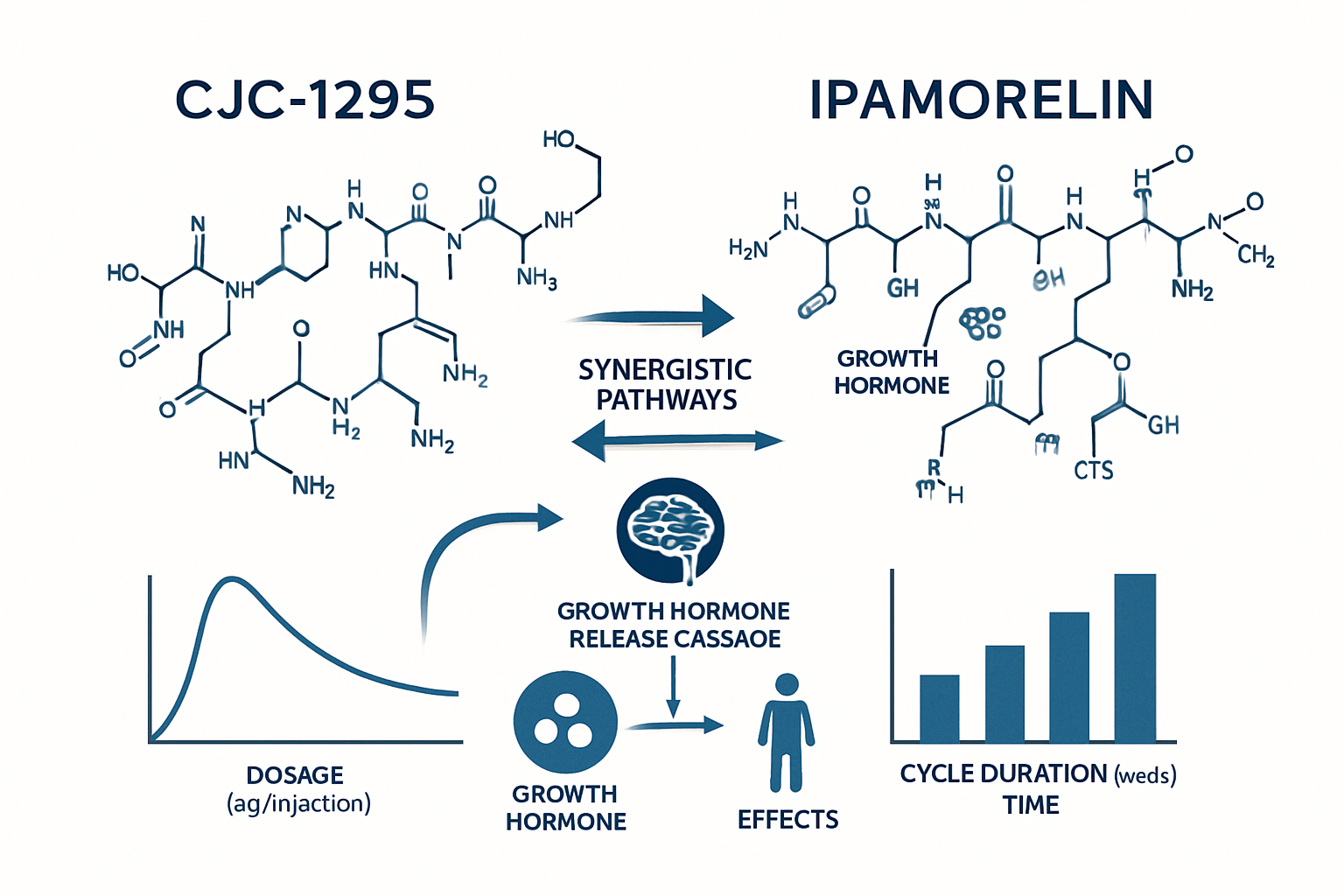
The cjc1295 ipamorelin combination represents a sophisticated approach to growth hormone research. CJC1295, a growth hormone releasing hormone analog, works by binding to GHRH receptors and stimulating the anterior pituitary to release growth hormone. When combined with Ipamorelin, a selective growth hormone secretagogue, researchers can study the synergistic effects of dual-pathway stimulation [1].
CJC1295 comes in two primary variants:
- CJC1295 with DAC (Drug Affinity Complex) – Extended half-life version
- CJC1295 without DAC – Shorter acting, more frequent dosing required
Ipamorelin functions as a ghrelin mimetic, specifically targeting growth hormone release without significantly affecting cortisol or prolactin levels, making it an ideal research companion to CJC1295 [2].
Research Applications and Study Models
Current research focuses on several key areas when examining cjc1295 and ipamorelin combinations:
🔬 Growth Hormone Dynamics: Studying natural pulsatile release patterns
🧬 Metabolic Research: Investigating effects on body composition markers
💪 Recovery Studies: Examining tissue repair and regeneration processes
🧠 Sleep Research: Analyzing impacts on sleep quality and duration
The comprehensive peptide research catalog available through specialized suppliers enables researchers to access high-quality materials for these diverse study applications.
Optimal CJC1295 Ipamorelin Cycle Protocols
Standard Research Cycle Framework
A typical cjc1295 ipamorelin cycle in research settings follows structured protocols designed to maximize data collection while maintaining research integrity. Most studies examine cycles ranging from 8-16 weeks, with careful monitoring throughout the research period.
Basic Cycle Structure:
- Weeks 1-2: Baseline establishment and initial dosing
- Weeks 3-8: Primary research phase with consistent protocols
- Weeks 9-12: Extended observation period (if applicable)
- Weeks 13-16: Washout and recovery monitoring
Advanced Multi-Peptide Research Protocols
Some research protocols incorporate additional peptides to study complex interactions. The tesa cjc1295 ipamorelin 12mg blend represents one such advanced research tool, allowing scientists to examine triple-peptide synergies in controlled laboratory settings.
Research considerations for multi-peptide protocols include:
| Protocol Type | Duration | Monitoring Frequency | Data Points |
|---|---|---|---|
| Single Peptide | 8-12 weeks | Weekly | Basic markers |
| Dual Combination | 10-14 weeks | Bi-weekly | Enhanced tracking |
| Triple Blend | 12-16 weeks | Weekly | Comprehensive analysis |
The CJC1295 IPA research blend provides researchers with pre-measured combinations for consistent study protocols.
Timing and Administration Protocols
Research timing plays a crucial role in cjc1295 ipamorelin studies. Most protocols examine evening administration to align with natural growth hormone release patterns. Key timing considerations include:
Evening Protocol (Most Common):
- Administration 2-3 hours before sleep
- Fasting state preferred for optimal absorption
- Consistent timing throughout study period
Multiple Daily Dosing (Advanced Research):
- Morning and evening administrations
- Minimum 6-hour intervals between doses
- Enhanced data collection opportunities
Dosage Considerations and Research Guidelines
Standard CJC1295 Ipamorelin Dosage Protocols
Proper dosing represents a critical component of any cjc1295 ipamorelin dosage research protocol. Research typically examines dosage ranges based on body weight calculations and study objectives.
Common Research Dosage Ranges:
CJC1295 (with DAC):
- Research dose: 1-2mg per week
- Administration frequency: 1-2 times weekly
- Study duration: 8-12 weeks
CJC1295 (without DAC):
- Research dose: 100-200mcg per administration
- Administration frequency: 2-3 times daily
- Study duration: 8-16 weeks
Ipamorelin:
- Research dose: 200-300mcg per administration
- Administration frequency: 1-3 times daily
- Optimal timing: Evening administration
Specialized Blend Dosing Protocols
The tesa cjc1295 ipamorelin 12mg blend dosage requires specialized consideration due to its multi-peptide composition. Research protocols typically examine:
- Total blend volume: 12mg combined peptides
- Reconstitution ratios: Specific to blend composition
- Administration frequency: Usually once daily
- Study monitoring: Enhanced tracking required
Understanding proper peptide storage and handling ensures dosing accuracy throughout research periods.
Reconstitution and Preparation Standards
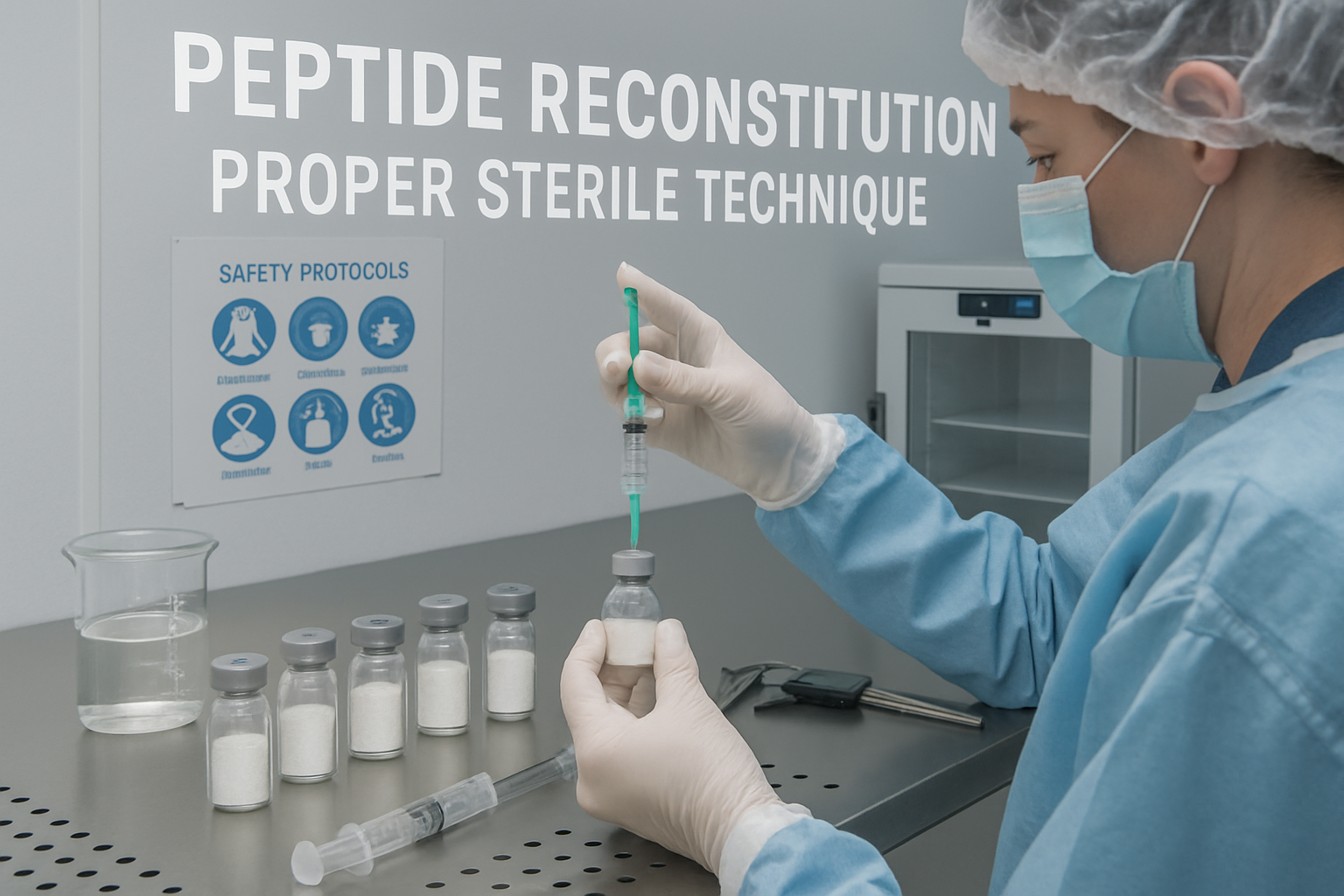
Proper tesa cjc1295 ipamorelin 12mg blend reconstitution follows strict laboratory protocols:
Step-by-Step Reconstitution Process:
- Sterile Environment: Use proper laboratory techniques
- Bacteriostatic Water: Add slowly to peptide vial
- Gentle Mixing: Avoid vigorous shaking
- Storage: Refrigerate at 2-8°C immediately
- Documentation: Record all preparation details
Safety Monitoring and Research Considerations
Common Research Observations
When conducting cjc1295 ipamorelin research, scientists monitor various parameters to ensure study integrity and data quality. Understanding potential cjc1295 ipamorelin side effects in research models helps establish proper monitoring protocols.
Primary Monitoring Parameters:
- Growth hormone levels and pulsatile patterns
- IGF-1 concentrations throughout study period
- Sleep quality and duration measurements
- Body composition changes via DEXA scanning
- Metabolic markers including glucose tolerance
Secondary Research Markers:
- Cortisol level stability
- Thyroid function parameters
- Cardiovascular markers
- Cognitive function assessments
Research Safety Protocols
Establishing comprehensive safety protocols ensures reliable data collection throughout cjc1295/ipamorelin studies. Key safety considerations include:
Pre-Study Requirements:
✅ Comprehensive baseline health assessments
✅ Detailed medical history documentation
✅ Laboratory parameter establishment
✅ Informed consent procedures
✅ Emergency protocol development
During-Study Monitoring:
📊 Regular laboratory assessments
📋 Detailed symptom tracking
🔍 Adverse event documentation
📈 Progress measurement protocols
🚨 Safety threshold establishment
The adaptive capacity research protocols provide additional frameworks for comprehensive study design.
Long-term Research Considerations
Extended cjc1295 ipamorelin cycle research requires careful planning for long-term data collection and safety monitoring. Research considerations include:
Cycle Length Optimization:
- 8-week cycles: Basic efficacy studies
- 12-week cycles: Comprehensive analysis
- 16-week cycles: Long-term effect research
- 24-week cycles: Extended safety studies
Recovery Period Planning:
- Minimum 4-week washout periods
- Extended monitoring during breaks
- Baseline re-establishment protocols
- Long-term follow-up assessments
Advanced Research Applications and Combinations
Multi-Peptide Research Protocols
Advanced research often examines serm-ipamorelin-cjc1295 combinations to study complex peptide interactions. These triple-peptide protocols allow researchers to investigate:
Synergistic Pathway Analysis:
- GHRH receptor activation patterns
- Ghrelin pathway stimulation
- Natural growth hormone pulsatility
- Metabolic pathway interactions
Research Benefits of Triple Combinations:
- Enhanced Data Collection: Multiple pathway analysis
- Comparative Studies: Single vs. combination effects
- Dose-Response Relationships: Complex interaction mapping
- Safety Profiling: Multi-peptide tolerance studies
Specialized Blend Research
The tesa aod9604 + cjc1295 + ipamorelin 12mg blend dosage represents cutting-edge research into quaternary peptide combinations. This advanced protocol allows investigation of:
- Metabolic Enhancement: AOD9604 fat metabolism effects
- Growth Hormone Optimization: CJC1295/Ipamorelin synergy
- Body Composition: tesa visceral fat research
- Comprehensive Analysis: Multi-target pathway studies
Research with specialized peptide combinations requires enhanced monitoring and documentation protocols to capture complex interactions.
Research Outcome Measurement
Documenting cjc1295 ipamorelin results requires comprehensive measurement protocols across multiple research domains:
Primary Outcome Measures:
- Growth hormone area under curve (AUC)
- Peak growth hormone responses
- IGF-1 level changes
- Sleep architecture improvements
- Body composition modifications
Secondary Research Endpoints:
- Exercise performance markers
- Recovery time measurements
- Cognitive function assessments
- Quality of life indicators
- Long-term safety parameters
Quality Assurance and Research Standards
Peptide Quality and Verification
Successful cjc1295 ipamorelin peptide research depends heavily on material quality and verification. Research-grade peptides must meet stringent purity and potency standards to ensure reliable data collection.
Quality Standards for Research Peptides:
- Purity: ≥98% by HPLC analysis
- Potency: Verified biological activity
- Sterility: Endotoxin testing completed
- Stability: Proper storage validation
- Documentation: Complete analytical certificates
The importance of verified peptide sources cannot be overstated in research applications where data integrity depends on material consistency.
Laboratory Standards and Protocols
Research facilities conducting cjc1295/ipamorelin dosage studies must maintain strict laboratory standards:
Essential Laboratory Requirements:
🏥 Sterile Preparation Areas: Clean room environments
🧪 Analytical Equipment: HPLC, mass spectrometry access
📋 Documentation Systems: Complete chain of custody
🔬 Quality Control: Batch testing protocols
❄️ Storage Facilities: Temperature-controlled environments
Research Documentation Standards
Comprehensive documentation ensures research reproducibility and regulatory compliance. Key documentation requirements include:
Study Documentation Checklist:
- Detailed protocol development
- Peptide source verification
- Preparation and storage logs
- Administration tracking sheets
- Adverse event reporting
- Data collection protocols
- Statistical analysis plans
Future Directions in Peptide Research
Emerging Research Trends
The field of ipamorelin and cjc1295 research continues evolving with new applications and methodologies emerging regularly. Current research trends include:
Personalized Research Protocols:
- Individual response profiling
- Genetic factor considerations
- Customized dosing strategies
- Precision medicine applications
Advanced Delivery Methods:
- Nasal spray formulations
- Oral peptide development
- Extended-release systems
- Targeted delivery mechanisms
Technology Integration
Modern peptide research increasingly incorporates advanced technologies for enhanced data collection and analysis:
Digital Research Tools:
📱 Mobile Monitoring: Real-time data collection apps
🖥️ Cloud Platforms: Centralized data management
🤖 AI Analysis: Pattern recognition systems
📊 Predictive Modeling: Outcome forecasting tools
The comprehensive research approach to peptide studies continues advancing with technological integration.
Regulatory Landscape Evolution
Understanding the evolving regulatory environment helps researchers maintain compliance while advancing scientific knowledge. Key considerations include:
Research Compliance Factors:
- Institutional Review Board (IRB) requirements
- Good Clinical Practice (GCP) standards
- Data privacy and security protocols
- International research guidelines
- Ethical research considerations
Conclusion
The cjc1295 ipamorelin cycle represents a sophisticated approach to growth hormone research that continues yielding valuable scientific insights. Through careful protocol design, proper dosing considerations, and comprehensive safety monitoring, researchers can conduct meaningful studies that advance our understanding of peptide interactions and their potential applications.
Key success factors for cjc1295 ipamorelin research include maintaining strict quality standards, implementing comprehensive monitoring protocols, and ensuring proper documentation throughout study periods. The synergistic effects of these peptides provide researchers with powerful tools for investigating growth hormone dynamics, metabolic processes, and recovery mechanisms.
As the field continues evolving, researchers must stay current with emerging protocols, advanced peptide combinations, and technological innovations that enhance study capabilities. The foundation of successful research remains consistent: high-quality materials, rigorous methodology, and comprehensive data collection.
Next Steps for Researchers:
- Establish Research Protocols: Develop comprehensive study designs with clear objectives and measurement criteria
- Source Quality Materials: Ensure access to verified, research-grade peptides from reputable suppliers
- Implement Safety Monitoring: Create robust systems for tracking research parameters and safety markers
- Document Thoroughly: Maintain detailed records for reproducibility and regulatory compliance
- Stay Current: Monitor emerging research trends and technological advances in peptide science
For researchers ready to begin their cjc1295 ipamorelin cycle studies, partnering with established peptide suppliers ensures access to high-quality materials and comprehensive research support. The future of peptide research holds tremendous promise for advancing scientific understanding and improving research methodologies across multiple domains.
References
[1] Jetté, L., et al. (2005). hGRF(1-29)-Albumin bioconjugates activate the GRF receptor on the anterior pituitary in rats: identification of CJC-1295 as a long-lasting GRF analog. Endocrinology, 146(7), 3052-3058.
[2] Raun, K., et al. (1998). Ipamorelin, the first selective growth hormone secretagogue. European Journal of Endocrinology, 139(5), 552-561.
SEO Meta Information
Meta Title: CJC1295 Ipamorelin Cycle Guide: Research Protocols 2025
Meta Description: Complete guide to CJC1295 ipamorelin cycle research protocols, dosing guidelines, safety monitoring, and advanced peptide combinations for researchers.