
Epithalon Peptide Sciences: The Complete Research Guide for 2025
Imagine a peptide so powerful that it could potentially slow down the aging process at the cellular level, extending not just lifespan but healthspan itself. Epithalon peptide sciences has emerged as one of the most fascinating areas of anti-aging research, capturing the attention of researchers and wellness enthusiasts worldwide. This remarkable tetrapeptide, with its unique ability to influence telomerase activity and cellular regeneration, represents a breakthrough in our understanding of how peptides can impact human longevity and vitality.
Key Takeaways
• Epithalon is a bioregulator peptide with the amino acid sequence Ala-Glu-Asp-Gly that may influence telomerase activity and cellular aging processes
• Research applications include studies on circadian rhythm regulation, immune system support, and potential anti-aging mechanisms
• Quality sourcing matters – pure, tested epithalon peptides are essential for reliable research outcomes and safety
• Dosage protocols vary based on research objectives, with typical ranges from 5-20mg administered in specific cycles
• Combination research with complementary peptides like thymalin shows promising synergistic effects in scientific studies
Understanding Epithalon Peptide Sciences Fundamentals
What Makes Epithalon Unique in Peptide Research
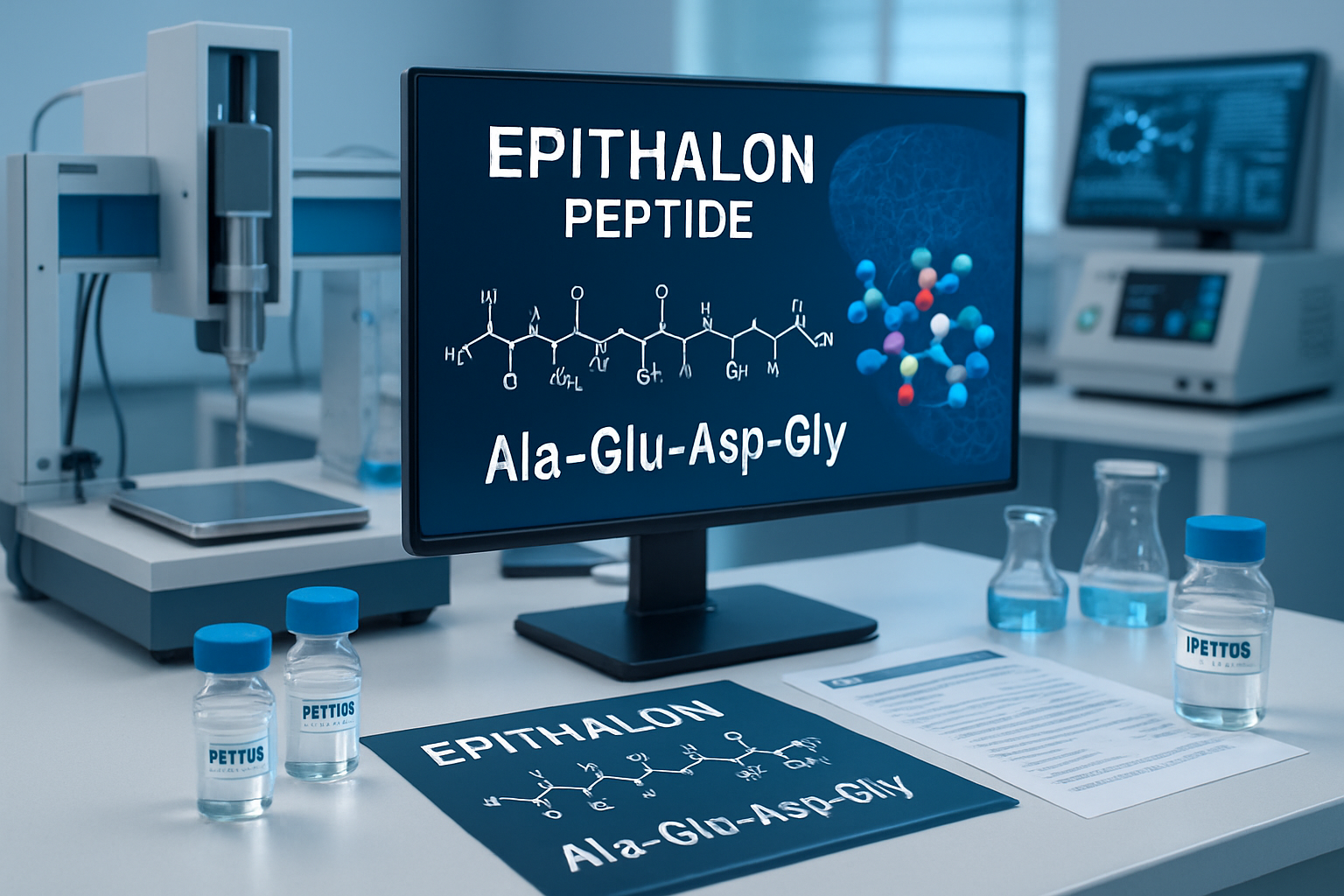
Epithalon stands apart in the peptide research landscape due to its specific tetrapeptide structure and remarkable biological activity profile. Originally discovered by Russian scientist Vladimir Khavinson, this synthetic version of the naturally occurring epithalamin has become a cornerstone of peptide research applications. The peptide's molecular formula consists of just four amino acids: alanine, glutamic acid, aspartic acid, and glycine, yet its impact on cellular processes appears disproportionately significant.
The epithalon peptide mechanism centers around its potential ability to activate telomerase, an enzyme crucial for maintaining telomere length. Telomeres, the protective caps on chromosomes, naturally shorten with age, and their preservation is considered a key factor in cellular longevity. Research suggests that epithalon may help maintain these cellular structures, potentially slowing down certain aspects of the aging process.
Scientific Foundation and Research History
The development of epithalon peptide sciences traces back to decades of research into bioregulator peptides and their effects on aging. Initial studies focused on the peptide's ability to normalize circadian rhythms and support healthy sleep patterns. Subsequent research expanded to investigate its potential effects on:
- Telomerase activity and cellular regeneration
- Immune system function and response
- Antioxidant activity and oxidative stress reduction
- Hormonal balance and endocrine system support
When considering epithalon 50mg formulations for research purposes, understanding these foundational mechanisms becomes crucial for designing effective study protocols.
Molecular Structure and Bioavailability
The epithalon peptide structure's simplicity contributes to its stability and bioavailability in research applications. Unlike larger, more complex peptides that may face degradation challenges, epithalon's tetrapeptide composition allows for:
- Enhanced stability during storage and handling
- Improved absorption in various administration methods
- Consistent potency across different research batches
- Predictable pharmacokinetics for dosing calculations
Epithalon Peptide Sciences Applications and Benefits
Primary Research Applications
Epithalon peptide sciences encompasses a broad range of research applications, making it one of the most versatile compounds in anti-aging studies. Researchers have explored its potential in multiple areas, with particular focus on cellular health and longevity mechanisms. The peptide's ability to influence fundamental biological processes makes it valuable for investigating various aspects of aging and cellular function.
Circadian rhythm research represents one of the most established applications of epithalon. Studies have demonstrated the peptide's potential to help regulate sleep-wake cycles and support healthy melatonin production. This makes it particularly valuable for research into:
- Sleep quality optimization protocols
- Jet lag and shift work adaptation studies
- Age-related sleep pattern changes
- Seasonal affective disorder investigations
The epithalon dosage protocols for circadian research typically involve lower concentrations administered over extended periods, allowing researchers to observe gradual improvements in sleep quality and rhythm regulation.
Cellular Health and Anti-Aging Research
The most compelling aspect of epithalon peptide sciences lies in its potential anti-aging properties. Research has focused extensively on the peptide's ability to influence telomerase activity, which could have profound implications for cellular longevity. Key areas of investigation include:
Telomere maintenance studies have shown promising results, with some research indicating that epithalon may help preserve telomere length in certain cell types. This research is particularly significant because telomere shortening is considered one of the hallmarks of aging.
Immune system support research has explored epithalon's potential to enhance immune function, particularly in aging populations. Studies suggest the peptide may help maintain immune cell activity and support the body's natural defense mechanisms.
For researchers interested in comprehensive peptide protocols, exploring epithalon and thymalin combinations has shown interesting synergistic effects in preliminary studies.
Cognitive Function and Neuroprotection
Emerging research in epithalon peptide sciences has begun investigating the compound's potential neuroprotective properties. While still in early stages, studies have explored epithalon's possible effects on:
- Memory formation and retention
- Cognitive processing speed and accuracy
- Neuroplasticity and brain adaptation
- Stress response and mental resilience
The epithalon benefits in cognitive research appear to be linked to its broader anti-aging mechanisms, suggesting that cellular health improvements may translate to enhanced brain function over time.
Quality Standards in Epithalon Peptide Sciences
Importance of Purity and Testing
When working with epithalon peptide sciences, the quality of research materials directly impacts study validity and safety. High-quality epithalon should meet stringent purity standards, typically exceeding 98% purity levels. This level of refinement ensures that research results aren't influenced by contaminants or degradation products that could skew findings.
Certificate of Analysis (COA) documentation provides crucial information about peptide quality, including:
- Purity percentage and analytical methods used
- Molecular weight confirmation through mass spectrometry
- Amino acid composition verification
- Bacterial endotoxin levels and sterility testing
- Water content and storage stability data
Researchers should always verify that their epithalon peptides come with comprehensive testing documentation to ensure research integrity.
Storage and Handling Protocols
Proper storage of epithalon peptide materials is essential for maintaining potency and preventing degradation. The peptide's stability characteristics require specific environmental conditions:
Temperature control is critical, with lyophilized epithalon typically stable at -20°C for extended periods. Once reconstituted, the peptide solution should be stored at 2-8°C and used within recommended timeframes to prevent degradation.
Light protection helps preserve peptide integrity, as exposure to UV light can cause structural changes that affect biological activity. Most quality suppliers provide epithalon in amber vials or light-protective packaging.
Moisture control during storage prevents premature degradation of lyophilized peptides. Proper sealing and desiccant use help maintain optimal storage conditions.
Reconstitution and Preparation Best Practices
Epithalon dosing accuracy depends heavily on proper reconstitution techniques. The process requires sterile bacteriostatic water or appropriate diluent, with careful attention to:
- Gentle mixing to prevent peptide aggregation
- Complete dissolution before use
- Accurate concentration calculations for dosing
- Sterile technique throughout the process
For researchers working with various peptide protocols, understanding best practices for storing research peptides ensures optimal results across all compounds in their studies.
Dosage Protocols and Research Methodologies
Standard Dosing Guidelines for Research
Epithalon dosage protocols in research settings vary significantly based on study objectives, subject characteristics, and desired outcomes. Understanding these variations is crucial for designing effective research protocols and interpreting results accurately. Most research applications follow established guidelines that have been refined through years of scientific investigation.
Typical dosage ranges for epithalon research generally fall between 5-20mg per administration, with most studies utilizing doses in the 10mg range. The epithalon dosage protocol often involves cyclical administration rather than continuous dosing, reflecting the peptide's biological activity patterns and potential for tolerance development.
Research cycle structures commonly follow patterns such as:
- 10-day administration cycles with 10-day rest periods
- 20-day cycles with 2-3 month intervals
- Seasonal protocols aligned with circadian rhythm research
- Age-adjusted protocols for different demographic studies
The epithalon dose frequency typically involves daily administration during active cycles, though some research protocols explore alternative timing strategies based on the peptide's half-life and biological activity windows.
Factors Influencing Dosage Decisions
Several critical factors influence epithalon dosing decisions in research applications. Age represents a primary consideration, as older subjects may require different dosing strategies compared to younger populations. Research suggests that aging may affect peptide metabolism and receptor sensitivity, potentially requiring dose adjustments.
Body weight and composition also influence dosing calculations, though epithalon's mechanism of action suggests that standard weight-based dosing may not always be optimal. Some research protocols use fixed dosing regardless of body weight, while others incorporate weight-based adjustments.
Research objectives significantly impact dosing strategies. Studies focusing on circadian rhythm regulation might use lower doses administered over longer periods, while research investigating cellular regeneration might employ higher doses in shorter cycles.
For researchers exploring comprehensive approaches, investigating epithalon and thymalin bulk sale options can provide cost-effective access to combination protocols.
Monitoring and Assessment Protocols
Effective epithalon peptide sciences research requires comprehensive monitoring protocols to track outcomes and ensure subject safety. Baseline measurements establish starting points for comparison and help identify individual variations in response patterns.
Biomarker tracking in epithalon research often includes:
- Sleep quality assessments and circadian rhythm markers
- Immune function indicators and inflammatory markers
- Oxidative stress measurements and antioxidant activity
- Hormonal balance indicators and endocrine function
- Cognitive performance metrics and neurological assessments
Safety monitoring protocols should include regular check-ins to assess any adverse reactions or unexpected responses. While epithalon generally demonstrates excellent safety profiles in research settings, proper monitoring ensures early detection of any issues.
Comparing Epithalon with Other Research Peptides
Epithalon vs. Other Anti-Aging Peptides
In the landscape of epithalon peptide sciences, understanding how this compound compares to other anti-aging peptides helps researchers make informed decisions about study design and peptide selection. Each peptide offers unique mechanisms and potential benefits, making comparative analysis essential for optimal research outcomes.
Growth hormone releasing peptides like CJC-1295 and ipamorelin work through different pathways than epithalon, focusing primarily on growth hormone stimulation rather than direct cellular aging mechanisms. While these peptides may offer benefits for muscle maintenance and metabolic function, epithalon's telomerase-focused approach targets aging at a more fundamental cellular level.
Thymosin peptides share some similarities with epithalon in their immune system support properties, but differ significantly in their primary mechanisms. Thymosin Beta-4 focuses on tissue repair and wound healing, while epithalon's broader anti-aging approach encompasses multiple biological systems.
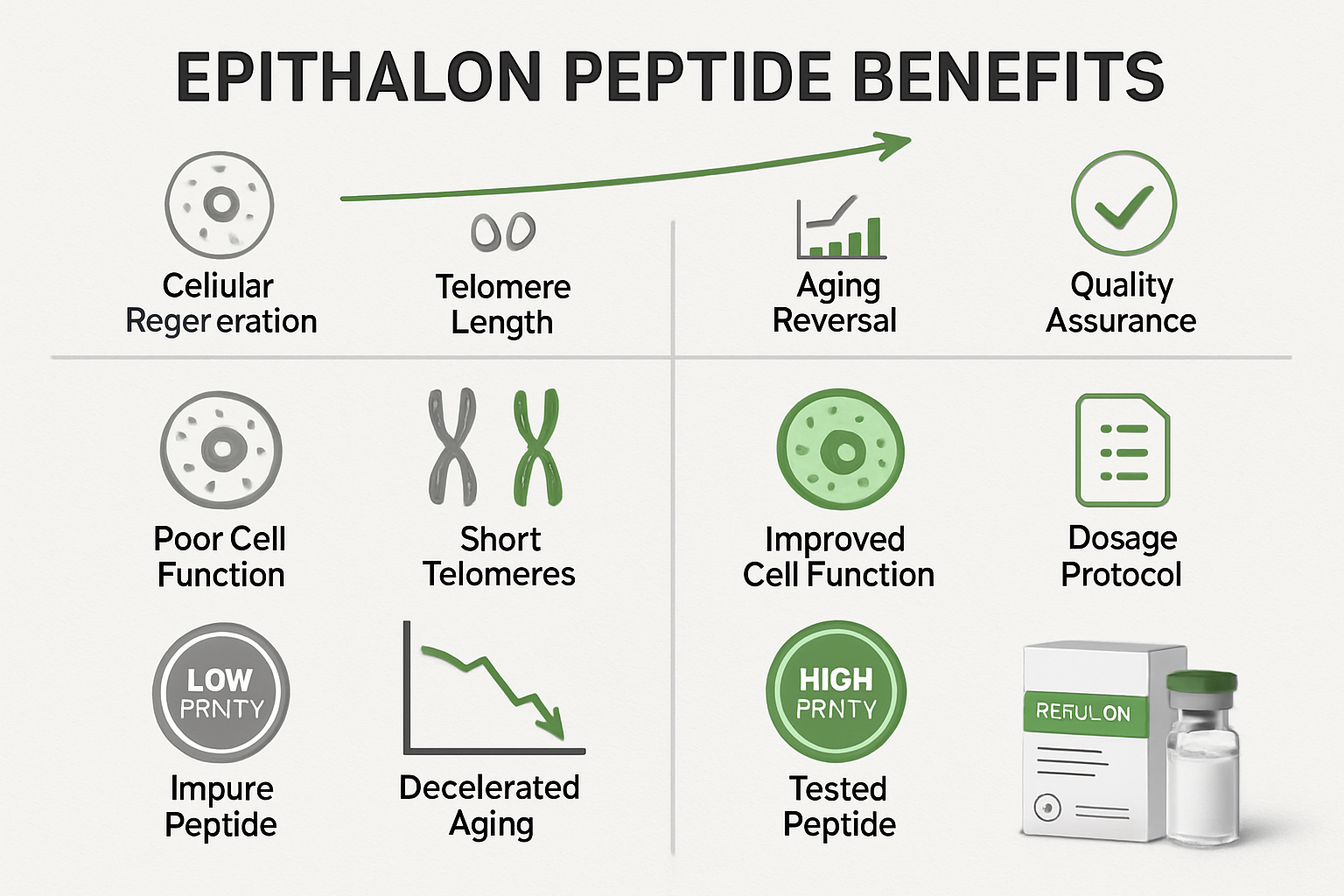
The epithalon benefits profile distinguishes it from other peptides through its multi-system approach to aging research. Unlike peptides that target specific pathways, epithalon appears to influence fundamental aging processes that affect multiple body systems simultaneously.
Combination Research Opportunities
Epithalon peptide sciences research has increasingly explored combination protocols that leverage synergistic effects between different peptides. These approaches recognize that aging is a complex, multi-factorial process that may benefit from multi-target interventions.
Epithalon and immune-supporting peptides represent one promising combination area. Research into epithalon paired with thymalin has shown interesting preliminary results, suggesting that combining telomerase activation with specific immune system support may enhance overall outcomes.
Growth factor combinations pair epithalon with peptides that support tissue repair and regeneration. These protocols investigate whether cellular aging interventions combined with active repair mechanisms might produce enhanced results compared to single-peptide approaches.
For researchers interested in exploring these synergistic approaches, building a diverse peptide library provides the foundation for comprehensive combination studies.
Research Design Considerations
When incorporating epithalon peptide research into broader study protocols, several design considerations become important. The peptide's unique mechanism of action and timing requirements may influence overall study structure and methodology.
Timeline coordination becomes crucial when combining epithalon with other research compounds. The peptide's cyclical dosing patterns must be coordinated with other interventions to avoid interference and maximize potential synergistic effects.
Outcome measurement strategies need to account for epithalon's gradual, long-term effects. Unlike peptides that may show rapid changes in specific markers, epithalon's benefits often manifest over extended periods, requiring longer study durations and different assessment protocols.
Safety Considerations and Quality Assurance
Understanding Safety Profiles in Research
Epithalon peptide sciences research has consistently demonstrated favorable safety profiles across numerous studies, making it one of the more well-tolerated compounds in anti-aging research. However, proper safety protocols remain essential for responsible research conduct and optimal outcomes.
Reported side effects in epithalon research are generally minimal and transient. Most studies report excellent tolerance with few adverse events, though individual responses can vary. Common observations include:
- Mild drowsiness during initial administration periods
- Temporary changes in sleep patterns as circadian rhythms adjust
- Occasional mild injection site reactions with subcutaneous administration
- Rare reports of vivid dreams or altered sleep quality
Contraindications and precautions for epithalon research include consideration of individual health status, concurrent medications, and specific research objectives. While the peptide demonstrates broad safety margins, certain populations may require modified protocols or additional monitoring.
The epithalon 10mg dosing range represents a well-researched safety zone that balances efficacy with minimal risk profiles, making it suitable for most research applications.
Quality Verification Protocols
Ensuring peptide quality represents a critical safety consideration in epithalon peptide sciences research. Substandard or contaminated peptides can compromise both research validity and subject safety, making quality verification essential.
Third-party testing provides independent verification of peptide purity, potency, and safety. Reputable suppliers provide comprehensive testing documentation that includes:
- High-performance liquid chromatography (HPLC) purity analysis
- Mass spectrometry molecular weight confirmation
- Amino acid sequence verification
- Bacterial endotoxin testing
- Heavy metal contamination screening
Storage and handling verification ensures that peptides maintain their quality from manufacture through research use. Proper cold chain maintenance, appropriate packaging, and documented storage conditions help preserve peptide integrity.
Researchers should prioritize suppliers who provide transparent quality documentation and maintain rigorous testing standards. Pure tested peptides represent the gold standard for research applications, ensuring reliable and safe research materials.
Regulatory and Ethical Considerations
Epithalon peptide research operates within established regulatory frameworks that govern peptide research and human studies. Understanding these requirements helps ensure compliant and ethical research practices.
Research compliance requirements vary by jurisdiction and study type, but generally include proper informed consent procedures, institutional review board approval for human studies, and adherence to good research practices.
Documentation standards for epithalon research should include detailed protocols, safety monitoring procedures, adverse event reporting systems, and outcome tracking methodologies. Proper documentation supports research validity and regulatory compliance.
Future Directions in Epithalon Peptide Sciences
Emerging Research Areas
The field of epithalon peptide sciences continues to evolve rapidly, with new research directions opening up exciting possibilities for future applications. Current trends suggest expanding investigation into personalized medicine approaches, combination therapies, and novel delivery methods that could enhance the peptide's effectiveness and accessibility.
Personalized dosing protocols represent one of the most promising future directions. Research is beginning to explore how individual genetic factors, particularly those related to telomerase activity and aging pathways, might influence optimal epithalon dosing strategies. This approach could lead to more precise, individualized protocols that maximize benefits while minimizing any potential side effects.
Biomarker development continues advancing, with researchers working to identify specific markers that can predict epithalon responsiveness and track treatment effectiveness. These developments could revolutionize how epithalon benefits are measured and optimized in research settings.
Novel delivery systems are under investigation, including nasal spray formulations, transdermal patches, and sustained-release preparations. These innovations could improve convenience and potentially enhance bioavailability compared to traditional injection methods.
Technology Integration and Advanced Research
Modern epithalon peptide sciences increasingly incorporates advanced technologies that enhance research precision and outcomes. Artificial intelligence and machine learning applications are beginning to identify patterns in epithalon research data that might not be apparent through traditional analysis methods.
Genomic research integration explores how epithalon interacts with various genetic profiles, potentially identifying individuals who might benefit most from specific protocols. This research could lead to genetic testing that guides epithalon dosage decisions and treatment timing.
Wearable technology integration allows for continuous monitoring of circadian rhythms, sleep quality, and other biomarkers relevant to epithalon research. This real-time data collection provides unprecedented insights into how the peptide affects daily biological functions.
For researchers interested in staying current with advancing methodologies, exploring applied wellness research with peptides provides valuable insights into cutting-edge approaches.
Market Trends and Accessibility
The growing interest in epithalon peptide research reflects broader trends toward preventive health approaches and longevity science. As research continues validating the peptide's potential benefits, accessibility and standardization are likely to improve significantly.
Research democratization trends suggest that high-quality epithalon will become more accessible to researchers at various levels, from academic institutions to private research facilities. This increased accessibility could accelerate research progress and validation of epithalon's potential applications.
Standardization efforts are working toward establishing universal protocols for epithalon research, including standardized dosing guidelines, outcome measurements, and safety monitoring procedures. These developments could enhance research reproducibility and facilitate meta-analyses of epithalon studies.
The epithalon for sale market continues expanding, with more suppliers offering research-grade peptides that meet stringent quality standards. This competition tends to improve quality while making research materials more affordable and accessible.
Conclusion
Epithalon peptide sciences represents one of the most promising frontiers in anti-aging and longevity research. From its unique tetrapeptide structure to its potential effects on telomerase activity and cellular regeneration, epithalon offers researchers a powerful tool for investigating fundamental aging processes. The peptide's excellent safety profile, combined with its multi-system approach to aging intervention, makes it an invaluable addition to any comprehensive research protocol.
The evidence supporting epithalon's potential benefits continues growing, with research demonstrating its effects on circadian rhythm regulation, immune system support, and cellular health maintenance. As quality standards improve and research methodologies advance, epithalon's role in longevity science is likely to expand significantly.
For researchers ready to explore epithalon peptide applications, the key to success lies in sourcing high-quality, properly tested materials and following established protocols. Whether investigating single-peptide effects or exploring combination therapies, epithalon offers unique opportunities to advance our understanding of aging and cellular health.
Take Action Today: Begin your epithalon research journey by securing high-quality, tested peptides from reputable suppliers. Establish proper storage and handling protocols, design comprehensive monitoring systems, and consider how epithalon might complement other research initiatives in your laboratory. The future of anti-aging research is here – and epithalon peptide sciences offers an exciting pathway to groundbreaking discoveries.
SEO Meta Information:
Meta Title: Epithalon Peptide Sciences: Complete Research Guide 2025
Meta Description: Comprehensive guide to epithalon peptide sciences covering dosage protocols, benefits, quality standards, and research applications for anti-aging studies.